


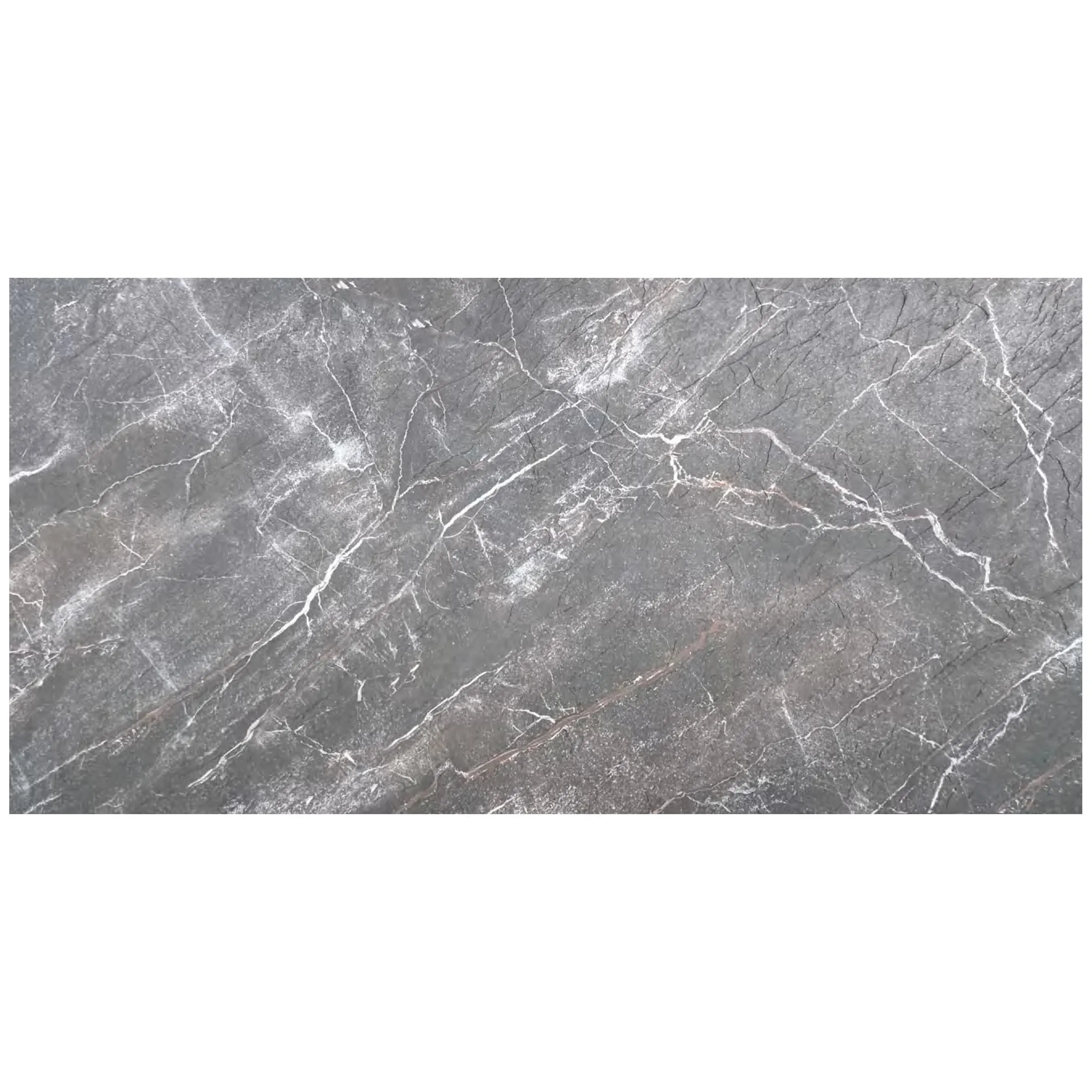
Picture this: You're standing in a sleek, modern lobby, eyes drawn to a wall that seems to stretch endlessly upward. It's rich, velvety black, streaked with threads of gold that twist and flow like liquid sunlight. But as you step closer, something feels off—tiny, uneven grout lines crisscross the surface, chopping that once-seamless beauty into a patchwork of small tiles. You think, *"Why can't stone look this grand without all the interruptions?"* If you've ever felt that frustration—whether as an architect, designer, or homeowner—you're not alone. Traditional stone cladding, for all its timeless appeal, has long been held back by one stubborn problem: joints. Too many of them. And they don't just break up the visual flow; they add complexity to installation, increase maintenance headaches, and limit the bold, sweeping designs we crave. But what if there was a way to get that luxurious, uninterrupted stone look—say, the iconic depth of Slate Portoro—with far fewer joints? Enter Big Slab MCM Panels .
The Problem with "Small" in Stone Design
Let's talk about joints for a minute. They're the necessary evil of traditional stone installation. When you're working with standard 12x12-inch slate tiles or even 2x4-foot panels, every seam is a potential weak spot. Dirt gets trapped, water seeps in, and over time, those lines start to look tired—like a puzzle missing a few pieces. For designers chasing that "grand" aesthetic—think a hotel facade that reads as one massive, imposing slab, or a fireplace surround that feels like a single block hewn from the earth—traditional materials force compromise. You either accept the joints (and all their downsides) or scale back your vision. And let's not forget weight: Natural stone is heavy. A single slab of Slate Portoro can weigh hundreds of pounds, requiring reinforced structures, cranes, and a small army of installers. It's not just inconvenient—it limits where and how you can use the material. High-rise exteriors? Tight interior spaces? Often, out of the question.
Then there's the pattern problem. Slate Portoro, with its dramatic black base and gold veining, is a designer favorite for a reason—it's bold, luxurious, and full of movement. But when you slice it into small tiles, that movement gets chopped up. The veins start and stop arbitrarily, turning a fluid natural pattern into something that feels… manufactured. It's like trying to appreciate a landscape painting through a grid of tiny windows. You lose the big picture.
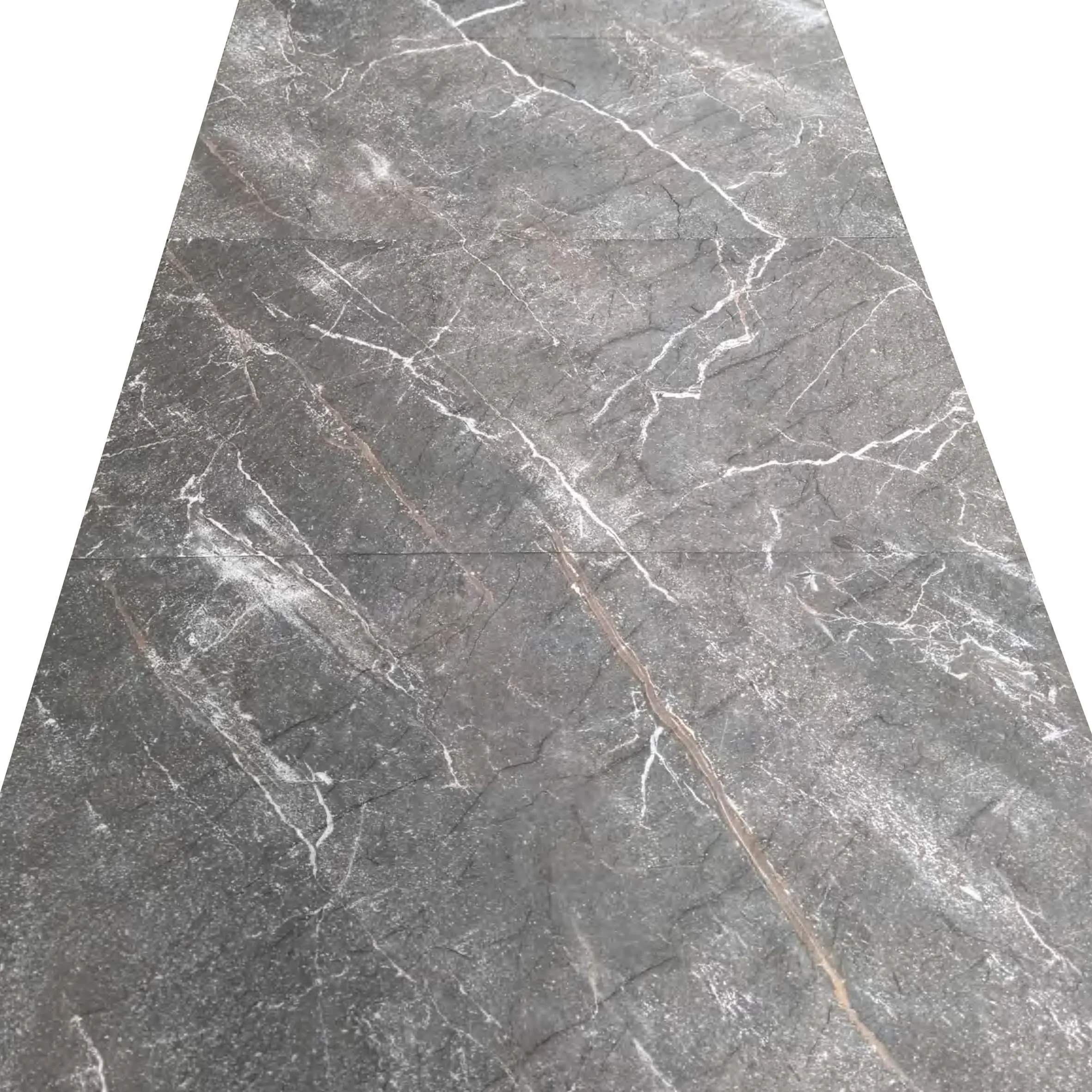
So, What *Are* Big Slab MCM Panels, Anyway?
Let's start with the basics: MCM stands for Modified Composite Material—a blend of natural stone aggregates, polymers, and reinforcing fibers that's been engineered to be lighter, stronger, and more flexible than traditional stone. You've probably seen regular MCM panels before; they're popular for their durability and eco-friendly profile. But Big Slab MCM Panels take that technology to the next level. We're talking about panels that can span 4x8 feet, 5x10 feet, or even larger, depending on the project. That's a game-changer.
Here's why size matters: A standard 2x4-foot MCM panel might cover 8 square feet, but a 4x8-foot big slab covers 32 square feet—four times the area with a fraction of the joints. On a 100-square-foot wall, that could mean going from dozens of seams down to just a handful. Suddenly, that Slate Portoro pattern? It can flow unbroken, like a river of gold cutting through black stone, just as nature intended. And because MCM is a composite, these big slabs aren't heavy. We're talking 3-5 pounds per square foot, compared to 15-20 pounds for natural slate. That's light enough to be installed with basic tools, no cranes required. It opens up possibilities for high-rise buildings, interior feature walls, even ceiling applications—places where traditional stone would be too cumbersome or costly.
The Slate Portoro Effect: Beauty Without Compromise
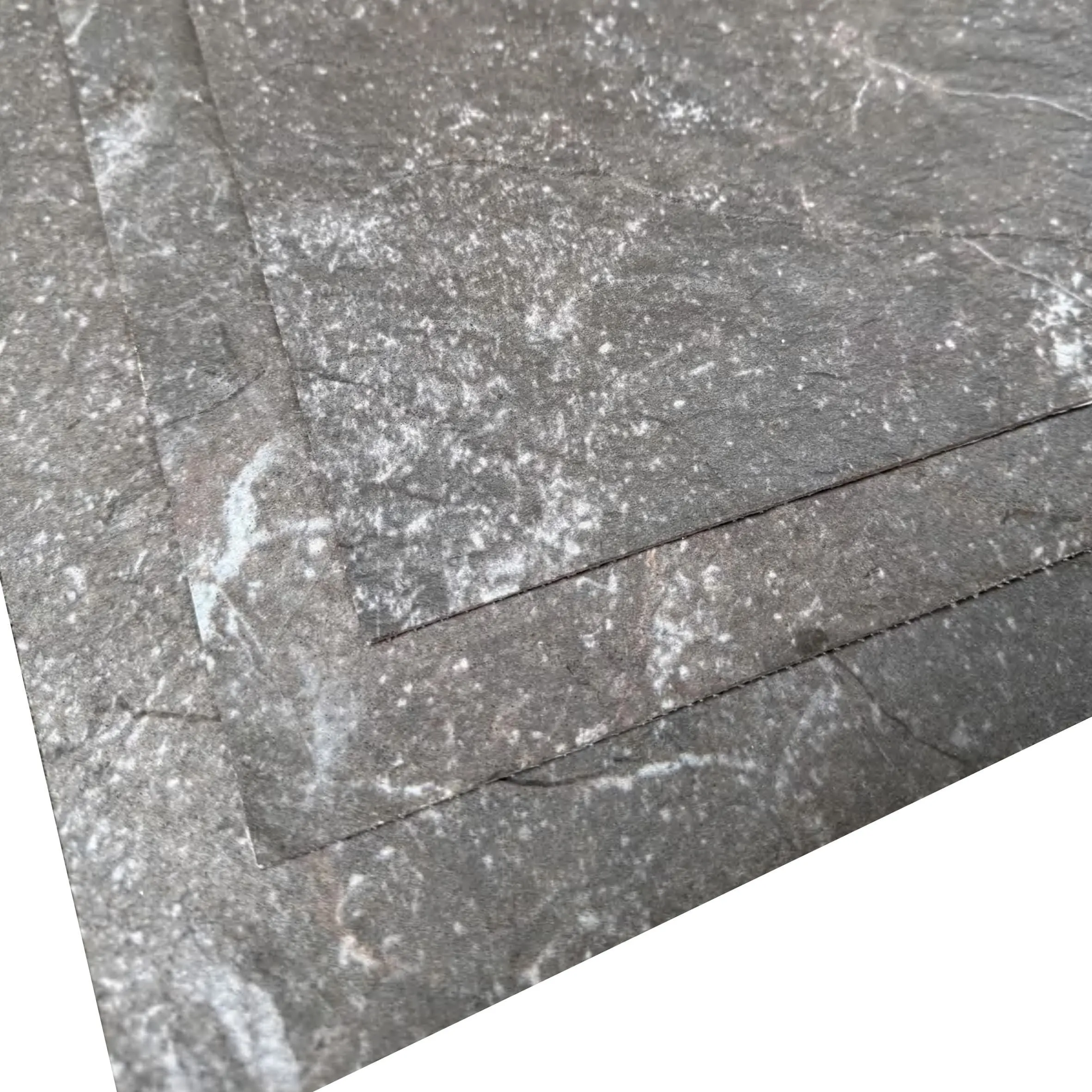
Let's zero in on the star of the show here: the Slate Portoro aesthetic. If you're not familiar, Slate Portoro is a type of natural stone known for its deep, almost black background interlaced with bold, irregular veins of gold, cream, or copper. It's the stone of luxury—think five-star hotel lobbies, high-end restaurants, and trophy homes. But natural Slate Portoro is rare, expensive, and (as we've established) a nightmare to work with in large formats. Big Slab MCM Panels solve that by replicating that iconic look with uncanny accuracy—down to the texture, the depth of color, and the way light plays off those golden veins.
How do they do it? Advanced printing and texturing technologies. MCM panels start with a base layer of mineral aggregates (think crushed stone, glass, or ceramic) mixed with a polymer binder. Then, using high-resolution digital printing, the Slate Portoro pattern is applied—capturing every nuance of the natural stone, from the subtle variations in the black base to the way the gold veins thicken and thin. Finally, a textured topcoat is added to mimic the feel of natural stone—slightly rough to the touch, with just enough grip to feel authentic. The result? A panel that looks and feels like the real thing, but without the weight, cost, or joint chaos.
Take the recent renovation of The Grandview Hotel in downtown Chicago, for example. The design team wanted the lobby's feature wall to make a statement—something that screamed "luxury" but didn't require tearing down walls to reinforce the structure. They considered natural Slate Portoro but quickly nixed it; the weight would have required structural upgrades, and the cost was prohibitive. Then they discovered Big Slab MCM Panels. The installer used four 5x10-foot panels to cover a 200-square-foot wall. The result? A seamless expanse of "Slate Portoro" that draws the eye upward, with gold veins that twist and turn across the entire surface, unbroken by joints. Guests often mistake it for the real thing—until they lean in and realize how lightweight it feels. "It's like having a masterpiece without the museum-level maintenance," the hotel's designer told me. "No more scrubbing grout lines or worrying about cracks. It just *looks* perfect, year after year."
Beyond Beauty: The Practical Perks of Big Slab MCM
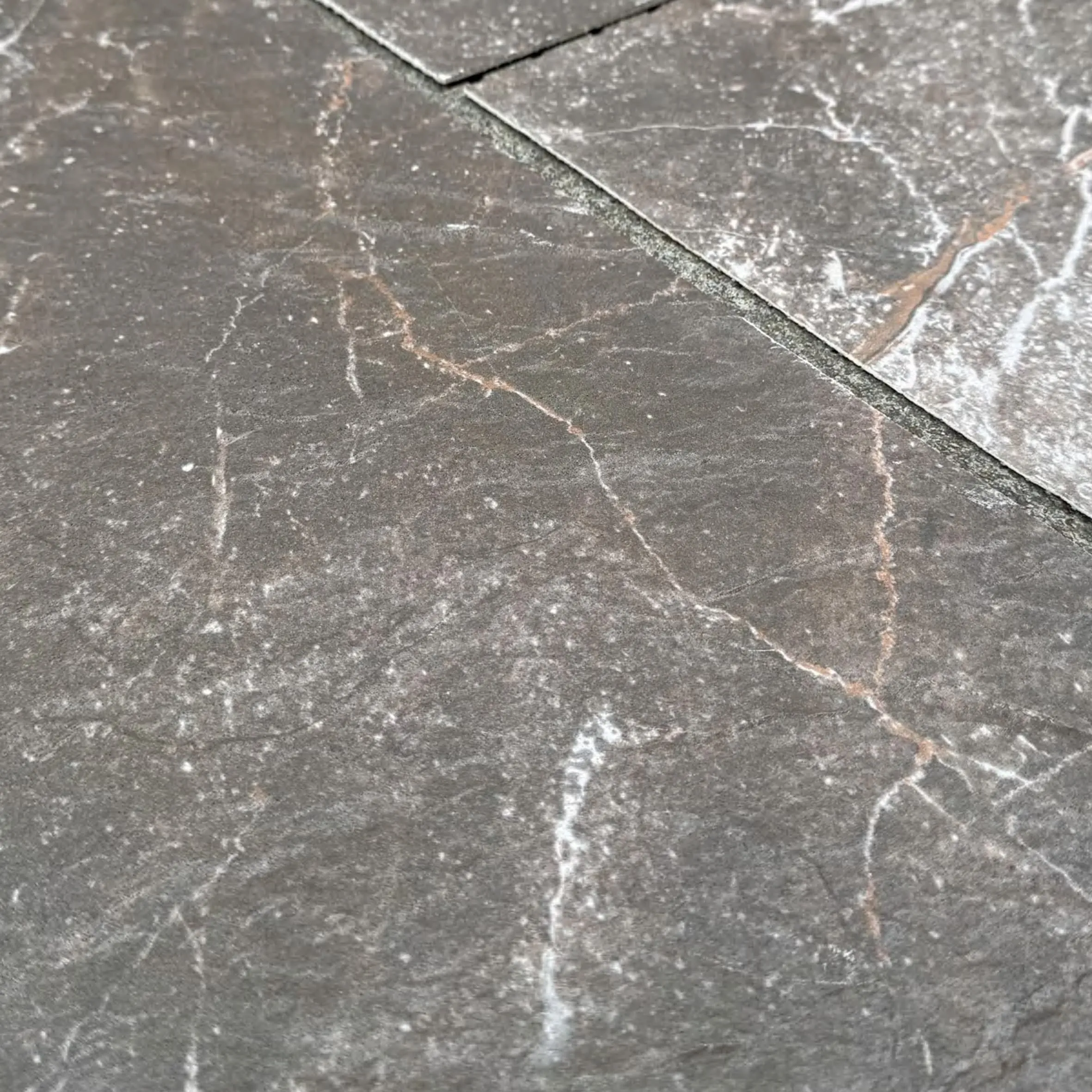
Sure, fewer joints and a stunning Slate Portoro look are the headline grabbers, but Big Slab MCM Panels have a lot more going for them. Let's break down the practical benefits that make them a favorite among architects, contractors, and homeowners alike.
1. Lightweight = Less Hassle (and Cost)
We touched on this earlier, but it's worth repeating: At 3-5 pounds per square foot, these panels are a breeze to handle. A small crew can carry and install a 4x8-foot slab with nothing more than a dolly and some basic lifting gear. Compare that to natural stone, which often requires cranes, scaffolding, and specialized labor. On a commercial project, that can cut installation time by 50% or more—and time saved is money saved. Plus, because they're so light, you don't need to reinforce walls or floors to support them. That's a huge win for retrofits or older buildings where structural upgrades would be expensive or impossible.
2. Durability That Stands Up to the Elements
MCM isn't just lightweight—it's tough. The composite material is resistant to scratches, chips, and fading, even in harsh weather. Rain, snow, UV rays, salt air—these panels can handle it all. Unlike natural stone, which is porous and can stain or crack over time, MCM is non-porous and sealed at the factory, so it resists mold, mildew, and water damage. That makes them ideal for outdoor applications, like exterior cladding or pool surrounds, as well as high-traffic indoor spaces like retail stores or airports. And because there are fewer joints, there are fewer places for water to seep in—another layer of protection against wear and tear.
3. Prefabricated Precision = Consistent Results
Big Slab MCM Panels are part of prefabricated MCM panel systems , which means they're made in a controlled factory environment, not on a messy job site. Every panel is cut to exact specifications, with edge details and finishes that are consistent across the entire batch. No more dealing with natural stone's inherent variability—crooked edges, uneven thickness, or color mismatches. What you see in the sample is exactly what you get on the wall. This precision also speeds up installation: panels interlock or adhere cleanly to substrates like drywall, concrete, or metal, with minimal on-site cutting. It's like building with giant, beautiful Lego blocks—simple, fast, and foolproof.
4. Design Versatility: It's Not Just Slate Portoro
While we've been focusing on Slate Portoro, Big Slab MCM Panels come in a wide range of looks. Love the warmth of wood? There's wood grain board with realistic knots and grain patterns. Craving the industrial edge of concrete? fair-faced concrete and polish concrete finishes have you covered. Want to channel the desert? gobi panel mimics the texture of wind-worn stone. And for something truly out of this world, there's lunar peak silvery —a sleek, metallic finish that looks like it was chiseled from the moon. The point is, big slabs mean big design possibilities. Whether you're going for classic elegance, modern minimalism, or something totally unique, there's a finish that fits.

How Do They Stack Up? A Quick Comparison
Still not sure if Big Slab MCM Panels are right for your project? Let's put them head-to-head with traditional materials. Here's how they compare:
| Feature | Traditional Slate Tiles (12x12 in) | Regular MCM Panels (2x4 ft) | Big Slab MCM Panels (4x8 ft) |
|---|---|---|---|
| Joints per 100 sq ft | ~100 joints | ~3 joints | |
| Weight per sq ft | 15-20 lbs | 3-4 lbs | 3-5 lbs |
| Installation Time (100 sq ft) | 8-10 hours | 4-5 hours | 2-3 hours |
| Durability | Porous, prone to staining/cracking | Non-porous, scratch-resistant | Non-porous, impact/UV-resistant |
| Design Flexibility | Limited by tile size; pattern disruption | Good, but some joint visibility | Excellent; seamless patterns, large-scale designs |
Where Can You Use Big Slab MCM Panels?
The short answer? Almost anywhere. These panels are so versatile, they've been used in projects ranging from tiny home offices to sprawling shopping malls. Here are a few standout applications:
Commercial Spaces: Make a Statement
Retail stores, hotels, and office lobbies thrive on first impressions. A Big Slab MCM feature wall in Slate Portoro can turn a generic lobby into a space that feels luxurious and memorable. Restaurants use them to create ambiance—imagine a sushi bar backed by marble interstellar gray panels that look like they're dusted with stardust. Even airports are getting in on the action, using foamed aluminium alloy board (vintage silver) for sleek, modern check-in counters that are easy to clean and stand up to heavy foot traffic.
Residential Design: Luxury at Home
Homeowners are loving Big Slab MCM Panels for everything from accent walls to outdoor kitchens. A wood grain board feature wall in the living room adds warmth without the maintenance of real wood (no warping, no termites!). Rammed earth board (matcha green) in the bedroom creates a calming, spa-like vibe. And for the ultimate in outdoor living, boulder slab (vintage gold) around a pool or patio looks like natural stone but won't crack in freeze-thaw cycles. It's luxury that's built to last.
Public Spaces: Beauty Meets Function
Museums, libraries, and community centers need materials that are both beautiful and durable. Travertine (starry blue) panels in a museum hallway evoke the night sky, inspiring wonder in visitors. Historical pathfinders stone on the exterior of a library pays homage to the past while standing up to years of weather. And flexible stone cladding panels on a playground wall can be shaped into curves and angles, making the space more inviting for kids—all while being tough enough to handle roughhousing.
The Future of Stone Design Is Big (and Seamless)
At the end of the day, Big Slab MCM Panels are more than just a building material—they're a design revolution. They let us stop compromising between beauty and practicality, between grand visions and real-world constraints. Whether you're an architect dreaming of a skyline-defining facade, a designer chasing the perfect feature wall, or a homeowner wanting to elevate your space, these panels deliver. They're lightweight, durable, and stunningly beautiful—especially when that beauty is uninterrupted by joints.
So, the next time you're standing in front of a wall marred by too many seams, or struggling to imagine how to fit that bold stone look into your project, remember: bigger is better. Big Slab MCM Panels aren't just changing how we build—they're changing how we *see* spaces. And with finishes like Slate Portoro leading the way, the future of design is looking a lot more seamless. Here's to fewer joints, more beauty, and spaces that take our breath away—one big slab at a time.










