
Imagine standing in the lobby of a newly built convention center—walls that feel warm yet sturdy, floors that echo with the softness of wood but stand up to thousands of daily footsteps, and a design that blends seamlessly with the surrounding greenery. What if we told you the material behind that lobby's charm isn't traditional hardwood, stone, or even concrete? It's something smarter, more adaptable, and quietly revolutionizing how we build large spaces: Big Slab Poly Wood Board. In a world where architects and developers juggle demands for durability, sustainability, and visual appeal, this material is emerging as a game-changer. Let's dive into why it's becoming the go-to choice for everything from sprawling commercial complexes to community hubs.
Large-scale projects—think shopping malls, airports, university campuses, or public parks—come with unique headaches. You need materials that can handle heavy foot traffic, resist harsh weather (whether it's scorching sun, pouring rain, or freezing snow), and still look good after years of use. On top of that, there's the pressure to cut down on construction time, reduce carbon footprints, and stay within budget. Traditional options often fall short: Natural wood warps and rots; fair-faced concrete is durable but can feel cold and sterile; even wood concrete board , a hybrid favorite, sometimes lacks the flexibility to match ambitious design visions.
Enter Big Slab Poly Wood Board. Made by blending recycled wood fibers with high-performance polymers, it's engineered to tackle these challenges head-on. It's not just a "wood substitute"—it's a material that redefines what's possible for large spaces. Let's break down its biggest advantages.
When you're building something meant to last decades, durability isn't negotiable. Big Slab Poly Wood Board brings two key strengths here: resistance to the elements and resilience against wear and tear. Unlike natural wood, it won't splinter, crack, or fade when exposed to UV rays. It's also moisture-resistant, making it ideal for outdoor spaces like boardwalks or covered patios—no more worrying about mold or warping after a rainstorm.
Consider rust board granite , a material prized for its toughness in high-traffic areas. It's strong, but it's also heavy and can be tricky to install in large sheets. Big Slab Poly Wood Board offers similar longevity (some manufacturers guarantee 25+ years of performance) but at a fraction of the weight. That lightness matters: it reduces stress on building structures and makes transportation easier, cutting down on logistical headaches during construction.
Real-World Example: A recent renovation of a downtown transit hub used Big Slab Poly Wood Board for its outdoor waiting areas. After two years of heavy rain, snow, and daily use by over 10,000 commuters, the boards still look brand-new—no peeling, no discoloration, just the same warm wood-like texture that welcomed passengers on day one.
Eco-conscious design isn't just a trend anymore—it's a requirement for forward-thinking projects. Big Slab Poly Wood Board shines here, too. Most variants are made with recycled wood fibers (from sawmill scraps or post-consumer wood waste) and low-VOC (volatile organic compound) polymers, meaning they keep waste out of landfills and reduce reliance on virgin materials. Compare that to fair-faced concrete , which has a high carbon footprint due to cement production, or even natural wood, which often contributes to deforestation when not sourced responsibly.
But sustainability isn't just about materials—it's about maintenance, too. Traditional wood needs regular staining, sealing, or painting to stay protected; each of those steps uses chemicals and adds to long-term costs. Big Slab Poly Wood Board? It's virtually maintenance-free. A quick hose-down or wipe with mild soap is all it takes to keep it clean. That means fewer chemicals in the environment and more time (and money) saved for project teams.
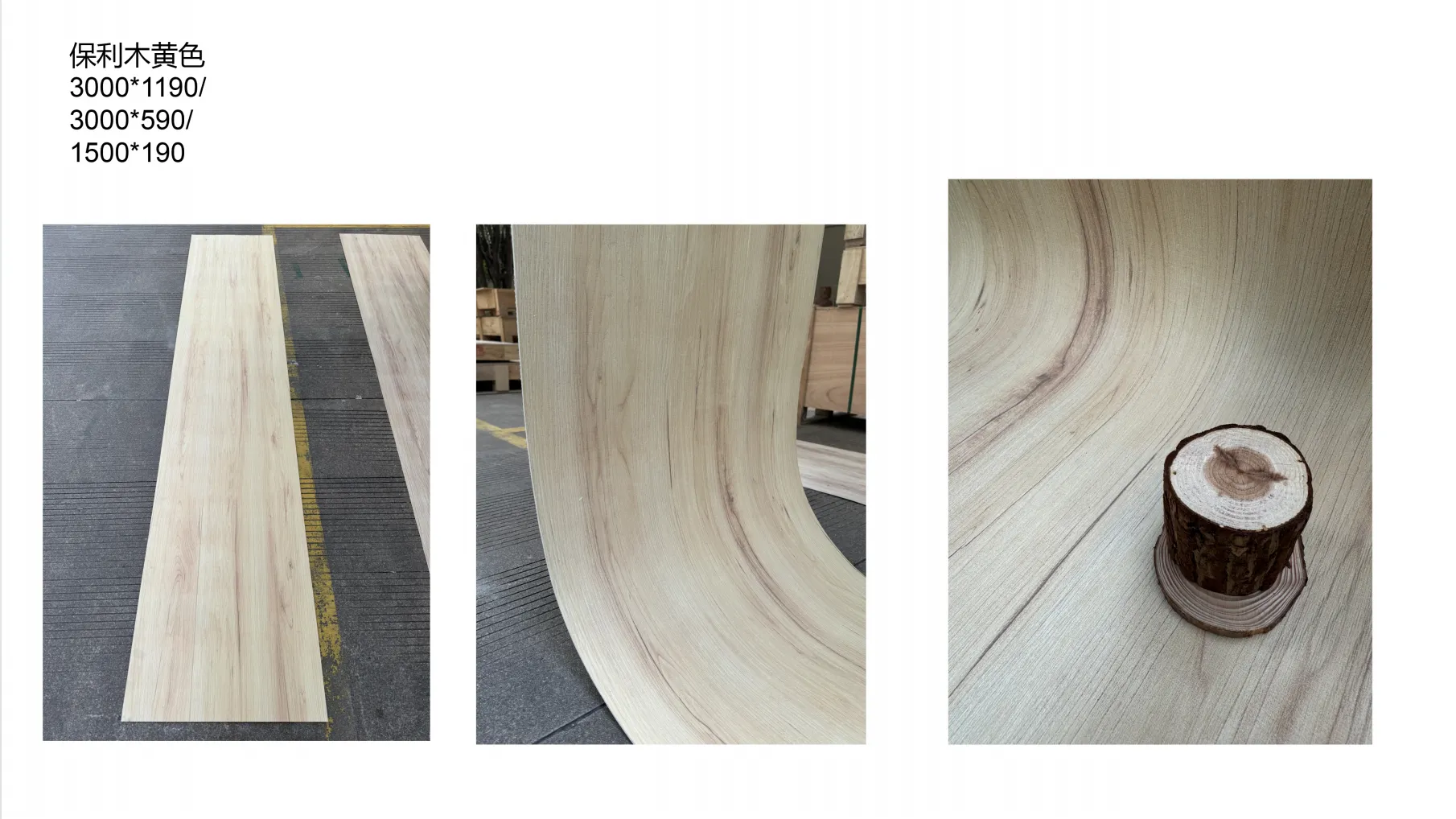
One of the biggest complaints about "practical" building materials is that they limit creativity. Not Big Slab Poly Wood Board. It's designed to be a chameleon, mimicking the look of natural wood (complete with grain patterns and knots) or even stone, depending on the finish. Architects love it because it lets them blend aesthetics: imagine a commercial building with a bamboo mat board -inspired facade paired with Big Slab Poly Wood Board accents for a cohesive, nature-forward look.
Customization at Its Core
These boards come in massive slabs—some up to 12 feet long and 4 feet wide—so you can cover large areas with minimal seams. That's a big win for visual flow: no more choppy patterns from small tiles or planks. And the finishes? The options are endless: warm oak, rich walnut, weathered barnwood, or even a sleek "modern wood" look with subtle grain. Want to match the earthy tones of mcm flexible stone in a mixed-material project? No problem—manufacturers can tweak the color and texture to complement other materials seamlessly.
Time is money in construction, and Big Slab Poly Wood Board is a time-saver. Thanks to those large slabs, installers can cover more ground in less time. Traditional wood planks or mcm flexible stone tiles often require hundreds of pieces to cover a wall or floor, leading to more cuts, more joints, and more labor hours. With Big Slab Poly Wood Board, a team can install a 500-square-foot wall in a day instead of three—meaning projects stay on schedule, and labor costs stay in check.
Another bonus? It's easy to work with. Unlike stone or concrete, which require specialized tools, Big Slab Poly Wood Board can be cut, drilled, or sanded with standard woodworking equipment. That means contractors don't need to invest in new tools or training, making the transition to using it smooth and cost-effective.
Let's talk numbers. At first glance, Big Slab Poly Wood Board might cost a bit more upfront than low-grade plywood or basic concrete. But when you factor in long-term savings, it's a no-brainer. Think about it: no need for annual staining or sealing (saving on maintenance costs), fewer repairs over time (no replacing warped or rotted boards), and faster installation (cutting labor bills). Compare that to wood concrete board , which, while durable, can still require periodic sealing to prevent moisture damage. Over 10 years, the total cost of ownership for Big Slab Poly Wood Board often ends up 30-40% lower than traditional materials.
Still not sure how Big Slab Poly Wood Board measures up to other popular materials? Let's break it down:
| Material | Durability (Lifespan) | Installation Time (per 100 sq ft) | Sustainability | Aesthetic Flexibility |
|---|---|---|---|---|
| Big Slab Poly Wood Board | 25+ years (weather/UV resistant) | 2-3 hours | High (recycled materials, low maintenance) | Excellent (mimics wood, stone; large slabs for seamless look) |
| Fair-Faced Concrete | 50+ years (but prone to cracking) | 6-8 hours (requires curing time) | Low (high carbon footprint, heavy transportation) | Limited (industrial look, hard to customize) |
| Wood Concrete Board | 15-20 years (needs sealing every 2-3 years) | 4-5 hours | Medium (some recycled content, but high maintenance) | Good (wood-like texture, but smaller boards) |
| MCM Flexible Stone | 20+ years (resistant to wear, but fragile edges) | 5-7 hours (many small tiles, precise alignment) | Medium (natural stone, but energy-heavy extraction) | Good (stone textures, but limited size options) |
Big Slab Poly Wood Board isn't just solving problems—it's inspiring new possibilities. Architects are using it to create curved walls that mimic the flow of natural landscapes, or expansive ceilings that bring warmth to otherwise sterile public spaces. Developers are choosing it for eco-certified projects, knowing it helps them meet LEED or BREEAM standards. Even homeowners are catching on, using it for large outdoor decks or indoor feature walls that need to handle kids, pets, and daily life without losing their appeal.
What really sets it apart, though, is how it balances heart and practicality. In a world where so much of construction feels cold and impersonal, it brings a touch of nature—warmth, texture, and character—without the downsides of natural materials. It's a reminder that building for the future doesn't mean sacrificing beauty or sustainability.
Large-scale projects are about more than just bricks and mortar—they're about creating spaces that people love, that last, and that leave a positive mark on the planet. Big Slab Poly Wood Board checks all those boxes: it's tough enough for the busiest spaces, green enough for the most eco-conscious teams, and versatile enough to turn bold design ideas into reality. Whether you're building a community center, a retail complex, or a public park, it's worth asking: Could this be the material that takes your project from "good" to "unforgettable"?
The answer, we think, is a resounding yes. Big Slab Poly Wood Board isn't just changing how we build—it's changing how we think about what's possible. And that's a pretty exciting future to build toward.
Recommend Products












