
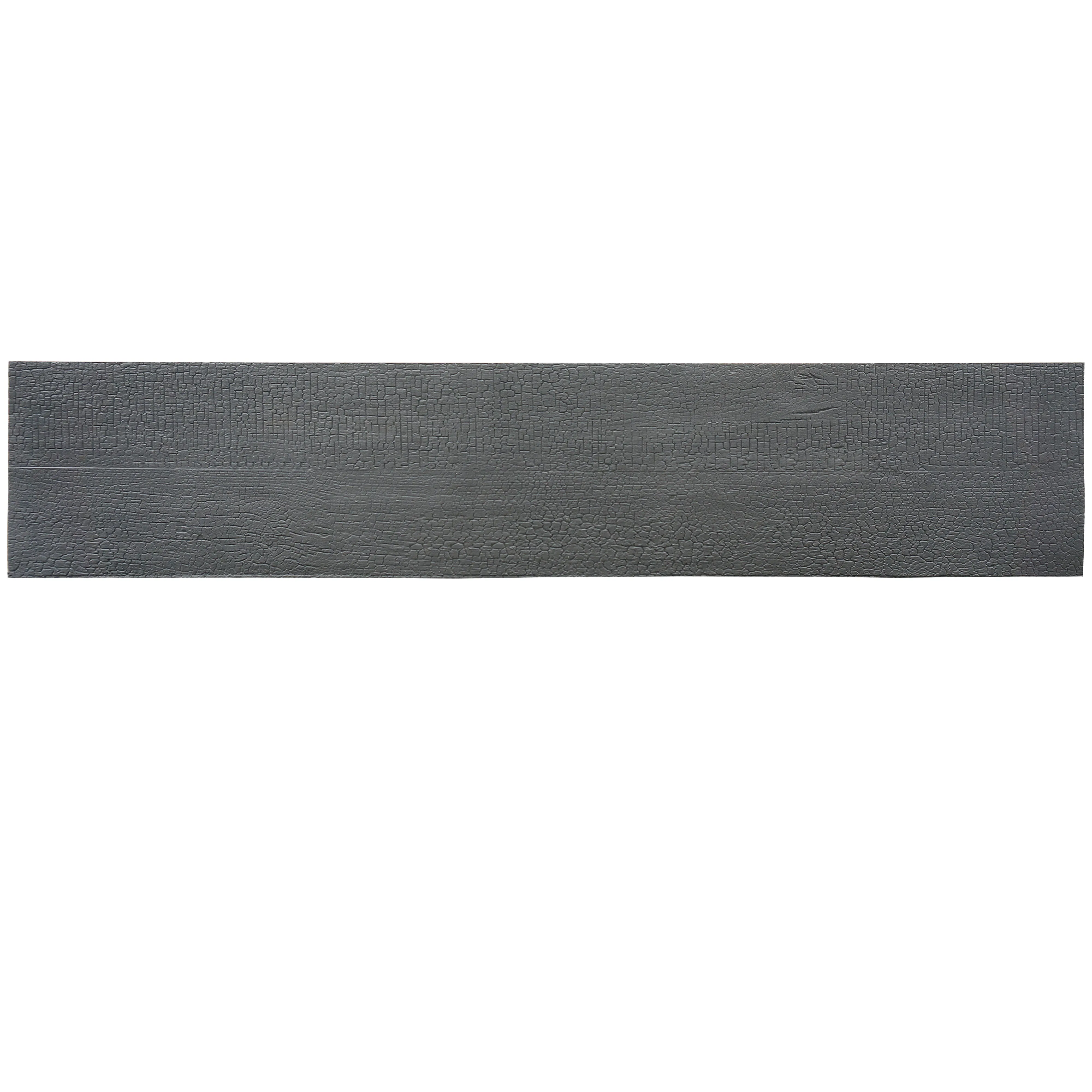
Choosing the right building material can feel a bit like navigating a maze—especially when you're stuck between two popular options: big slabs and project boards. And if you've ever stood in front of a wall of samples, fingers brushing over textures, trying to picture how they'll look in your space, you know the struggle. Today, let's zoom in on a material that's been turning heads lately: charcoal burnt wood board. We'll unpack the differences between its big slab and project board varieties, and yes—we're even diving into the nitty-gritty of pH levels. Because when it comes to durability, compatibility, and long-term beauty, even the smallest chemical details matter.
Before we get into the specifics of charcoal burnt wood, let's make sure we're on the same page. In the world of building materials—especially in the MCM (Modified Composite Material) lineup—"big slabs" and "project boards" are two distinct categories, each with its own superpowers.
Think of big slabs as the sturdy, statement-making cousins. The mcm big slab board series is all about size and presence. These are large, thick panels—often measuring several feet in length and width—designed to cover expansive surfaces with minimal seams. Picture a sleek restaurant wall, a modern fireplace facade, or a commercial lobby feature wall: that's where big slabs shine. They're engineered for durability, with a solid feel that screams "high-end." Because of their heft, they're typically used in areas where structural support isn't an issue, and where a seamless, monolithic look is the goal.
Project boards, on the other hand, are the chameleons of the material world. The mcm project board series is built for flexibility—literally and figuratively. These panels are thinner, lighter, and often more adaptable, making them ideal for projects where weight, curved surfaces, or quick installation are priorities. Think residential accent walls, furniture detailing, or even ceiling treatments. They're easier to cut, shape, and transport, which is why contractors love them for custom jobs. And don't let their lighter weight fool you: modern project boards are still tough, just in a more nimble package.
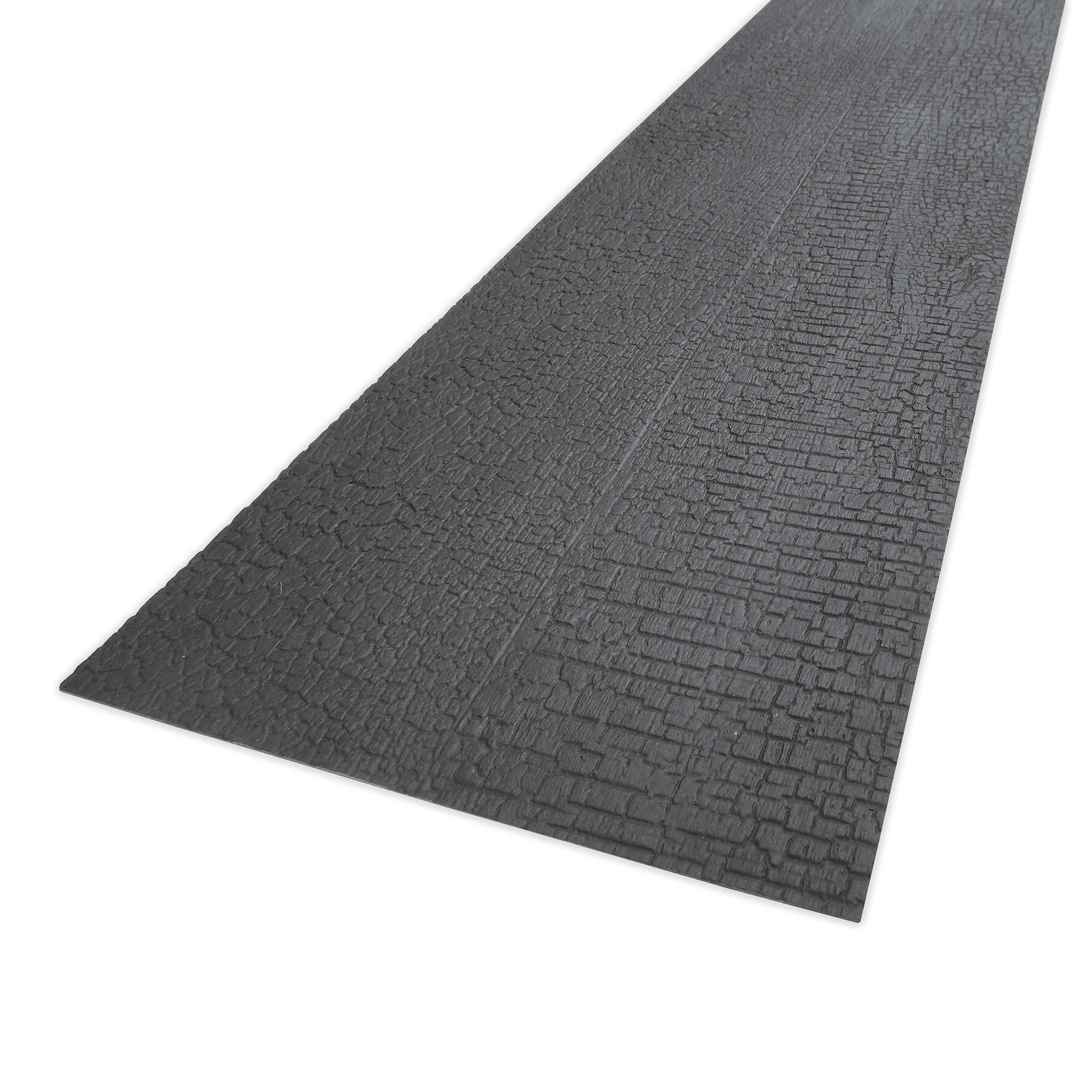
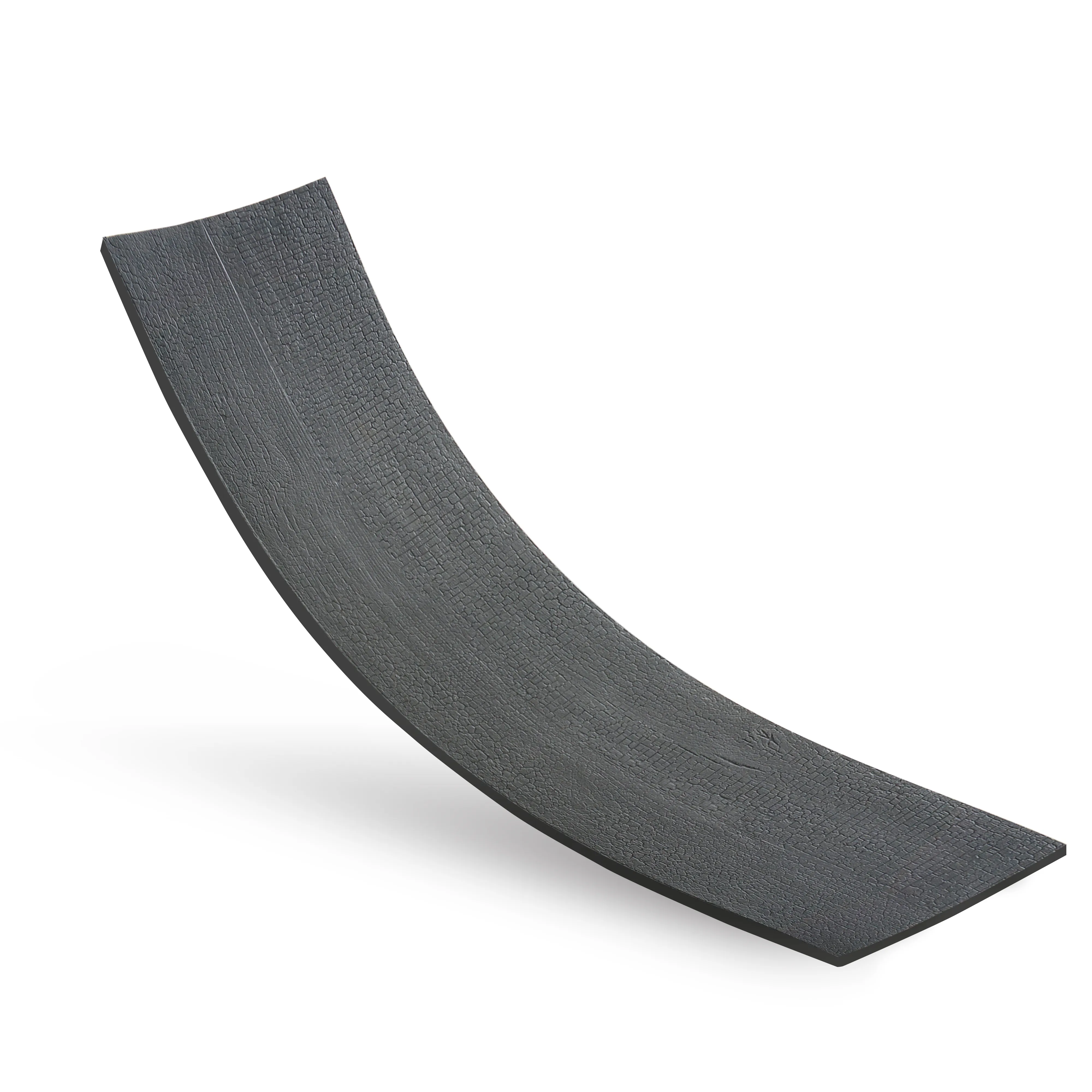
Now, let's talk about the star of our show: charcoal burnt wood board . If you haven't seen it yet, imagine wood that's been kissed by fire—deep, rich charred tones with hints of amber and ash, the grain still visible but softened into something almost otherworldly. It's a material that blends rustic warmth with industrial edge, which is why it's popping up in everything from cozy cabins to trendy urban lofts.
But here's the thing: charcoal burnt wood board isn't just about looks. The charring process (traditionally done using techniques like shou sugi ban, a Japanese method) isn't just for aesthetics—it's a natural way to enhance durability. The burnt layer acts as a barrier against moisture, pests, and decay. But when you scale this material into big slabs and project boards, things get interesting. The way it's manufactured, cut, and treated can affect more than just its appearance—it can change its chemical makeup, including its pH level.
Okay, let's get a little science-y, but don't worry—I'll keep it simple. pH is a measure of how acidic or alkaline a substance is, ranging from 0 (super acidic) to 14 (super alkaline). Most people associate pH with pool water or soil, but in building materials, it's a quiet hero (or villain, if ignored).
Why does pH matter for your charcoal burnt wood board? Let's break it down:
So, when comparing big slabs and project boards of charcoal burnt wood, their pH levels aren't just numbers on a chart—they're clues to how well they'll perform in your space.
Now, let's put these two head-to-head. How do the pH levels of charcoal burnt wood big slabs and project boards differ, and why?
Big slabs in the mcm big slab board series are thicker and denser, which means their manufacturing process often involves more pressure and heat. To achieve that solid, seamless look, they might undergo additional treatments—like sealants or stabilizers—that can tweak pH. For example, some manufacturers add alkaline compounds to strengthen the core, pushing the pH slightly higher (more alkaline) than their project board counterparts.
Project boards, being thinner and more flexible, are usually processed with lighter pressure. Their charring might be more surface-level, and they may rely on different sealants (like water-based formulas) that keep the pH closer to neutral. Think of it like baking a cake: a thicker cake needs more time in the oven and might require adjustments to the batter to keep it from drying out—same idea with slabs vs. boards.
Here's a fun fact: pH levels can vary *within* a single piece of material. In big slabs, the charred outer layer is just the tip of the iceberg. Below that, the inner core (which isn't burnt) has its own pH. Since big slabs are thicker, this core is more significant—if it's slightly acidic (which untreated wood often is), it could influence the overall pH reading. Project boards, being thinner, have less core material, so their pH is more dominated by the charred surface and any surface treatments.
To give you a concrete example, let's look at some (hypothetical but realistic) pH readings from a leading manufacturer of charcoal burnt wood boards. Remember, neutral pH is 7—anything below is acidic, above is alkaline.
| Material Type | pH Range | Common Treatments | Best For |
|---|---|---|---|
| Charcoal Burnt Wood (Big Slab) | 7.5 – 8.5 (Slightly Alkaline) | Alkaline-based sealants, heat-pressed core | Large, vertical surfaces (walls, fireplaces), low-moisture areas |
| Charcoal Burnt Wood (Project Board) | 6.5 – 7.5 (Near Neutral) | Water-based sealants, surface charring only | Accent walls, furniture, curved surfaces, high-moisture areas (e.g., bathrooms with proper ventilation) |
See the difference? Big slabs tend to skew slightly alkaline, thanks to those heavy-duty treatments, while project boards hover around neutral. Neither is "better"—they're just better suited for different jobs.
Let's say you're planning a home renovation. You walk into a showroom and fall in love with a sample of charcoal burnt wood board. Now, do you go big slab or project board? Here's how to decide:
Remember, your charcoal burnt wood board won't live in a vacuum. If you're installing it next to wood grain board (which often has a neutral pH), project boards might be the safer bet for compatibility. If it's going up against flexible stone (which tends to be more alkaline), a big slab could be a better match. When in doubt, ask your supplier for pH specs—reputable brands (like those in the MCM series) will have this info handy.
Okay, you've chosen your material—now how do you keep it looking great? pH plays a role here, too.
For slightly alkaline big slabs: Avoid harsh acidic cleaners (like vinegar or citrus-based products), which can etch the surface over time. Stick to mild, pH-neutral soaps and soft cloths. And if you notice any metal fasteners starting to discolor (a sign of corrosion), replace them with stainless steel or brass options that resist alkaline reactions.
For near-neutral project boards: You have a bit more flexibility with cleaners, but still, steer clear of anything too extreme. Since they're often used in more detailed areas (like furniture), be gentle with scrubbing—you don't want to wear away that charred surface. A quick wipe with a damp cloth and mild detergent should do the trick.
At the end of the day, choosing between big slabs and project boards for your charcoal burnt wood project isn't about picking a "winner." It's about matching the material to your space, your needs, and yes—even its pH level. The mcm big slab board series offers bold, durable statements with a slightly alkaline twist, while the mcm project board series brings versatility and neutrality to the table.
And let's not forget the real star here: charcoal burnt wood board itself. Whether in slab or board form, it's a material that tells a story—of fire, of craft, of bringing nature's raw beauty into our built environments. By understanding the nuances of pH and performance, you're not just choosing a building material—you're curating a space that's as functional as it is unforgettable.
So, next time you're standing in that showroom, running your hand over that charred wood sample, you'll know exactly what to ask: "What's the pH, and where does it need to live?" Your future self (and your walls) will thank you.
Recommend Products












