
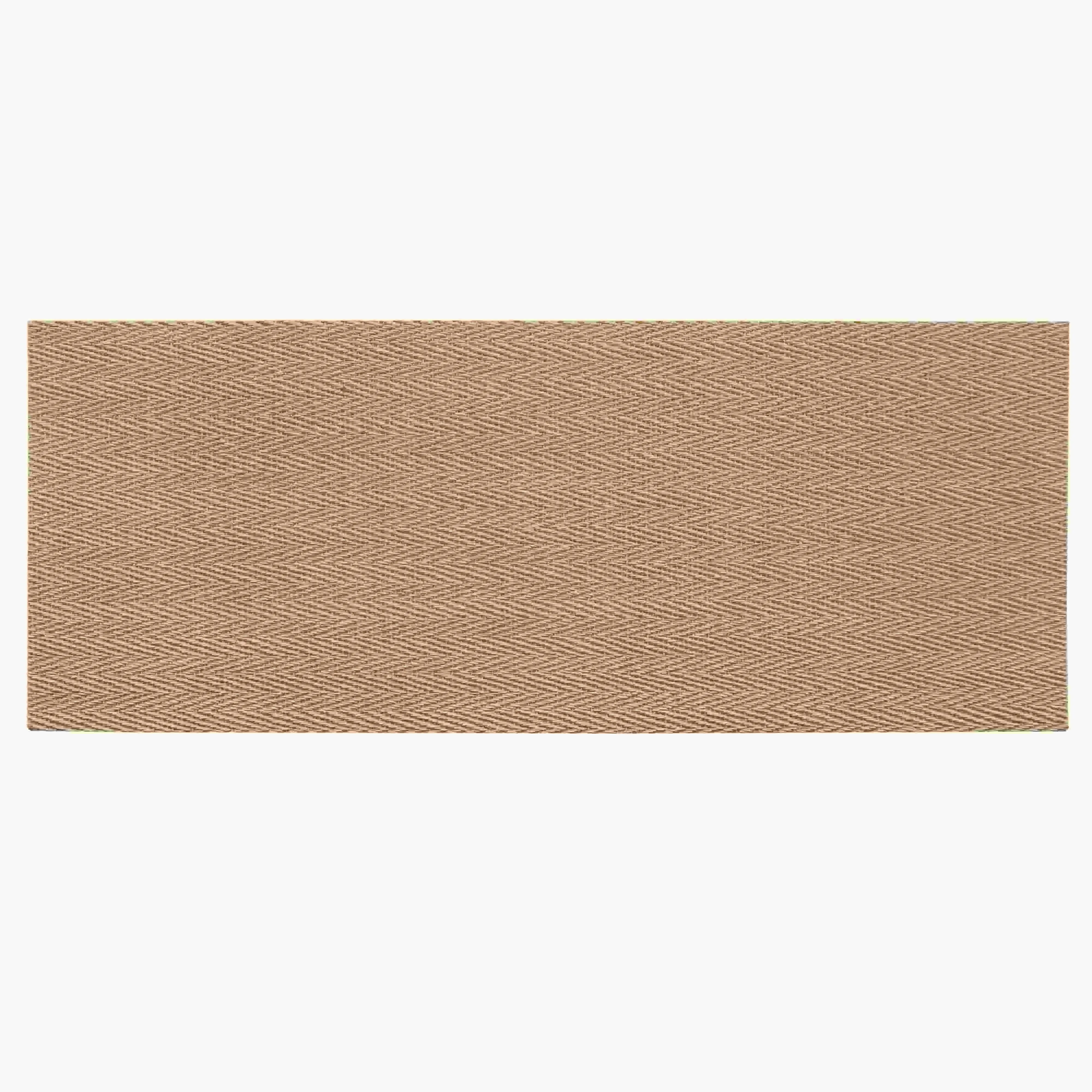
Where flexibility, artistry, and innovation converge to shape the future of built spaces
Architecture is more than just walls and roofs—it's the language of how we live, work, and connect. For centuries, materials have dictated that language: ancient civilizations carved grandeur from stone, industrial eras poured strength into steel and concrete, and modern design has danced between minimalism and bold expression. But here's the thing architects and designers whisper to each other in late-night studio sessions: the best materials don't just support a vision—they elevate it.
Enter the challenge of large-scale design. When projects demand expansive surfaces—think sweeping facades, curved interiors, or statement walls—traditional materials often hit a wall (pun intended). Natural stone is heavy, brittle, and hard to shape. Concrete, while durable, can feel cold and unyielding. Even modern composites sometimes lack the soul of a material that feels crafted , not just manufactured. That's where the mcm big slab board series steps in, and at its heart lies a standout star: Big Slab Weaving (Khaki) MCM .
Imagine a material that marries the rugged charm of handwoven textiles with the resilience of stone. A material so versatile it bends around curves like a ribbon, yet so strong it stands up to harsh weather and heavy foot traffic. That's not a dream—it's the reality of weaving (khaki) MCM , and it's quietly rewriting the rulebook for what's possible in architecture today.
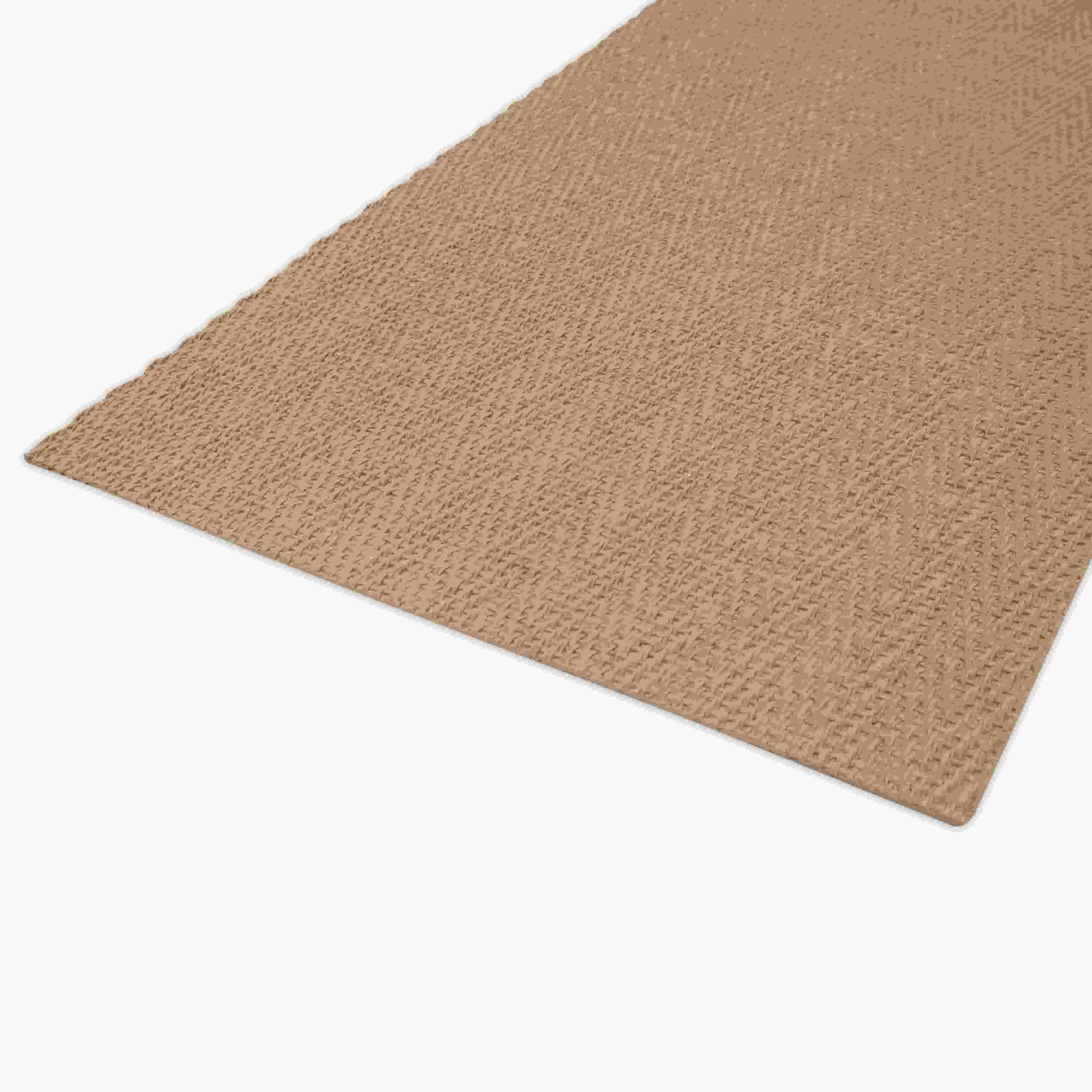
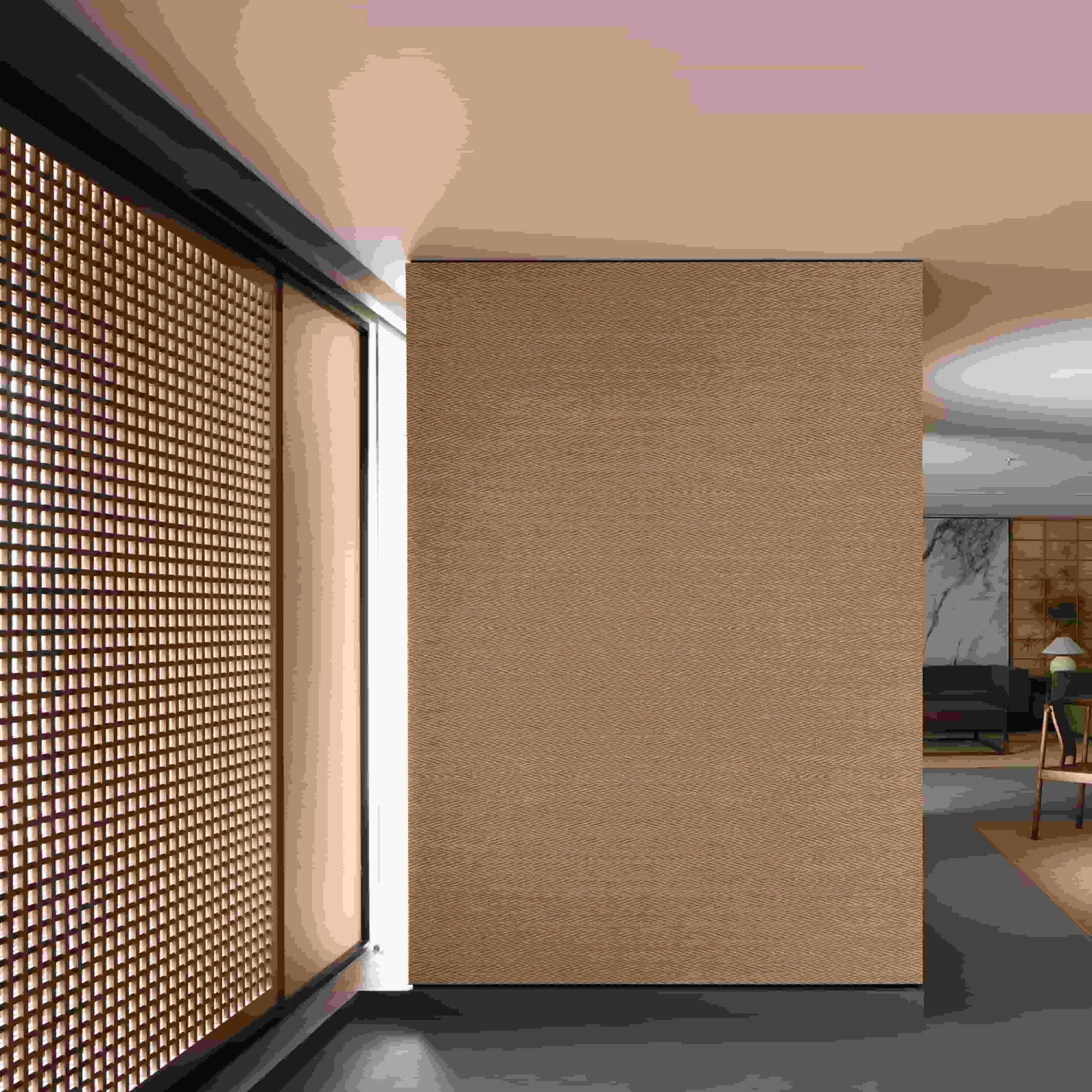
Let's start with the obvious: the look . Run your hand over a slab of Weaving (Khaki) MCM, and you'll be struck by the texture first. It's not smooth like polished marble or flat like painted concrete. Instead, it mimics the gentle, organic crisscross of a handwoven khaki fabric—each "thread" of the pattern slightly raised, catching light to create depth that shifts as you move around it. The color itself is a warm, earthy khaki, a hue that sits somewhere between sand and sage, making it a chameleon in design palettes. Pair it with crisp whites for a modern edge, layer it with wood tones for rustic warmth, or contrast it with bold blues for a Mediterranean vibe—it adapts, and it elevates.
But this isn't just a pretty face. As part of the mcm big slab board series , it's engineered for scale. Slabs come in sizes that once seemed impossible—up to 3 meters in length, with minimal seams—allowing architects to create uninterrupted surfaces that feel monumental yet cohesive. No more choppy, small tiles breaking up a facade; just one sweeping expanse of texture and color that draws the eye and tells a story.
And then there's the flexibility . Traditional stone is rigid—bend it, and it cracks. But Weaving (Khaki) MCM is part of MCM's flexible stone lineup, a game-changing technology that uses advanced composite materials to create a product that's both lightweight and pliable. Think of it as stone with a "memory": it can curve around a rounded wall, follow the slope of a ceiling, or even wrap around structural columns without losing its integrity. For architects tired of designing around straight lines, this is nothing short of liberation.
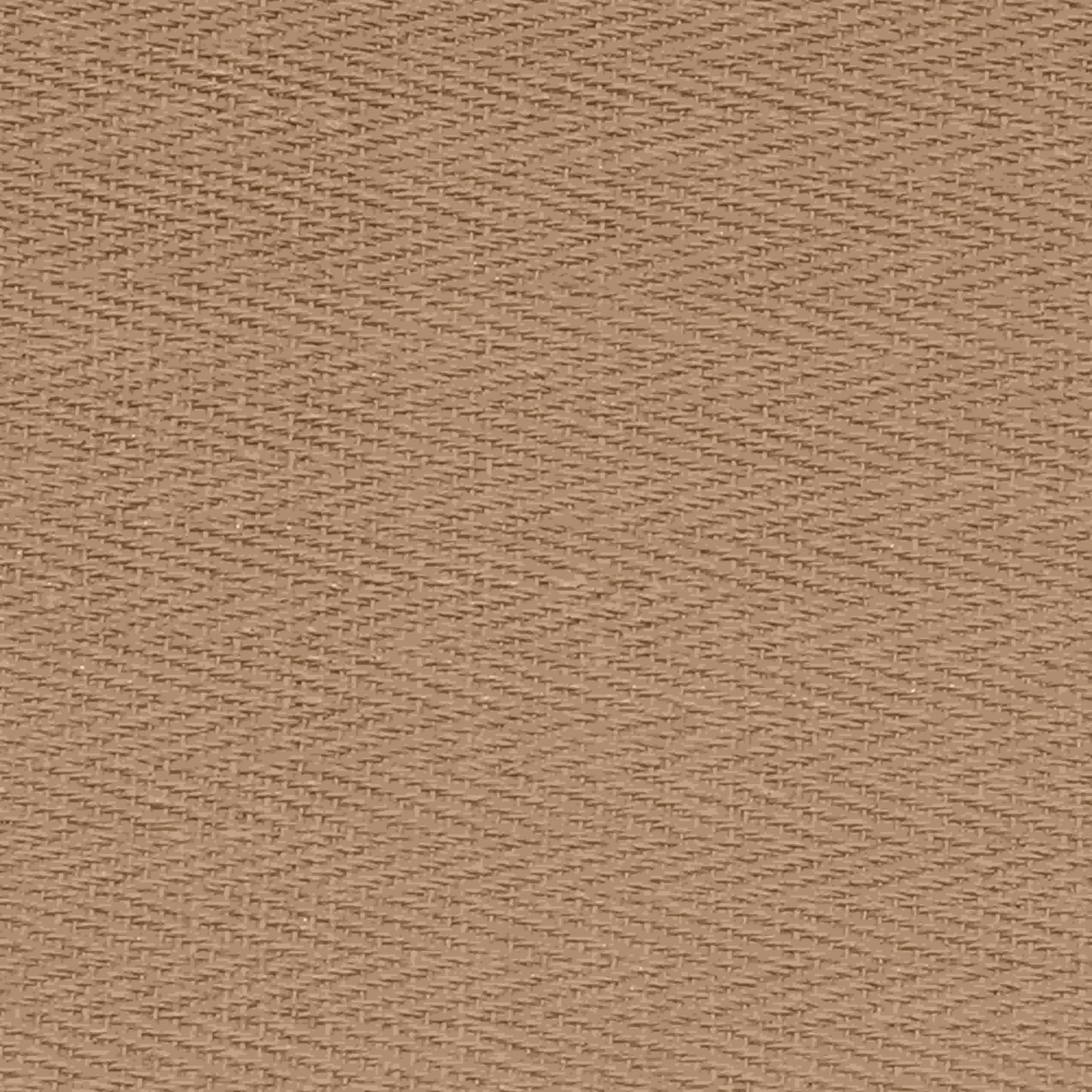
You might be wondering: How do you make stone "flexible"? The answer lies in MCM's proprietary blend of natural minerals, reinforced polymers, and cutting-edge manufacturing techniques—including elements of the 3D printing series that ensure precision at every step. Here's a simplified breakdown:
The result? A material that's 1/3 the weight of natural travertine, 5x more flexible than ceramic tile, and 100% customizable. It's the kind of innovation that makes architects lean forward in their chairs during presentations, sketching ideas on napkins as they imagine the possibilities.
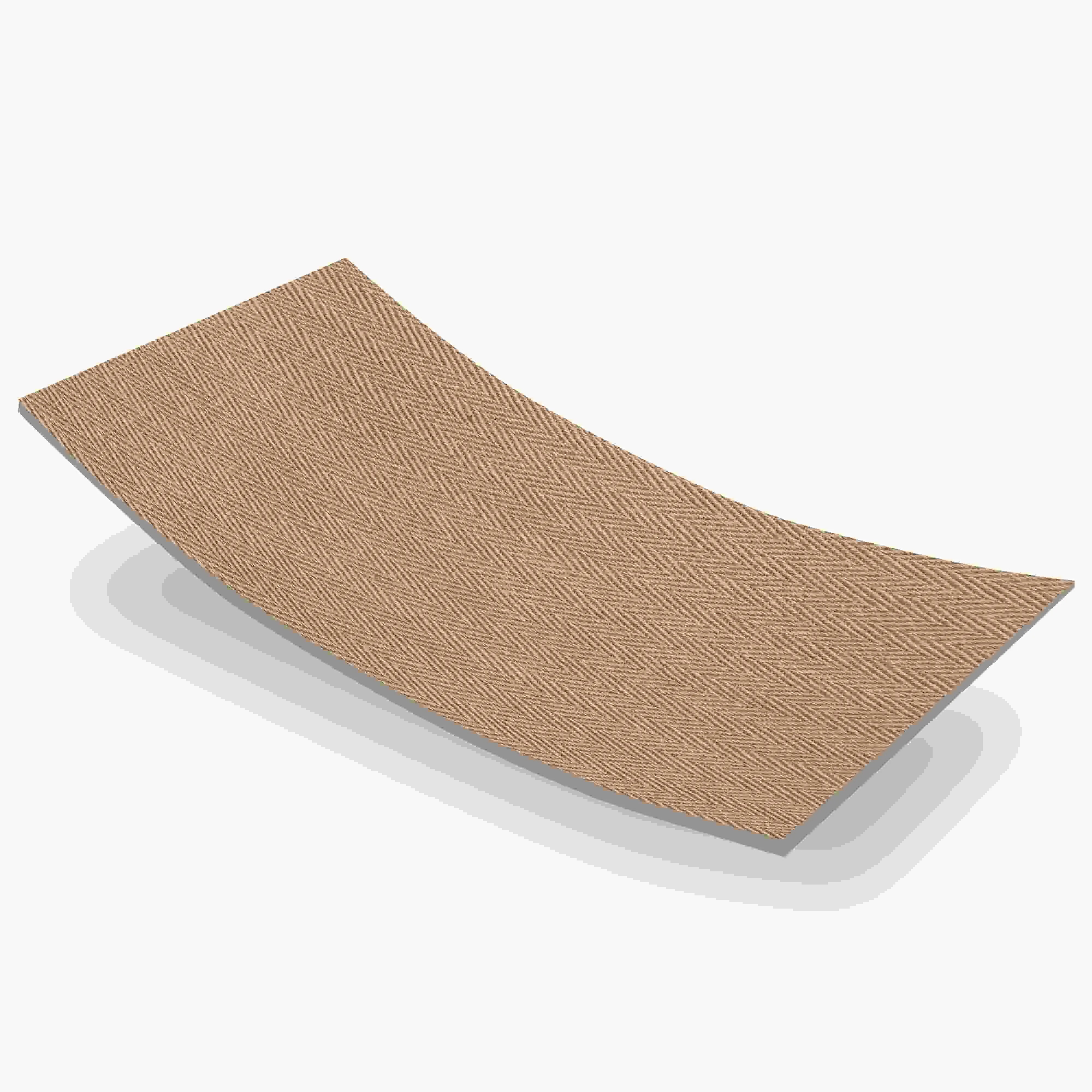
Let's get real: Pretty textures and flexibility are great, but in architecture, function reigns supreme. Weaving (Khaki) MCM doesn't just look good—it solves real-world problems that have plagued builders and designers for decades. Let's break down the perks:
| Feature | Weaving (Khaki) MCM | Traditional Materials (e.g., Fair-Faced Concrete, Natural Stone) |
|---|---|---|
| Weight | ~12 kg/m² (light enough for vertical & overhead installation) | 30–80 kg/m² (requires heavy structural support) |
| Flexibility | Can bend up to 30° without cracking (ideal for curves) | Brittle; requires precise cutting for angles/curves |
| Installation Time | 50% faster (lightweight, large slabs reduce labor) | Slow (heavy lifting, small tiles/seams, curing time) |
| Design Versatility | Custom sizes, textures, and colors; integrates with 3D-printed accents | Limited by natural grain (stone) or mold constraints (concrete) |
| Sustainability | Recycled content (up to 40%), low CO2 footprint, energy-efficient production | High carbon footprint (quarrying, cement production), limited recyclability |
Take installation, for example. A crew installing traditional stone veneer on a 1,000 m² facade might take weeks, wrestling with heavy slabs and painstakingly aligning seams. With Weaving (Khaki) MCM, that same crew could finish in half the time—no cranes, no back-breaking lifting, just lightweight slabs that lock together seamlessly. For developers racing to meet deadlines, that's not just a convenience—it's a cost-saver.
Then there's sustainability. In an era where "green building" isn't just a trend but a responsibility, Weaving (Khaki) MCM shines. Its composite formula includes recycled stone dust and polymers, reducing the need for quarrying. Its lightweight nature also cuts down on transportation emissions, and its durability means fewer replacements over time—so less waste in landfills. Compare that to fair-faced concrete , which relies on cement production (a major CO2 emitter), or natural stone, which often requires destructive mining practices. It's a material that lets architects build boldly and build responsibly.
Weaving (Khaki) MCM isn't just a lab experiment—it's already making waves in projects around the world. Let's take a look at how designers are putting it to work:
When the Serenity Community Center wanted a facade that felt welcoming but durable, architect Maria Gonzalez turned to Weaving (Khaki) MCM. The center's curved entrance wall—once planned as a cold, flat concrete surface—now features sweeping slabs of the material, its woven texture softening the building's modern lines. "Kids run their hands over it when they pass by," Gonzalez notes. "It's not just a wall anymore—it's a conversation starter." The lightweight slabs also made it possible to add a second-story balcony with a woven khaki railing, creating a cohesive look without overloading the structure.
In Barcelona's trendy El Born neighborhood, the Nomad Hotel needed a rooftop lounge that could withstand the city's hot summers and rainy winters. The solution? A Weaving (Khaki) MCM accent wall that wraps around the lounge's outdoor seating area. "We wanted something that felt like a cozy blanket for the space," says designer Carlos Mendez. "The khaki color blends with the sky at sunset, and the texture adds warmth even on cool evenings." Thanks to the material's weather resistance, the wall has stayed vibrant through two seasons, requiring only a quick hose-down to clean off dust.
Public libraries are meant to be timeless, and the Riverside Library in Seoul wanted a design that would age gracefully. Its main reading room features a 20-meter-long Weaving (Khaki) MCM bookshelf backdrop, its neutral tone complementing the wooden shelves and soft lighting. "Stone would have been too heavy, and paint would have chipped," explains project manager Ji-Hyun Park. "This material feels permanent but warm—like the books themselves." The flexibility of the slabs also allowed the design team to incorporate built-in niches for displaying rare books, adding functionality without sacrificing style.
Weaving (Khaki) MCM is just the beginning. As part of the mcm big slab board series , it's joined by a family of innovative materials—from 3D printing series slabs that mimic the look of hand-carved stone to flexible stone options in bold hues and textures. The goal? To give architects a toolkit that lets them stop compromising between beauty and practicality.
Looking ahead, the team at MCM is exploring even more sustainable formulas, including bio-based polymers and carbon-negative production methods. They're also pushing the boundaries of 3D printing, experimenting with custom textures that respond to light—think slabs that shift color subtly as the sun moves, or patterns that glow softly at night. "We want materials that don't just exist in a space—they interact with it," says lead designer Elena Torres.
But perhaps the most exciting part? The way these materials are democratizing design. Small firms and independent designers, once limited by budget or structural constraints, can now dream big with Weaving (Khaki) MCM. A community center in a small town can have a facade that rivals a museum in a major city. A homeowner can transform their backyard patio into a textured oasis without breaking the bank. In the end, that's the true power of innovation: it doesn't just change buildings—it changes lives by making beautiful, functional spaces accessible to everyone.
Recommend Products












