
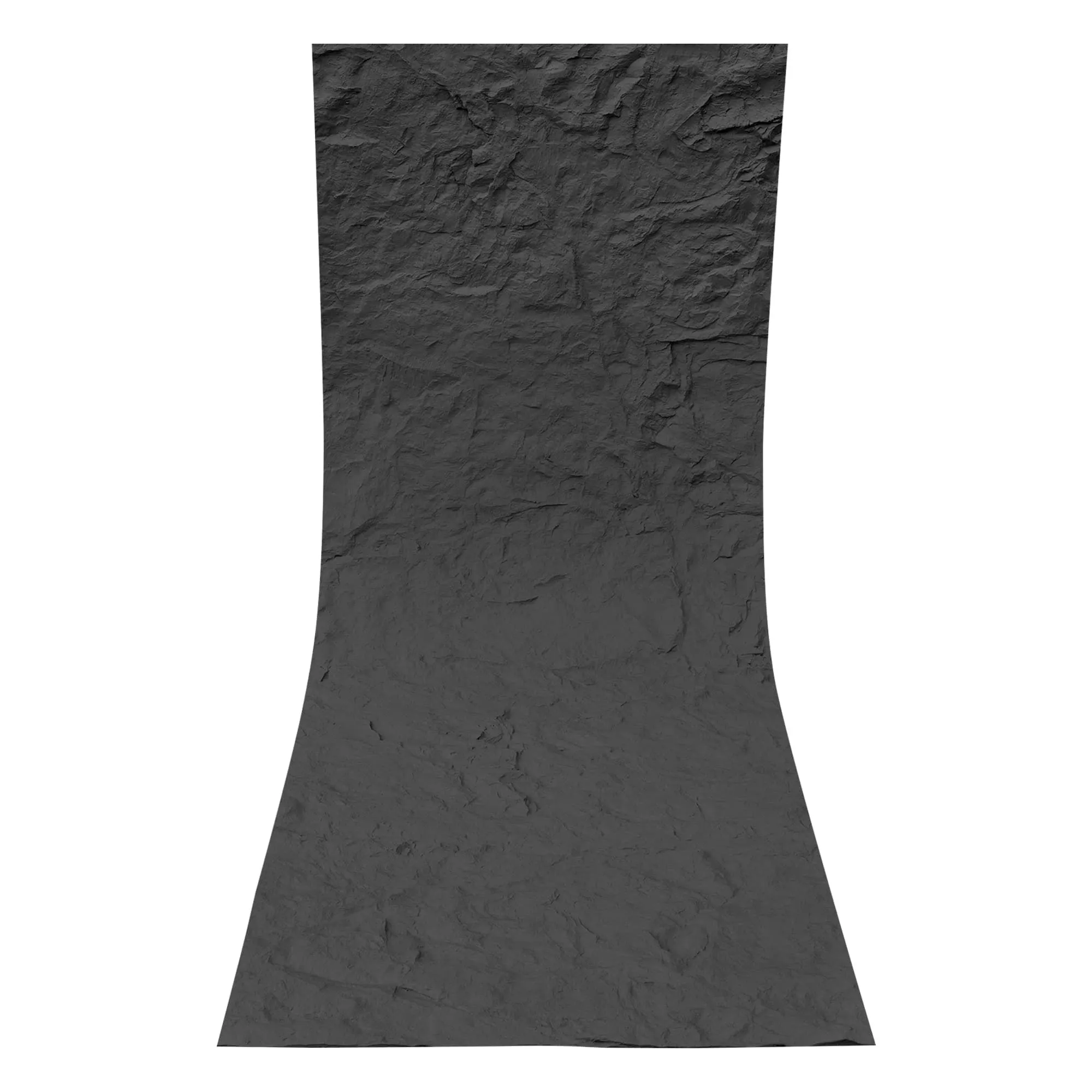
Let's start with a familiar scenario: You're sitting in a cozy restaurant, eager to catch up with a friend, but the clatter of silverware, buzz of conversations, and hum of the HVAC system blend into a wall of noise. You lean in, raise your voice, and leave feeling drained—not from the meal, but from the effort to be heard. Or maybe you've tried working from home, only to have your focus shattered by a neighbor's TV or the sound of your kids playing upstairs. Noise, in short, isn't just an annoyance; it's a silent thief of comfort, productivity, and connection. In a world where we spend 90% of our lives indoors, finding ways to master sound has never been more critical. Enter Boulder Slab —a material that's quietly revolutionizing how we design for acoustics without sacrificing style. Let's dive into what makes Boulder Slab a standout choice, how it compares to other popular materials, and why it might just be the solution to your space's noise woes.
Before we talk about solutions, let's unpack why noise matters. Excessive indoor noise isn't just irritating—it has real consequences. Studies show that prolonged exposure to even moderate noise (think 65+ decibels, about the level of a busy coffee shop) can increase stress hormones, disrupt sleep, and reduce cognitive performance. In offices, noisy environments cut productivity by up to 20%, according to research from the World Green Building Council. In homes, poor acoustics can strain relationships; how many arguments start with "I told you that already—you just weren't listening!" when the real culprit is a wall that doesn't block sound?
Traditional fixes often fall short. Thick carpets and heavy curtains help a little, but they're not enough for high-traffic or open spaces. Acoustic foam panels? Effective, but let's be honest—they look like something out of a recording studio, not a stylish living room or boutique hotel. What if there was a material that could absorb sound, block transmission, and elevate a room's design all at once? That's where Boulder Slab comes in.
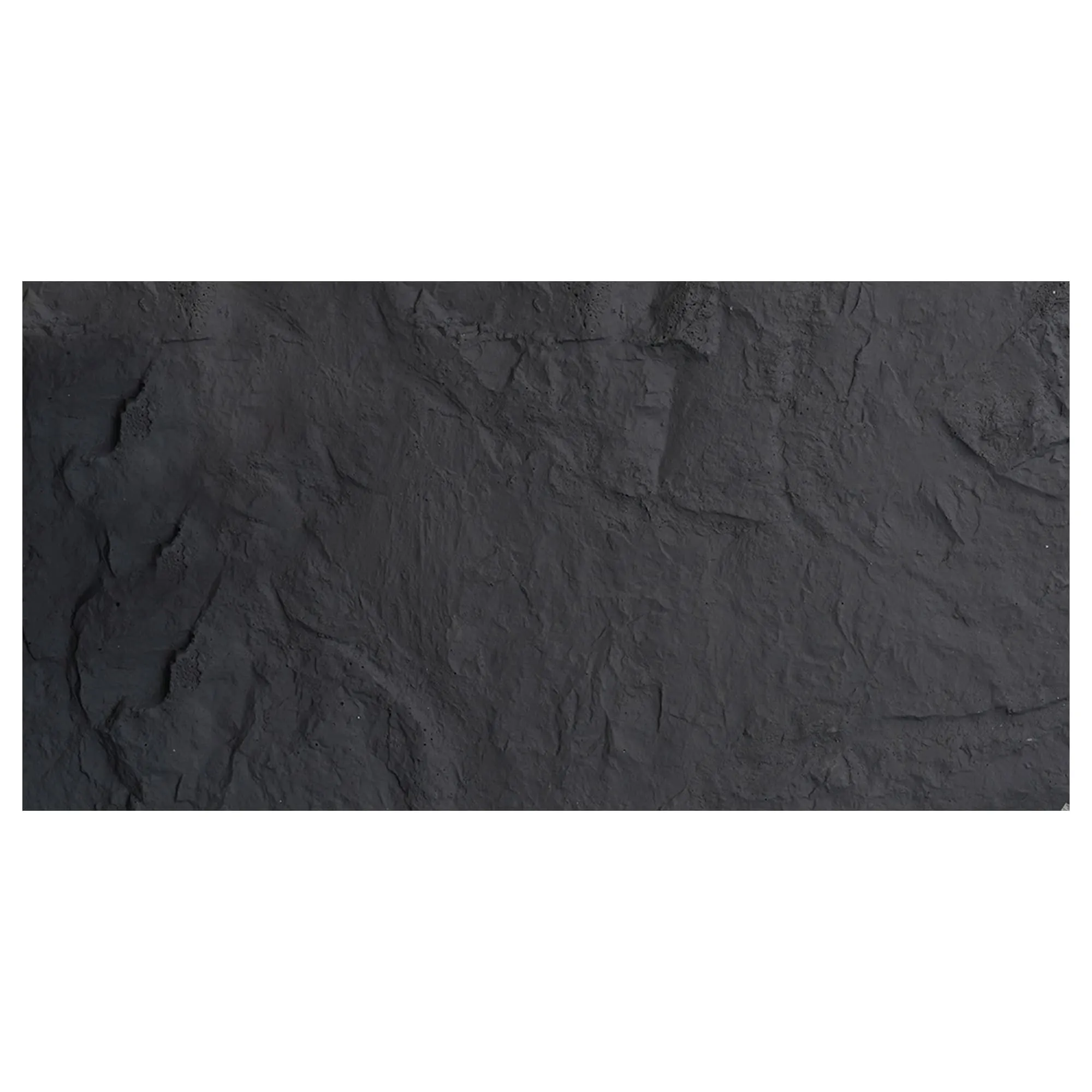
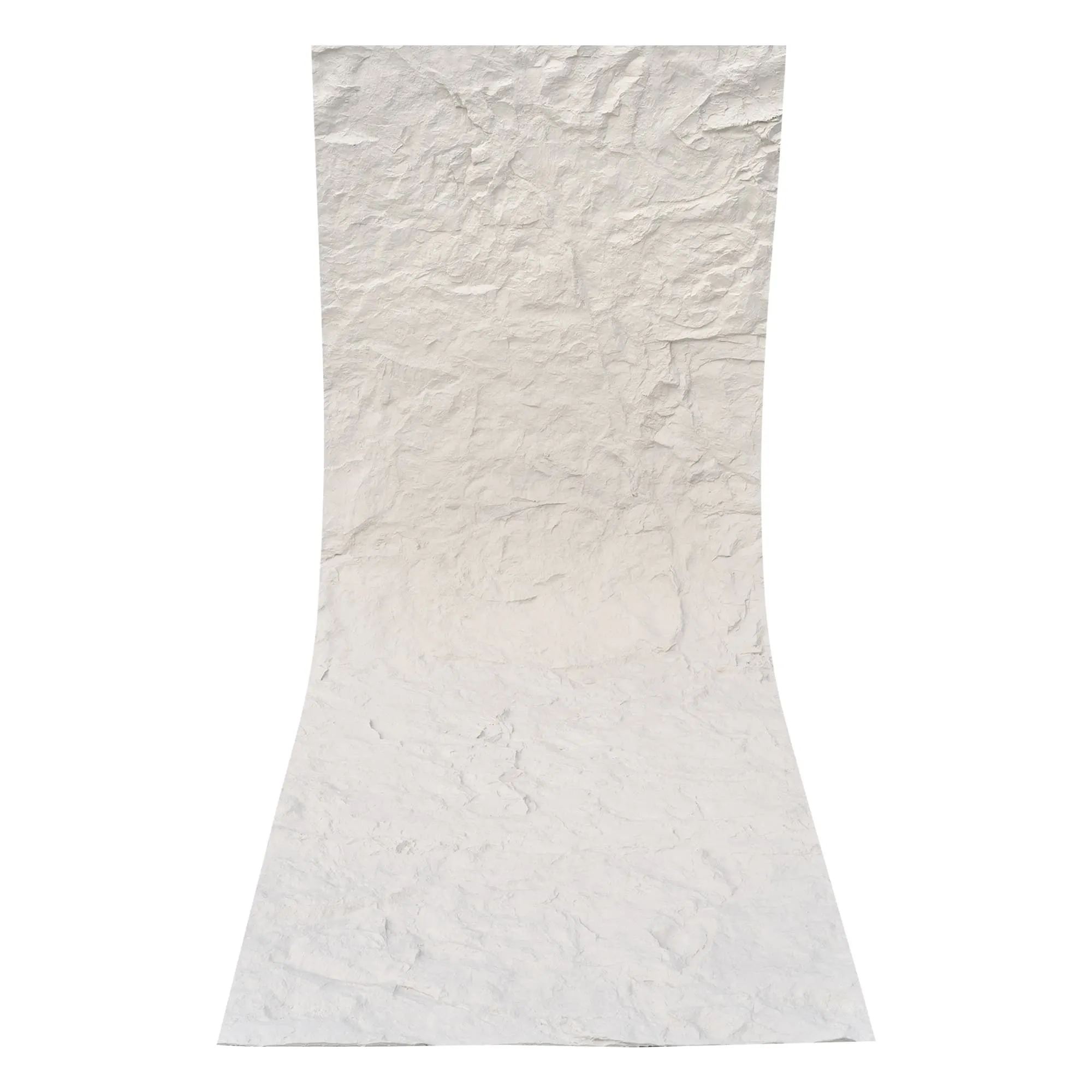
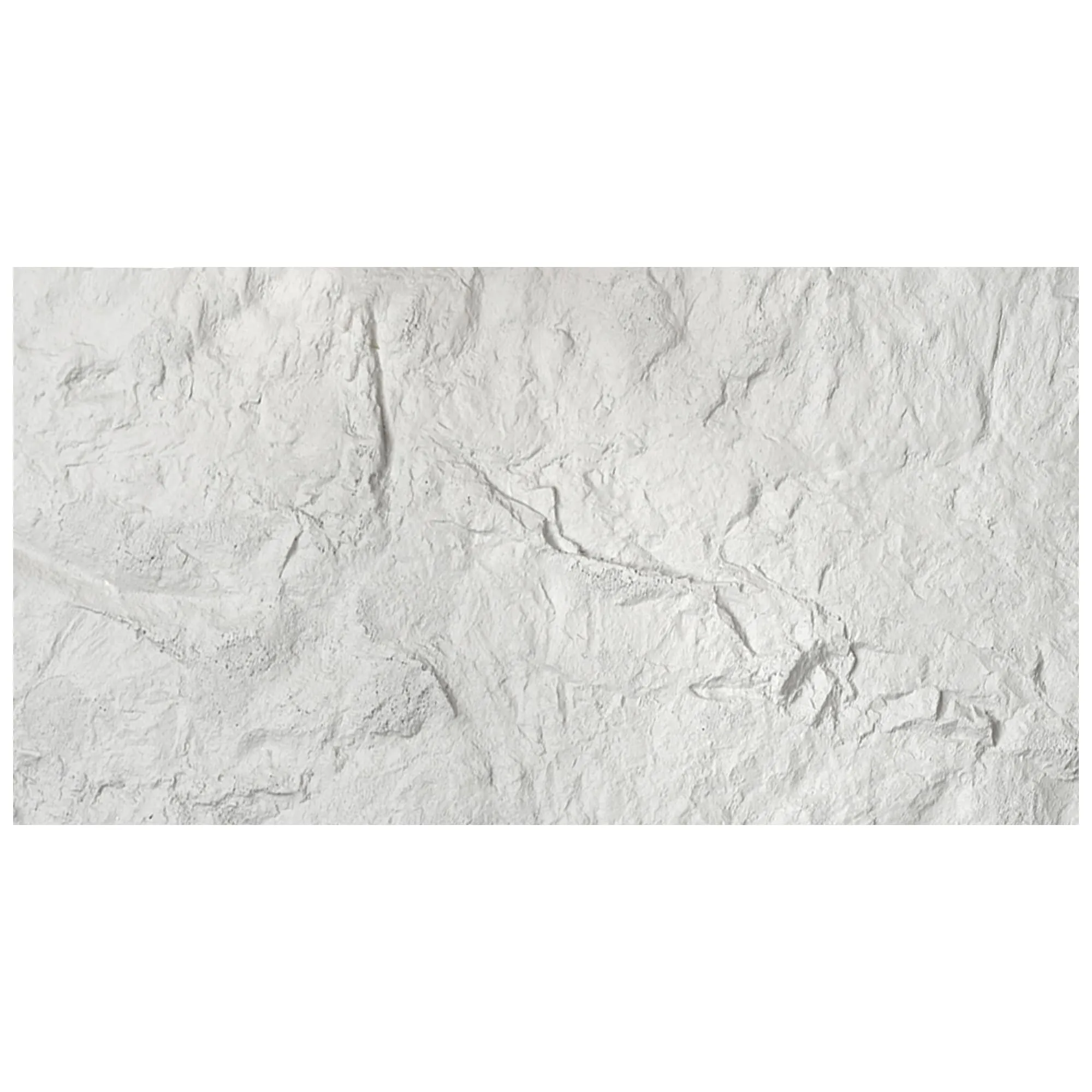
If you're not familiar with MCM's product line, Boulder Slab might sound like just another stone panel. But it's far more than that. Part of MCM's innovative project board series , Boulder Slab is an engineered composite material designed to mimic the rugged beauty of natural stone while packing in modern performance. Available in vintage silver , vintage gold , and vintage black finishes, it's crafted from a blend of natural aggregates, reinforced polymers, and a porous core—all working together to tackle sound in ways traditional materials can't.
At first glance, it's easy to mistake Boulder Slab for solid stone. The vintage silver variant shimmers with subtle metallic undertones, like moonlight on wet rock; vintage gold warms a space with earthy richness; vintage black adds drama, like a storm cloud frozen in stone. But its real magic lies beneath the surface. Unlike dense, solid stone (which bounces sound waves around, creating echoes), Boulder Slab's engineered structure is full of tiny, interconnected pores. When sound hits it, those pores trap and scatter sound waves, turning loud, harsh noise into a soft, manageable hum. It's like having a silent bouncer for sound—catching the chaos before it disrupts your space.
To understand why Boulder Slab works, let's talk acoustics 101: Sound travels in waves, and when those waves hit a surface, three things can happen: absorption (the wave is trapped and converted to heat), reflection (the wave bounces back, causing echoes), or transmission (the wave passes through the surface, escaping to other rooms). The best acoustic materials excel at absorption and blocking transmission—exactly what Boulder Slab does.
Thanks to its porous core, Boulder Slab has a Noise Reduction Coefficient (NRC) of 0.8 (on a scale of 0 to 1, where 1 is perfect absorption). For context, that's higher than most natural stones (like marble or granite, which typically score 0.1–0.3) and even some dedicated acoustic materials, like standard foam panels (0.6–0.7). What does that mean in real life? In a room with Boulder Slab walls, a 70-decibel conversation (about as loud as a vacuum cleaner) would feel more like 50 decibels (the hum of a quiet office)—a difference you can feel in your stress levels.
But Boulder Slab isn't just about absorption. Its density (around 1.8 g/cm³) also makes it a star at blocking sound transmission. That means if you install it on a shared wall between your home office and your teenager's bedroom, you won't hear their video game marathons, and they won't hear your Zoom calls. It's a two-for-one: taming noise inside the room and keeping it from escaping.
Of course, Boulder Slab isn't the only material in the acoustic toolkit. Let's compare it to four popular alternatives— foamed aluminium alloy board (vintage silver) , fair-faced concrete , travertine (starry blue) , and weaving (beige) —to see where it shines.
| Material | NRC (Sound Absorption) | STC (Sound Transmission Class)* | Best For | Pros | Cons |
|---|---|---|---|---|---|
| Boulder Slab (vintage black) | 0.8 | 42 | Restaurants, home offices, hotel lobbies | High absorption + transmission blocking; durable; stylish finishes | Slightly heavier than foam; higher cost than basic concrete |
| Foamed Aluminium Alloy Board (vintage silver) | 0.3 | 35 | Modern retail, accent walls | Sleek, metallic look; lightweight; moisture-resistant | Poor sound absorption; reflects noise, increasing echoes |
| Fair-Faced Concrete | 0.2 | 40 | Industrial-style spaces, lofts | Durable; low maintenance; affordable | Hard surface causes heavy echo; cold, uninviting feel |
| Travertine (starry blue) | 0.5 | 38 | Mediterranean-style homes, spas | Natural, porous texture; warm aesthetic | Less absorption than Boulder Slab; prone to staining without sealing |
| Weaving (beige) | 0.7 | 25 | Bedrooms, reading nooks | Soft, cozy feel; good absorption | Poor sound transmission blocking; stains easily; not durable for high traffic |
*STC measures how well a material blocks sound from passing through (higher = better). NRC measures absorption (0 = no absorption, 1 = total absorption).
The takeaway? If you want a material that balances absorption, transmission blocking, durability, and style, Boulder Slab is in a league of its own. Foamed aluminium looks cool but amplifies noise; fair-faced concrete is tough but echoey; travertine is pretty but less effective; weaving is soft but fragile. Boulder Slab? It's the Swiss Army knife of acoustic design.
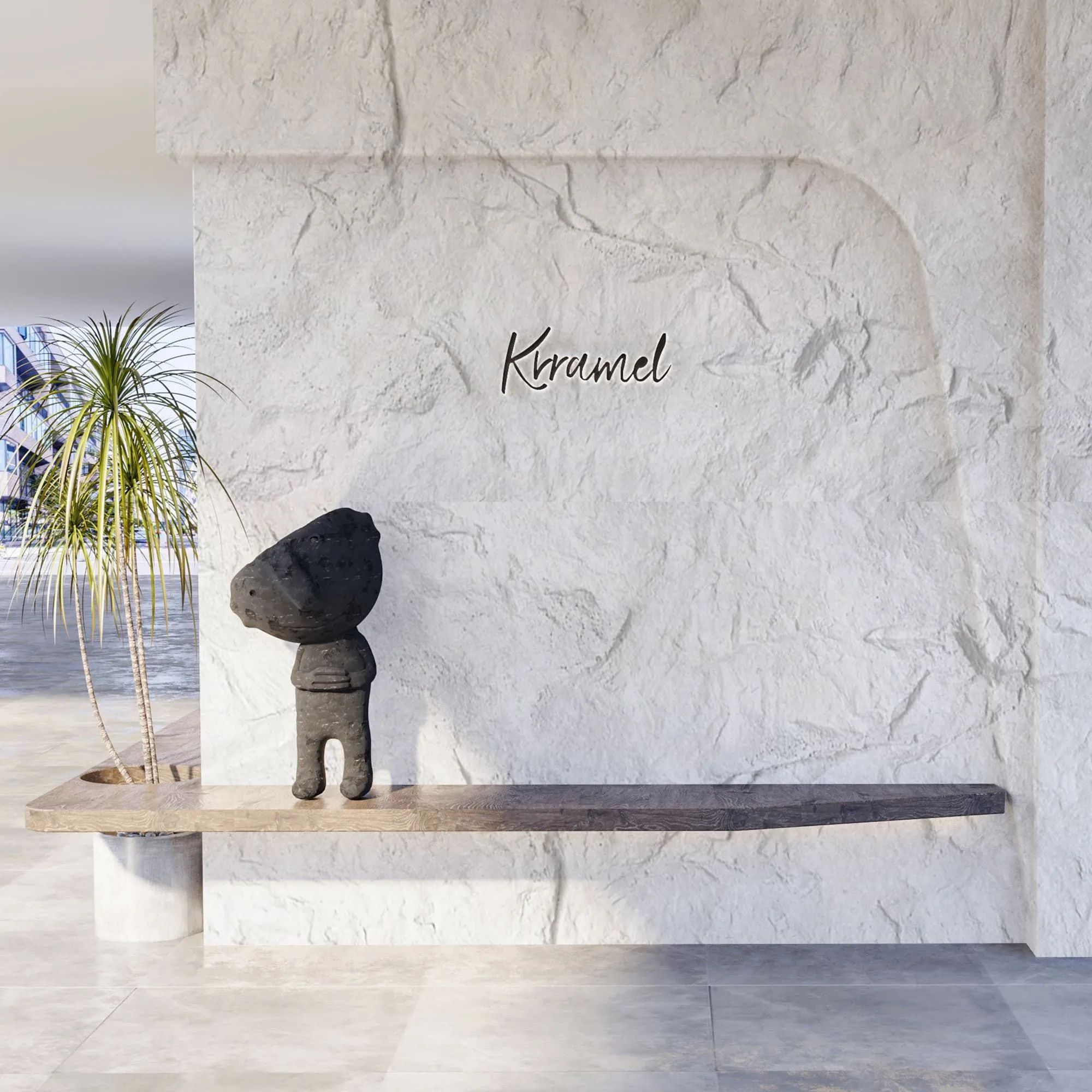
Boulder Slab isn't a one-trick pony. Its versatility makes it perfect for almost any space where noise is a problem. Let's walk through a few scenarios where it transforms "meh" acoustics into "ahh" comfort.
Restaurateurs know the drill: A lively atmosphere is good, but "lively" can quickly tip into "deafening." Take Café Haven , a small bistro in downtown Portland that was struggling with noise complaints. Patrons loved the food, but many left early, citing "too much noise." The owner tried adding fabric booths and area rugs, but the problem persisted—until they installed Boulder Slab (vintage gold) on the main dining wall. "It was like night and day," says the manager. "Regulars comment on how they can finally hear each other without yelling. We've even seen tables turn over faster because people aren't rushing to escape the noise." Sound tests after installation showed a 28% drop in ambient noise—enough to turn a stressful meal into a relaxing one.
With remote work here to stay, the home office has become a non-negotiable. But if your "office" is a corner of the living room, or worse, a closet, noise from the rest of the house can derail your focus. Enter Boulder Slab (vintage silver). Install a panel behind your desk, and suddenly, the sound of the dishwasher or your partner's conference call fades into the background. One freelance writer in Chicago did just that: "I used to wear noise-canceling headphones 8 hours a day, and my ears ached. Now, with Boulder Slab on two walls, I can work with just soft music—no headphones needed. My productivity has gone up, and I'm less drained by the end of the day."
Hotels sell comfort, and nothing kills comfort faster than hearing your neighbor's TV or late-night chat. Many hotels use basic drywall, which has an STC of around 30—meaning you can hear a normal conversation through the wall. Boulder Slab (vintage black) bumps that STC to 42, making it harder for sound to travel. A boutique hotel in Bali recently retrofitted 50 guest rooms with Boulder Slab, and guest surveys showed a 40% increase in "satisfaction with quietness." One reviewer wrote: "I could barely hear the street outside, let alone the room next door. It felt like my own little sanctuary."
You might be thinking: "This sounds great, but is it a hassle to install?" Fear not—Boulder Slab is designed with practicality in mind. Unlike solid natural stone (which requires heavy machinery and professional installers), Boulder Slab weighs in at around 25 lbs per panel (3ft x 4ft), making it manageable for a two-person team. It can be mounted on drywall, concrete, or even wood with standard construction adhesive and screws. Pro tip: For extra sound blocking, add a layer of acoustic sealant between the panel and the wall—this prevents sound from sneaking through gaps.
Maintenance? Even easier. Boulder Slab is water-resistant, scratch-resistant, and stain-resistant (thanks to its polymer coating). A quick wipe with a damp cloth is all it takes to clean up spills or dust. Unlike travertine, which needs regular sealing, or weaving, which can fray, Boulder Slab holds up to kids, pets, and high traffic. One homeowner in Arizona installed it in their mudroom (a space prone to dirt, water, and dog paws) and reports: "After two years, it still looks brand new. I hose it down occasionally, and it doesn't fade or warp."
At the end of the day, Boulder Slab is more than a solution to noise. It's a reminder that good design shouldn't force us to choose between form and function. We shouldn't have to live with ugly foam panels to work from home in peace, or settle for a sterile, echoey restaurant to enjoy a meal. Boulder Slab lets us have it all: a space that looks intentional, feels comfortable, and sounds right .
So the next time you're designing a room—whether it's a home office, a café, or a hotel suite—ask yourself: "How does this space sound?" If the answer is "too loud," "echoey," or "stressful," Boulder Slab might just be the missing piece. After all, in a world that's always talking, sometimes the best design is the kind that helps us listen —to each other, to our work, and to the quiet moments that make life feel worth living.
Here's to spaces that sound as good as they look. Boulder Slab is leading the way—and we're here for it.
Recommend Products












