
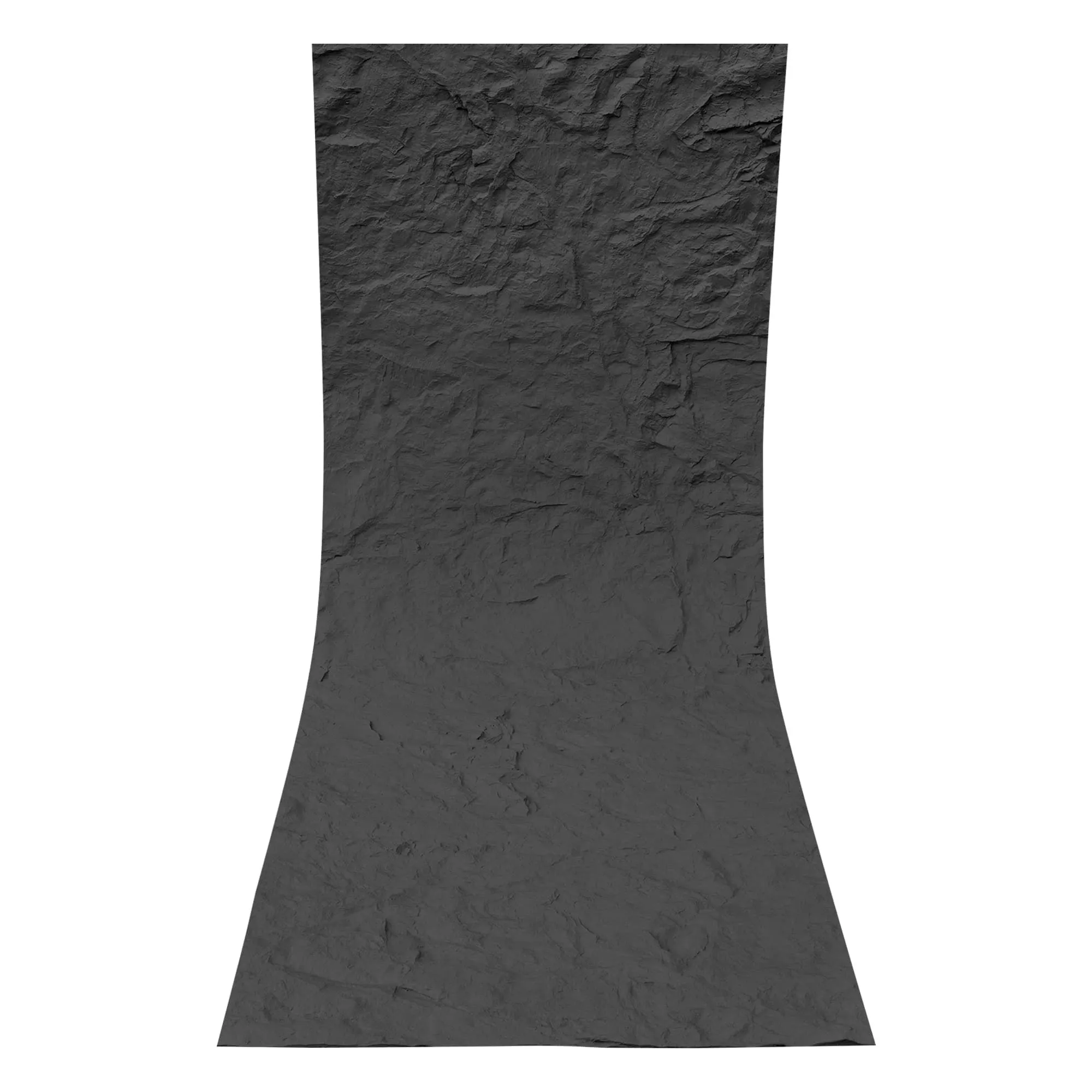
Picture this: You're standing in front of a half-finished accent wall, coffee in hand, staring at two samples. One is a natural stone boulder slab, its surface rough with centuries of geological history, veins of color winding like rivers. The other is an MCM (Modified Composite Material) slab, sleek and lightweight, with the same vintage silver finish but a fraction of the heft. Both take your breath away—but when you check the quotes, your heart sinks. Choosing between natural and MCM boulder slabs isn't just about aesthetics; it's a budget puzzle that affects everything from initial costs to long-term upkeep. Let's break it down, honestly and thoroughly, so you can build the space you love without breaking the bank.
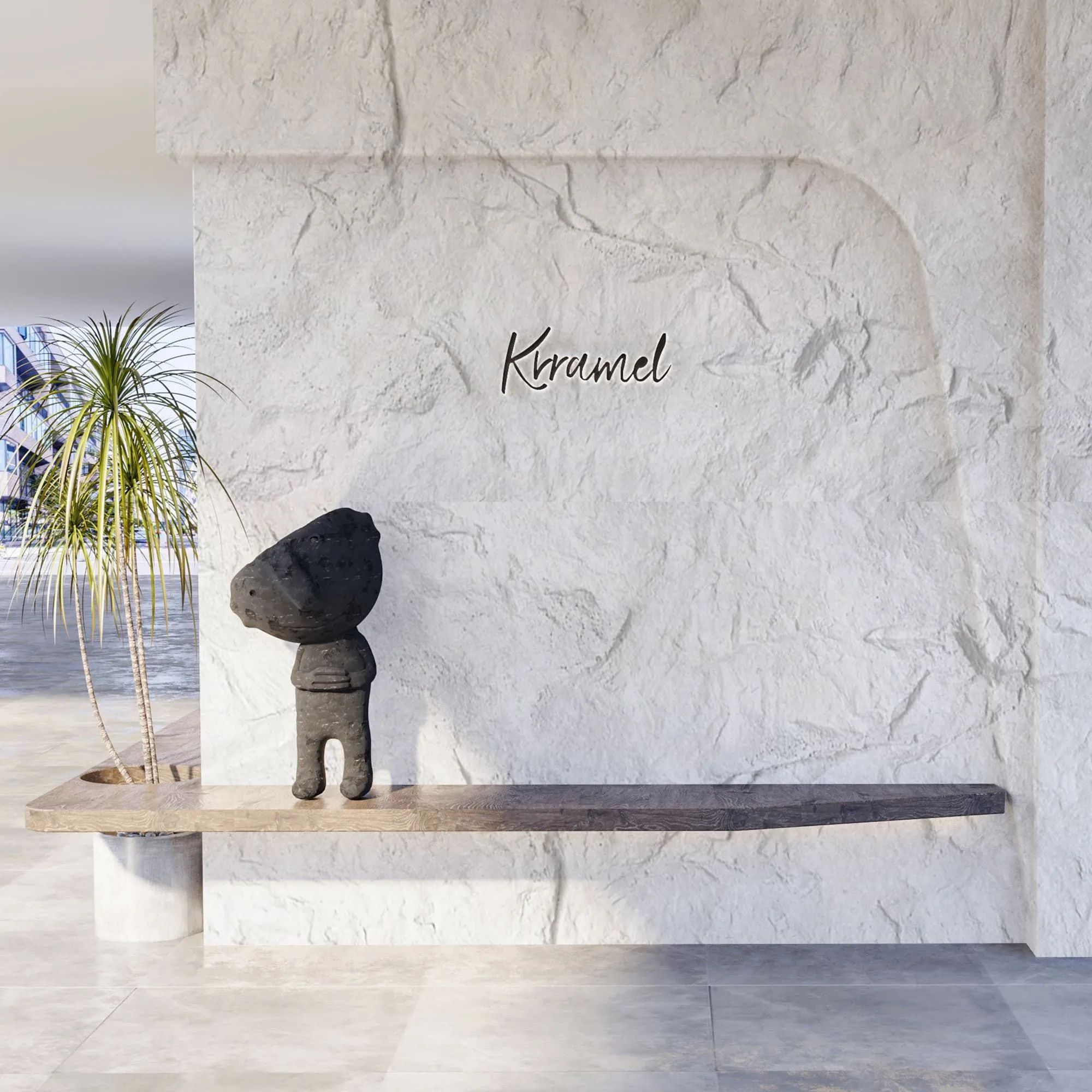
First, let's get on the same page. Boulder slabs are exactly what they sound like: large, slab-like panels that mimic the look of massive stone boulders, minus the impracticality of hauling actual boulders. They're the darlings of modern architecture, showing up on residential accent walls, commercial facades, and outdoor patios alike. What makes them so popular? Their ability to add drama—think a living room wall that looks like it was carved from a mountain, or a restaurant exterior that feels both rugged and refined.
These days, finishes matter as much as form. Walk into any design studio, and you'll see swatches labeled boulder slab (vintage silver) , vintage gold , or vintage black —warm, weathered tones that blend industrial edge with organic warmth. But here's the kicker: that "vintage" look can come from two very different sources, and their price tags tell entirely different stories.
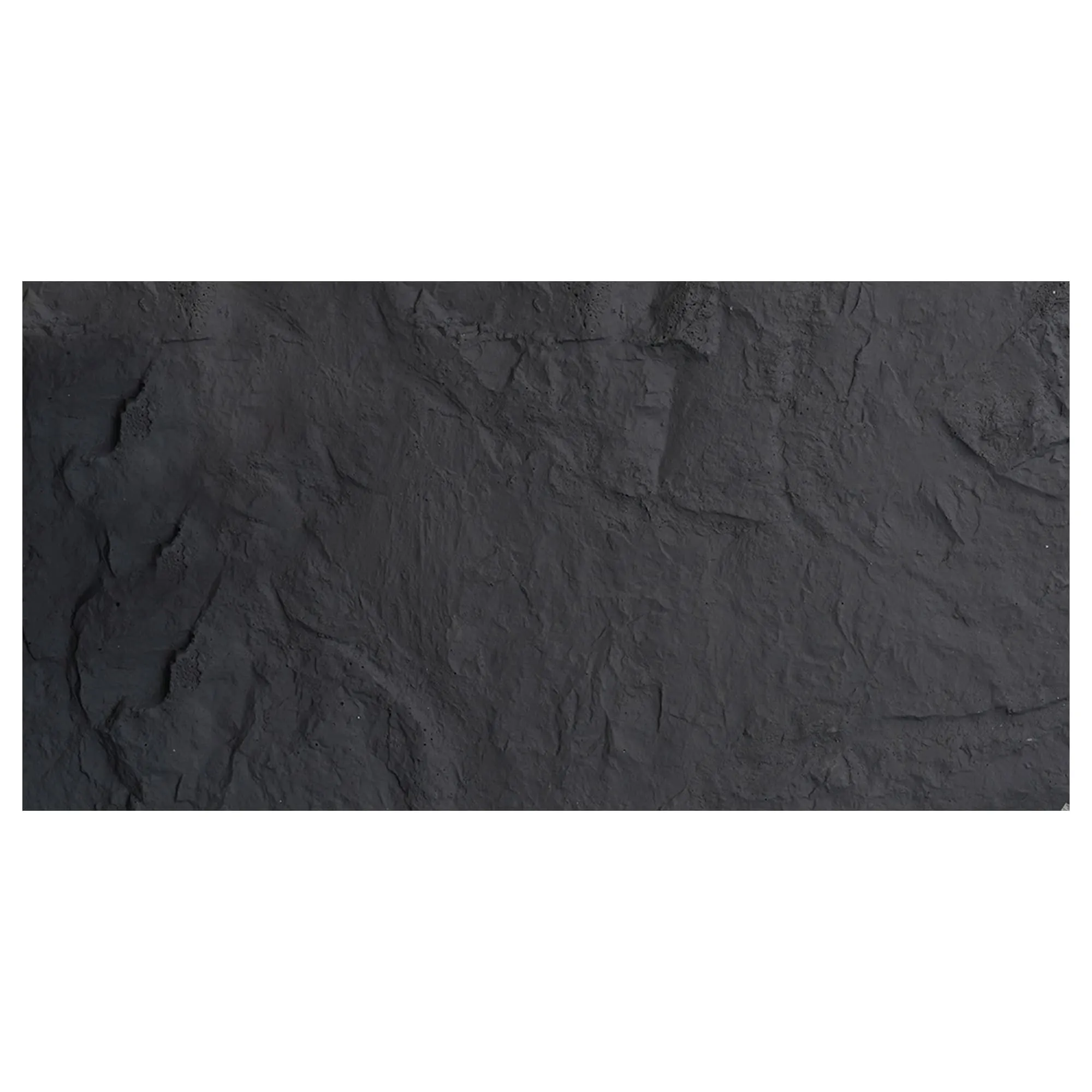
Natural stone has been the gold standard for centuries, and for good reason. When you choose a natural boulder slab—say, quarried travertine or granite—you're bringing a piece of the earth's history into your space. Each slab is one-of-a-kind, with unique patterns formed by millennia of heat, pressure, and mineral deposits. It's authentic, it's timeless, and it makes a statement that says, "I value quality."
But that authenticity comes with a cost. Let's start with extraction: natural stone boulders are heavy, often found in remote quarries. Mining them requires specialized equipment, skilled labor, and permits—all of which drive up the price. Then there's transportation: a single natural stone slab can weigh hundreds of pounds, meaning you'll pay premium shipping fees, not to mention the risk of damage en route.
Customization adds another layer. Want a vintage gold finish? That means sandblasting, acid washing, or hand-chiseling the surface—each hour of labor adding to the bill. And installation? Forget about DIY. Natural stone slabs need reinforced structures to support their weight, plus experienced masons who know how to handle them without cracking. It's not uncommon for installation costs to match or even exceed the material cost itself.
Maintenance? Let's not overlook that. Natural stone is porous, so it needs regular sealing (every 1–2 years for indoor use, more often outdoors) to prevent staining from spills or weather. Scratches? They're permanent. Cracks? Repairs are costly and rarely invisible. Over time, that "authenticity tax" adds up.
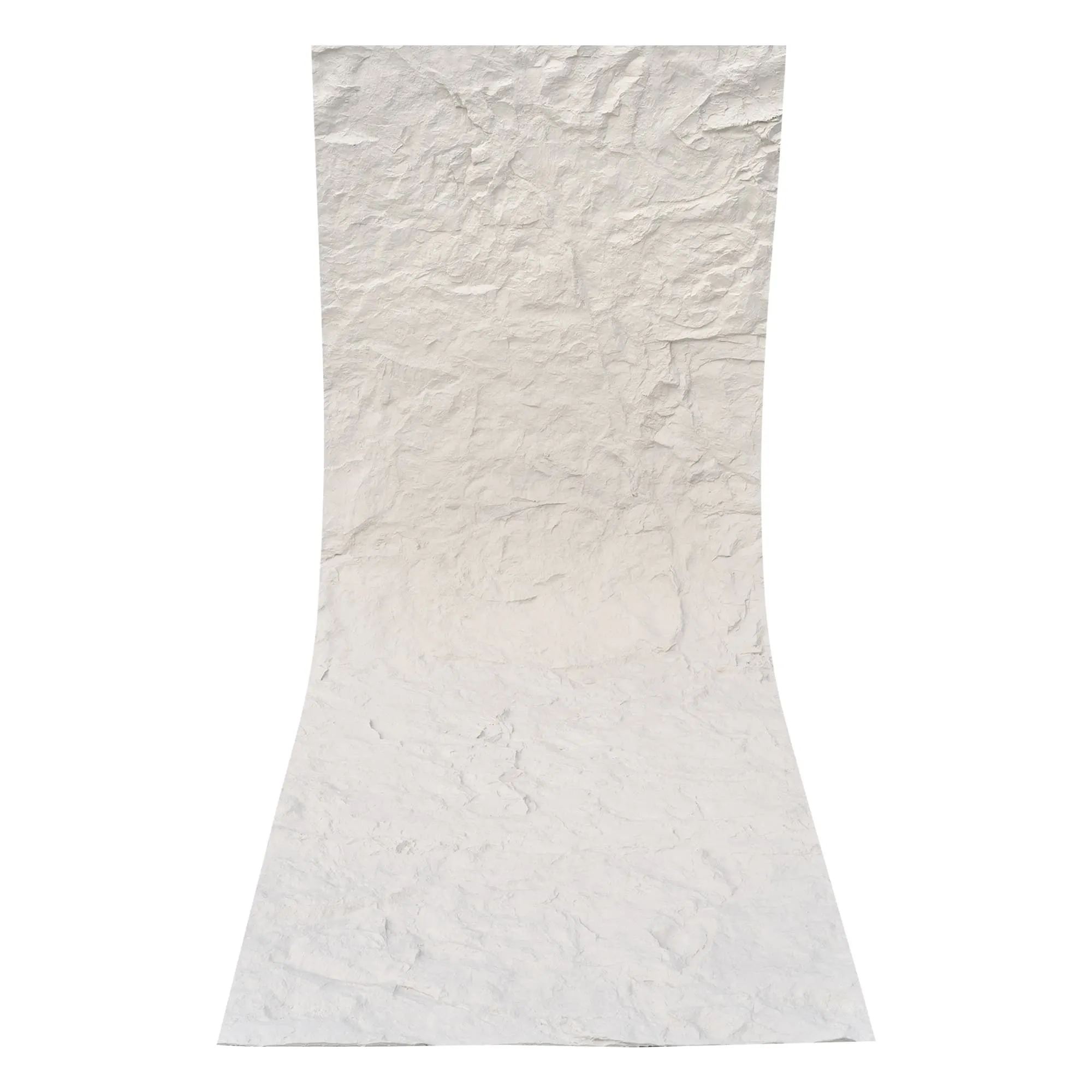
Enter MCM—Modified Composite Material—a relative newcomer that's shaking up the building material world. MCM boulder slabs are made by blending natural minerals (like stone dust or quartz) with polymers and resins, creating a material that looks and feels like stone but behaves nothing like it. Think of it as stone's smarter, lighter cousin.
Take MCM flexible stone and the MCM big slab board series —these aren't your average composites. They're thin (often less than 10mm thick), lightweight (a fraction of natural stone's weight), and surprisingly durable. That flexibility means they can bend slightly, making them ideal for curved walls or uneven surfaces—something natural stone can't touch.
So why is MCM cheaper? Let's start with manufacturing. MCM slabs are mass-produced in factories, using automated processes that reduce labor costs. They don't rely on rare, hard-to-mine stones; instead, they use abundant minerals and recycled materials, cutting down on raw material expenses. Transportation? A breeze. Their light weight means lower shipping fees, and they're less likely to break, so no costly replacements for damaged goods.
Installation is a game-changer, too. MCM slabs can be cut with standard tools, glued directly to walls (no need for heavy-duty brackets), and installed by general contractors—not specialized masons. For a homeowner or business owner, that translates to thousands saved on labor. And maintenance? MCM is non-porous, so it resists stains, mold, and mildew. A quick wipe with soap and water is all it takes. No sealing, no special cleaners, no panic when someone spills red wine on your accent wall.
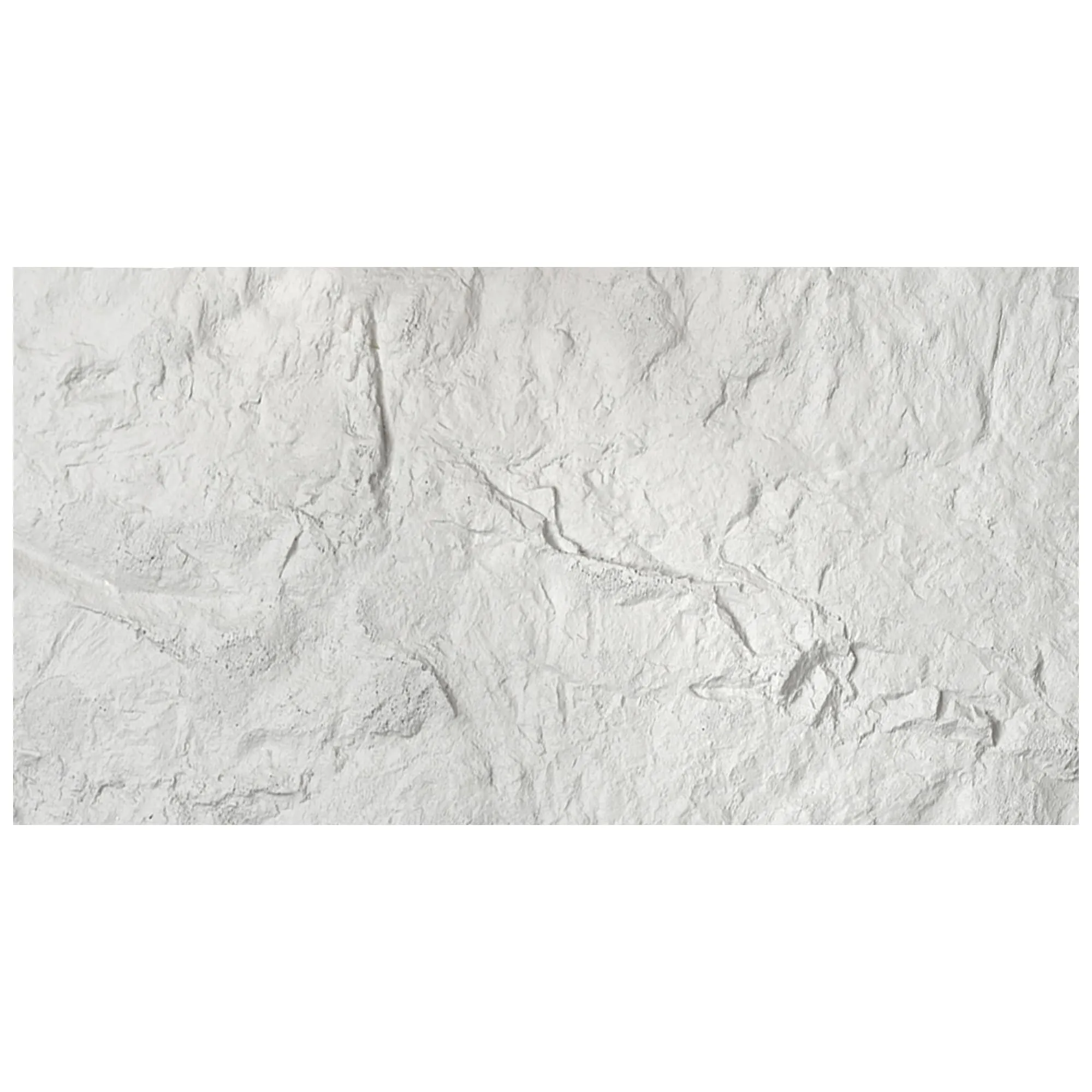
Numbers speak louder than words, so let's compare a standard 4x8ft boulder slab in a popular vintage silver finish—one natural stone, one MCM. We'll include initial material costs, installation, and 10-year maintenance to get the full picture.
| Cost Category | Natural Stone Boulder Slab (Travertine) | MCM Boulder Slab (Vintage Silver) |
|---|---|---|
| Initial Material Cost | $250–$400 per slab | $80–$150 per slab |
| Installation Labor | $300–$500 per slab (requires masons, structural support) | $100–$200 per slab (standard contractors, adhesive application) |
| 10-Year Maintenance | $200–$400 (sealing, cleaning products, minor repairs) | $50–$100 (occasional cleaning, no sealing) |
| Total 10-Year Cost (Estimated) | $750–$1,300 per slab | $230–$450 per slab |
| Weight (Per Slab) | 200–300 lbs | 20–30 lbs |
The difference is stark. Over 10 years, MCM could save you 50–70% compared to natural stone. And that's per slab—scale up to a full wall or facade, and those savings balloon into tens of thousands of dollars.
Of course, budget isn't the only factor. If your project is a historic renovation where "period accuracy" is non-negotiable, natural stone might still be the way to go. Or if you crave the unique, unpredictable beauty of a stone with its own geological story, MCM—with its consistent patterns—might feel too "perfect."
Sustainability is another angle. MCM often uses recycled materials and requires less energy to produce than mining natural stone, making it a greener choice. And because it's lighter, it reduces carbon emissions during transportation. For eco-conscious builders, that's a win.
Durability? MCM holds its own. It's resistant to UV rays, moisture, and impact—meaning it won't fade, crack, or warp over time. Natural stone is durable too, but it's more prone to chipping and staining. In high-traffic areas or harsh climates, MCM might actually outlast its natural counterpart.
At the end of the day, it's about balance. If you have an unlimited budget and prioritize authenticity above all else, natural stone is worth the splurge. But if you want that high-end look without the high-end price tag—if you value ease of installation, low maintenance, and long-term savings—MCM boulder slabs are hard to beat.
Think of it this way: MCM doesn't just save you money; it gives you flexibility. With the cash you save, you could upgrade your lighting, add a custom backsplash, or invest in landscaping. It lets you create the space you want without compromising on style or quality.
So next time you're staring at those two samples—the natural stone and the MCM—remember: beauty doesn't have to come with a premium price. Sometimes, the smart choice is the one that lets you have it all: the look you love, the budget you need, and the peace of mind that comes with knowing you've made a practical, forward-thinking decision.
Recommend Products












