
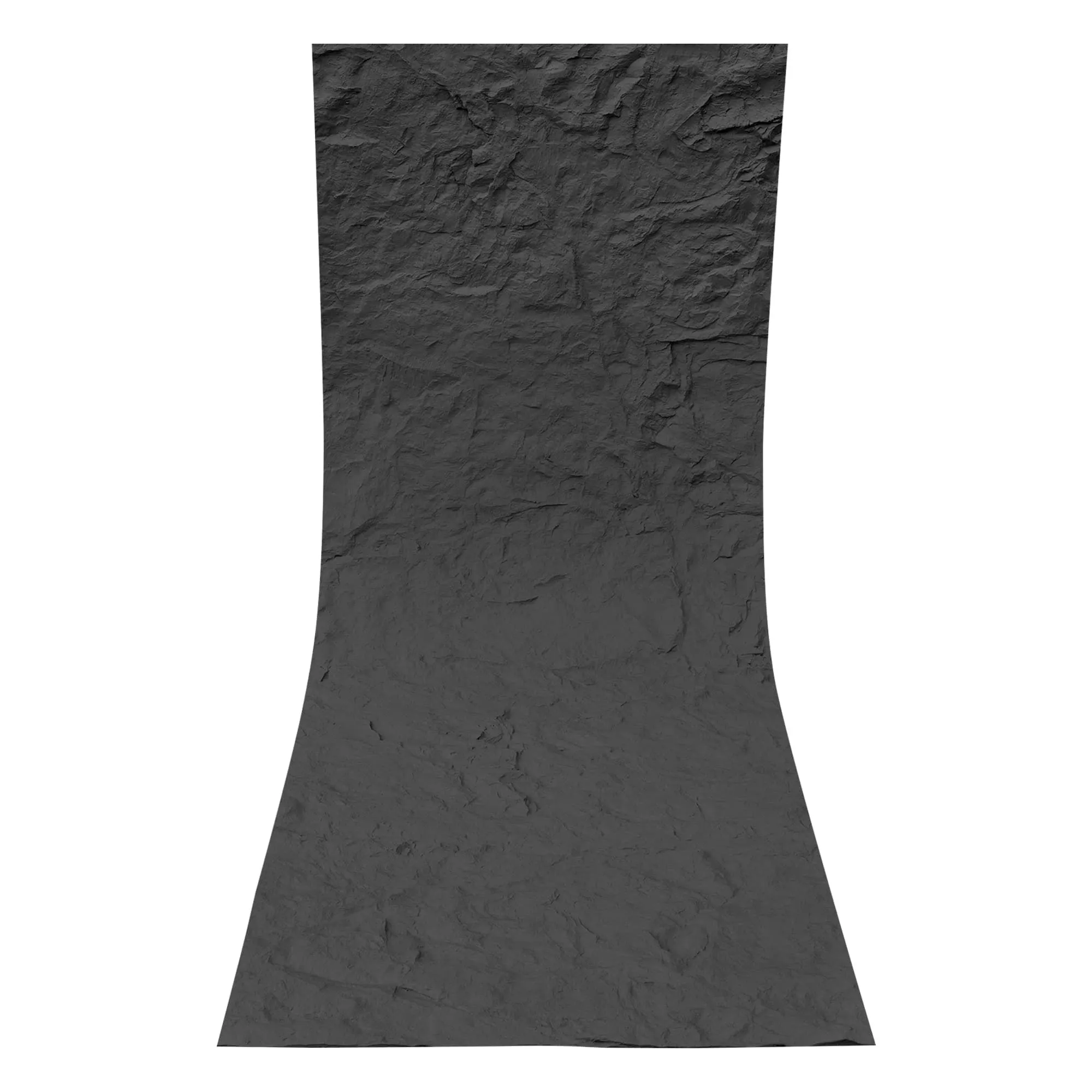
When it comes to building or renovating, the materials we choose do more than just fill a space—they tell a story. They shape the mood of a room, influence how we interact with our environment, and yes, they leave a mark on our budgets. In recent years, Boulder Slab has emerged as a standout choice for designers and homeowners alike, prized for its versatility and striking aesthetics. But here's the question that often arises: Should you opt for the modern innovation of MCM (Modified Composite Material) Boulder Slab, or stick with the timeless allure of natural stone? Let's dive into the details, breaking down costs, benefits, and real-world scenarios to help you make the choice that aligns with your vision—and your wallet.
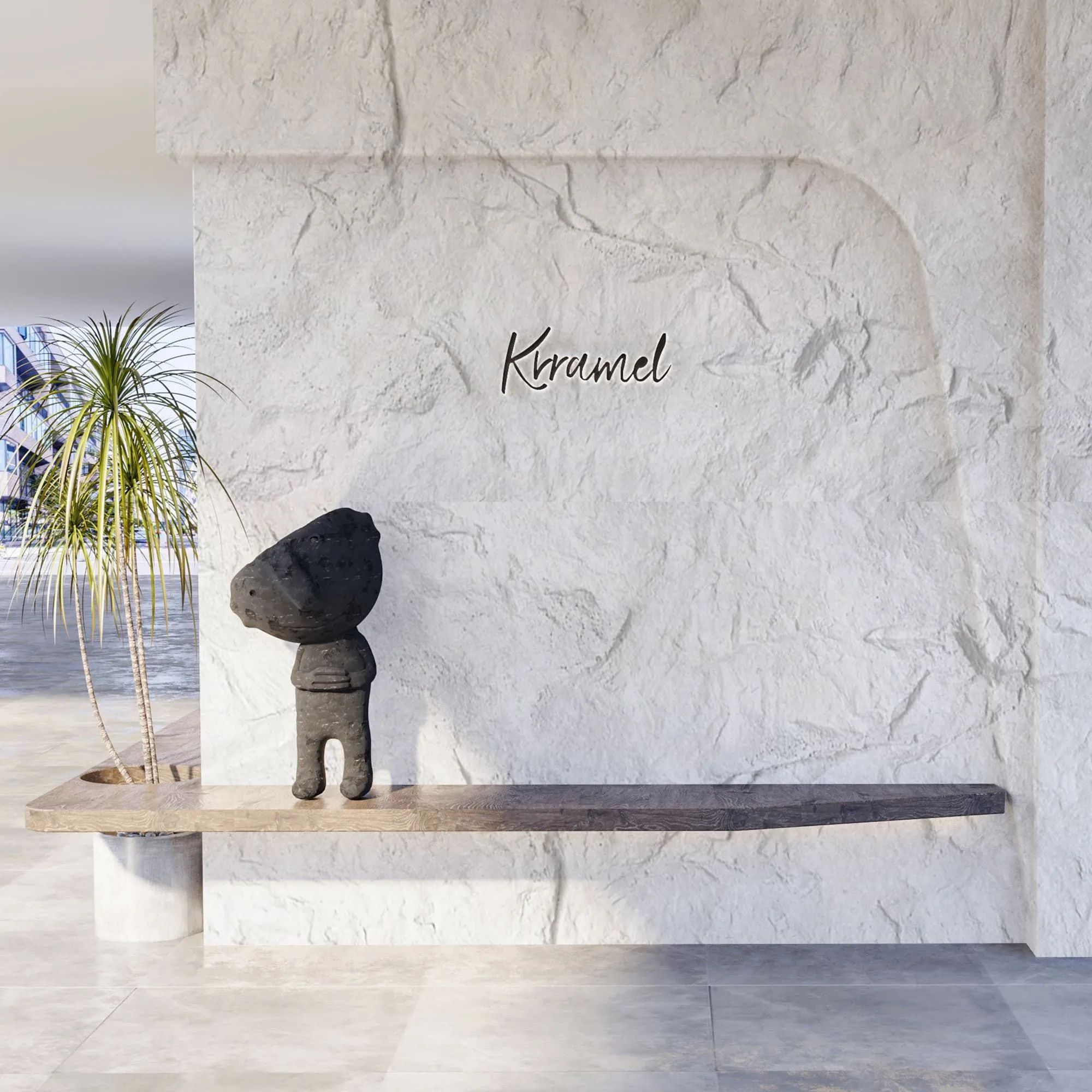
First things first: Let's get clear on what Boulder Slab is. Imagine a material that blends the rugged charm of natural stone with the precision of modern engineering. Boulder Slab is exactly that—a panel designed to mimic the look and texture of quarried stone, but with enhanced practicality. It's used everywhere from feature walls in luxury homes to facades of commercial buildings, thanks to its ability to transform ordinary spaces into something extraordinary.
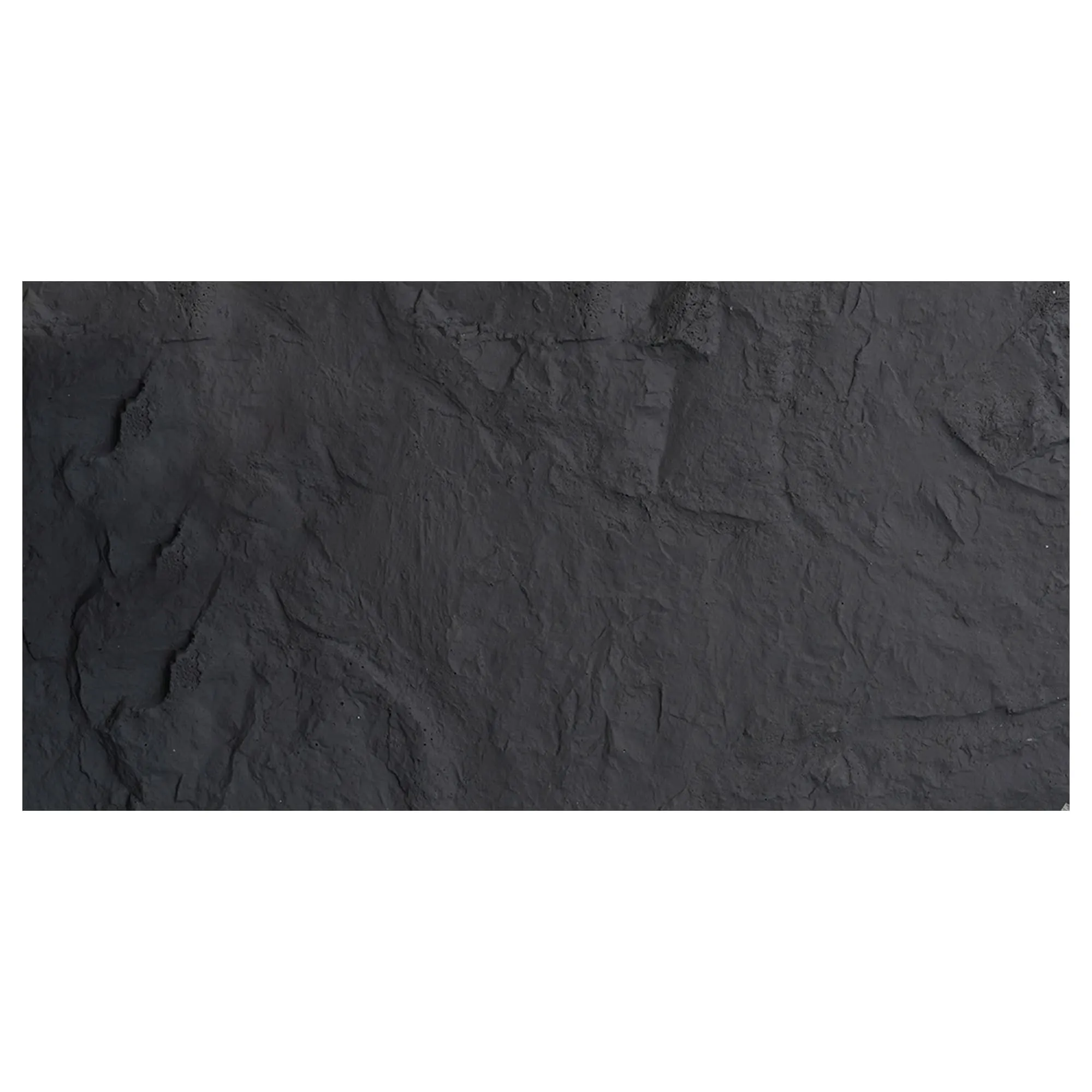
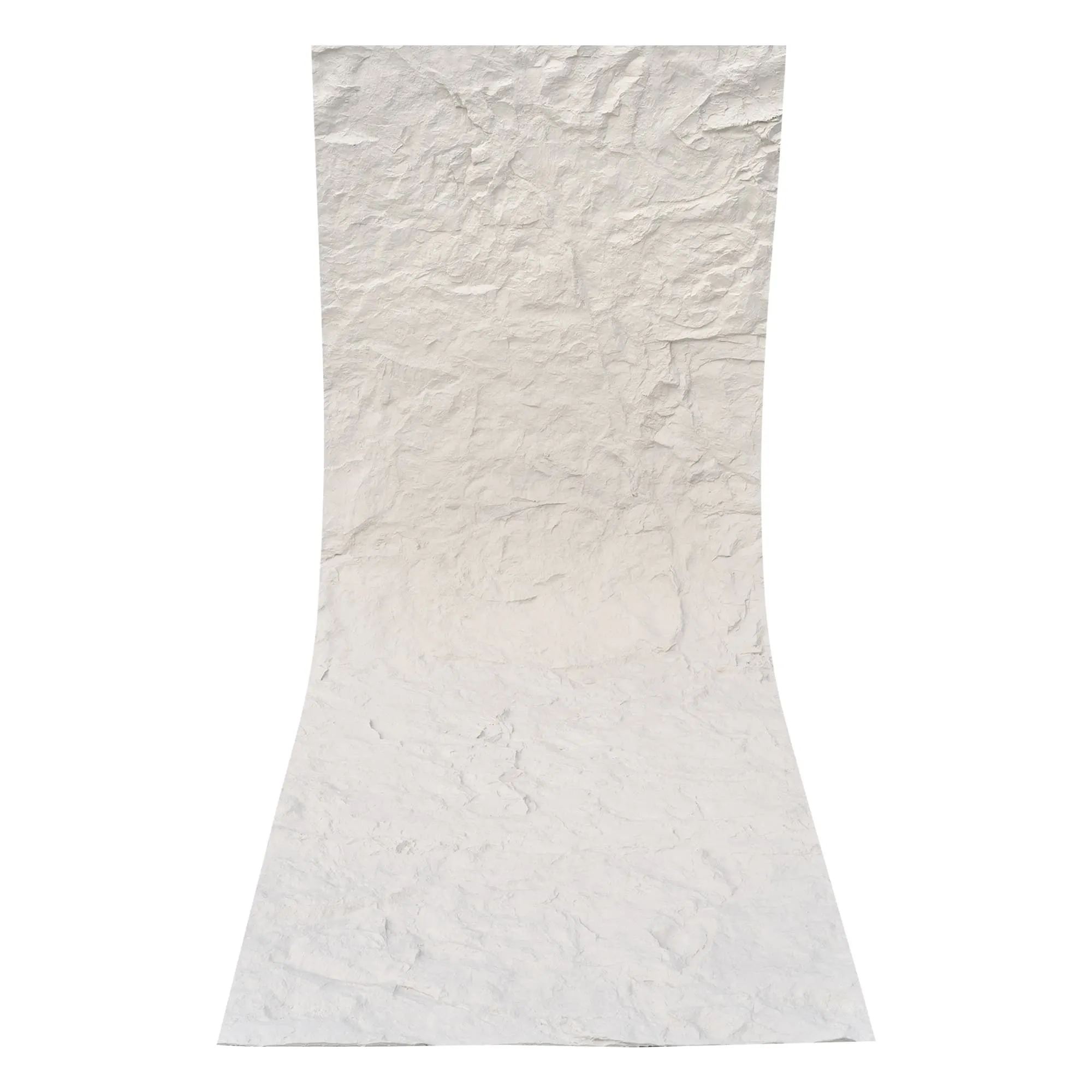
Today, Boulder Slab comes in two primary forms: MCM Boulder Slab and natural stone Boulder Slab. The former is a composite material, crafted from a mix of minerals, resins, and fibers to create a lightweight, durable product. The latter is traditional quarried stone, cut and finished into slabs. And within these categories, there's a world of options—think vintage silver , vintage gold , and vintage black finishes for MCM, each offering a distinct vibe, from industrial chic to warm elegance.
MCM, or Modified Composite Material, is a game-changer in the construction world. Unlike natural stone, which is hewn from the earth, MCM is engineered in a lab and factory. This means manufacturers can fine-tune its properties: making it lightweight (so it's easier to transport and install), flexible (able to bend around curves or uneven surfaces), and resistant to cracks, moisture, and UV rays (so it lasts longer in harsh environments). For Boulder Slab, this translates to a product that looks like stone but behaves like a high-performance material.
Take the vintage silver Boulder Slab , for example. Its cool, metallic sheen adds a contemporary edge to spaces, perfect for minimalist or industrial designs. Vintage gold warms up a room, evoking luxury without feeling ostentatious, while vintage black brings drama, ideal for creating focal points. And because MCM is man-made, each panel is consistent in color and texture—no surprises, no variations, just reliable beauty.
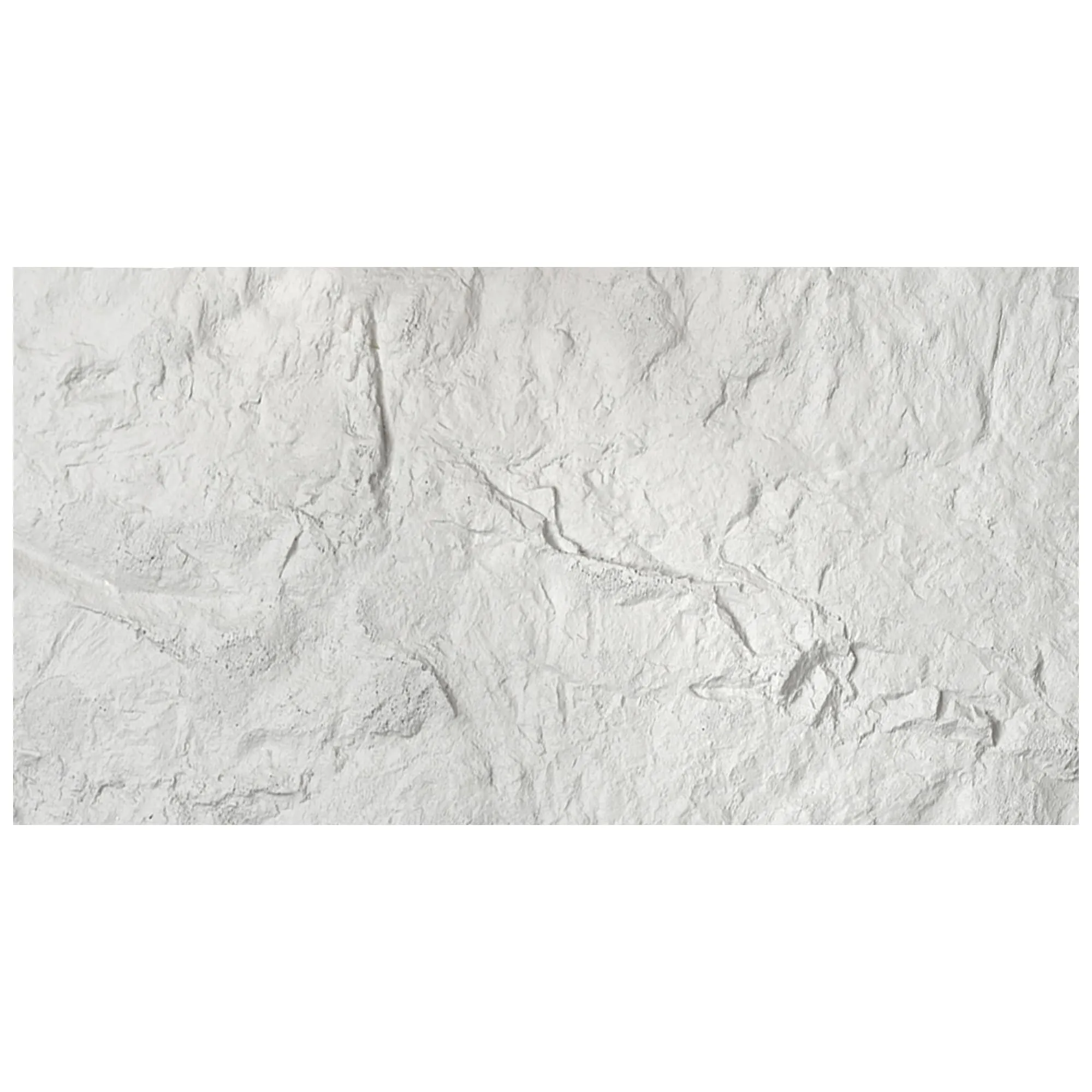
Natural stone, on the other hand, is nature's artwork. Quarried from mountains and riverbeds, stones like travertine, granite, and marble have been used for centuries, gracing everything from ancient temples to modern skyscrapers. What sets natural stone apart is its uniqueness: no two slabs are identical. Veins, swirls, and color variations tell the story of millions of years of geological formation, creating a one-of-a-kind look that MCM can mimic but never fully replicate.
For Boulder Slab, natural stone options might include travertine (with its characteristic pitted surface), granite (known for its durability), or marble (renowned for its elegance). These stones carry a certain gravitas—they feel "authentic," a quality that many homeowners and designers are willing to pay a premium for. But authenticity comes with trade-offs: natural stone is heavy, prone to chipping, and often requires regular sealing to protect against stains.
Let's talk numbers. When budgeting for MCM Boulder Slab, several factors influence the final cost per square meter. Here's a closer look:
The finish of your MCM Boulder Slab plays a role in pricing. Vintage silver is often the most affordable, as it's a popular, mass-produced option. Vintage gold tends to cost a bit more, thanks to its warm, luxurious appeal, while vintage black might fall somewhere in the middle, depending on the supplier. On average, you can expect to pay between $45–$75 per square meter for MCM Boulder Slab, with premium finishes edging closer to $90/sqm for custom orders.
Boulder Slab panels come in various sizes, from small 60x60cm squares to larger 120x240cm sheets. Larger panels often cost more per square meter because they require more precise manufacturing, but they can reduce installation time (and thus labor costs) by covering more area with fewer seams. Thickness matters too: standard MCM Boulder Slab is around 8–12mm thick, but thicker panels (15mm+) for high-traffic areas may add $5–$10 per sqm.
Like any material, prices vary by supplier. Local distributors might charge more for convenience, while ordering directly from manufacturers (especially in bulk) can unlock discounts. For example, ordering 100+ square meters could lower the per-sqm cost by 10–15%. It's also worth noting that MCM Boulder Slab is often sold in pre-cut panels, so waste is minimal—unlike natural stone, which often requires on-site cutting and results in leftover scraps.
MCM's lightweight nature is a huge win for installation. Unlike natural stone, which may require structural reinforcement, MCM Boulder Slab can be installed by a standard crew using basic tools. Installation costs typically range from $15–$25 per square meter , depending on the complexity of the project (e.g., curved walls or high ceilings might add $5–$10/sqm). Compare that to natural stone, which often requires specialized labor—and we'll get to that shortly.
Natural stone Boulder Slab, while timeless, is generally pricier than its MCM counterpart. Here's why:
Quarrying natural stone is labor-intensive and costly. Massive machines dig into mountainsides, and skilled workers cut blocks into slabs—processes that consume energy and time. Then there's the finishing: polishing, honing, or texturing the stone to achieve the desired look. For rare stones or those with unique veining (like certain travertine or granite varieties), extraction and processing costs can skyrocket.
Natural stone Boulder Slab starts at around $80–$120 per square meter for common stones like basic travertine. Premium options, such as granite portoro or marble interstellar gray , can cost $150–$300/sqm or more. And that's just for the material itself—shipping adds another layer, as natural stone is heavy (20–30kg per sqm, compared to MCM's 5–8kg/sqm). Transporting a truckload of natural stone across the country can add $5–$15/sqm to the total cost.
Installing natural stone Boulder Slab isn't a job for amateurs. Its weight means you may need to reinforce walls or floors before installation, adding structural costs. Labor costs are higher too, often ranging from $30–$50 per square meter , as workers need specialized tools and training to handle the stone without chipping or breaking it. In some cases, you might even need to hire a structural engineer to ensure the installation meets safety codes—a cost that rarely comes up with MCM.
| Factor | MCM Boulder Slab (Vintage Silver/Gold/Black) | Natural Stone Boulder Slab (Travertine/Granite) |
|---|---|---|
| Average Material Cost per sqm | $45–$90 | $80–$300+ |
| Installation Cost per sqm | $15–$25 | $30–$50+ |
| Total Estimated Cost per sqm (Material + Labor) | $60–$115 | $110–$350+ |
| Weight per sqm | 5–8kg | 20–30kg |
| Durability | High (resistant to cracks, moisture, UV rays) | High (but prone to chipping; porous without sealing) |
| Maintenance | Low (wipe clean with water; no sealing needed) | High (seal every 1–3 years; avoid acidic cleaners) |
| Environmental Impact | Lower (recyclable materials; less waste in production) | Higher (quarrying disrupts ecosystems; high carbon footprint from transport) |
| Design Flexibility | High (can bend around curves; consistent texture) | Low (rigid; limited to flat/straight surfaces) |
Numbers tell part of the story, but context matters. Let's look at two hypothetical projects to see how these choices play out.
Imagine you're designing the exterior of a bustling urban restaurant. The space needs to withstand rain, wind, and the occasional stray food cart collision. You want a modern, industrial look, and your budget is tight. Here, MCM Boulder Slab in vintage silver makes sense. At $60–$115/sqm total, it's affordable enough to cover the entire facade without breaking the bank. Its lightweight nature means no structural upgrades, and its durability ensures it won't chip or fade after a few years of wear. Plus, the consistent vintage silver finish will keep the restaurant looking polished, even on the busiest days.
Now, picture a high-end residential project: a homeowner wants a statement wall in their living room, something that feels "opulent" and "one-of-a-kind." For this, natural stone might be worth the splurge. A travertine (starry blue) Boulder Slab, with its unique pitting and color variations, could become the focal point of the home. Yes, it costs $150–$350/sqm, but the homeowner values authenticity and is willing to invest in a material that ages gracefully and adds resale value. They're also prepared for the maintenance—sealing the stone annually to keep it looking pristine.
When budgeting for Boulder Slab, don't forget the "small" expenses that can add up. For MCM, these might include specialized adhesives (though most standard construction adhesives work) or custom cutting for odd angles (adds $10–$20 per cut). For natural stone, sealing products ($20–$50 per bottle, covering 10–15 sqm) and periodic repairs (e.g., fixing a chip for $100–$200) are ongoing costs to factor in over time.
Another hidden cost? Time. Natural stone projects often take longer to complete, from sourcing the perfect slab to waiting for structural reinforcements. A 100 sqm MCM installation might take 3–4 days; the same area in natural stone could take a week or more, delaying your project and potentially increasing labor costs.
At first glance, MCM Boulder Slab is the clear budget winner. But value isn't just about upfront costs—it's about how the material holds up over time. MCM is low-maintenance: no sealing, no polishing, just an occasional wipe-down with soap and water. Over 10 years, you might spend $50–$100 on cleaning supplies for MCM. Natural stone, on the other hand, could cost $200–$500+ in sealing products and repairs over the same period.
That said, natural stone has a reputation for increasing property value. A home with a marble or granite Boulder Slab feature wall might appeal more to luxury buyers, potentially fetching a higher resale price. MCM, while durable, is still seen as a "modern alternative" rather than a timeless investment—though this perception is shifting as more high-end projects adopt the material.
At the end of the day, choosing between MCM and natural stone Boulder Slab comes down to three things: your budget, your design goals, and your priorities. If you want a cost-effective, low-maintenance material that can handle curves and high traffic, MCM is the way to go. If you crave the unique beauty of natural stone and are willing to invest in its upkeep, nothing beats the real thing.
And let's not forget: Boulder Slab, whether MCM or natural stone, is more than just a building material. It's a canvas for creativity. Whether you opt for the sleek industrial vibe of vintage silver MCM or the earthy warmth of travertine natural stone , you're creating a space that feels intentional—a space that tells your story. And that, in the end, is priceless.
Recommend Products












