
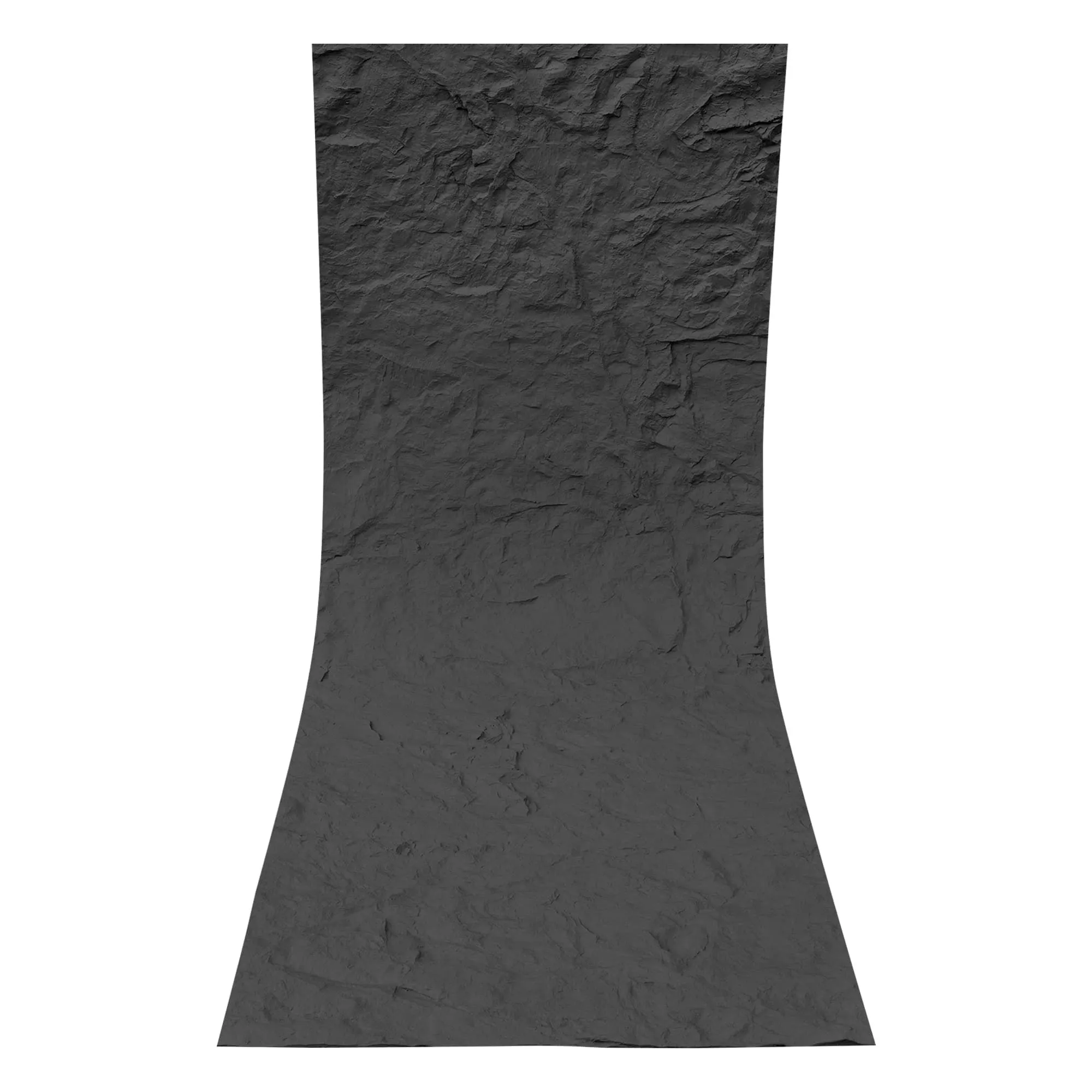
Walk into any cutting-edge design studio in 2025, and you'll notice something different about the materials on display. Gone are the days of one-note marble or generic concrete—this year, it's all about materials that tell a story, blend bold hues with unexpected textures, and bend to the whims of creative vision. And if there's one material leading this charge, it's Boulder Slab. But Boulder Slab isn't alone; it's part of a larger movement in modern construction materials (MCM) that's redefining how we think about color, pattern, and functionality in spaces. Let's dive into the trends shaping 2025, from the rise of starry travertine to the versatility of foamed aluminium, and why Boulder Slab has become the darling of designers worldwide.
Remember when neutrals dominated every mood board? 2025 is flipping that script, but not in a way that feels chaotic. This year's color trends are bold, but they're intentional—think "statement shades with purpose." Take, for example, the Lunar Peak series. Designers can't get enough of Lunar Peak Golden, a warm, sunlit hue that feels both luxurious and approachable. I recently chatted with Mia, an interior designer in Chicago, who used it in a boutique hotel lobby. "It's not just gold—it's a soft, brushed gold that catches the light like morning sunlight on stone," she said. "Paired with Lunar Peak Silvery accents, it turned a generic lobby into something guests stop to photograph." And then there's Lunar Peak Black, which isn't your average matte black. It has subtle metallic flecks that shimmer when hit by light, making it perfect for feature walls in restaurants or home theaters where ambiance is everything.
But if you really want to make a statement, look to the Travertine (Starry) line. Travertine (Starry Red) is having a moment in hospitality design—imagine a cocktail bar with a backsplash that looks like a night sky dipped in crimson. One Miami restaurant owner described it as "romantic but edgy," noting that customers often ask about the material before even seeing the menu. Travertine (Starry Blue) is close behind, popping up in coastal homes where it mimics the ocean's depth without feeling cliché. And for those who prefer earthier tones, Travertine (Starry Orange) adds a warm, autumnal vibe to living rooms and kitchens, proving that bold color doesn't have to be loud—it just has to be intentional.
Foamed Aluminium Alloy Board is another color chameleon making waves. The vintage finishes—Vintage Silver, Vintage Gold, and straight-up Gold—are ideal for adding industrial-chic flair without the heaviness of traditional metal. A coffee shop in Portland used Foamed Aluminium Alloy Board (Vintage Silver) for their countertop, and the result? A lightweight, scratch-resistant surface that looks like it's been around for decades (in the best way). "We wanted that 'lived-in luxury' feel," the owner told me. "This material gave us that, minus the maintenance headache of real aged metal."
If color is the heart of 2025's design trends, geometric patterns are the soul. And thanks to MCM 3D Printing Series, designers aren't limited to prefab shapes anymore. "Three years ago, if a client wanted a custom wave pattern on a wall, we'd have to compromise," says Raj, a architect in New York. "Now, with MCM 3D Printing, we can print Wave Panels in any size, curve, or texture. Last month, we created a lobby wall that looks like frozen ocean waves—all 3D-printed in lightweight MCM flexible stone. It weighs half what traditional stone would, and the client couldn't believe how precise the details are."
But it's not just about custom prints. Classic geometric patterns are getting a refresh, too. Square Line Stone, with its clean, angular lines, is showing up in modern offices where order and calm are key. One tech startup in Austin used it for their conference room walls, pairing it with Ripple Board (White) for a contrast of sharp angles and soft curves. The result? A space that feels structured but not sterile—perfect for brainstorming sessions.
Ripple Board (Grey) is another pattern star, especially in residential design. It's subtle enough for bedrooms (think headboards or accent walls) but has enough texture to add depth. A friend of mine used it in her home office, and she swears it makes video calls more interesting. "People always comment on the wall behind me," she laughed. "It's like having a piece of art that also dampens sound—win-win."
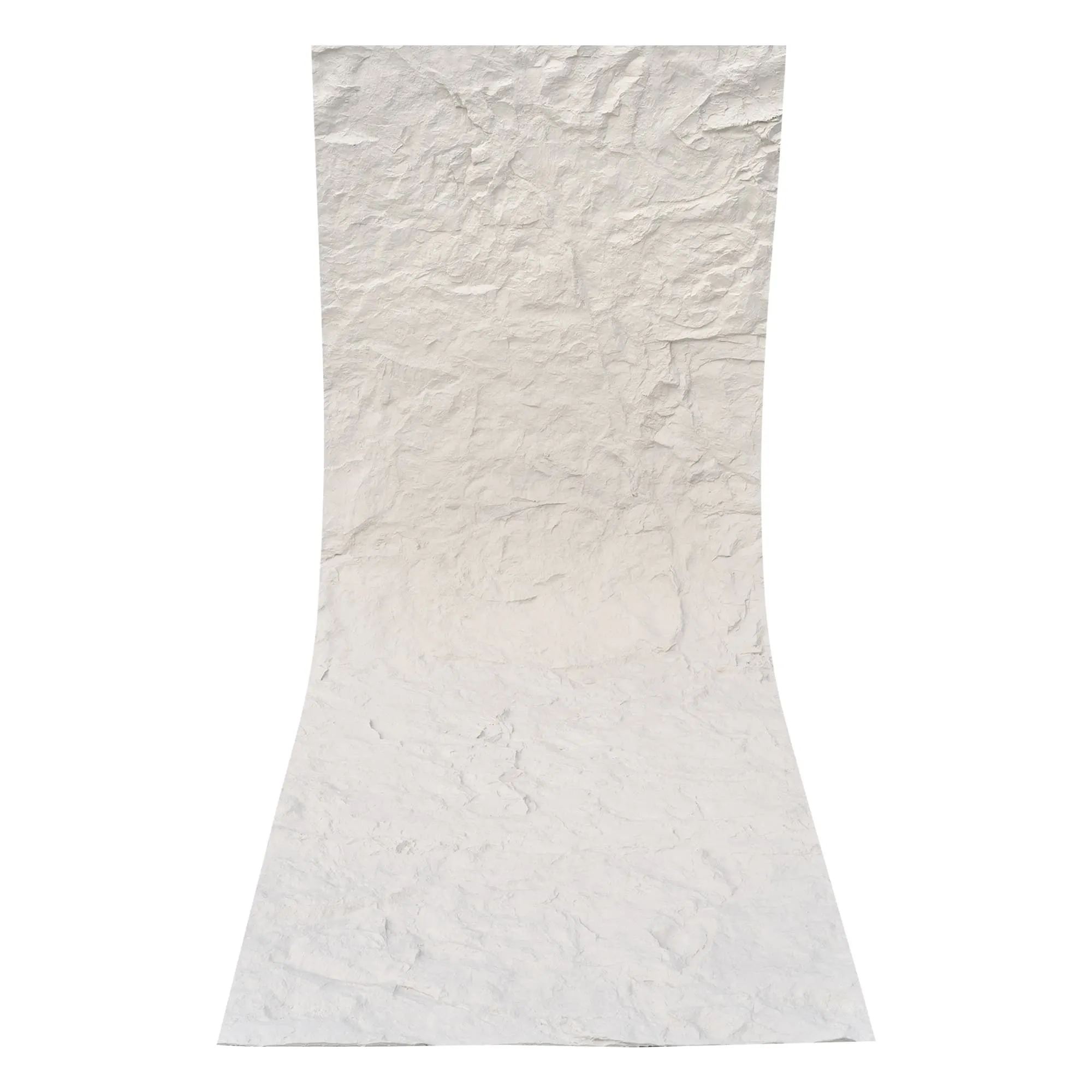
What really sets 2025 apart is that these bold colors and patterns aren't just pretty—they're practical. Take MCM Flexible Stone, a game-changer for anyone who's ever wished stone could bend. Traditional stone is heavy and rigid, but MCM Flexible Stone is thin, lightweight, and can curve around corners, wrap columns, or even be used as ceiling panels. Sarah, a homeowner in Denver, used it in her kitchen backsplash. "I have a curved countertop, and I thought I'd have to settle for tile," she said. "MCM Flexible Stone wrapped around it perfectly, and it's so durable—my kids have spilled everything on it, and it still looks new."
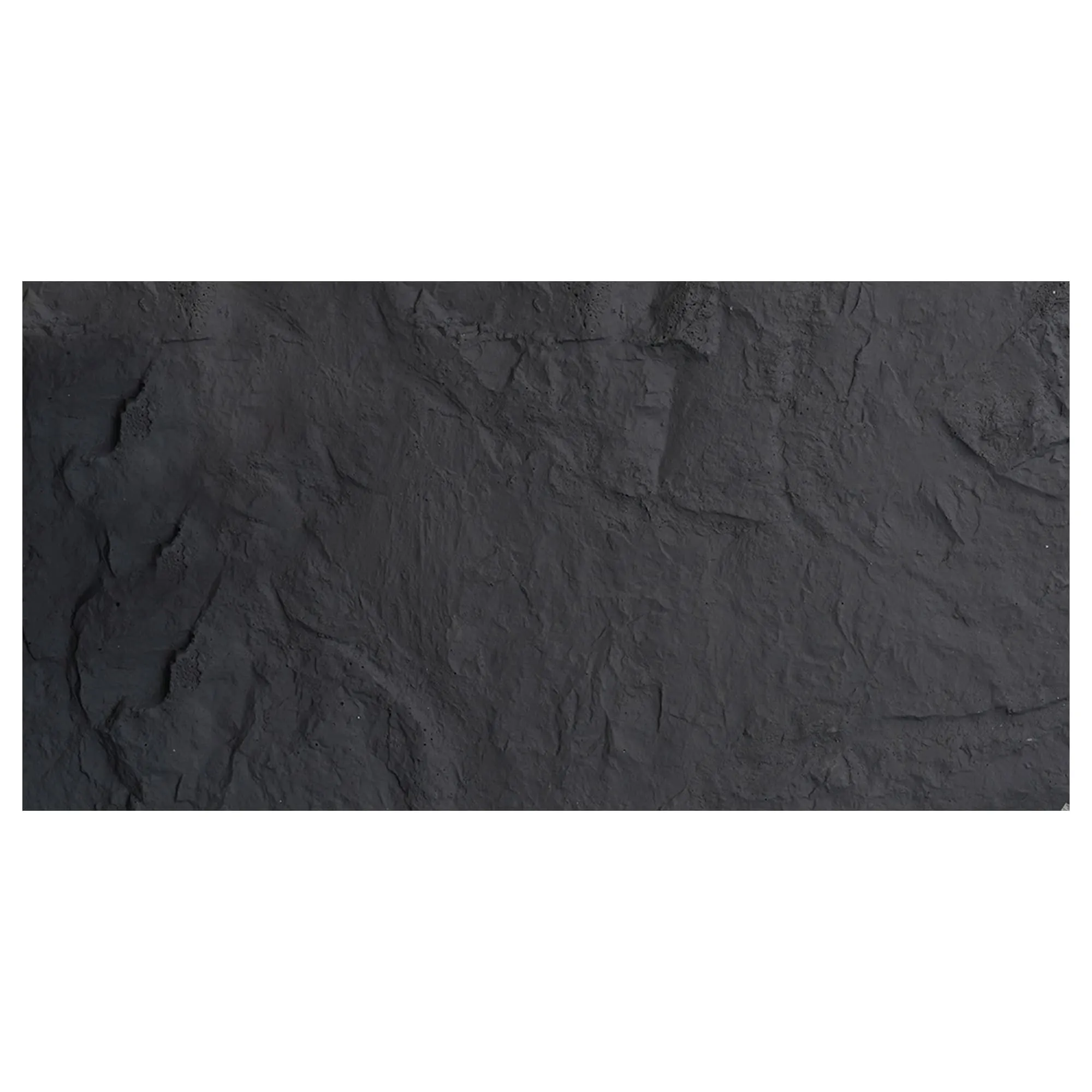
And then there's Boulder Slab, the material everyone's talking about. Boulder Slab (Vintage Silver) is a favorite for commercial spaces because it's scratch-resistant and easy to clean, but it's the Vintage Gold and Vintage Black finishes that are stealing the show in residential design. Let's break it down:
| Boulder Slab Finish | Best For | Color Palette Pairings | Key Perk |
|---|---|---|---|
| Vintage Silver | Kitchen countertops, office reception desks | Charcoal, white, lime stone (beige) | Resists fingerprints—perfect for high-traffic areas |
| Vintage Gold | Fireplace surrounds, accent walls | Navy, cream, travertine (beige) | Warmth without being overly flashy |
| Vintage Black | Home theaters, bathroom vanities | Silver, emerald green, lunar peak silvery | Matte finish hides water spots |
What makes Boulder Slab stand out is its versatility. It's made from a blend of natural stone and modified composite materials, so it's lighter than traditional slab stone but just as strong. A contractor friend told me he used Boulder Slab (Vintage Black) in a high-rise apartment where weight was a concern. "We would've needed extra structural support for real black marble," he said. "Boulder Slab cut the weight by 40%, and it looks identical—even up close."
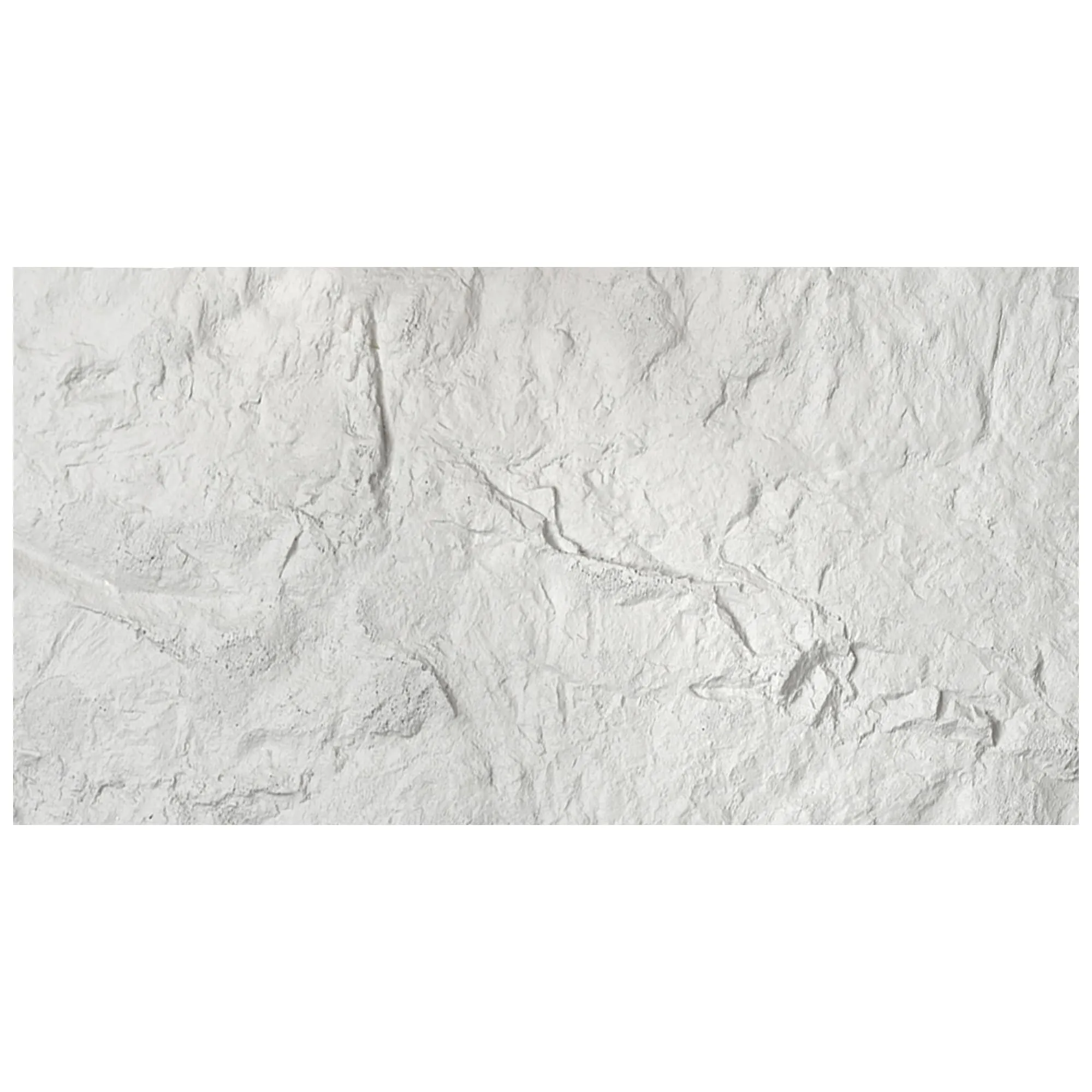
If color is the "what" of 2025 design, geometric patterns are the "how." This year, it's not about busy prints—it's about intentional lines, shapes, and textures that add visual interest without overwhelming. The Wave Panel is a great example. It's a simple, undulating pattern that looks like ocean waves frozen in stone, and it's popping up in everything from hotel lobbies to home staircases. I visited a yoga studio in Seattle that used Wave Panel (Light Grey) on the walls, and the effect was instantly calming. "It's like doing downward dog in front of a quiet ocean," one yogi told me. "The pattern guides your eye gently, helping you relax."
Square Line Stone is another geometric winner, especially in minimalist spaces. It's a series of thin, vertical lines that add structure without feeling cold. A Tokyo apartment designer used it in a small living room to create the illusion of height. "The lines draw your eye upward, making the room feel taller than it is," she explained. "Paired with Ripple Board (White) on the ceiling, it's like a modernist painting you can live in."
And let's not forget the MCM 3D Printing Series. This is where designers' wildest geometric dreams come to life. Want a wall that looks like a honeycomb? Or a backsplash with custom hexagons? 3D printing makes it possible, and the results are stunning. A restaurant in Barcelona used the 3D Printing Series to create a feature wall that looks like stacked, angular stone—except it's lightweight and easy to install. "We wanted something that felt organic but structured," the designer said. "3D printing let us tweak every angle until it was perfect."
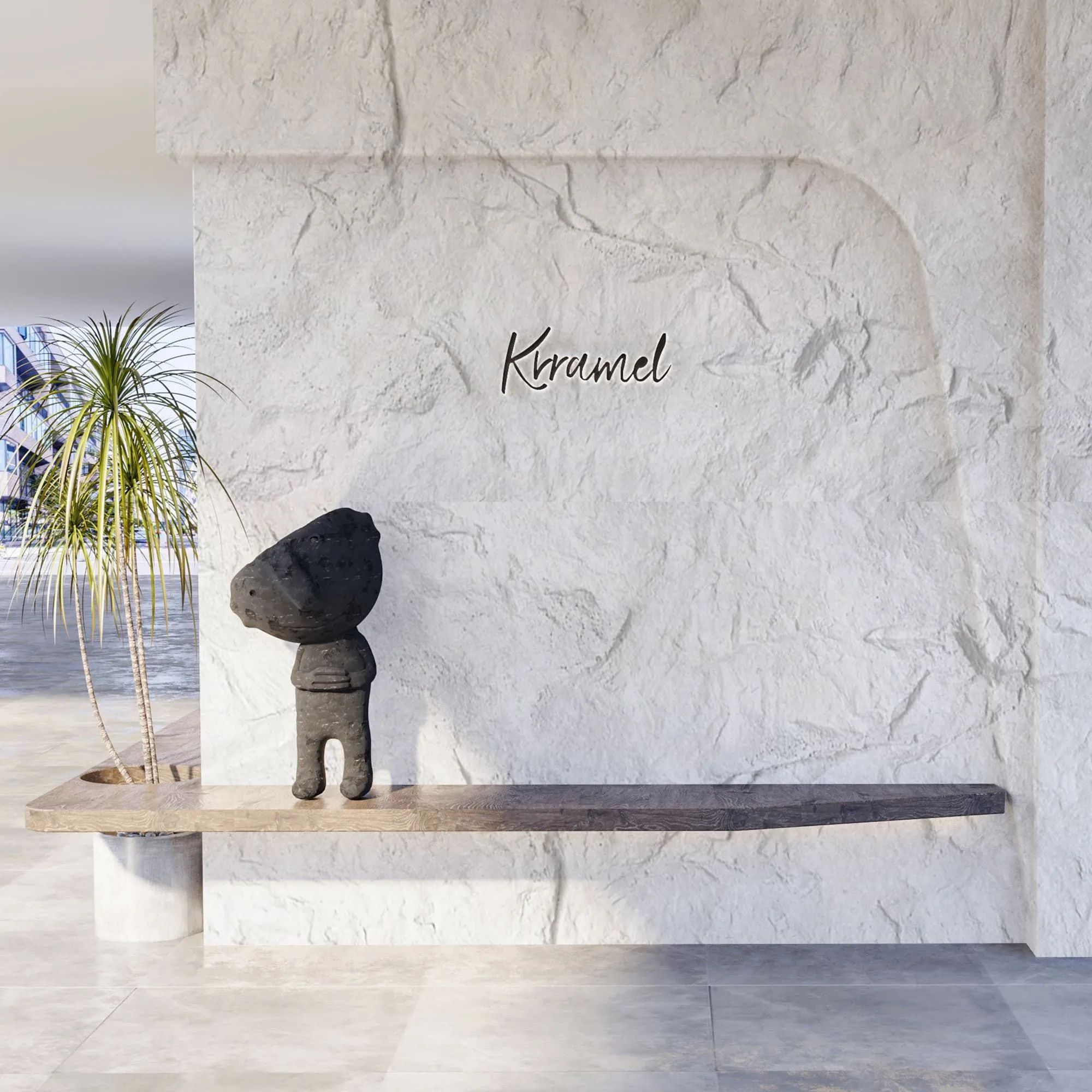
Enough about theory—let's talk about how these materials are transforming real spaces. Take the "Historical Pathfinders Stone" project in Boston, a renovation of a 1920s bank into a co-working space. The designers wanted to honor the building's history while adding modern flair, so they used Historical Pathfinders Stone (a weathered, earthy stone) on the exterior and paired it with Foamed Aluminium Alloy Board (Vintage Gold) accents on the interior. The result? A space that feels both timeless and fresh, where freelancers love working and tourists stop to take photos. "It's like walking into a museum that's also a workspace," one member told me.
In residential design, the Gobi Panel is making desert-inspired living cool again. A home in Arizona used Gobi Panel on the exterior, which mimics the texture of desert stone but is lightweight enough to withstand monsoon winds. "We wanted to blend in with the landscape, not fight it," the homeowner said. "Gobi Panel looks like it's been here for centuries, but it's actually low-maintenance—no sealing, no fading. It's perfect for desert living."
And let's not overlook the little details, like Thread and Wood Line. Thread is a thin, linear stone that's being used to frame mirrors and windows, adding a subtle, artisanal touch. Wood Line, on the other hand, is a warm, grained material that looks like reclaimed wood but is actually MCM flexible stone—ideal for kitchens where real wood would warp. A family in Portland used Wood Line for their kitchen island, and they love it: "It has the charm of my grandmother's old table, but it's waterproof," the mom said. "Win-win."
At the end of the day, 2025's design trends aren't just about making spaces look good—they're about making them work better. MCM materials like Boulder Slab, MCM flexible stone, and foamed aluminium alloy board are lightweight, durable, and often eco-friendly (many are made with recycled materials). They're designed for real life: kids, pets, busy schedules, and the occasional coffee spill. And that's the real magic—these materials let us have both beauty and functionality, without compromise.
So whether you're designing a new home, renovating a office, or just daydreaming about your next project, keep an eye on these trends. Bold colors with purpose, geometric patterns that tell a story, and materials that work as hard as you do—this is 2025 design, and it's only getting more exciting. And if you're still on the fence, remember what Mia, the Chicago designer, said: "Materials shouldn't just fill a space—they should make you feel something. This year's MCM trends? They make you feel inspired."
Here's to a year of spaces that are as bold, unique, and resilient as the people who live and work in them. Who's ready to start designing?
Recommend Products












