
Because a building's beauty shouldn't fade with time
Let's start with the obvious: when you invest in building materials—whether for a home, a commercial space, or a public landmark—you're not just buying a product. You're buying peace of mind. Imagine (oops, scratch that— think about ) a newly built café with a stunning exterior, its walls clad in what looks like timeless stone. Now fast-forward five years: the once-vibrant color has faded to a dull shadow, hairline cracks snake across the surface, and water seepage has started to damage the structure underneath. That's the cost of choosing materials that prioritize aesthetics over resilience.
For architects, designers, and homeowners alike, durability isn't a "nice-to-have"—it's the backbone of any long-lasting project. And when it comes to exterior cladding, the stakes are even higher. These materials face a relentless onslaught: blistering UV rays that bleach color, torrential rains that test water resistance, freezing winters that expand and contract surfaces, and even the occasional hailstorm or stray baseball. So how do you know if that "durable" stone panel you're eyeing can actually stand the test of time? You put it through the wringer—and that's exactly what COLORIA did with their Boulder Slab series.
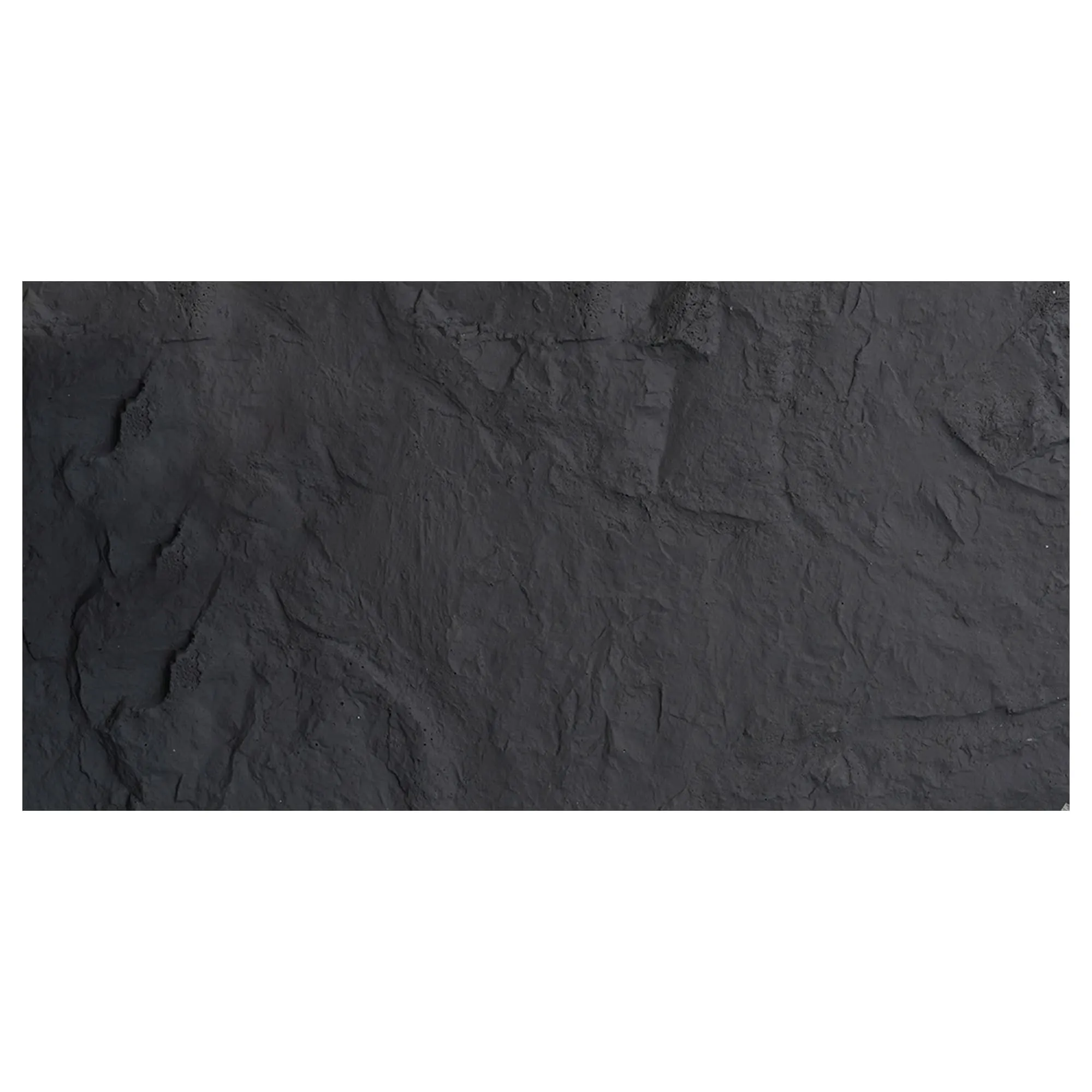
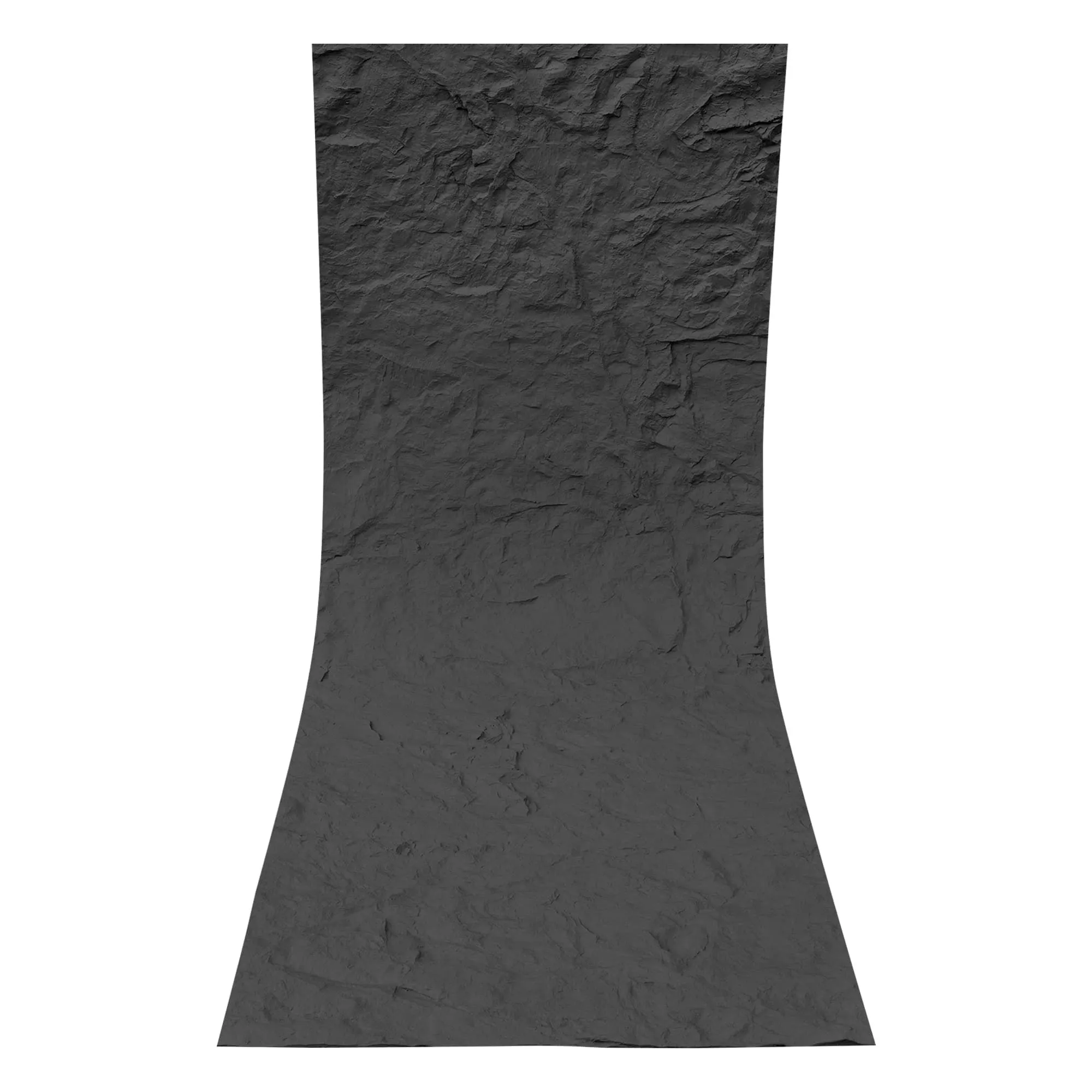
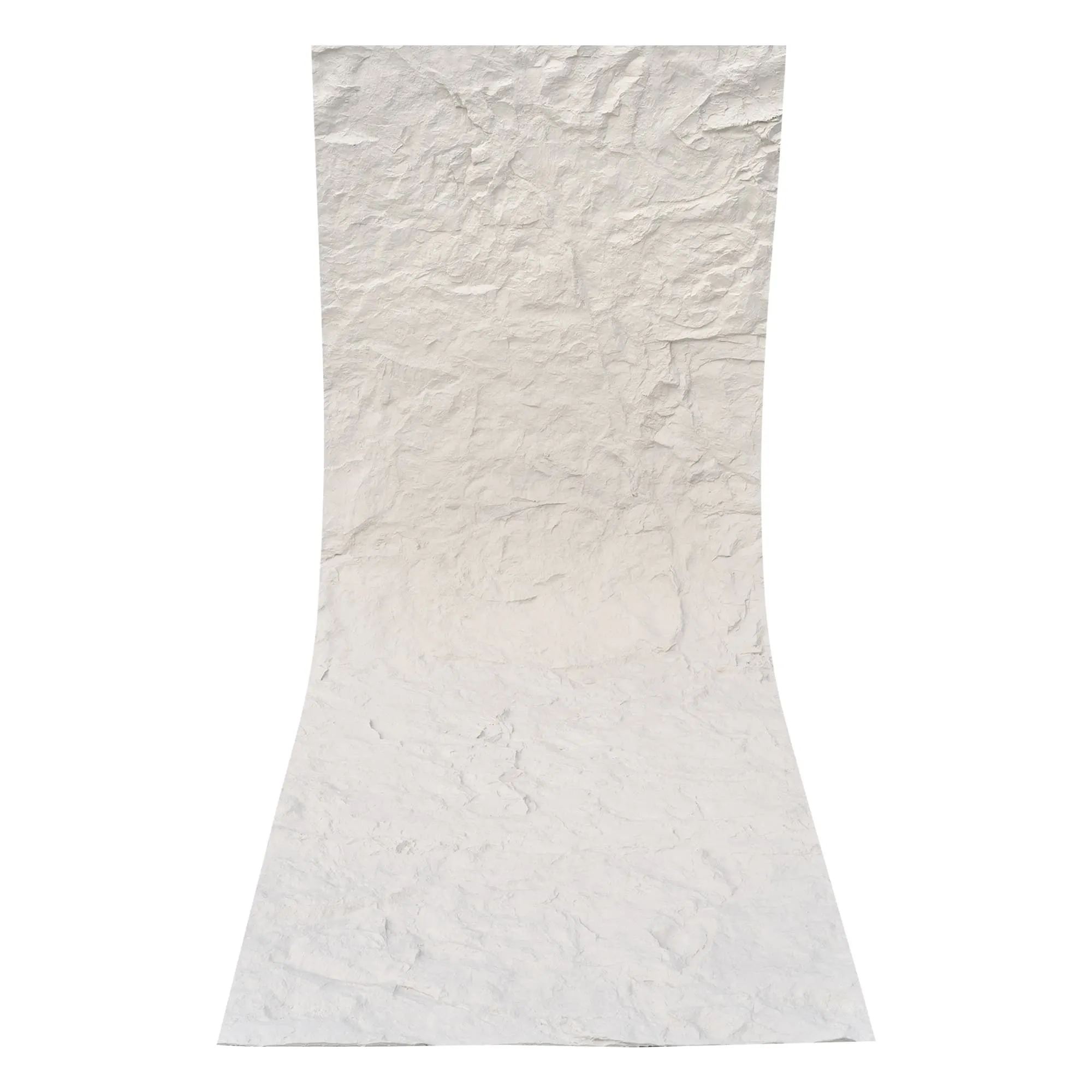
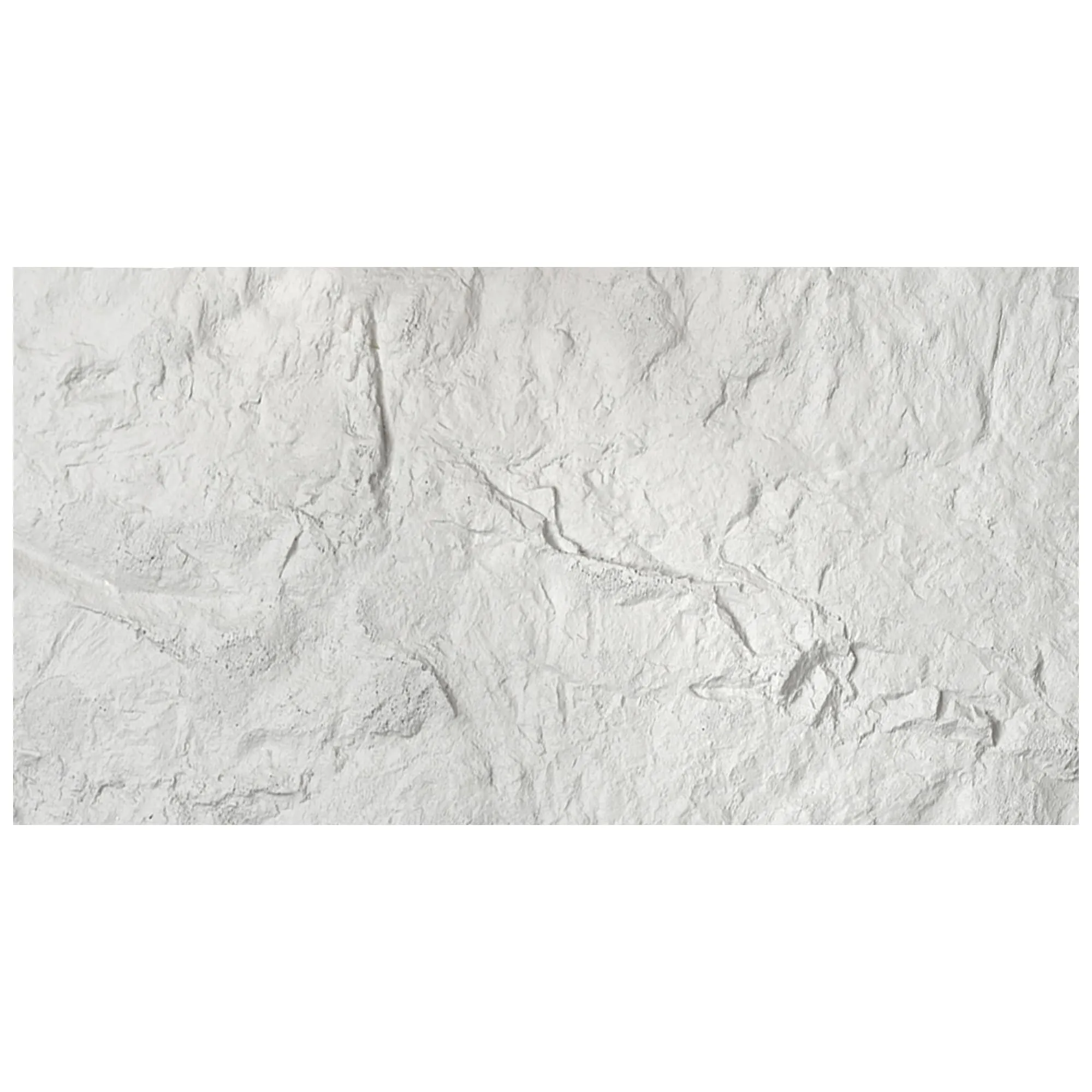
If you've spent any time exploring modern building materials, you've probably heard of COLORIA. Known for blending cutting-edge technology with timeless design, the brand has carved a niche in creating surfaces that don't just look good—they last . The Boulder Slab series is a prime example. Available in classic hues like Boulder Slab (vintage silver) , Boulder Slab (vintage gold) , and Boulder Slab (vintage black) , these panels are designed to mimic the rugged elegance of natural stone while packing a durability punch that traditional stone can't match.
But what exactly is a Boulder Slab? At its core, it's a product of COLORIA's proprietary MCM (Modified Composite Material) technology—specifically, MCM flexible stone . Unlike heavy, brittle natural stone or even rigid concrete panels, MCM flexible stone is engineered to be lightweight, bendable, and surprisingly tough. Think of it as stone with a "flexible backbone": it can withstand impacts and temperature shifts that would crack traditional materials, all while weighing a fraction of the load. That's a game-changer for both new builds and renovations, where structural weight is a critical concern.
But even with MCM technology, COLORIA didn't just assume durability. They put the Boulder Slab series through a battery of rigorous tests—ones that simulate decades of wear and tear in a matter of months. Let's pull back the curtain on those tests and see how these slabs measure up.
COLORIA's testing facility, nestled in their R&D hub in Milan, isn't your average lab. It's a place where materials face "accelerated aging"—where 10 years of sun, rain, and frost are compressed into weeks of controlled chaos. We spoke with Elena Rossi, lead materials engineer at COLORIA, who walked us through the key tests the Boulder Slab series endured. "Durability isn't just about one factor," she explained. "A panel might resist UV rays but crack in freezing temperatures. We needed to test for all the enemies of exterior materials."
The sun is a silent but ruthless adversary. Over time, UV radiation breaks down pigments in materials, turning vibrant reds to pinks, deep blues to pastels, and rich golds to… well, dull nothing. For the Boulder Slab's UV test, COLORIA used a QUV accelerated weathering tester—a machine that bombards samples with intense UV light, mimicking the sun's harshest rays. The goal? To see how well the vintage silver, gold, and black variants retained their color over 5,000 hours (that's over 208 days of continuous sunlight—more than most materials face in a decade).
"We measured color retention using a spectrophotometer before and after the test," Elena said. "The results were striking. Even after 5,000 hours, the Boulder Slab (vintage gold) retained 95% of its original warm hue—the kind of retention you'd expect from high-end automotive paint, not a building panel." The vintage silver and black fared similarly, with 94% and 96% color retention, respectively. For context, standard painted concrete panels often see color retention drop below 80% after just 3,000 hours. "That's the MCM flexible stone advantage," Elena noted. "The pigments are locked into the composite matrix, not just coated on top. They don't fade because they're part of the material's DNA."
Sunlight is just one part of the equation. Real-world exteriors also face rain, snow, humidity, and extreme temperature swings. To simulate this, COLORIA subjected the Boulder Slab samples to a "weathering cycle" test: 12 hours of UV exposure, followed by 12 hours of condensation (mimicking rain and dew), repeated for 1,000 cycles. That's the equivalent of 10 years of daily sun-and-rain patterns.
After each cycle, engineers inspected the panels for cracks, delamination (layers separating), or water absorption. "Water is the enemy of structural integrity," Elena emphasized. "If water seeps in and freezes, it expands, creating pressure that can crack even the toughest materials." But the Boulder Slab series? "We measured water absorption at less than 0.5%—that's practically waterproof," she said. "And there was zero delamination. The MCM flexible stone's bonding agent is designed to withstand moisture, even after thousands of cycles."
It's not just nature that tests materials—sometimes it's a stray golf ball, a hailstorm, or even a ladder slipping during maintenance. To test impact resistance, COLORIA used a drop-weight tester: a 5kg steel ball dropped from a height of 2 meters onto the panels (that's about the force of a medium-sized hailstone hitting at 40 mph). The panels were then inspected for cracks, chips, or dents.
"Traditional stone panels would often crack or chip under that impact," Elena told us. "But the Boulder Slab? The MCM flexible stone's flexibility absorbs the force. We saw minor surface scuffs on the vintage silver and gold, but no structural damage. The vintage black, with its slightly denser composite, didn't even scuff. It's like comparing a porcelain plate to a rubberized one—one shatters, the other bounces back."
| Color Variant | UV Resistance (5,000 Hours) | Weathering Test (1,000 Cycles) | Impact Resistance (5kg Ball, 2m drop) |
|---|---|---|---|
| Boulder Slab (vintage silver) | 94% color retention; no surface degradation | 0.4% water absorption; structural integrity intact | <1mm surface scuff; no cracking |
| Boulder Slab (vintage gold) | 95% color retention; metallic sheen preserved | 0.3% water absorption; no delamination | <0.5mm surface scuff; no structural damage |
| Boulder Slab (vintage black) | 96% color retention; no fading or discoloration | 0.2% water absorption; fully waterproof | No visible damage; impact force absorbed |
*Test data sourced from COLORIA Materials Lab, Milan (2024). All tests conducted per ASTM International standards.
Numbers tell a story, but the "why" behind the durability matters just as much. The Boulder Slab series owes its resilience to COLORIA's MCM flexible stone technology—a blend of natural minerals, polymers, and reinforcing fibers that creates a material that's both strong and adaptable. "Traditional stone is heavy and rigid," Elena explained. "If a building shifts slightly (and all buildings do, with temperature changes), rigid stone cracks. MCM flexible stone moves with the structure, like a skin. It bends, it doesn't break."
Compare that to fair-faced concrete , a popular material for modern exteriors. While fair-faced concrete has a raw, industrial appeal, it's prone to spalling (flaking) in freeze-thaw cycles and often requires sealing every 2–3 years to resist water damage. "The Boulder Slab needs no sealing," Elena noted. "Its resistance is built-in. And at 8kg per square meter, it's half the weight of fair-faced concrete, reducing structural load and installation costs."
Another advantage? Sustainability. MCM flexible stone uses up to 30% recycled materials in its composite, and its lightweight nature reduces carbon emissions during transportation. "Durability and sustainability go hand in hand," Elena said. "A material that lasts 50 years instead of 10 means less waste, fewer replacements, and a smaller environmental footprint."
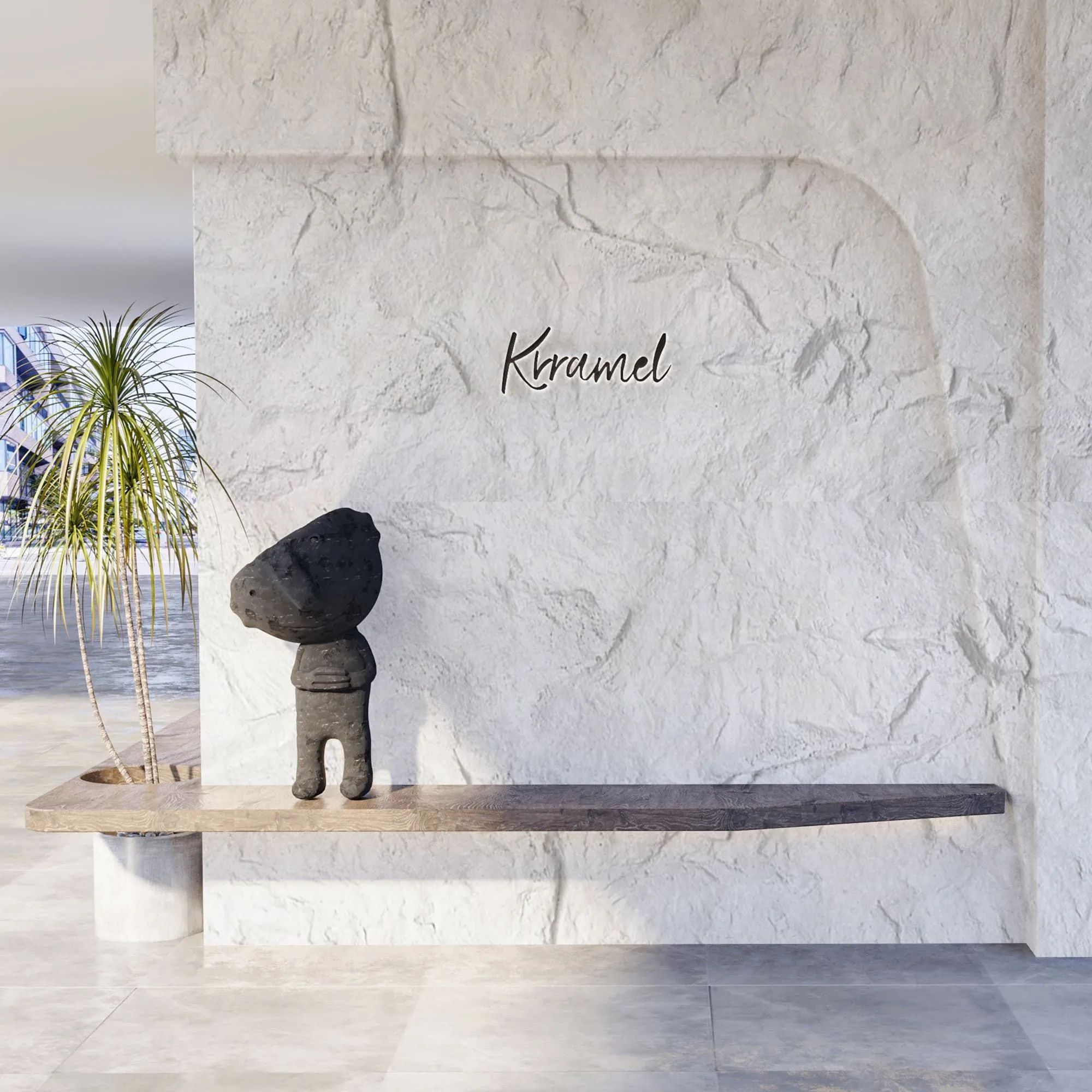
Tests in a lab are one thing—real-world performance is another. COLORIA's Boulder Slab series has been used in projects across Europe and North America, from coastal homes in Portugal (battling salt spray and high humidity) to mountain lodges in the Swiss Alps (facing heavy snow and sub-zero temperatures). One standout example is the Riverfront Plaza in Barcelona, a mixed-use development where the exterior is clad in Boulder Slab (vintage silver) . "We chose the vintage silver for its modern, industrial look," said architect Marc López, who designed the plaza. "But honestly, the durability was the clincher. Barcelona gets intense sun in summer and heavy rains in spring—we needed something that wouldn't just look good on day one, but in 20 years." Two years in, López reports no fading, no cracks, and zero maintenance issues.
Closer to home, a residential project in Portland, Oregon, used Boulder Slab (vintage black) for an outdoor patio and exterior accent walls. "Oregon weather is brutal—rain 9 months a year, then 100-degree heat in summer," said homeowner Sarah Chen. "I was worried about mold, mildew, or warping. But two winters later, the slabs look brand new. Even after a hailstorm last year, there wasn't a single dent. It's like they're indestructible."
At the end of the day, building materials are about trust. You trust that the roof won't leak, the foundation won't crack, and the exterior won't fall apart. COLORIA's Boulder Slab series doesn't just meet that trust—it exceeds it. With MCM flexible stone technology, rigorous testing, and real-world proof, these panels are built to outlast the trends, the seasons, and even the decades.
Whether you're drawn to the sleek modernity of Boulder Slab (vintage silver) , the warmth of vintage gold , or the bold drama of vintage black , one thing is clear: this isn't just stone. It's stone reimagined—tough, adaptable, and unapologetically beautiful. As Elena put it: "Durability isn't about surviving. It's about thriving. And the Boulder Slab? It thrives."
For more information on COLORIA's Boulder Slab series or to request a sample, visit their website at www.coloria-materials.com
Recommend Products












