
Walk into any modern home or office building today, and you'll likely notice a quiet shift happening—one that's as much about the air we breathe as the walls that surround us. As architects, designers, and homeowners alike wake up to the reality that our built environment shapes both our health and the planet's future, the demand for sustainable building materials has never been stronger. Enter Boulder Slab : a cladding solution that's redefining what it means to merge aesthetics with eco-consciousness. In this deep dive, we'll explore how Boulder Slab's low VOC emissions and recyclable composition are setting a new standard for responsible design, and why it's quickly becoming a favorite among those who refuse to choose between beauty and sustainability.
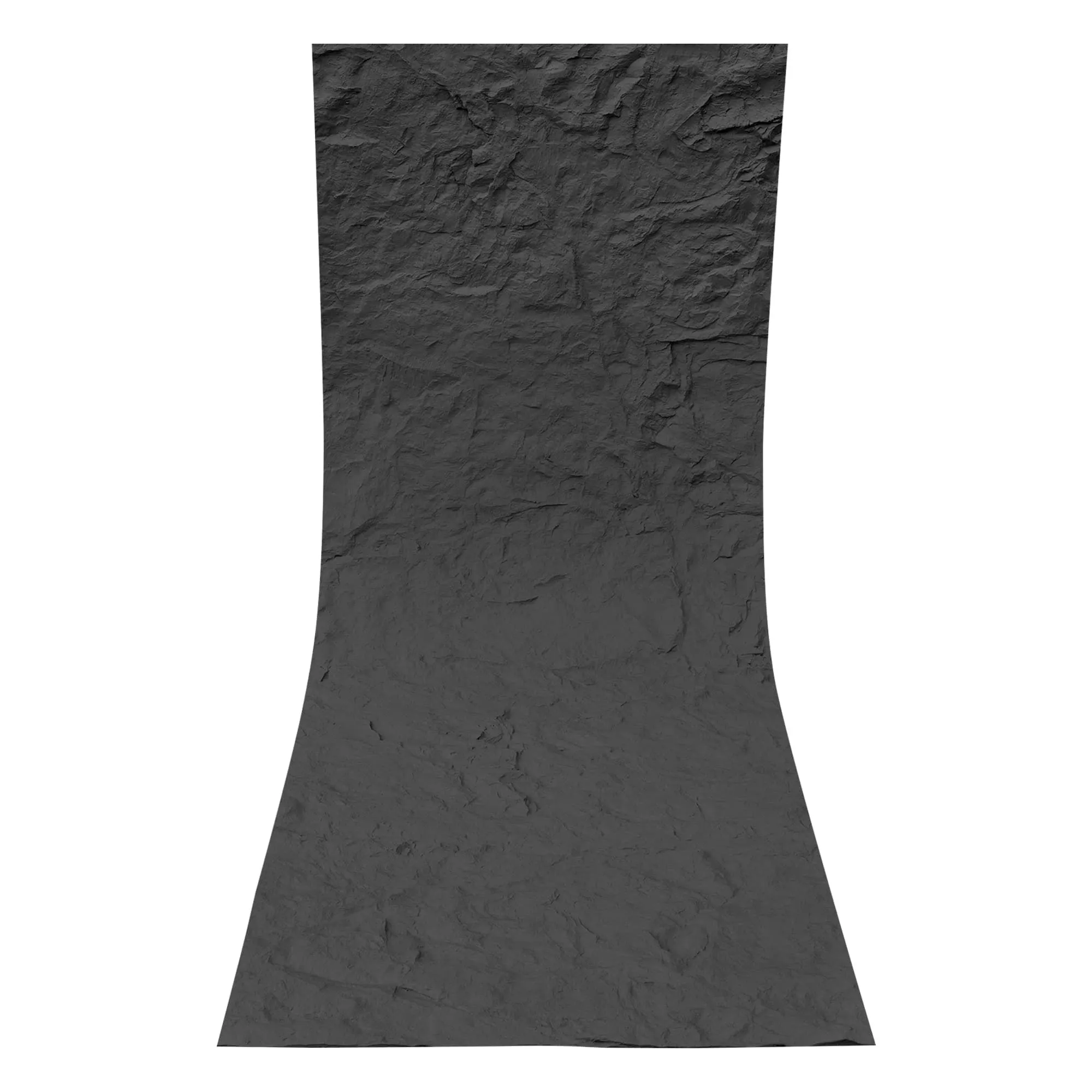
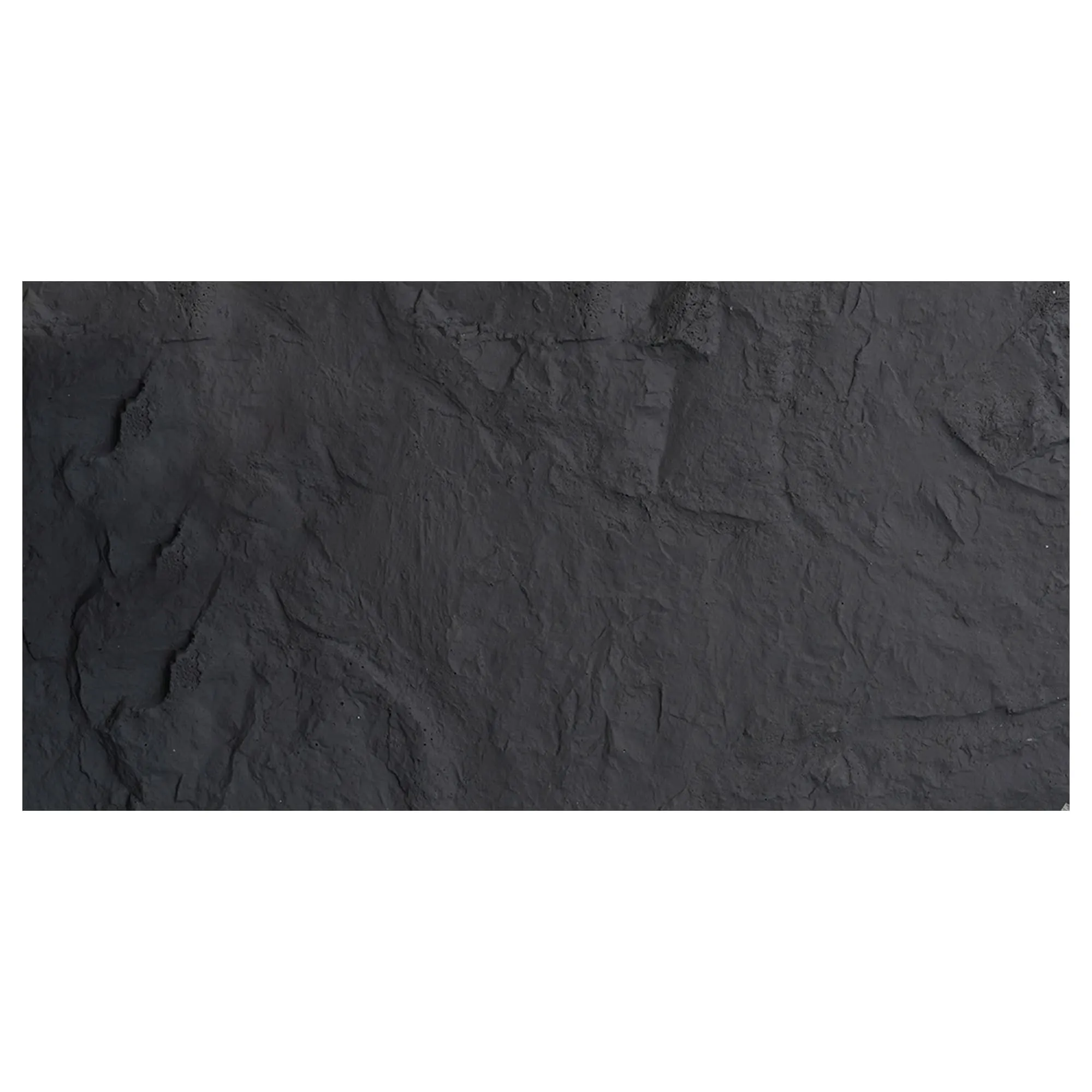
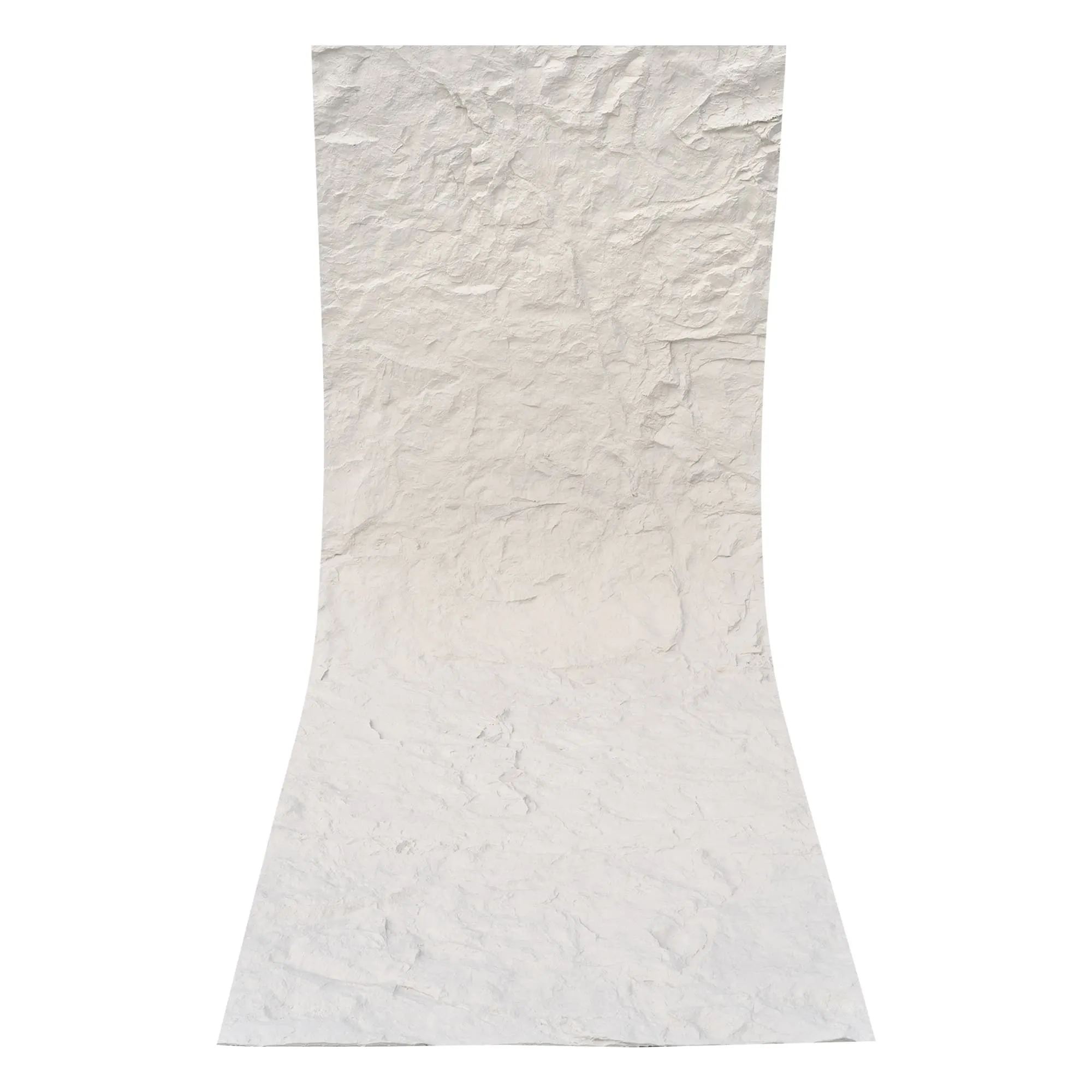
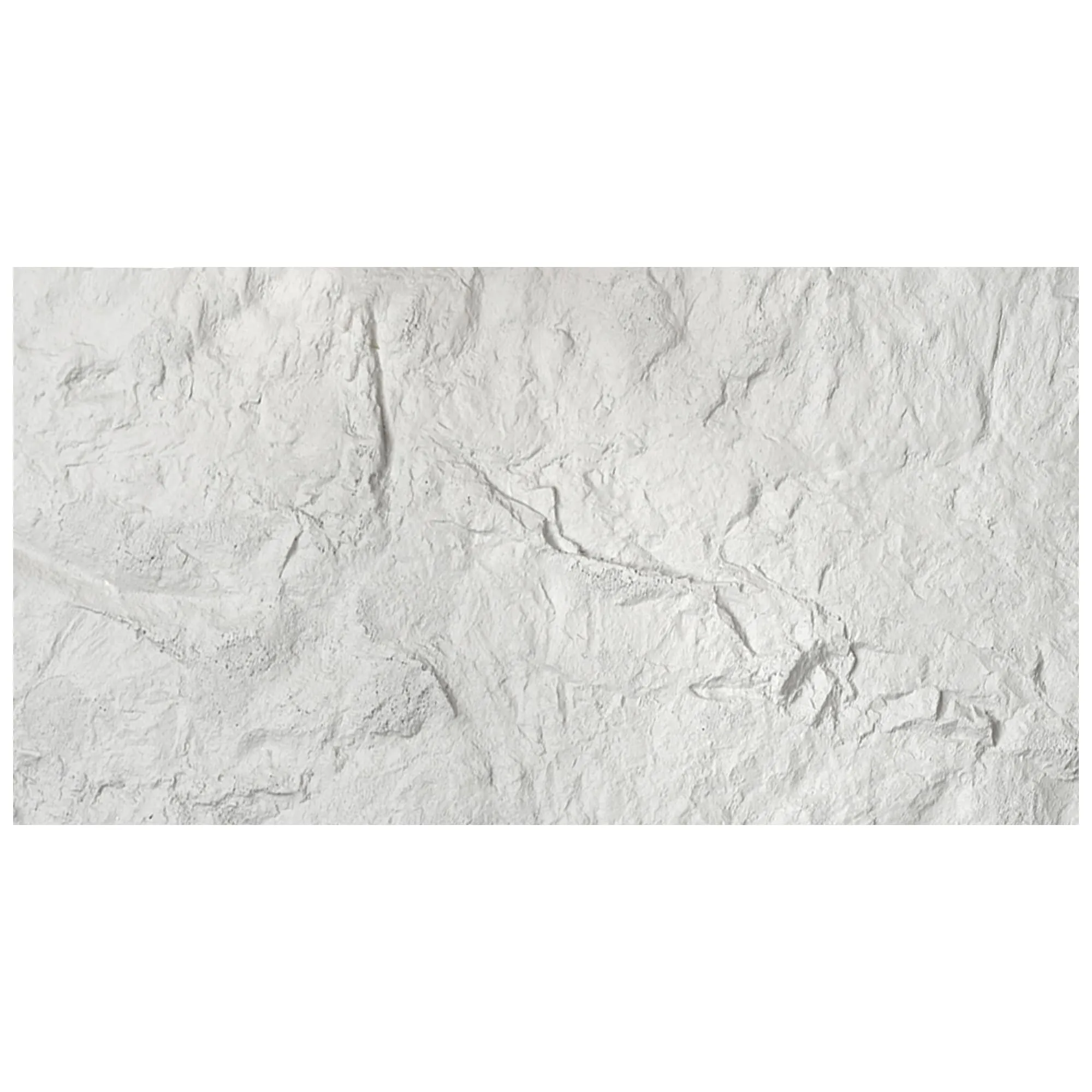
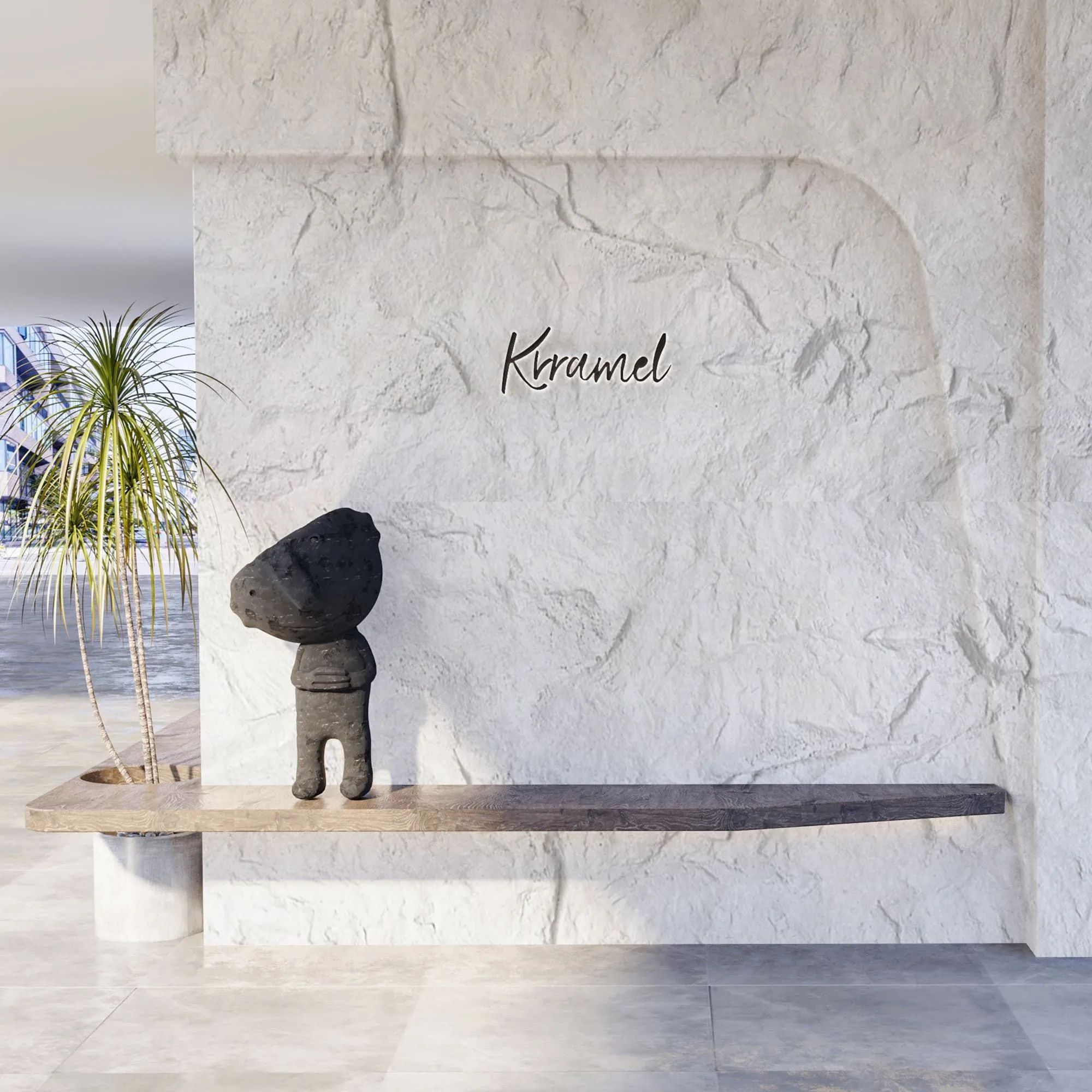
Before we get into the environmental nitty-gritty, let's start with the basics: What exactly is Boulder Slab? At its core, Boulder Slab is a premium cladding material designed for both interior and exterior use, crafted by MCM (Modern Composite Materials) to mimic the rugged, organic beauty of natural stone—without the environmental toll of quarrying raw rock. Available in finishes like vintage silver , vintage gold , and vintage black , it's engineered to bring the outdoors in, whether you're designing a sleek urban apartment or a rustic countryside villa.
But Boulder Slab isn't just about looks. What truly sets it apart is MCM's commitment to sustainability from the ground up. Unlike traditional stone cladding, which often relies on energy-heavy extraction and processing, Boulder Slab starts with a base of recycled materials, including reclaimed stone aggregates and industrial byproducts. This not only reduces waste but also cuts down on the carbon footprint of production—a win for both your design vision and the planet.
You've probably heard the term "VOCs" thrown around in discussions about paint or furniture, but what exactly are they, and why should you care? Volatile Organic Compounds (VOCs) are chemicals that evaporate into the air at room temperature, releasing gases that can have short- and long-term health effects. From headaches and eye irritation to more serious issues like liver damage or respiratory disease, high VOC levels in indoor spaces are a silent threat—one that's often overlooked in the rush to finish a construction project.
Traditional building materials are major culprits here. Paints, adhesives, and even some stone sealants can off-gas VOCs for years after installation, turning your "dream home" into a subtle health hazard. That's where Boulder Slab flips the script. MCM's manufacturing process prioritizes low VOC formulations, using water-based binders and natural pigments that minimize chemical emissions. The result? A cladding material that meets some of the strictest indoor air quality standards, including GREENGUARD and LEED certifications.
"We had a client with severe allergies who was hesitant to renovate their living room—until we suggested Boulder Slab," says Maria Gonzalez, a residential architect based in Portland. "Within weeks of installation, they noticed a difference in their breathing. It's not just about sustainability; it's about creating spaces that actually support human health."
To put Boulder Slab's low VOC credentials into perspective, let's compare it to common alternatives. Traditional ceramic tiles, for example, often use glues with VOC levels exceeding 500 grams per liter (g/L). Vinyl siding? Some formulations hit 300 g/L. Boulder Slab, by contrast, clocks in at less than 10 g/L—well below the 50 g/L threshold set by the EPA for "low-VOC" products. That's a 98% reduction in harmful emissions compared to some tile adhesives. For context, even low-VOC paint typically ranges from 50–100 g/L, making Boulder Slab a standout in the category.
| Material | VOC Emissions (g/L) | Indoor Air Quality Certification |
|---|---|---|
| Traditional Ceramic Tile (with adhesive) | 300–500+ | None |
| Vinyl Siding | 150–300 | Limited |
| Low-VOC Paint | 50–100 | GREENGUARD (some) |
| Boulder Slab | <10 | GREENGUARD Gold, LEED v4 |
Sustainability isn't just about what goes into a product—it's about what happens when that product reaches the end of its life. In a world drowning in construction waste (the U.S. alone generates over 600 million tons annually), recyclability isn't a "nice-to-have"—it's a necessity. Boulder Slab rises to this challenge by embracing a circular economy model, where materials are designed to be reused, recycled, or repurposed rather than landfilled.
So, what makes Boulder Slab recyclable? Let's break down its composition: roughly 70% recycled stone aggregates (think crushed marble, granite, and limestone from construction waste), 20% recycled metal alloys, and 10% natural binders. This mix not only reduces the need for virgin resource extraction but also ensures that, when a building is renovated or demolished, the slabs can be crushed and reused as aggregate for new construction or melted down for metal recycling.
"We worked with a commercial developer last year that wanted to repurpose an old warehouse into offices," explains James Chen, a sustainability consultant in Chicago. "They chose Boulder Slab for the exterior, and when they later expanded, the original slabs were recycled into landscaping gravel. It's that kind of closed-loop thinking that makes a real difference."
MCM takes this a step further with its "Take-Back Program," which offers contractors and homeowners a way to return old or damaged Boulder Slab panels for recycling. The company estimates that over 95% of a Boulder Slab panel can be recycled, with minimal energy required to process the materials—a stark contrast to traditional stone cladding, which often ends up in landfills due to its weight and difficulty in breaking down.
Boulder Slab is just one star in MCM's constellation of sustainable building materials. The brand's foamed aluminium alloy board (vintage silver) line, for example, uses 85% recycled aluminum, making it both lightweight and highly recyclable. Then there's mcm flexible stone , a thin, bendable cladding option that cuts down on material waste during installation—perfect for curved walls or custom designs. And for those craving a pop of color with a conscience, travertine (starry blue) combines recycled travertine chips with natural pigments, creating a celestial-inspired finish that's as kind to the planet as it is to the eyes.
"I love mixing and matching these lines," says interior designer Lila Patel, who specializes in eco-luxury homes. "Boulder Slab for the exterior, foamed aluminium for accents, and that starry blue travertine in the kitchen backsplash—clients get the 'wow' factor without the guilt. It proves sustainability doesn't mean sacrificing style."
Numbers and certifications tell part of the story, but real-world applications bring it to life. Let's take a look at two projects that showcase Boulder Slab's environmental and aesthetic impact:
A 10-story commercial complex completed in 2024, Evergreen Office Park aimed for LEED Platinum certification. The design team chose Boulder Slab (vintage black) for the exterior facade, paired with foamed aluminium alloy (vintage silver) accents. Thanks to the low VOC materials and recyclable composition, the project scored 15 out of 17 possible points in the LEED "Materials and Resources" category. Post-occupancy surveys showed that employee-reported headaches decreased by 40% compared to the previous building, attributed in part to improved indoor air quality.
This 50-unit affordable housing development prioritized both sustainability and durability. Boulder Slab (vintage gold) was selected for its low maintenance needs and recyclability, while mcm flexible stone was used in common areas to reduce installation waste. "We wanted materials that would last 50+ years and could be recycled when the time comes," says project manager Rafael Torres. "Boulder Slab checked both boxes, and the residents love how warm and inviting the buildings feel."
Sustainability aside, Boulder Slab and its siblings offer practical benefits that make them a hit with industry professionals. For starters, they're lightweight—Boulder Slab weighs roughly 12 pounds per square foot, compared to 30+ pounds for natural stone—making installation faster and reducing structural load on buildings. They're also highly durable, resistant to scratches, moisture, and UV rays, which means less replacement and repair over time.
"Time is money, and Boulder Slab saves us both," says Carlos Mendez, a general contractor in Denver. "We used to spend days cutting and installing natural stone; now, with these panels, we can finish a facade in half the time. And since they're pre-finished, there's no waiting for sealants to dry or VOCs to off-gas. It's a win-win for our crew and the client."
Aesthetics, too, play a role. Boulder Slab's range of finishes—from the industrial-chic vintage black to the warm glow of vintage gold—means it can adapt to any design style, from minimalist modern to rustic farmhouse. "Gone are the days when 'sustainable' meant 'boring'," Patel adds. "These materials have texture, depth, and personality. They tell a story of responsibility, and that resonates with clients."
As the demand for sustainable building materials grows, MCM isn't resting on its laurels. The company is currently testing a new line of Boulder Slab panels infused with phase-change materials (PCMs), which absorb and release heat to regulate indoor temperatures—reducing reliance on HVAC systems. They're also exploring bio-based binders made from agricultural waste, aiming to cut the synthetic component of their products to zero by 2030.
"The future of cladding isn't just about being 'less bad'—it's about being actively good," says Dr. Elena Kim, a materials scientist at MCM's research lab. "We're looking at how these materials can sequester carbon, filter air pollutants, or even generate small amounts of energy. Boulder Slab is just the beginning."
In the end, Boulder Slab's environmental impact is about more than low VOC emissions or recyclable materials—it's about reimagining what our buildings can be: not just structures, but partners in our health and the planet's survival. As Gonzalez puts it, "Every choice we make as designers ripples outward. Choosing Boulder Slab isn't just a material decision; it's a commitment to a world where beauty and sustainability coexist."
So the next time you walk past a building with striking stone cladding, take a closer look. Is it contributing to a healthier planet, or just another pretty face hiding a messy environmental footprint? With options like Boulder Slab, foamed aluminium alloy, and mcm flexible stone, the choice to build better has never been clearer. After all, the walls we live and work within shouldn't just shelter us—they should lift us up, both now and for generations to come.
Recommend Products












