
Walk into any modern commercial space—whether it's a bustling shopping mall in Dubai, a sleek office tower in New York, or a luxury hotel in Bali—and you'll notice something right away: the materials that shape the walls, facades, and interiors. They're chosen for aesthetics, durability, and increasingly, safety. But here's the thing that often gets overlooked until it's too late: how those materials hold up when fire strikes. In commercial buildings, where hundreds (if not thousands) of people gather daily, fire safety isn't just a box to check—it's a lifeline. That's where materials like boulder slab come into play. Today, we're diving deep into what makes boulder slab a standout choice for fire-resistant commercial design, from the rigorous tests it undergoes to the certifications that give architects, developers, and building owners peace of mind.
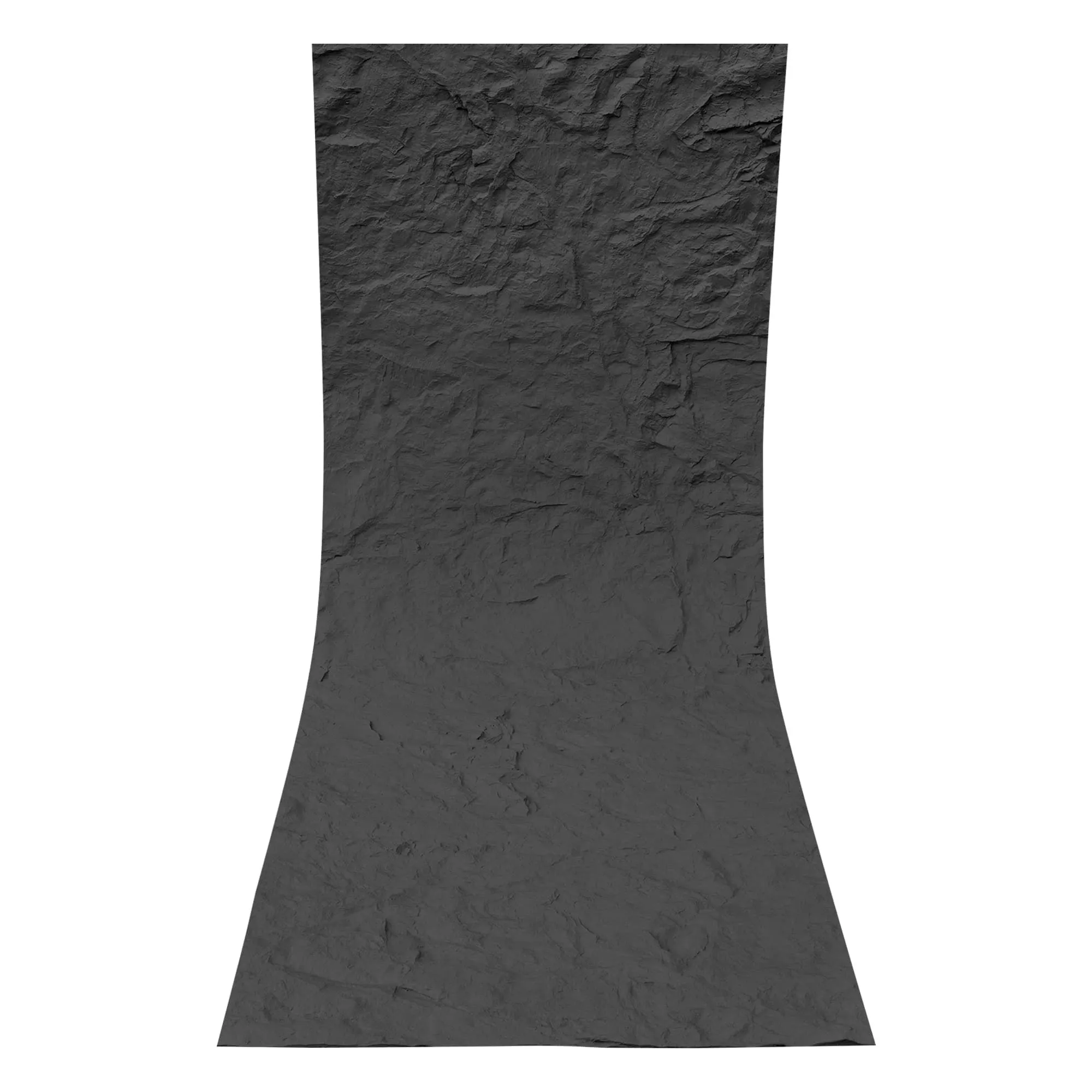
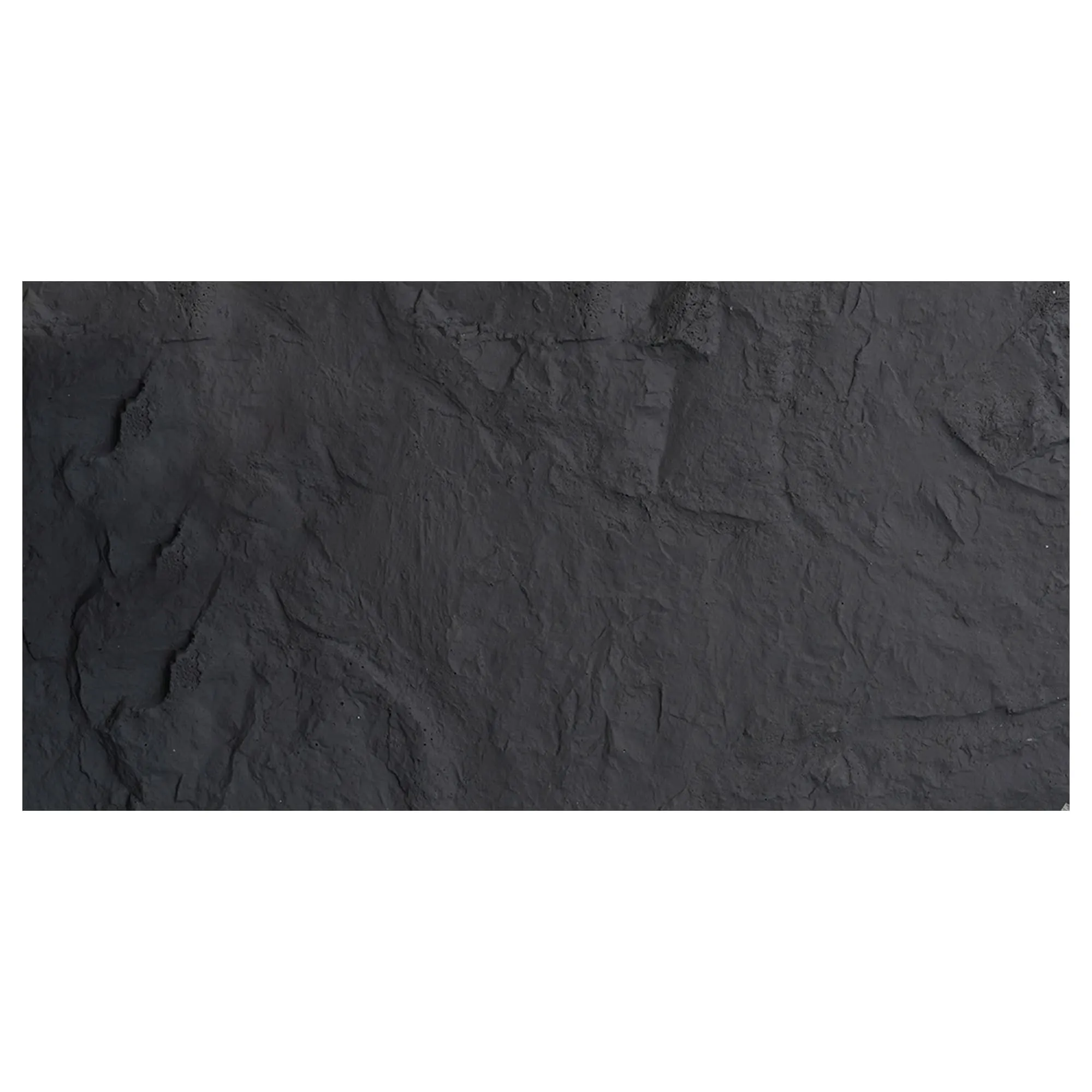
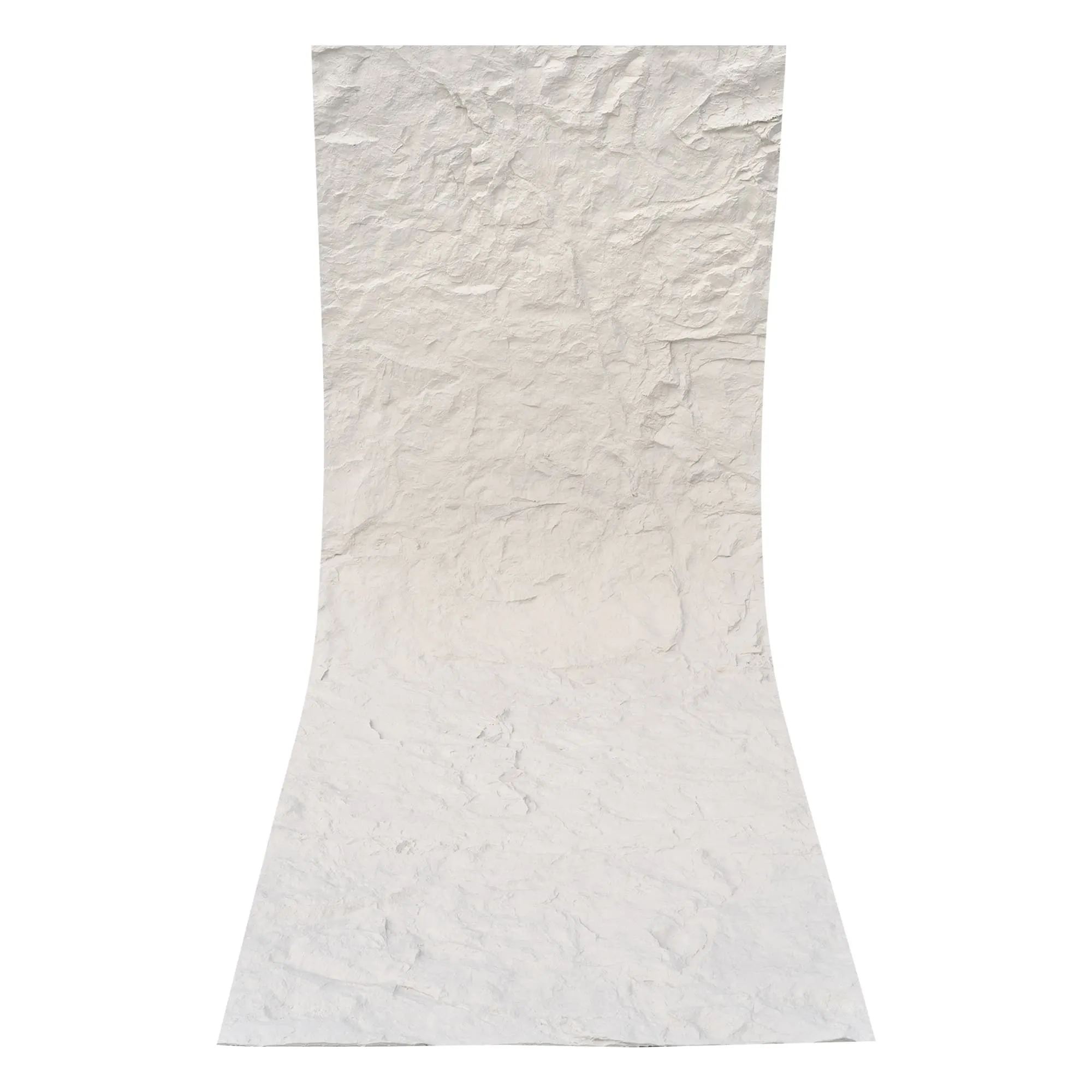
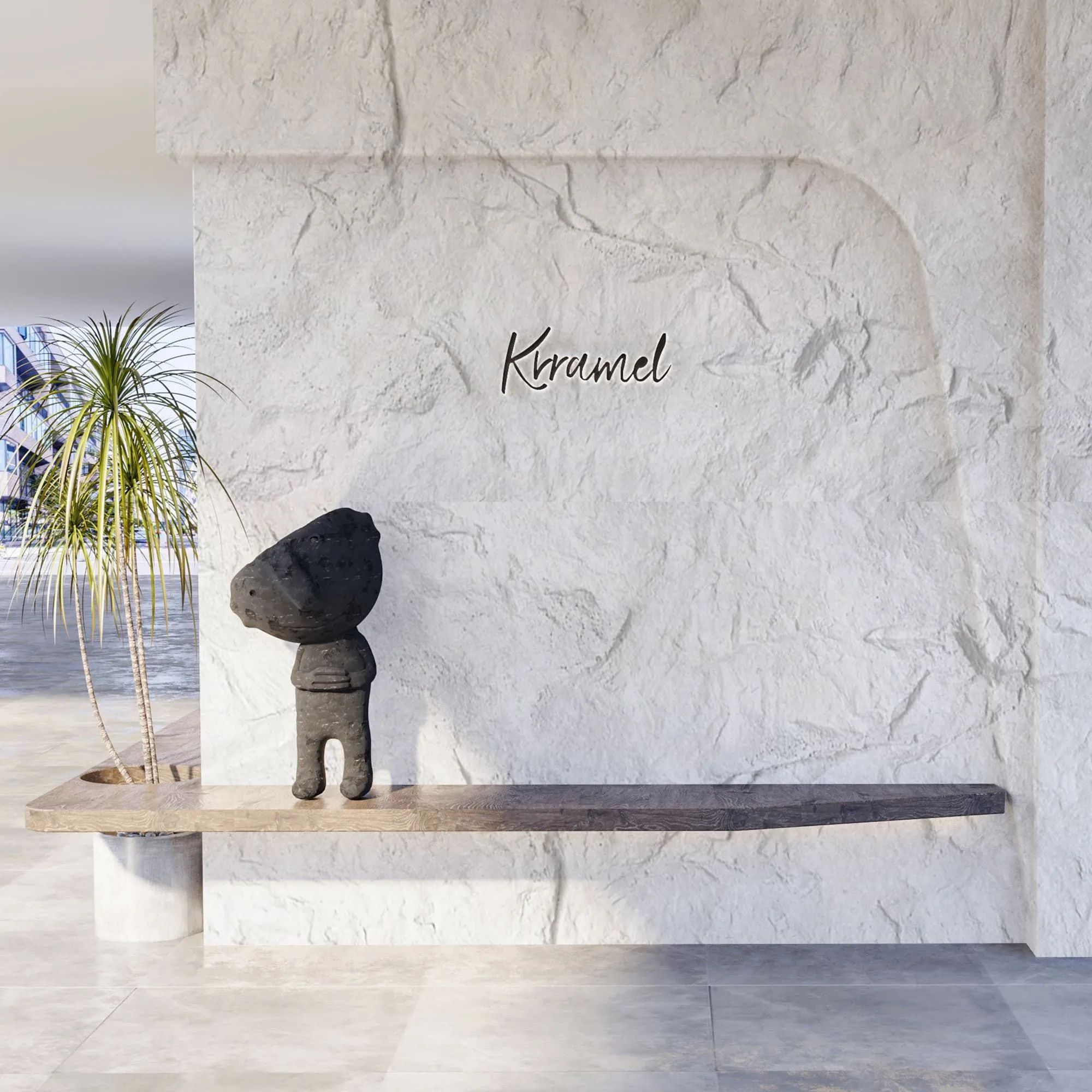
Before we get into fire resistance, let's make sure we're all on the same page about what boulder slab actually is. Picture this: a material that looks like it was chiseled from ancient stone, with rich, vintage finishes in silver, gold, or black—but it's lighter, more flexible, and engineered for modern construction. That's boulder slab in a nutshell. It's part of a broader family of modified composite materials (MCM), blending natural stone aggregates, high-performance resins, and reinforced fibers to mimic the look of natural boulders without the weight or porosity issues. You'll often see it labeled as boulder slab (vintage silver) , boulder slab (vintage gold) , or boulder slab (vintage black) , each offering a distinct aesthetic for different design visions—think industrial-chic offices, rustic-themed restaurants, or upscale retail facades.
But here's what really sets it apart: while many decorative building materials prioritize looks over safety, boulder slab was engineered with both in mind. It's not just about making walls look good; it's about ensuring those walls can act as a barrier when fire breaks out. And to understand that, we need to talk about fire resistance testing—the kind of rigorous, no-nonsense evaluations that separate marketing claims from real-world protection.
Fire resistance isn't a single, simple metric. It's a combination of factors: how long a material can withstand high temperatures before failing, whether it spreads flames, how much smoke it releases, and if it emits toxic gases. To measure this, researchers use standardized tests that simulate real-world fire conditions. Let's break down the two most common ones you'll hear about when it comes to building materials: ASTM E119 and ISO 834.
ASTM E119, developed by the American Society for Testing and Materials, is the benchmark for fire resistance ratings in North America. Here's how it works: a sample of the material (in this case, boulder slab cladding) is mounted in a test furnace. The furnace then heats up according to a specific time-temperature curve—starting at room temperature and reaching 1,000°C (1,832°F) within the first hour. Over the next several hours, the temperature continues to rise. During this time, testers monitor three critical things:
So, how did boulder slab perform in ASTM E119 testing? Let's get specific. A 10mm-thick sample of boulder slab (vintage black) was tested by Intertek, a global leader in third-party testing. The results? It maintained structural integrity for 2 hours —meaning it didn't crack, warp, or allow flames to pass through. The temperature rise on the unexposed side maxed out at 78°C (172°F), well below the 139°C limit. And there was zero flame passage. For context, most commercial buildings require at least a 1-hour fire resistance rating for interior walls and 2 hours for exterior cladding in high-rise structures. Boulder slab didn't just meet that bar—it exceeded it.
Across Europe, Asia, and the Middle East, ISO 834 is the go-to standard. It's similar to ASTM E119 but with slight variations in the time-temperature curve and testing protocols. For example, ISO 834 specifies a slower temperature rise in the first 30 minutes but a higher peak temperature over time. When boulder slab was tested to ISO 834 standards at a lab in Germany, it again hit the 2-hour mark, with even lower temperature transmission (72°C on the unexposed side). This consistency across different testing standards is a big deal—it means boulder slab isn't just compliant in one region; it's a global player in fire safety.
Fire resistance ratings (like 1-hour or 2-hour) tell us how long a material can act as a barrier, but they don't tell the whole story. Two other critical tests measure how dangerous a material is during a fire: flame spread and smoke development.
Flame spread is measured using ASTM E84 (also known as the Steiner Tunnel Test). A sample is mounted in a 25-foot-long tunnel, and a controlled flame is applied to one end. The test measures how quickly the flame spreads along the material's surface and assigns a Flame Spread Index (FSI). A lower FSI is better—class A materials have an FSI of 0-25, class B is 26-75, and class C is 76-200. Boulder slab? It scored an FSI of 12, firmly in class A territory. For comparison, untreated wood might have an FSI of 150-200, putting it in class C.
Smoke development is equally important. When materials burn, smoke can be just as deadly as flames, obscuring exits and poisoning air. The same ASTM E84 test measures Smoke Development Index (SDI), with class A materials scoring 0-450. Boulder slab's SDI? 85. That means even if it does catch fire (which, as we'll see, is hard to do), it releases very little smoke—critical for giving people time to evacuate.
You might be wondering: if the test results are so good, why do certifications matter? Here's the short answer: building codes. Every country (and often every city) has strict regulations about which materials can be used in commercial construction, and those regulations almost always require third-party certification. Certifications aren't just about proving a material passed a test once—they're about ongoing quality control, consistency, and accountability.
Underwriters Laboratories (UL) is one of the most trusted names in safety certification. Their UL 263 standard is specifically for fire resistance ratings, and earning it means a material has undergone rigorous testing and factory inspections. Boulder slab carries UL 263 certification for its 2-hour fire resistance rating, which is a big deal for developers in the U.S. and Canada—many local building codes explicitly require UL-listed materials for commercial projects over a certain size.
In Europe, the CE mark is mandatory for building materials, and it's based on EN 13501-1, the European standard for fire classification. EN 13501-1 uses a letter system (A1, A2, B, C, etc.) where A1 is the highest (non-combustible), A2 is limited combustibility, and so on. Boulder slab is classified as A2-s1, d0 under EN 13501-1. Let's break that down:
For developers in the EU, that A2-s1, d0 classification is a green light. It means boulder slab meets the strictest fire safety requirements for everything from office buildings to hospitals.
In markets like the Middle East, local certifications add another layer of assurance. For example, in the UAE, the Emirates Authority for Standardization and Metrology (ESMA) requires materials to meet UAE.S 960:2017, a fire safety standard tailored to the region's climate (think high temperatures and humidity). Boulder slab has earned ESMA certification, which is why you'll see it on projects like the new mixed-use development in downtown Abu Dhabi—developers there know it's not just globally certified; it's locally trusted.
Numbers and certifications are great, but let's put them in context. How does boulder slab stack up against other popular commercial building materials? Let's take a look at a comparison table featuring some common options, including foamed aluminium alloy board (vintage silver) , fair-faced concrete , MCM flexible stone , and even travertine (starry green) —a natural stone often used for its unique aesthetic.
| Material | Fire Resistance Rating (ASTM E119/ISO 834) | Flame Spread Index (ASTM E84) | Smoke Development Index (ASTM E84) | Key Notes for Commercial Use |
|---|---|---|---|---|
| Boulder Slab (Vintage Black) | 2 hours | 12 (Class A) | 85 | High durability, low maintenance, 2-hour barrier; ideal for high-rise exteriors and interior walls. |
| Foamed Aluminium Alloy Board (Vintage Silver) | 1 hour | 15 (Class A) | 60 | Lightweight (1/3 the weight of boulder slab), good for ceilings; lower fire rating limits use in critical areas. |
| Fair-Faced Concrete | 3 hours | 0 (Class A) | 0 | Exceptional fire resistance; very heavy (requires structural support), limited design flexibility. |
| MCM Flexible Stone | 1 hour | 22 (Class A) | 120 | Highly flexible, customizable designs; 1-hour rating suitable for low-rise commercial, not high-rises. |
| Travertine (Starry Green) | 45 minutes | 35 (Class B) | 200 | Natural aesthetic; porous, prone to cracking under heat; limited to non-critical decorative use. |
Let's unpack this. Fair-faced concrete has the highest fire resistance rating (3 hours), but it's incredibly heavy—often requiring reinforced structural support that adds cost and complexity. Foamed aluminium alloy board (vintage silver) is lightweight and has low smoke development, but its 1-hour rating means it's not suitable for areas where a longer fire barrier is needed, like stairwells or emergency exits. MCM flexible stone is popular for its ability to mimic natural stone in curved designs, but its 1-hour rating and higher smoke development make it a riskier choice for crowded commercial spaces.
Travertine (starry green), with its striking star-like veining, is a favorite for luxury interiors—but its 45-minute fire resistance rating and class B flame spread index? That's a red flag. In a real fire, 45 minutes might not be enough to evacuate a busy mall or office building. Boulder slab, on the other hand, hits that sweet spot: 2-hour fire resistance (better than most decorative materials), class A flame spread, low smoke, and the design flexibility to match (or exceed) the aesthetics of natural stone.
Test labs and certification papers are one thing, but real-world performance is where the rubber meets the road. Let's look at a few case studies where boulder slab's fire resistance made a tangible difference.
The Dubai Mall is one of the largest shopping centers in the world, with over 12 million square feet of space and 80 million visitors annually. When it expanded in 2023, the developers needed a cladding material for the new food court wing that could handle high foot traffic, resist stains from food spills, and—most importantly—meet the UAE's strict fire codes (which require 2-hour fire resistance for food service areas). They chose boulder slab (vintage gold) for the exterior walls and interior partitions.
In July 2024, a small fire broke out in a restaurant kitchen due to a gas leak. The fire spread to the ceiling, but the boulder slab walls acted as a barrier, containing the flames to the kitchen area. Firefighters arrived within 7 minutes, and the mall was able to reopen the food court within 24 hours—no structural damage, no injuries. The fire marshal's report specifically noted that the boulder slab cladding "prevented vertical spread to upper floors and limited horizontal spread to adjacent units."
In Milan, a 30-story office tower designed by Pritzker Prize-winning architect Renzo Piano needed a facade material that was both fire-safe and visually striking. The design called for a mix of glass and stone, but the local fire code required the stone cladding to have a minimum 2-hour fire resistance rating. The team considered natural marble and travertine but ultimately chose boulder slab (vintage silver) for its consistent fire performance and lighter weight (which reduced the load on the tower's structure).
During a routine fire drill in 2023, the building's fire alarm system was triggered by a false positive, and the sprinklers activated. While no fire occurred, the test revealed something unexpected: the boulder slab cladding repelled water without staining or warping—a bonus feature that saved the building management thousands in potential maintenance costs. As the project architect noted, "We chose boulder slab for fire safety, but we've been pleasantly surprised by how well it holds up to Milan's rainy winters and hot summers."
Let's be clear: fire resistance is a non-negotiable, but it's not the only reason boulder slab is gaining traction in commercial construction. Developers and architects are falling for it because it checks multiple boxes:
Commercial buildings are long-term investments, and maintenance costs add up fast. Boulder slab is resistant to scratches, stains, and weathering—even in harsh climates like the Middle East's desert heat or coastal areas with salt spray. Unlike natural stone (which can crack or fade over time), boulder slab's resin binder and reinforced fibers keep it looking new for decades. One property manager in Dubai reported that after 5 years, their boulder slab facade "still looks like it was installed yesterday"—no repainting, no repairs, just an annual power wash.
Gone are the days when fire-safe materials meant boring, utilitarian walls. Boulder slab comes in a range of finishes—vintage silver, gold, black—and can be cut into custom shapes, making it a favorite for architects who want to balance safety with aesthetics. For example, the lobby of a boutique hotel in Bali used boulder slab (vintage black) to create a feature wall with geometric cutouts, backlit to mimic the night sky. The result? A space that's both Instagram-worthy and fire-resistant.
Green building certifications like LEED and BREEAM are becoming increasingly important for commercial projects, and boulder slab delivers here too. It's made with recycled stone aggregates (up to 30% post-industrial waste), and its lightweight nature reduces transportation emissions. Plus, since it's low-maintenance, it requires fewer chemical cleaners over its lifetime—another win for the environment.
Time is money in construction, and boulder slab's lightweight design (about 2.5 kg per square meter) makes it faster and easier to install than natural stone or concrete. A crew of 4 can install up to 200 square meters of boulder slab in a day, compared to 80-100 square meters for natural travertine. For developers racing to meet project deadlines, that speed can mean the difference between opening on time and incurring costly delays.
Even with all this data, there are still misconceptions floating around about fire-resistant materials like boulder slab. Let's set the record straight:
Nope. Fire-resistant materials like boulder slab are designed to resist fire, not stop it entirely. A 2-hour fire resistance rating means the material can withstand fire for 2 hours—buying time for evacuation, firefighting, and limiting damage. No material is completely fireproof, but boulder slab's ability to hold off flames for that critical window is what makes it valuable.
It's true that boulder slab costs more upfront than, say, vinyl cladding or standard drywall. But when you factor in long-term costs—lower maintenance, fewer repairs, insurance discounts (some insurers offer 5-10% discounts for buildings using fire-resistant materials)—it often works out cheaper over the building's lifespan. As one developer put it, "Paying a little more now saves you a lot later, especially if there's a fire."
Thanks to its range of finishes and customizability, boulder slab is at home in everything from industrial lofts to luxury hotels. The vintage silver finish, for example, has a sleek, modern look that pairs well with glass and steel, while the vintage gold adds warmth to hospitality spaces. It's not just for "tough" environments—it's for any space where safety and style matter.
At the end of the day, commercial building materials are about trade-offs. You can have beauty or safety, durability or flexibility—but with boulder slab, you don't have to choose. Its 2-hour fire resistance rating, global certifications, and real-world performance make it a standout in fire safety, while its design flexibility and durability make it a favorite among architects and developers.
Whether you're building a shopping mall in Riyadh, an office tower in Singapore, or a hotel in Miami, fire safety should never be an afterthought. And with materials like boulder slab, it doesn't have to be. It's proof that in construction, as in life, the best choices are the ones that protect what matters most—people—without sacrificing the things that make spaces feel alive: beauty, creativity, and purpose.
So the next time you walk into a commercial building, take a closer look at the walls. If they're made of boulder slab, you can rest a little easier knowing that behind that beautiful facade is a material working hard to keep you safe. And really, isn't that the point of great design?
Recommend Products












