
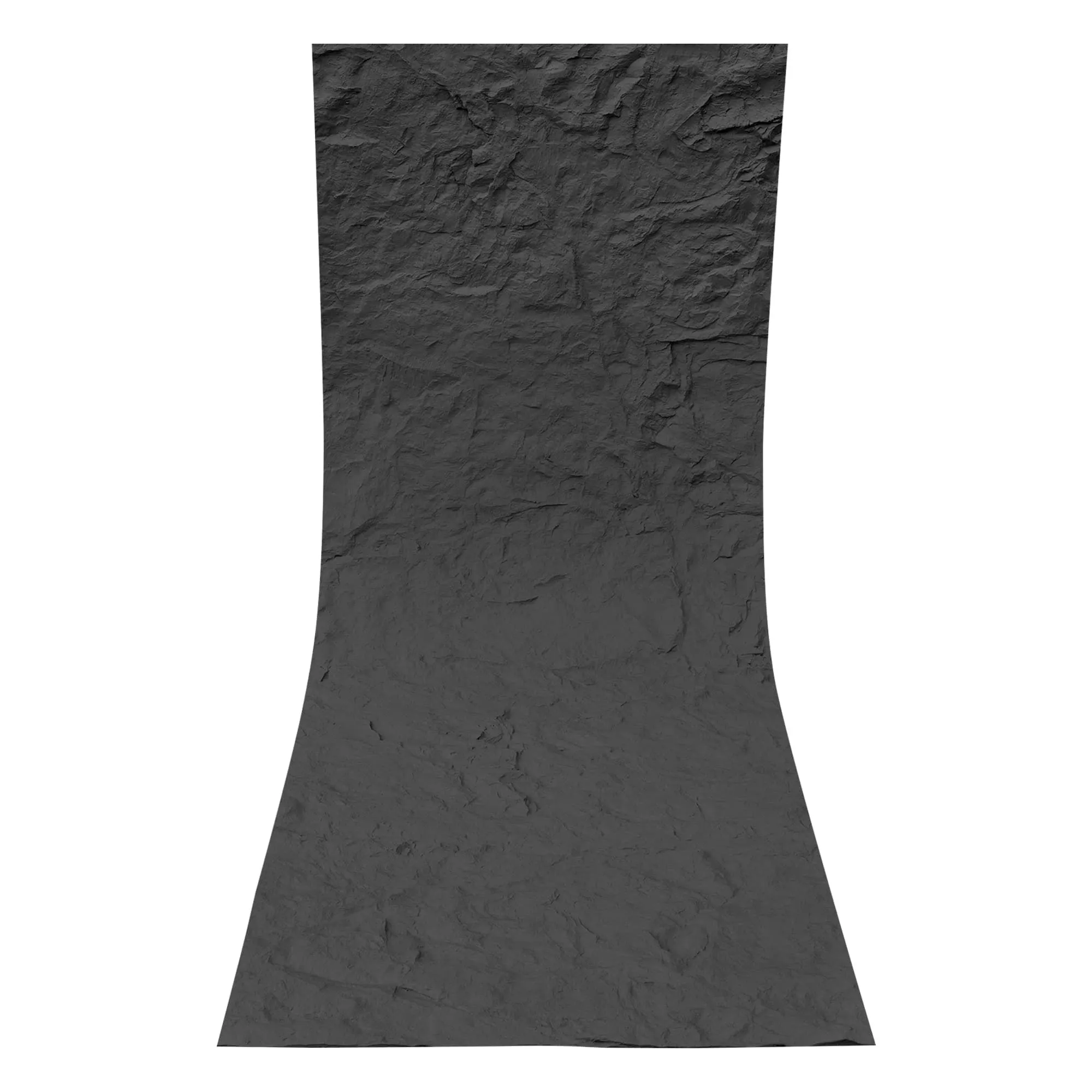
Schools are more than just buildings—they're living, breathing spaces where curiosity sparks, friendships form, and young minds grow. From the chaotic energy of elementary school recess to the focused hush of high school libraries, every corner hums with activity. But amid all this life, there's a silent workhorse that often goes unnoticed: the walls. They're the backdrop to math equations scribbled on whiteboards, the canvas for student art projects, and the buffer between noisy cafeterias and quiet study halls. Yet for too long, these walls have been an afterthought—stuck with materials that scratch, stain, or wear down, leaving schools constantly playing catch-up with repairs.
If you've ever walked through a school, you've seen the signs: scuff marks from backpacks dragged along corridors, crayon scribbles that seep into drywall, dents from stray basketballs, and water stains that never quite fade. These aren't just cosmetic issues. Peeling paint can harbor allergens, sharp edges from chipped materials pose injury risks, and frequent repairs eat into budgets that could be spent on textbooks, technology, or extracurriculars. So what if there was a wall solution that could keep up with the chaos of school life—something durable enough to withstand daily wear, safe enough for curious kids, and versatile enough to match the unique spirit of each institution?
Enter Boulder Slab. More than just a building material, it's a rethink of what school walls can be: resilient, reassuring, and surprisingly beautiful. Let's dive into why Boulder Slab, with its vintage silver, gold, and black finishes, is becoming the go-to choice for educators who want walls that work as hard as their students do.
At first glance, Boulder Slab might evoke the rugged charm of natural stone, but it's actually a cutting-edge composite material designed with one goal in mind: longevity in high-traffic spaces. Unlike traditional stone or even concrete, Boulder Slab is lightweight yet incredibly strong, thanks to a proprietary blend of minerals, polymers, and reinforced fibers. This engineering gives it a unique set of superpowers—think of it as a wall material with a built-in "don't mess with me" attitude, but with a warm, inviting personality.
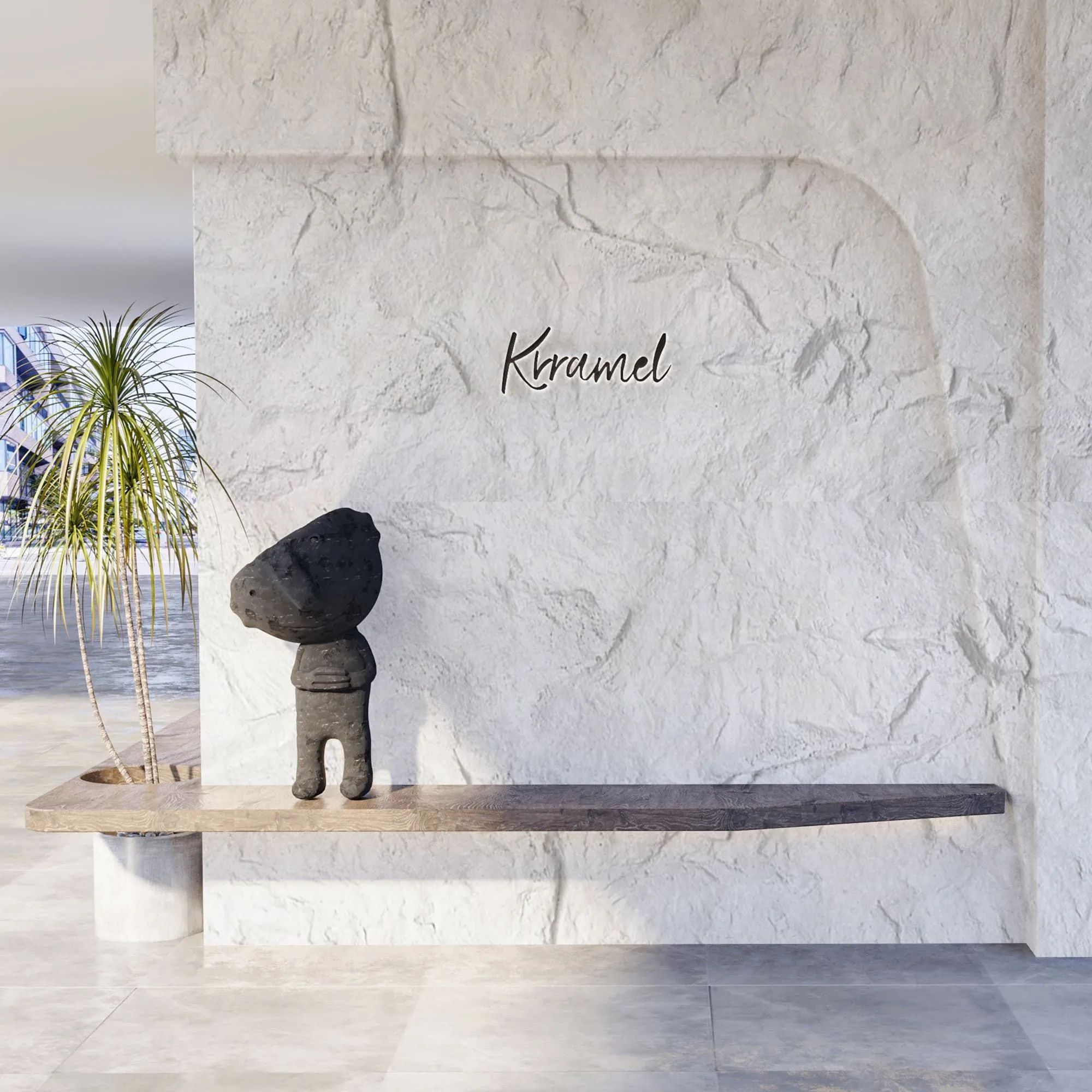
What really sets Boulder Slab apart, though, is its aesthetic versatility. The vintage finishes—vintage silver, vintage gold, and vintage black—add a touch of sophistication without feeling cold or institutional. Vintage silver shimmers softly, like morning light on a dewy field; vintage gold warms up a room, making even the busiest classrooms feel cozy; and vintage black adds depth, perfect for creating focal walls in auditoriums or art studios. These aren't just colors—they're tools to craft spaces that inspire, not just contain.
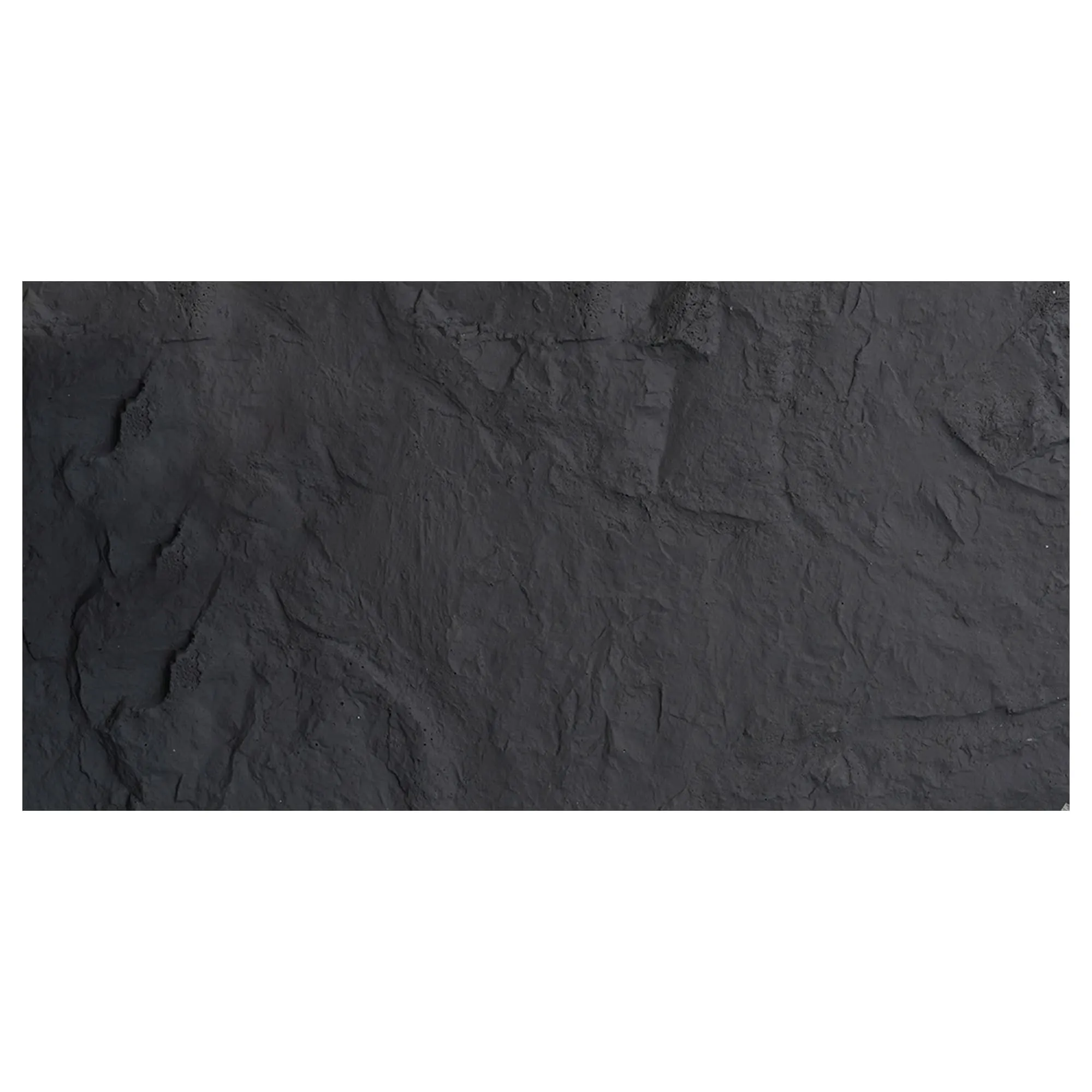
Let's talk durability—the feature that makes Boulder Slab a game-changer for schools. Imagine a typical Tuesday in a middle school: lockers slamming, students rushing to class with heavy backpacks bouncing against walls, a rogue dodgeball escaping from gym class and careening down the hallway. In a school with traditional drywall, that's a recipe for dents, holes, and a maintenance crew on speed dial. But Boulder Slab? It laughs off these daily hurdles.
How? Start with impact resistance. Boulder Slab is tested to withstand repeated blows from objects up to 50 pounds—think a full backpack dropped from shoulder height or a basketball hitting at full force—without so much as a scratch. That's because its composite core absorbs energy instead of cracking or denting. Then there's scratch resistance: even the most enthusiastic art project with markers or crayons wipes away with a damp cloth, and metal chair legs sliding against it leave zero marks. Stains? Spilled juice, paint, or even glue can be cleaned without leaving a trace, thanks to a non-porous surface that repels liquids.
Take, for example, Lincoln Elementary in Portland, Oregon, which installed Boulder Slab (vintage gold) in its kindergarten wing three years ago. "We used to repaint those walls twice a year," says Principal Maria Gonzalez. "Now? We wipe them down once a week, and they still look brand new. The kids even call them 'the magic walls' because their crayon drawings disappear!" That's durability that translates to real savings—both in time and money.
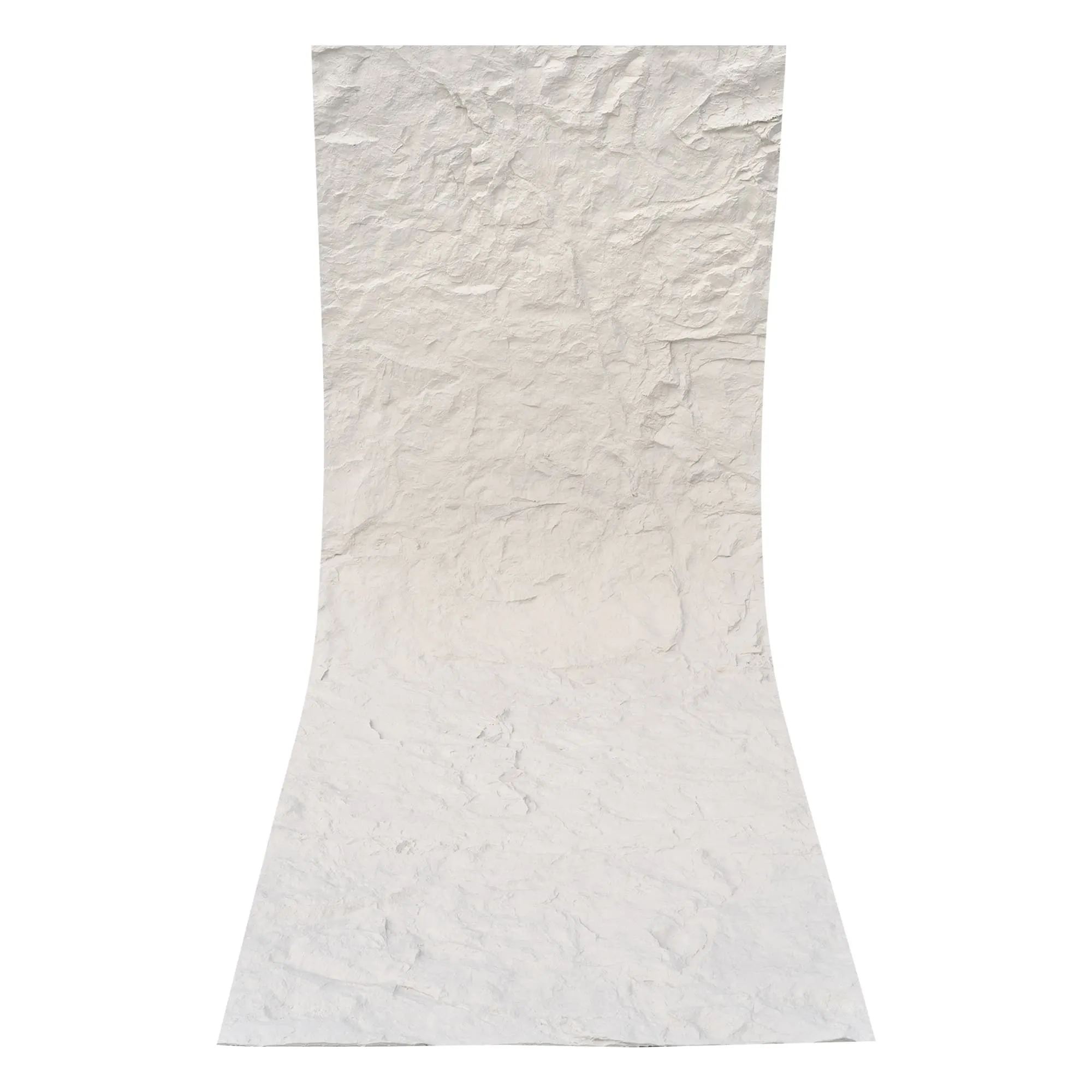
In schools, safety isn't negotiable. Walls shouldn't just be tough—they should be reassuring. Boulder Slab checks every box here, starting with its non-toxic composition. Unlike some traditional materials that off-gas volatile organic compounds (VOCs) or contain harmful chemicals, Boulder Slab is GREENGUARD Gold certified, meaning it meets strict standards for low chemical emissions. That's a big win for classrooms, where poor air quality can trigger allergies or distract students with headaches.
Then there's fire resistance. Boulder Slab has a Class A fire rating, the highest possible, meaning it resists ignition and slows the spread of flames. In the unlikely event of a fire, that extra time could make all the difference in ensuring everyone evacuates safely. And let's not forget physical safety: its edges are rounded and smooth, eliminating the sharp corners that can turn a minor fall into a trip to the nurse's office. Even if a panel were to chip (though it rarely does), the material doesn't splinter or produce sharp fragments—unlike drywall, which can leave jagged edges when damaged.
For special education classrooms, where sensory needs are a priority, Boulder Slab's texture is another plus. Its surface is smooth but not slippery, providing a tactile experience that's calming, not overwhelming. "We have students who struggle with sensory overload," notes Special Education Teacher James Rivera from Oakwood Middle School. "The vintage silver Boulder Slab walls in our sensory room reflect light softly, and the texture feels grounding. It's become a space where kids can regulate their emotions instead of feeling overstimulated."
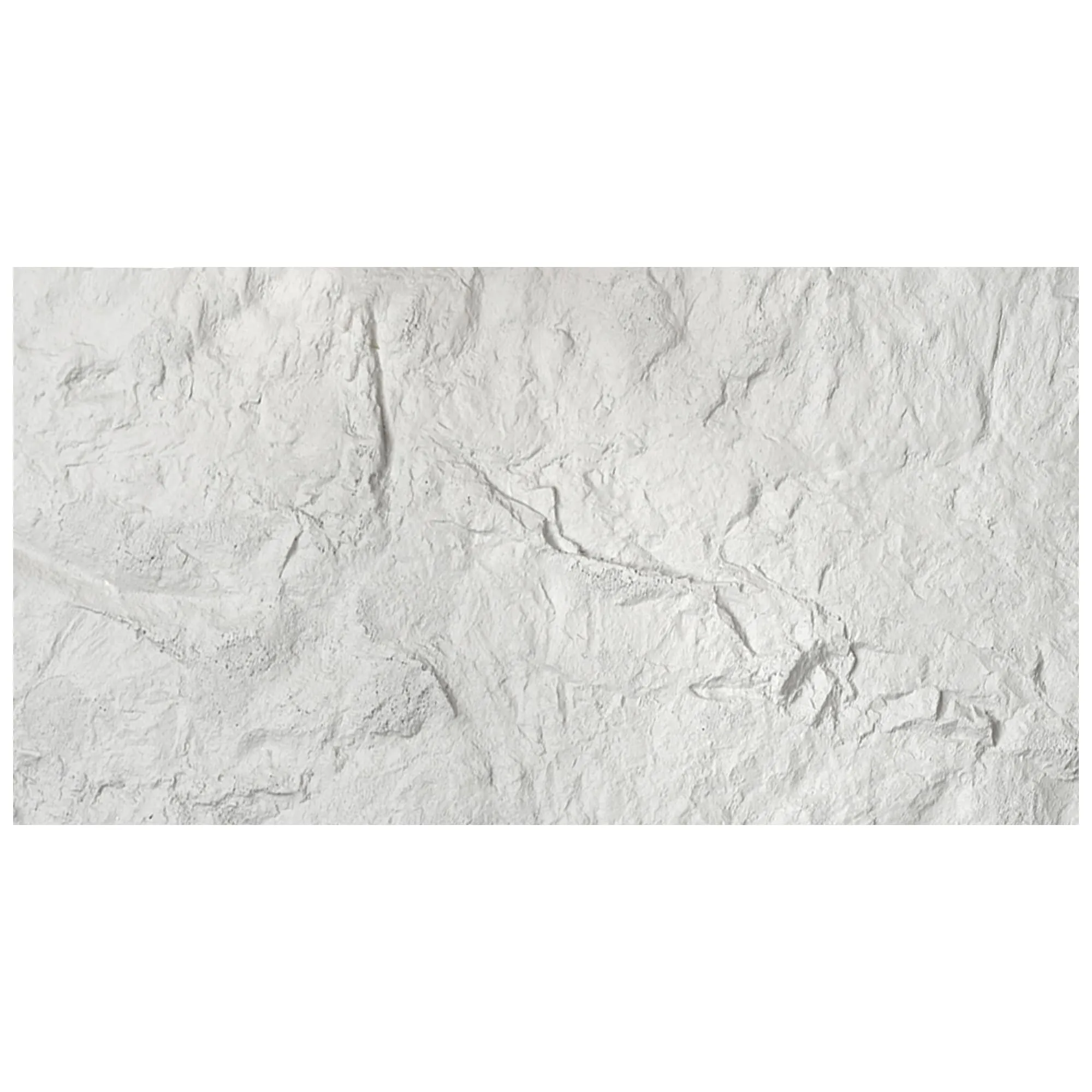
Who says school walls have to be boring? Boulder Slab's vintage finishes—silver, gold, and black—prove that durability and beauty can go hand in hand. Let's break down how each finish transforms a space:
But Boulder Slab isn't just about single-color walls. Many schools mix and match finishes to create unique designs. For example, Riverview High School in Colorado used vintage black Boulder Slab for the lower half of its hallway walls (where scuffs are most common) and vintage silver for the upper half, creating a striking two-tone look that's both practical and visually appealing. "The students love it—they say it feels like a college campus now, not a typical high school," says art teacher Lisa Chen. "And honestly? It makes me proud to walk through those halls, too."
Today's schools aren't just educating students—they're teaching them to be stewards of the planet. That's why sustainability is a key factor in choosing building materials, and Boulder Slab delivers here, too. First, its long lifespan means less waste: while traditional drywall might need replacing every 5–7 years, Boulder Slab can last 20+ years with minimal maintenance. That reduces the need for raw materials and the carbon footprint of frequent renovations.
Boulder Slab is also manufactured using recycled content—up to 30% of its core is made from post-consumer and post-industrial waste, keeping materials out of landfills. And because it's so easy to clean, schools can cut back on harsh chemical cleaners, opting instead for simple soap and water. That's better for the environment and for the students and staff who breathe the air inside the building.
Perhaps most importantly, Boulder Slab is fully recyclable at the end of its life. Unlike drywall, which often ends up in landfills, old Boulder Slab panels can be broken down and repurposed into new construction materials. For schools aiming for LEED certification or other green building standards, this is a significant advantage.
Still wondering how Boulder Slab compares to other common school wall materials? Let's break it down:
| Feature | Boulder Slab (Vintage Silver/Gold/Black) | Fair-Faced Concrete | Traditional Drywall |
|---|---|---|---|
| Durability | Withstands impacts, scratches, and stains; 20+ year lifespan | Strong but prone to cracking; requires sealing every 2–3 years | Easily dented, scratched, or water-damaged; 5–7 year lifespan |
| Safety | Non-toxic (GREENGUARD Gold), Class A fire rating, smooth edges | Non-toxic but heavy; sharp edges if cracked | May contain VOCs; sharp edges when damaged; poor fire resistance |
| Aesthetics | Warm vintage finishes; customizable designs; light-reflective options | Industrial look; limited color options; can feel cold | Plain; requires paint/wallpaper; shows scuffs easily |
| Maintenance | Wipe clean with soap and water; no sealing needed | Requires periodic sealing; stains can be hard to remove | Frequent repainting; patching holes; prone to mold if wet |
| Sustainability | 30% recycled content; recyclable; low-maintenance | High embodied carbon; limited recyclability | High waste from frequent replacement; non-recyclable |
Maplewood Elementary, a K–5 school in Vermont, was tired of repainting its cafeteria walls every semester. "Kids spill milk, drop pizza, and draw with markers—we couldn't keep up," says facilities manager Tom Wright. The school installed vintage gold Boulder Slab in 2022, and the difference was immediate. "Now, we spray a little soap on a cloth and wipe away stains in seconds. The gold finish also makes the cafeteria feel brighter and friendlier—even the kids comment on how 'happy' the walls look!"
Horizon High School in Texas wanted to revamp its aging auditorium, which had dark, dingy drywall that made performances feel lackluster. They chose vintage black Boulder Slab for the stage backdrop and vintage silver for the seating area walls. "The black backdrop makes the stage lights pop, and the silver walls reflect sound better," says drama teacher Sarah Lopez. "Our spring musical had more energy than ever—students said the space 'felt professional,' which boosted their confidence. Plus, the walls haven't a single scratch, even after moving heavy set pieces!"
Schools don't have time for lengthy construction projects. The good news? Boulder Slab is designed for quick, hassle-free installation. Unlike traditional stone, which requires heavy machinery and skilled masons, Boulder Slab panels are lightweight and can be cut to size on-site with standard tools. A typical classroom can be fully paneled in 1–2 days, meaning schools can schedule installations during weekends, holidays, or summer breaks with minimal disruption to classes.
Maintenance is just as straightforward. For daily cleaning, a soft cloth or sponge with mild soap and water is all you need. For tougher stains—like permanent marker or paint—rubbing alcohol works wonders, with no damage to the finish. Unlike concrete, there's no need for sealing or re-coating, and unlike drywall, you won't spend hours patching holes or repainting. It's a set-it-and-forget-it solution that lets school staff focus on what matters: educating kids.
Schools are places of growth, and their walls should grow with them—standing strong through first steps, first words, and first diplomas. Boulder Slab isn't just a material; it's a partner in education, offering the durability to keep up with chaos, the safety to protect what matters, and the beauty to inspire every student who walks through the doors.
Whether you're designing a new school or renovating an old one, consider the walls. They're more than just boundaries—they're the backdrop to a million small moments that shape futures. With Boulder Slab's vintage silver, gold, and black finishes, you're not just building walls—you're building a space where learning feels exciting, safe, and full of possibility. And isn't that what every school deserves?
Recommend Products












