
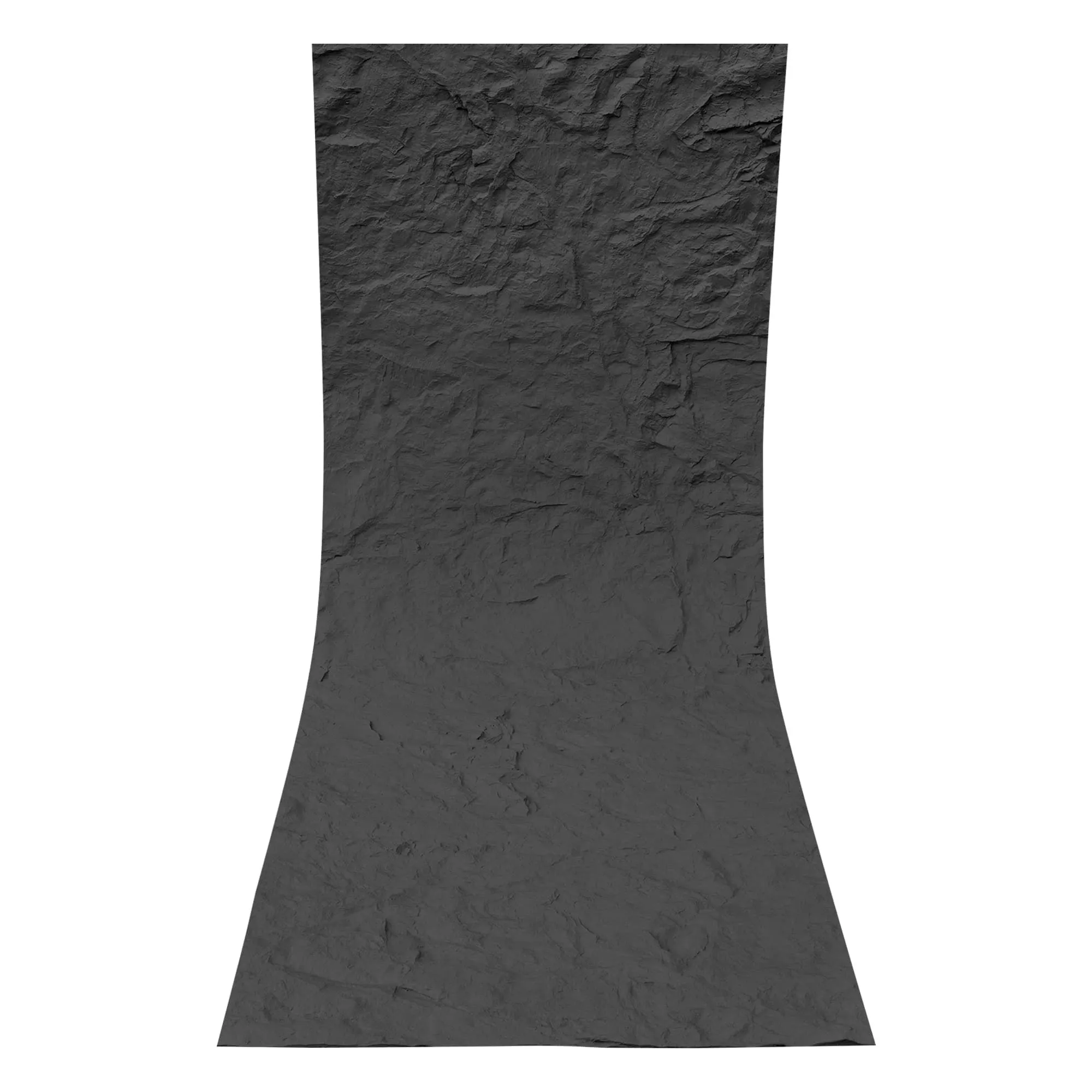
Walk down the cobblestone streets of a historic district, and you'll feel it immediately—the weight of time in every weathered brick, every chipped stone, every archway that has stood sentinel for centuries. These buildings aren't just structures; they're storytellers, carrying the whispers of the (craftsmen) who built them, the communities that gathered within their walls, and the eras that shaped their design. But here's the quiet challenge facing preservationists and architects today: how do we keep those stories alive when the materials of the past are crumbling? How do we honor heritage without sacrificing the durability, safety, and functionality modern life demands? It's a dance between reverence and innovation—and it's where Boulder Slab steps onto the stage.
Imagine a 18th-century town hall in New England, its facade once adorned with rough-hewn limestone that glowed golden at sunset. Over time, frost, rain, and pollution have eaten away at the stone; chunks fall loose, mortar crumbles, and the building's structural integrity hangs in the balance. The knee-jerk reaction? replace it with the same limestone, right? But traditional stone is heavy—so heavy that the building's aging foundations might not support it. It's porous, too, absorbing water that freezes and expands, repeating the cycle of decay. And sourcing authentic historic stone? Often impossible, or prohibitively expensive, as quarries close and craftsmanship fades. This is the paradox of preservation: clinging too tightly to "original" materials can sometimes accelerate a building's decline, while straying too far into modernity risks erasing its soul.
Enter Boulder Slab—a modern material designed with this paradox in mind. It doesn't just mimic the look of traditional stone; it channels its spirit. Crafted to replicate the texture of ancient boulders hewn by hand, Boulder Slab bridges the gap between the past and present, offering the warmth of historic masonry with the resilience of 21st-century engineering. Let's dive into how it does that, starting with the finishes that make it feel less like a "product" and more like a piece of history.
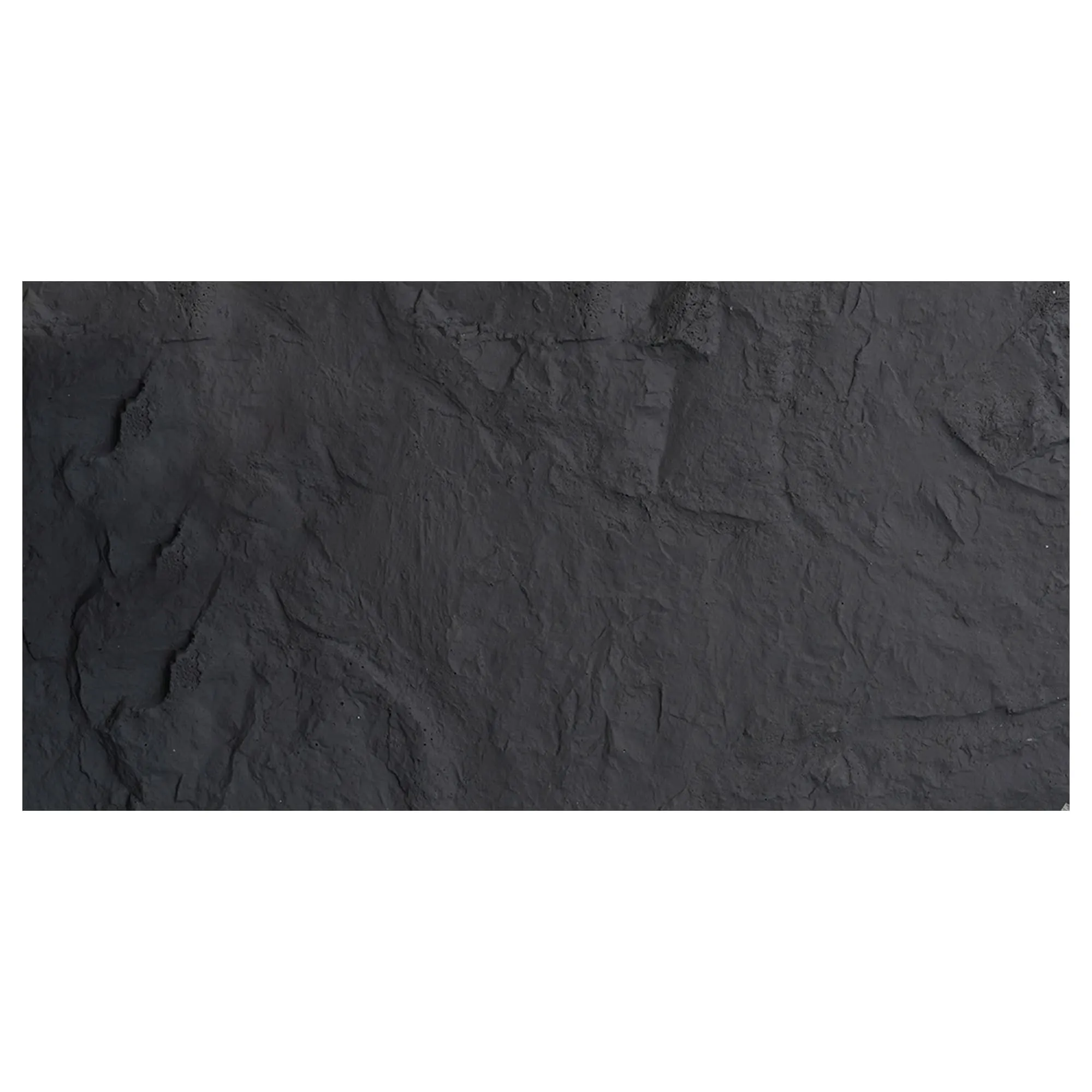
Walk into a historic home, and you'll notice how time softens edges—wood darkens, metal tarnishes, stone takes on a patina that no new material can replicate. Boulder Slab's vintage finishes lean into that beauty, not against it. Take Boulder Slab (vintage silver) : its surface shimmers with the muted luster of aged pewter, as if it's been polished by a century of curious fingers. It pairs stunningly with Gothic Revival architecture, where its cool tone complements pointed arches and stained glass, evoking the grandeur of old cathedrals without the weight of solid stone. Then there's Boulder Slab (vintage gold) —warm, honeyed, and rich, like sunlight filtering through oak beams in a Tudor manor. It's the kind of finish that makes a 1920s bank facade feel both opulent and lived-in, as if it's been greeting passersby for decades, not days.
For buildings with a moodier, more dramatic presence—think a 19th-century prison repurposed into a boutique hotel or a Gothic library with leather-bound books— Boulder Slab (vintage black) is a revelation. Its deep, inky surface has the depth of weathered slate, with subtle veining that mimics the natural fractures of stone exposed to wind and rain. Unlike true black granite, which can feel cold and harsh, this finish has a softness to it, as if it's absorbed the stories of the space it inhabits. What makes these finishes so powerful isn't just their aesthetics; it's their ability to age gracefully . Unlike paint or synthetic coatings that peel or fade, Boulder Slab's vintage tones are integral to the material, evolving subtly over time to develop a patina that deepens its connection to the building's history.
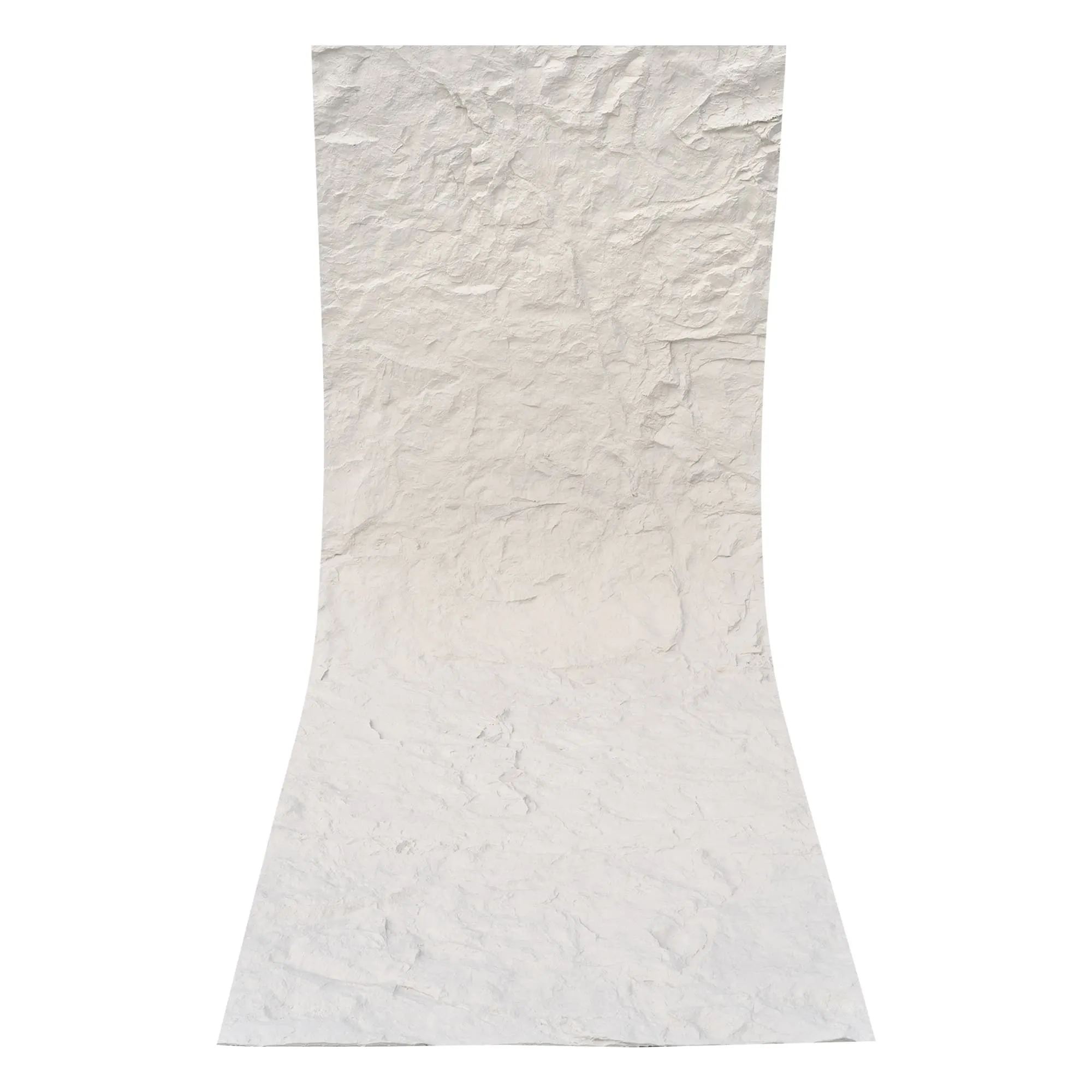
Preservation isn't just about looks—it's about longevity . A historic building renovated today should still be standing (and telling stories) a century from now. Traditional stone, for all its charm, often falls short here. Marble, for example, is prone to etching from rainwater; limestone dissolves in acidic environments; sandstone crumbles under heavy foot traffic. Boulder Slab, by contrast, is engineered to outlast the elements without sacrificing the texture that makes historic stone so beloved. It's lightweight—up to 70% lighter than natural stone—meaning it eases the load on aging foundations and reduces the risk of structural stress. It's also non-porous, resisting water absorption and the freeze-thaw cycles that crack traditional masonry. For coastal historic districts, where salt air eats away at stone, this is a game-changer: Boulder Slab won't corrode, discolor, or degrade, even in harsh marine environments.
But here's where it gets personal for architects and preservationists: installation. Traditional stone requires skilled masons to cut, shape, and lay each piece—a dying art in many regions. Boulder Slab, with its modular design and consistent dimensions, simplifies the process without dumbing it down. It can be cut on-site to match the irregularities of historic walls, ensuring a seamless blend between old and new. Imagine a 1700s cottage in the English countryside, its original stone facade pockmarked with gaps. With Boulder Slab, craftsmen can replace damaged sections with pieces that mirror the original's texture and color, so closely matched that only a trained eye would notice the difference. It's not about erasing the past; it's about giving it a helping hand to keep standing.
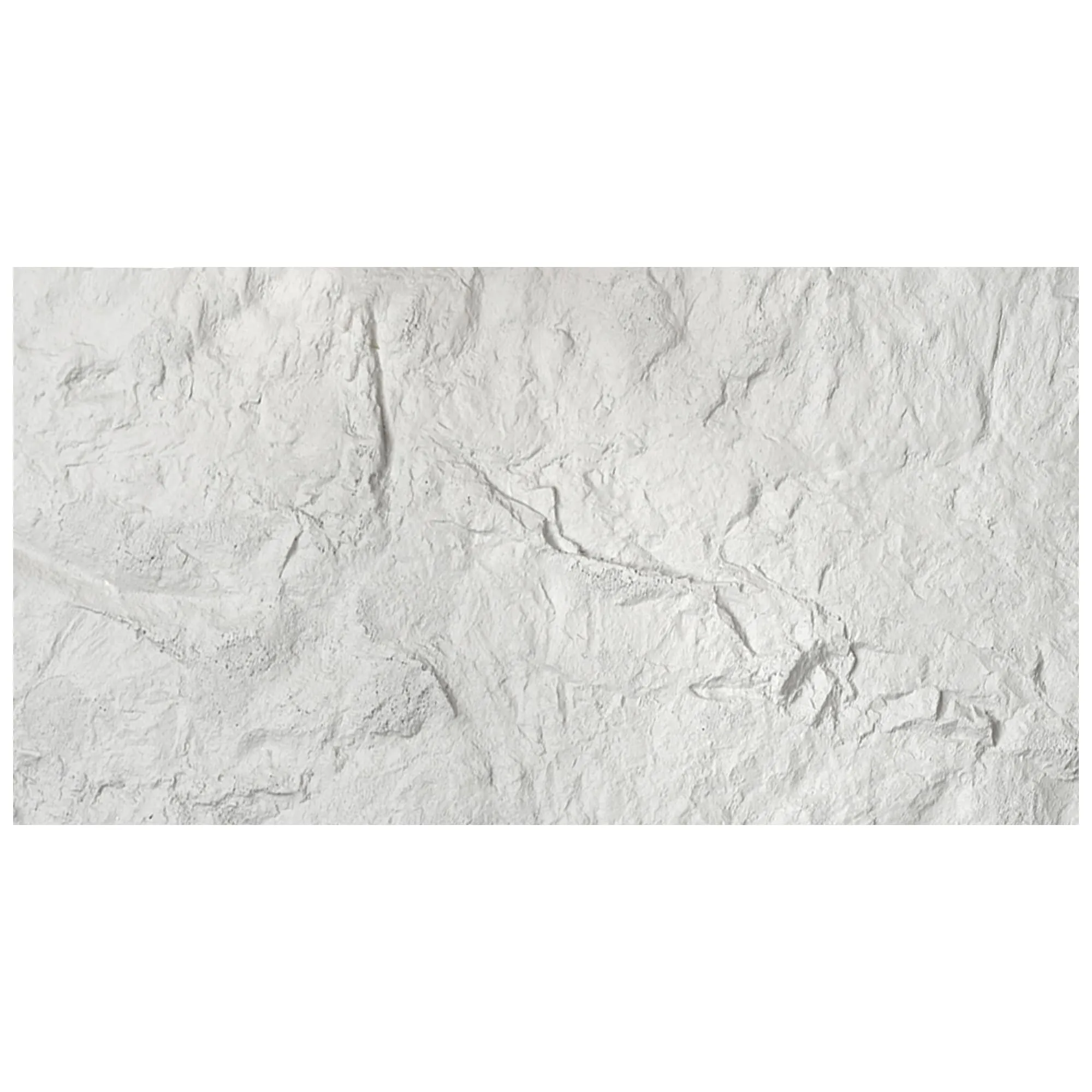
Historic buildings are rarely made of a single material. A colonial-era tavern might have a stone foundation, wooden clapboard walls, and a slate roof; a Mediterranean villa could feature terracotta tiles, limestone arches, and wrought-iron accents. Boulder Slab shines brightest when paired with materials that share its respect for heritage—materials that add flexibility, texture, or contrast without clashing. One such partner is MCM flexible stone , a lightweight, bendable material that mimics the look of stacked stone or cobblestone but bends to fit curved surfaces. Picture a historic theater with a rounded entrance arch, its original stonework too fragile to repair. MCM flexible stone can wrap around that arch, matching the color and texture of the adjacent Boulder Slab, creating a unified look that feels intentional, not patched.
For spaces that demand a quieter, more understated presence—like a 19th-century schoolhouse converted into a community center or a Quaker meeting house— fair-faced concrete complements Boulder Slab beautifully. Its raw, unpolished surface echoes the honesty of traditional masonry, while its smoothness provides a calming counterpoint to Boulder Slab's textured finish. Together, they create a palette that feels both rooted in the past and grounded in the present—perfect for spaces where the focus should be on the people inside, not just the walls around them. What's remarkable about this pairing is how it honors the "less is more" philosophy of many historic builders, who prioritized function and simplicity over excess.
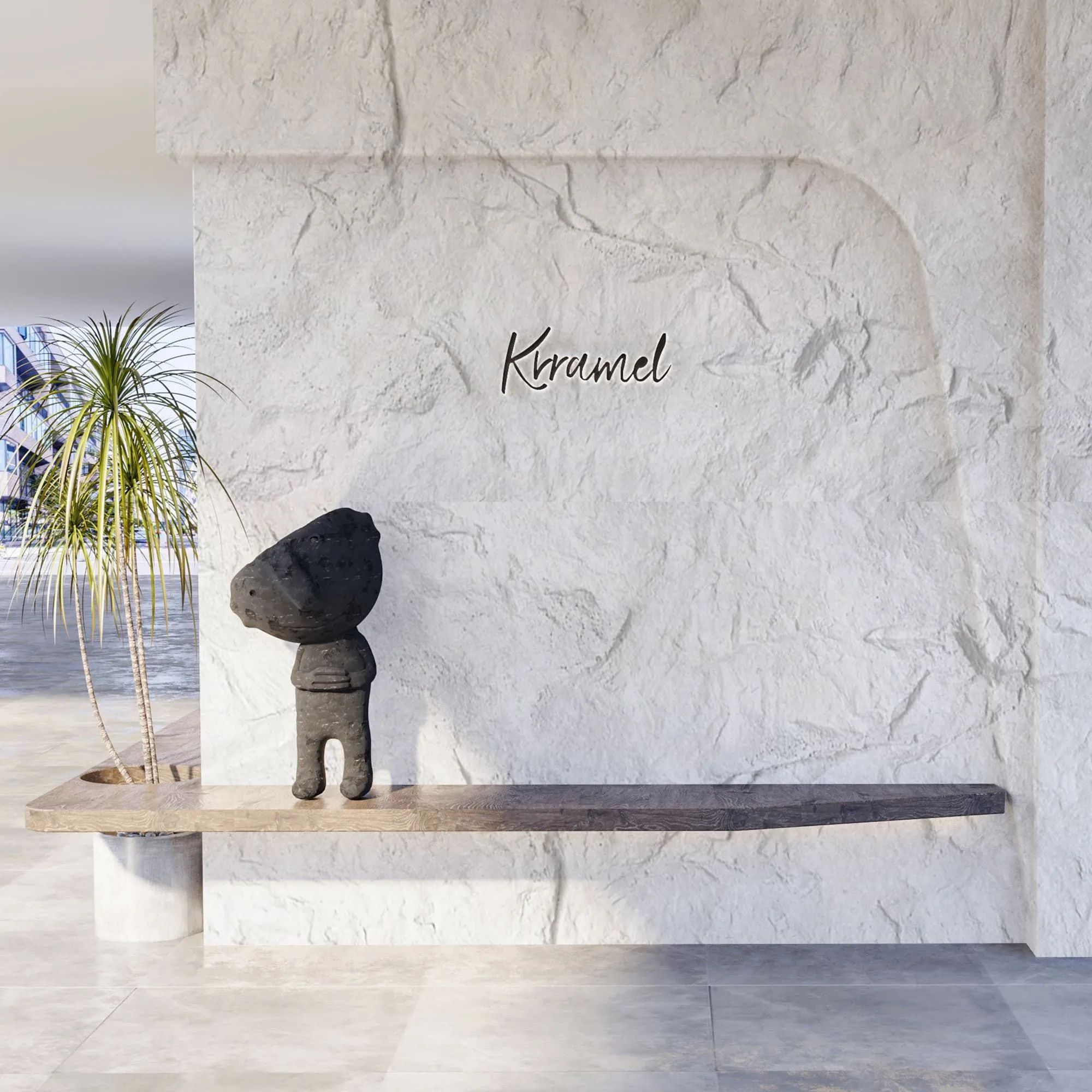
Let's step into a real-world example to see how this all comes together. In downtown Pittsburgh, a 1925 bank building—once a symbol of prosperity with its marble columns and gilded ceilings—had fallen on hard times by the 2010s. Water damage had rotted the wooden beams, the original limestone facade was spalling (flaking off), and the city deemed it structurally unsound. The developer's vision? Convert it into a mixed-use space: boutique offices on the upper floors, a café and bookstore on the ground level, all while preserving the building's iconic street presence.
The challenge? The limestone couldn't be saved, and replacing it with new limestone would have required reinforcing the foundation, doubling the renovation budget. Enter Boulder Slab. The architects chose Boulder Slab (vintage gold) for the facade, its warm tone matching the original limestone's golden hue. They paired it with MCM flexible stone for the arched windowsills, which curved gently to follow the building's original design. Inside, the lobby—once dominated by cold marble—now features fair-faced concrete walls that complement the Boulder Slab accents, creating a space that feels both historic and welcoming.
Today, locals gather at the café, running their hands over the Boulder Slab walls and remarking on how "authentic" it feels. They don't realize it's a modern material; they just feel the connection to the past. That's the magic of Boulder Slab: it doesn't shout "new" or "old"—it whispers "timeless."
Choosing materials for historic renovation is rarely straightforward. To help visualize the tradeoffs, here's a breakdown of how Boulder Slab stacks up against traditional stone and other modern alternatives:
| Material | Aesthetic Match to Historic Styles | Durability (Resistance to Weather/Time) | Installation Ease (for Aging Structures) | Sustainability (Carbon Footprint, Recyclability) |
|---|---|---|---|---|
| Traditional Limestone | Excellent (authentic texture, color) | Poor (porous, prone to spalling in harsh climates) | Difficult (heavy, requires skilled masons) | High (quarrying, transportation emissions) |
| Boulder Slab (Vintage Silver) | Excellent (mimics aged stone, develops patina) | Excellent (non-porous, UV-resistant, lightweight) | Easy (modular, lightweight, compatible with weak foundations) | Low (recyclable materials, minimal waste in production) |
| MCM Flexible Stone | Very Good (customizable to match historic textures) | Very Good (waterproof, flexible, impact-resistant) | Very Easy (bendable, adhesive-backed, no heavy lifting) | Low (low VOCs, energy-efficient manufacturing) |
| Fair-Faced Concrete | Good (honest, simple, complements historic minimalism) | Excellent (durable, fire-resistant, low maintenance) | Moderate (requires formwork, but lighter than stone) | Moderate (high cement production emissions, but long lifespan offsets it) |
Historic buildings are more than bricks and stone—they're anchors for our collective memory. They remind us of where we've been, what we've overcome, and the beauty that comes from patience and craftsmanship. But to keep them alive, we can't be prisoners of the past. We need materials that honor tradition while embracing innovation, that respect the stories of old while writing new ones. Boulder Slab, with its vintage finishes, durability, and compatibility with historic structures, does exactly that. It's not about replacing the past; it's about extending it—giving these buildings the strength to stand for another century, so that future generations can walk their halls, touch their walls, and feel that same connection to history that we do today.
So the next time you pass a renovated historic building, take a closer look. Maybe those "original" stone walls aren't stone at all. Maybe they're Boulder Slab, quietly doing its job: preserving the past, one story at a time.
Recommend Products












