
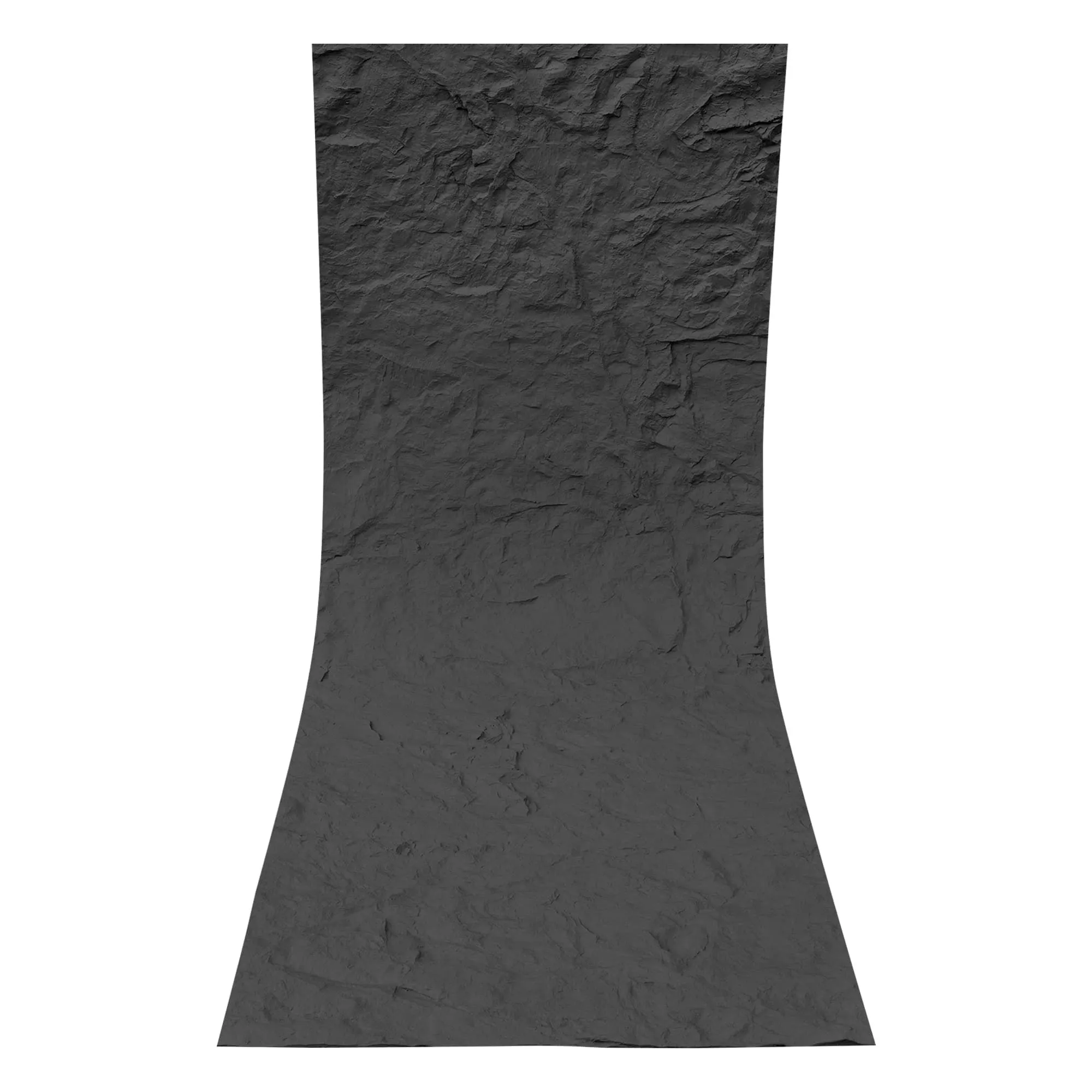
When you step into a healthcare facility, the walls around you do more than just divide spaces—they're silent guardians of safety, comfort, and healing. Every scratch, stain, or hard-to-reach corner can harbor germs; every color and texture can calm a nervous patient or energize a tired staff member. In a world where healthcare design is increasingly recognized as a tool for better outcomes, choosing the right wall material isn't just a practical decision—it's a commitment to patient well-being. That's where Boulder Slab comes in: a material that blends the uncompromising hygiene healthcare demands with the warmth and durability modern facilities need.
At first glance, Boulder Slab might seem like just another building material, but its design tells a different story. Crafted to mimic the strength of natural stone while offering the versatility of modern engineering, it's built for spaces where compromise isn't an option. Unlike traditional tiles or porous materials, Boulder Slab arrives as large, seamless panels—minimizing grout lines, reducing crevices, and eliminating those tricky spots where bacteria love to hide. But what truly sets it apart is its focus on two non-negotiables for healthcare: hygiene and ease of care.
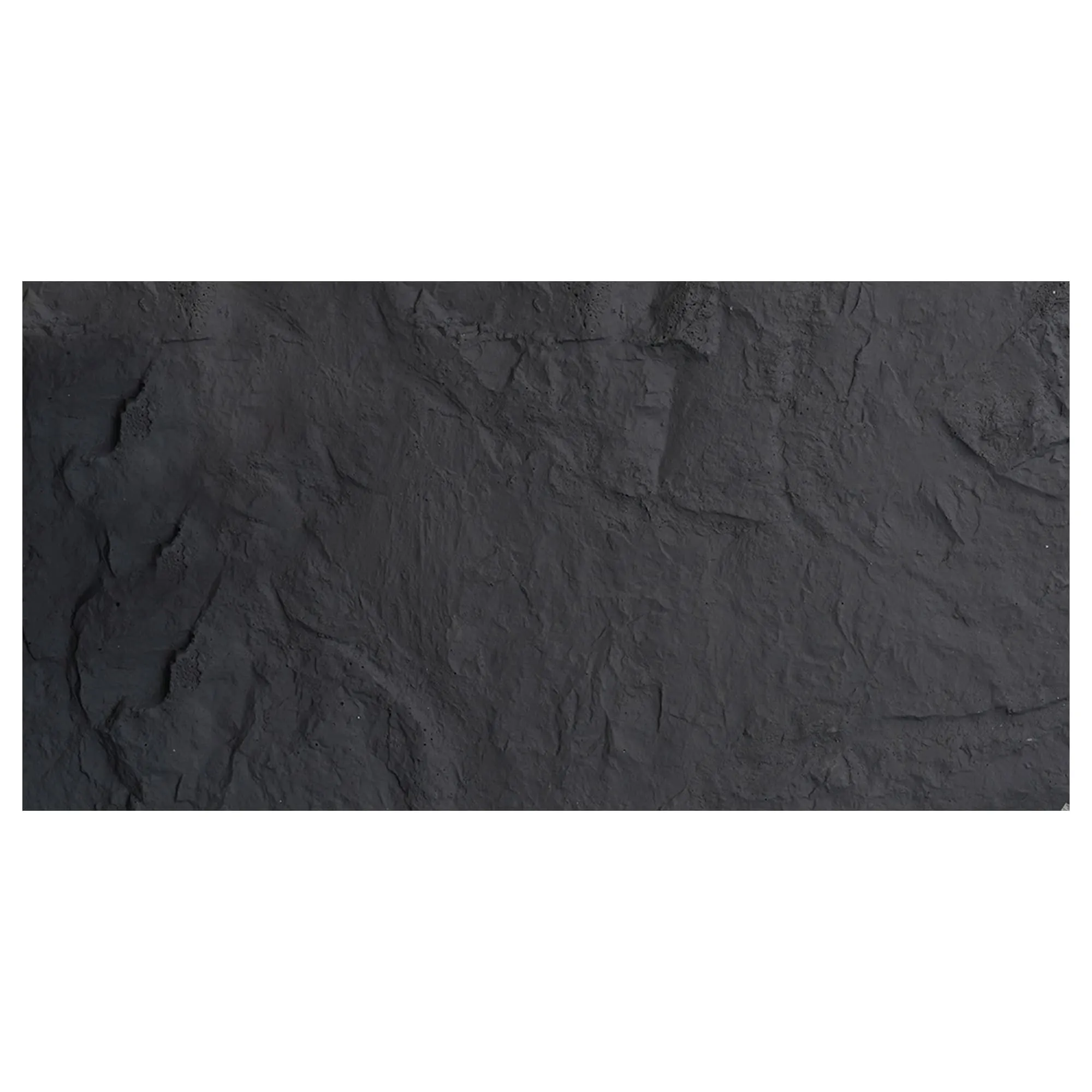
In healthcare, the battle against pathogens starts at the surface. Studies show that high-touch surfaces like walls can transfer bacteria in seconds, making their cleanliness critical to infection control. Boulder Slab addresses this head-on with a non-porous, sealed surface that resists microbial growth. Unlike porous materials such as traditional stone or even some concretes, it doesn't absorb liquids or harbor mold—so spills from disinfectants, patient fluids, or cleaning agents wipe away without leaving a trace. For busy facilities, this isn't just a convenience; it's a lifeline. When every minute counts, knowing your walls are actively resisting germs means more time spent on patient care, not deep cleaning.
Take Boulder Slab (vintage silver) , for example. Its muted, metallic finish doesn't just add a modern touch to waiting rooms—it's also inherently resistant to the buildup of dust and grime. In pediatric wards, where sticky fingers and frequent spills are the norm, this means walls stay cleaner longer, reducing the need for constant scrubbing. Similarly, Boulder Slab (vintage black) in operating room corridors hides occasional scuffs without sacrificing hygiene, ensuring the space always looks as sterile as it is.
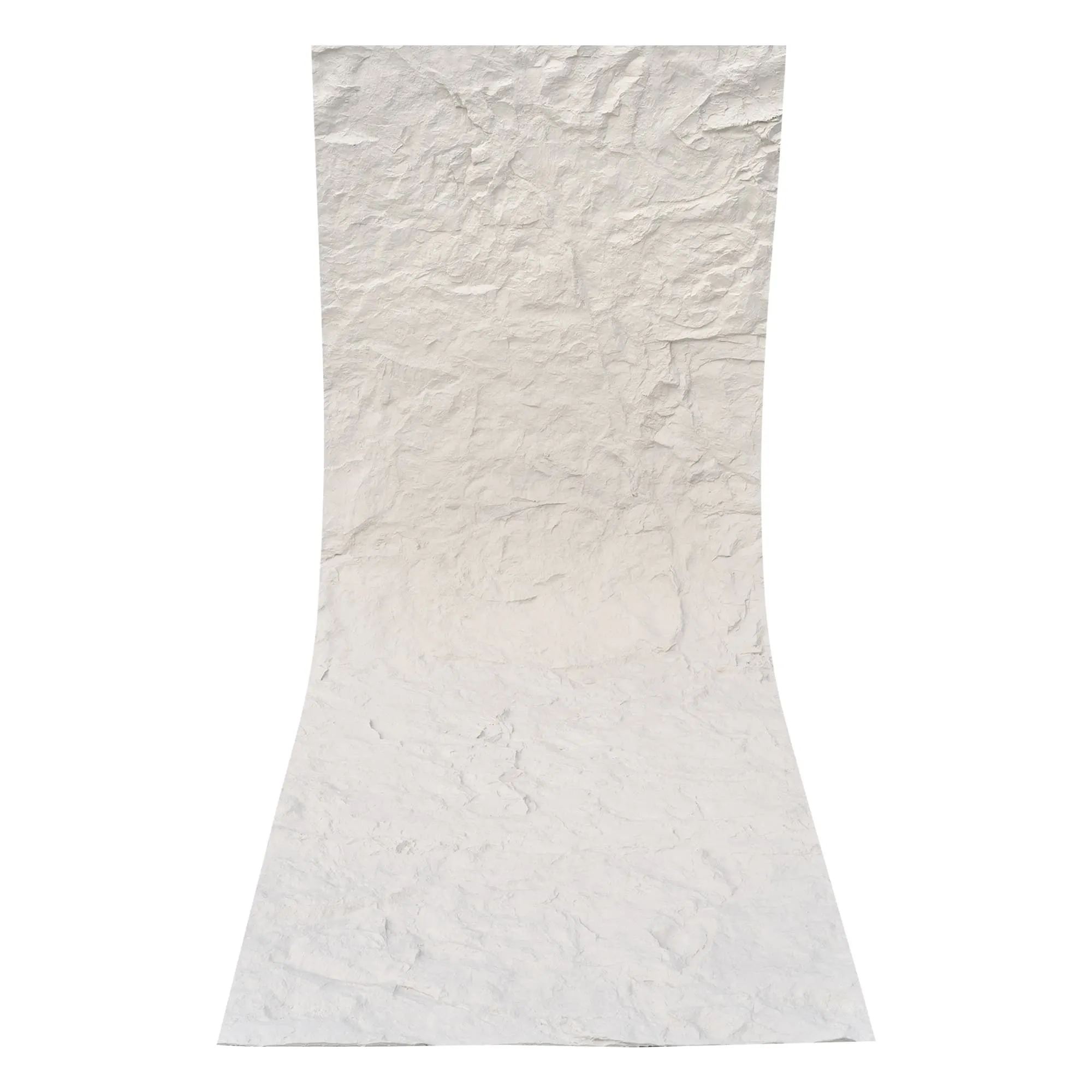
Healthcare staff already juggle endless tasks—cleaning walls shouldn't be a headache. Boulder Slab simplifies this with a surface that plays well with the harsh disinfectants healthcare requires. Whether it's hydrogen peroxide, quaternary ammonium compounds, or plain soap and water, the material holds up without fading, staining, or losing its protective seal. This durability translates to long-term savings, too: unlike painted walls that chip or wallpaper that peels, Boulder Slab maintains its integrity for years, even with daily cleaning.
Consider the difference in workflow: A nurse in a clinic using traditional tile walls might spend 20 minutes scrubbing grout lines to remove mold. With Boulder Slab, that same task takes 5 minutes—just a quick wipe with a disinfectant cloth. Multiply that across a hospital wing, and the hours saved add up to more time for patient check-ins, medication rounds, or simply pausing to comfort a worried family member. It's a small change that ripples into big improvements in staff morale and efficiency.
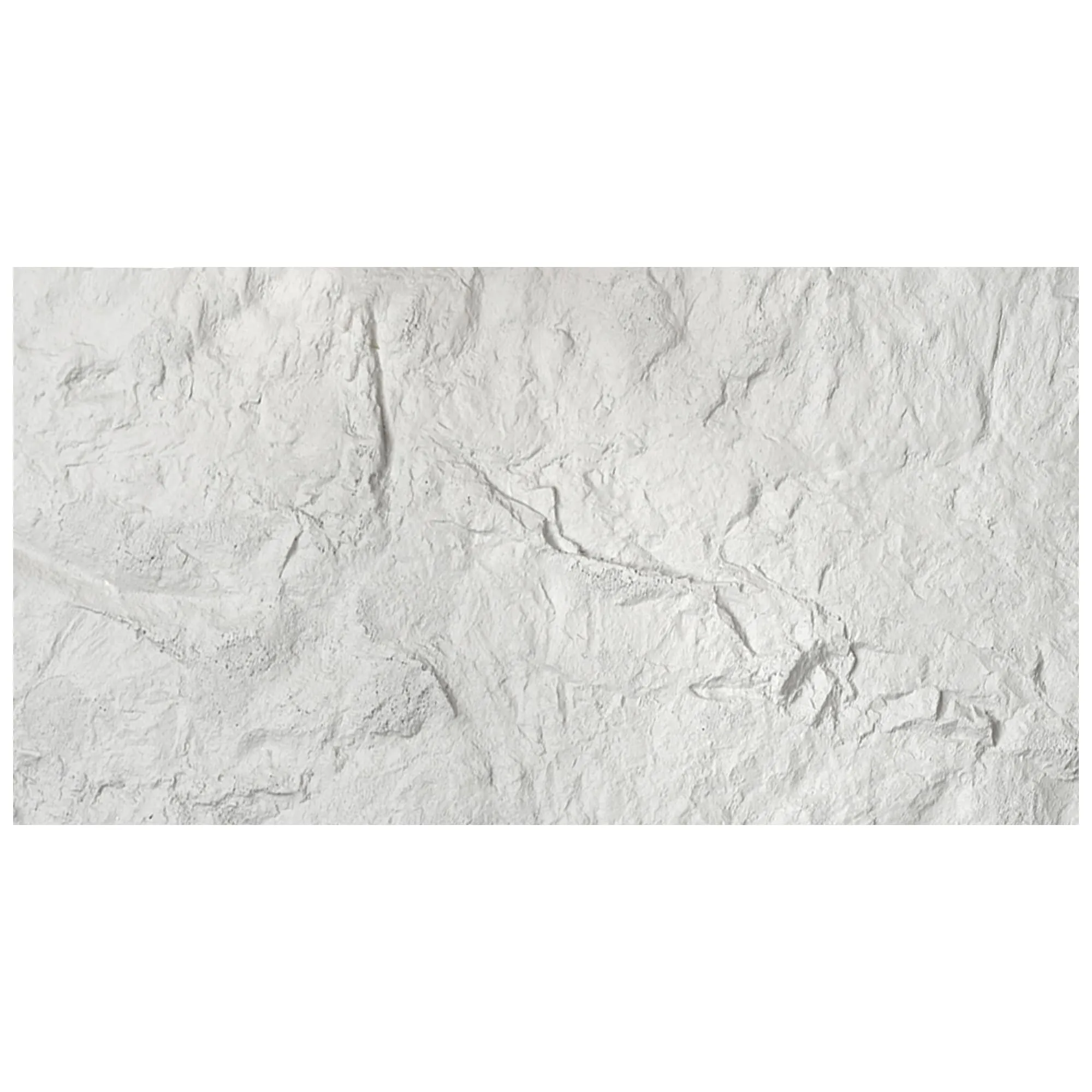
Healthcare design isn't just about function—it's about feeling. Studies link calming environments to reduced patient anxiety, shorter recovery times, and better staff retention. Boulder Slab doesn't just meet hygiene standards; it elevates the look of healthcare spaces with its range of finishes, including Boulder Slab (vintage silver) , Boulder Slab (vintage gold) , and Boulder Slab (vintage black) . Each variant is designed to evoke a specific mood: the soft sheen of vintage silver feels clean and modern, ideal for exam rooms; the warm glow of vintage gold adds warmth to waiting areas, making them feel less clinical; and the depth of vintage black creates a sense of stability in high-stress zones like emergency departments.
Imagine a pediatric ward where walls in Boulder Slab (vintage gold) mimic sunlight filtering through leaves, turning a scary doctor's visit into something a little brighter. Or a senior care facility where Boulder Slab (vintage silver) walls reflect natural light, reducing eye strain and creating a sense of openness. These aren't just "nice-to-haves"—they're design choices that support the emotional side of healing.
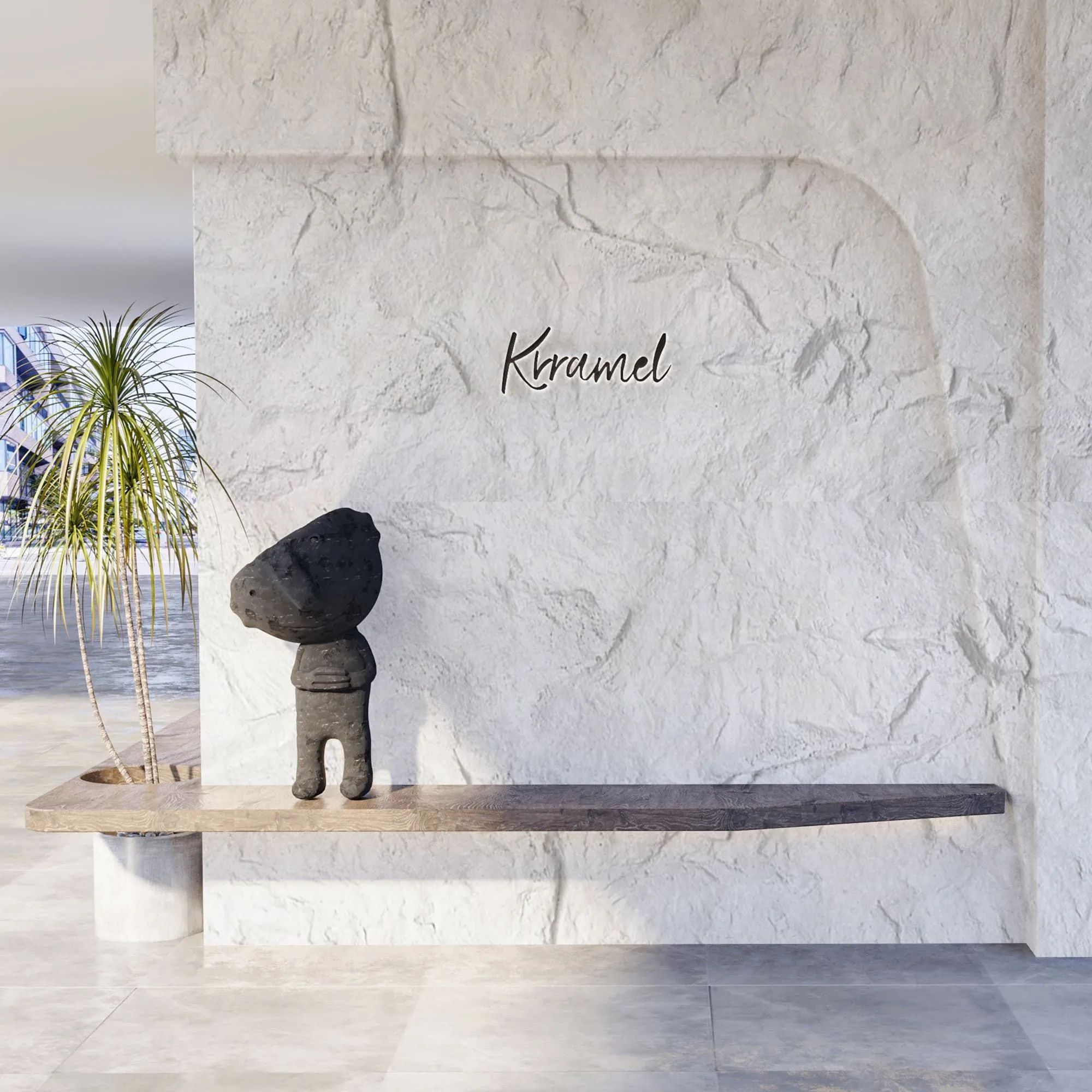
To truly appreciate Boulder Slab's value, it helps to see how it stacks up against common healthcare wall materials. Let's break down the key factors that matter most in these settings:
| Material | Hygiene (Resistance to Germs) | Ease of Cleaning | Durability | Aesthetic Flexibility |
|---|---|---|---|---|
| Boulder Slab | High (non-porous, sealed surface) | Excellent (wipes clean with standard disinfectants; no grout lines) | Very High (resists scratches, stains, and fading) | High (vintage silver, gold, black, and more) |
| Fair-faced Concrete | Moderate (porous; may require sealing) | Moderate (prone to staining; needs specialized cleaners) | High (but prone to cracking over time) | Low (limited color options; industrial look) |
| Foamed Aluminium Alloy Board (vintage silver) | High (non-porous) | Good (resistant to cleaners, but dents easily) | Moderate (soft metal prone to scratches) | Moderate (metallic finishes only) |
| MCM Flexible Stone | Moderate (may have seams; depends on installation) | Moderate (seams can trap dirt; requires careful cleaning) | Moderate (flexible but less impact-resistant) | High (stone-like textures) |
What stands out here is Boulder Slab's balance: it matches or exceeds the hygiene of metal panels, outperforms concrete in ease of care, and offers the aesthetic range of flexible stone—all while being tough enough to handle the chaos of a busy hospital.
It's one thing to talk about benefits, but it's another to see them in action. Take Cityview Medical Center, a mid-sized hospital that recently renovated its emergency department with Boulder Slab (vintage black) walls. Before the renovation, staff spent 15 hours weekly cleaning and maintaining the old tile walls, which were prone to mold in grout lines. Six months after switching to Boulder Slab, that time dropped to 5 hours—freeing up an entire workday for patient care. "We used to avoid certain cleaners because they'd stain the tiles," says Maria, an ED nurse. "Now, we spray, wipe, and move on. And the walls still look brand-new, even with stretchers and carts bumping into them daily."
Another example is Greenhaven Pediatrics, where Boulder Slab (vintage gold) was chosen for exam rooms. "Parents notice the difference," says Dr. Lee, the clinic's founder. "Kids used to cling to their parents when they walked in—now, they'll point at the walls and say, 'It looks like sunshine!' That small shift makes exams easier, and easier exams mean happier patients and less stress for everyone."
As healthcare evolves, so too will the demands on its spaces. We'll need walls that adapt to new technologies, support infection control protocols, and keep up with the pace of modern care. Boulder Slab isn't just a solution for today—it's a preview of what's possible: materials that don't force facilities to choose between hygiene and humanity, between durability and design. It's a reminder that in healthcare, every detail matters—even the walls.
So the next time you walk through a hospital or clinic, take a closer look at the walls. Are they fighting germs, or hiding them? Are they calming patients, or adding to their stress? For facilities ready to invest in a material that does both, Boulder Slab isn't just an option—it's a step forward. Because when walls work harder, everyone heals better.
Recommend Products












