
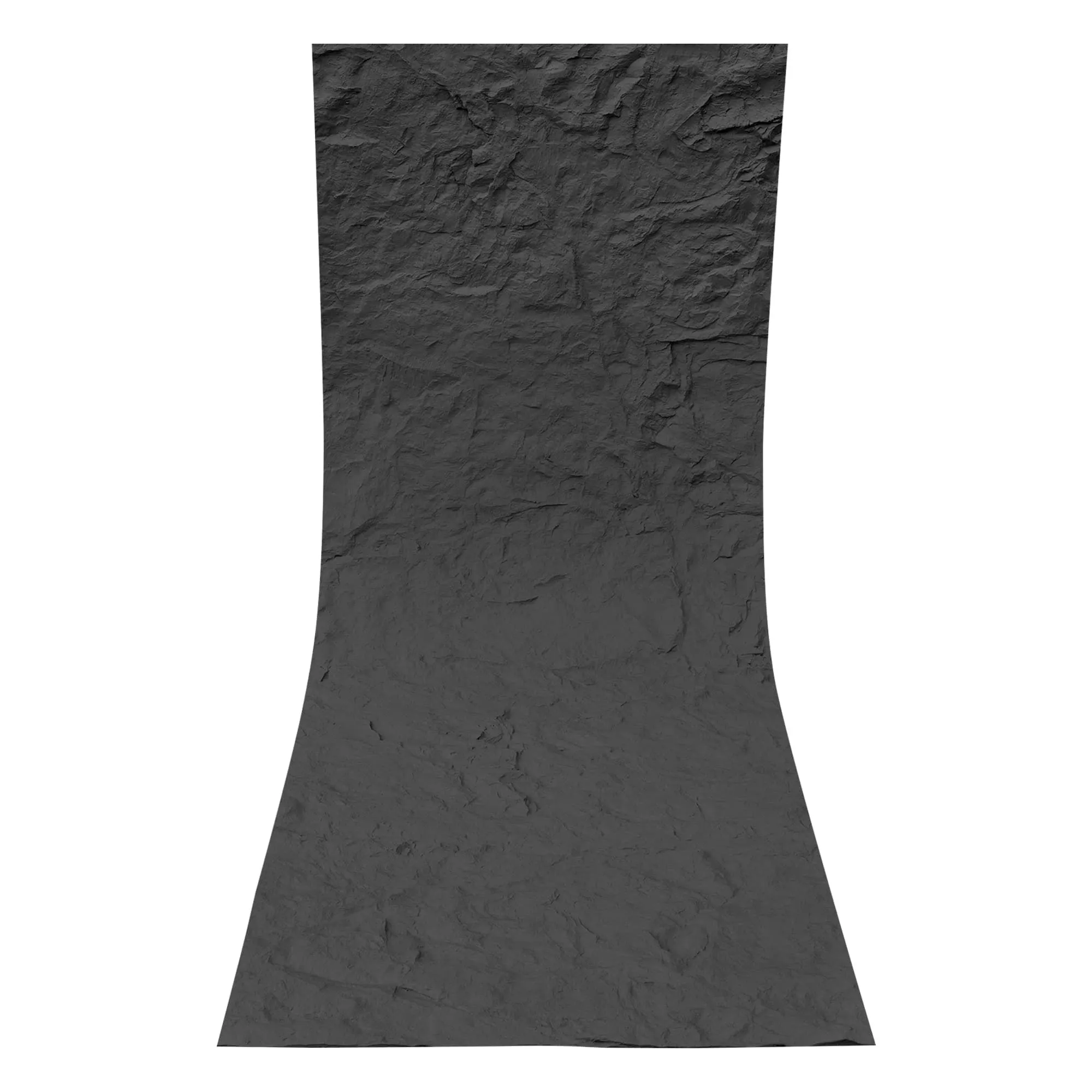
Picture the chaos of a major international airport: thousands of travelers rushing to gates,, spilled coffee from hurried breakfasts, and the constant hum of footsteps echoing through terminals. Now imagine the same scene in a busy train station, where commuters dash to catch morning trains, and families with strollers navigate crowded platforms. These spaces aren't just transit points—they're microcosms of human activity, and the materials that clothe their floors, walls, and surfaces must do more than just look good. They need to survive —day in, day out, year after year—while maintaining the aesthetic warmth that turns a sterile transit hub into a welcoming environment. Enter Boulder Slab, a material that's quietly revolutionizing how we build these critical spaces.
Transportation hubs are some of the toughest environments for building materials. Unlike offices or residential spaces, they face a unique set of challenges that push durability to its limits. Let's break it down: first, foot traffic . An average international airport sees tens of millions of passengers annually—each step, each dragged suitcase, each dropped bag adds up to wear that would degrade weaker materials in months. Then there's spills and stains : coffee, soda, oil from machinery, even the occasional rainwater tracked in from outside. Materials here can't stain easily, or they'll become eyesores that require constant deep cleaning. Weather is another factor—outdoor platforms, walkways, or open-air terminals must withstand UV rays, freezing temperatures, rain, and even salt from de-icing in colder climates. And let's not forget maintenance : with hubs operating 24/7, shutting down sections for repairs is costly and disruptive. Materials need to be low-maintenance, easy to clean, and resistant to the kind of damage that would force quick replacements.
Traditional materials have long struggled to keep up. Natural marble, for example, is stunning but prone to scratching and staining; even polished concrete can crack under heavy impact or absorb moisture, leading to mold. This is where modern composite materials like Boulder Slab step in—designed from the ground up to balance resilience with beauty, they're rewriting the rules for what transportation hub materials can achieve.
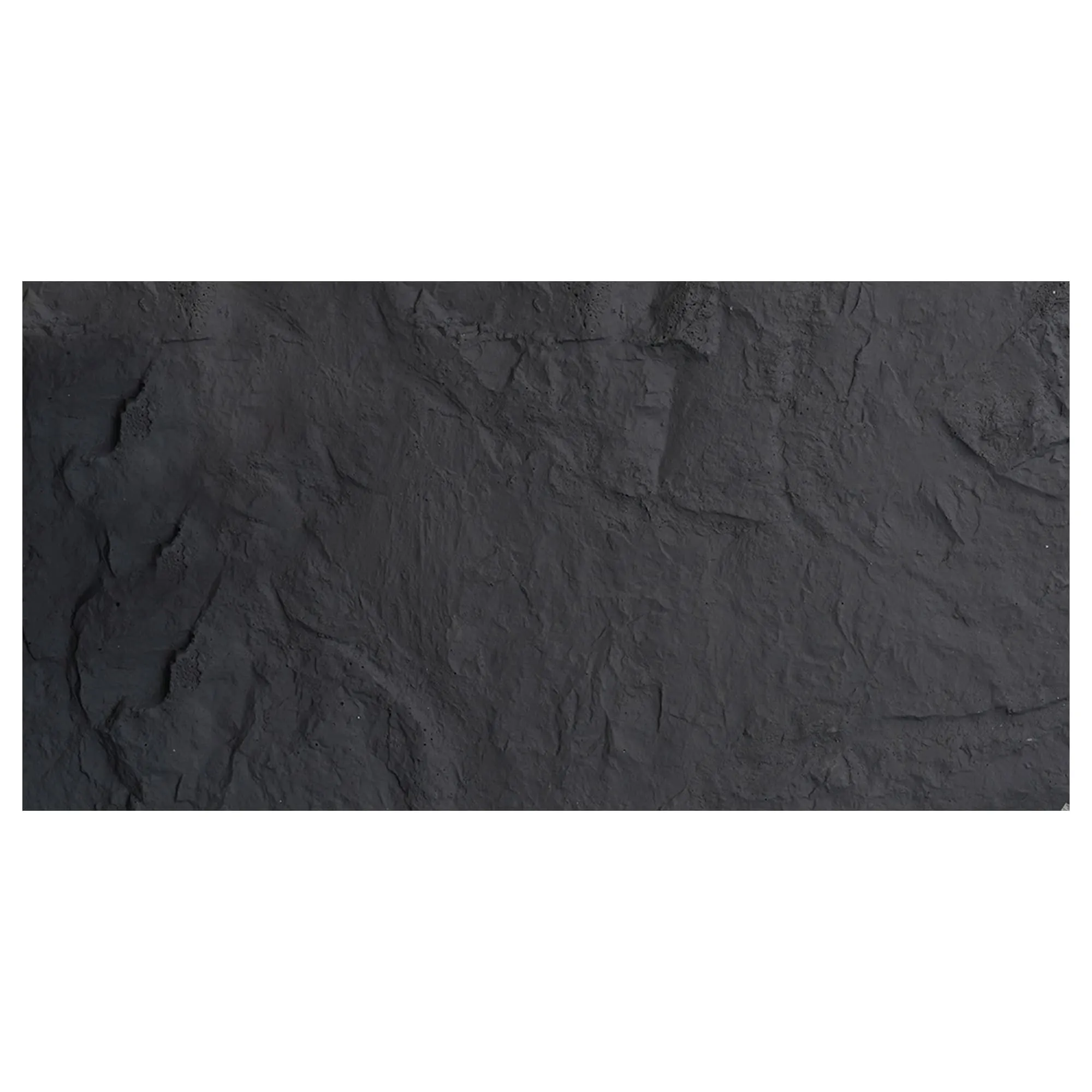
At first glance, Boulder Slab might look like a high-end natural stone—its textured surface, rich depth, and vintage finishes (think vintage silver , vintage gold , and vintage black ) evoke the timelessness of quarried stone. But dig deeper, and you'll find it's a marvel of modern engineering. Part of the broader family of MCM (Modified Composite Materials), Boulder Slab is crafted by blending natural stone aggregates (like marble or granite chips) with high-performance polymers. This fusion creates a material that borrows the best from nature and technology: the aesthetic appeal of stone, with the flexibility, strength, and durability of modern composites.
So, what makes Boulder Slab stand out in a crowded market? Let's start with durability . Its polymer matrix acts as a shield, making it highly scratch-resistant—no more unsightly marks from dragged luggage or dropped tools. It's also impact-resistant; tests show it can withstand heavy loads (think luggage carts, vending machines, or even minor equipment spills) without cracking or chipping. Water absorption is minimal, too—less than 0.5%—meaning spills bead up instead of seeping in, reducing staining and mold growth. And for outdoor areas, it's UV-stable, so those vintage silver or gold finishes won't fade under the sun, even after years of exposure.
Then there's versatility . Boulder Slab comes in a range of finishes that cater to different design needs. Vintage silver leans modern and sleek, perfect for minimalist airport terminals aiming for a "high-tech" vibe. Vintage gold adds warmth, making train station lobbies feel more inviting. Vintage black, with its deep, moody tone, is ideal for high-contrast areas like platform edges, where visibility is key for safety. And because it's a composite, each panel is consistent in color and texture—no more worrying about natural stone's unpredictable veining or flaws that can throw off a design scheme.
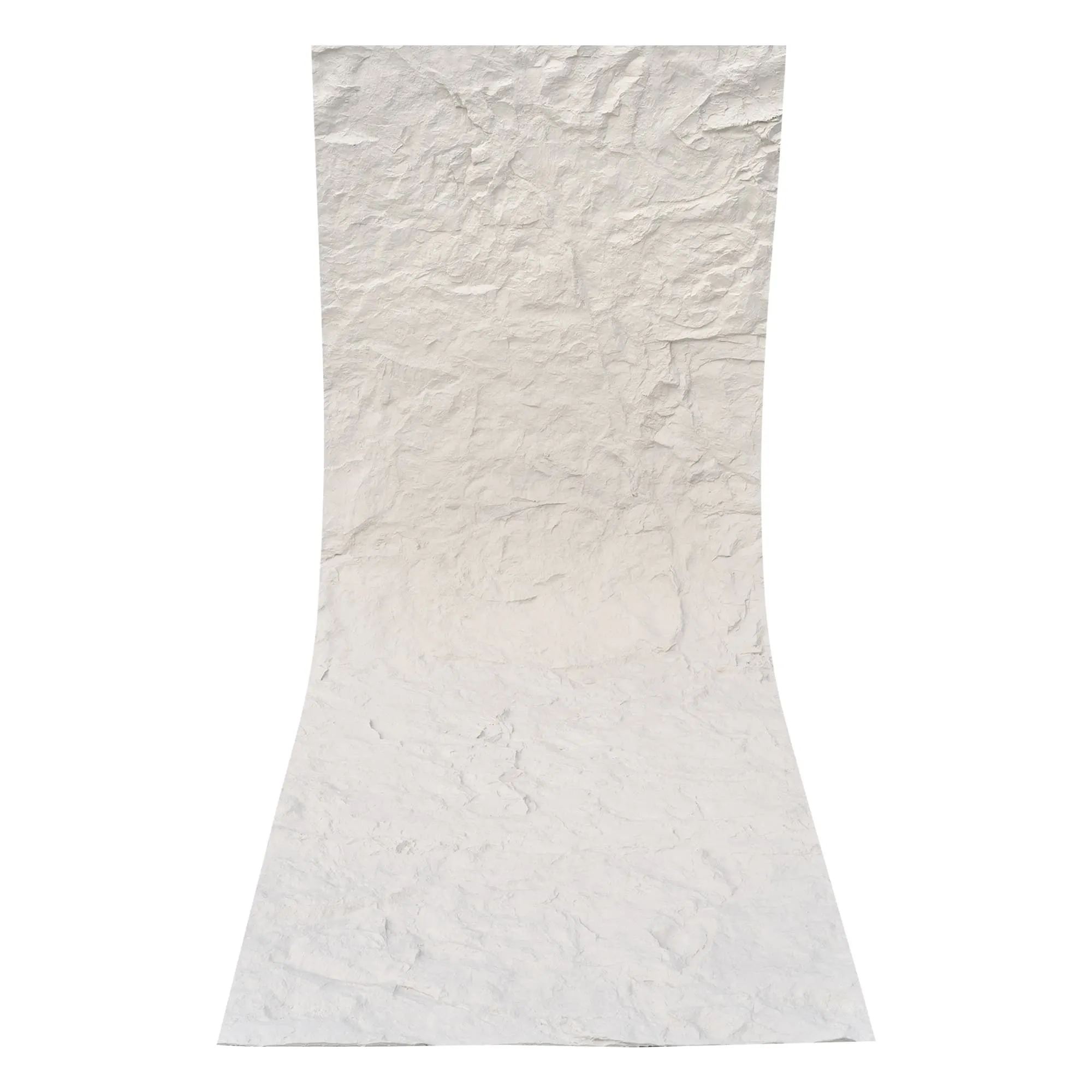
To truly appreciate Boulder Slab's strengths, it helps to see how it compares to other popular materials used in transportation hubs. Let's take a closer look at three common alternatives: foamed aluminium alloy board (vintage silver) , fair-faced concrete , and MCM flexible stone .
| Material | Durability (1-5) | Aesthetic Appeal | Maintenance Needs | Cost-Effectiveness (Lifecycle) |
|---|---|---|---|---|
| Boulder Slab (Vintage Silver) | 5/5 | High—natural stone look with consistent finish; vintage sheen resists dulling. | Low—easily cleaned with water/detergent; no sealing required. | High—initial cost higher than concrete, but lasts 20+ years with minimal repairs. |
| Foamed Aluminium Alloy Board (Vintage Silver) | 4/5 | Modern, metallic; prone to fingerprints and scratches showing easily. | Medium—requires special cleaners to avoid tarnishing; scratches may need touch-ups. | Medium—lightweight and easy to install, but may need replacement every 10-15 years. |
| Fair-Faced Concrete | 3/5 | Industrial, minimalist; can develop cracks or discoloration over time. | High—porous, so stains easily; requires sealing every 2-3 years; cracks need patching. | Low—cheap upfront, but high long-term maintenance costs. |
| MCM Flexible Stone | 4/5 | High—mimics thin stone veneers; flexible for curved surfaces. | Medium—resistant to stains but may delaminate if water seeps at edges; requires careful installation. | Medium—good for unique designs, but less durable than Boulder Slab for high-traffic floors. |
The table tells a clear story: Boulder Slab outperforms in durability and long-term cost-effectiveness, while matching or exceeding the aesthetic appeal of alternatives. Its low maintenance needs are a game-changer for busy hubs—imagine a terminal where janitorial staff can wipe up a coffee spill in seconds, no harsh chemicals required, and the floor looks as good as new hours later. For facility managers, that translates to lower labor costs and less downtime.
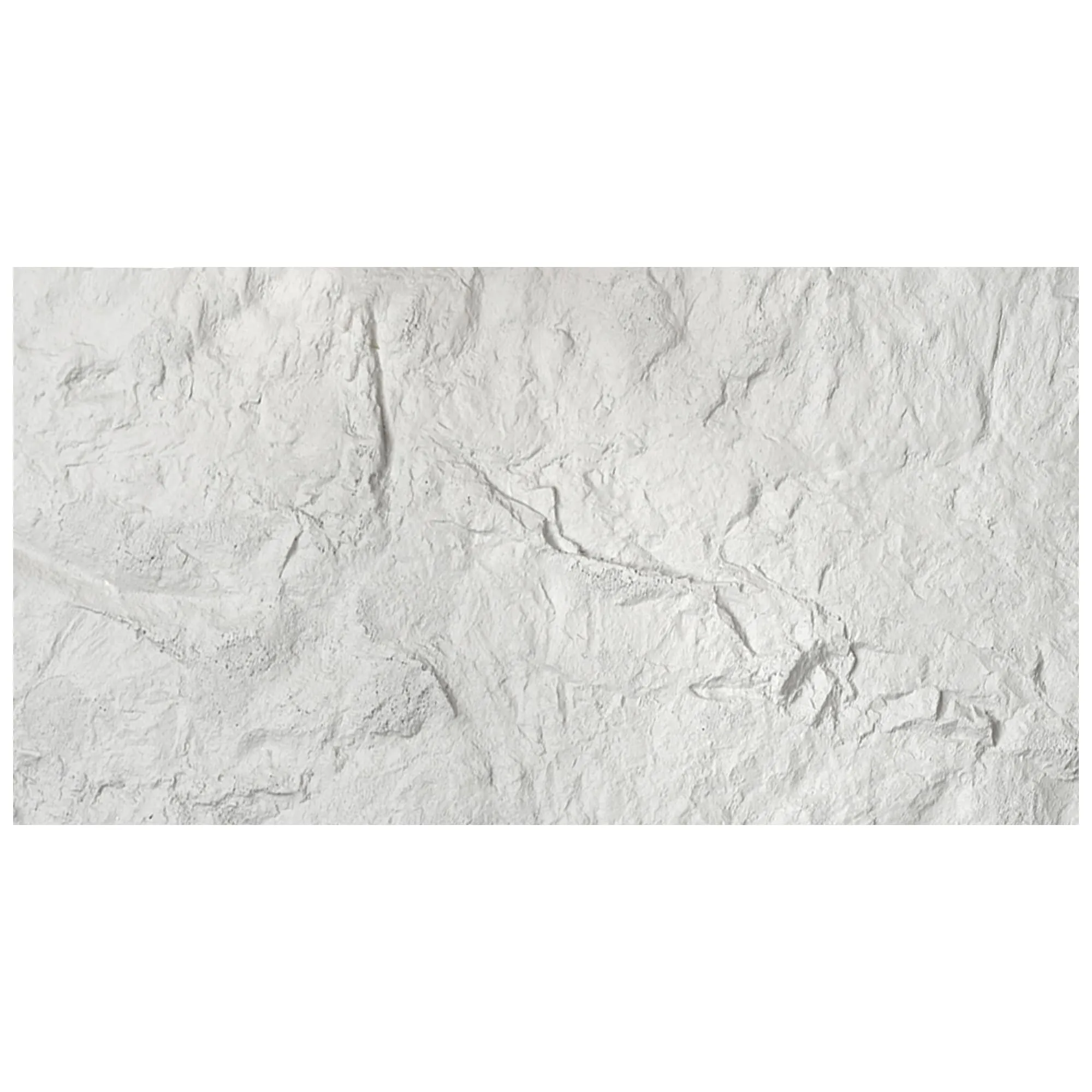
A mid-sized regional airport in the U.S. recently renovated its main terminal, replacing outdated terrazzo floors with Boulder Slab in vintage silver. The goal? Reduce maintenance costs and create a more modern, cohesive look. After two years, the results speak for themselves: despite handling over 3 million passengers annually, the floors show minimal signs of wear. Janitors report cleaning time has dropped by 30%—spills wipe up instantly, and daily mopping keeps the vintage silver finish shining. Even in high-traffic areas like the security checkpoint (where bins are dragged constantly), there's no scratching or chipping. "We used to have to buff the terrazzo every month to hide scuffs," says the airport's facilities director. "With Boulder Slab, we just sweep and mop—no extra work, and it still looks brand new."
Another example: a train station in Europe upgraded its outdoor platforms with Boulder Slab in vintage black. Located in a coastal city with frequent rain and salt air, the old concrete platforms were cracked and slippery when wet. The new Boulder Slab panels, with their textured surface, improved traction (reducing slip-and-fall incidents by 40%, per station data) and resisted corrosion from salt. Even after harsh winters, the vintage black finish remains bold, with no fading or pitting. "Passengers comment on how 'clean' the platforms look now," notes the station manager. "It's a small thing, but it makes the whole space feel more cared for."
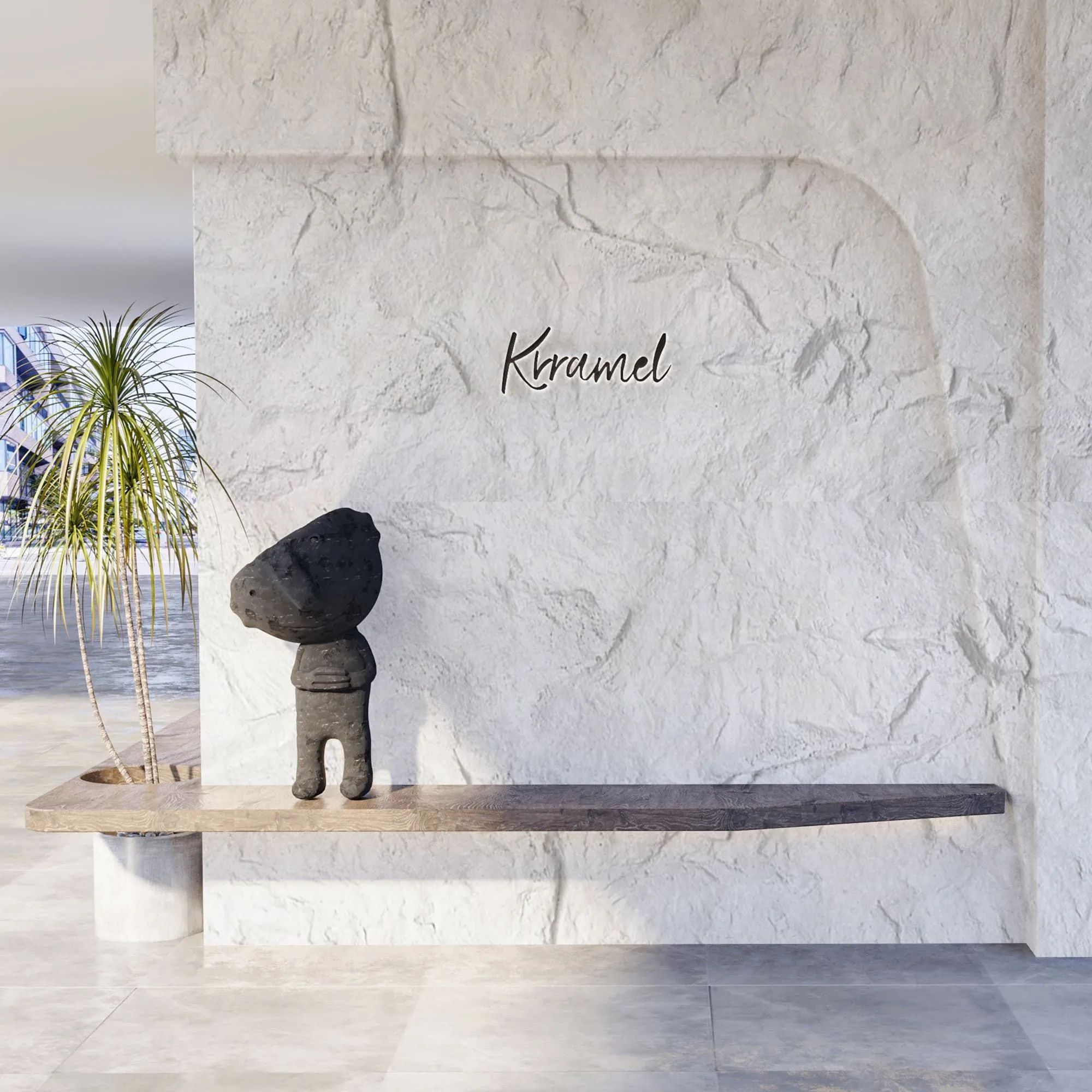
Transportation hubs aren't just functional—they're also public spaces that shape first impressions. A drab, worn-out terminal can leave travelers feeling stressed; a bright, well-designed one can ease anxiety and even spark joy. Boulder Slab understands this balance, offering finishes that elevate design without sacrificing resilience.
Take vintage silver : its cool, metallic undertones pair beautifully with modern architecture, complementing glass walls and steel structures. In airport lounges, it can be paired with accent walls of travertine (starry blue) —a vibrant, textured stone that adds pops of color without overwhelming the space. The result? A sleek, contemporary vibe that feels upscale but approachable. Vintage gold , on the other hand, warms up spaces—think train station concourses with wooden accents and soft lighting, where the gold finish adds a touch of elegance without feeling opulent. And vintage black is a workhorse for high-contrast areas: used as a border along platform edges, it makes yellow safety lines stand out, enhancing visibility. In baggage claim areas, it hides scuffs and dirt, keeping the space looking tidy even during peak hours.
What's most impressive is how Boulder Slab maintains its aesthetic over time. Unlike natural stone, which can dull with wear, its polymer coating retains its sheen, ensuring that floors and walls look as good on day 1,000 as they did on day 1. This consistency is a boon for designers, who can rely on the material to deliver their vision long after the project is complete.
In an era where green building practices are non-negotiable, Boulder Slab also shines in sustainability. Its production process uses less energy than traditional stone quarrying, which often involves heavy machinery and transportation of large blocks. By blending natural aggregates with recycled polymers, it reduces waste—many manufacturers even use post-consumer plastic in their formulations. And because it's so durable, it reduces the need for frequent replacements, cutting down on material waste over a building's lifecycle. For transportation hubs aiming for LEED certification or other green building standards, Boulder Slab checks boxes for both performance and environmental responsibility.
As transportation hubs evolve—becoming smarter, more passenger-centric, and more integrated with urban life—materials like Boulder Slab will play a key role. Future innovations may include embedded technology: imagine floors with built-in sensors to track foot traffic, or panels that light up to guide passengers during emergencies. But even without gadgets, Boulder Slab's current capabilities position it as a cornerstone of next-gen hub design. Its flexibility (it can be cut into custom shapes) allows for creative layouts, like curved walkways or patterned floors that guide passengers intuitively. And as cities grow, the need for materials that can scale—consistent in quality, easy to install, and adaptable to diverse climates—will only increase.
Transportation hubs are the gateways to our cities, and their materials should reflect the resilience and vibrancy of the communities they serve. Boulder Slab isn't just a material—it's a solution to the unique challenges of these spaces: the need for durability without sacrificing beauty, for low maintenance without compromising on design, for sustainability without cutting corners. Whether it's the vintage silver floors of a bustling airport terminal or the vintage black platforms of a busy train station, Boulder Slab is more than just a surface—it's a foundation for spaces that welcome millions, day in and day out, with strength, style, and staying power.
In the end, the best transportation hub materials are the ones you don't notice—they fade into the background, quietly supporting the chaos of travel while making every journey a little smoother, a little brighter, and a little more memorable. Boulder Slab doesn't just meet that standard; it redefines it.
Recommend Products












