
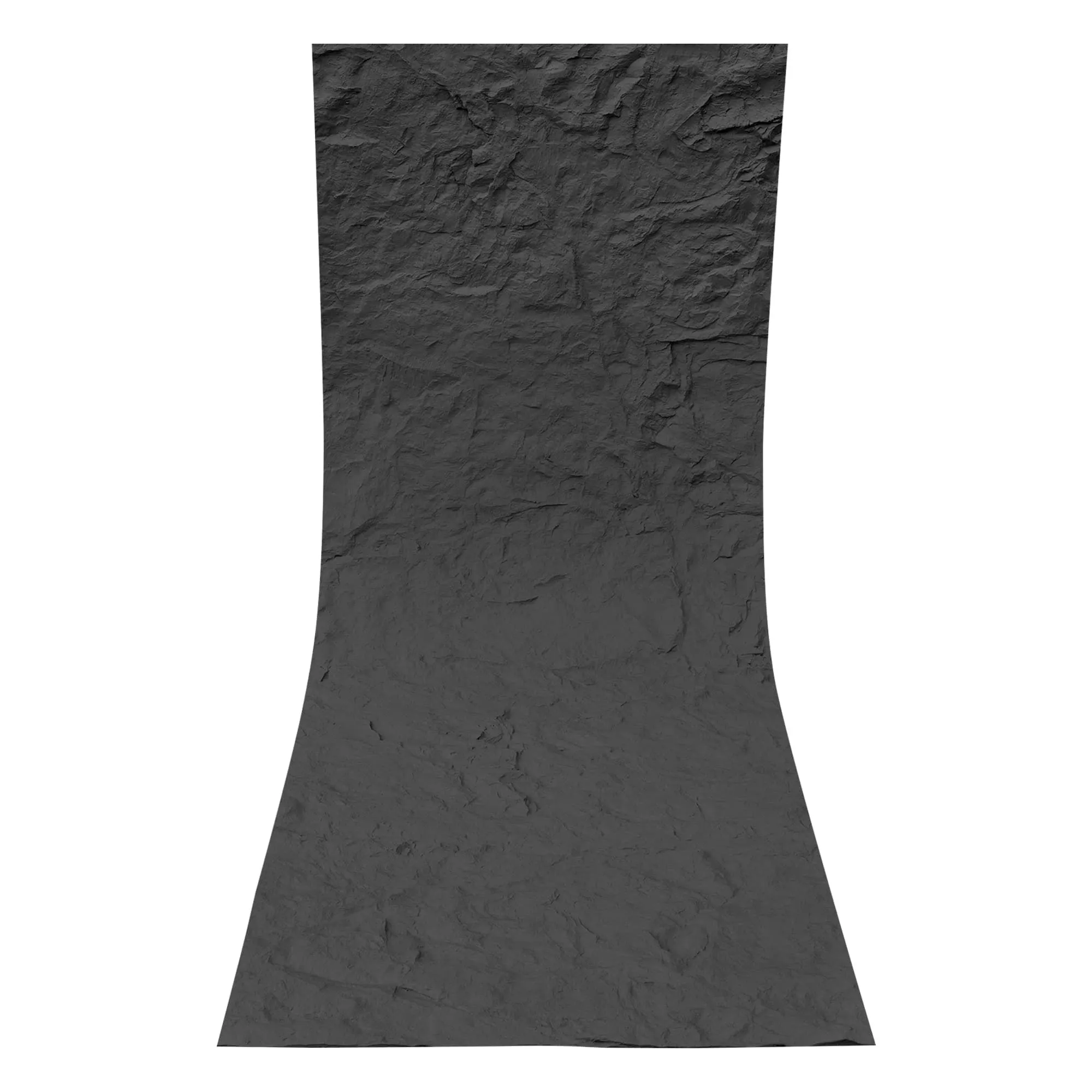
To understand why MCM panels are revolutionizing installation timelines, let's first talk about the elephant in the room: traditional stone cladding. For decades, architects and contractors have relied on natural stone—think marble, granite, or travertine—for its durability and timeless appeal. But here's the catch: installing it is slow, labor-intensive, and prone to delays. Let's break down the pain points:
1. Weight = Wasted Time Natural stone is heavy—we're talking hundreds of pounds per slab. That means you need cranes, hoists, and specialized equipment just to move it from the truck to the wall. Even then, maneuvering slabs into place requires a team of workers, and one wrong move can lead to damage (and more delays). On a typical 10,000 sq ft project, just transporting and positioning traditional stone can eat up 20-30% of the installation timeline.
2. On-Site Cutting = Chaos No two natural stones are identical, and buildings rarely have perfectly straight walls. That means most traditional stone needs to be cut, shaped, or trimmed on-site to fit. Cue the dust, the noise, and the mess—not to mention the skilled labor required to make precise cuts. A single mismeasurement can ruin a slab, leading to waste and costly reorders. And if the weather turns? Rain or high winds can shut down outdoor cutting entirely, leaving crews twiddling their thumbs.
3. Mortar and Curing = Waiting Games Traditional stone is often installed with mortar, which needs time to cure—usually 24-48 hours per layer. In cold or humid weather, that curing time stretches even longer. Imagine scheduling around that: install a row, wait two days, install the next, wait again. For large projects, those "waiting days" add up fast, turning a 4-week timeline into 6 weeks (or more).
4. Labor Intensity = High Costs, Slow Progress Because traditional stone installation is so physically demanding, it requires a larger crew—often 5-6 workers per shift. More workers mean higher labor costs, and even then, progress is slow. A team might finish 300-400 sq ft of traditional stone in a day if everything goes right; if not, that number drops to 200 or less. When deadlines loom, overtime becomes necessary, and suddenly your budget is bleeding.
These aren't just minor inconveniences—they're schedule killers. And in construction, time is money. A project that's two weeks late can cost tens of thousands in extra labor, extended equipment rentals, and even penalties from clients. So, what if there was a material that skipped the heavy lifting, the on-site chaos, and the waiting games? That's where MCM panels come in.
MCM, or Modified Composite Material, panels are engineered to solve exactly these problems. At their core, they're a blend of natural stone particles, fiberglass, and polymer resins—designed to mimic the look and texture of natural stone, but with a fraction of the weight and hassle. Let's unpack why they're a time-saver:
The first thing you notice about lightweight flexible stone sheets (a hallmark of MCM technology) is how easy they are to handle. Most MCM panels weigh just 3-5 lbs per sq ft—compared to 20-30 lbs for traditional stone. That's a game-changer for transport and installation. No cranes needed here: a single worker can carry 4-5 panels at a time, and they fit easily into standard trucks (no oversized load permits required). On a recent hospital renovation in Dubai, contractors switched from traditional granite to MCM flexible stone and cut their on-site material handling time by 60%. "We went from needing a crane and 4 guys to move one slab to two workers carrying a stack of 10 MCM panels," said the project foreman. "It felt like night and day."
Unlike natural stone, MCM panels are prefabricated mcm panel systems —meaning they're cut, shaped, and finished in a factory, not on-site. Using advanced 3D printing and CNC technology, manufacturers can produce panels to exact measurements, including custom cuts for windows, corners, and architectural details. When they arrive on-site, they're ready to go: no cutting, no trimming, no guesswork. It's like building with Lego blocks, but for buildings. On a retail mall project in Riyadh, the team used MCM big slab board series (which come in larger, 4x8 ft sizes) and installed 1,200 sq ft in a single day—three times the rate of traditional stone.
Traditional stone is rigid, which means it struggles with uneven walls or curved surfaces. MCM panels, though, are flexible—they can bend slightly to conform to minor imperfections in the substrate. This adaptability reduces the need for extensive wall prep (like leveling or re-plastering), which can shave days off the pre-installation timeline. Plus, they bond with high-strength adhesives instead of mortar, so there's no curing time. Apply the adhesive, press the panel into place, and move on to the next. It's that simple.
You might be thinking: "If they're lightweight and flexible, are they durable?" The answer is a resounding yes. MCM panels are resistant to water, UV rays, and impact—so they stand up to harsh weather and daily wear and tear. That means fewer callbacks for repairs, which is another hidden time-saver. Traditional stone, by contrast, can crack, chip, or stain over time, leading to costly (and time-consuming) fixes down the line.
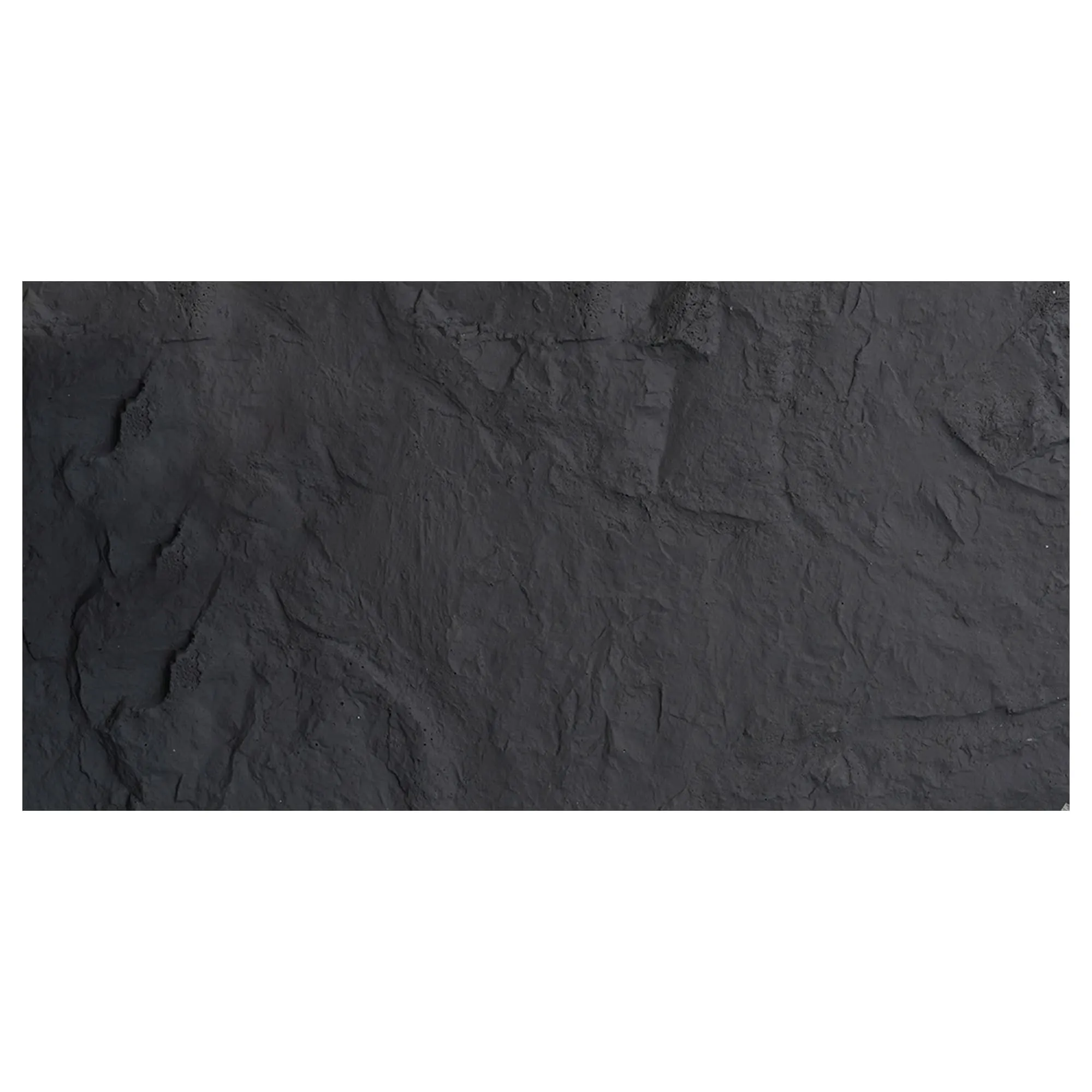
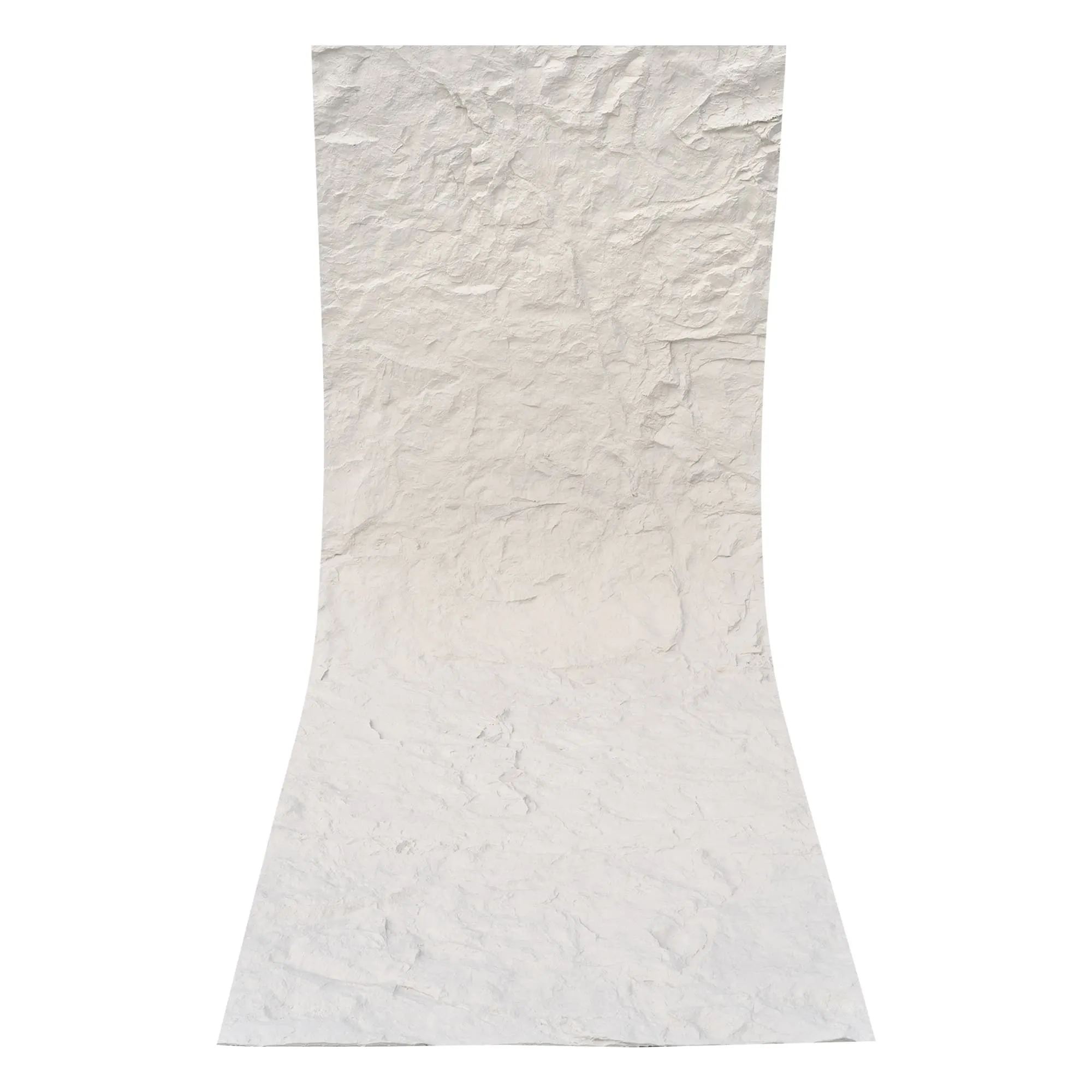
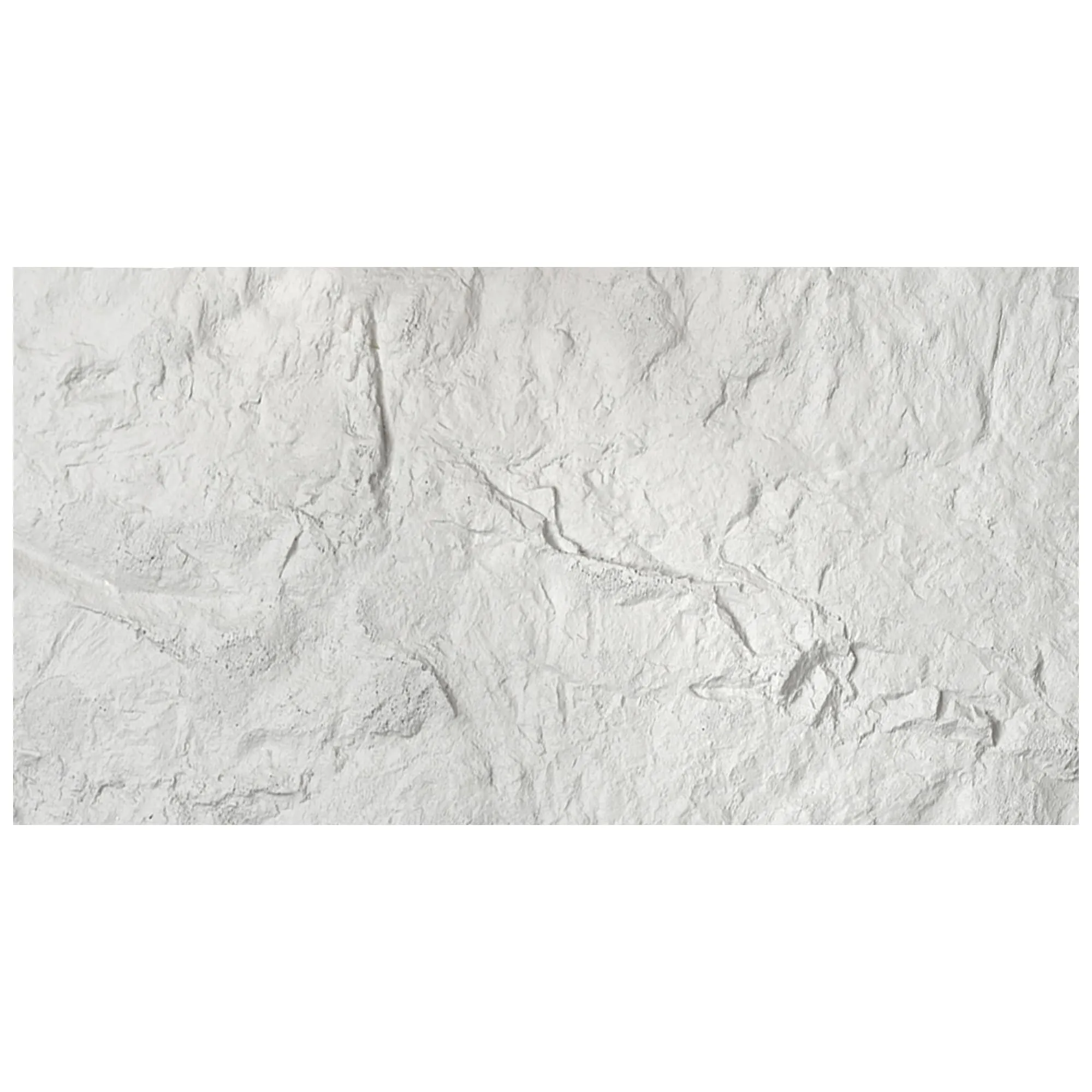
Let's zoom in on a specific MCM star: Boulder Slab . Available in vintage silver, vintage gold, and vintage black, these panels are designed to mimic the rugged, earthy texture of natural stone boulders—perfect for modern commercial buildings, hotels, or luxury homes. But what makes them a hit with contractors? Their installation speed.
Take the recent renovation of a boutique hotel in Barcelona. The design called for a warm, rustic exterior, and the architect specified Boulder Slab (vintage gold) for the facade. The project was on a tight 6-week timeline, and the general contractor was worried: traditional stone would have taken at least 4 weeks alone, leaving little time for other work. Enter MCM panels.
The Boulder Slab panels arrived pre-cut to the hotel's exact dimensions, including custom notches for windows and decorative accents. Because they're lightweight, the crew of 3 workers (instead of the 5 needed for traditional stone) carried panels up scaffolding by hand. They used a simple adhesive application—no mortar, no curing—and finished the entire 8,000 sq ft facade in just 10 days. "We saved 3 weeks on the schedule," said the contractor. "That gave us time to fix other issues and even finish early, which made the client ecstatic."
And the result? Guests can't tell the difference between the MCM Boulder Slab and real stone. "It has that same depth and texture—you want to reach out and touch it," said the hotel's designer. "But knowing we did it in a third of the time? That's the real win."
Still not convinced? Let's look at hard data. Below is a comparison of a hypothetical 5,000 sq ft exterior cladding project using traditional granite vs. MCM panels (Boulder Slab):
| Aspect | Traditional Granite | MCM Panels (Boulder Slab) | Time Saved |
|---|---|---|---|
| Installation Timeline | 21 days (3 weeks) | 7 days (1 week) | 14 days (50%) |
| Labor Required | 5 workers/day | 2-3 workers/day | 40-60% fewer workers |
| Equipment Needed | Crane, hoist, cutting tools | Basic hand tools, adhesive applicator | No heavy equipment rental costs |
| Waste Generated | 15-20% (due to on-site cutting) | 2-3% (prefabricated precision) | 85% less waste |
| Weather Delays | High (sensitive to rain, wind, cold) | Low (adhesive works in most conditions) | Fewer weather-related hold-ups |
The numbers speak for themselves: MCM panels cut installation time by 50% or more, reduce labor needs, and minimize waste. For contractors, that translates to lower costs, happier clients, and more time to take on new projects. For architects, it means more flexibility to iterate on designs without worrying about timeline blowouts. And for building owners? A faster path to opening their doors (and generating revenue).
Saving time on cladding installation doesn't just help the exterior crew—it creates a ripple effect across the entire project. When the facade goes up faster, interior work can start sooner. Electricians, plumbers, and drywallers aren't left waiting, which means the entire project timeline compresses. On a large commercial build, that could mean opening 1-2 months early, which for a retail center or office building, translates to hundreds of thousands of dollars in lost revenue avoided.
Plus, MCM panels are eco-friendly. Their lightweight design reduces fuel consumption during transport, and their prefabricated precision cuts down on material waste. For clients focused on sustainability (and many are, these days), that's an added bonus that makes the switch to MCM even easier to justify.
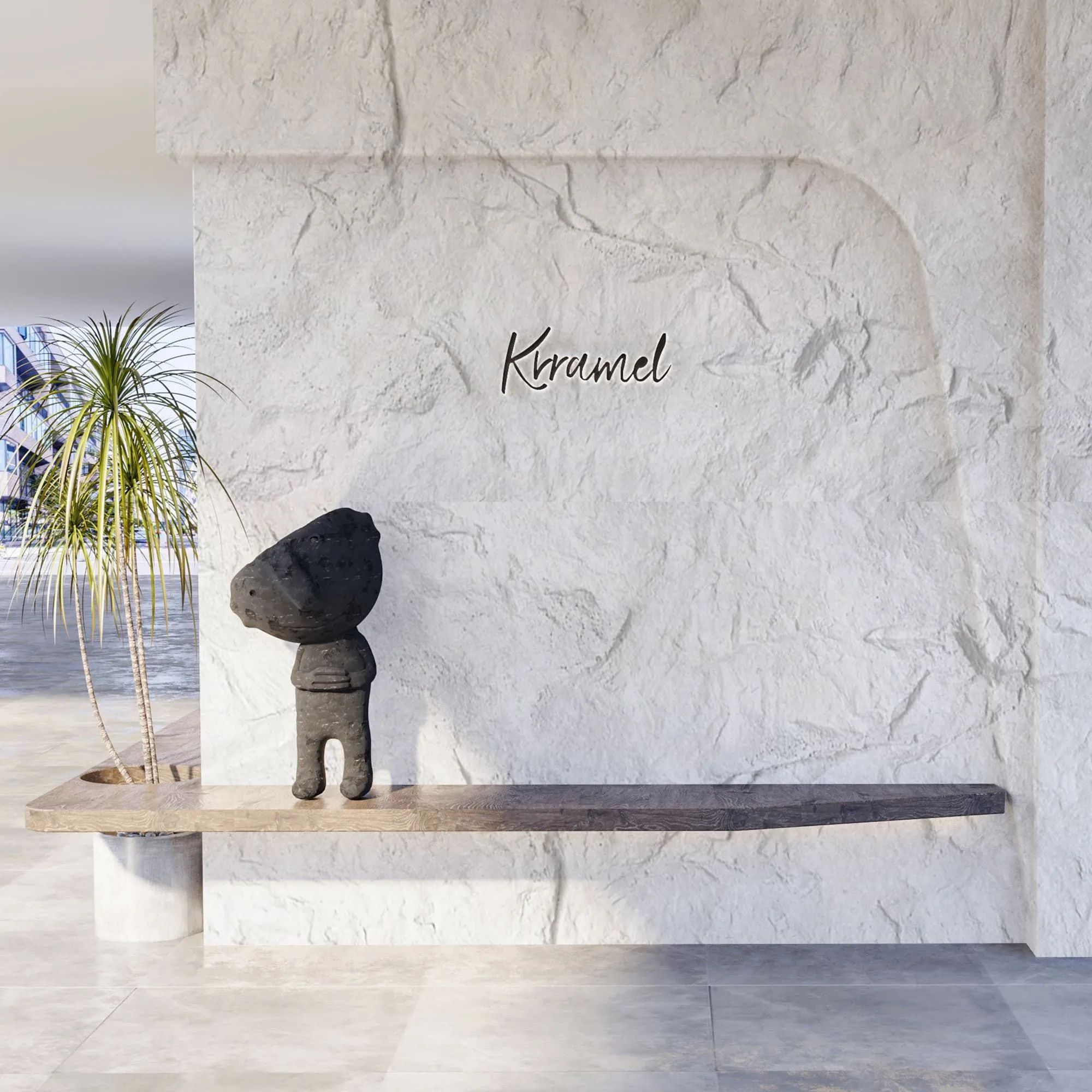
As construction schedules get tighter and labor costs rise, contractors and architects are looking for smarter, faster solutions. MCM panels—with options like Boulder Slab, lightweight flexible stone sheets, and prefabricated systems—aren't just a trend; they're the future. They prove that you don't have to choose between beauty and speed, durability and efficiency.
So, the next time you're staring down a tight deadline, or watching traditional stone installation drag on, remember: there's a better way. MCM panels aren't just saving time—they're saving projects. And in construction, that's the difference between stress and success.
Ready to transform your next project? Explore MCM flexible stone, Boulder Slab, and prefabricated panel systems today—and see how much time (and money) you can save.
Recommend Products












