
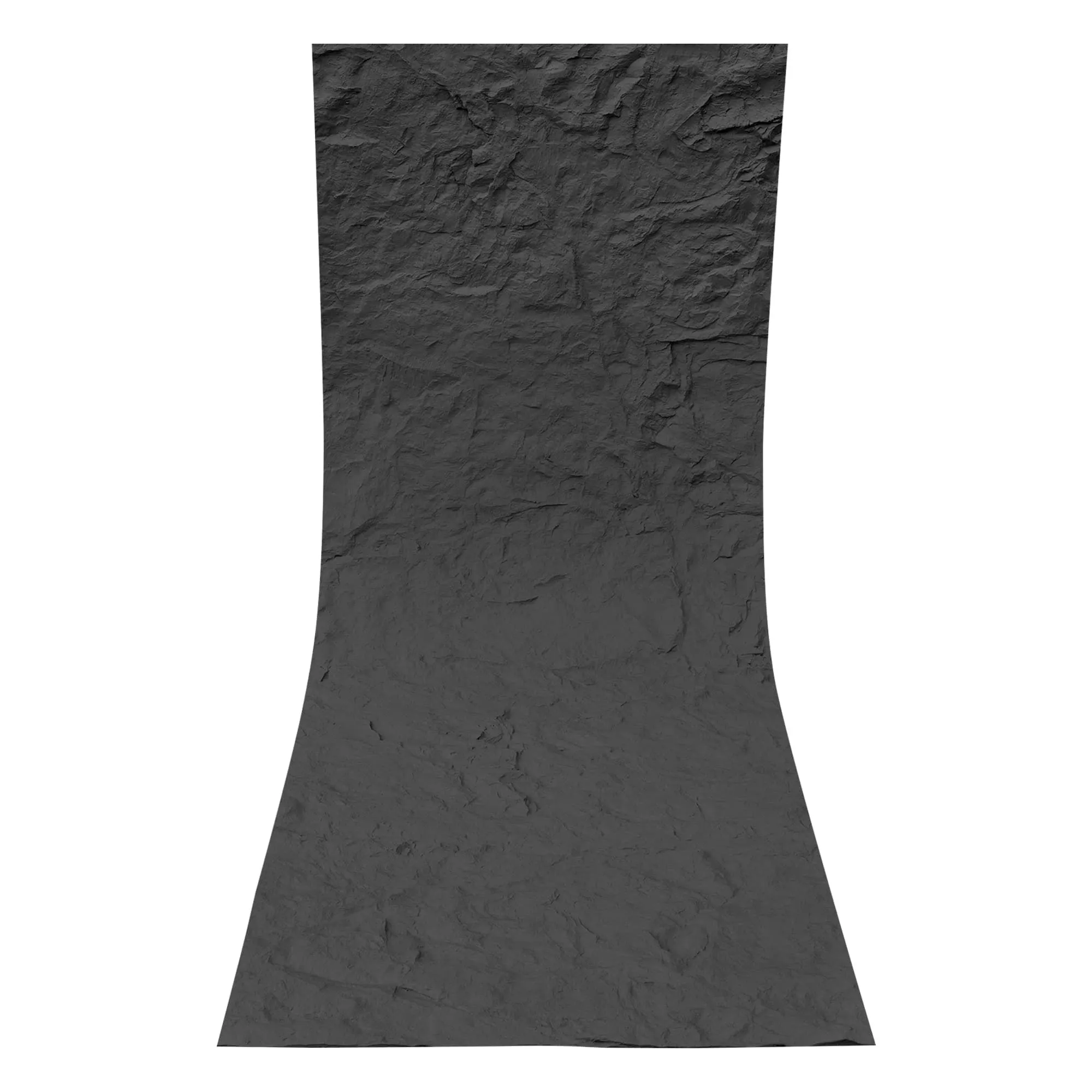
Think about the last time you passed a building that stopped you in your tracks. Maybe it was the way the light hit its surface at dusk, turning stone into something almost luminous, or the texture that seemed to shift as you moved—rough yet refined, ancient yet modern. Buildings aren't just structures; they're storytellers. And in the world of architecture, the facade is the first chapter. Today, we're diving into a material that's redefining those stories: Boulder Slab, a star in the MCM (Modified Composite Material) family, and how pairing it with backlighting transforms ordinary exteriors into unforgettable narratives.
For decades, architects and designers have grappled with a trade-off: durability versus design. Heavy natural stones offered beauty but came with structural limitations; lightweight materials often sacrificed texture for convenience. Then MCM panels arrived, and the game changed. These engineered composites blend the best of both worlds—capturing the look and feel of natural materials (think travertine, granite, or slate) while being 70% lighter than traditional stone, flexible enough to curve around architectural nuances, and tough enough to withstand harsh weather, UV rays, and the test of time.
At the heart of this innovation is MCM flexible stone —a material so versatile it's like clay in the hands of a sculptor. It bends without breaking, adapts to complex geometries, and retains the organic imperfections that make natural stone so charming. But among all MCM offerings, one line stands out for its ability to marry ruggedness with elegance: Boulder Slab.
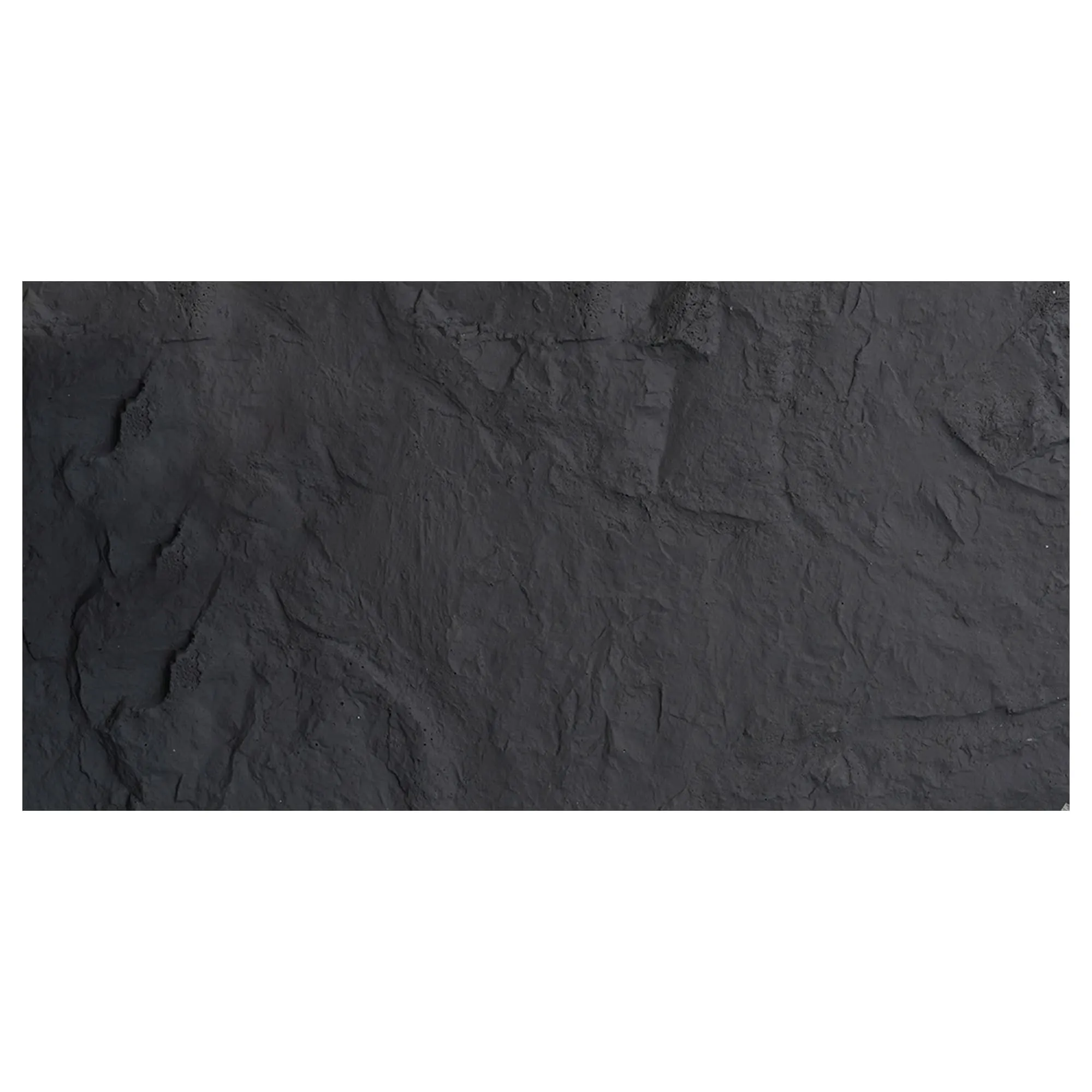
Boulder Slab isn't just a panel—it's a tribute to the raw, unpolished beauty of stone formed by time and pressure. Run your hand over its surface, and you'll feel the subtle grooves, the uneven edges, the faint veining that mimics the way water and wind carve canyons over millennia. It's the kind of texture that doesn't just look natural; it feels lived-in, like it has stories to tell.
What makes Boulder Slab special is its balance. It's bold enough to anchor a skyscraper's facade but refined enough for a boutique café. Available in three distinct vintage finishes—vintage silver, vintage gold, and vintage black—each variant has its own personality:
| Variant | Color & Tone | Texture Notes | Best For |
|---|---|---|---|
| Boulder Slab (vintage silver) | Cool, metallic sheen with hints of gray | Smooth yet tactile; fine grain that catches light like moonlight on water | Modern commercial buildings, art galleries, tech offices |
| Boulder Slab (vintage gold) | Warm, amber undertones with a soft glow | Deeper, more pronounced texture; veins of lighter gold that mimic aged brass | Hotels, restaurants, luxury residential complexes |
| Boulder Slab (vintage black) | Rich, matte black with subtle charcoal flecks | Dramatic, almost volcanic texture; shadows pool in its grooves, creating depth | Cultural centers, theaters, statement facades in urban contexts |
But Boulder Slab's true magic lies in how it interacts with light. Unlike flat, uniform panels that can feel cold or lifeless, its texture is a playground for illumination. And when you add backlighting? It's like turning a stone into a canvas.
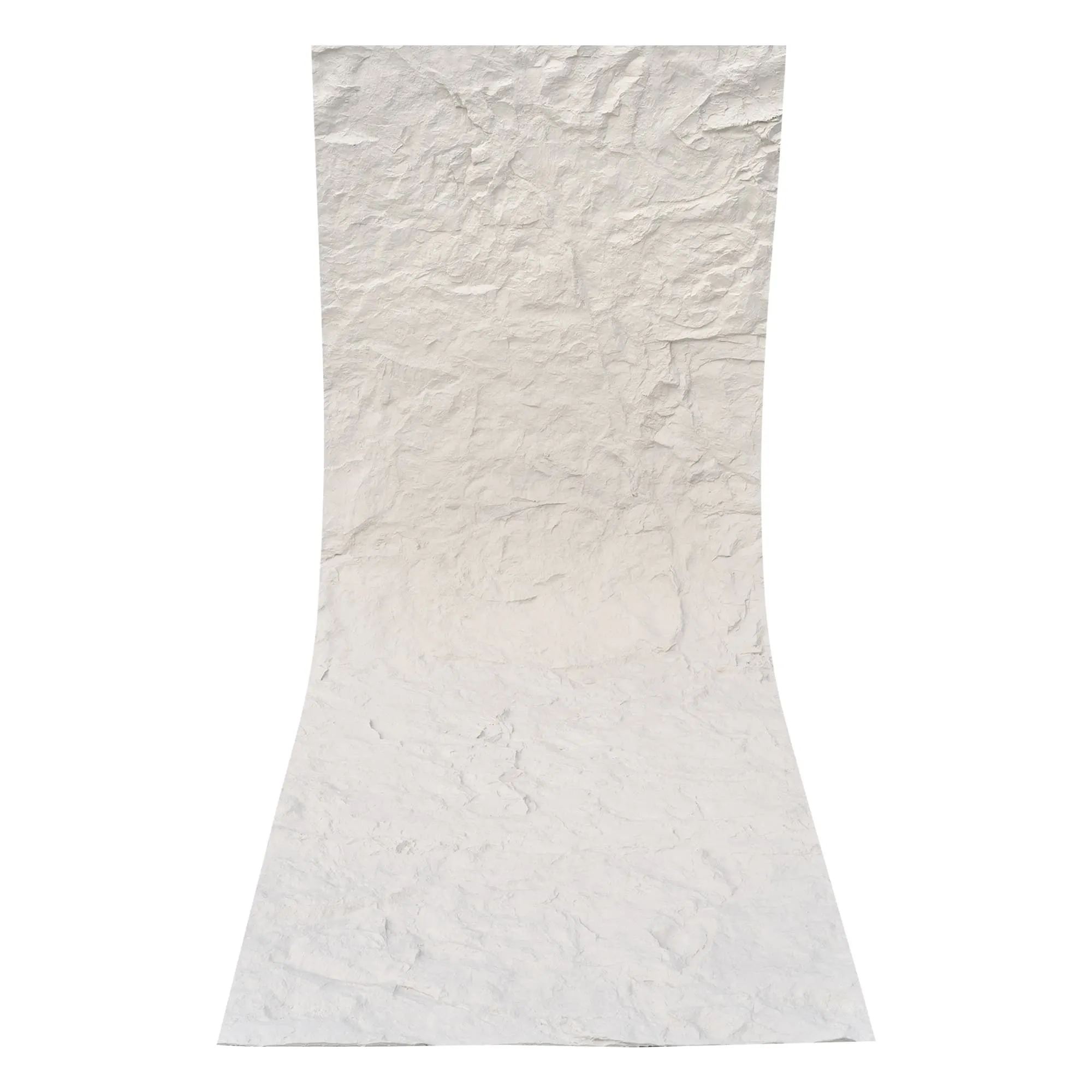
Lighting design is often an afterthought in facade planning, but it's the difference between a building that blends in and one that resonates . Backlighting—installing LEDs behind the panels—takes Boulder Slab's natural texture and elevates it to art. Imagine a facade clad in vintage silver Boulder Slab as the sun sets: as daylight fades, soft white LEDs hidden behind the panels begin to glow. Suddenly, the fine grain in the stone becomes visible, like stardust trapped in rock. The edges of each panel glow softly, creating a halo effect that makes the building feel weightless, almost floating.
For vintage gold Boulder Slab, warm amber LEDs amplify its richness. Think of a boutique hotel on a tree-lined street: at night, the panels emit a honeyed light that seeps through their grooves, turning the facade into a beacon of warmth. Passersby don't just see a building—they feel invited, curious, like there's a story waiting inside. Even vintage black Boulder Slab, which might seem somber in daylight, becomes dramatic with backlighting. Cool blue LEDs behind it create a moody, cinematic effect, perfect for a theater or museum where the facade itself sets the stage for the art inside.
This isn't just about aesthetics; it's about emotion. A building lit this way doesn't just look beautiful—it feels alive. It responds to the time of day, shifting from bold and sunlit to soft and intimate as night falls. It connects with people on a visceral level, making them pause, look up, and remember.
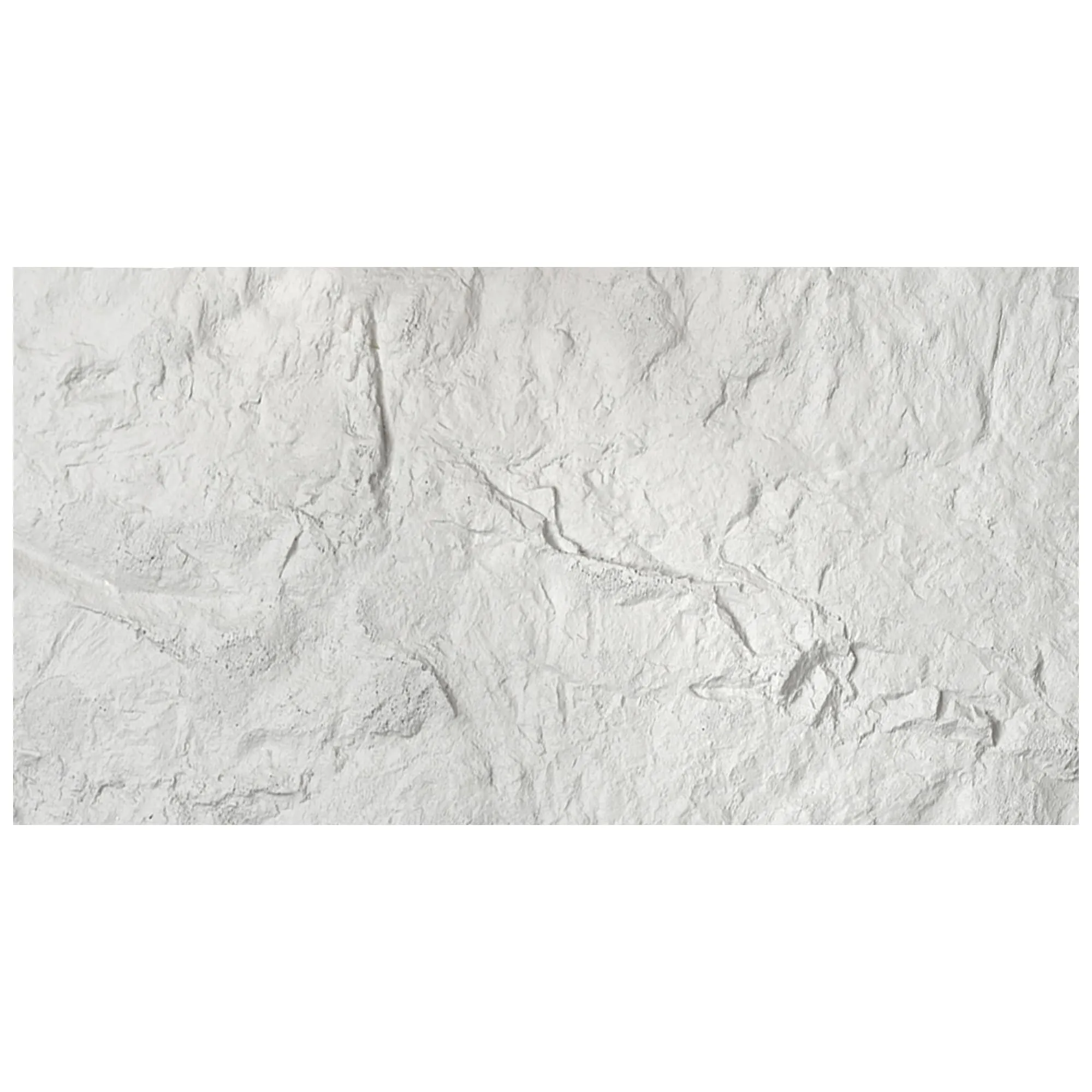
Boulder Slab rarely shines alone—it plays well with others, creating layered, dynamic facades that tell richer stories. Take Lunar Peak silvery , for example. A close cousin in the MCM family, Lunar Peak silvery has a sleek, almost iridescent finish that contrasts beautifully with Boulder Slab's ruggedness. Imagine a commercial complex where the lower levels are clad in vintage black Boulder Slab (backlit with cool white LEDs), and the upper floors transition to Lunar Peak silvery. The effect is like a mountain rising from the earth—grounded yet reaching for the sky.
Then there's fair-faced concrete , a material beloved for its raw, industrial charm. When paired with Boulder Slab, it creates a balance of strength and softness. A community center might use fair-faced concrete for its main structure, then add Boulder Slab accents around windows and entryways. Backlighting the Boulder Slab here turns those accents into focal points, guiding visitors toward the heart of the building.
Even MCM flexible stone finds its place alongside Boulder Slab. Picture a residential building with a curved facade: the main walls are clad in vintage gold Boulder Slab, while the curved corners—too complex for rigid panels—use flexible stone in a matching tone. The result? A seamless flow that feels intentional, like the building was shaped by natural forces rather than construction crews.
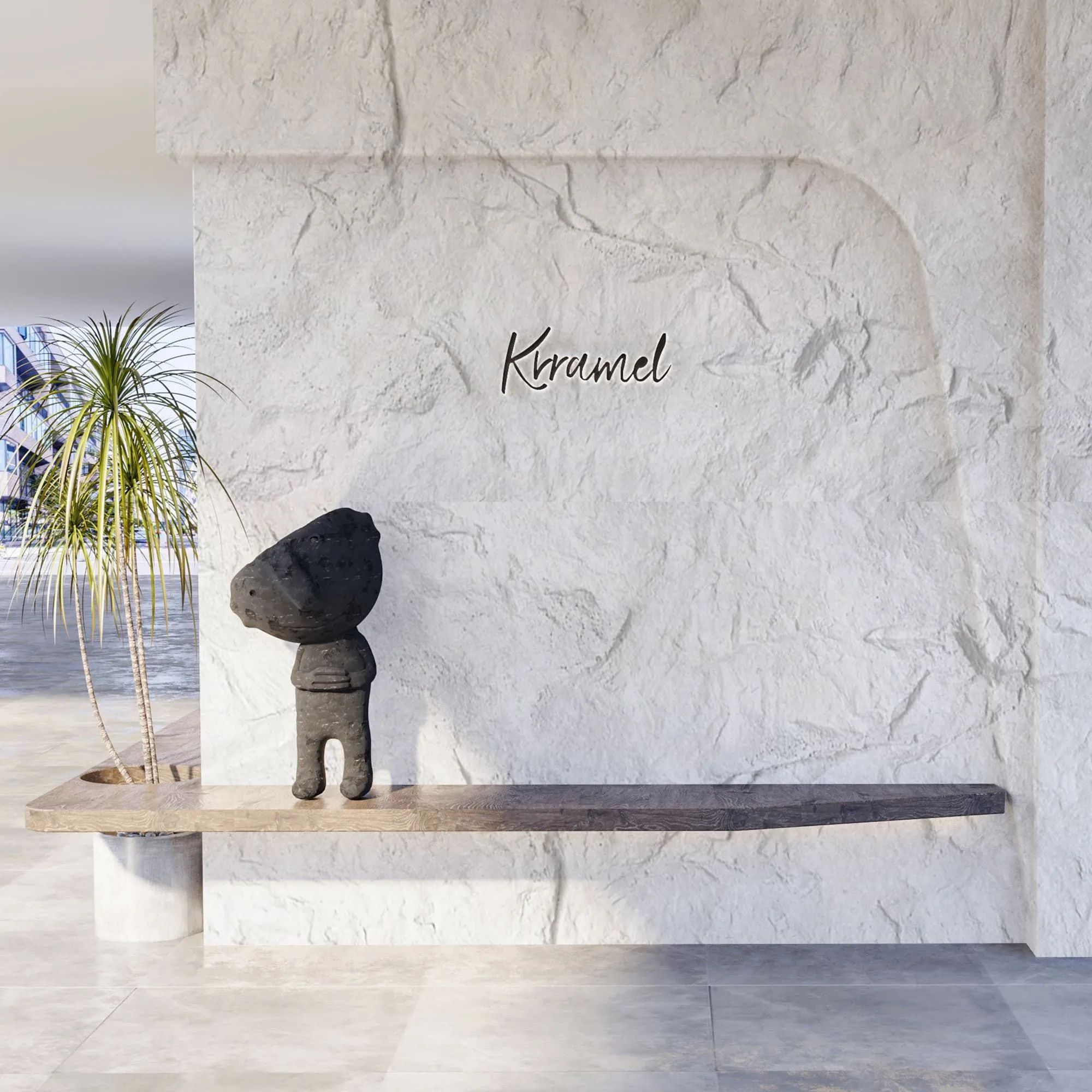
At the end of the day, architecture is about people. We don't just occupy buildings—we experience them. A hospital facade clad in warm, backlit Boulder Slab might ease a nervous patient's anxiety. A school with vintage silver panels glowing softly at dusk could make a student feel safe, like the building is watching over them. Even a corporate office using Lunar Peak silvery and fair-faced concrete can foster creativity by blending modernity with organic warmth.
These materials do more than cover walls; they create memories. Think of the parent picking up their child from that school, pausing to admire how the light plays on the Boulder Slab. Or the traveler taking a photo of the vintage gold hotel facade to send to loved ones. These moments are small, but they add up to a deeper connection between people and the spaces they inhabit.
Boulder Slab and backlighting are more than trends—they're a glimpse into the future of architecture. A future where we don't have to choose between durability and beauty, between modernity and warmth. It's a future where buildings tell stories not just through their shape, but through their texture, their light, their ability to make us feel something.
As MCM technology evolves, we'll see even more possibilities: panels that change color with the seasons, textures inspired by rare geological formations, lighting that responds to weather or human movement. But at the core will always be that human desire—to create spaces that are not just built, but lived in .
So the next time you pass a building that makes you stop and look, take a closer look at its facade. Maybe it's Boulder Slab, glowing softly in the twilight, reminding us that the most beautiful structures are the ones that bridge the gap between the natural world and the human spirit. After all, the best stories aren't just told—they're felt.
Recommend Products












