
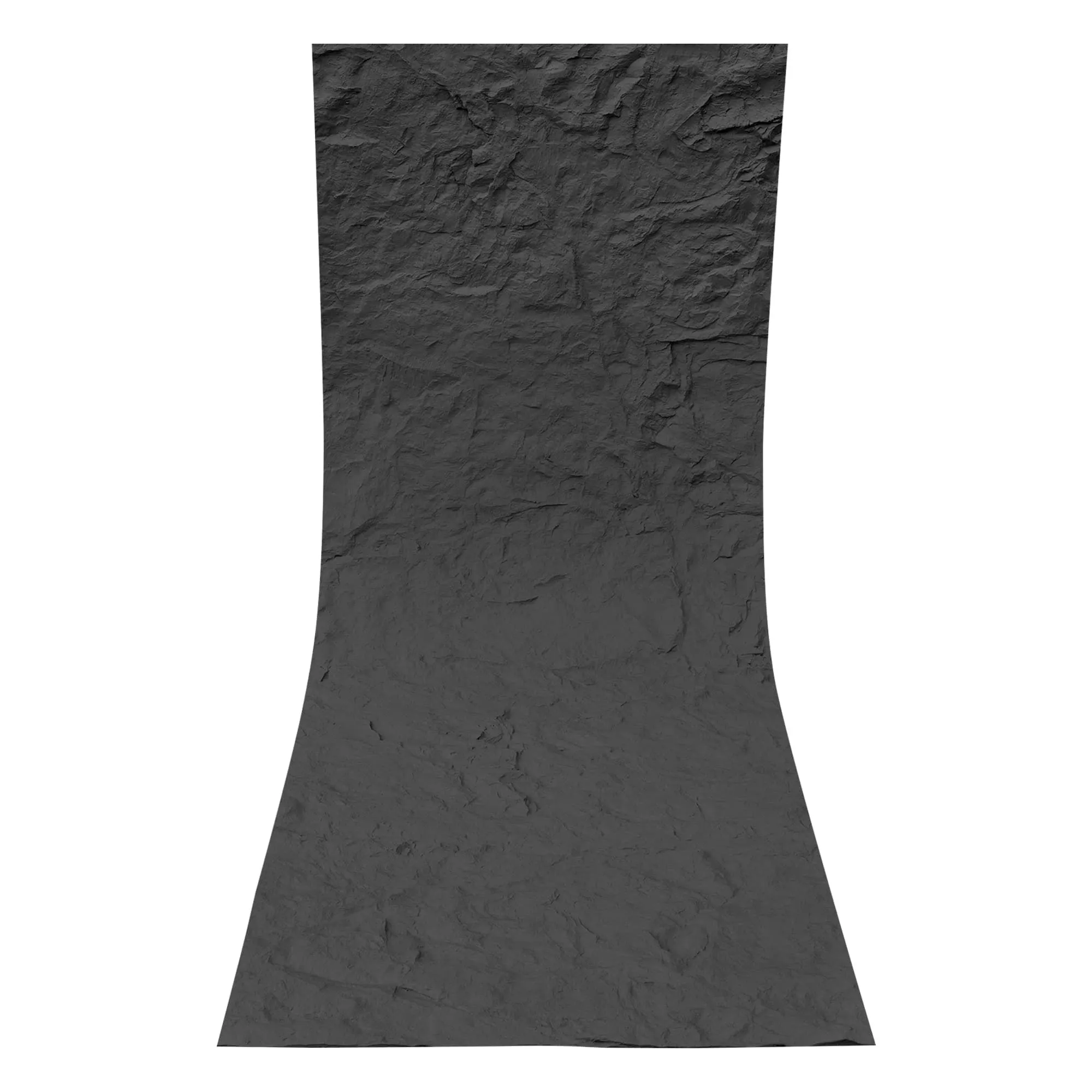
Walk into any modern space—whether a sleek office lobby, a cozy home living room, or a bustling restaurant—and you'll likely notice something that ties it all together: the materials. They're not just background elements; they're storytellers. They whisper of craftsmanship, innovation, and the careful balance between durability and beauty. Among these modern marvels is the Boulder Slab —a product that's redefining what building materials can be. Blending the rugged charm of natural stone with cutting-edge technology, Boulder Slab isn't just a slab; it's a bridge between tradition and the future. Let's pull back the curtain and explore how this remarkable material goes from raw earth to the stunning panels that adorn our favorite spaces.
Every great creation starts with great ingredients—and Boulder Slab is no exception. The journey begins with a team of material experts scouring quarries, sustainable stone yards, and specialized suppliers to handpick the finest raw materials. At the heart of this selection is MCM flexible stone —a modified composite material celebrated for its unique blend of flexibility and strength. Unlike rigid natural stone, MCM flexible stone bends without breaking, making it ideal for versatile applications, yet it retains the authentic texture and appearance of quarried stone.
But MCM flexible stone isn't alone. Depending on the variant, other materials join the mix. For lightweight, modern iterations, foamed aluminium alloy board (available in vintage silver, vintage gold, and gold finishes) is often incorporated. Its cellular structure reduces weight by up to 60% compared to solid metal, without compromising on durability—a game-changer for projects where weight is a concern, like high-rise facades or ceiling installations. Then there's the star of the show: the base stone itself. Quarried from regions known for their high-quality deposits, this stone is chosen for its density, color consistency, and resistance to weathering. Craftsmen run their hands over rough-hewn blocks, checking for hidden cracks or impurities, ensuring only the best make the cut. "It's like selecting a fine wine," one quarry manager jokes. "You don't just look at the label—you feel the body, the character."
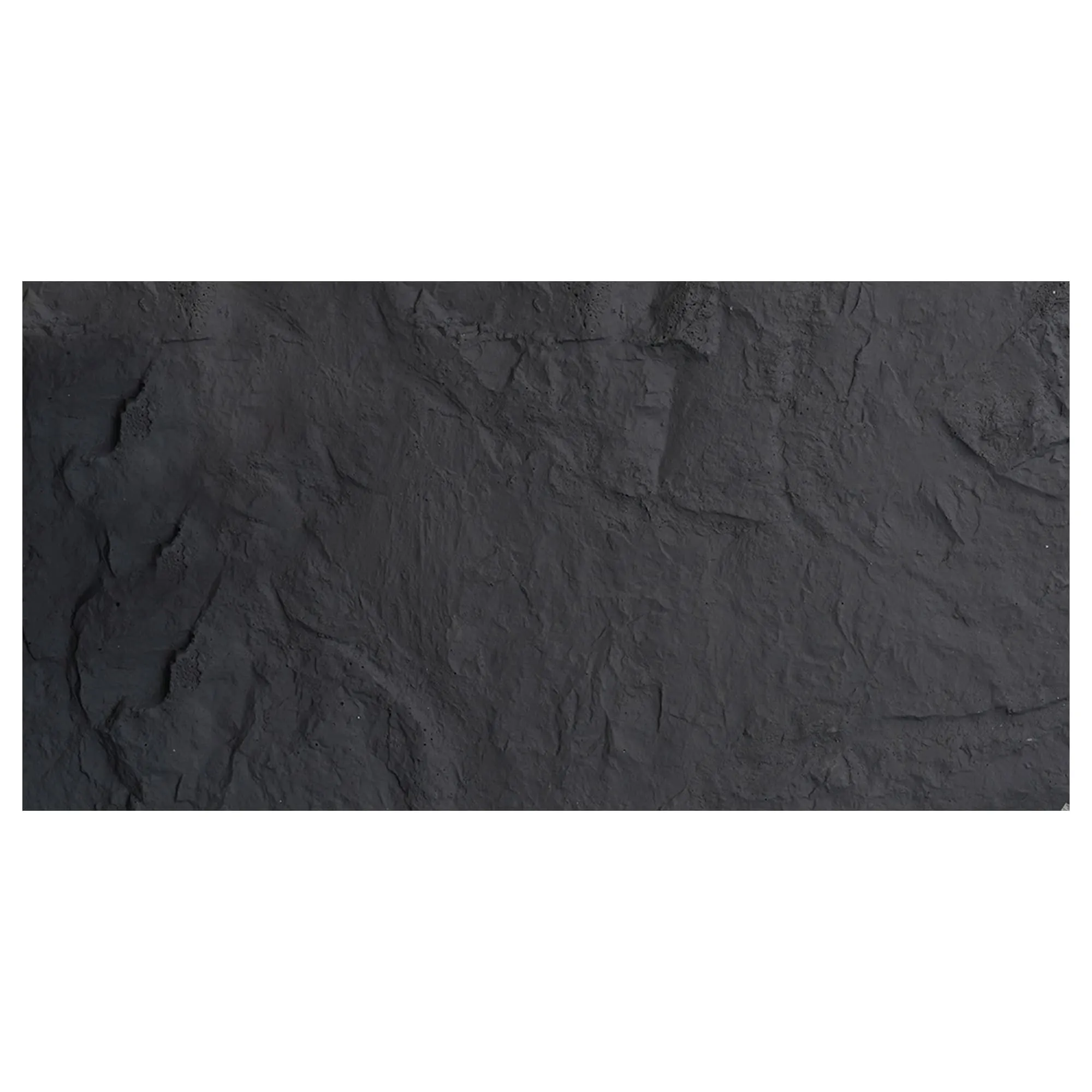
Once the raw materials arrive at the facility, the real transformation begins. First, the stone blocks are rinsed with high-pressure water to strip away dirt and debris, revealing their true color. Then, they're fed into specialized crushers—large machines that break the stone into gravel-sized fragments, each no bigger than a walnut. This step is critical: too coarse, and the final slab might be uneven; too fine, and it could lose its structural integrity. The crushed stone is then sieved multiple times to ensure uniform particle size, a process that's monitored by technicians who adjust the sieve settings with the precision of a baker measuring flour.
Next, the stone particles are mixed with a proprietary blend of binders, resins, and additives. This is where science meets art. The binders—often eco-friendly polymers—hold the stone together while allowing for that signature flexibility of MCM flexible stone. The mixture is stirred in large vats, with operators checking the consistency by hand: a handful should clump together without crumbling, yet feel smooth to the touch. For variants incorporating foamed aluminium alloy board, the metal sheets are first treated with an anti-corrosion coating, ensuring they'll stand up to humidity, rain, and time. "We don't cut corners here," says Maria, a material scientist who's worked on the process for over a decade. "A weak binder today means a cracked slab tomorrow—and we don't let that happen."
| Material Type | Key Role | Sustainability Note |
|---|---|---|
| MCM Flexible Stone | Provides flexibility, texture, and natural appearance | Recyclable; reduces quarry waste by 30% vs. traditional stone |
| Foamed Aluminium Alloy Board | Lightweight structural support; metallic finish options | 100% recyclable; low-energy production process |
| Base Quarried Stone | Core structural strength and color base | Sourced from ISO-certified, reforested quarries |
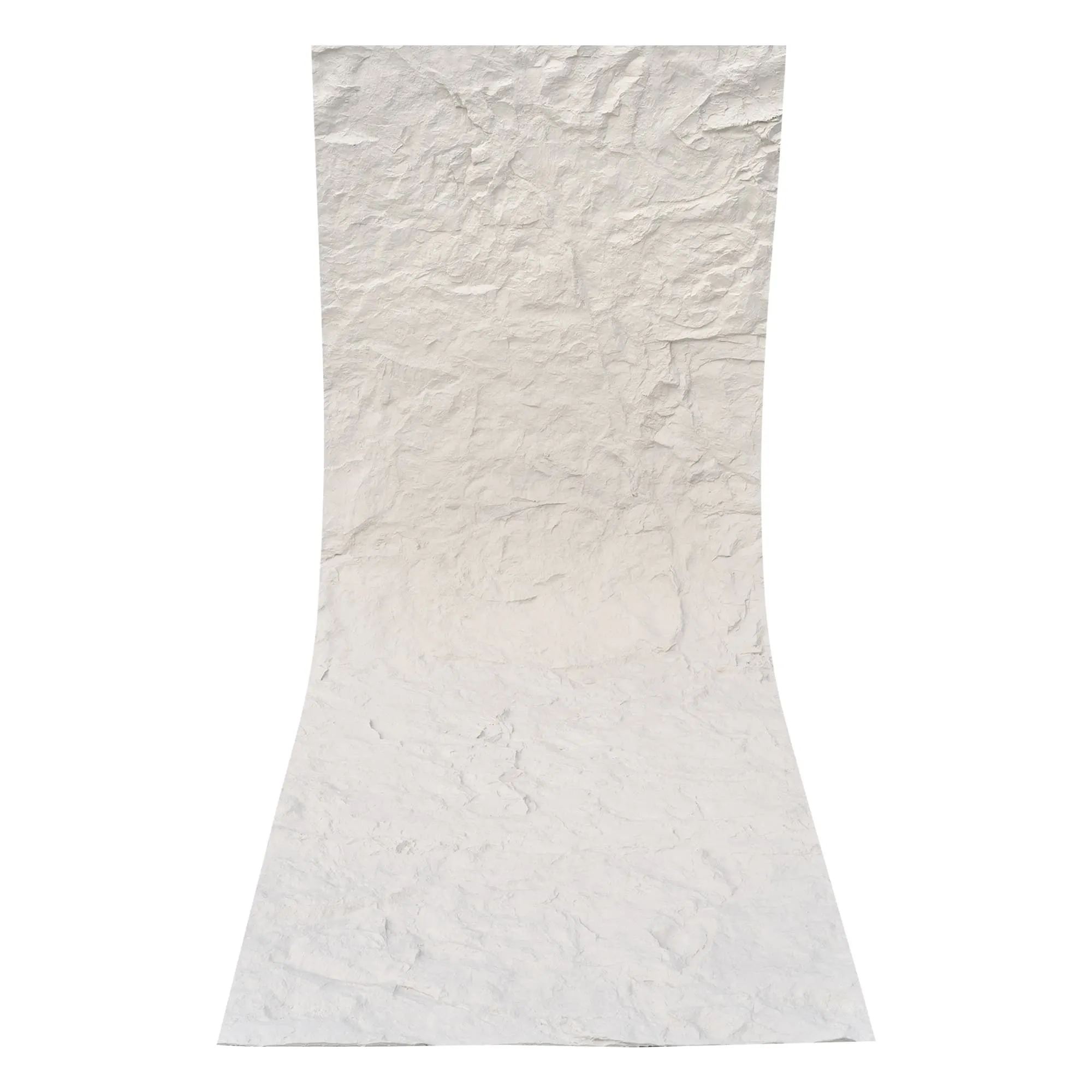
If material preparation is the "heart" of the process, then 3D printing is the "brain." The MCM 3D printing series has revolutionized how Boulder Slab is shaped, moving beyond molds to create designs that were once impossible. Here's how it works: the prepared stone-resin mixture is loaded into large 3D printers, which extrude the material layer by layer, guided by digital blueprints. Each layer is just 0.5mm thick—thinner than a credit card—allowing for intricate patterns, custom textures, and even curved edges that mimic natural stone formations.
Designers and engineers collaborate closely here, using 3D modeling software to tweak every detail. Want a slab that looks like a riverbed with flowing lines? The printer can replicate that. Need a custom size for a boutique hotel's feature wall? No problem. "3D printing lets us be artists, not just manufacturers," says Jake, a design engineer. "We recently printed a Boulder Slab with a texture inspired by desert sand dunes—you can run your fingers over it and almost feel the wind." The technology also reduces waste: traditional stone cutting often discards 50% of the raw material as scrap, but 3D printing uses only what's needed, cutting waste to less than 5%. Plus, the process is faster—what once took days with molds now takes hours, without sacrificing quality.
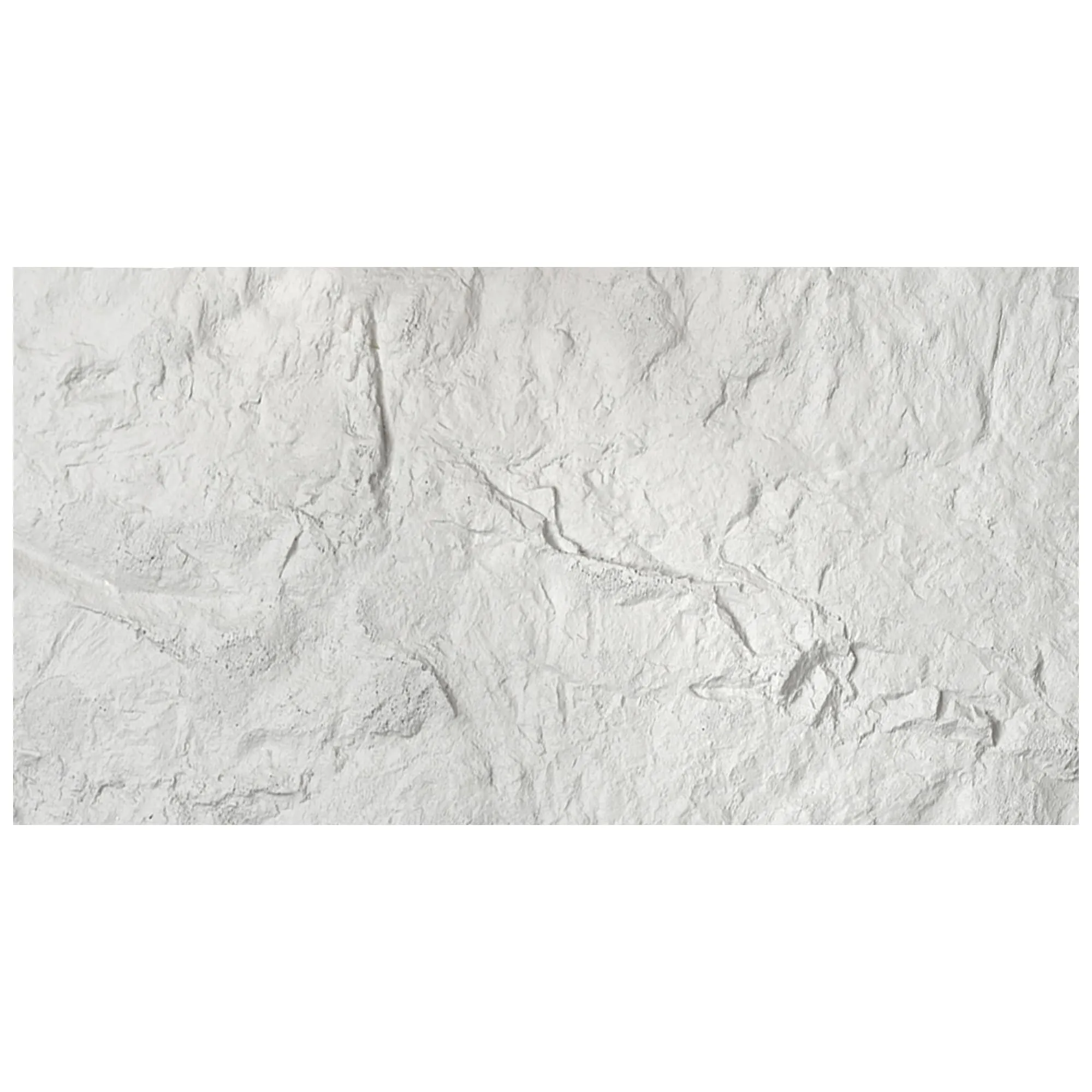
After 3D printing (or molding for more traditional styles), the slabs move to the curing chamber—a controlled environment where temperature, humidity, and airflow are meticulously regulated. Think of it as a spa for stone: the slabs rest here for 24–48 hours, allowing the binders to set and the materials to bond at a molecular level. Technicians monitor the chamber round the clock, adjusting settings to ensure even curing. "Curing is where strength is born," explains Elena, a quality control specialist. "Too hot, and the slab might crack; too cold, and it won't harden properly. It's a balancing act."
For variants with foamed aluminium alloy board, this stage is even more precise. The metal sheets are bonded to the stone mixture during curing, creating a composite that's both strong and lightweight. Once cured, the slabs are removed from the chamber, and their edges are trimmed to size using diamond-tipped saws—another step where precision is key. A fraction of a millimeter off, and the slab won't fit with its neighbors in a installation. "We treat each slab like a puzzle piece," says Marco, who oversees the trimming station. "Every edge has to be perfect, so when they're installed together, they look seamless."
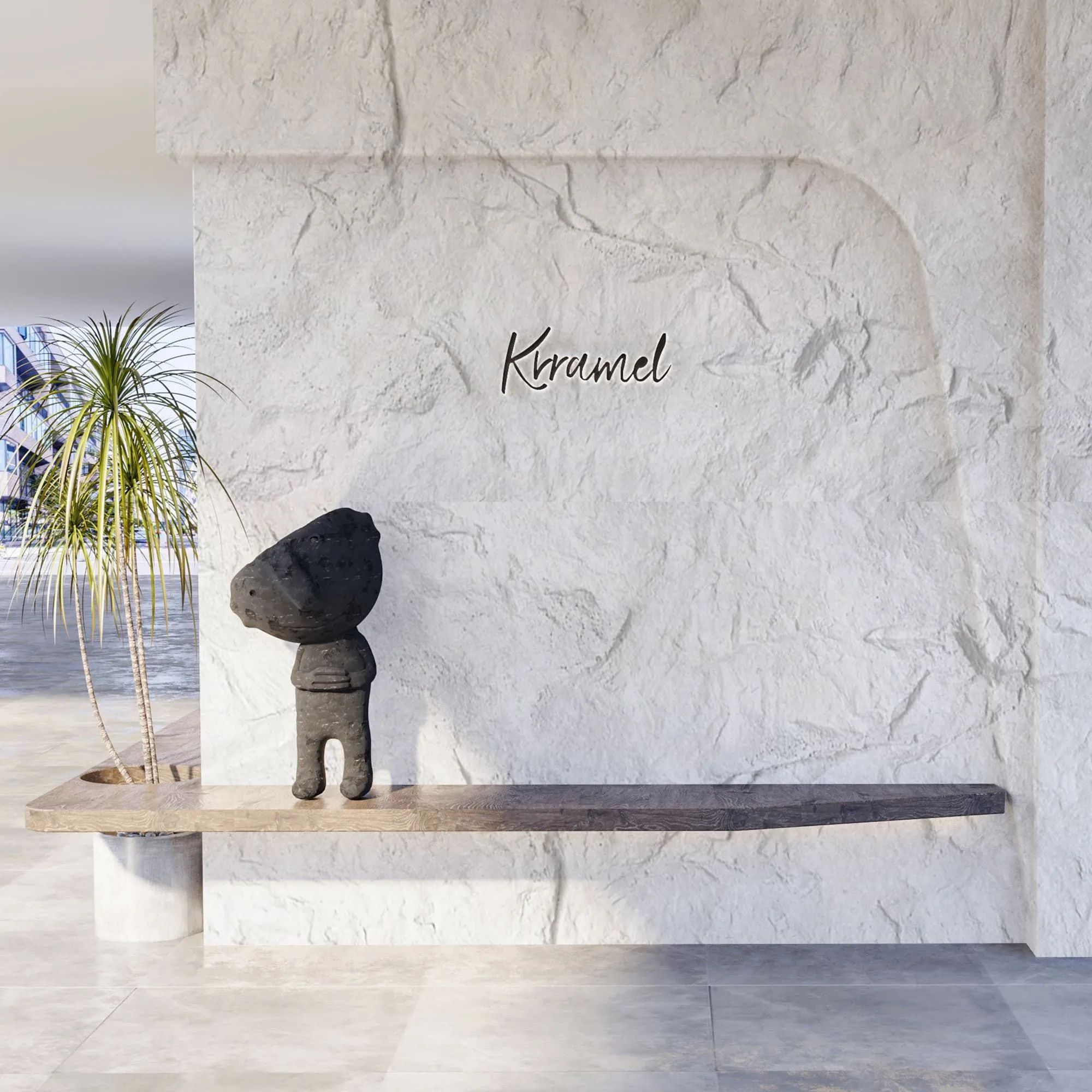
Quality control isn't just a step—it's a mindset. After curing, each Boulder Slab undergoes a battery of tests. First, there's the "tap test": a technician taps the slab with a rubber mallet, listening for hollow sounds that might indicate internal cracks. Then, a hydraulic press measures compressive strength, ensuring the slab can withstand the weight of a multi-story building. For exterior applications, slabs are sprayed with water for 72 hours to test water resistance, and exposed to UV light to check for color fading.
But it's not all machines. Craftsmen with decades of experience inspect each slab by eye and touch. They run their palms over the surface, feeling for rough spots or uneven textures. They check color consistency, ensuring that a batch of vintage silver Boulder Slab doesn't have one slab that's too shiny or too dull. "Machines can measure numbers, but only a human can feel 'right'," says Lucia, a master inspector with 20 years of experience. "I once rejected a slab because the texture was off by a hair—our clients deserve perfection." Any slab that doesn't meet the standards is either recycled into raw material or repurposed into smaller decorative pieces—nothing goes to waste.
Now comes the fun part: turning a strong slab into a beautiful one. Finishing options are endless, tailored to the variant. For vintage gold Boulder Slab , the surface is brushed with a soft abrasive to create a warm, weathered glow that mimics aged metal. Vintage black gets a matte sealant that enhances its depth, making it perfect for modern, minimalist spaces. Vintage silver undergoes a special oxidation process, developing a subtle patina that grows more charming with time.
Some slabs get additional treatments: a honed finish for a smooth, velvety feel; a sandblasted texture for a rugged, industrial look; or even a polished surface that reflects light like a mirror. For the travertine (starry green) variant—part of the broader travertine family—small glass particles are embedded into the surface, catching light to mimic a starry night sky. "Finishing is where the slab gets its personality," says Tom, who leads the finishing team. "We don't just apply a finish—we tell a story."
Boulder Slab isn't a one-size-fits-all product—it's a family. From the industrial chic of vintage silver to the warmth of vintage gold, each variant caters to different tastes and spaces. Here's a snapshot of fan favorites:
Each variant starts with the same core process but diverges in materials (like foamed aluminium alloy board for metallic finishes) and finishing techniques. It's this versatility that makes Boulder Slab a favorite among architects and designers—whether they're aiming for rustic charm, futuristic sleekness, or something in between.
Finally, the finished slabs are carefully packed, loaded onto trucks, and shipped to job sites around the world. But the journey doesn't end there. Installers—trained by the manufacturer—treat each slab with the same care as the craftsmen who made it. They use specialized adhesives that bond the slab to walls or floors without damaging the material, and seal the edges to prevent moisture intrusion. "Seeing a slab go from our factory to a client's space is magical," says Carlos, who manages logistics. "Last month, I visited a café in Paris that used vintage gold Boulder Slab for their countertop—the way the morning light hits it? It took my breath away."
Boulder Slab is more than a building material. It's a testament to what happens when craftsmanship meets innovation—when MCM flexible stone and 3D printing technology come together to create something durable, beautiful, and sustainable. From the hands of the quarry workers selecting raw stone to the engineers designing 3D patterns, every person involved leaves a mark on the final product.
So the next time you walk into a space with Boulder Slab, take a moment to appreciate it. Run your hand over its surface, notice the texture, the color, the way it interacts with light. Behind that slab is a story of care, precision, and a passion for building a better, more beautiful world—one layer, one test, one craftsman at a time.
Recommend Products












