


Let's be real—there's nothing worse than stepping into your bathroom after a long day, ready to unwind, only to spot those telltale black spots creeping up the grout lines. Or maybe you've noticed a musty smell lingering, no matter how many times you scrub the tiles. Mold and mildew in bathrooms aren't just unsightly; they're a persistent headache that feels like a never-ending battle. You've tried fancy cleaners, exhaust fans, even those little dehumidifier pods, but the problem keeps coming back. What if the solution wasn't just about cleaning harder, but about choosing the right material from the start? Enter Boulder Slab—a material that's been quietly changing the game for bathroom design, one moisture-resistant surface at a time. In this article, we're diving into why bathroom moisture is such a nightmare, how Boulder Slab stacks up against other common materials like travertine (beige) and fair-faced concrete, and why it might just be the key to a mold-free bathroom you'll actually enjoy spending time in.
The Bathroom: A Moisture Trap We Can't Ignore
First, let's talk about why bathrooms are basically mold's favorite vacation spot. Think about it: every time you take a hot shower, steam billows into the air, clinging to walls, ceilings, and surfaces. Water splashes onto the floor, seeps into cracks, and lingers in corners. Even with a window open or an exhaust fan running, that moisture doesn't just disappear—it soaks into the materials around you. Porous surfaces like natural stone or grout become breeding grounds, and before you know it, mold spores (which are basically everywhere, waiting for the right conditions) start to multiply.
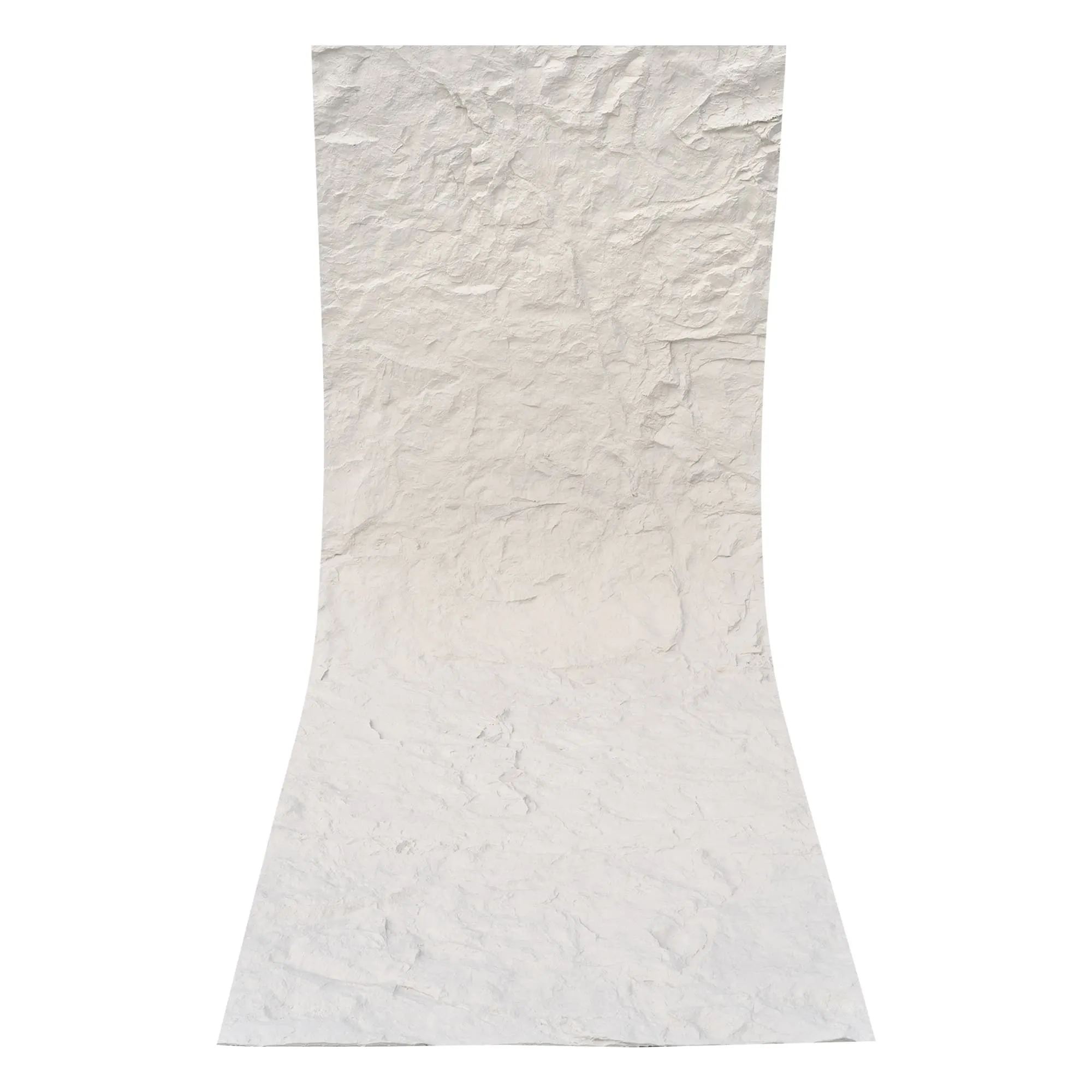
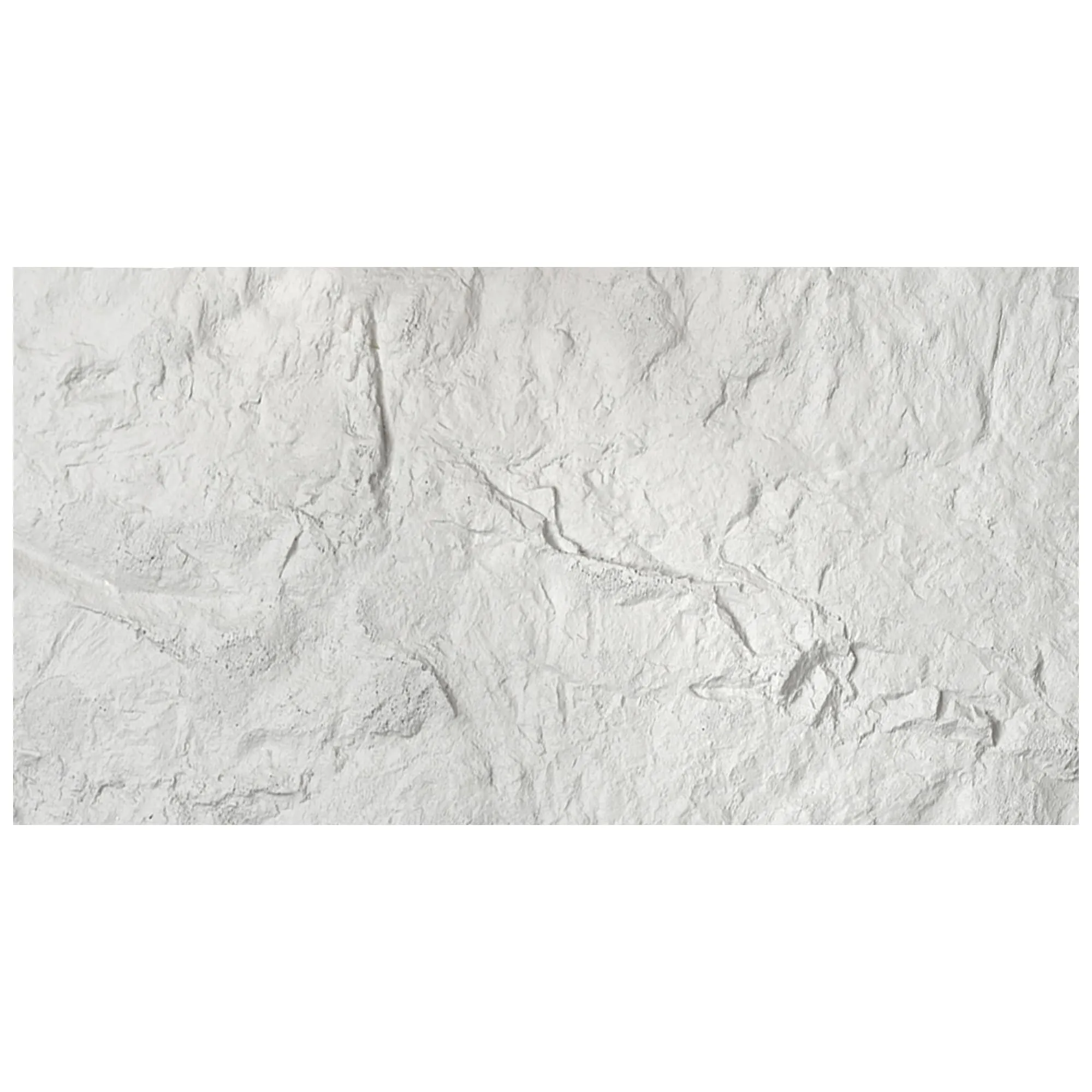
And it's not just about looks. Mold and mildew can trigger allergies, worsen asthma, and even damage the structural integrity of your bathroom over time. I've talked to homeowners who've spent hundreds on professional mold remediation, only to have the problem return six months later because the root cause—moisture-soaked materials—was never addressed. Travertine (beige), for example, is a stunning natural stone that many people love for its earthy, warm tones. But here's the catch: natural travertine is porous. Those tiny holes and veins that give it character? They're also perfect for trapping water. Even with regular sealing, over time, that water seeps in, creating the ideal environment for mold to thrive.
Then there's fair-faced concrete—a material celebrated for its industrial-chic vibe and durability. It's tough, no doubt, but concrete is also naturally porous. Without proper sealing (and re-sealing, and re-sealing again), water can penetrate, leading to discoloration and, you guessed it, mold. So what's the alternative? A material that's designed to stand up to moisture, not just tolerate it.
Boulder Slab: The Unsung Hero of Wet Spaces
If you haven't heard of Boulder Slab yet, let me introduce you. Part of the MCM (Modified Composite Material) product line, Boulder Slab is engineered to combine the best of natural aesthetics with modern durability. Unlike traditional stone or concrete, it's not mined or poured—it's crafted. Think of it as nature's beauty, reimagined with science. The result? A surface that looks and feels like it was hewn from rock, but with a secret weapon: built-in moisture resistance.
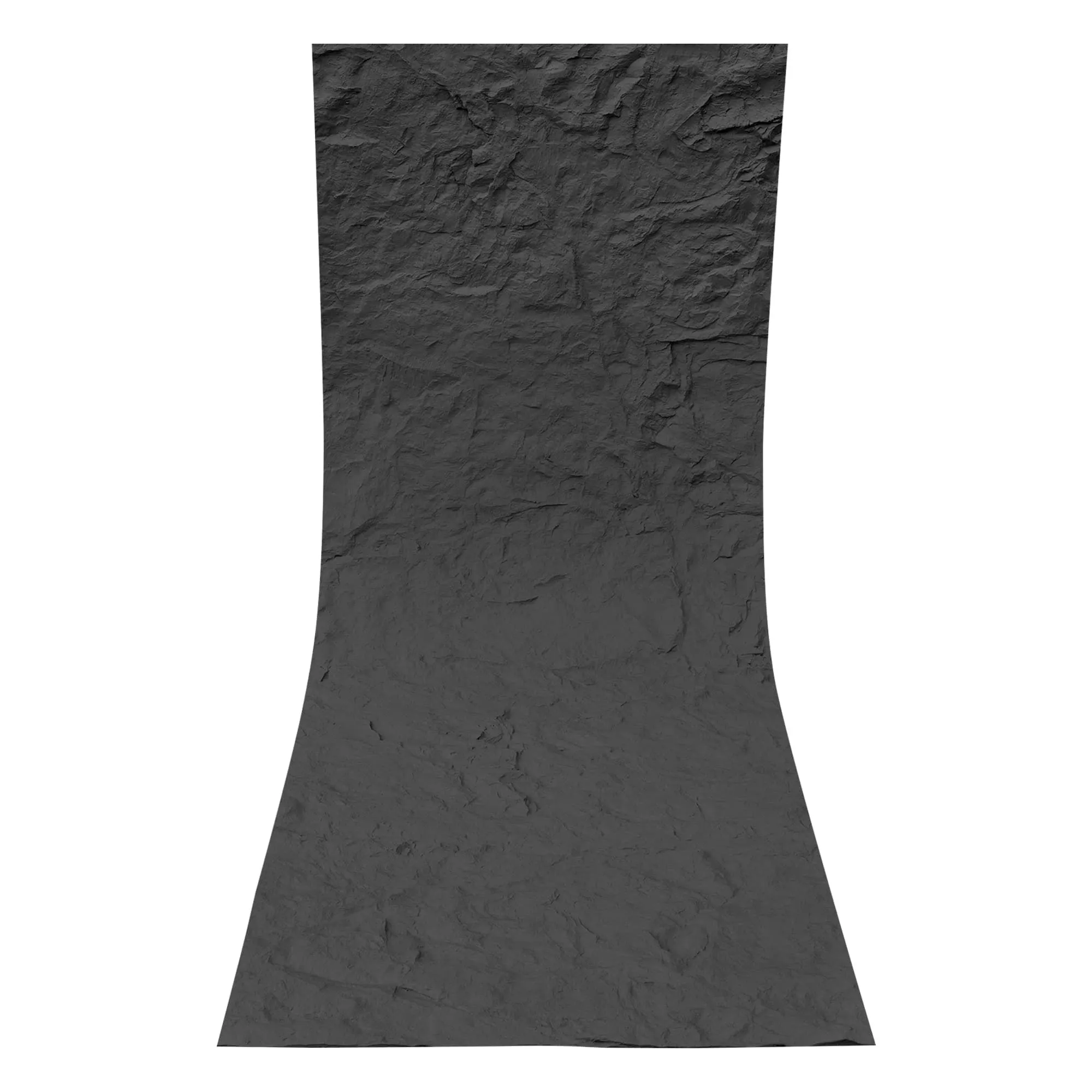
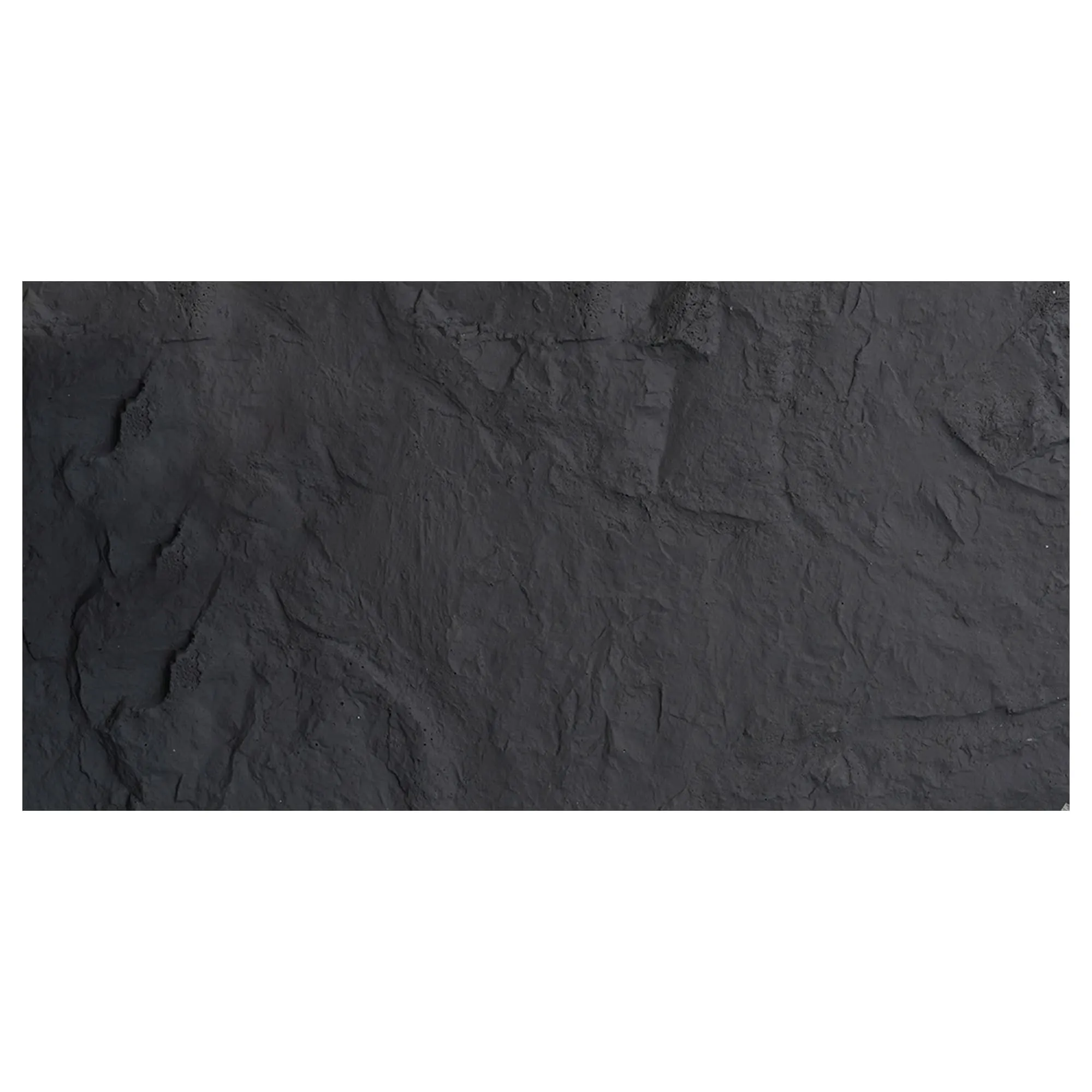
Let's break it down. Boulder Slab is made from a blend of natural minerals and polymers, compressed and treated to create a dense, non-porous surface. That means when water hits it—whether from a splash, steam, or a leak—it beads up and rolls off, instead of soaking in. I visited a friend's bathroom recently, and she showed me her Boulder Slab (vintage silver) shower walls. "I used to scrub my old travertine tiles every weekend and still find mold in the grout," she said, running her hand along the smooth, cool surface. "Now? I just wipe it down with a cloth after my shower, and that's it. No mold, no mildew, no stress."
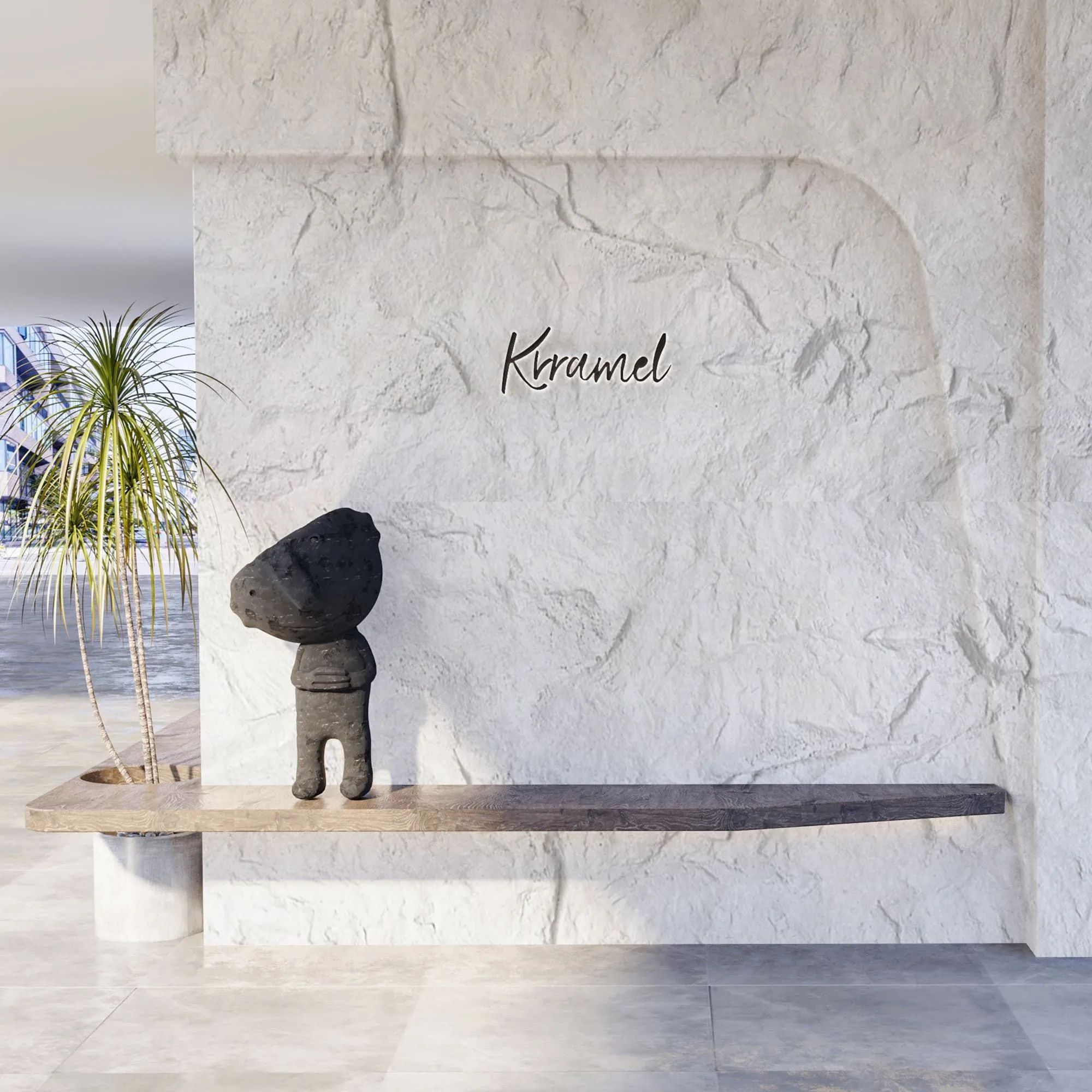
What I love most about Boulder Slab is that it doesn't sacrifice style for function. The vintage silver finish, for example, has this subtle, weathered sheen that mimics aged metal, but with the texture of natural stone. It adds warmth and character to the bathroom, whether your style is modern minimalist, rustic, or something in between. And it comes in other finishes too—vintage gold, vintage black—so you're not stuck with one look. It's versatile, which is a big plus when you're trying to design a space that feels like "you."
Why Boulder Slab Beats Moisture (and Mold) at Its Own Game
So, what exactly makes Boulder Slab so good at fighting moisture? Let's get into the details. First, its density. Natural stones like travertine (beige) have tiny pores that act like sponges. Even with a sealant, those pores can eventually absorb water, especially if the sealant wears thin. Boulder Slab, on the other hand, is engineered to be non-porous. That means there are no tiny holes for water to sneak into. It's like comparing a sponge to a raincoat—one soaks up water, the other repels it.
Second, it's lightweight. You might not think that matters for moisture resistance, but hear me out. Heavier materials like natural stone require thicker mortar beds and more grout, which can crack over time, creating gaps where water can seep in. Boulder Slab is lighter, so it needs less adhesive and fewer grout lines. Fewer grout lines mean fewer places for mold to hide. My contractor friend put it this way: "Grout is mold's best friend. The less of it you have, the better. Boulder Slab panels are larger than standard tiles, so you're cutting down on seams significantly."
Third, it's low-maintenance. Let's be honest—most of us don't have the time (or energy) for high-maintenance bathroom materials. Travertine (beige) needs to be sealed every 6-12 months, and even then, you have to avoid acidic cleaners that can etch the surface. Fair-faced concrete can stain if you leave standing water on it for too long. Boulder Slab? It's designed to be easy. A quick wipe with mild soap and water is usually all it takes. No special sealants, no fancy cleaners, no stress. That's a win for anyone who wants a beautiful bathroom without the upkeep.
How Does Boulder Slab Stack Up Against Other Bathroom Favorites?
To really understand why Boulder Slab is a standout, let's put it head-to-head with two other popular bathroom materials: travertine (beige) and fair-faced concrete. We'll look at moisture resistance, porosity, maintenance, style, and cost—all the things that matter when you're choosing materials for a wet space.
| Material | Moisture Resistance | Porosity | Maintenance Needs | Aesthetic Vibe | Avg. Cost (per sq ft) |
|---|---|---|---|---|---|
| Boulder Slab (vintage silver) | Excellent (water-repellent surface) | Non-porous | Low (wipe with soap and water; no sealing needed) | Industrial-chic with natural texture; subtle metallic sheen | $12–$18 |
| Travertine (beige) | Moderate (needs regular sealing) | High (natural pores and veins) | High (seal every 6–12 months; avoid acidic cleaners) | Warm, earthy, natural stone look with unique veining | $15–$25 |
| Fair-Faced Concrete | Moderate (prone to staining if unsealed) | Moderate (can absorb water over time) | Medium (seal every 1–2 years; avoid harsh chemicals) | Modern, minimalist, raw industrial look | $8–$15 |
Looking at the table, it's clear Boulder Slab pulls ahead in moisture resistance and maintenance. While fair-faced concrete is cheaper, it can't match Boulder Slab's water-repellent properties. Travertine (beige) wins on natural beauty but loses points on upkeep and mold risk. And when you factor in long-term costs—like buying sealants for travertine or repairing stained concrete—Boulder Slab often ends up being the more budget-friendly choice over time.
But don't just take my word for it. I spoke with Maria, an interior designer who specializes in bathroom renovations. "I used to specify travertine a lot because clients loved the look," she told me. "But I kept hearing the same complaints: mold in the grout, staining, constant sealing. Now, I recommend Boulder Slab to almost everyone. It gives that natural stone feel without the hassle. My clients are happier, and their bathrooms stay cleaner longer."
Installing Boulder Slab: Pro Tips for Maximum Moisture Protection
Even the best materials need proper installation to perform their best. Here's what you need to know to make sure your Boulder Slab bathroom stays mold-free for years to come.
First, prep the subfloor. Boulder Slab is lightweight, but it still needs a smooth, level surface. Make sure the subfloor is clean, dry, and free of cracks. If you're installing it over existing tile, consider removing the tile first—any unevenness can lead to gaps where water can seep in. A professional installer can help assess the subfloor and make any necessary repairs.
Second, pay attention to waterproofing. While Boulder Slab itself is moisture-resistant, the seams between panels and around fixtures (like showers and sinks) need extra protection. Use a high-quality waterproofing membrane around these areas to create a barrier. Think of it like adding an extra layer of armor—you want to make sure water can't sneak through the cracks.
Third, slope matters. In showers, the floor should slope gently toward the drain to prevent standing water. Boulder Slab can be cut to fit these slopes, but it's important to work with an installer who has experience with wet rooms. Standing water is mold's best friend, so you want to make sure it flows away quickly.
Finally, ventilation is key. Even with moisture-resistant materials, bathrooms need good airflow to reduce humidity. Install a high-quality exhaust fan (look for one with at least 80 CFM for small bathrooms) and use it every time you shower. Open a window if you have one—fresh air goes a long way in keeping moisture levels low. Boulder Slab can handle humidity, but it's not a replacement for good ventilation.
Caring for Your Boulder Slab Bathroom: Simple Steps for Long-Lasting Beauty
One of the best things about Boulder Slab is how easy it is to maintain. But a little care goes a long way in keeping it looking its best and resisting moisture. Here's what you need to do:
Wipe up spills quickly. While Boulder Slab is water-repellent, standing water can still leave mineral deposits over time, especially if you have hard water. After a shower, take a minute to wipe down the walls and floor with a squeegee or a soft cloth. It's a small habit that prevents buildup.
Clean with mild soap and water. Avoid harsh cleaners like bleach or ammonia—they can dull the finish over time. Instead, use a gentle dish soap or a pH-neutral cleaner. A soft sponge or microfiber cloth is all you need—no abrasive scrubbers, which can scratch the surface.
Check for leaks. Even with the best materials, leaks happen. Keep an eye on faucets, showerheads, and pipes. A slow drip under the sink can lead to moisture buildup, which can affect even the most moisture-resistant surfaces. Fix leaks promptly to avoid bigger problems down the line.
Refresh the grout (if needed). If your installation has grout lines (though Boulder Slab uses fewer than traditional tile), inspect them annually. If they start to crack or discolor, re-grout them to keep moisture out. It's a simple DIY project, but if you're not comfortable, a professional can do it quickly.
Enjoy it! Your bathroom should be a space you love, not a chore. With Boulder Slab, you can spend less time cleaning and more time relaxing. Whether you're unwinding with a long bath or rushing to get ready in the morning, a mold-free, low-maintenance bathroom makes life a little easier.
Ready to Say Goodbye to Mold and Hello to a Beautiful Bathroom?
Bathrooms are supposed to be spaces of relaxation, not frustration. Mold and mildew turn them into battlegrounds, but they don't have to. Boulder Slab offers a solution that's equal parts beautiful and practical—engineered to resist moisture, easy to maintain, and stylish enough to elevate any bathroom design.
Whether you're renovating an old bathroom or building a new one, the materials you choose matter. Travertine (beige) is lovely but high-maintenance; fair-faced concrete is durable but porous. Boulder Slab? It's the sweet spot—natural aesthetics with modern performance. It's not just a surface; it's a way to create a bathroom that works with your life, not against it.
So, the next time you're dreaming of a mold-free bathroom, remember: it's not just about cleaning harder. It's about choosing smarter. Boulder Slab might just be the material that transforms your bathroom from a moisture trap into a space you love—one that stays beautiful, healthy, and hassle-free for years to come. Your future self (and your lungs) will thank you.










