
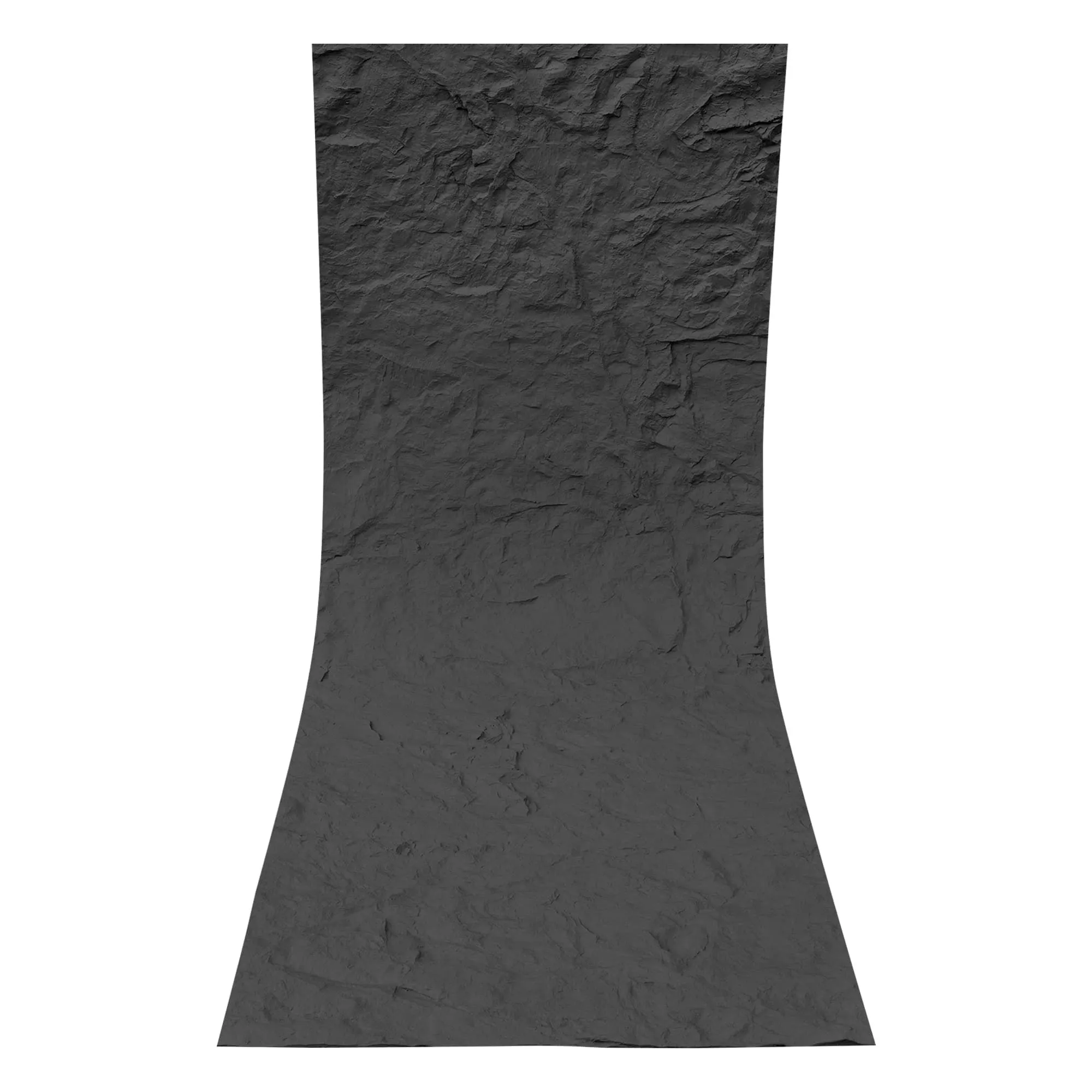
Let's start with a staggering number: the construction industry generates over 2 billion tons of waste annually worldwide. That's enough to fill landfills, clog incinerators, and leave a lasting mark on our planet. But here's the silver lining: as builders, architects, and homeowners lean into sustainability, materials like MCM panels are stepping into the spotlight. Specifically, boulder slab MCM panels—those sleek, vintage-finished beauties in silver, gold, and black—are becoming a favorite for their durability and style. But what happens when these panels reach the end of their lifecycle? That's where recycling comes in, and it's not just good for the planet—it's good for business, creativity, and the future of building.
First, let's get clear on what we're talking about. MCM stands for Modified Composite Material, and these panels are a marvel of modern construction. Think of them as the chameleons of building materials: lightweight, flexible, and designed to mimic the look of natural stone, wood, or metal without the heft or environmental cost. MCM flexible stone panels, for example, can bend to fit curved surfaces, while options like boulder slab (vintage silver) or boulder slab (vintage gold) bring that timeless, weathered elegance that architects and designers crave. But even the most durable materials don't last forever, and with construction projects booming, we can't keep treating old panels like yesterday's trash.
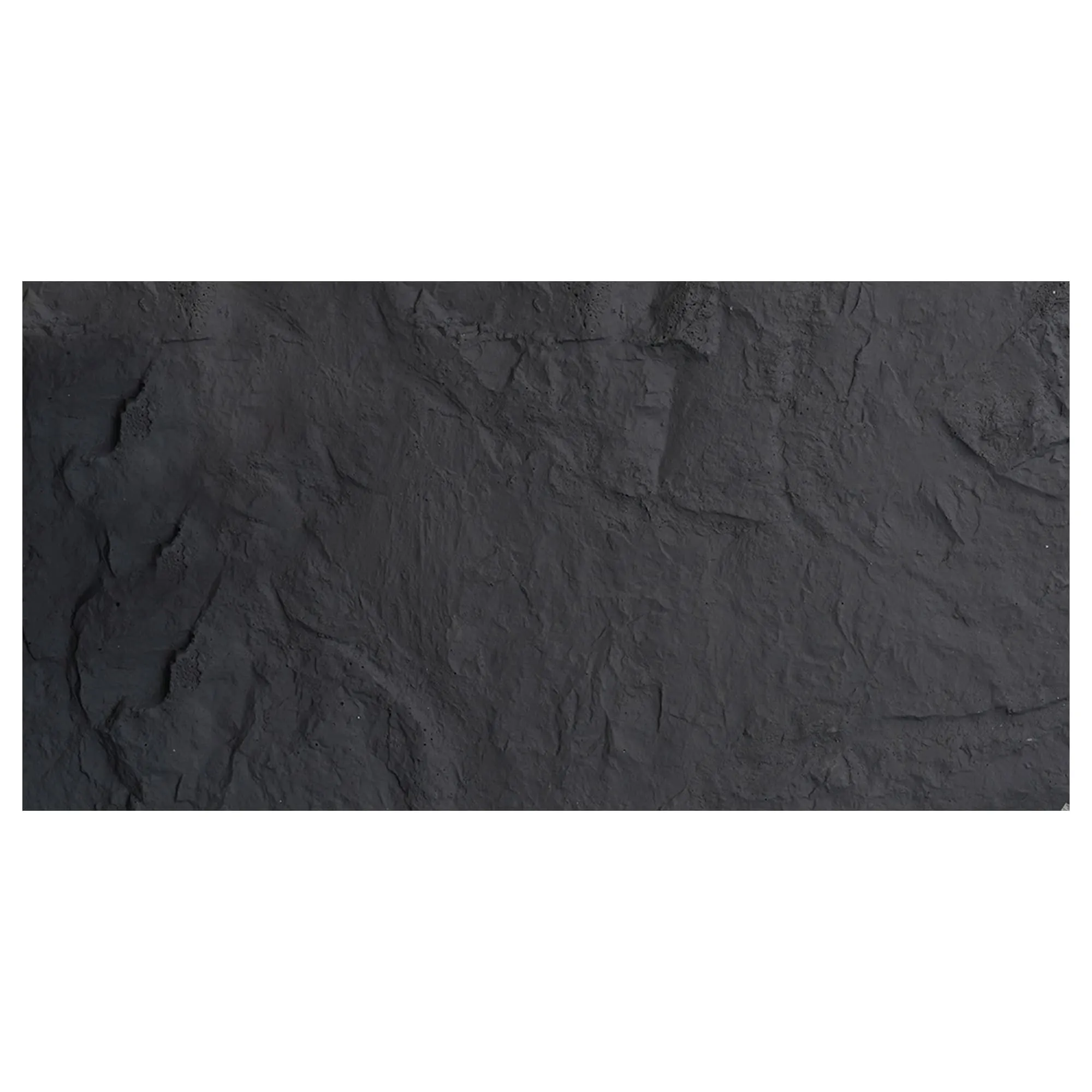
Here's the hard truth: most construction waste still ends up in landfills. When a building is renovated or demolished, old panels—including MCMs—are often torn down, loaded onto trucks, and dumped. It's quick, it's easy, and in the short term, it might seem cheap. But let's break down the costs we don't see. Landfills release methane, a potent greenhouse gas. Mining new raw materials for replacement panels guzzles energy and water. And those vintage finishes? The vintage black boulder slab that gave a storefront its character? Once it's in a landfill, that character is lost forever, along with the resources that went into making it.
Take traditional stone cladding, for comparison. Natural travertine or granite requires heavy machinery to quarry, which scars landscapes and uses massive amounts of energy. MCM panels were invented to fix that—they use less raw material, weigh 70% less than natural stone, and reduce transportation emissions. But if we toss them after use, we're undoing those benefits. It's like buying a reusable water bottle and then throwing it away after one use—why bother with the sustainable option if we don't close the loop?
And it's not just environmental. For contractors and developers, disposal fees add up. Landfill costs vary by location, but in many cities, tipping fees can run $50–$100 per ton. Multiply that by the number of panels in a commercial project, and suddenly "easy" disposal starts looking expensive. Recycling, on the other hand, can turn that cost into an opportunity—either by reusing the panels directly or selling recycled materials to manufacturers.
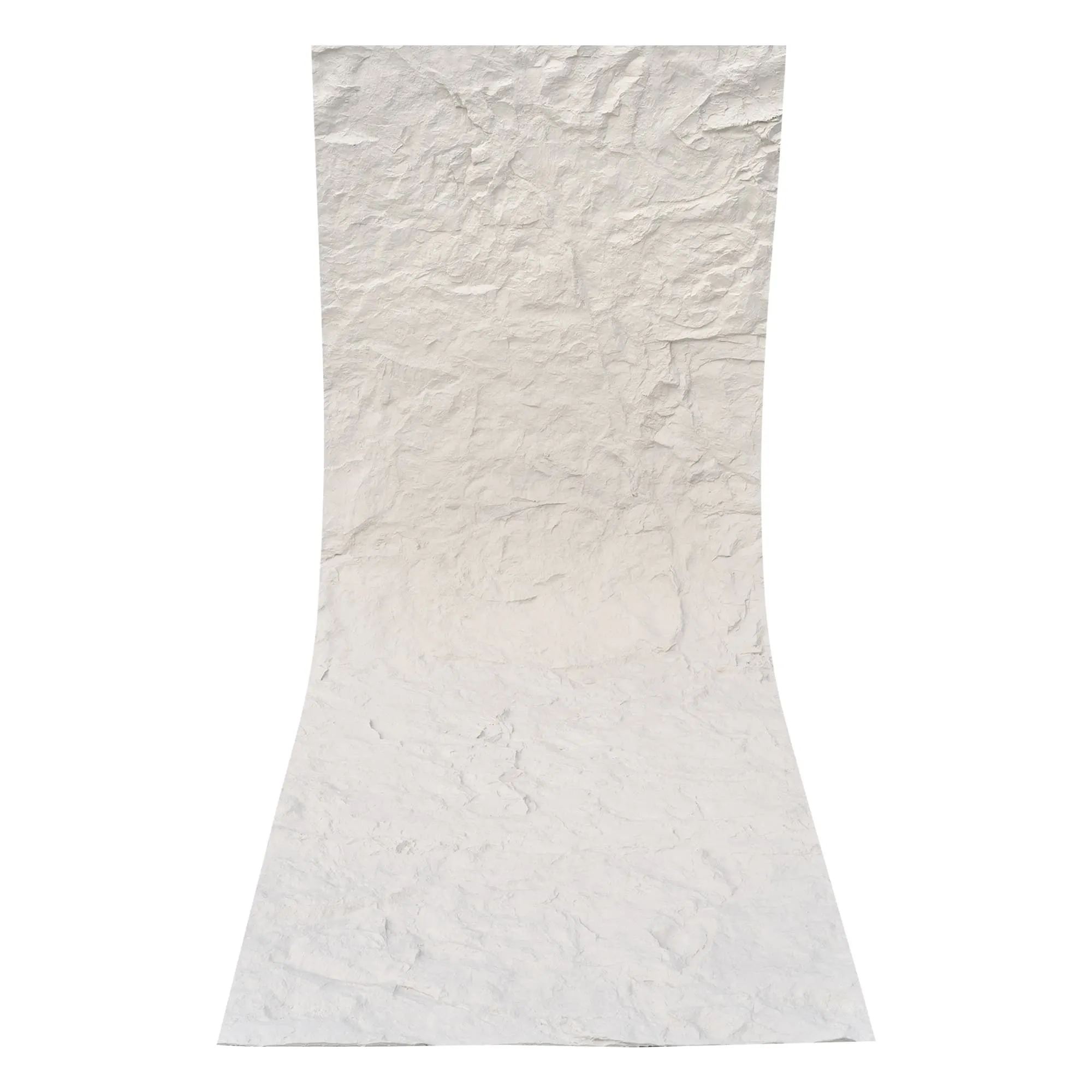
Recycling MCM panels isn't rocket science, but it does require a little know-how and planning. Let's walk through the process step by step, using boulder slab as our example—though the same principles apply to other MCMs like foamed aluminium alloy board (vintage silver) or linear travertine .
It all starts at the demo site. Instead of piling panels with broken drywall and concrete, contractors need to separate MCM panels from other waste. This might mean training crews to identify MCMs—look for the signature flexibility and composite backing—or partnering with recycling companies that specialize in construction materials. Once collected, panels are sorted by type: boulder slab here, wood grain board there, and so on. Why? Because different MCM formulations (like those with foamed aluminium alloy cores vs. stone-based) require different recycling processes.
Next, the panels get a spa day. Pressure washing removes dirt, paint, or adhesives. Then, each panel is inspected: Is it cracked? Warped? If it's still in good shape—say, a vintage gold boulder slab with only minor scratches—it might be reusable as-is. If not, it's time to break it down.
For panels that can't be reused whole, mechanical processing is key. Think industrial shredders that grind the panels into small flakes. These flakes are then separated into their core components: the outer decorative layer (which might be a stone composite or foamed aluminium alloy (vintage silver) ), and the backing material (often a polymer or fiberglass). The decorative flakes can be mixed with new resins to create fresh MCM panels, while the backing might be repurposed into other composite products, like park benches or garden edging.
Some companies even use chemical processing for trickier materials, dissolving adhesives or coatings to recover pure components. The goal? To keep as much of the original material in circulation as possible, reducing the need for new raw materials.
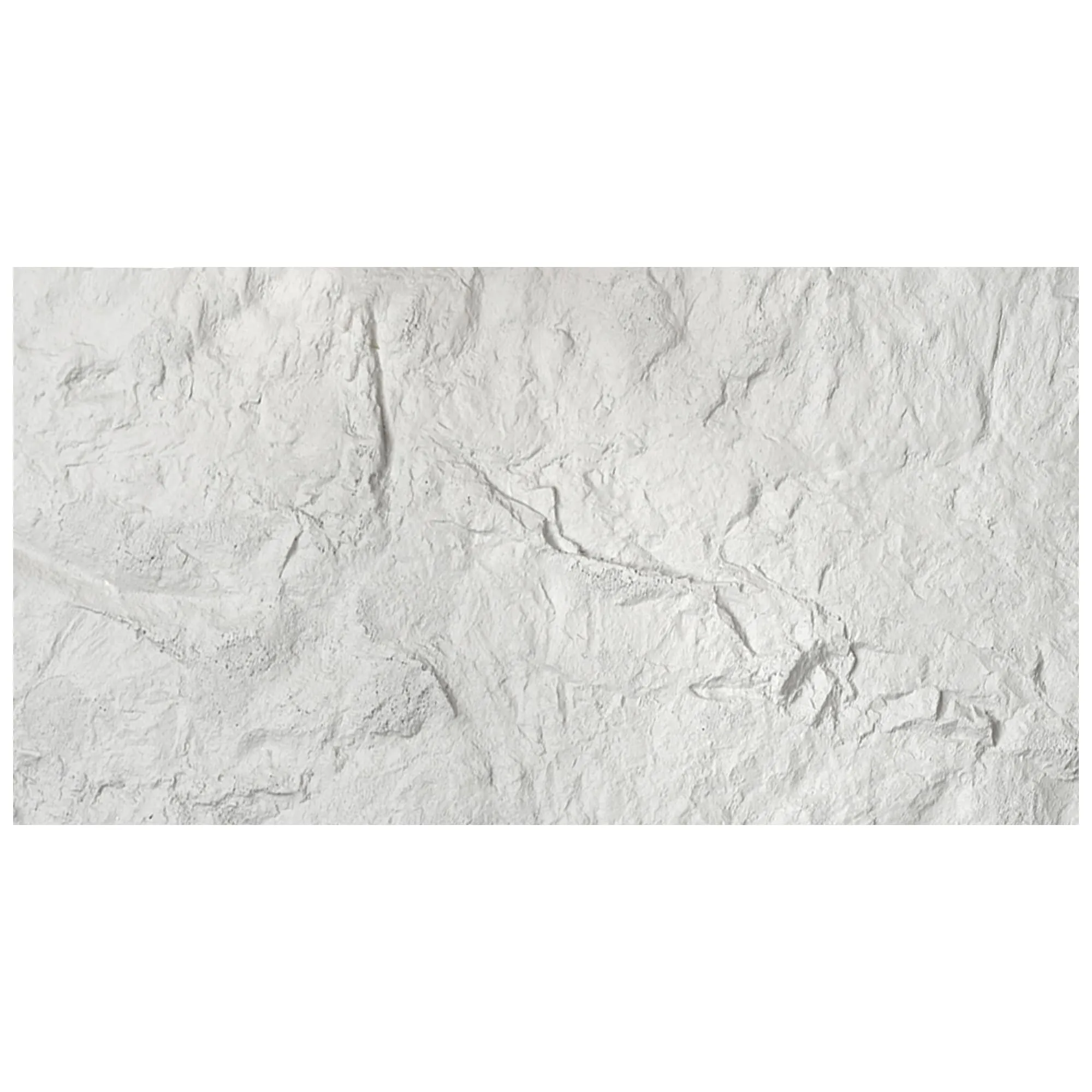
Recycling isn't just about breaking things down—it's about reimagining their purpose. Some of the most exciting uses for old boulder slab panels have nothing to do with construction. Let's get creative.
Imagine walking into a café and being greeted by a wall covered in boulder slab (vintage black) panels that once clad a downtown office building. The weathered texture tells a story, and the café owner saved money by repurposing instead of buying new. Designers are loving this trend—reused MCM panels add character that can't be replicated with brand-new materials. A vintage silver boulder slab panel might become a backsplash in a kitchen, or a travertine (starry blue) offcut could become a unique countertop for a home bar.
Outdoors, old panels shine. Crushed boulder slab can be mixed into pathways, adding color and texture to gardens. Whole panels can be used as stepping stones or retaining walls. One landscaping company in Colorado even repurposed vintage gold boulder slab panels as decorative borders around flower beds—turning demolition waste into curb appeal.
Artists are getting in on the action, too. Sculptors use cut MCM panels to create wall hangings or 3D installations. Furniture makers repurpose larger panels into tabletops or shelving—imagine a desk made from a reclaimed boulder slab (vintage silver) panel, its edges sanded smooth and sealed with a clear coat. It's functional art with a sustainability twist.
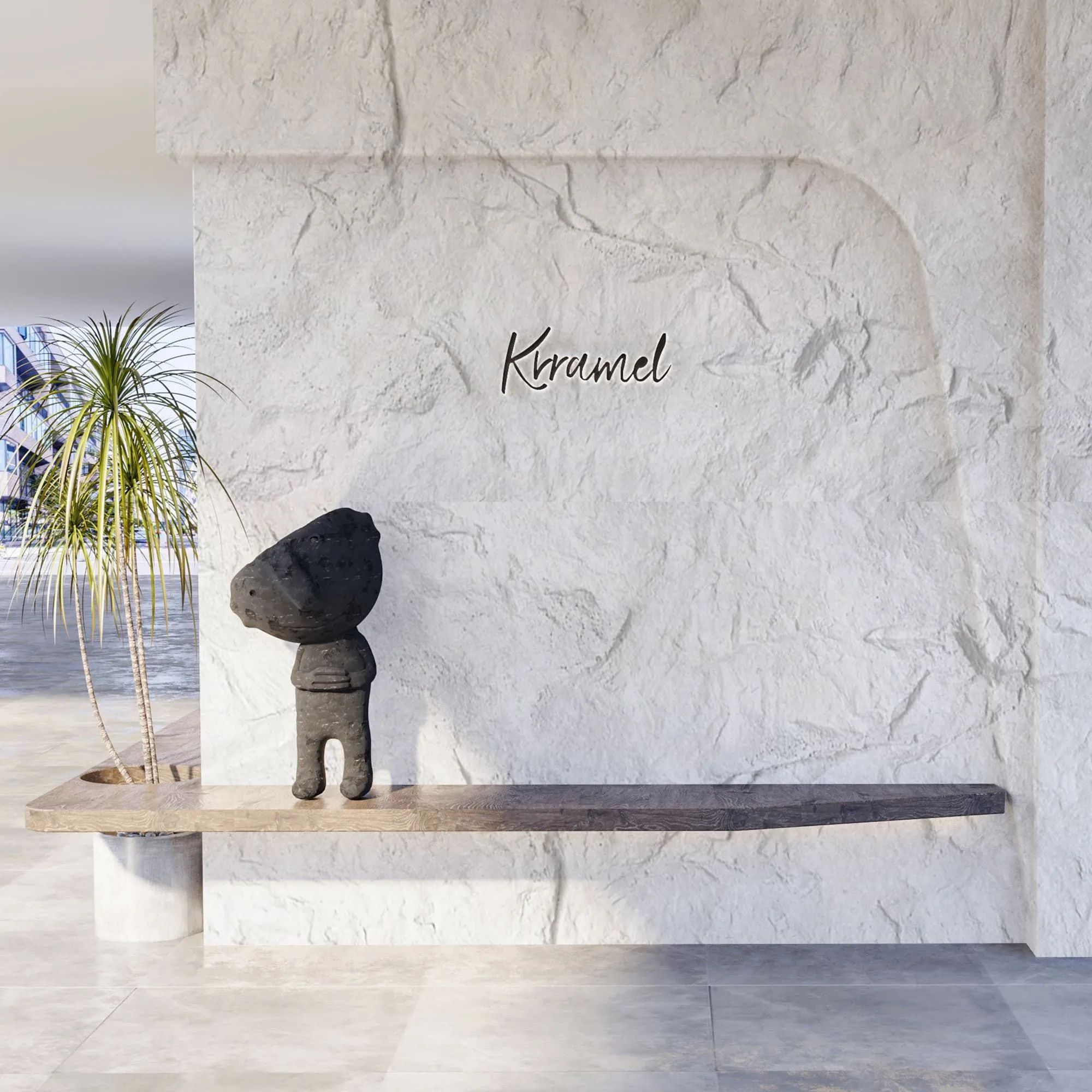
Still on the fence? Let's talk numbers. Recycling MCM panels—especially boulder slab—checks so many boxes, it's hard to ignore.
| Traditional Disposal | Recycling & Reuse |
|---|---|
| Costs $50–$100 per ton in landfill fees | Reduces disposal costs by 40–60% (some recyclers even pay for clean panels) |
| Releases methane and CO2 from landfills | Cuts carbon footprint by 30–50% vs. producing new panels |
| Wastes non-renewable resources (stone, metal ores) | Saves 70% of the energy needed to mine and process new raw materials |
| Misses opportunities for brand storytelling | Boosts brand reputation as a green building materials leader |
Take the example of a mid-sized hotel chain that recently renovated 10 locations. Instead of landfilling 20 tons of old boulder slab (vintage gold) panels, they partnered with a recycling firm. The panels were processed, and 80% of the material was turned into new MCM panels for their next renovation. The result? They saved $12,000 in disposal fees, reduced their carbon emissions by 15 tons, and got a marketing boost by highlighting their "closed-loop" approach to construction. Win-win-win.
The construction industry is waking up to sustainability, and MCM panel recycling is poised to lead the charge. Governments are tightening regulations on landfill waste, and clients—homeowners, businesses, even cities—are asking for green building materials and circular economy practices. Architects are specifying recyclable MCM panels in their designs, and manufacturers are developing panels with easier-to-recycle formulations (think fewer adhesives, more standardized components).
But it's not just about policy—it's about culture. We need to shift from "use and discard" to "use, reuse, recycle." That means contractors adding recycling bins to demo sites, designers seeing old panels as resources, and consumers valuing the story behind a material as much as its look. A boulder slab (vintage black) panel that's been recycled isn't just a panel anymore—it's a symbol of progress.
At the end of the day, recycling boulder slab MCM panels isn't just about waste management. It's about respecting the resources we've been given, finding creativity in constraint, and building a world where "old" doesn't mean "useless." Whether it's a vintage silver boulder slab turned into a community center's accent wall or a shredded foamed aluminium alloy board becoming a playground slide, these panels have more to give.
So the next time you walk past a construction site or admire a building's sleek cladding, take a second to wonder: Where did those materials come from? And where will they go next? If we keep asking that question, we'll keep finding better answers—for our buildings, our planet, and the generations who'll build after us.
Recommend Products












