
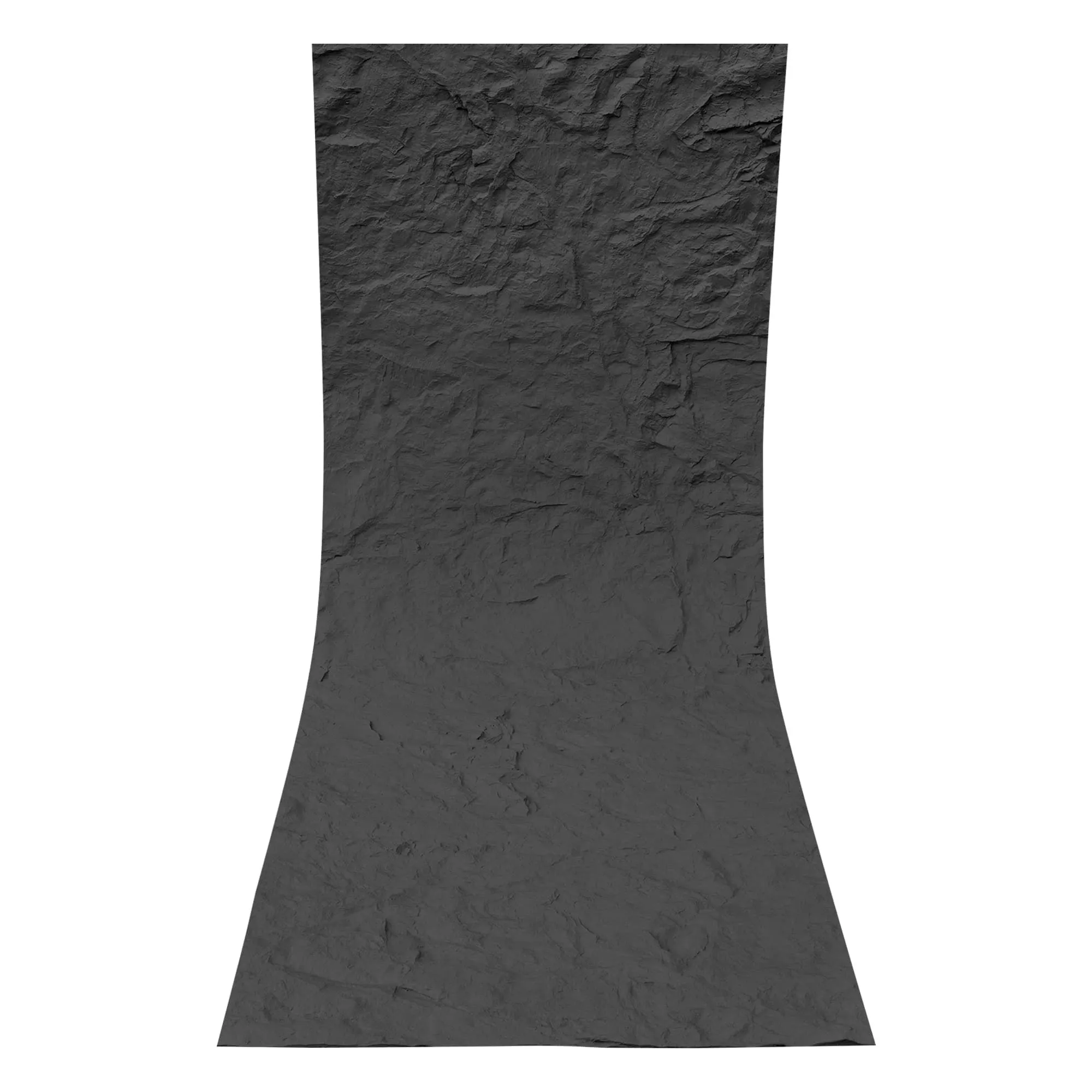
Walk into any thoughtfully designed space, and you'll notice it before you can name it—the texture. It's the quiet force that turns a room from "nice" to "unforgettable." Whether it's the rough-hewn charm of a stone wall or the sleek precision of a concrete floor, texture shapes how we feel in a space. In recent years, one material has emerged as a bridge between the timeless allure of natural textures and the clean lines of modern design: Boulder Slab. More than just a surface, it's a texture storyteller—especially in its vintage-finish variants. Let's dive into how Boulder Slab (vintage silver, vintage gold, vintage black) and its counterparts are redefining what's possible in interior and exterior design.
First things first: What *is* Boulder Slab? Think of it as the design world's answer to "why choose between durability and beauty?" Engineered to mimic the weighty presence of natural stone—think granite or travertine—Boulder Slab is surprisingly lightweight, making installation a breeze even for large-scale projects. It's crafted from a blend of high-strength composites, so it resists chips, scratches, and the wear of daily life better than many natural stones. But the real magic? Its "vintage" finishes. These aren't just colors—they're intentional patinas, designed to look like they've been loved for decades, yet with a uniformity that keeps them grounded in modern minimalism. It's the best of both worlds: character without chaos, and consistency without coldness.
Boulder Slab's vintage collection isn't about flashy metallics or one-size-fits-all shades. Each color tells a different story, tailored to evoke specific moods and complement diverse design styles. Let's break them down:
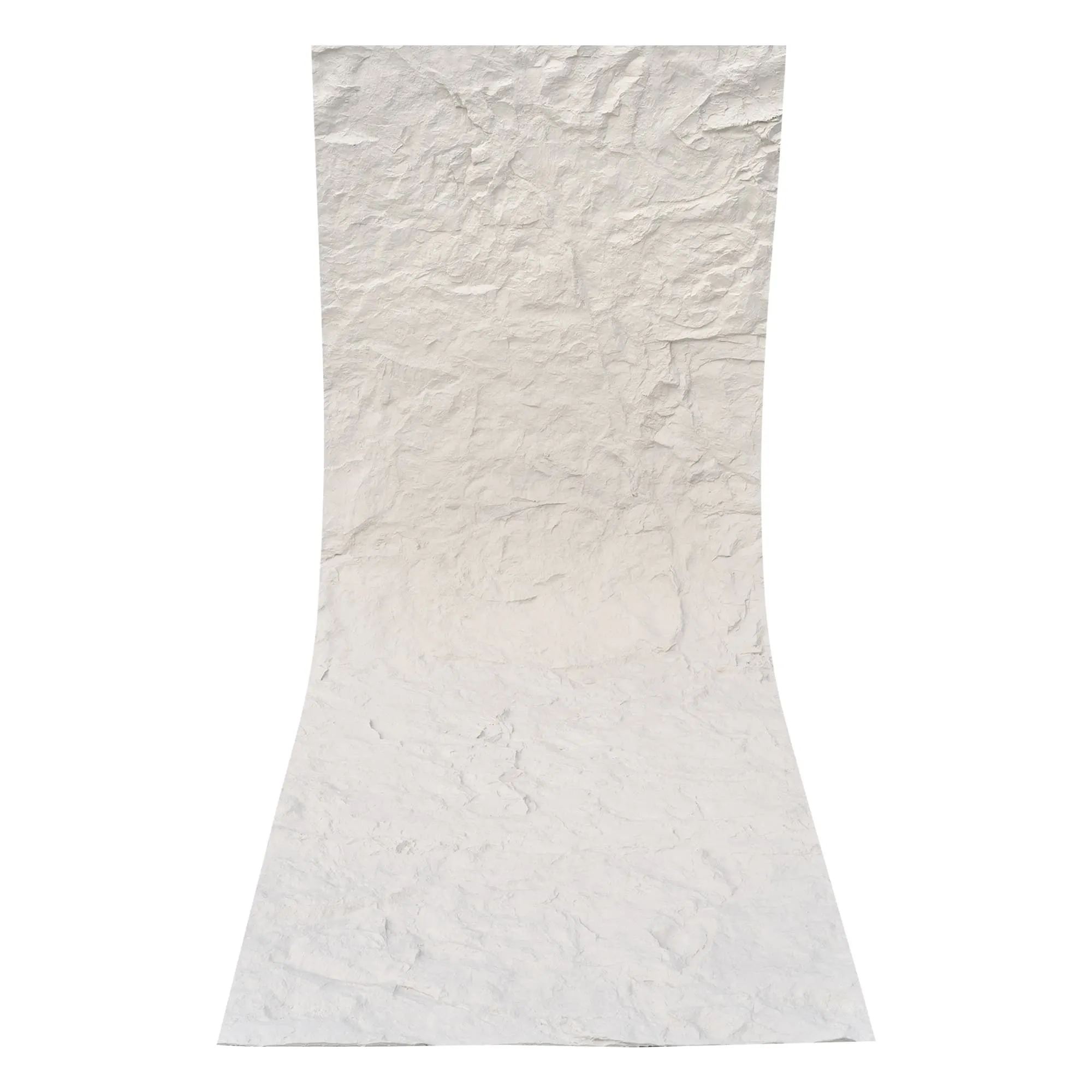
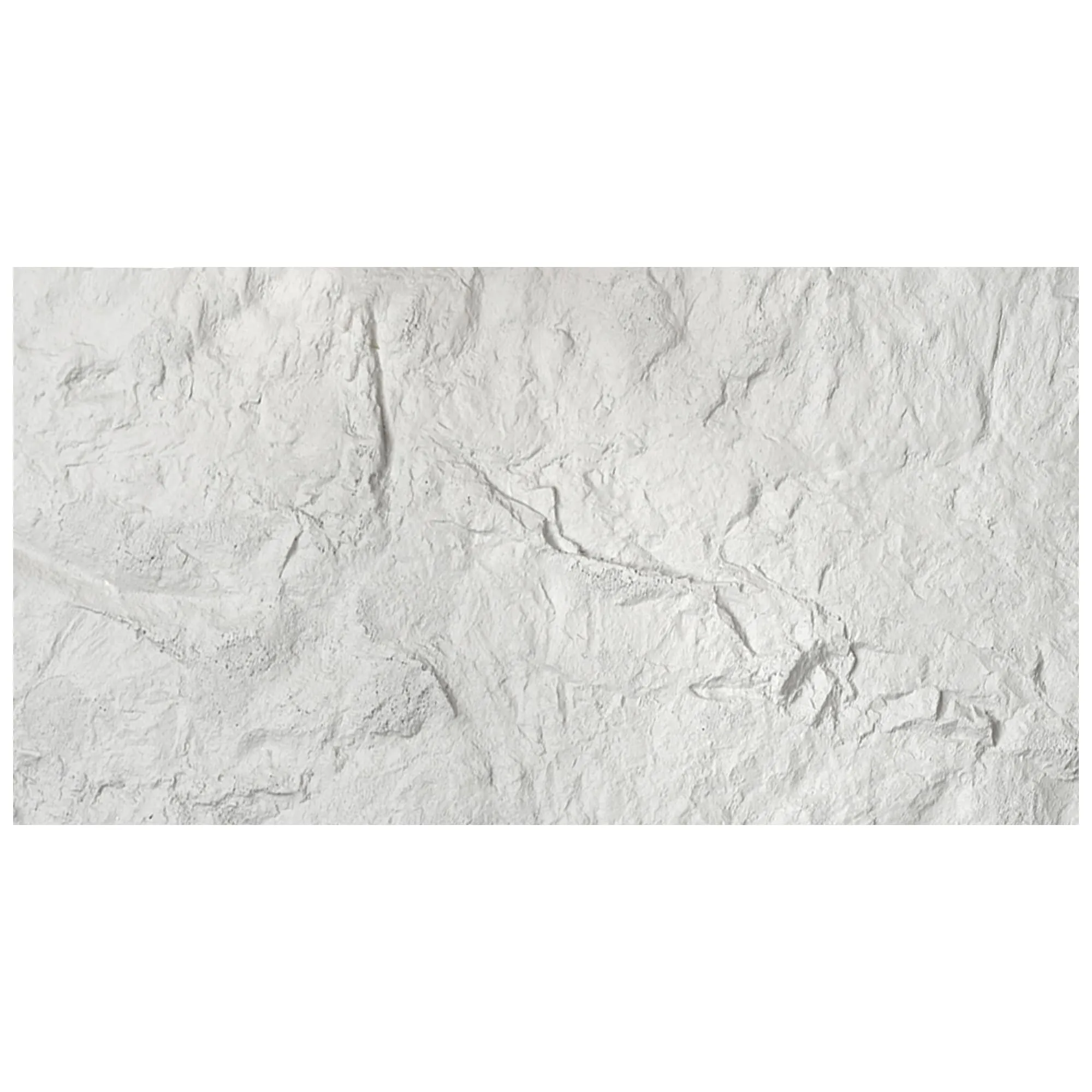
Vintage silver is the quiet achiever of the trio. Picture a brushed nickel finish that's been gently aged—cool, silvery undertones softened by tiny specks of patina, like frost on a windowpane in early morning. It's not stark or industrial; instead, it has a subtle warmth, thanks to the texture of the vintage finish. Run your hand over it, and you'll feel a slight grain, like sanded wood but with a metallic edge. This versatility makes it a favorite for spaces that need brightness without feeling clinical.
In a kitchen, a vintage silver Boulder Slab backsplash pairs beautifully with warm wood cabinetry and matte black hardware—the cool metal tones balance the wood's warmth, creating a space that feels both modern and inviting. In a home office, it works as a desk surface: durable enough for laptops and coffee mugs, and the texture hides minor scratches, keeping the space looking polished even on busy days. It's also a star outdoors—on a covered patio wall, it reflects sunlight without glare, turning a simple seating area into an oasis of calm.
Gold in design can be tricky—too much, and it feels gaudy; too little, and it fades. Boulder Slab (vintage gold) hits the sweet spot. This isn't the brash, shiny gold of 80s excess. Think more "antique brass meets sunlit honey": a muted, warm tone with a soft sheen that glows rather than glares. The vintage finish adds depth—tiny, irregularities in the patina that catch light, making the surface feel alive. It's luxury, but the kind that says, "I've been here awhile, and I'm only getting better."
Hospitality designers are already falling for it. Imagine a boutique hotel lobby where the reception desk is clad in vintage gold Boulder Slab. The warm tones welcome guests, while the slab's clean lines keep the space from feeling overly traditional. In restaurants, it works as a bar front—paired with dark wood shelves and Edison bulbs, it creates a mood that's equal parts cozy and sophisticated. Even in residential spaces, a vintage gold accent wall in a bedroom adds a touch of opulence without making the room feel like a museum piece. It's the kind of texture that grows on you, getting more charming as it ages alongside your life.
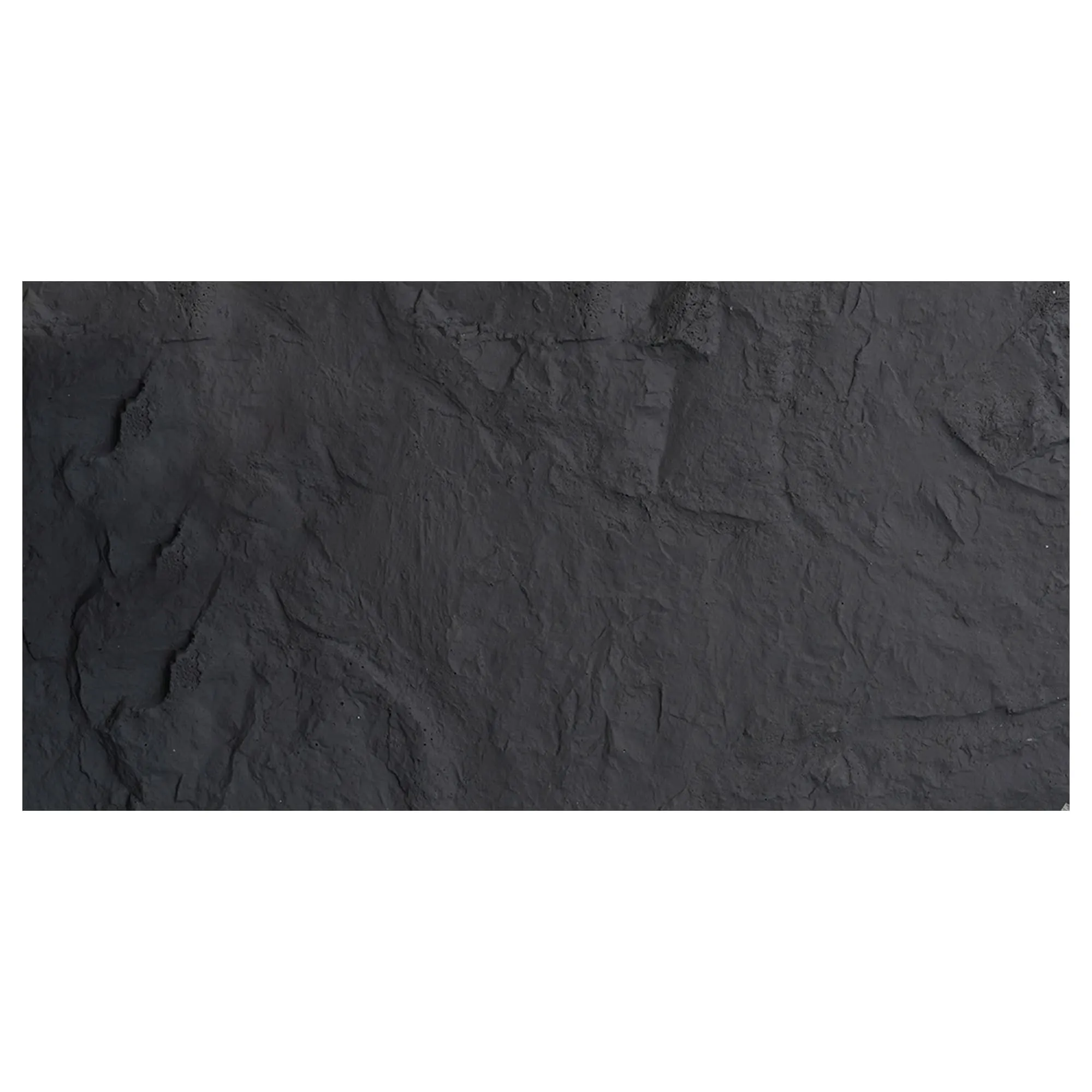
Black is bold, but Boulder Slab (vintage black) is bold with nuance. Unlike flat, matte black surfaces that can feel heavy, this finish has depth. The vintage treatment adds subtle variations—tiny flecks of lighter gray that catch the light, giving the slab a "lived-in" look. It's deep, rich, and surprisingly versatile. Think of it as the design equivalent of a little black dress: it works everywhere, but it never feels basic.
In commercial spaces, it's a showstopper. A retail store selling high-end leather goods could line its walls with vintage black Boulder Slab—the dark backdrop makes the products pop, while the texture adds a tactile element that invites customers to slow down and explore. At home, it shines as a fireplace surround: the contrast between the black slab and flickering flames is mesmerizing, turning a functional feature into a focal point. Even in small spaces, like a powder room, a vintage black vanity top feels luxurious without overwhelming the room. It pairs beautifully with white subway tiles for a classic contrast or with wood grain board for a warm, earthy vibe.
| Variant | Key Features | Best For | Design Vibe |
|---|---|---|---|
| Boulder Slab (vintage silver) | Cool silver base with subtle patina; smooth yet textured surface | Kitchen backsplashes, home offices, outdoor patios | Bright, airy, and modern—balances warmth and coolness |
| Boulder Slab (vintage gold) | Muted gold with antique brass undertones; soft, glowing finish | Hotel lobbies, restaurant bars, bedroom accent walls | Luxurious yet approachable—cozy sophistication |
| Boulder Slab (vintage black) | Deep black with flecks of gray; rich, light-catching texture | Retail spaces, fireplace surrounds, powder rooms | Dramatic but not heavy—timeless elegance with edge |
Natural stones like travertine (starry blue) or marble interstellar gray have their own charm—unique veining, organic patterns, and that "one-of-a-kind" appeal. But they're also porous, prone to staining, and often require regular sealing. On the flip side, industrial materials like fair-faced concrete are durable but can feel cold, lacking the warmth of natural textures. Boulder Slab solves this dilemma.
Take, for example, wood grain board—a popular choice for adding natural texture. It's warm, organic, and instantly makes a space feel homey. But wood grain board, even engineered versions, can warp in humid environments and needs careful maintenance. Boulder Slab, with its vintage finishes, offers a different kind of texture: structured, consistent, and impervious to moisture. It's the texture of a well-loved cabin meets the resilience of a modern office building. Or compare it to travertine (vintage silver)—a natural stone with a similar color palette. Travertine has beautiful, unique pores and veining, but its inconsistency can be a headache for large projects. Boulder Slab (vintage silver) gives you that same silvery warmth but with uniform texture, so your accent wall or countertop looks intentional, not haphazard.
Boulder Slab's versatility is part of its appeal. Let's talk real-world applications:
Residential Spaces: In kitchens, it's a game-changer. A vintage silver Boulder Slab countertop resists stains from coffee and red wine, and its texture hides water spots better than glossy surfaces. In bathrooms, it works as a shower wall—durable enough to handle daily use, and the vintage finish adds character to an otherwise utilitarian space. Even fireplaces: swap out traditional brick for vintage black Boulder Slab, and suddenly your living room feels both modern and cozy.
Commercial Design: Retailers love it for feature walls—its texture draws the eye, making window displays pop. Offices, especially creative agencies, are using vintage gold Boulder Slab in breakout areas to foster a collaborative, inspiring vibe. Restaurants and cafes? Vintage black tabletops are a hit—they're easy to clean, and the texture adds visual interest to even the simplest dish presentation.
Outdoor Areas: Covered patios, pool surrounds, and outdoor kitchens—Boulder Slab holds up to rain, sun, and temperature swings better than many natural stones. Imagine a backyard patio with vintage silver Boulder Slab flooring: it looks like aged metal but won't rust or corrode, and it stays cool underfoot even on hot days.
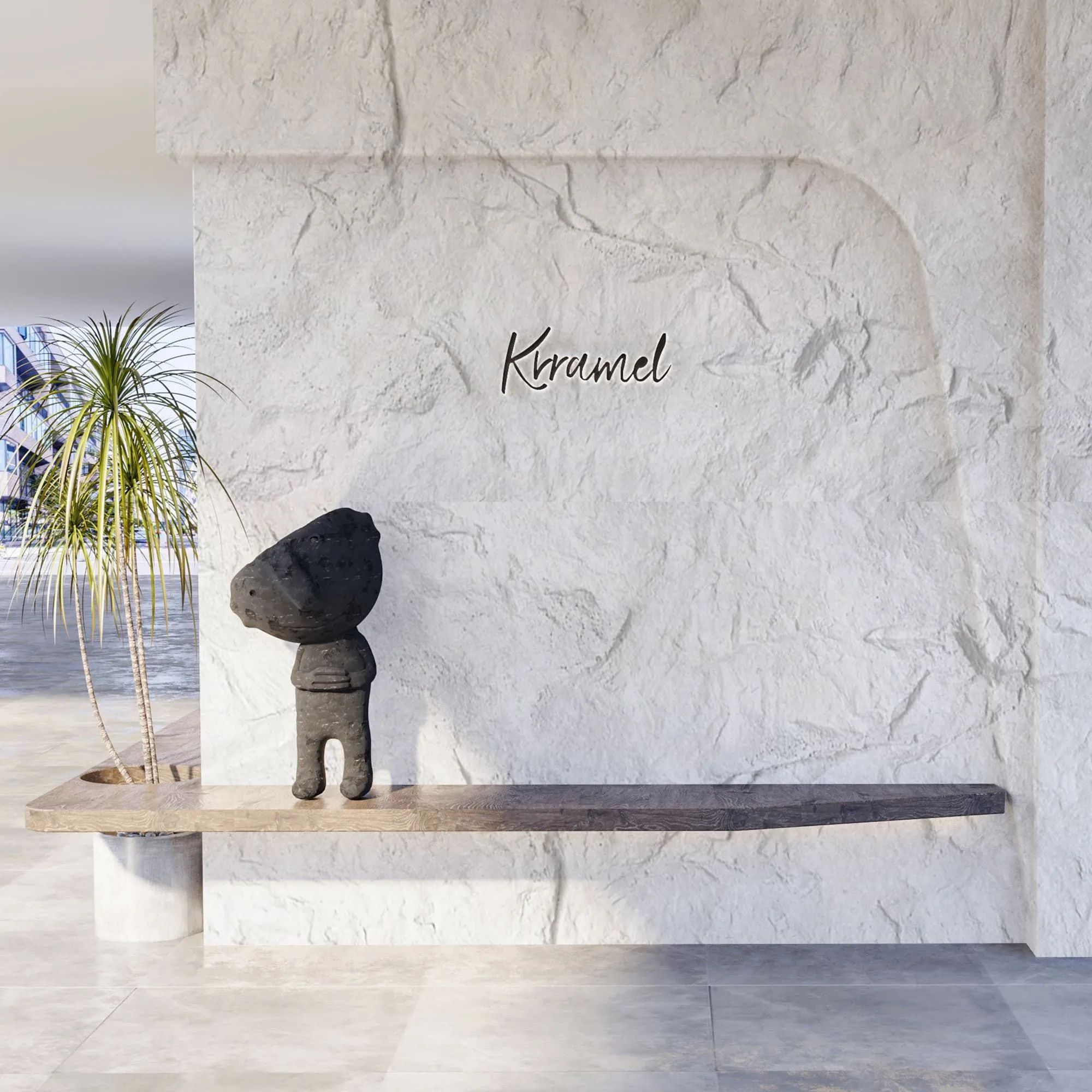
Texture is all about balance. Here's how to make Boulder Slab shine alongside other materials:
- Vintage Silver + Wood Grain Board: Cool meets warm. Use vintage silver Boulder Slab for a kitchen backsplash and wood grain board for the cabinets. The wood softens the silver's coolness, creating a space that feels both modern and grounded.
- Vintage Gold + Travertine (Beige): Layered neutrals. A vintage gold accent wall paired with travertine (beige) flooring adds depth without overwhelming the room. It's perfect for living rooms or bedrooms where you want calm with a hint of luxury.
- Vintage Black + Fair-Faced Concrete: Monochromatic magic. For an industrial-chic look, pair vintage black Boulder Slab with fair-faced concrete floors. Add brass fixtures for warmth, and you've got a space that's edgy but not sterile.
At the end of the day, texture isn't just about how something looks—it's about how it makes you feel. Boulder Slab (vintage silver, vintage gold, vintage black) understands this. Its vintage finishes evoke nostalgia, while its modern design keeps it fresh. It's the texture of a space that feels like it's been part of your story for years, even if it's brand new. Whether you're designing a cozy home or a bold commercial space, Boulder Slab isn't just a material choice—it's a texture choice. And in design, texture is everything.
Recommend Products












