
How a modern building material is redefining comfort, sustainability, and style—one vintage finish at a time
Let's start with a scenario we've all lived through: It's a sweltering July afternoon, and you're in a conference room that feels more like a sauna. The AC is humming loudly, but the air near the windows is still warm—like the wall itself is bleeding heat. Later that evening, you step into a friend's apartment, and despite the heater running, there's a draft near the front door that makes you reach for a sweater. Sound familiar? For too long, buildings have been caught in this cycle: fighting against the weather instead of working with it.
Traditional materials like brick, standard concrete, or even fair-faced concrete are tough, sure—but they're lousy at keeping temperature steady. In winter, they leach heat out of a room faster than you can say "thermostat." In summer, they soak up sunlight and radiate it back indoors, turning your space into an oven. The result? Sky-high energy bills, overworked HVAC systems, and a constant sense of discomfort. And let's not forget aesthetics—many insulation-focused materials are functional but frumpy, leaving architects and homeowners choosing between "practical" and "pretty."
But what if there was a material that didn't force that choice? One that could keep your home or office cozy in winter, cool in summer, and look stunning while doing it? Enter Boulder Slab —a building material that's quietly rewriting the rulebook for energy-efficient design.
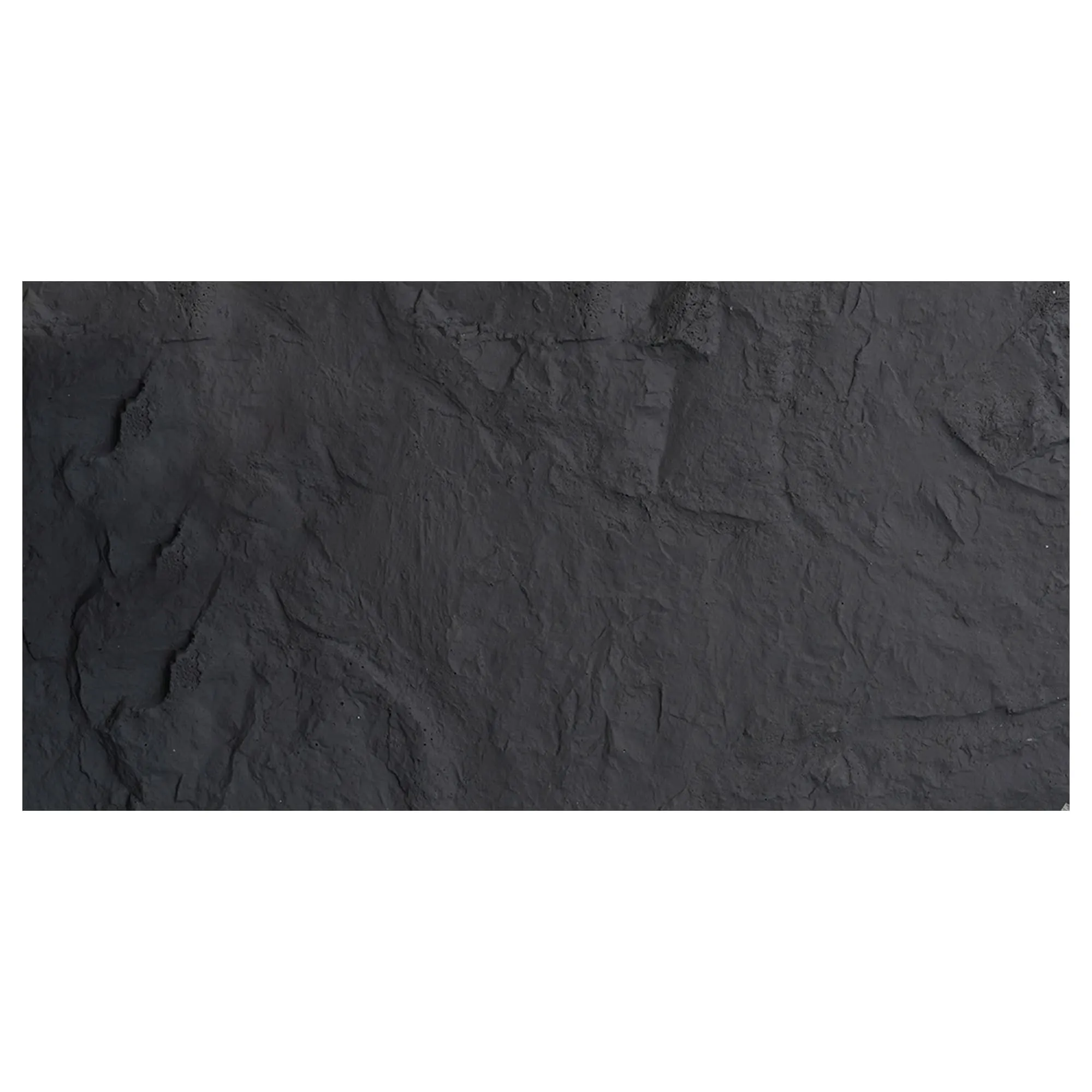
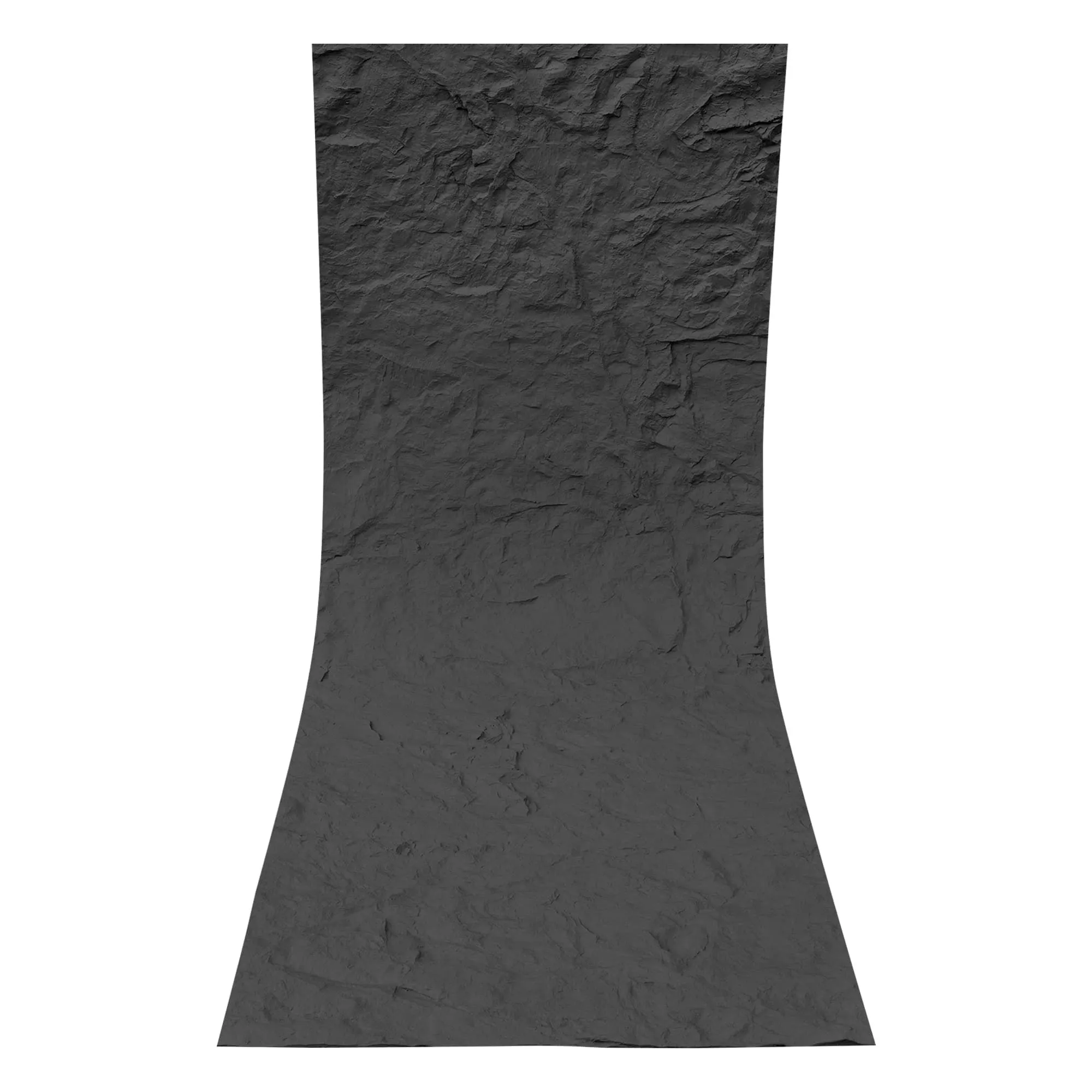
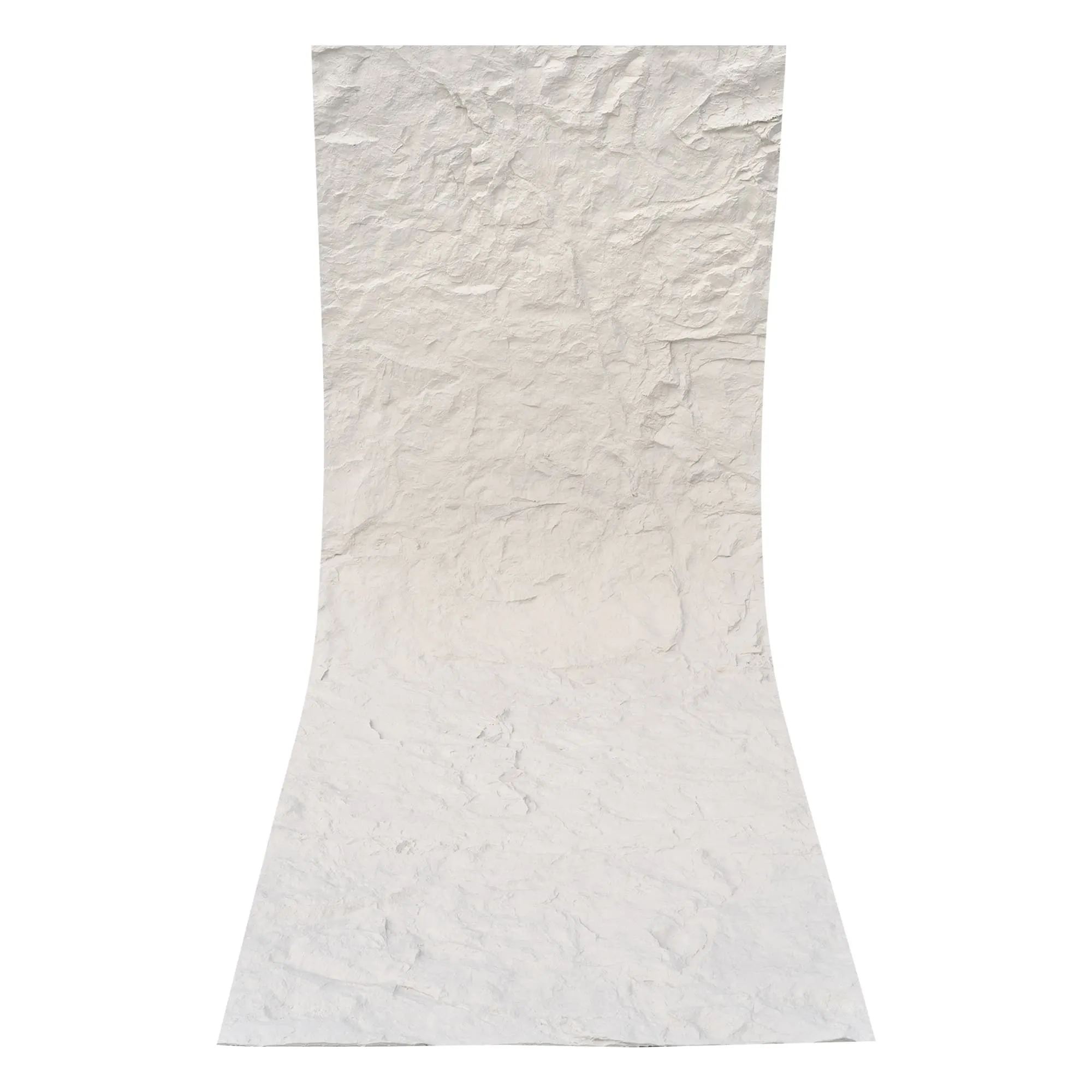
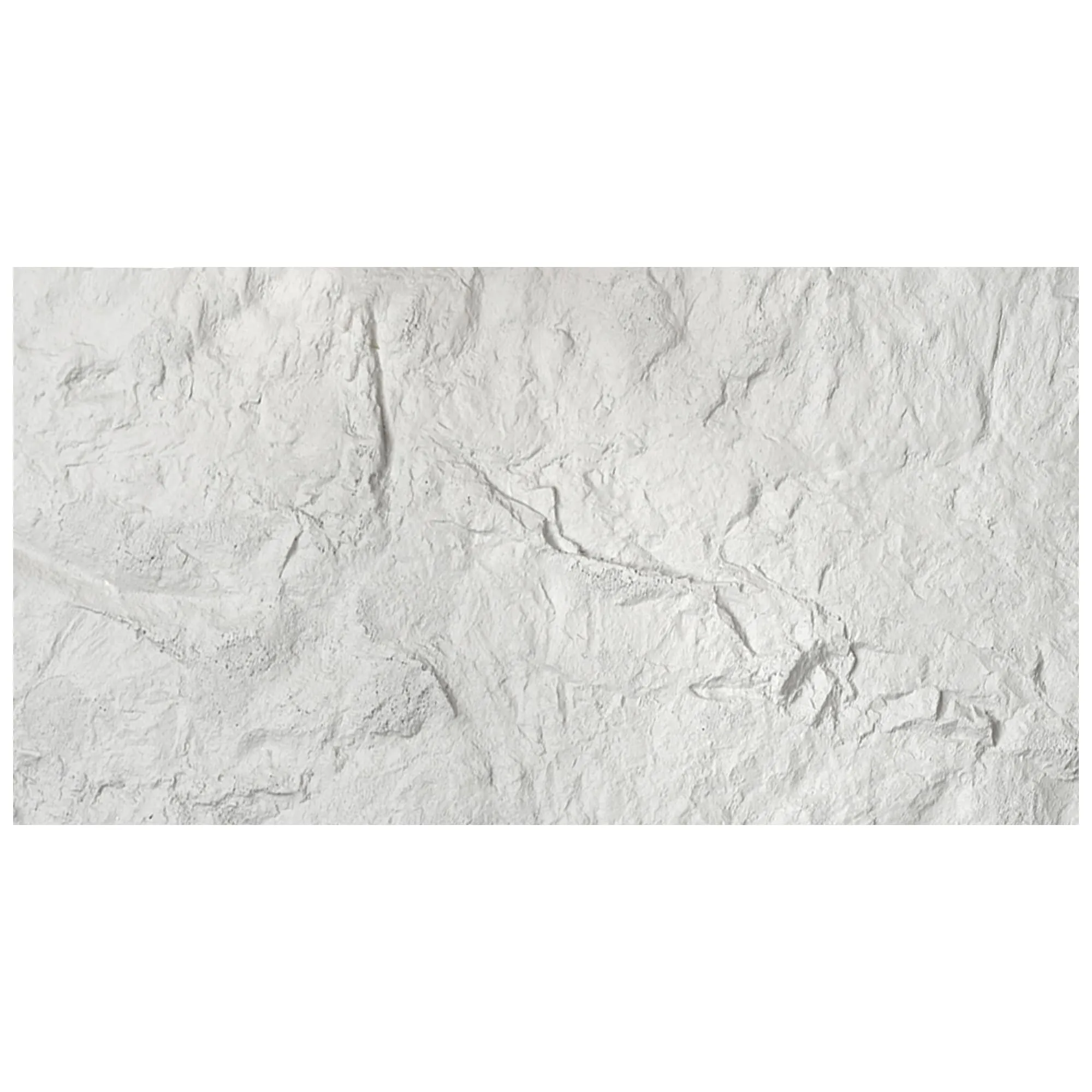
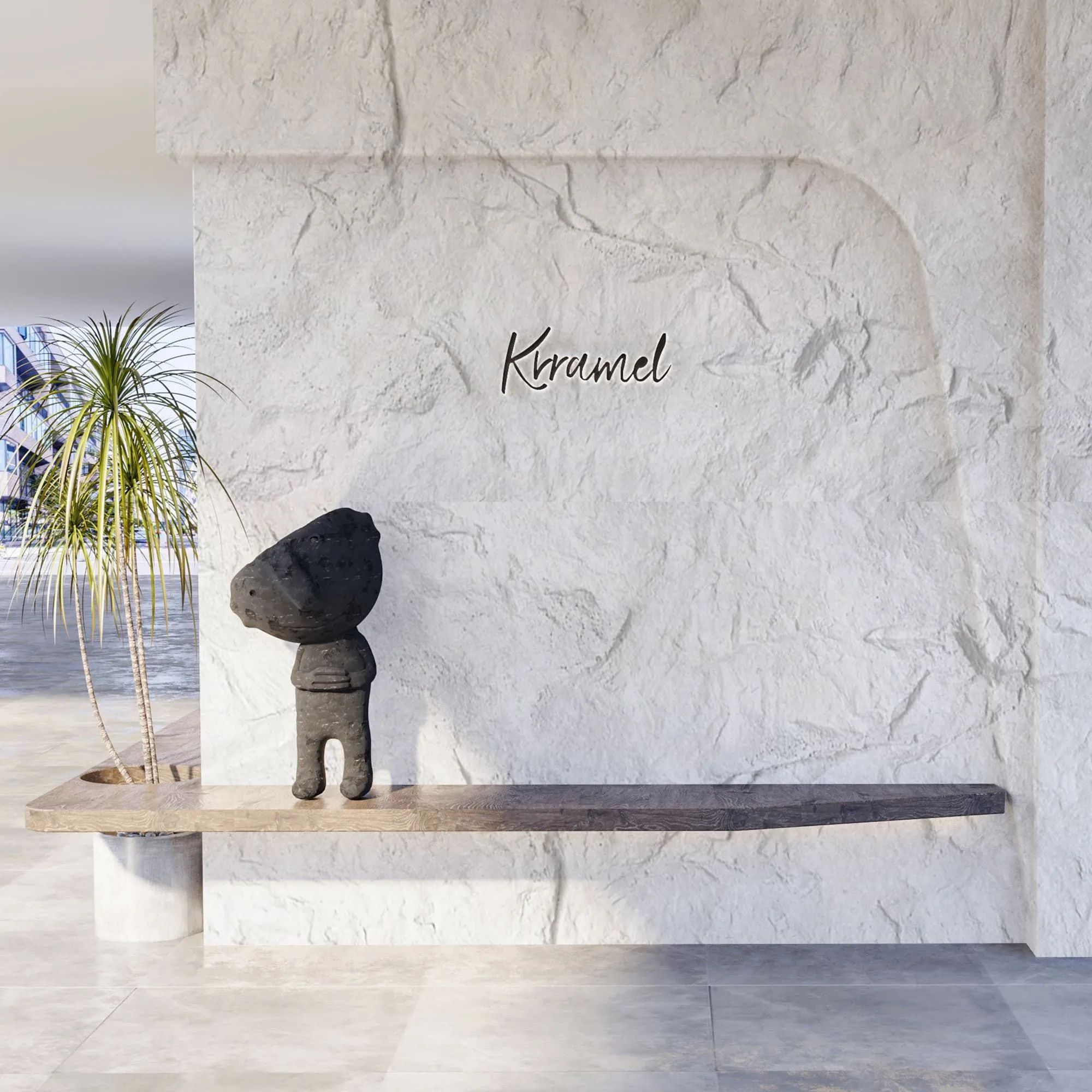
Boulder Slab isn't your average cladding. Imagine a material that takes the raw, earthy texture of natural stone and infuses it with 21st-century engineering. That's the idea behind Boulder Slab—a line of panels designed to mimic the look of weathered boulders, but with a secret: they're engineered to trap heat (or keep it out) like no traditional stone ever could. Available in vintage silver , vintage gold , and vintage black finishes, each variant tells a different design story—whether you're going for industrial chic, warm rustic, or sleek modern minimalism.
So what's in it? At its core, Boulder Slab combines high-density mineral composites with a micro-porous structure. Think of it like a sponge for temperature: tiny air pockets within the material act as natural insulators, slowing down the transfer of heat. It's lightweight too—about 30% lighter than solid stone—making installation easier and reducing stress on building frames. But here's the kicker: it doesn't sacrifice durability. Water-resistant, fire-retardant, and resistant to fading, Boulder Slab is built to stand up to rain, snow, harsh sunlight, and the test of time.
"We wanted something that felt organic, like it had been part of the landscape for decades, but with the performance of a modern material," says Elena Torres, an architect specializing in sustainable design. "Boulder Slab checks both boxes. The vintage silver finish, for example, has this muted, almost weathered metallic sheen that pairs beautifully with wood or glass, but under the surface, it's working overtime to keep the building comfortable. It's not just a pretty face—it's a hard worker."
Thermal insulation is all about slowing heat transfer—and Boulder Slab is a masterclass in this. Let's break it down simply: Heat moves in three ways: conduction (through direct contact), convection (through air or liquid flow), and radiation (through light waves). Traditional stone or fair-faced concrete is dense, so heat conducts through it easily—like how a metal spoon left in hot soup gets warm quickly. Boulder Slab, with its porous structure, interrupts that conduction. Those tiny air pockets? They're terrible at transferring heat, so they act like a barrier between the outside and inside.
To put it in numbers: The thermal conductivity of standard concrete is around 1.5 W/m·K (watts per meter-kelvin), meaning it transfers heat rapidly. Fair-faced concrete, while slightly more porous, still sits around 1.2 W/m·K. Boulder Slab? It clocks in at just 0.35 W/m·K—less than a third of the conductivity. That's comparable to some types of foam insulation, but without the synthetic feel or environmental concerns.
But it's not just about blocking heat. Boulder Slab also helps regulate temperature swings. In hot climates, it reflects a portion of sunlight (thanks in part to those vintage metallic finishes), reducing radiant heat gain. In cold climates, it traps warm air inside, so your heater doesn't have to run nonstop. The result? A building that stays closer to your ideal temperature, with less help from HVAC systems.
Take it from Mark Chen, a homeowner in Chicago who renovated his 1920s bungalow with Boulder Slab (vintage black) exterior cladding. "Last winter was brutal—temperatures dropped to -15°F, and we used to have to crank the furnace to 72°F just to feel warm. Now? We keep it at 68°F, and the house stays cozy. The walls don't feel cold to the touch anymore. And in summer? Our AC bill dropped by almost 30%. It's like the house finally knows how to 'breathe.'"
Let's be honest: even the most energy-efficient material won't get used if it looks like a boring gray box. Boulder Slab understands this, which is why its vintage finishes—silver, gold, black—are as much about aesthetics as they are about function. These aren't garish, shiny metals; they're muted, weathered tones that evoke the patina of aged copper or the soft glow of sun-bleached stone. They blend seamlessly with other materials, too—pair vintage gold with travertine for a warm, Mediterranean vibe, or vintage silver with foamed aluminium alloy board (vintage silver) for an industrial-modern look.
"I recently designed a boutique hotel in Colorado, and we used Boulder Slab (vintage gold) on the exterior," says Torres. "The client wanted something that felt luxurious but not flashy—like a mountain lodge with a modern twist. The gold finish catches the sunlight in the morning, giving the building this warm, inviting glow, but it's subtle enough that it doesn't overpower the surrounding pine trees. Inside, we paired it with wood grain board and travertine floors, and guests keep commenting on how 'cozy' the lobby feels, even on snowy days. That's the insulation working, but they notice the vibe first."
And it's not just exteriors. Boulder Slab works indoors too—accent walls, fireplace surrounds, even kitchen backsplashes. Imagine a home office with a vintage black Boulder Slab accent wall: it adds texture and depth, but it also helps keep the room quiet (porous materials absorb sound!) and temperature stable, so you can focus without shivering or sweating through your Zoom calls.
Still not sure if Boulder Slab is right for your project? Let's compare it to two common alternatives: fair-faced concrete (a staple in modern design) and foamed aluminium alloy board (vintage silver), another popular "design-forward" material. We'll look at thermal performance, durability, aesthetics, and practicality—because the best building materials excel in all areas.
| Feature | Boulder Slab (Vintage Silver/Gold/Black) | Fair-Faced Concrete | Foamed Aluminium Alloy Board (Vintage Silver) |
|---|---|---|---|
| Thermal Conductivity (W/m·K) | 0.35 (Excellent insulation) | 1.2 (Poor insulation) | 0.45 (Good insulation) |
| Weight (kg/m²) | 18–22 (Lightweight, easy to install) | 45–50 (Heavy, requires sturdy framing) | 8–10 (Very lightweight) |
| Durability | Water-resistant, fire-retardant, fade-resistant (50+ year lifespan) | Water-resistant, fire-retardant (50+ year lifespan, but prone to cracking) | Scratch-resistant, but dents easily; not ideal for high-impact areas |
| Aesthetic Versatility | 3 vintage finishes; organic, textured look; pairs with wood, glass, stone | Single gray finish; industrial, minimalist look | Metallic finishes; sleek, modern look; limited texture |
| Installation Ease | Lightweight panels; can be cut on-site; suitable for retrofits | Requires formwork; difficult to modify post-installation | Very lightweight; easy to install, but prone to bending during handling |
| Sound Absorption | Good (porous structure dampens noise) | Poor (dense material reflects sound) | Fair (metallic surface reflects some sound) |
As the table shows, Boulder Slab outperforms fair-faced concrete in insulation and weight, and while foamed aluminium is lighter, it can't match Boulder Slab's durability or sound absorption. "Foamed aluminium looks great, but I've seen it dent from hail or even a stray basketball," Torres notes. "Boulder Slab? It's tough. I designed a community center in Arizona with the vintage gold finish, and after a monsoon season with 60 mph winds, it looked as good as the day it was installed."
Numbers and specs tell part of the story—but the real impact is in how people experience these buildings. Let's dive into a few examples where Boulder Slab has made a tangible difference, from a rural school to a bustling city office.
Case Study 1: Pine Ridge Elementary School (Rural Vermont)
When the Pine Ridge School District decided to rebuild its aging elementary school, energy efficiency was a top priority. Winters in Vermont are harsh, and the old building's drafty walls meant sky-high heating bills and classrooms that were often too cold for kids to focus. The architects chose Boulder Slab (vintage silver) for the exterior, paired with large windows to let in natural light.
"The difference has been night and day," says Principal James Harrison. "Last winter, our heating costs dropped by 40% compared to the old building. More importantly, the classrooms stay at a steady 68°F—no more kids huddling near radiators or complaining about cold feet. Teachers say students are more focused, and attendance is up. The vintage silver finish also looks amazing against the snow—it's like the building glows softly on cloudy days. The kids call it 'the sparkly school,' and honestly? It makes coming to work a little brighter, too."
Case Study 2: MetroTech Office Building (Chicago, IL)
In downtown Chicago, the MetroTech building was struggling with tenant complaints: offices on the west side baked in afternoon sun, while those on the north side were chilly year-round. The owners wanted a facade upgrade that would improve comfort
and
attract new tenants. They chose Boulder Slab (vintage black) for its modern look and insulation properties.
"Within six months of installation, we had zero temperature-related complaints," says building manager Raj Patel. "Tenants love the sleek, industrial vibe of the vintage black finish—it's become a selling point. One tech company even mentioned it in their lease negotiations: they wanted their space to feel 'edgy but comfortable,' and the Boulder Slab walls delivered. Plus, our HVAC system runs 20% less than before, which is saving us tens of thousands a year. It's not just about keeping people happy—it's good business."
We've talked about comfort and style, but let's not overlook the big picture: sustainability. Buildings account for nearly 40% of global energy use, and a huge chunk of that goes toward heating and cooling. By reducing the need for HVAC systems, Boulder Slab isn't just lowering your energy bill—it's cutting down on carbon emissions, too.
"Every time we choose a high-insulation material, we're voting for a greener future," says Torres. "Boulder Slab is made with recycled mineral composites, so its embodied carbon (the emissions from manufacturing) is lower than traditional stone. And because it's so durable, it won't need to be replaced for decades—unlike some synthetic insulations that degrade over time. It's a material that thinks long-term, which is exactly what we need in construction."
For homeowners, the savings add up fast. Let's say you live in a 2,000-square-foot home in a moderate climate, paying an average of $200/month for heating and cooling. Switching to Boulder Slab could cut that by 30–40%, saving $720–$960 a year. Over 20 years, that's $14,400–$19,200—more than enough to offset the initial material cost. And if you're building commercially? The ROI is even quicker, thanks to lower operating costs and higher tenant satisfaction.
At the end of the day, buildings are about people. They're where we raise families, chase careers, learn, and grow. They should support us, not stress us out with high bills or uncomfortable temperatures. Boulder Slab gets this. It's a material that respects both the past (with its vintage, weathered finishes) and the future (with its energy-saving performance).
Whether you're drawn to the warm glow of vintage gold, the sleek modernity of vintage silver, or the bold contrast of vintage black, Boulder Slab offers something rare: a chance to build better. Better for your comfort, better for your budget, and better for the planet. It's not just a building material—it's a new way of thinking about how our spaces should feel.
So the next time you walk past a building that feels "off"—too hot, too cold, too sterile—ask yourself: What if we built with intention? What if our walls worked as hard as we do? With Boulder Slab, that future is already here. And it looks (and feels) pretty amazing.
Recommend Products












