
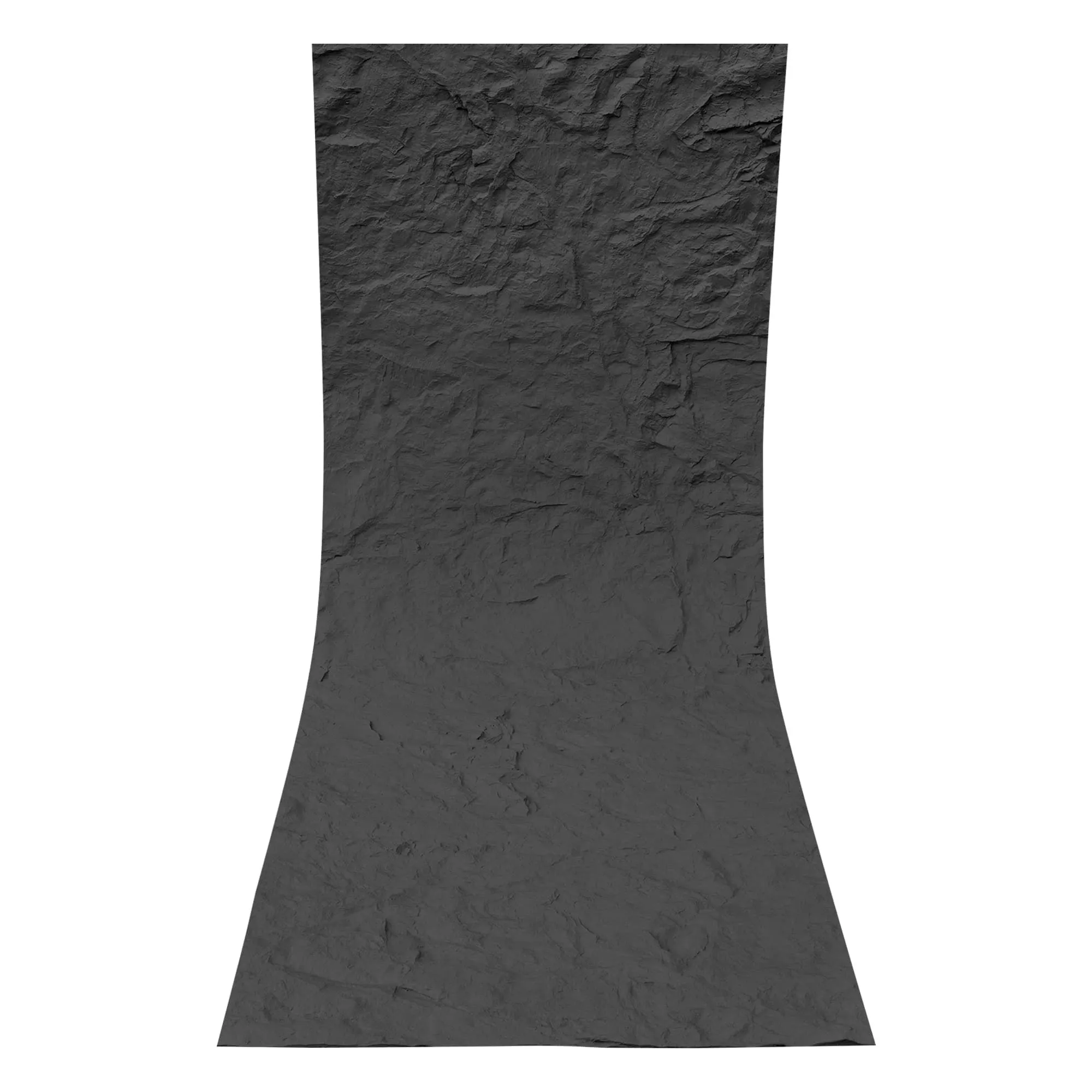
When it comes to designing spaces—whether a cozy living room accent wall or a striking commercial building facade—the materials we choose play a starring role. Among the most versatile and visually compelling options on the market today is the boulder slab, available in a range of vintage finishes like vintage silver , vintage gold , and vintage black . But here's the thing: even the most stunning boulder slab won't live up to its potential if its thickness isn't matched to its purpose. Interior spaces demand different considerations than exterior ones, and getting the thickness right can mean the difference between a showstopper and a costly mistake. Let's dive into the details, so you can pick the perfect panel for your project.
At first glance, thickness might seem like a minor detail—after all, isn't the color or finish the star? But in reality, thickness is the unsung hero that dictates durability, installation ease, and even safety. Think of it this way: a thin panel might look sleek on a kitchen backsplash, but slap that same panel on an exterior wall in a rainy climate, and you're asking for warping, cracking, or worse. On the flip side, a thick, heavy panel could be overkill for a bedroom accent wall, weighing down drywall and driving up installation costs. So, whether you're eyeing boulder slab (vintage gold) for a luxury hotel lobby or fair-faced concrete for a minimalist home exterior, thickness is the first decision you'll want to get right.
Interior design is all about balancing aesthetics with everyday life. You want panels that catch the eye but won't crumble under the occasional bump from a vacuum or a splash of water. For most interior applications, boulder slabs and similar materials thrive in the 6mm to 12mm thickness range. Let's break down why—and where—this sweet spot works best.
Thinner panels (6mm–8mm) are the chameleons of interior design. They're lightweight enough to install on standard drywall without extra structural support, making them ideal for accent walls, backsplashes, or even ceiling details. Imagine walking into a home office where the focal point is a boulder slab (vintage silver) accent wall—its slim profile adds depth and texture without overwhelming the room. In kitchens, a 6mm travertine (starry blue) backsplash becomes a conversation piece, catching light and complementing cabinetry, all while being easy to clean and resistant to daily spills.
These thinner panels shine with intricate finishes, too. The vintage gold hue of a 7mm boulder slab, for example, takes on a warm, metallic sheen when paired with recessed lighting, turning a plain wall into a work of art. And because they're lighter, they're a dream for DIY enthusiasts or contractors looking to keep installation time (and costs) low.
When durability needs a slight boost—say, in a hallway that sees daily foot traffic or a commercial space like a café—step up to 10mm–12mm. These panels offer a bit more heft, making them resistant to dents and scratches, without tipping the scales on weight. A 12mm boulder slab (vintage black) makes a bold statement in a restaurant's host stand, standing up to bags, keys, and the general hustle of a busy venue. In bathrooms, where moisture is a concern, a 10mm dolomitic travertine (claybank) shower wall panel adds texture while holding its own against steam and humidity.
Another perk? Thicker panels like these can mimic the look of natural stone without the weight. A 12mm wood grain board , for instance, brings the warmth of hardwood to a bedroom wall but won't expand or contract with temperature changes like real wood—perfect for renters or anyone who wants low-maintenance luxury.
Exterior projects are a whole different ballgame. Rain, snow, UV rays, and temperature swings can turn even the toughest materials into victims if they're not built to withstand the elements. That's why exterior panels typically start at 15mm and go up to 25mm or more. Here's how to choose the right thickness for outdoor use.
For most exterior applications—think building facades, outdoor kitchen countertops, or patio flooring—15mm–20mm is the sweet spot. These panels are thick enough to resist warping from rain and UV damage, yet not so heavy that they require massive structural reinforcement. A commercial building wrapped in boulder slab (vintage black) (18mm thick) makes a modern, imposing statement, while standing up to years of wind and rain. At a backyard BBQ, a 15mm fair-faced concrete patio stays cool underfoot in summer and resists cracking during winter freezes, all while complementing the home's architecture.
These mid-range thicknesses also work wonders with textured finishes. The rough, organic look of gobi panel (17mm) adds a desert-inspired vibe to an outdoor lounge area, and its thickness ensures it won't chip when furniture is moved around. Even lighter materials like foamed aluminium alloy board (vintage gold) benefit from 15mm thickness here—its metallic finish repels water, and the added heft keeps it secure during storms.
In areas with harsh weather—coastal regions with salt spray, mountain zones with heavy snow, or industrial areas with pollution—20mm–25mm panels are non-negotiable. These thick slabs are built to last, withstanding everything from freeze-thaw cycles to high winds. A boulder slab (vintage black) (22mm) exterior in a coastal home becomes a shield against saltwater, maintaining its deep color for decades. In a ski lodge, 25mm lunar peak silvery panels mimic the look of snow-capped mountains while resisting damage from ice and snow shovels.
These thicker panels also excel in high-impact areas, like outdoor fire pits or pool surrounds. A 24mm rust square line stone fire pit wall not only looks rugged and inviting but also insulates against heat, ensuring safety and longevity. And for commercial exteriors, like a hotel facade in a busy city, 25mm epoch stone panels stand up to graffiti, accidental collisions, and the wear and tear of urban life.
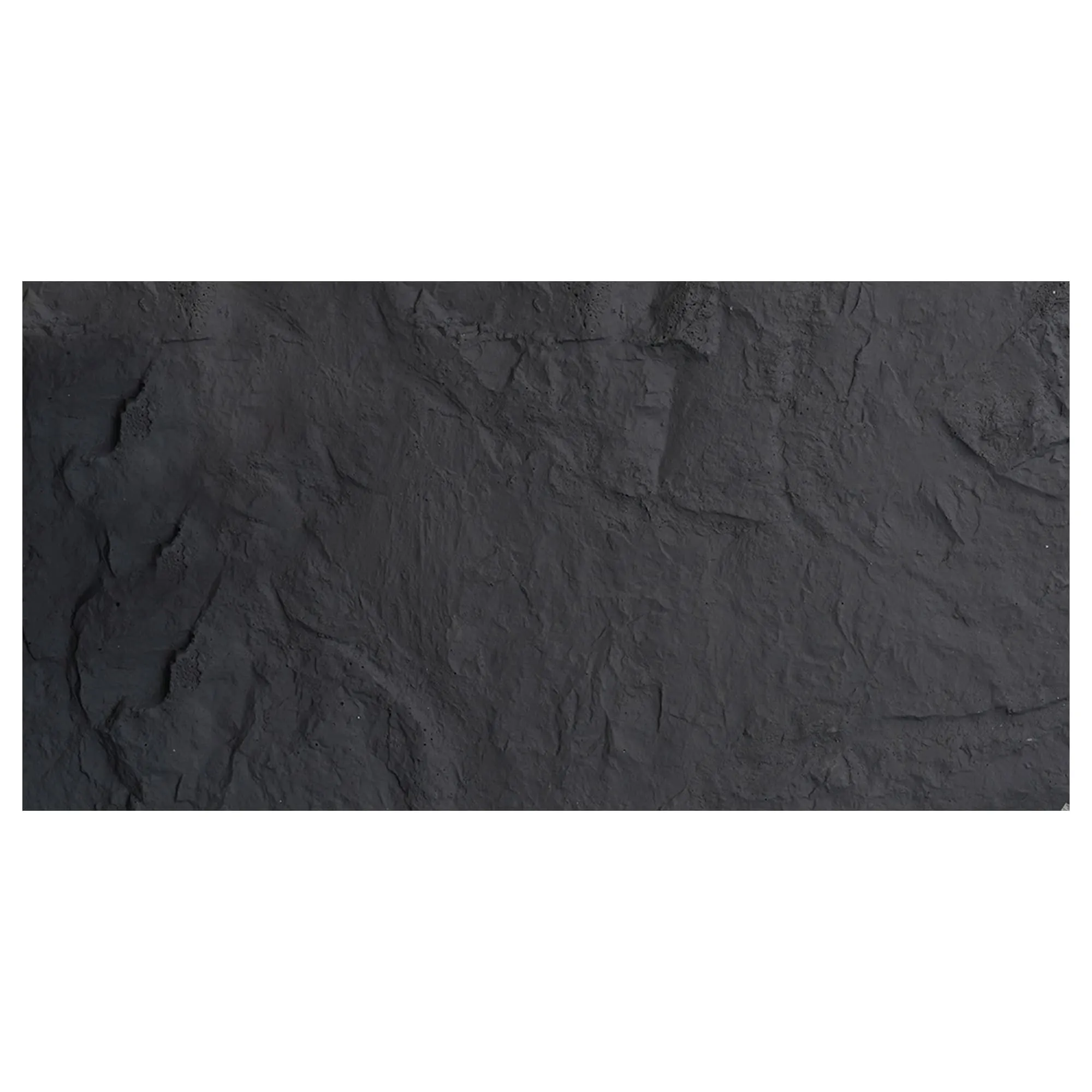
| Application | Thickness Range | Key Considerations | Example Products |
|---|---|---|---|
| Interior Accent Walls | 6mm–10mm | Lightweight, easy installation, compatibility with drywall | Boulder Slab (Vintage Silver), Travertine (Starry Orange) |
| Interior Backsplashes | 6mm–8mm | Moisture resistance, easy cleaning, slim profile | Dolomitic Travertine (Claybank), Wood Grain Board |
| Exterior Facades | 15mm–20mm | Weather resistance, UV protection, structural support | Boulder Slab (Vintage Gold), Fair-Faced Concrete |
| Outdoor Kitchens/Countertops | 18mm–22mm | Heat resistance, durability against impacts | Rust Mosaic Stone, Stream Limestone (Dark Grey) |
| Extreme Weather Exteriors | 20mm–25mm | Salt/freeze-thaw resistance, high impact strength | Boulder Slab (Vintage Black), Lunar Peak Black |
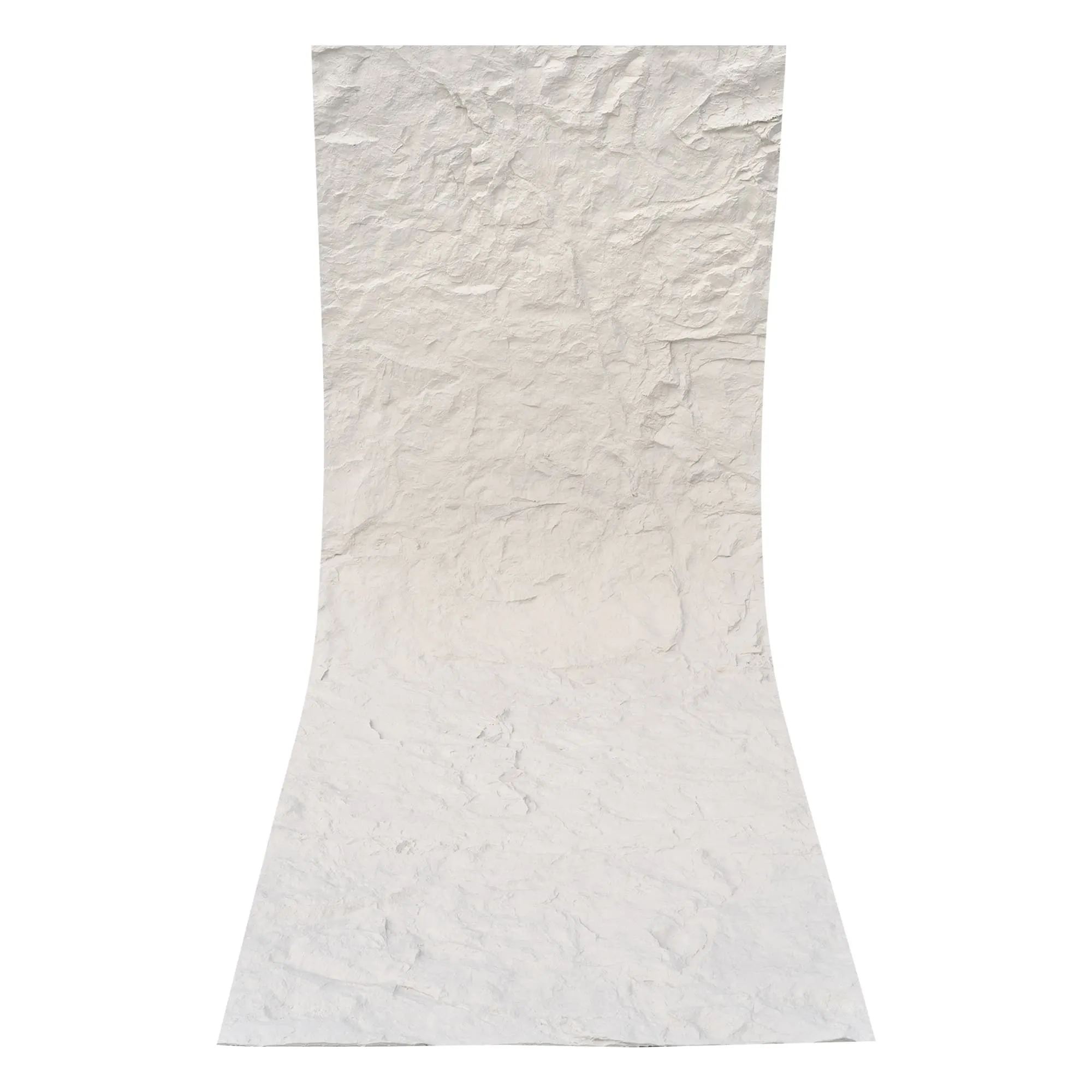
Thickness is critical, but it works hand-in-hand with the material itself. Let's take a closer look at how some popular options—like boulder slabs, travertine, and fair-faced concrete—perform at different thicknesses, so you can make a truly informed choice.
Boulder slabs are a standout choice for both interior and exterior projects, thanks to their versatility and rich vintage finishes. The vintage silver , vintage gold , and vintage black variants each bring unique energy: silver feels sleek and contemporary, gold adds warmth and luxury, and black exudes drama. At 8mm, a vintage gold boulder slab becomes a focal point in a living room; at 18mm, the same gold hue transforms into a durable exterior cladding that ages beautifully, developing a subtle patina over time.
One of the best things about boulder slabs is their consistency. Unlike natural stone, which can have unpredictable thickness variations, these engineered panels offer uniform thickness, making installation a breeze. A 12mm vintage black boulder slab, for example, fits perfectly with standard mounting systems, whether you're using adhesives for an interior wall or mechanical fasteners for an exterior facade.
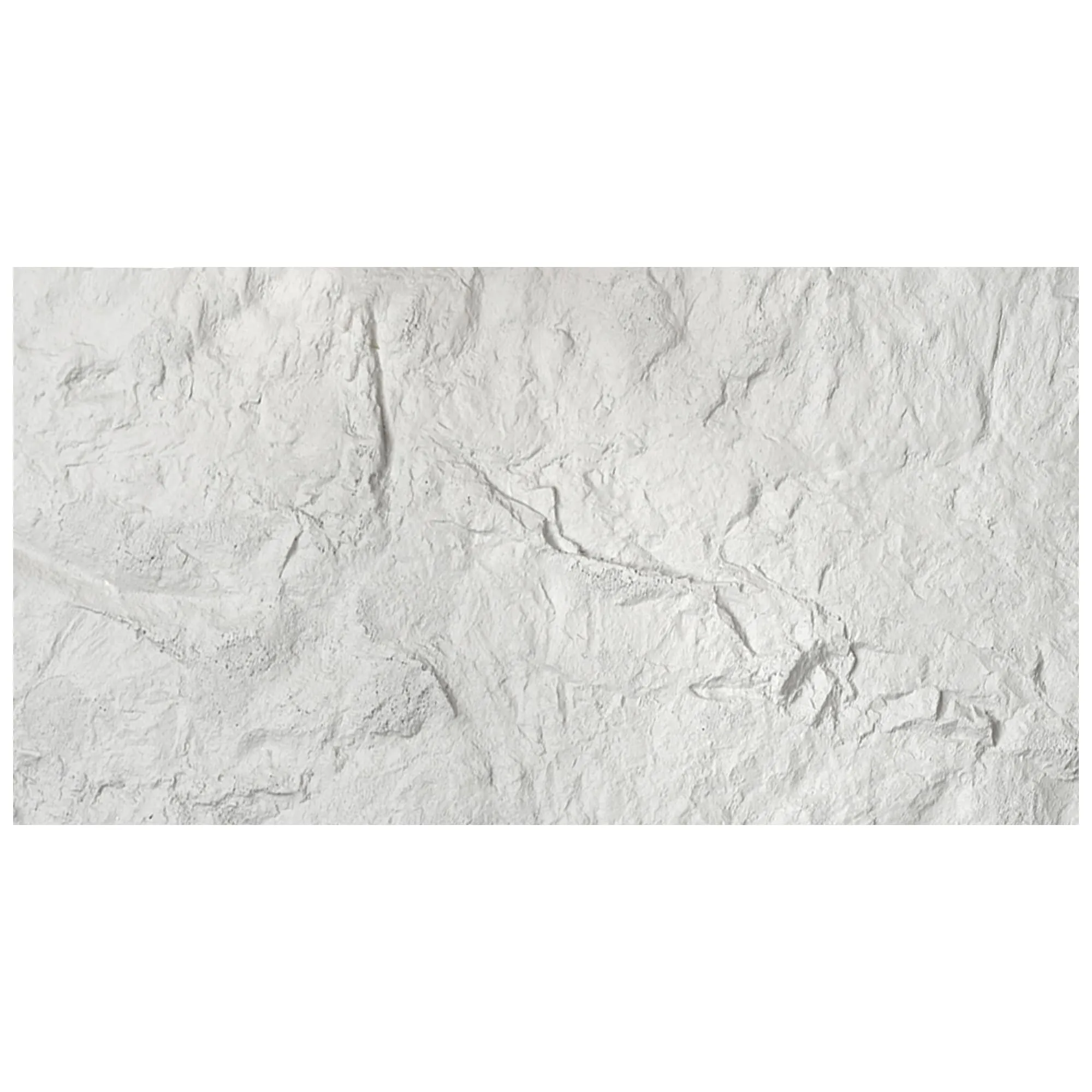
For those who love the industrial-chic look, fair-faced concrete is a game-changer. Its raw, unpolished finish adds texture and depth, and its thickness needs vary by use. Indoors, 8mm–10mm fair-faced concrete panels work wonders for feature walls or fireplace surrounds, pairing beautifully with wood accents. Outdoors, bumping up to 15mm–20mm ensures it resists staining from rain and maintains its clean, minimalist look for years.
Pro tip: Fair-faced concrete is porous, so for exterior use, opt for a slightly thicker panel (18mm+) and seal it annually to lock out moisture. This extra step keeps your epoch stone or concrete facade looking fresh, even in damp climates.
Travertine —with its natural pitted texture and earthy tones—adds timeless elegance to any space. For interior floors or walls, 10mm–12mm travertine panels (like travertine (vintage gold) ) balance beauty and durability, standing up to foot traffic while showcasing the stone's unique veining. Outdoors, 15mm–20mm travertine (such as travertine (starry red) ) becomes a stunning patio material, its thickness protecting against cracking and its texture providing grip in wet weather.
Fun fact: Travertine's porosity actually makes it a great choice for outdoor use—it absorbs water, reducing slip risks. Just ensure you seal it to prevent staining, especially if you're using a lighter hue like travertine (beige) .
Even seasoned designers can mix up thickness needs, so let's steer clear of these pitfalls:
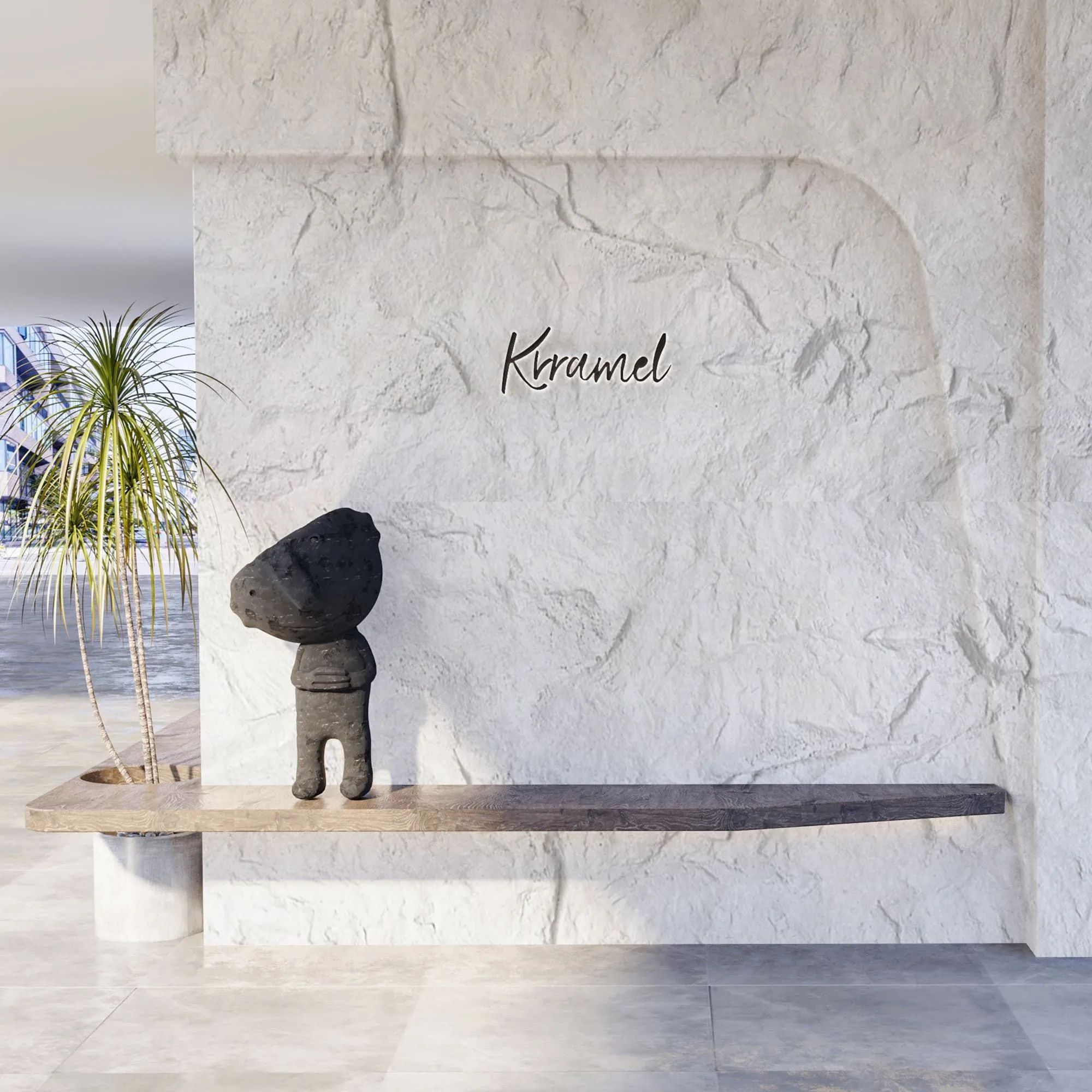
Ready to pick your panel thickness? Start with these steps:
Choosing the right thickness for your boulder slab, travertine, or fair-faced concrete panels isn't just about numbers—it's about creating a space that's beautiful, functional, and built to last. Whether you're drawn to the vintage silver glow of a 8mm interior accent wall or the vintage black boldness of a 20mm exterior facade, let thickness guide you toward a project that shines for years to come. With the right panel and the perfect thickness, your space will tell a story of style and smart design—one that's as durable as it is stunning.
Recommend Products












