
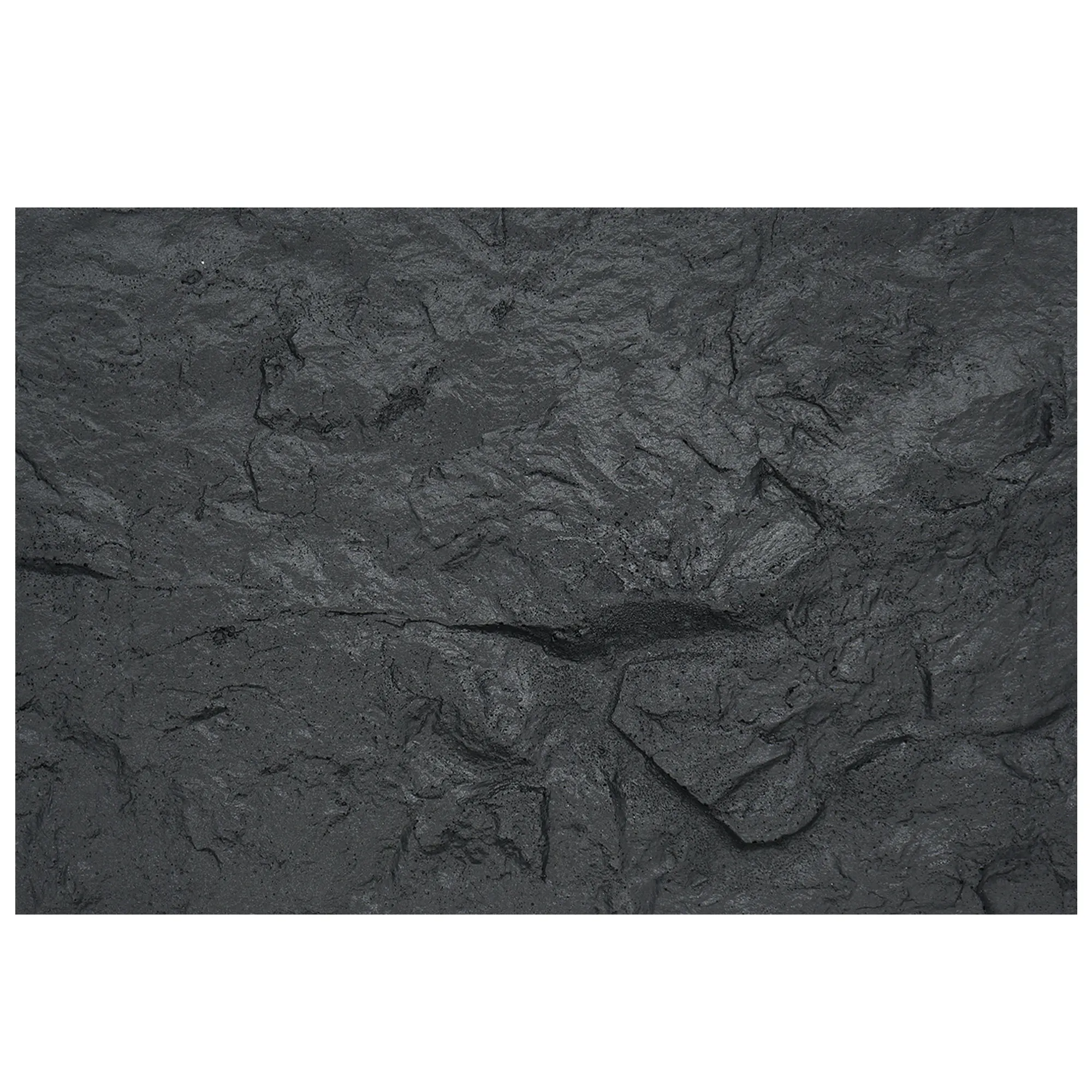
In the world of architectural design, every material tells a story—of durability, of aesthetics, of possibility. For architects and designers chasing both resilience and creative freedom, the search often boils down to a single question: Can a material be strong enough to withstand the test of time and flexible enough to bend to the imagination? Enter Boulder Slab (Vintage Black), a standout in the MCM Big Slab Board Series that's redefining what's possible in modern cladding. More than just a panel, it's a bridge between raw strength and artistic versatility—let's dive into what makes it tick.
First, let's set the stage: Boulder Slab isn't your average building material. Part of the broader mcm big slab board series , it's engineered to mimic the grandeur of natural stone while packing in the practical benefits of modern composite technology. Vintage Black, in particular, is a study in contrast—deep, moody hues that evoke the quiet power of a mountain shadow, with subtle texture that catches light like a starry night. But don't let its striking appearance fool you: beneath that sleek surface lies a powerhouse of engineering.
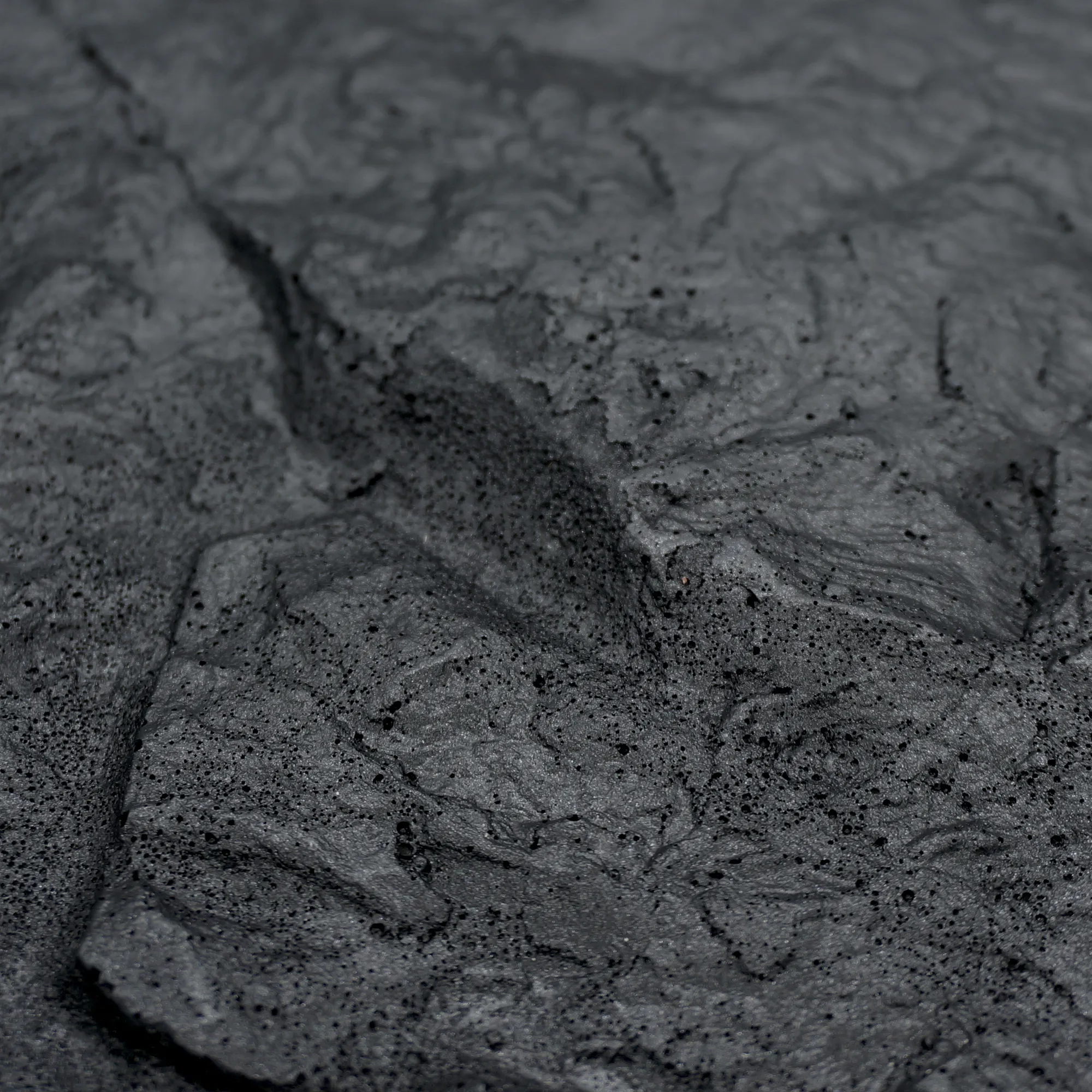
At its core, Boulder Slab (Vintage Black) is a blend of mineral composites, high-performance polymers, and natural stone aggregates—think of it as nature and science in perfect harmony. Unlike traditional stone slabs, which are heavy, brittle, and prone to inconsistency, this MCM (Modified Composite Material) panel is crafted using precision manufacturing, ensuring each piece has uniform density, color, and strength. It's thin—typically 4-6mm thick—but don't mistake thinness for weakness. This is where the magic begins: strength and flexibility, coexisting in a panel that weighs a fraction of natural stone.
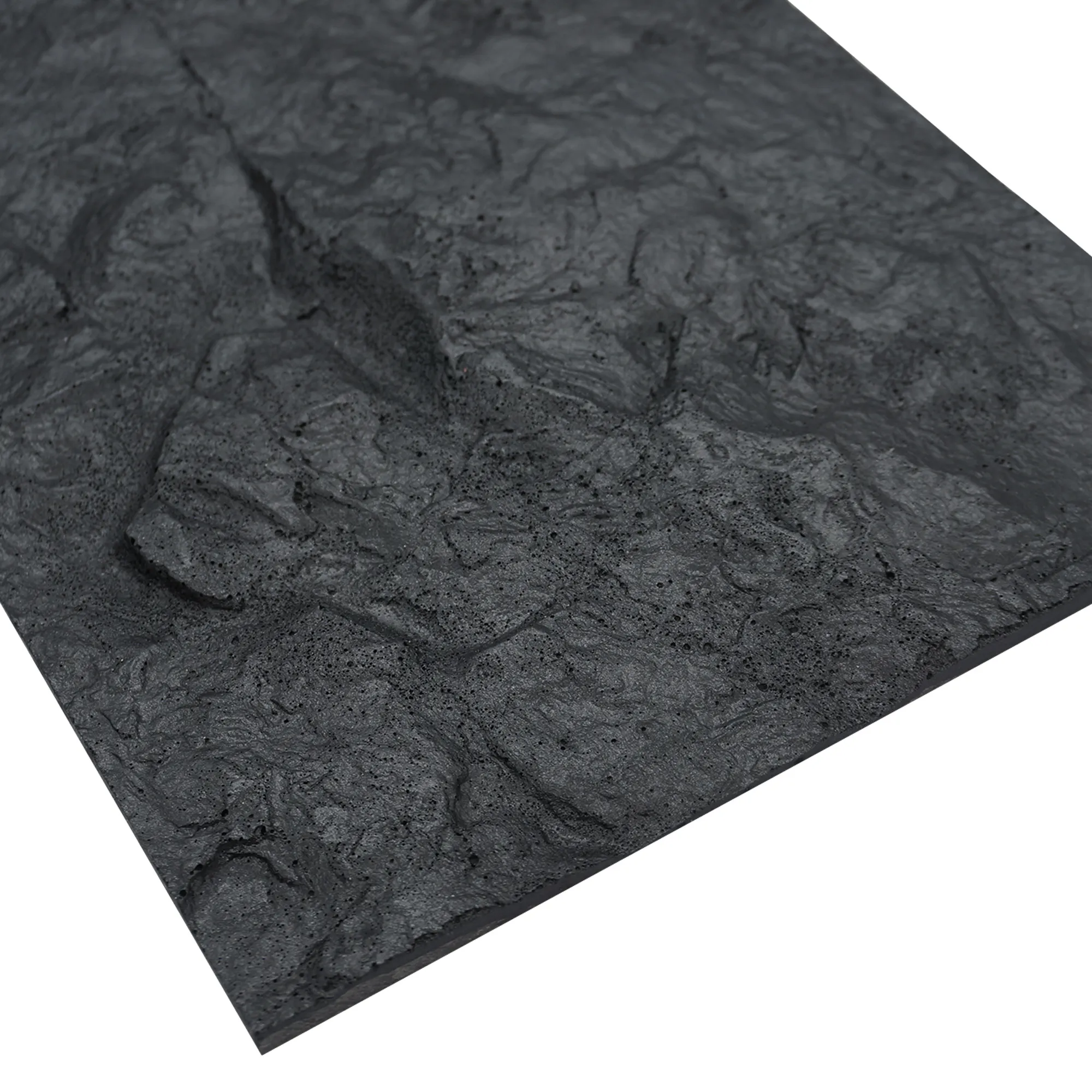
Strength in building materials is non-negotiable. Whether it's a high-rise facade braving gale-force winds or a restaurant wall enduring daily scuffs and spills, a material's ability to stand firm is its first job. Boulder Slab (Vintage Black) takes this responsibility seriously, and the numbers back it up.
Let's talk compressive strength—the force a material can handle before it crumbles. Boulder Slab clocks in at an impressive 85-95 MPa (megapascals), putting it head and shoulders above many traditional options. For context, standard concrete averages around 20-30 MPa, and even some natural travertines max out at 40-50 MPa. What does this mean in real life? Imagine a panel that can support the weight of a small car without cracking—or a commercial lobby floor that stays flawless even after years of foot traffic.
Then there's flexural strength—the ability to bend without breaking. At 12-15 MPa, Boulder Slab (Vintage Black) laughs in the face of brittleness. This isn't just about resisting cracks; it's about surviving the unexpected. A stray basketball hitting an exterior wall? A heavy piece of furniture dragged across a floor? The panel bends, absorbs the impact, and bounces back. Compare that to natural stone, which might chip or shatter under the same stress, and you start to see why durability matters.
But strength isn't just about pressure—it's about endurance. Boulder Slab (Vintage Black) is built to outlast the elements: UV-resistant to prevent fading under harsh sunlight, water-resistant to ward off mold and mildew, and even fire-retardant, making it a safe choice for both interior and exterior use. In freeze-thaw tests, it's proven to withstand hundreds of cycles without delaminating—a critical feature for buildings in cold climates where traditional materials often crack as water expands and contracts within their pores.
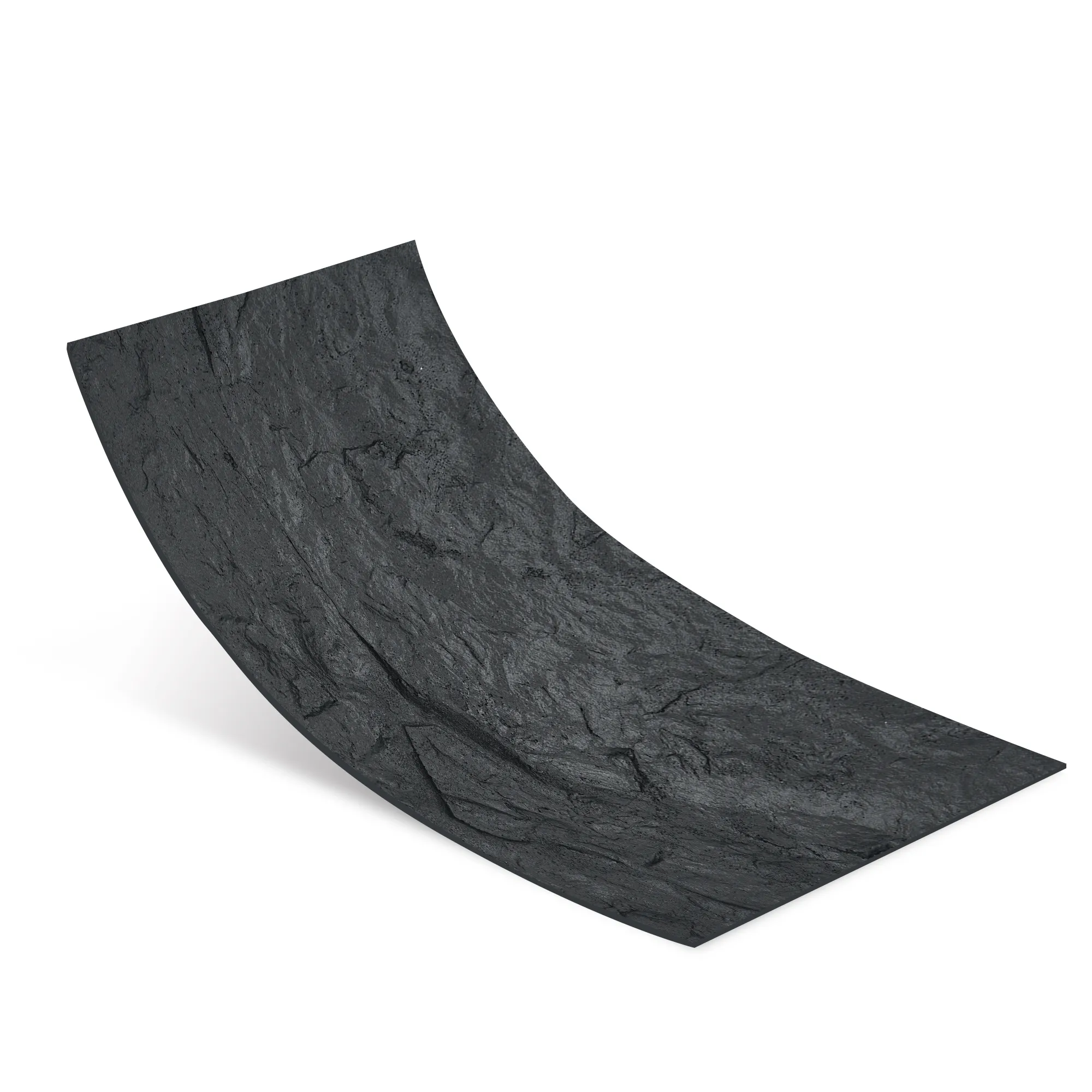
If strength is the backbone, flexibility is the soul of Boulder Slab (Vintage Black). Here's the thing: architects don't design in straight lines anymore. Curved facades, undulating walls, custom shapes—these are the details that turn a building into a landmark. But traditional materials? They're often too rigid to keep up. Enter mcm flexible stone technology, which Boulder Slab leverages to the fullest.
Flexibility here means two things: physical bendability and installation adaptability. Physically, the panel can curve to a radius as tight as 30cm (that's just over a foot) without cracking—a feat unheard of with natural stone or even thick concrete panels. Picture a boutique hotel with a sweeping, organic facade: instead of piecing together dozens of rigid stone tiles (and dealing with unsightly seams), designers can wrap Boulder Slab (Vintage Black) around the curve in large, seamless sheets, creating a look that's both modern and timeless.
Installation flexibility is equally game-changing. Weighing in at just 8-10 kg/m², it's a fraction of the weight of natural stone (which can hit 50 kg/m² or more) or even fair-faced concrete (around 24 kg/m²). This lightness means less structural support is needed, cutting down on construction time and costs. It also opens up possibilities for retrofits: imagine updating an old building's facade without reinforcing the walls—suddenly, historic structures can get a modern makeover without compromising their integrity.
And let's not forget cutting and shaping. Unlike natural stone, which requires specialized tools and risks breaking, Boulder Slab (Vintage Black) can be cut, drilled, or routed on-site with standard carpentry tools. Need a custom pattern for a feature wall? A circular window cutout? No problem. This isn't just flexibility—it's freedom.
Numbers tell a clearer story than words alone. Let's put Boulder Slab (Vintage Black) head-to-head with common alternatives to see how its strength and flexibility measure up:
| Material | Compressive Strength (MPa) | Flexural Strength (MPa) | Weight (kg/m²) | Minimum Bend Radius (cm) |
|---|---|---|---|---|
| Boulder Slab (Vintage Black) | 85-95 | 12-15 | 8-10 | 30 |
| Fair-faced Concrete | 20-30 | 3-5 | 22-25 | Not Bendable |
| Natural Travertine | 40-50 | 4-6 | 45-55 | Not Bendable |
| Standard MCM Flexible Stone | 60-70 | 8-10 | 6-8 | 20 |
The takeaway? Boulder Slab (Vintage Black) outperforms fair-faced concrete and natural travertine in both strength and flexibility, while holding its own against other MCM flexible stones—with the added bonus of a richer, more stone-like aesthetic. It's the best of both worlds: the durability of a composite and the beauty of natural stone.
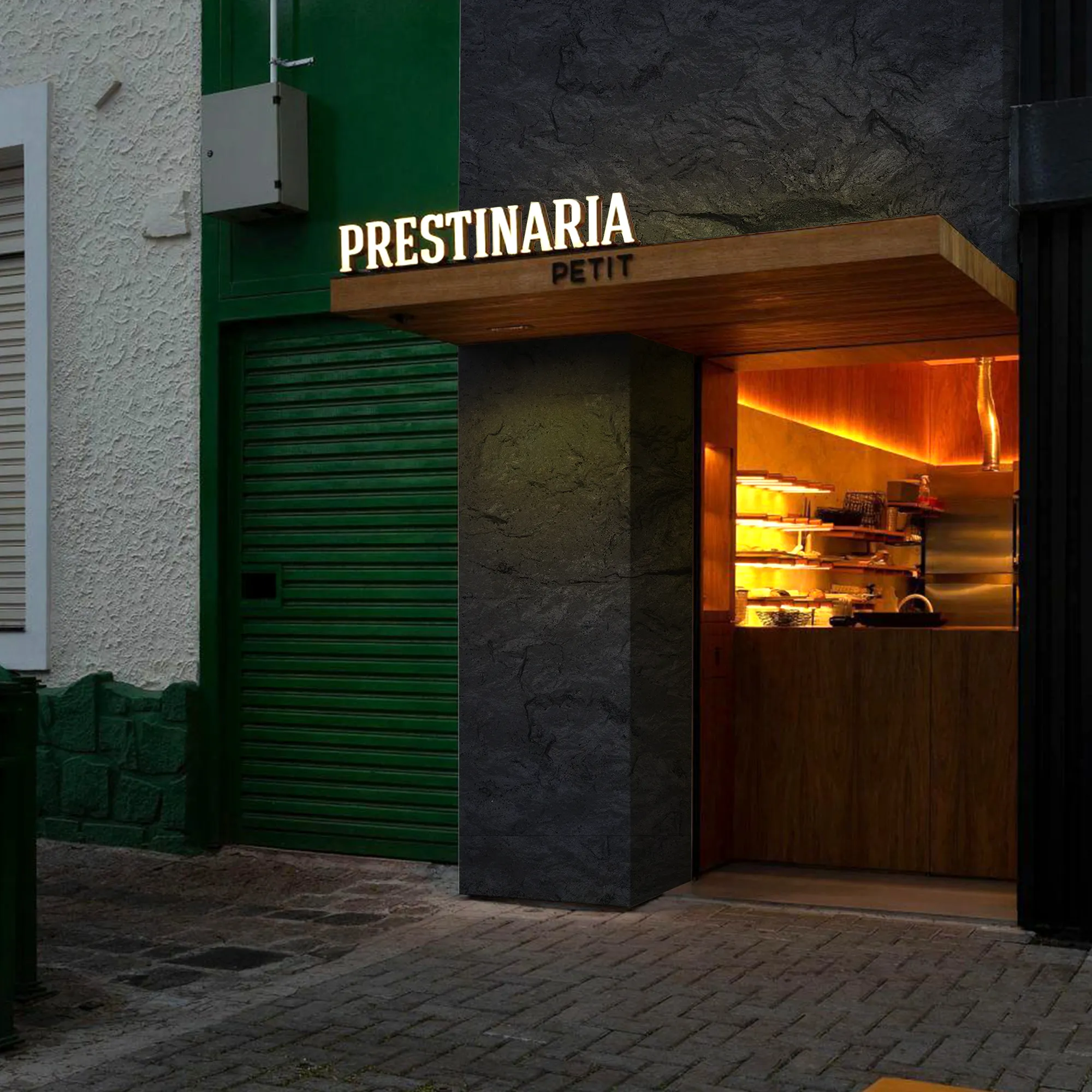
Enough specs—let's talk real-world use. Where does Boulder Slab (Vintage Black) shine brightest? Anywhere strength and flexibility are non-negotiable. Here are a few scenarios where it's making waves:
Commercial Facades: Making a Statement That Lasts
Imagine a corporate headquarters in a bustling city. Its facade needs to stand out—think bold, dramatic lines—and stand up to pollution, wind, and rain. Boulder Slab (Vintage Black) wraps around the building's curved corners seamlessly, its deep color contrasting with glass windows to create a modern, imposing look. Years later, it still looks as sharp as day one, with no fading, chipping, or water damage. That's strength meeting curb appeal.
Hospitality Spaces: Beauty That Handles the Hustle
A high-end restaurant with an open-air patio: the walls need to look luxurious (think "upscale mountain lodge") but also resist spills, scratches from chairs, and the occasional rainstorm. Boulder Slab (Vintage Black) lines the walls, its texture adding warmth while its durability ensures that even after a busy weekend, it wipes clean with a cloth. No stains, no scuffs—just timeless beauty.
Historic Renovations: Modern Strength, Classic Charm
Restoring a 1920s theater with curved, ornate walls: the original stone cladding is crumbling, and the structure can't support heavy materials. Boulder Slab (Vintage Black) steps in, matching the theater's historic aesthetic with its vintage-inspired color, while its light weight and flexibility allow it to follow the building's original curves. The result? A facade that honors the past without sacrificing the future.
Let's cut to the chase: with so many options out there, why pick Boulder Slab (Vintage Black)? It boils down to three key advantages:
1. Less Maintenance, More Longevity: Unlike natural stone, which needs regular sealing and polishing, or concrete, which stains easily, Boulder Slab (Vintage Black) is low-maintenance. A quick wash with soap and water is all it takes to keep it looking new. And with a lifespan of 50+ years (compared to 20-30 for traditional cladding), it's an investment that pays off.
2. Eco-Friendly by Design: MCM panels like Boulder Slab use fewer natural resources than quarried stone, and their lightweight nature reduces transportation emissions. Plus, they're 100% recyclable at the end of their life—a win for sustainability-focused projects.
3. Design Without Limits: Curves, angles, custom cuts—if you can dream it, Boulder Slab can do it. Traditional materials force compromises; this one celebrates creativity.
Boulder Slab (Vintage Black) isn't just a material—it's a tool for visionaries. It's for the architect who wants to design a curved wall without worrying about structural limits. For the business owner who refuses to choose between durability and aesthetics. For anyone who believes that buildings should be as strong as they are beautiful.
In a world where construction materials often force trade-offs, Boulder Slab (Vintage Black) stands out as a rare exception: strong enough to weather the storm, flexible enough to dance with the light, and stunning enough to leave a lasting impression. It's not just part of the mcm big slab board series —it's a testament to what happens when we stop choosing between strength and flexibility, and start demanding both.
So, the next time you walk past a building that takes your breath away—its lines bold, its presence unshakable—take a closer look. Chances are, it's not just stone or concrete. It might just be Boulder Slab (Vintage Black), quietly redefining what's possible, one panel at a time.
Recommend Products












