
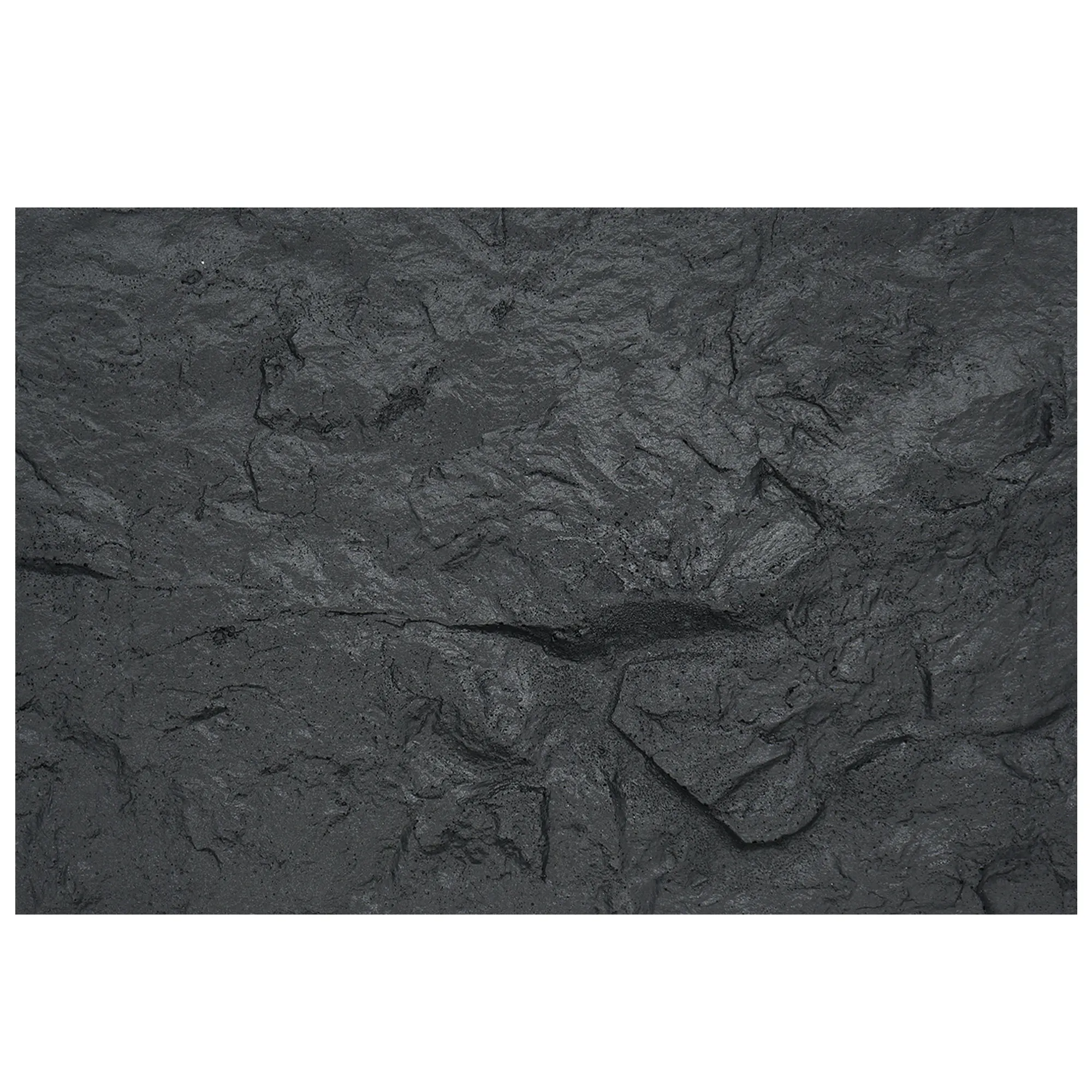
Let's start with a truth we all know: in design, details matter. But when it comes to making a statement, size often steals the show. Enter Boulder Slab (Vintage Black) – that rich, moody material that's been turning heads in modern architecture and interior design. It's not just about the color (though that deep, weathered black is undeniably striking); it's about how that color stretches, bends, and fills a space. Whether you're sprucing up a home office or designing a boutique hotel lobby, choosing the right size for your boulder slab can turn a "nice" space into something unforgettable. So let's unpack this – from the tried-and-true standard sizes that feel like old friends to the bold, oversized options that demand attention. And along the way, we'll peek at how this versatile slab plays with other materials, because great design is always a team sport.
Before we dive into sizes, let's get cozy with the star of the show. Boulder Slab isn't your average stone. Think of it as nature's texture meets human ingenuity – a composite material that mimics the rugged, time-worn look of ancient boulders but with the consistency and workability modern builders crave. The "Vintage Black" finish? It's like taking a piece of obsidian and softening it with whispers of gray and brown, giving it depth that shifts with light. Run your hand over it, and you'll feel a tactile quality that's equal parts rough and refined – not too gritty, not too smooth. It's the kind of material that makes you want to pause and really look, which is why getting its size right is so crucial. A tiny slab might get lost; an overly large one could overwhelm. Balance is key, and we're here to find it.
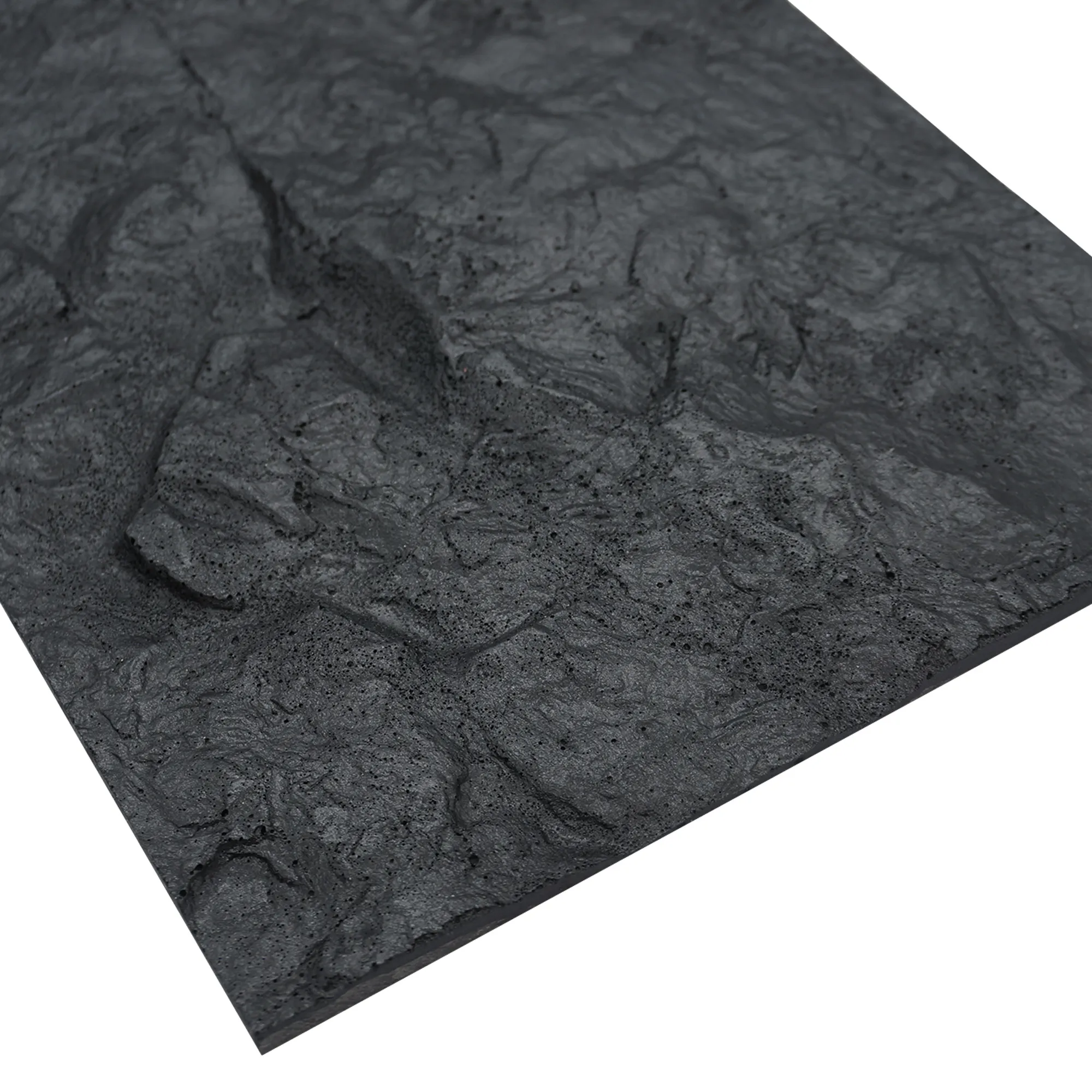
Let's talk about the "everyday heroes" of the boulder slab world: standard sizes. These are the dimensions that contractors and designers reach for when they want something that's easy to work with, versatile, and just the right amount of impactful. They're like the classic white t-shirt of design – simple, but they go with everything.
At 600mm by 600mm (that's roughly 24 inches square for those who prefer imperial), this little slab is a jack-of-all-trades. Here's where it shines: backsplashes in kitchens or bathrooms, accent walls in powder rooms, or even as a striking countertop for a compact bar. I recently worked with a homeowner who used these to clad the lower half of their living room wall, pairing it with light wood shelves and warm brass fixtures. The result? A space that felt grounded but not heavy – the vintage black added edge without dominating. The best part? These slabs are lightweight enough for DIY enthusiasts to handle (with a little help, of course) and fit through standard doorways without a fuss. They're also budget-friendly, since smaller slabs mean less material waste. Pro tip: Lay them in a staggered pattern instead of straight grid to add visual interest – it's a small tweak that makes a big difference.
Move up to 800x800mm (about 31.5 inches square), and you're entering "statement territory" without going full bold. This size is perfect for feature walls in larger rooms – think a master bedroom headboard wall or a home theater accent. I visited a café last month that used these slabs on their main wall, paired with pendant lights that cast warm glows, turning the vintage black into a canvas for light and shadow. What I loved most? The fewer grout lines. With larger slabs, the surface feels more seamless, which amplifies that "" ( rock) vibe that boulder slab is known for. These are still manageable for most installers, though you'll want a second pair of hands to lift them. They're a sweet spot for homeowners who want to make an impression but aren't ready to commit to oversized just yet.
| Size | Best For | Pros | Considerations |
|---|---|---|---|
| 600x600mm | Backsplashes, small accent walls, countertops | Lightweight, budget-friendly, easy to install | More grout lines; may feel too small in large spaces |
| 800x800mm | Feature walls, headboards, café interiors | Fewer grout lines, balanced impact | Needs 2+ people for installation |
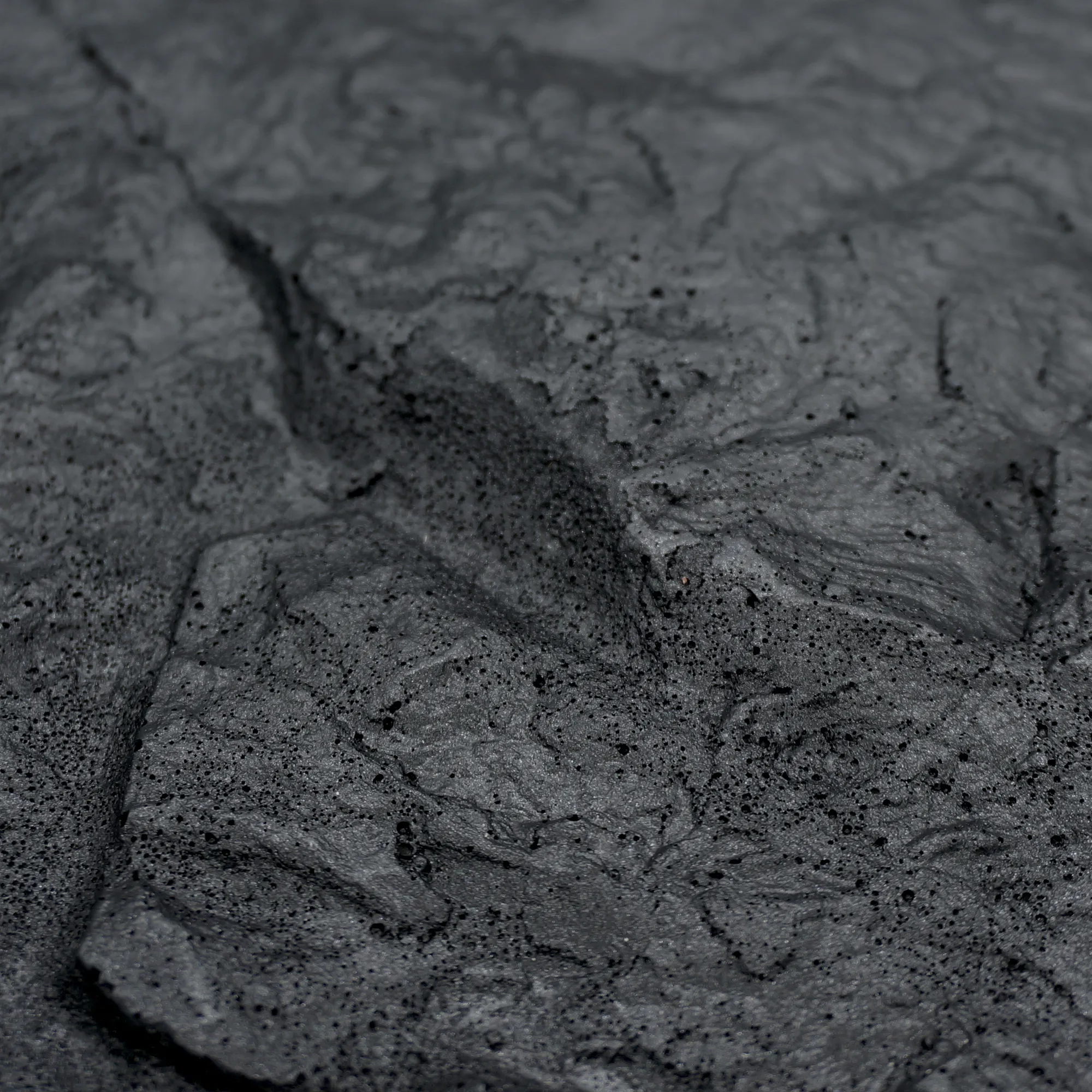
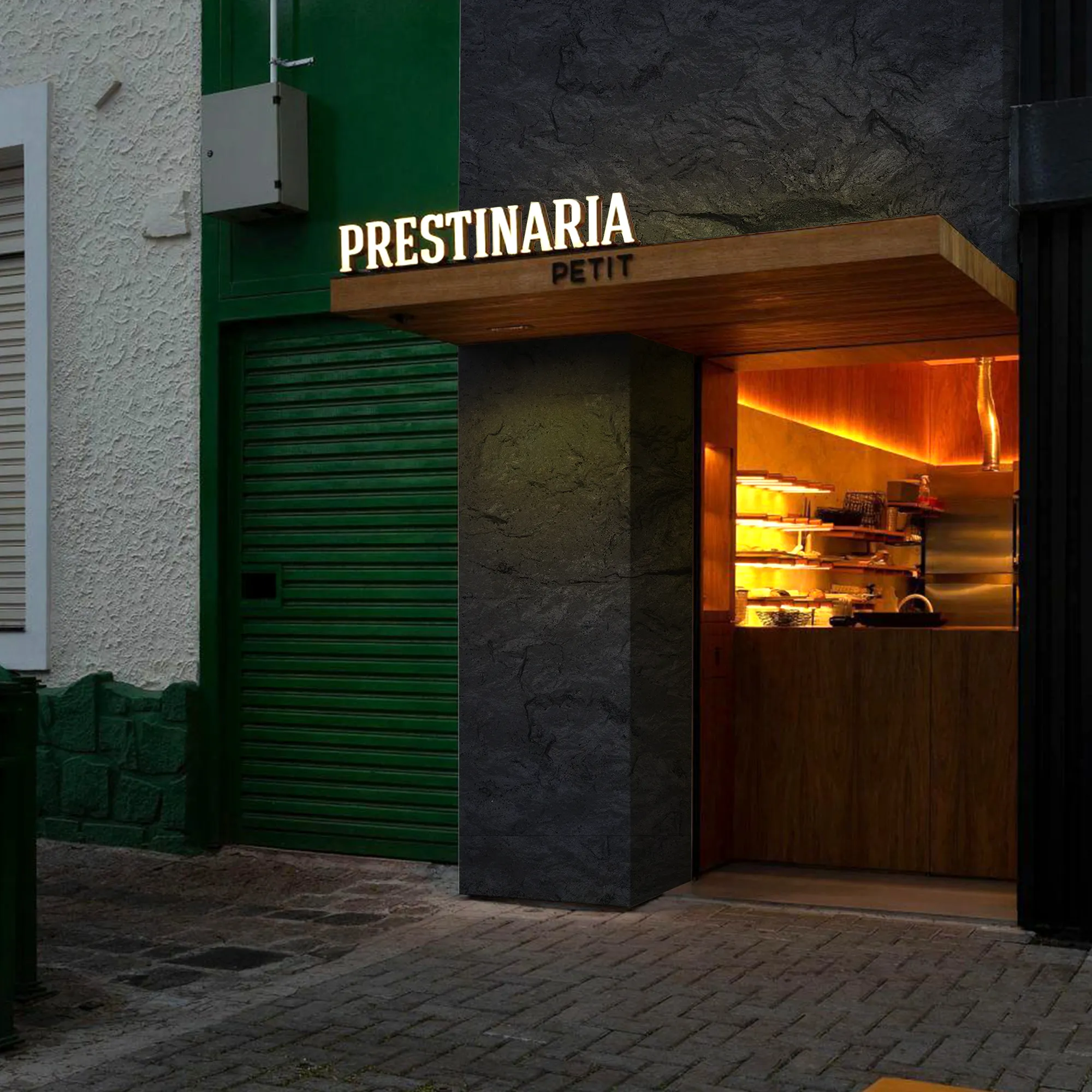
Now, let's talk about the rebels of the bunch: oversized boulder slabs. These are the ones that make you stop and say, "Whoa, that's bold." We're talking 1200x2400mm (47x94 inches) and up – sizes that turn walls into works of art. But oversized isn't just about being loud; it's about creating a sense of grandeur, continuity, and modernity. Think of it as painting with a larger brush – fewer strokes, bigger impact.
This size is a favorite in commercial design, and for good reason. Imagine walking into a hotel lobby where one entire wall is clad in a single 1200x2400mm vintage black boulder slab. The effect is immediate: it feels luxurious, timeless, and a little bit mysterious. I worked on a boutique hotel project last year where we used these slabs in the elevator lobbies. The contrast between the sleek black surface and the polished brass elevator doors? Chef's kiss. But here's the thing: oversized slabs demand planning. You'll need to check if your space can handle the weight (these babies are heavier than standard sizes) and if the delivery truck can even get them to your site (pro tip: measure doorways, hallways, and elevators before ordering). Also, installation requires pros – we're talking specialized equipment like suction cups and lifting gear. But the payoff? A wall that looks like it was carved from a single piece of stone, no interruptions. It's pure drama, and sometimes, that's exactly what a space needs.
At 1500x3000mm (nearly 5x10 feet), we're in "statement piece" territory. These slabs are not for the faint of heart – they're for designers who want to push boundaries. I saw a restaurant in the city that used two of these to create a backdrop for their open kitchen. The black surface acted as a canvas for the chefs' movements, making the whole cooking process feel like a performance. But here's the catch: these slabs are massive. You'll need a crane to lift them if they're going to an upper floor, and your subfloor or wall structure must be reinforced to support the weight. They're also pricier, both in material and installation costs. But for the right project – a high-end retail store, a luxury villa, a corporate headquarters – they're worth every penny. They transform spaces from "nice" to "unforgettable," and in design, that's the ultimate goal.
Design isn't about using one material in isolation – it's about how materials dance together. Boulder Slab (Vintage Black) is a star, but even stars need supporting cast members. Let's talk about a few materials that play beautifully with it, adding texture, color, or contrast.
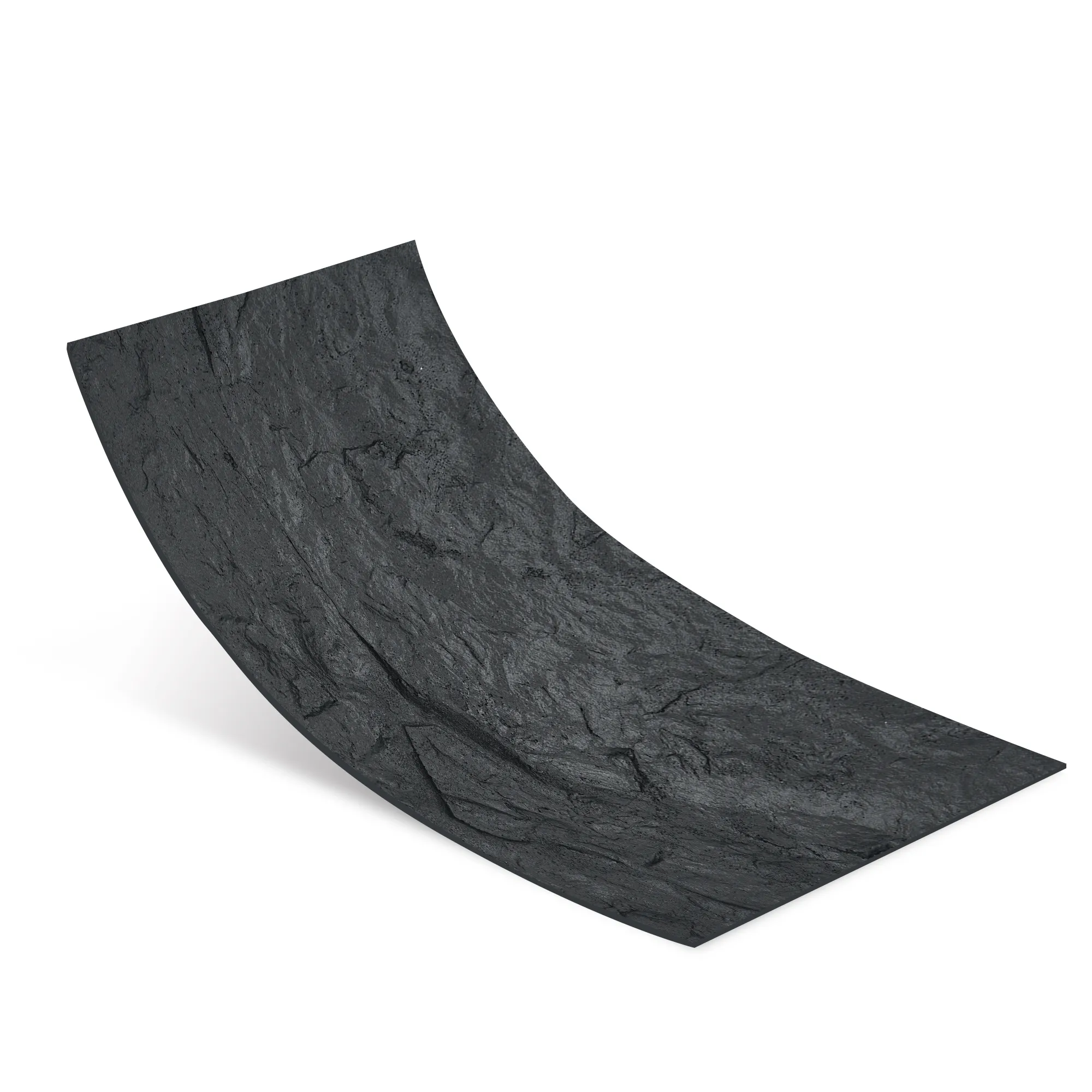
Here's a pairing I'm obsessed with: Boulder Slab (Vintage Black) and MCM Flexible Stone. MCM Flexible Stone is like the chameleon of the design world – it's thin, lightweight, and can bend around curves, making it perfect for spaces where boulder slab (which is rigid) can't go. Imagine a bathroom with a vintage black boulder slab shower wall and a curved vanity backsplash clad in MCM Flexible Stone in a soft beige. The contrast between the rigid black and the flowing beige? Stunning. Or use MCM Flexible Stone to create a wainscoting effect below a boulder slab accent wall – it adds depth without overwhelming. I love that both materials have that "natural texture" vibe, so they feel cohesive even when they're different.
For a raw, industrial look, pair vintage black boulder slab with fair-faced concrete. Fair-faced concrete has that "unfinished" aesthetic – think exposed aggregate, subtle texture, and a soft gray tone – that balances the boldness of the black. I visited a co-working space that did this: half the walls were boulder slab, the other half fair-faced concrete, with black metal accents tying them together. The result? A space that felt edgy but not cold – perfect for sparking creativity. The key here is to balance the two materials evenly; too much concrete might wash out the boulder slab, while too much black could feel heavy. Aim for a 60-40 split, and you'll hit the sweet spot.
Who says neutrals can't have fun? Travertine (Starry Blue) is a wild card that pairs surprisingly well with vintage black. This travertine has subtle blue veins and "starry" flecks that catch the light, adding a touch of whimsy to the boulder slab's seriousness. I saw a residential project where they used starry blue travertine for the fireplace surround and vintage black boulder slab for the chimney breast. The blue added warmth and personality, while the black kept it grounded. It's a great option if you want to add color without going bright – the blue is muted, almost moody, so it complements the vintage black instead of clashing.
You've picked your size – now, how do you get that boulder slab from the truck to your wall (or floor) in one piece? Installation varies dramatically between standard and oversized slabs, so let's break it down.
600x600mm and 800x800mm slabs are manageable for handy homeowners, but don't underestimate the prep work. First, your surface needs to be flat and clean – no bumps, cracks, or dust. Use a leveling compound if needed; trust me, uneven walls will make your slabs look wonky, and that's not the vibe we're going for. Next, choose the right adhesive. For interior walls, a high-quality tile adhesive works, but for exteriors or wet areas (like bathrooms), go for a waterproof mortar. And remember: even small slabs need spacers to keep grout lines even. Take your time – rushing leads to mistakes. If you're new to this, start with a small area (like a backsplash) to practice before tackling a full wall.
When it comes to 1200x2400mm and larger, leave it to the professionals. These slabs require specialized tools – think tile saws with diamond blades, suction cup lifters, and sometimes even cranes for delivery. Your installer will also need to check the structural integrity of your walls or floor. Drywall alone can't support the weight of oversized boulder slabs; you'll likely need to add plywood backing or metal studs. Exterior installation? You'll need to factor in weather resistance – sealants are a must to prevent water damage. It's more expensive, but think of it as an investment. A poorly installed oversized slab can crack, shift, or even fall, and that's a safety hazard. Spend the money on pros – your future self (and your walls) will thank you.
So you've installed your boulder slab – now how do you keep it looking as good as the day it went up? Luckily, vintage black is pretty low-maintenance, but a little care goes a long way. For daily cleaning, a soft cloth or microfiber mop with warm water is all you need. Avoid harsh chemicals like bleach or ammonia; they can strip the finish and dull the color. If you spill something oily (like cooking grease), wipe it up immediately – oil can stain if left sitting. Every 6-12 months, apply a stone sealer specifically designed for composite materials. It'll add a protective layer that repels water and stains, keeping that vintage black looking rich and deep. And if you notice a scratch? Don't panic – a little touch-up paint (match the vintage black tone) can hide minor blemishes. With proper care, your boulder slab will age like fine wine, developing even more character over time.
At the end of the day, choosing the right size for your Boulder Slab (Vintage Black) is about balance – balance between your space, your budget, and your design vision. Standard sizes are reliable, versatile, and perfect for adding subtle edge. Oversized slabs are bold, dramatic, and made for spaces that want to make a statement. And when paired with materials like MCM Flexible Stone, fair-faced concrete, or even a splash of travertine (starry blue), the possibilities are endless.
So whether you're a homeowner dreaming of a feature wall or a designer planning your next big project, remember: size isn't just about dimensions. It's about how you want people to feel when they walk into the room. Do you want them to pause and say, "Wow, that's bold"? Or do you want them to feel cozy, grounded, and at ease? Boulder Slab (Vintage Black) can do both – it all depends on how you size it up.
Now go forth, measure twice, and create something amazing. Your space (and that vintage black beauty) is waiting.
Recommend Products












