
The exterior of a building is more than just a wall—it's the first conversation it has with the world. It's the curb appeal that makes a passerby pause, the texture that catches the light at dawn, and the character that tells a story before anyone steps inside. For decades, brick has been the go-to for that story: reliable, warm, and steeped in tradition. But in a world where architecture is pushing boundaries—where homes and commercial spaces crave boldness, sustainability, and flexibility—brick is starting to feel like a well-worn book: comforting, but not always the page-turner modern design demands.
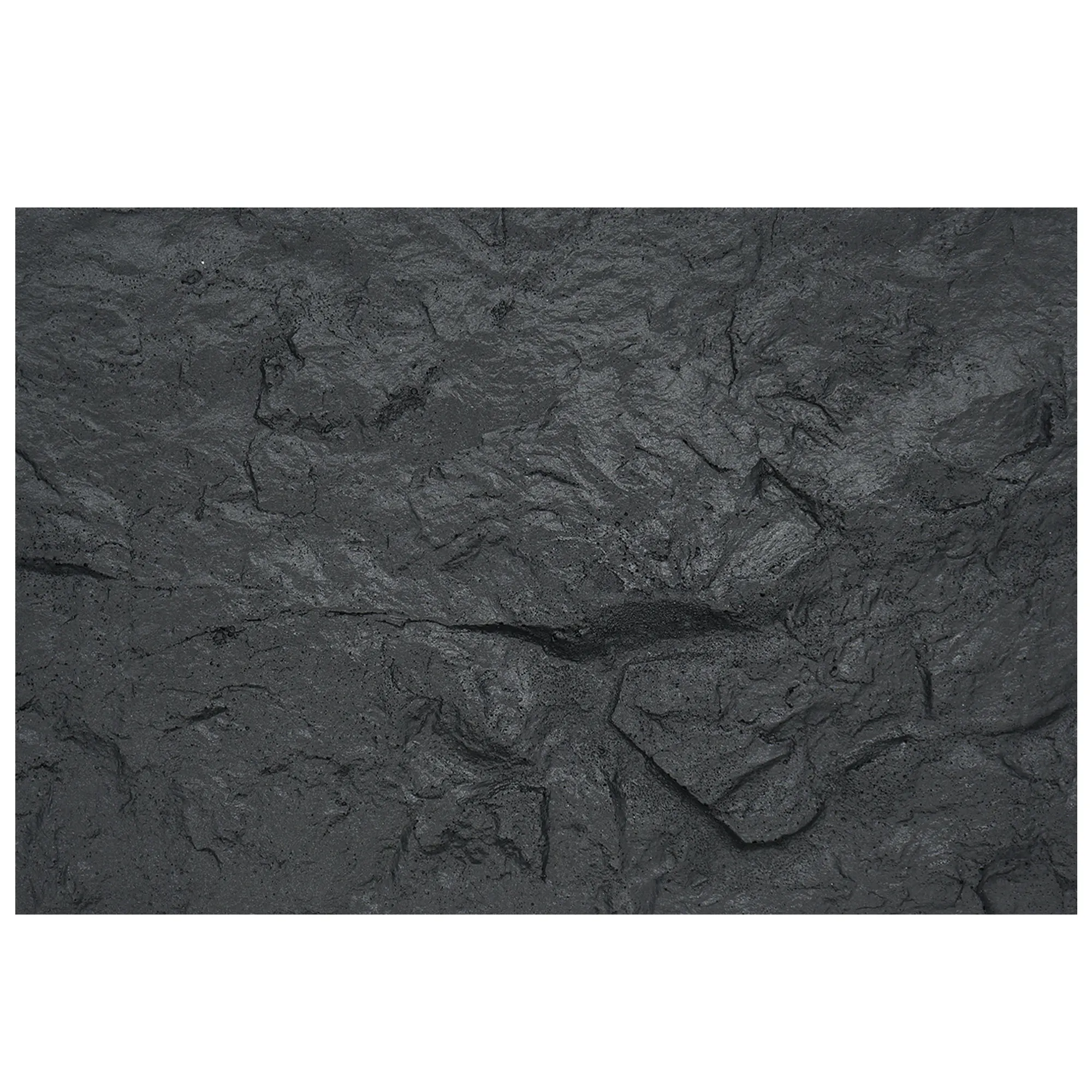
Enter COLORIA's Boulder Slab (Vintage Black) . Part of the brand's celebrated Boulder Slab series—alongside Vintage Silver and Vintage Gold—this material isn't just a trend; it's a reimagining of what exterior cladding can be. Sleek yet textured, lightweight yet durable, it's designed for the architects, homeowners, and dreamers who want their buildings to speak in a modern dialect without losing the soul of good design. But how does it stack up against the tried-and-true brick? Let's dive in.
Brick has earned its place in history. For centuries, it's been the backbone of cottages, townhomes, and industrial warehouses alike. There's a reason for that: brick feels human . Its uneven edges, the way mortar weathers into soft gray lines, the warmth of its reds and browns—these are the marks of a material that's been shaped by hands and time. Walk through a neighborhood of brick homes, and you'll feel a sense of continuity, a connection to the past.
But tradition has its limits. Brick is heavy—so heavy that it requires reinforced structural support, limiting where and how it can be used. It's porous, too; over time, water seeps into its crevices, freezing and thawing to crack mortar and weaken walls. And while its color palette is classic, it's also narrow: think terracotta, burnt sienna, and deep red. For a modern building that wants to stand out—say, a minimalist home or a tech startup's headquarters—brick can feel like wearing a suit to a beach party: appropriate, but not quite right.
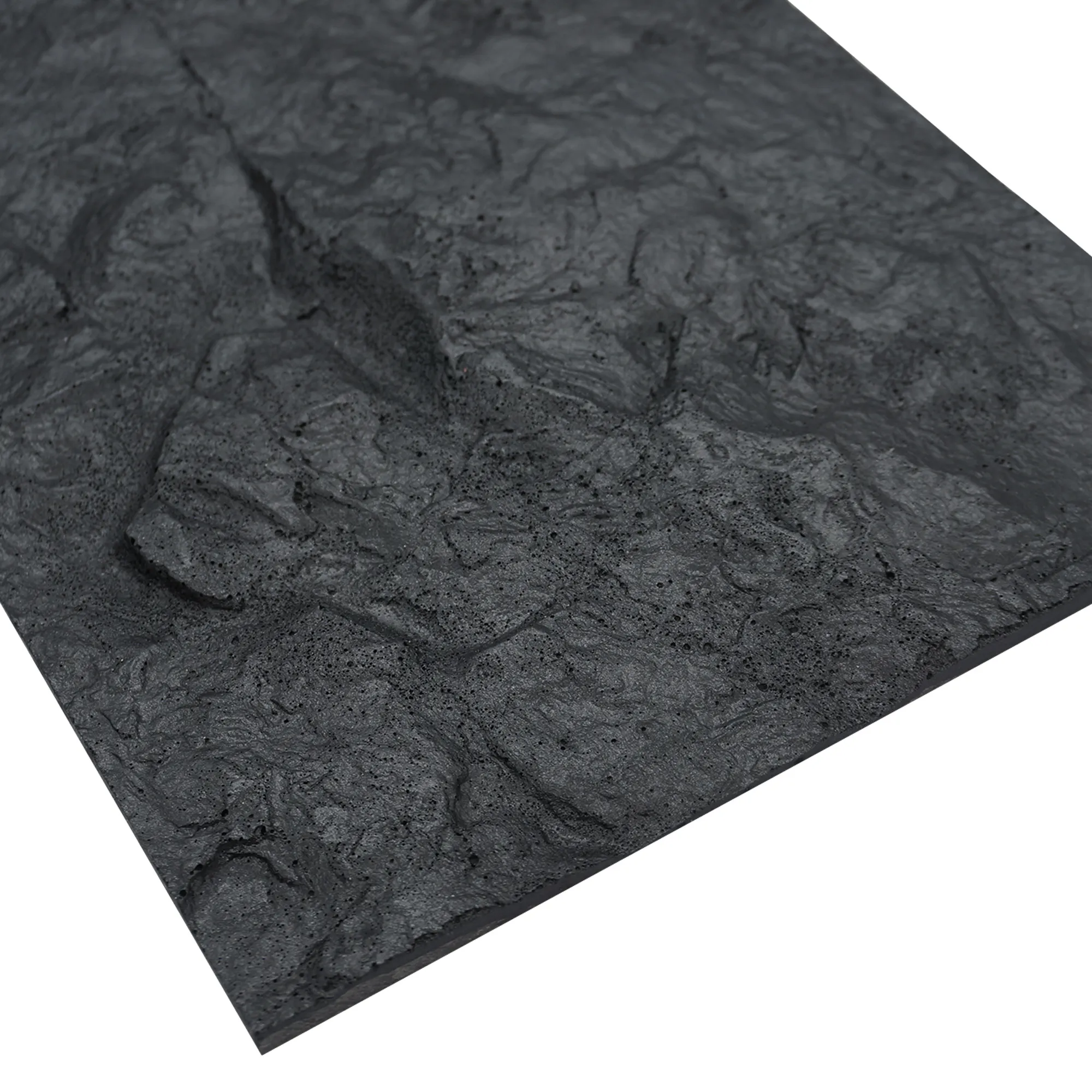
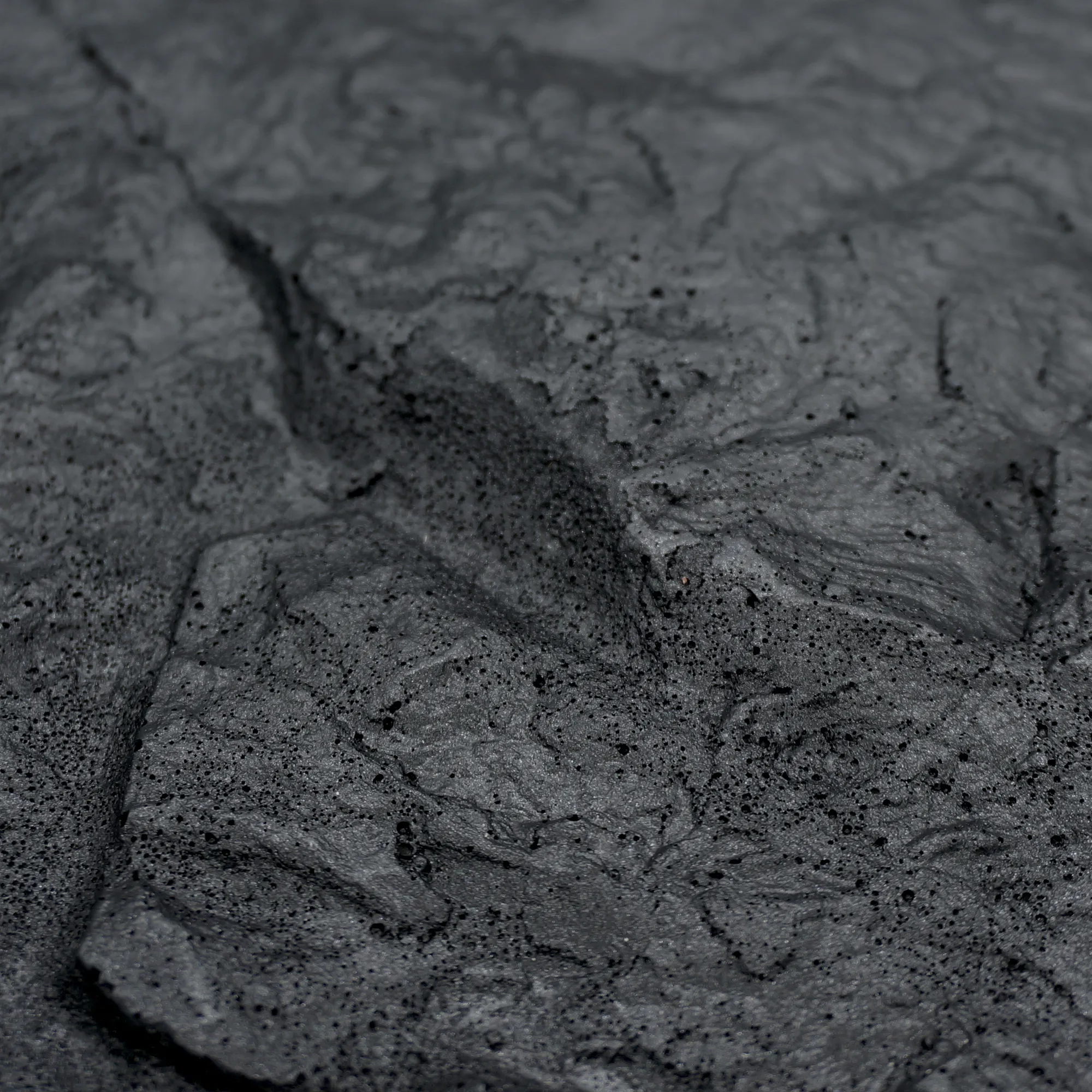
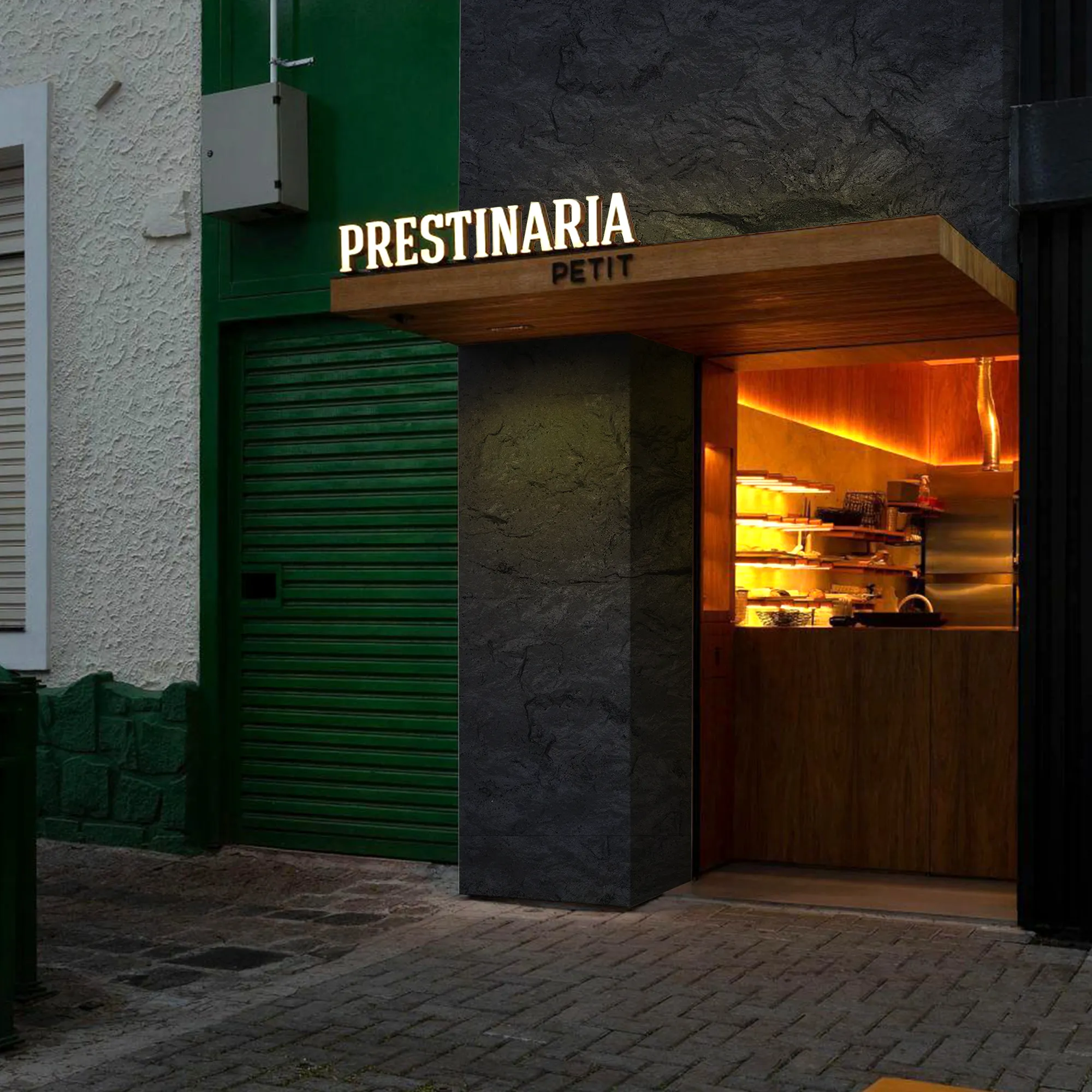
If brick is the cozy novel, Boulder Slab (Vintage Black) is a sleek, award-winning memoir—bold, unapologetic, and full of surprises. At first glance, it's striking: a deep, matte black that absorbs light in the morning and glows softly at dusk, with a subtle texture that mimics the rough-hewn surface of natural stone. Run a hand over it, and you'll feel the granular finish, a reminder that even in its modernity, it's rooted in the earth.
But what really sets it apart is what's under the surface. Boulder Slab isn't just stone—it's mcm flexible stone , a product of COLORIA's innovative modified composite material technology. That means it's made by blending natural minerals with high-performance polymers, resulting in a material that's 70% lighter than traditional stone but just as strong. It's the kind of engineering that lets architects dream bigger: cantilevered facades, curved walls, and multi-story installations that brick could never support.
Brick's charm lies in its imperfection. Each brick is slightly different, creating a patchwork of color and texture that feels organic. It pairs beautifully with white trim, wooden accents, and lush greenery, evoking a sense of homeyness that's hard to replicate. But here's the catch: that "classic" look can also feel limiting. If you're designing a building that aims to feel futuristic, or if you want to play with bold colors, brick can clash. Imagine a sleek, all-black home with red brick walls—it's like pairing a tuxedo with sneakers: the pieces work alone, but together, they fight for attention.
Boulder Slab (Vintage Black) doesn't fight—it complements. Its deep, uniform color acts as a neutral backdrop, letting other materials shine. Pair it with fair-faced concrete for an industrial-chic vibe, or contrast it with travertine (starry blue) —a vibrant, galaxy-like stone from COLORIA's Travertine series—to add a pop of color. Even better, it works with any architectural style: modernist, Scandinavian, brutalist, you name it. A recent project in downtown Portland used Boulder Slab (Vintage Black) alongside large windows and wooden beams, creating a space that felt both warm and cutting-edge. The black slab softened the sharpness of the glass, while the wood added warmth—proof that modern doesn't have to mean cold.
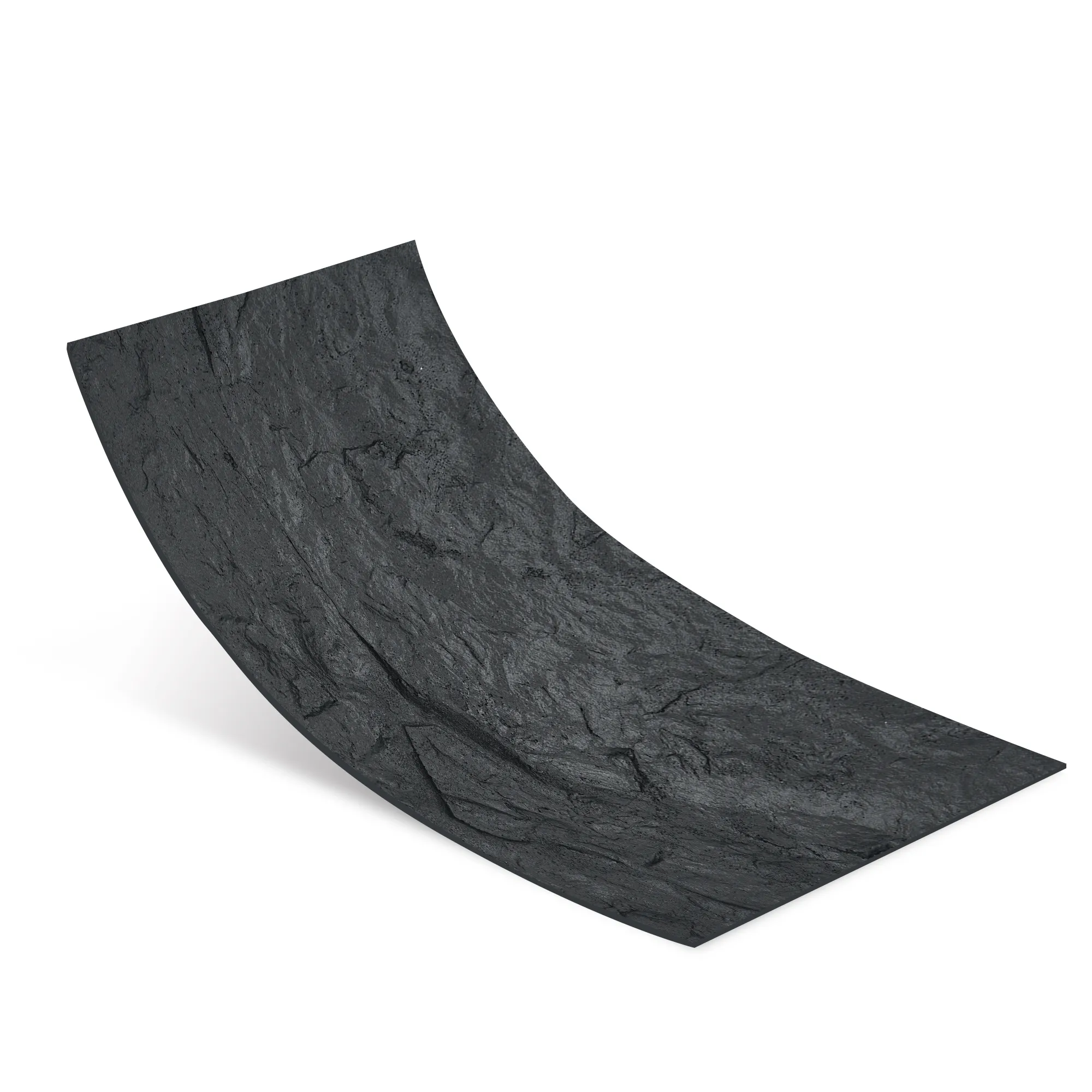
And let's talk about versatility. Unlike brick, which comes in standard sizes, Boulder Slab can be cut, shaped, and even curved to fit any design. Want a facade that undulates like a wave? Boulder Slab can do that. Dream of a accent wall with geometric cutouts? No problem. It's a material that bends to the architect's vision, not the other way around.
A building's exterior has to stand up to more than just looks—it has to battle rain, wind, UV rays, and the occasional hailstorm. Here's how brick and Boulder Slab stack up:
| Feature | Traditional Brick | Boulder Slab (Vintage Black) |
|---|---|---|
| Water Resistance | Porous; absorbs water, leading to mold and cracking over time. | Non-porous surface; repels water and resists mold growth. |
| UV Resistance | Fades slowly, but mortar can discolor and crumble. | UV-stable pigments; color remains vibrant for decades. |
| Impact Resistance | Prone to chipping and cracking from hail or debris. | Flexible composite core; bends slightly on impact, reducing breakage. |
| Maintenance Needs | Requires repointing every 15–20 years; regular cleaning to prevent staining. | Occasional hose-down with mild soap; no repointing or sealing needed. |
| Lifespan | 50–100 years with proper maintenance. | 80–120 years with minimal maintenance. |
Take it from Sarah, a Colorado-based architect who switched from brick to Boulder Slab for a mountain home project: "We had a client who wanted a home that could withstand heavy snow and harsh winters. Brick was an option, but we were worried about water damage. Boulder Slab was a game-changer. After three winters, the exterior still looks brand-new—no cracks, no discoloration. The client even jokes that it's 'snow-proof.'"
Installing brick is a labor of love—and time. Each brick has to be laid by hand, mortar applied between them, and the entire wall left to cure. For a 2,000 sq ft home, that can take weeks, not to mention the cost of skilled masons. And because brick is so heavy, it requires a reinforced foundation, adding to both time and expense.
Boulder Slab (Vintage Black) flips the script. Thanks to its lightweight design (about 8 lbs per sq ft, compared to brick's 25 lbs), it doesn't need a beefed-up foundation. It comes in large, pre-cut panels—some as big as 4x8 ft—that can be installed with basic tools. A crew of two can cover 500 sq ft in a day, cutting installation time by half. And because it's flexible, it can be applied to curved surfaces or even ceilings without special brackets. For contractors, that means happier clients (faster project completion) and lower labor costs.
In an era where green building materials are no longer a trend but a necessity, both brick and Boulder Slab have environmental footprints—but one is significantly lighter.
Brick production is energy-intensive. Clay is mined, shaped, and fired in kilns at temperatures up to 2,000°F, releasing CO2 into the atmosphere. And because brick is heavy, transporting it adds even more emissions. Boulder Slab, on the other hand, is made with recycled stone particles and low-VOC polymers, cutting down on raw material use. Its lightweight design also reduces transportation emissions—one truck can carry 10x more Boulder Slab panels than brick, meaning fewer trips to the construction site.
COLORIA takes sustainability a step further by ensuring all its manufacturing facilities run on renewable energy. For architects and homeowners aiming for LEED certification, Boulder Slab is a no-brainer—it checks the boxes for low embodied energy, recyclability, and long-term durability, reducing the need for replacement materials down the line.
Let's talk numbers. Brick is often cheaper upfront—about $8–$12 per sq ft for materials, plus $5–$10 per sq ft for installation. Boulder Slab (Vintage Black) runs higher initially, around $15–$20 per sq ft for materials, with installation costs of $3–$5 per sq ft. On paper, brick looks like the budget-friendly choice. But factor in maintenance, and the math shifts.
Over 20 years, brick will need repointing (costing $3–$5 per sq ft), sealing ($1–$2 per sq ft every 3–5 years), and occasional repairs. That adds up to roughly $15–$25 per sq ft in maintenance costs. Boulder Slab? Maybe $2–$3 per sq ft over the same period for cleaning. When you total it all, Boulder Slab ends up being the more cost-effective option over its lifespan—plus, it adds resale value. Homes with modern exteriors often sell faster and for more than those with outdated materials, according to real estate data.
In downtown Chicago, a developer wanted to convert an old warehouse into luxury lofts. The goal: preserve the building's industrial bones while giving it a modern edge. Brick was the original exterior, but it was crumbling and outdated. They chose Boulder Slab (Vintage Black) for the facade, pairing it with fair-faced concrete accents and large, black-framed windows. The result? A building that feels both historic and new, with units selling out within months. "Tenants love the way the black exterior contrasts with the city's skyline at night," says the developer. "It's become a landmark in the neighborhood."
A family in Cape Cod wanted a home that could withstand harsh coastal weather—salt spray, high winds, and driving rain. Brick was off the table; the salt would eat away at the mortar. They opted for Boulder Slab (Vintage Black) with travertine (starry blue) accents for the patio. Three years later, the exterior looks as good as new. "We don't worry about storms anymore," says the homeowner. "And guests always comment on how the black and blue make the ocean view pop—it's like bringing the beach inside, but in reverse."
Brick will always have a role in architecture. It's a symbol of craftsmanship, a link to our past, and a comfort in a fast-changing world. But for those who want their buildings to push boundaries—who crave durability, flexibility, and sustainability—Boulder Slab (Vintage Black) is the clear choice.
COLORIA's Boulder Slab series isn't just about selling a product; it's about empowering designers to create spaces that feel alive. Whether you're building a home, a restaurant, or a corporate headquarters, Boulder Slab (Vintage Black) offers the best of both worlds: the texture and depth of natural stone, with the strength and versatility of modern technology. It's not just a material—it's a new chapter in the story of architecture.
So, what will your building say? Will it whisper of the past, or shout of the future? With Boulder Slab (Vintage Black), the answer is clear: it will speak —boldly, beautifully, and for years to come.
Recommend Products












