Let's start with a truth we often overlook: building materials are the unsung heroes of our daily lives. They're the first thing we notice when we step into a room, and the last thing we think about when they're working well. But when they fail? Cracks in the wall, water stains, peeling finishes—suddenly, that "stunning" concrete accent wall becomes a source of stress. So, what makes a material truly great? It's not just about looking good in a catalog. It's about balancing four key pillars: aesthetics (does it make your space feel alive?), durability (can it stand up to rain, sun, and the chaos of daily life?), sustainability (is it kind to the planet?), and practicality (can you install it without a team of experts, and keep it clean without a chemistry degree?).
For years, concrete panels have been the go-to for designers chasing that raw, industrial vibe. There's a reason for that—fair-faced concrete, with its exposed aggregates and matte finish, has a rugged honesty that feels timeless. But here's the catch: traditional concrete is heavy. Like, "needs reinforced structural support" heavy. It's porous, too, meaning it soaks up water and stains like a sponge if not sealed properly. And let's not forget installation—lifting those massive slabs into place? That's a job for cranes, not weekend DIYers.
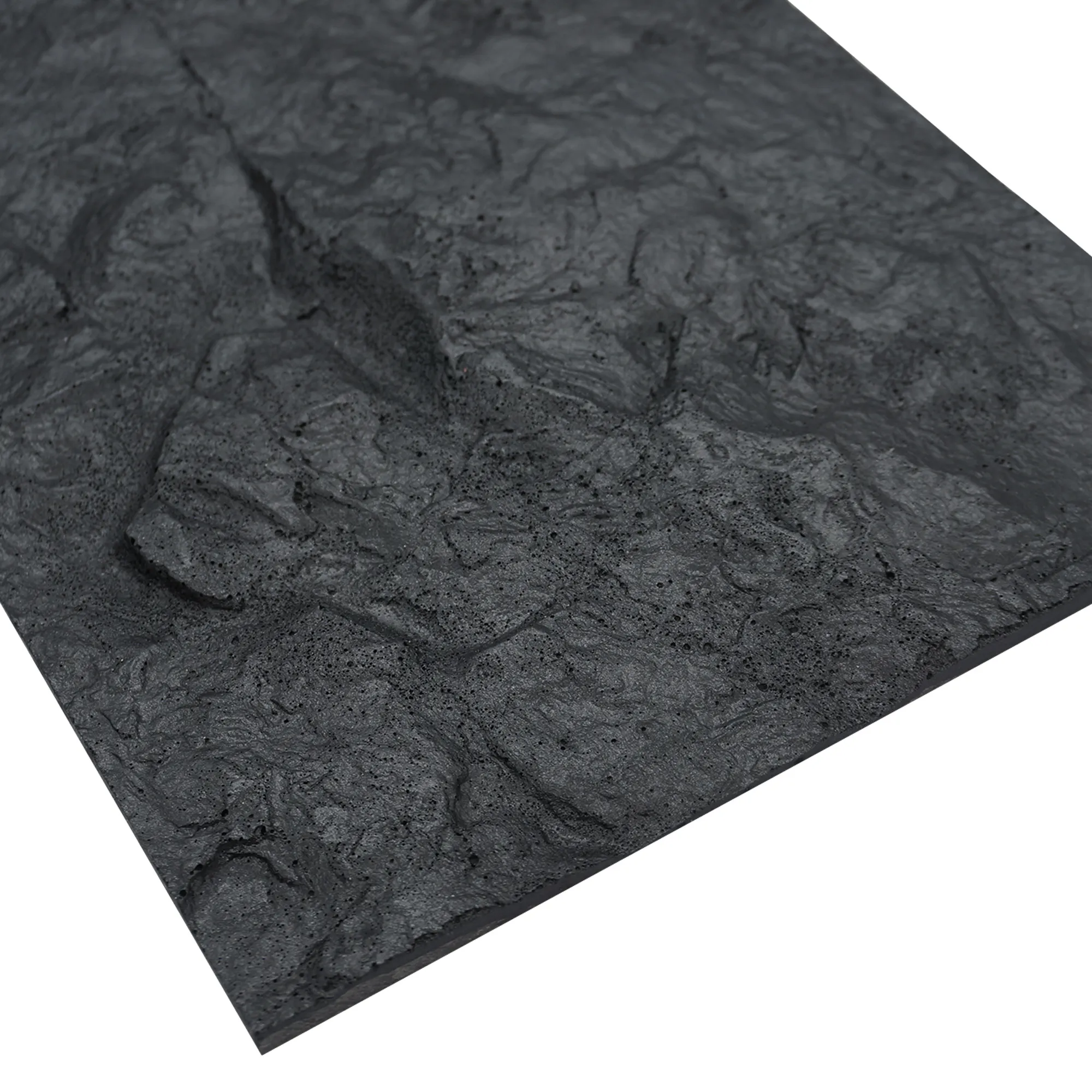
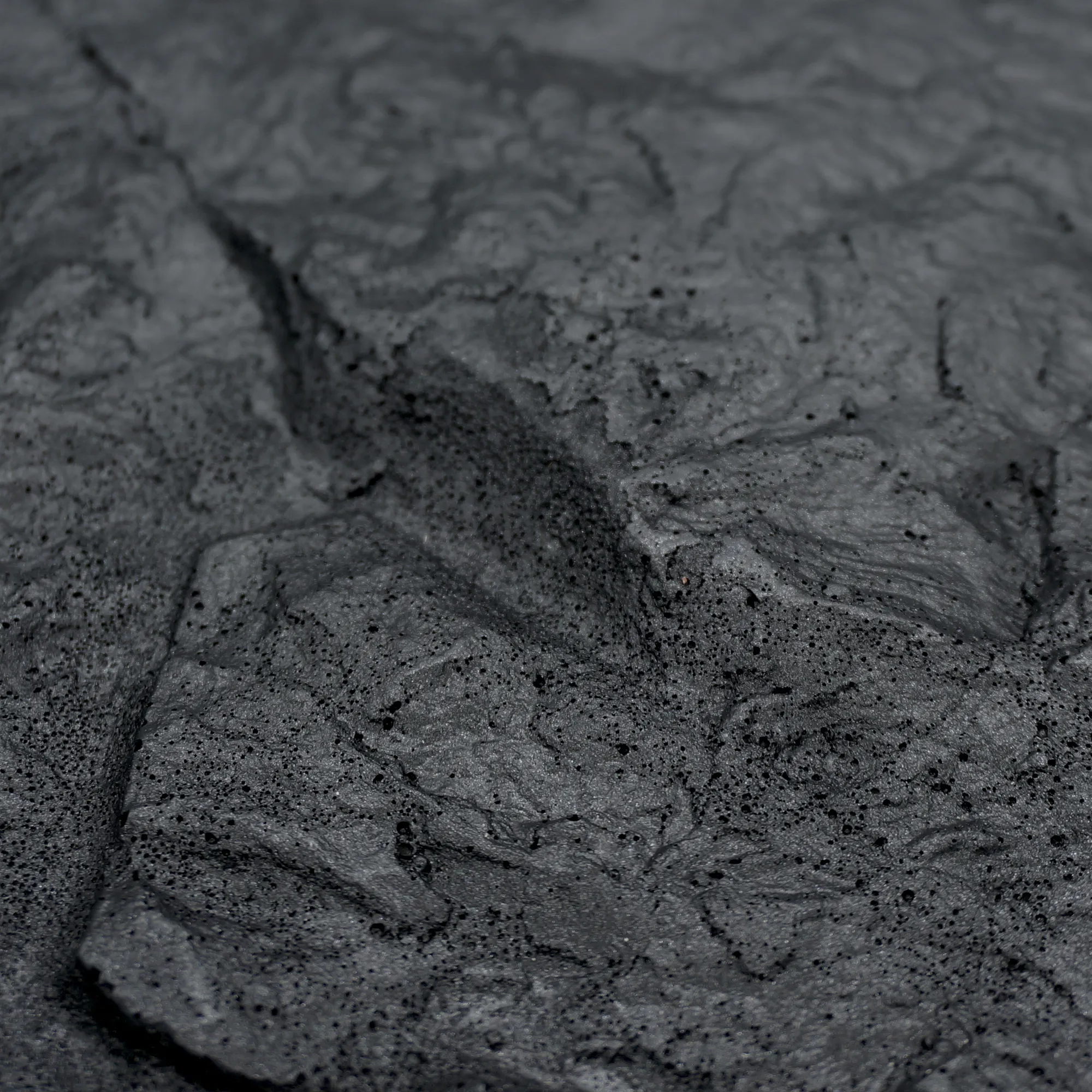
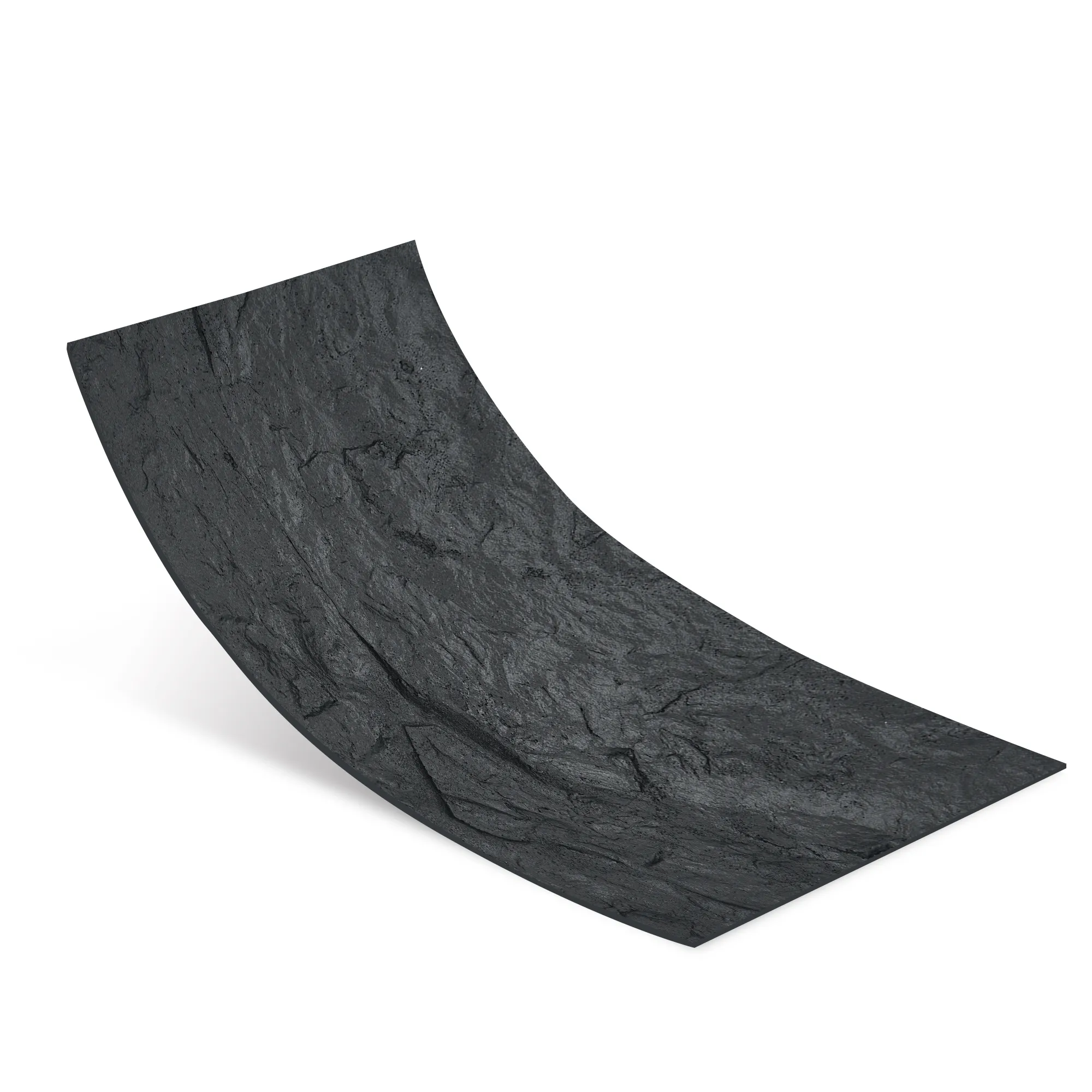
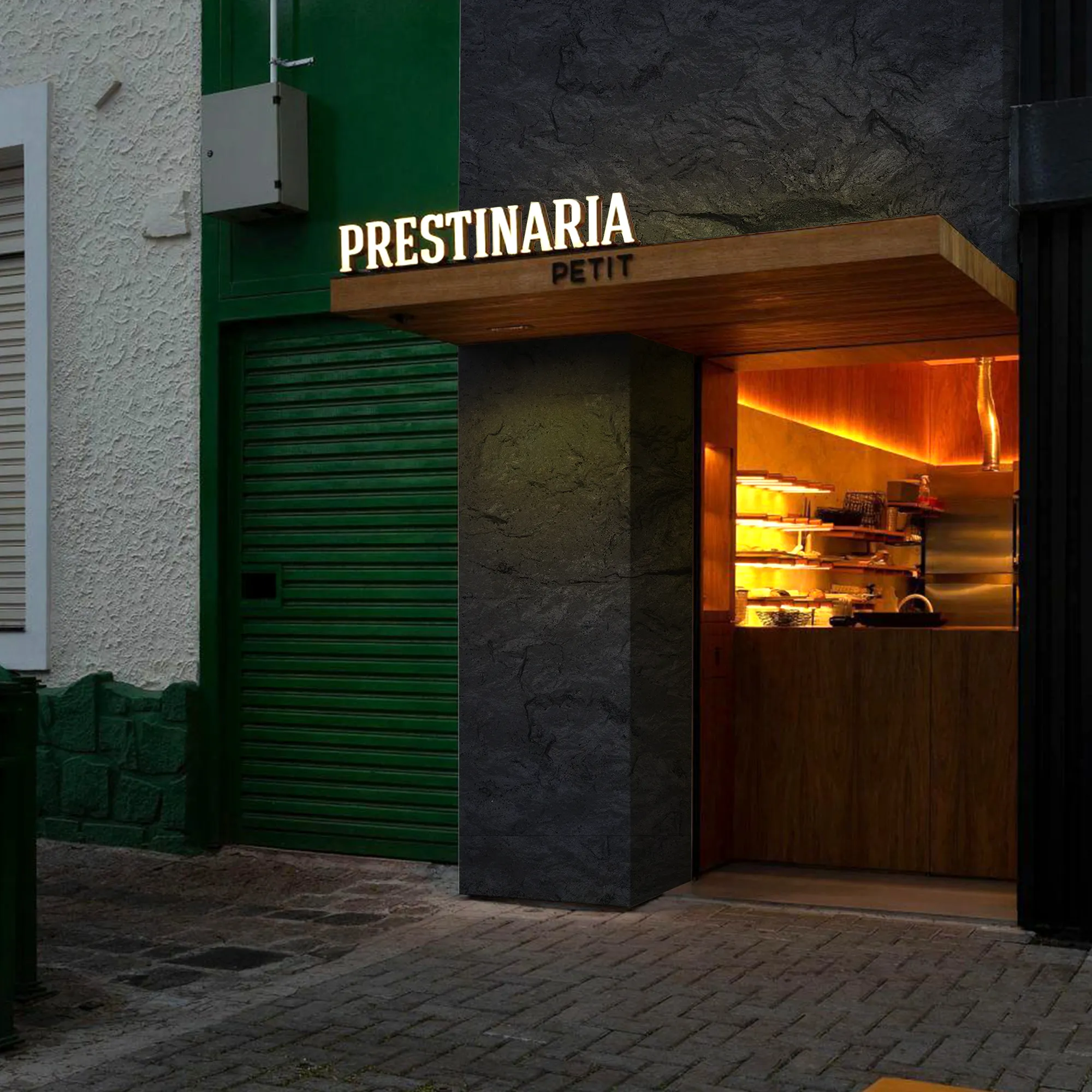
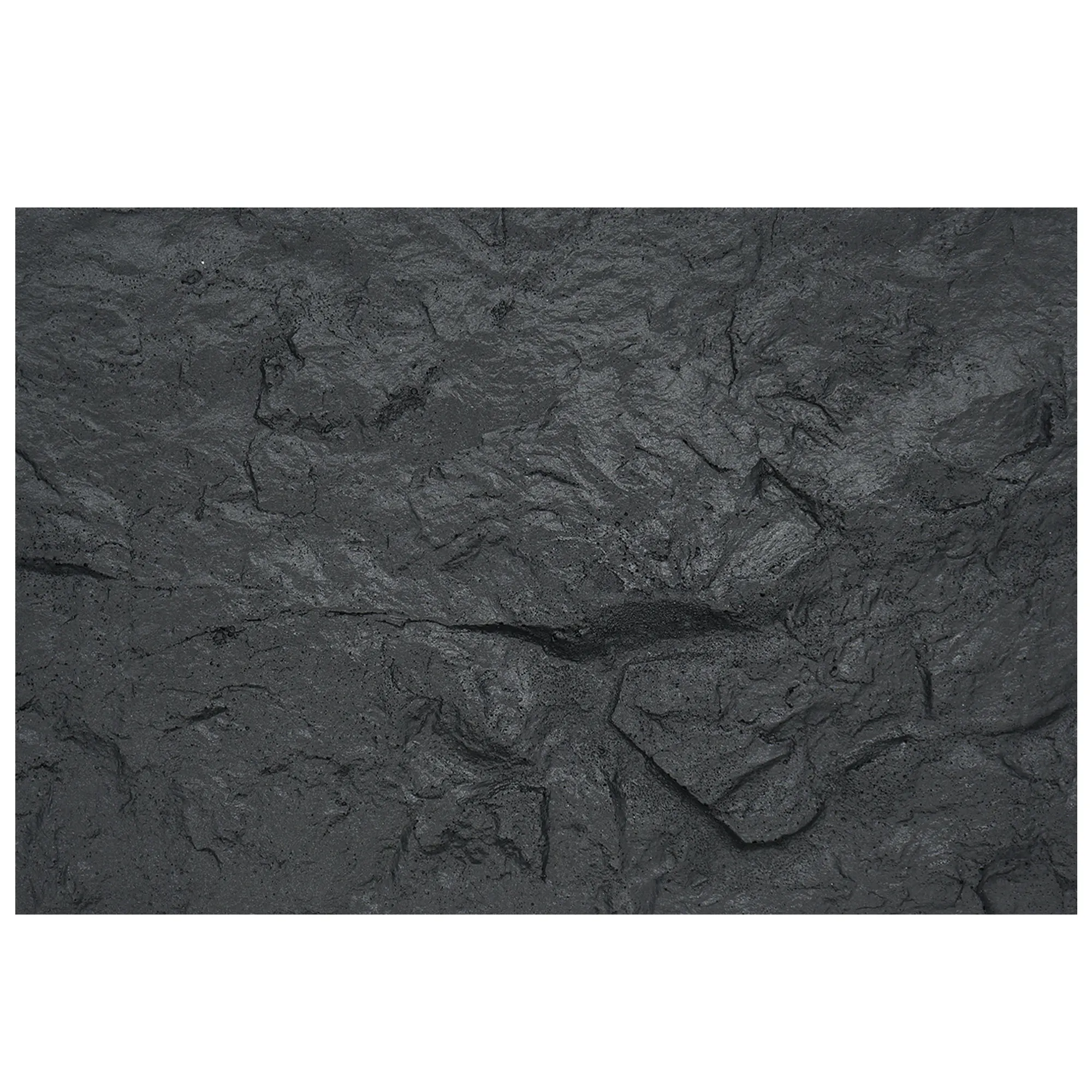
Then there's Boulder Slab (Vintage Black), a newcomer that's turning heads not just for its looks, but for what's under the hood. Part of COLORIA's MCM lineup, this material isn't just another pretty face. It's a product of modified composite material (MCM) technology, which blends natural minerals with advanced polymers to create something that's lightweight, flexible, and surprisingly tough. Think of it as the best of both worlds: the depth and character of natural stone, with the ease and resilience of modern engineering.