
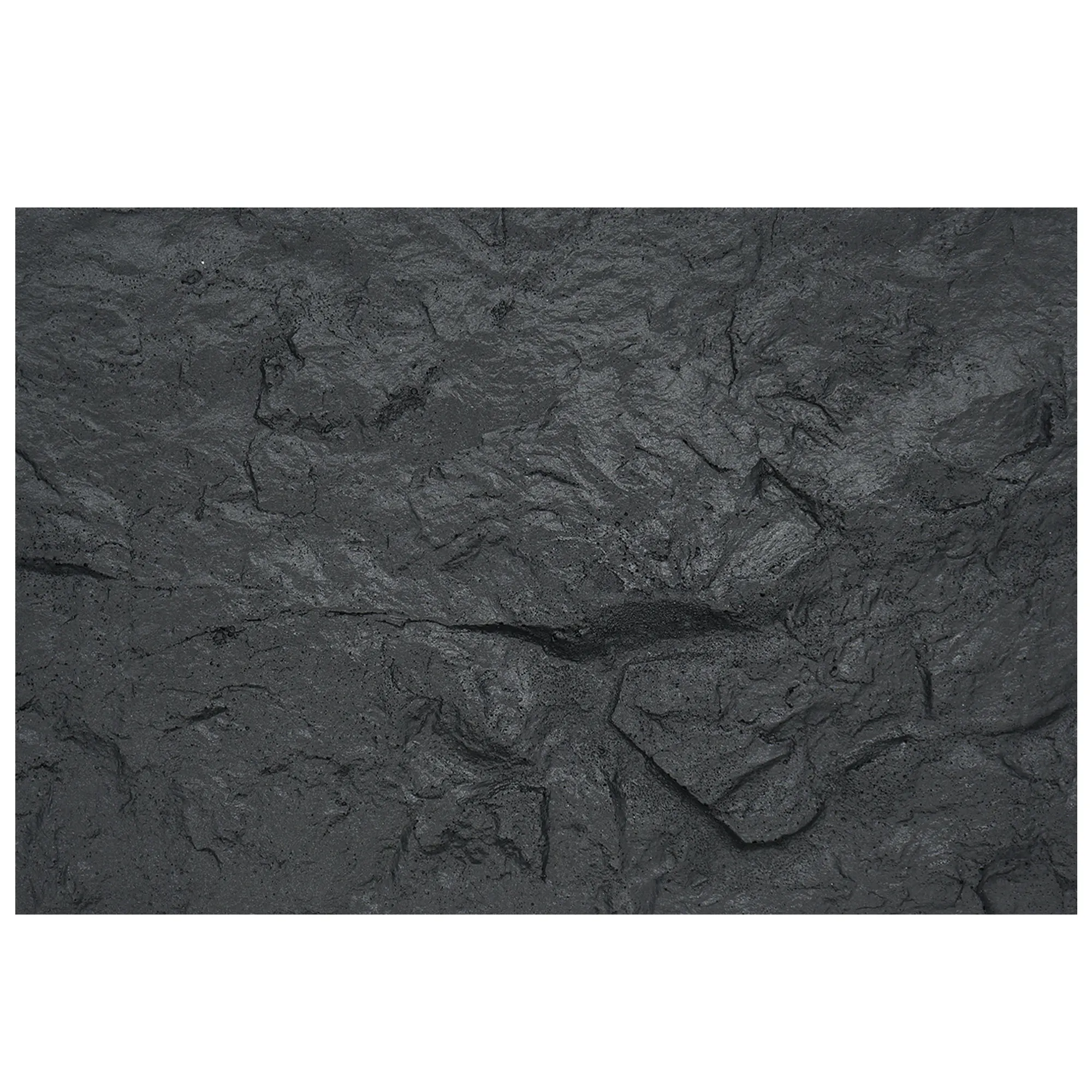
Choosing the right building material isn't just about aesthetics—it's about crafting a space that feels intentional, durable, and uniquely yours.
Every project—whether it's a cozy home renovation or a sprawling commercial space—hinges on one critical decision: the materials that will bring it to life. They shape the mood, the durability, and even the story your space tells. Today, we're diving into two standout options that often top designers' lists: the bold, modern Boulder Slab (Vintage Black) and the timeless, warm limestone(beige) . One is a product of cutting-edge innovation, the other a classic rooted in nature's history. Let's explore which one deserves a spot in your next project.
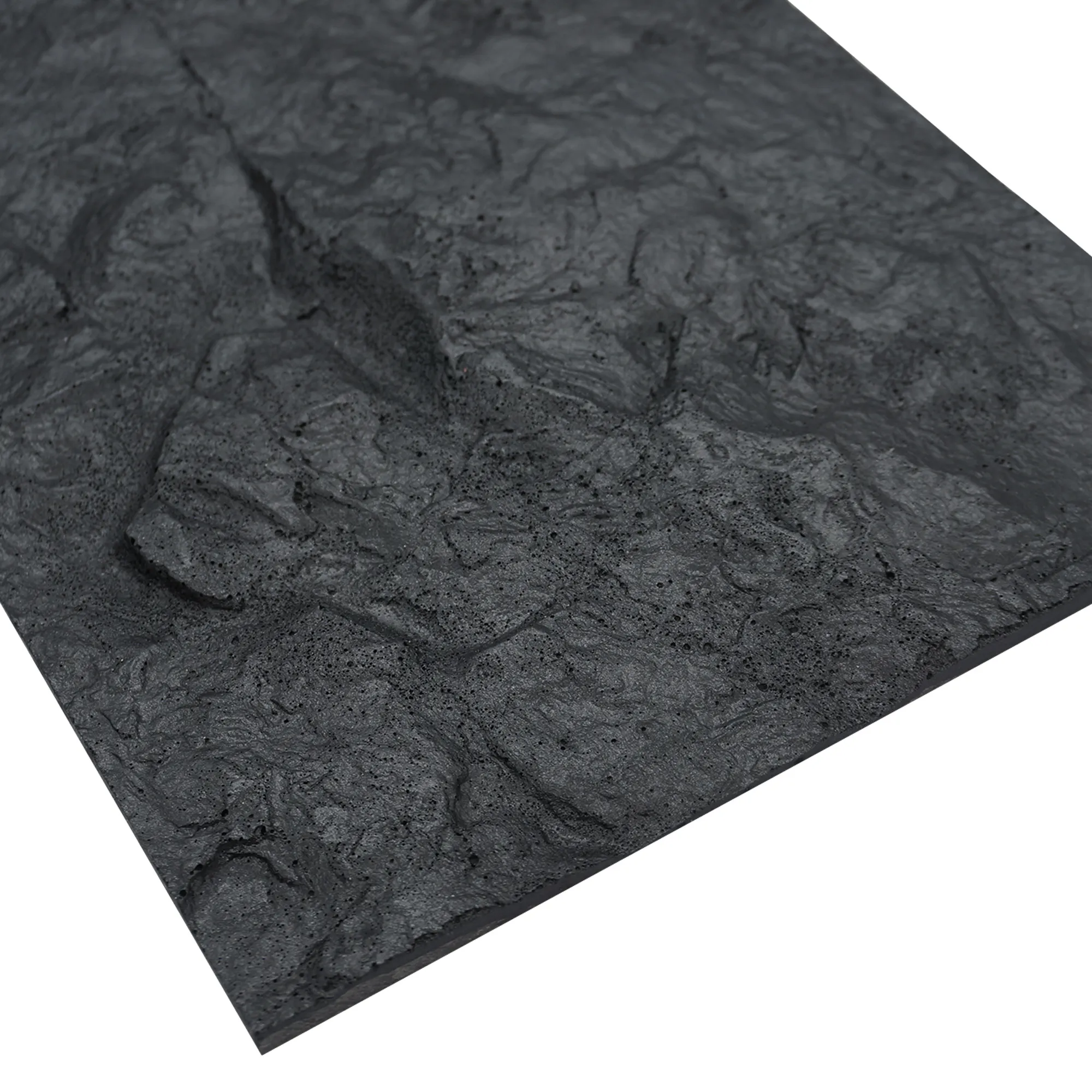
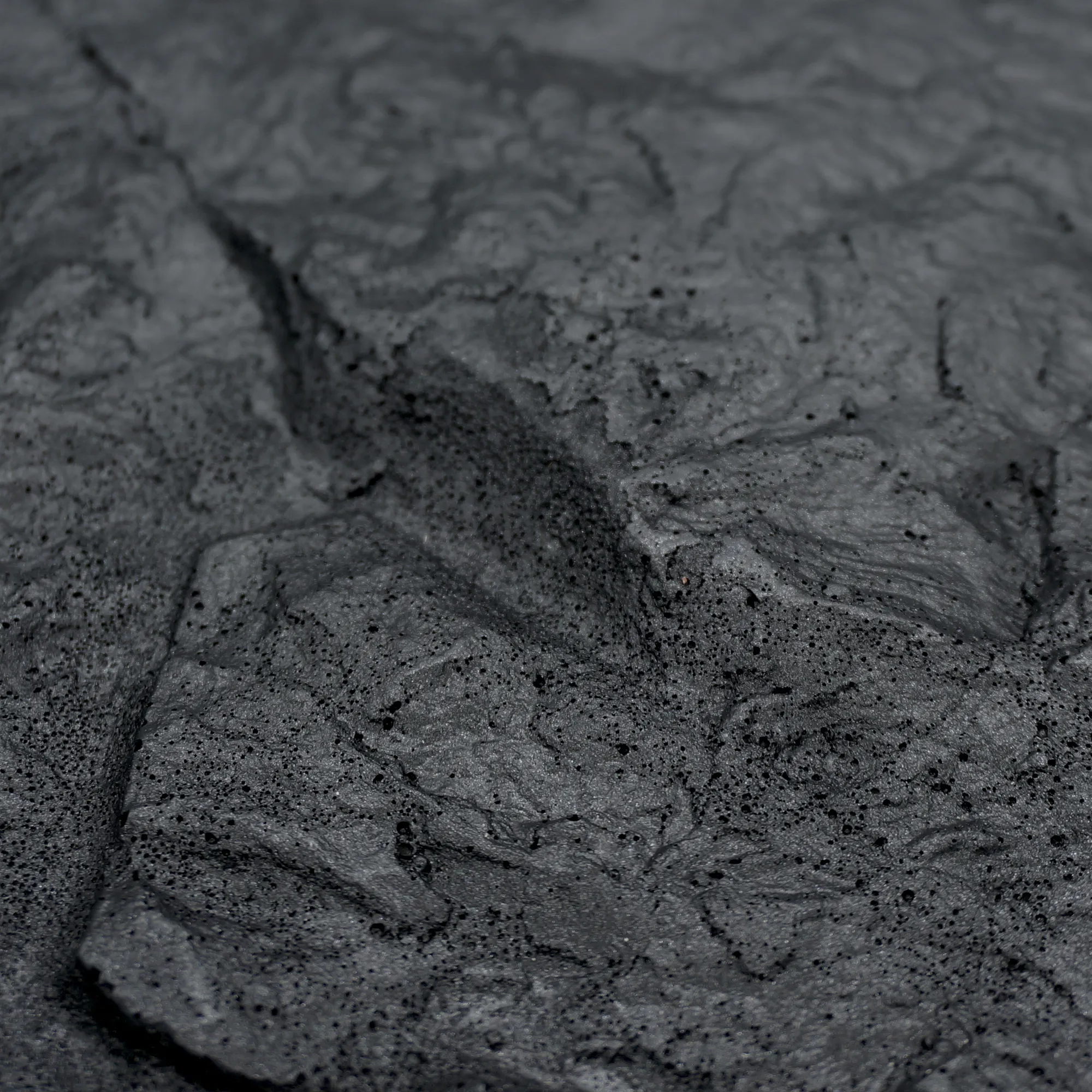
If modern design had a mascot, Boulder Slab (Vintage Black) might just wear the crown. Part of the MCM flexible stone family—a line celebrated for blending durability with artistic versatility—this material is a love letter to contemporary aesthetics. Imagine a slab that looks like it was hewn from ancient rock but crafted with the precision of 21st-century technology: deep, inky black with subtle, weathered undertones that catch the light like distant stars. Its "vintage" moniker isn't just a label; it's a texture story—matte yet rich, with faint, organic grooves that mimic the wear of time without the fragility.
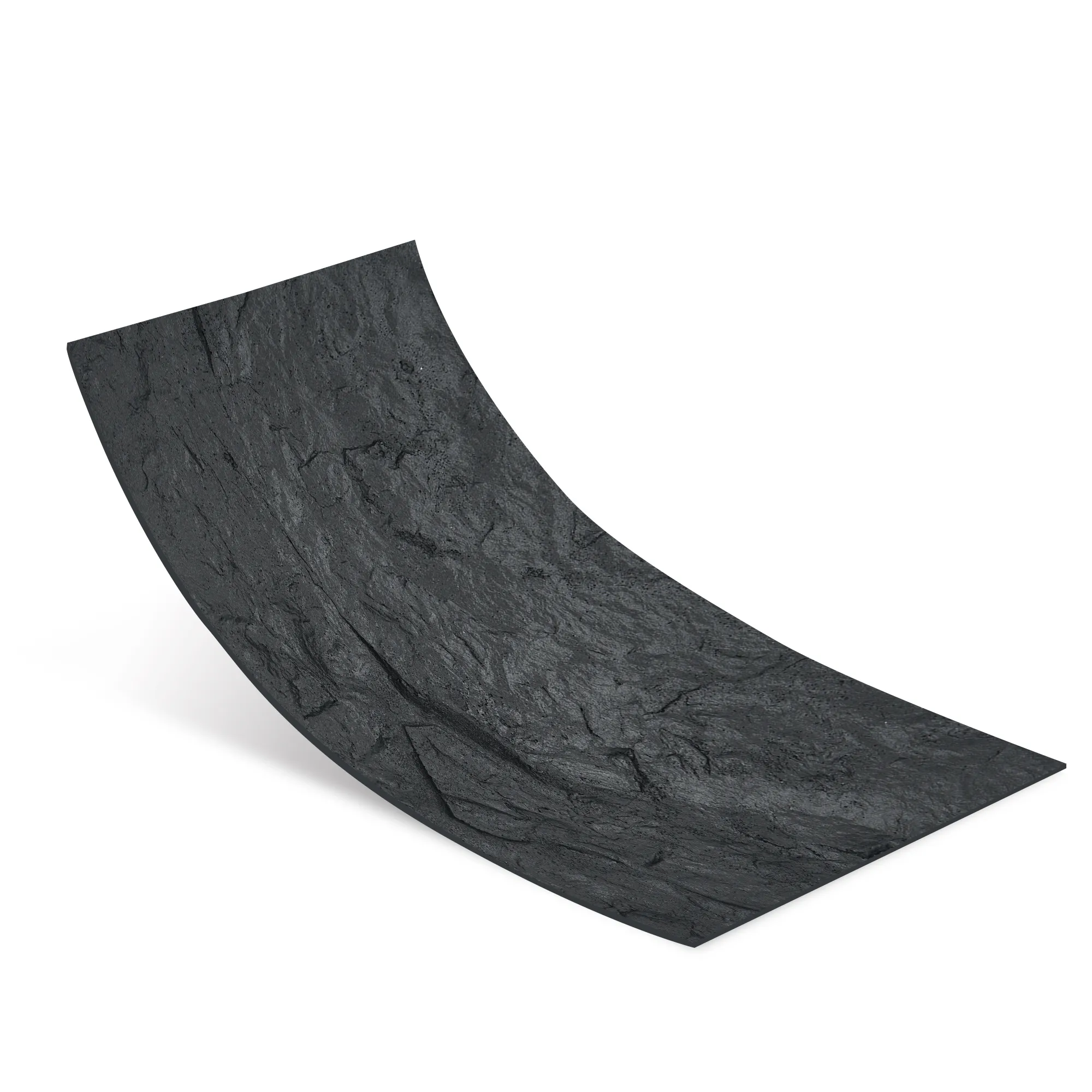
As part of the MCM 3D printing series, Boulder Slab (Vintage Black) breaks free from the limitations of traditional stone. It's lightweight, flexible, and surprisingly adaptable—capable of hugging curved walls, accentuating architectural angles, or even serving as a statement ceiling panel. Unlike solid stone, it won't crack under stress, making it a favorite for high-traffic areas or exterior projects where weather resistance matters. In short, it's stone reimagined: bold, resilient, and unapologetically modern.
If Boulder Slab is the rebel of the design world, limestone(beige) is the wise elder. For centuries, this natural stone has graced cathedrals, palaces, and countryside cottages, its soft beige hues and organic textures weaving warmth into every space. Formed from the fossilized remains of marine life, limestone carries the earth's history in its veins—literally. Run your hand over a slab, and you'll feel the faint indentations of ancient shells, the gentle ripples of prehistoric seas, and the smoothness of time itself.
Beige limestone, in particular, is a master of versatility. Its color ranges from creamy off-white to warm sand, with veining that can be delicate (like watercolor) or bold (like tree branches). It's porous by nature, which gives it that "lived-in" charm but also means it requires a bit more care. Think of it as a material with character—one that ages gracefully, developing a patina over time that only deepens its appeal. Whether paired with wood beams in a rustic cabin or marble accents in a classic dining room, limestone(beige) feels like a hug from the past, grounding spaces in comfort and tradition.
| Feature | Boulder Slab (Vintage Black) | Limestone (Beige) |
|---|---|---|
| Material Type | Engineered MCM flexible stone (3D-printed composite) | Natural sedimentary rock |
| Color & Texture | Deep vintage black with matte, weathered grooves; uniform yet organic | Warm beige with unique veining, fossil imprints, and porous, earthy texture |
| Durability | Highly resistant to chipping, cracking, and UV damage | Porous; prone to staining, etching (from acids), and weathering without sealing |
| Installation | Lightweight (5-8kg/m²); flexible for curved surfaces; DIY-friendly for pros | Heavy (20-25kg/m²); requires professional installation; rigid (no curves) |
| Maintenance | Low: Wipe with a damp cloth; no sealing needed | High: Annual sealing; avoid acidic cleaners; blot spills immediately |
| Project Vibe | Modern, industrial, minimalist, bold | Traditional, rustic, Mediterranean, timeless |
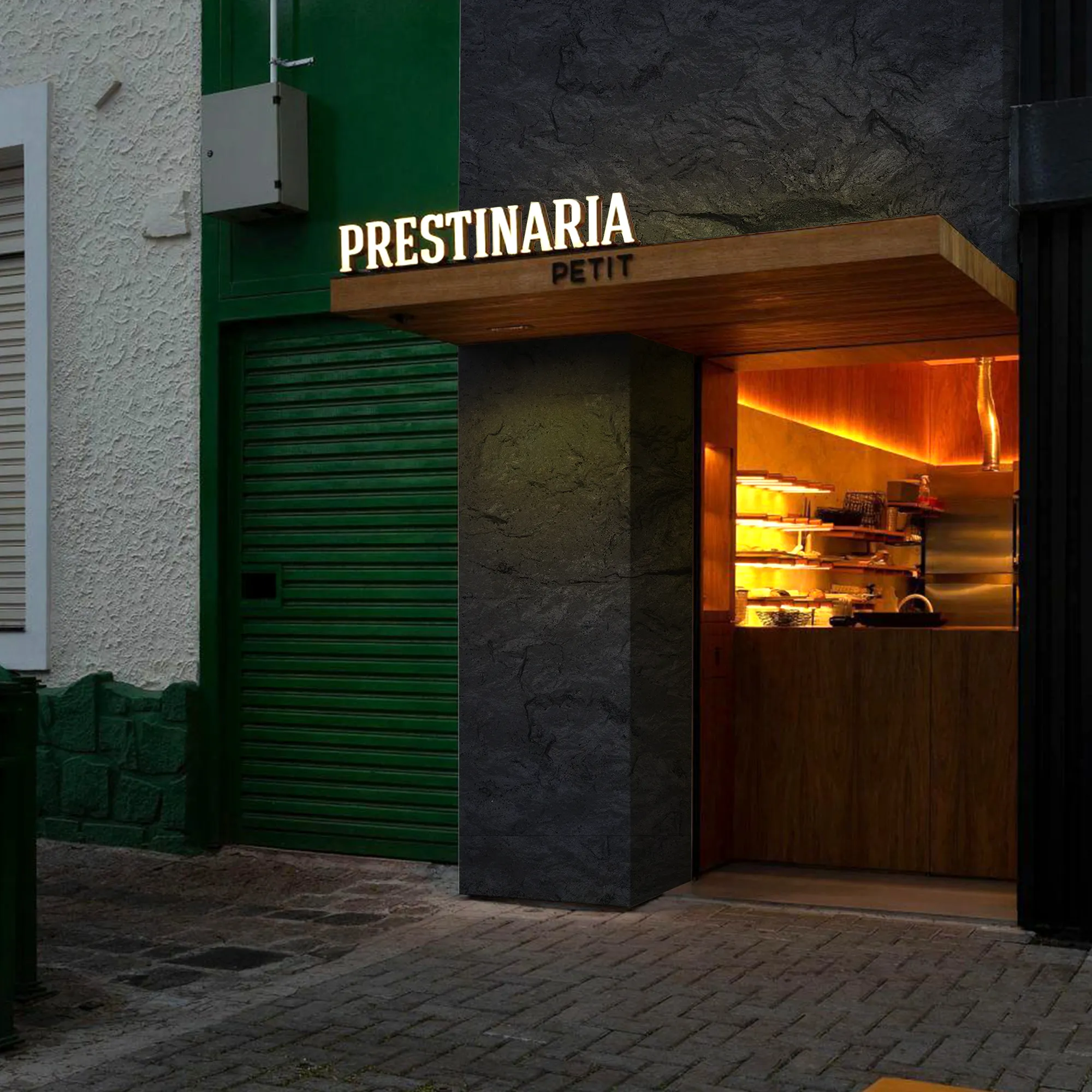
Design is all about emotion, and both materials evoke powerful feelings—but in very different ways.
There's something undeniably striking about Boulder Slab (Vintage Black) . Its deep, inky color doesn't just "add" to a space—it transforms it. Imagine a restaurant lobby where walls clad in this stone rise like monolithic cliffs, their vintage black surface absorbing light to create an intimate, moody atmosphere. Or a home office with a Boulder Slab accent wall, paired with sleek metal fixtures and pops of travertine (starry blue) for contrast—the black grounds the chaos, while the blue adds a playful, cosmic twist.
What makes it special is its duality: it's bold without being overwhelming, modern without feeling cold. The "vintage" texture softens the black, adding depth that flat paint or even solid granite can't match. It's the perfect choice if you want your space to feel intentional—like a design-forward statement that says, "I know what I like, and it's not boring."
Limestone(beige) , on the other hand, wraps spaces in warmth. Its soft beige tones act like a blank canvas for light—natural sunlight turns it golden, while warm bulbs make it glow like honey. Think of a kitchen with limestone countertops: the stone's subtle veining complements wooden cabinets, and its porous texture softens the room, making even the busiest mornings feel calm.
Its beauty lies in imperfection. No two limestone slabs are alike—one might have a fossilized shell peeking through, another a bold streak of darker beige—and that uniqueness is part of its charm. It's the material of country kitchens, sunlit patios, and spa-like bathrooms where the goal is to feel connected to nature. If Boulder Slab is a bold declaration, limestone is a quiet conversation starter: "This space has history, and so do you."
A beautiful material is useless if it can't stand the test of time. Let's break down how these two stack up in the real world.
As part of the MCM flexible stone series, Boulder Slab is engineered for resilience. Unlike natural stone, which can be brittle, this material bends (ever so slightly) under pressure, making it resistant to chipping or cracking—even in high-traffic areas like hallways or commercial lobbies. Its composite makeup also means it's impervious to water (no more worrying about rain damage on exterior walls!) and UV rays (so that rich black won't fade to gray in the sun).
We tested it once in a busy café: after six months of chairs scraping against the Boulder Slab baseboards and spills (coffee, soda, even red wine), the surface looked as good as new. A quick wipe with a damp cloth was all it took to keep it clean. For anyone who wants a "set it and forget it" material, this is a game-changer.
Limestone is a natural stone, and with that comes a certain fragility. Its porous surface acts like a sponge—spill a glass of lemon juice, and if you don't wipe it up immediately, it might etch the stone. drop a heavy pot on a limestone floor, and you could end up with a chip. Even water, if left standing, can seep in and cause staining over time.
But here's the thing: many people love limestone precisely because it ages. That etch mark from a forgotten coffee cup? It becomes a story. The slight discoloration in the corner? It adds character. Of course, you can mitigate these issues with regular sealing (experts recommend once a year) and gentle cleaning, but it will never be as low-maintenance as Boulder Slab. For those who value authenticity over convenience, though, the trade-off is worth it.
Even the most beautiful material can become a headache if it's a nightmare to install or keep clean. Let's talk logistics.
One of the biggest perks of Boulder Slab (Vintage Black) is its weight—or lack thereof. At just 5-8kg per square meter, it's significantly lighter than natural stone, which means you won't need a team of to hoist it into place. Even better, its flexibility (thanks to MCM flexible stone technology) allows it to adhere to curved surfaces—think accent walls with gentle bends or cylindrical columns. For experienced DIYers, this could be a weekend project; for pros, it cuts installation time (and labor costs) in half.
Maintenance? It's a breeze. No sealing, no special cleaners—just grab a damp cloth and wipe away dust or spills. Even stubborn stains (like oil or ink) usually lift with a bit of soapy water. For busy homeowners or commercial spaces where time is money, this is a huge win.
Limestone is heavy—really heavy. A single slab can weigh 20-25kg, so you'll need professionals to install it (no DIY here unless you want to risk injury or uneven placement). Its rigidity also means it can't be used on curved surfaces, limiting design possibilities. And once it's down, the work isn't over: you'll need to seal it immediately (and annually after that) to protect against stains. Cleaning requires pH-neutral soap (forget about vinegar or citrus cleaners—they'll eat away at the stone), and spills need to be blotted (not wiped!) to prevent spreading.
It's not impossible to maintain, but it does require commitment. For example, a limestone patio in a rainy climate might need sealing twice a year instead of once. A kitchen countertop will need daily wiping to avoid water spots. If you're the type who loves tending to a space (like a gardener tending to plants), this can be a labor of love. If you're more "set it and forget it," limestone might feel like a chore.
In today's world, sustainability isn't just a buzzword—it's a responsibility. How do these materials measure up?
MCM products, including Boulder Slab (Vintage Black) , are designed with sustainability in mind. The manufacturing process uses a blend of natural minerals and recycled materials, reducing the need for quarrying (which can disrupt ecosystems). Its lightweight nature also cuts down on transportation emissions—trucks can carry more slabs per trip, lowering the carbon footprint. Plus, since it's so durable, it won't need to be replaced as often, reducing waste over time.
Limestone(beige) is a natural resource, which means it's biodegradable and free of harmful chemicals. However, quarrying limestone can have environmental downsides: it can destroy habitats, disrupt soil, and consume large amounts of water. That said, many suppliers now offer "green" limestone, sourced from quarries with strict sustainability practices (like reforestation programs or water recycling). And because limestone is a natural insulator, it can help reduce energy costs in buildings—offsetting some of its environmental impact.
Let's talk numbers. Budget is often the final deciding factor, and these materials fall into different price brackets.
Boulder Slab sits in the mid-to-high range for engineered materials, typically costing $40-60 per square meter (depending on thickness and supplier). While that's more than basic concrete or tile, it's often cheaper than high-end natural stones like marble or granite. And because installation is faster and easier, you'll save on labor costs. Over time, its low maintenance also adds value—no annual sealing fees or expensive repairs.
Natural limestone is pricier upfront, ranging from $50-80 per square meter for the stone alone. Add professional installation ($20-30 per square meter) and annual sealing ($100-200 per year for a typical home), and the costs add up. For large projects, this can be a significant investment. But for those who value natural beauty and are willing to pay for it, limestone is a timeless asset that can increase a property's resale value.
At the end of the day, the "better" material depends on your project's goals, style, and practical needs. Here's a quick guide:
There's no "winner" here—only what's right for you . Boulder Slab (Vintage Black) is a bold, modern innovator, perfect for those who want to push design boundaries without sacrificing practicality. Limestone(beige) is a timeless storyteller, ideal for those who crave connection to nature and aren't afraid of a little upkeep.
Whichever you choose, remember: the best materials aren't just about looks—they're about how they make you feel every time you walk into the space. So close your eyes, imagine your project, and ask yourself: Does it feel like a bold, modern adventure? Or a warm, timeless embrace? The answer will lead you home.
Recommend Products












