
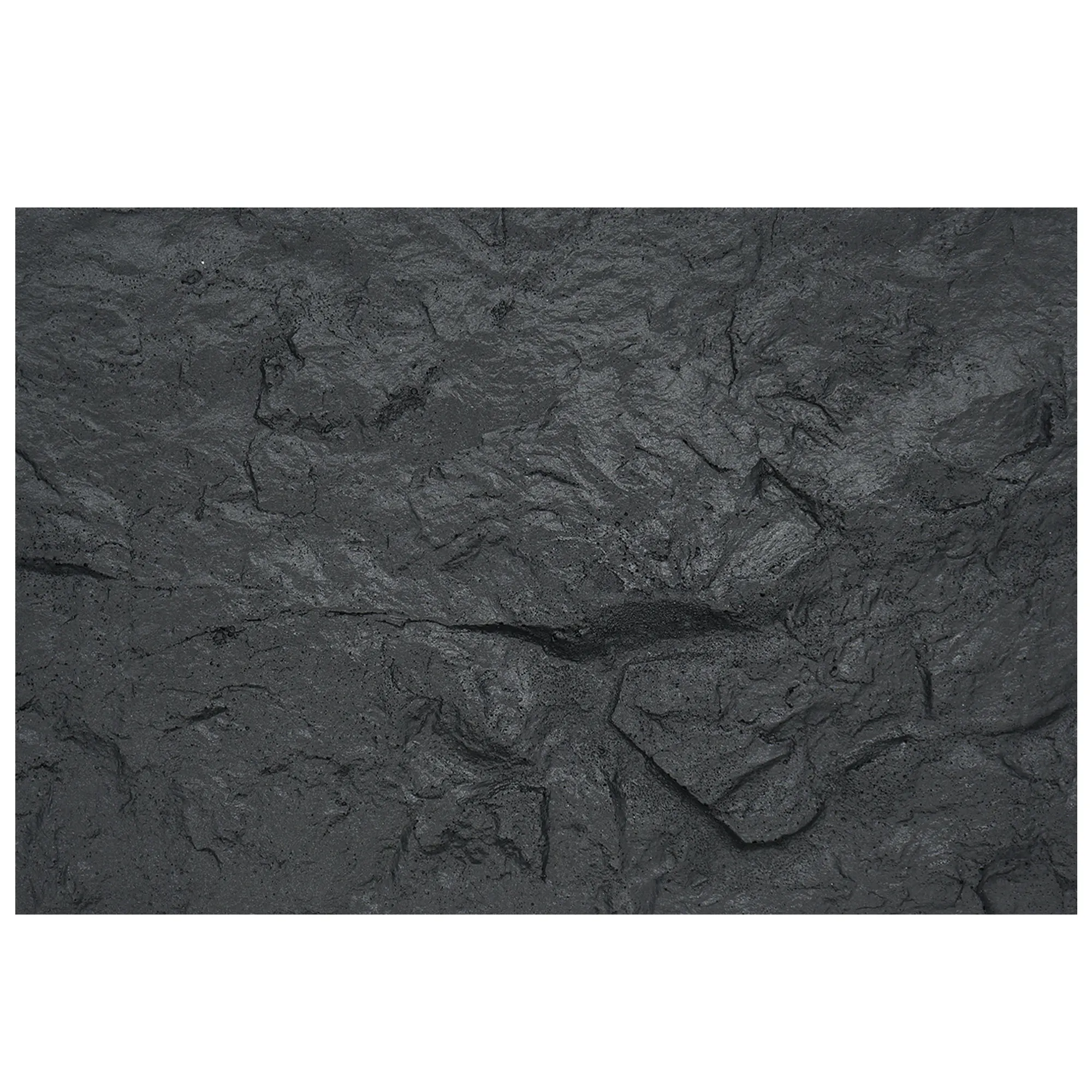
In the world of architecture and design, every material tells a story. It's the quiet narrator of spaces, shaping how we experience buildings—whether we're admiring a historic facade or stepping into a sleek modern lobby. But behind the beauty lies a critical question: can this material stand the test of time? For decades, natural stones like sandstone have been cherished for their earthy charm, but as our cities grow busier and climates more unpredictable, the demand for materials that blend resilience with aesthetics has never been higher. Enter COLORIA's Boulder Slab (Vintage Black) —a star in the MCM project board series that's redefining what it means to build with both heart and durability. Today, we're putting it head-to-head with traditional sandstone to see why modern designers are making the switch.
First, let's get to know our two materials. Sandstone, a sedimentary rock formed over millions of years from compressed sand grains, is the definition of "timeless." Its warm, layered textures and soft color variations—think honey beiges, rusty reds, and muted grays—have made it a staple in everything from ancient temples to countryside cottages. Walk through a historic district, and you'll likely run your hand over sandstone walls that have weathered centuries, each groove and imperfection a mark of character.
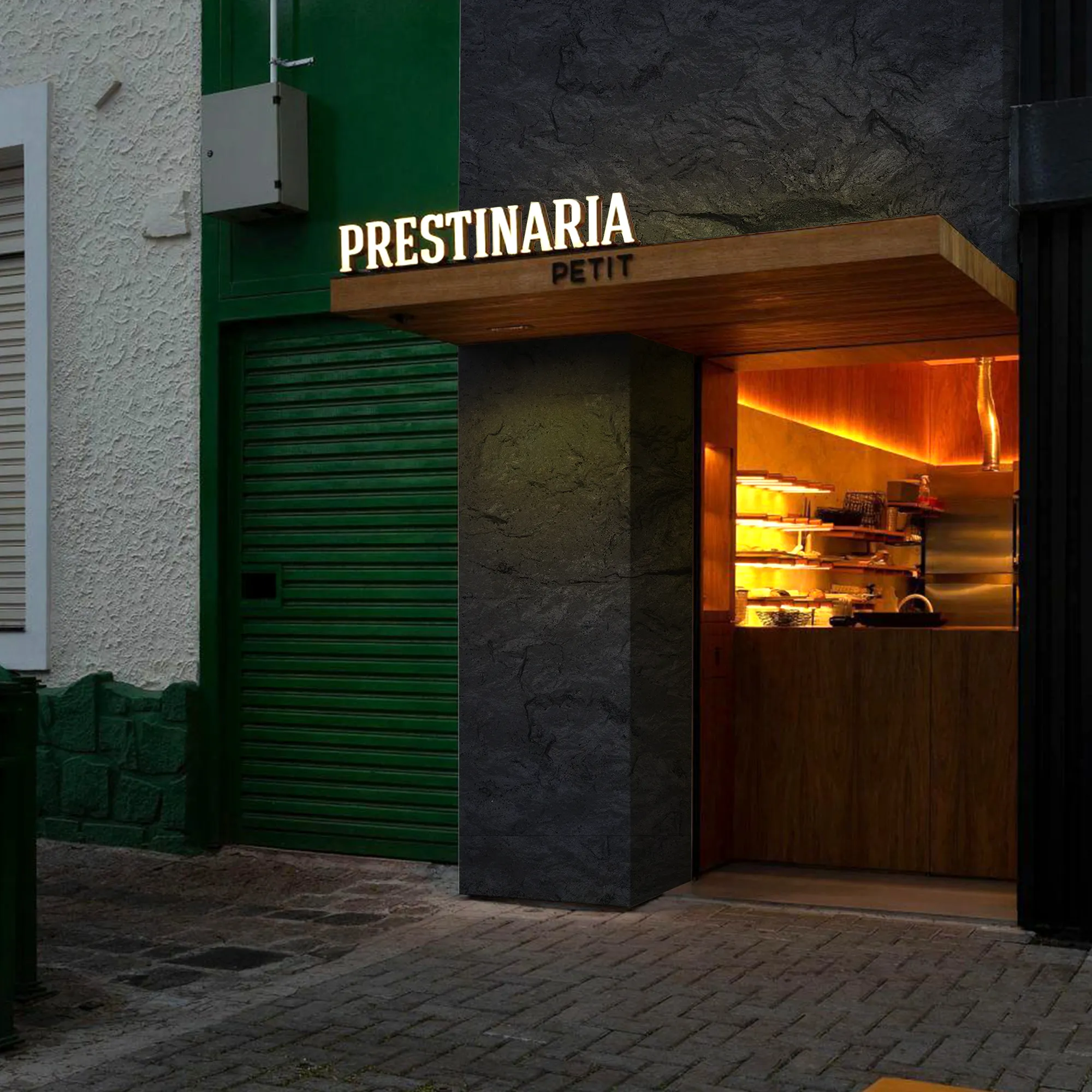
On the other side is COLORIA's Boulder Slab (Vintage Black) , a product of cutting-edge material science. Part of the broader MCM (Modified Composite Material) project board series, this slab is engineered to mimic the rugged allure of natural stone while packing a punch of modern durability. Its "vintage black" finish isn't just a color—it's a mood: deep, rich, and slightly textured, like a starless night sky or aged leather. Run your fingers across it, and you'll feel the subtle grain, a nod to natural stone, but with a consistency that natural materials can rarely match. And it's not alone in the lineup: Boulder Slab comes in vintage silver, vintage gold, and vintage black, offering designers a palette of sophisticated, industrial-chic options.
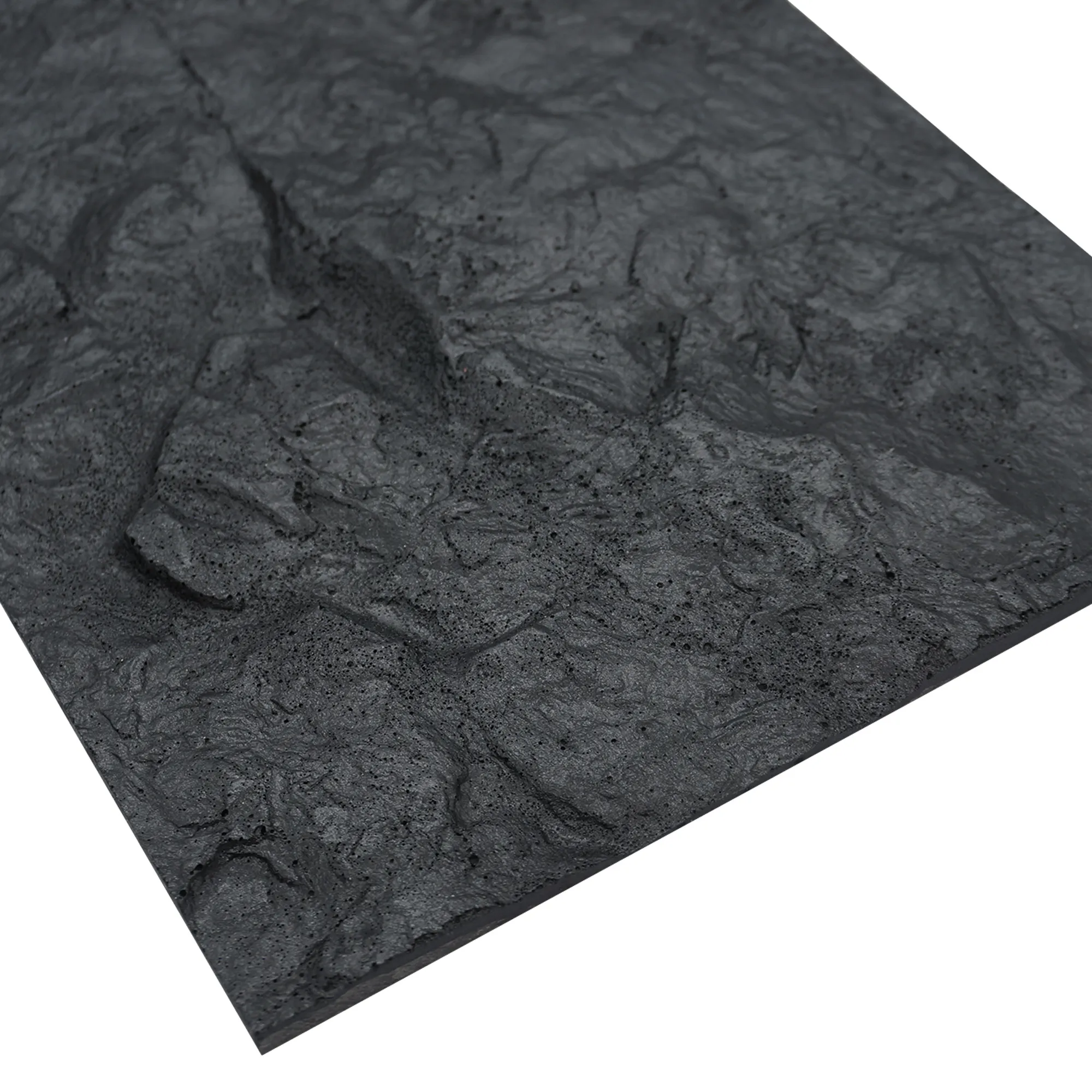
When it comes to building materials, durability isn't just about "lasting long"—it's about maintaining beauty and functionality through rain, wind, foot traffic, and the occasional coffee spill. Let's break down how these two stack up in real-world scenarios.
Sandstone, for all its charm, is porous by nature. In rainy climates, that porosity becomes a weakness: water seeps in, freezes in winter, and expands, causing cracks. UV rays from the sun fade its color over time, turning vibrant reds into pale pinks and deep browns into washed-out tans. In coastal areas, saltwater spray accelerates this decay, leaving sandstone surfaces pitted and dull. It's not uncommon for sandstone facades to need sealing every 2–3 years just to slow this process—a costly and time-consuming upkeep.
Boulder Slab (Vintage Black), by contrast, is built to fight back. Made from a high-performance modified composite, it's non-porous, meaning water beads up and rolls off instead of soaking in. UV-resistant pigments lock in that rich black hue, so even after years in direct sunlight, it won't fade to gray. In coastal regions, its resistance to salt corrosion makes it a no-brainer for beachfront properties. Imagine a restaurant with outdoor seating by the ocean: sandstone might start showing wear in 5 years, but Boulder Slab? It would still look as sharp as the day it was installed, no constant sealing required.
Think about a busy hotel lobby or a retail store with thousands of visitors daily. Sandstone floors, while elegant, scratch easily. A dropped key, a dragged chair, or even high heels can leave permanent marks. Stains from coffee, wine, or oil? They penetrate quickly, often requiring professional cleaning to remove (and even then, some stains linger). For commercial spaces, this means frequent repairs and a surface that never quite looks "new" after the first year.
Boulder Slab's composite core is tough. Its surface hardness rivals that of granite, so scratches from daily wear and tear are minimal. Spills? Wipe them up with a damp cloth, and they're gone—no staining, no hassle. This makes it ideal for high-traffic areas where both durability and aesthetics matter. A boutique clothing store using Boulder Slab (Vintage Black) for its accent walls and checkout counters would stay looking polished for years, even with customers brushing against walls or setting down bags.
Let's be clear: both sandstone and Boulder Slab are beautiful. But "beauty" in building materials can mean very different things. Sandstone's appeal lies in its imperfections —the unique veining, the occasional fossil, the way no two slabs are exactly alike. For a rustic cabin or a heritage building, that natural variation adds warmth and authenticity. But here's the catch: that variation can also be a headache for designers aiming for a cohesive look. Order 10 sandstone slabs, and you might get 10 slightly different shades, forcing compromises in layout.
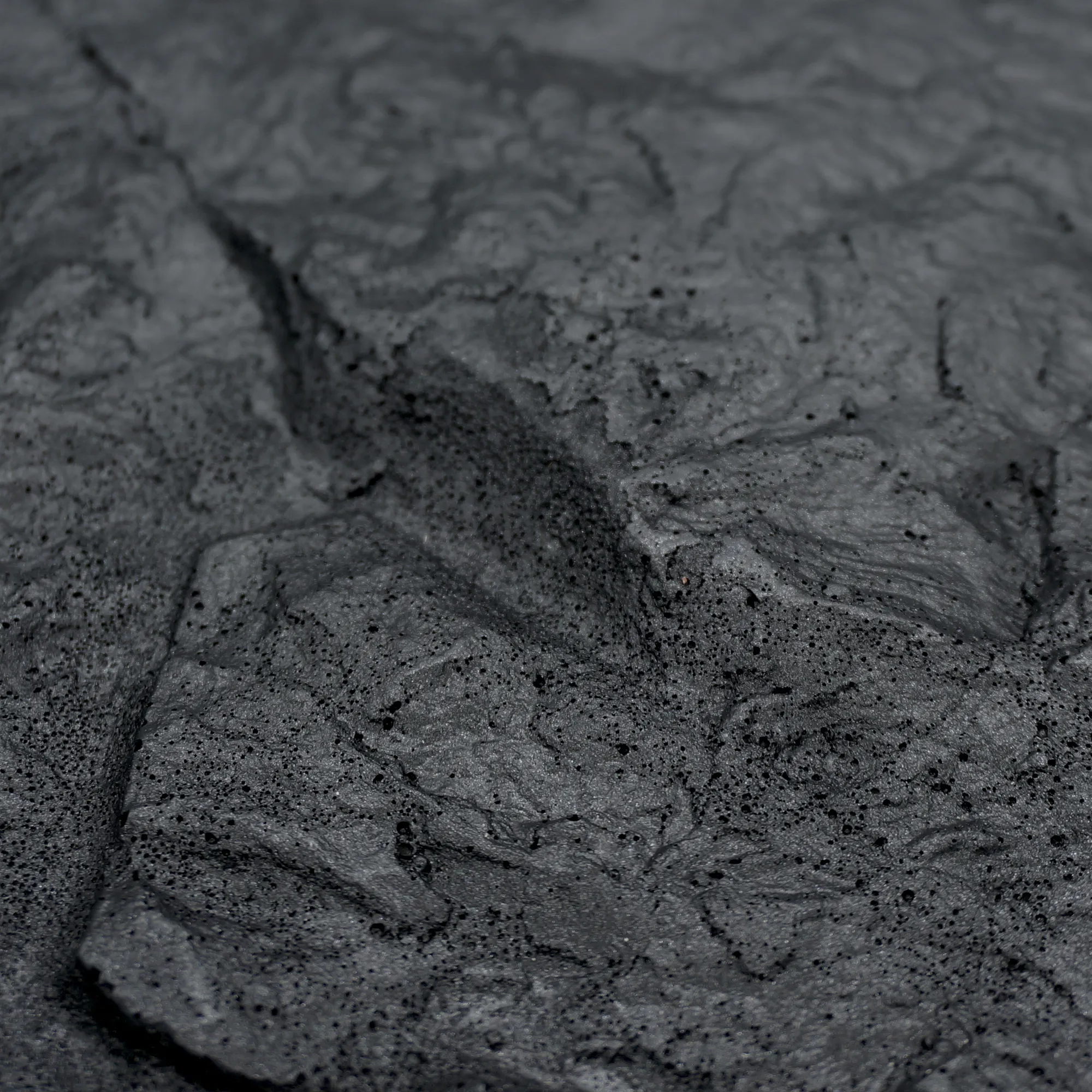
Boulder Slab (Vintage Black) offers a different kind of beauty: controlled consistency . Because it's engineered, each slab is nearly identical in color and texture, ensuring a seamless look across large surfaces. That vintage black hue is deep and uniform, with just enough texture to avoid looking flat—like a well-crafted painting where every brushstroke has purpose. And unlike sandstone, which is limited to earthy tones, Boulder Slab's siblings (vintage silver, vintage gold) let designers mix and match for bold contrasts. Imagine a restaurant wall with alternating vintage black and vintage gold Boulder Slabs—striking, modern, and impossible to replicate with natural sandstone.
But don't mistake consistency for coldness. Boulder Slab's texture is intentionally designed to feel organic, with a slight roughness that invites touch. It's the kind of material that looks sleek in a minimalist office but also adds depth to a cozy home library. It bridges the gap between industrial edge and natural warmth.
Installing sandstone is no small feat. A single slab can weigh 150–200 pounds, requiring heavy machinery and a team of workers to maneuver. This not only drives up labor costs but also limits where it can be used—second-story facades or retrofitted buildings often can't support the weight. Cutting sandstone to size is messy, producing dust that's harmful to workers and the environment, and waste is high since natural stone can crack unpredictably during cutting.
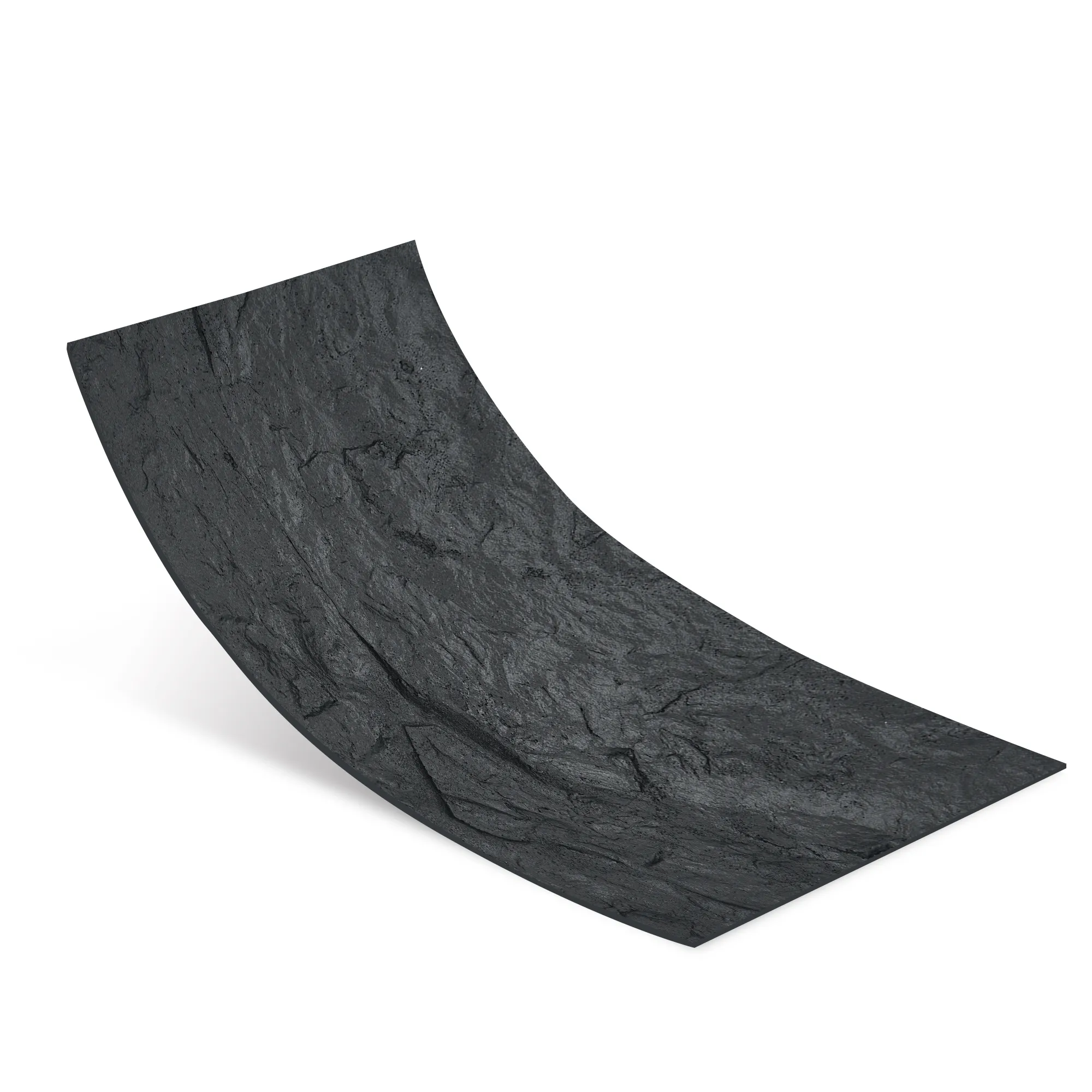
Boulder Slab (Vintage Black) flips the script. Thanks to its composite makeup, it's lightweight—about 1/3 the weight of sandstone—making installation a breeze. A two-person crew can carry and mount slabs without heavy equipment, slashing labor time and costs. It's also easy to cut and shape on-site, with minimal dust and waste. For contractors, this means faster project timelines and happier clients. For building owners, it means lower upfront costs and fewer delays.
Sustainability is another key factor. Sandstone mining involves quarrying large chunks of rock, disrupting ecosystems and consuming vast amounts of energy. Transporting heavy slabs long distances adds to its carbon footprint. Boulder Slab, on the other hand, is part of COLORIA's commitment to eco-friendly innovation. Many of their MCM materials, including Boulder Slab, use recycled content and are manufactured with low-VOC processes, reducing environmental impact. Plus, its longevity means fewer replacements over time—less waste in landfills and lower demand for new materials.
| Feature | Boulder Slab (Vintage Black) | Sandstone |
|---|---|---|
| Weather Resistance | Non-porous, UV-resistant, saltwater-proof; no sealing needed | Porous, fades in UV light, vulnerable to water damage; requires sealing every 2–3 years |
| Scratch & Impact Resistance | High; resists daily wear, spills, and minor impacts | Low; scratches easily, stains penetrate quickly |
| Aesthetics | Consistent color/texture; available in vintage silver, gold, black; modern, industrial-chic | Natural variation; limited to earthy tones; rustic, traditional |
| Installation | Lightweight (1/3 the weight of sandstone); easy to cut/shape; lower labor costs | Heavy (150–200 lbs/slab); requires machinery; higher labor costs |
| Sustainability | Recycled content, low-VOC manufacturing, long lifespan reduces waste | High mining impact, heavy transportation footprint, frequent replacements |
Still on the fence? Let's look at real projects where Boulder Slab (Vintage Black) has outperformed sandstone. Take the Harbor View Office Park in Seattle, a LEED-certified complex with outdoor walkways and facade cladding. Originally planned with sandstone, the team switched to Boulder Slab after learning about Seattle's rainy climate. Five years later, the black cladding still looks brand-new, while a neighboring building with sandstone accents has already needed two sealant treatments. "We saved $40,000 in maintenance costs alone," says the project architect. "And the tenants love how the black slabs pop against the green landscaping."
Or consider Midnight Bistro in Miami, a rooftop restaurant with ocean views. The owners wanted a sleek, modern look that could handle salt spray and nightly foot traffic. They chose Boulder Slab (Vintage Black) for the bar front and outdoor seating walls. "Sandstone would have faded and stained within a year with all the rain and salt here," says the designer. "Boulder Slab? It's held up through hurricanes and busy weekends. Our regulars comment on how 'fresh' the space looks, even three years later."
Sandstone will always have a place in our architectural heritage—it's a link to the past, a reminder of simpler times. But for the future? For buildings that need to stand strong, look stunning, and minimize environmental impact? Boulder Slab (Vintage Black) is leading the charge. It's not just a material; it's a promise: that beauty and durability don't have to be trade-offs .
Whether you're designing a commercial space, a home, or a public monument, the choice is clear. Sandstone offers charm, but Boulder Slab offers peace of mind. It's the material for designers who want their work to be remembered—not just for how it looks on opening day, but for how it looks decades later. And in a world where we're all trying to build better, that's a legacy worth investing in.
So here's to the future: a future where our buildings are as resilient as they are beautiful, where "vintage black" isn't just a color, but a symbol of smart, forward-thinking design. Thanks to COLORIA's Boulder Slab, that future is already here.
Recommend Products












