
In the world of architecture and interior design, materials aren't just building blocks—they're storytellers. They shape how we feel in a space, how light dances across walls, and even how we interact with our surroundings. Today, we're diving into a clash of titans: the rugged sophistication of Boulder Slab (Vintage Black) and the timeless warmth of wood panels, with a spotlight on Wood Grain Board . It's a battle between industrial edge and organic charm, between the cool allure of stone and the cozy embrace of timber. Let's see which material comes out on top.
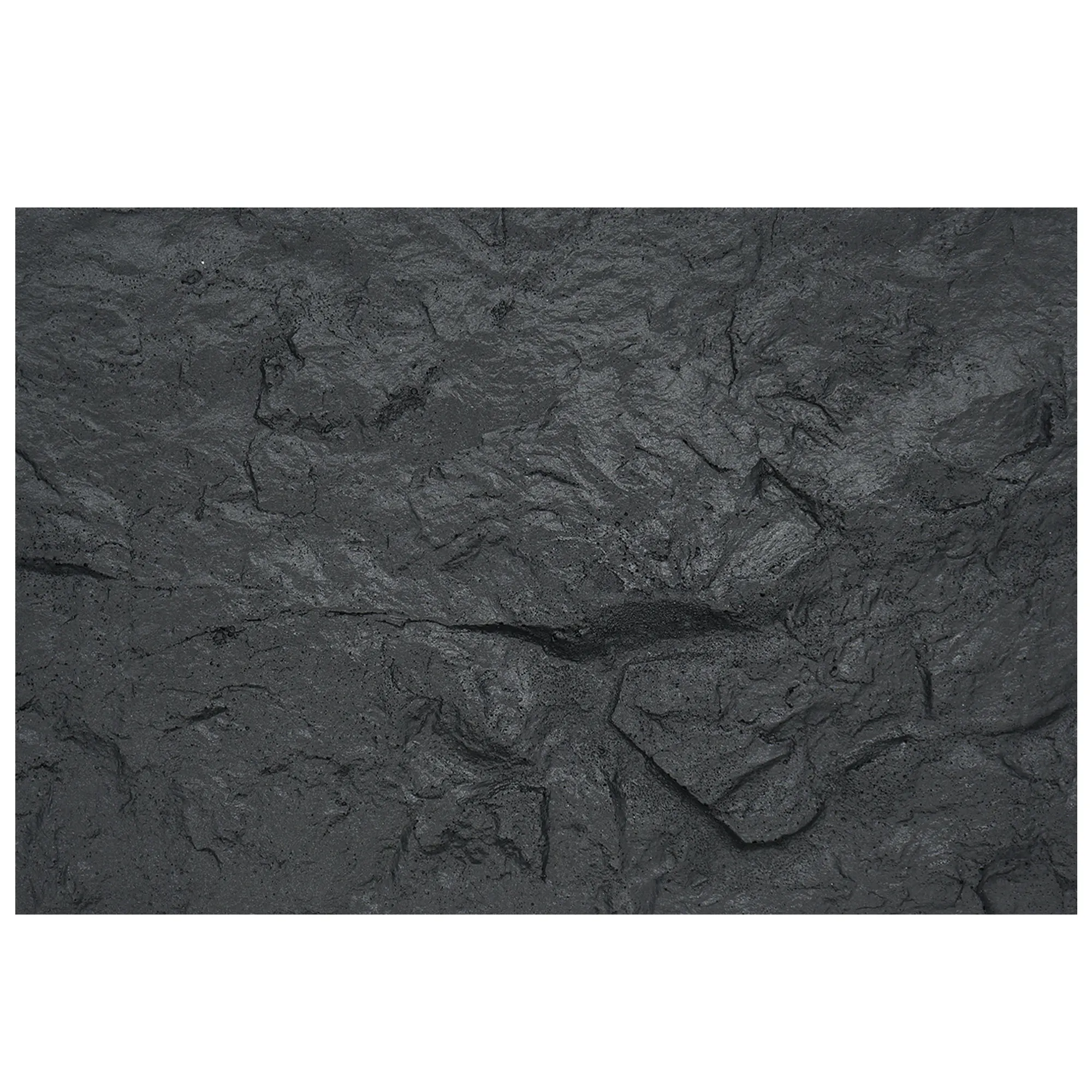
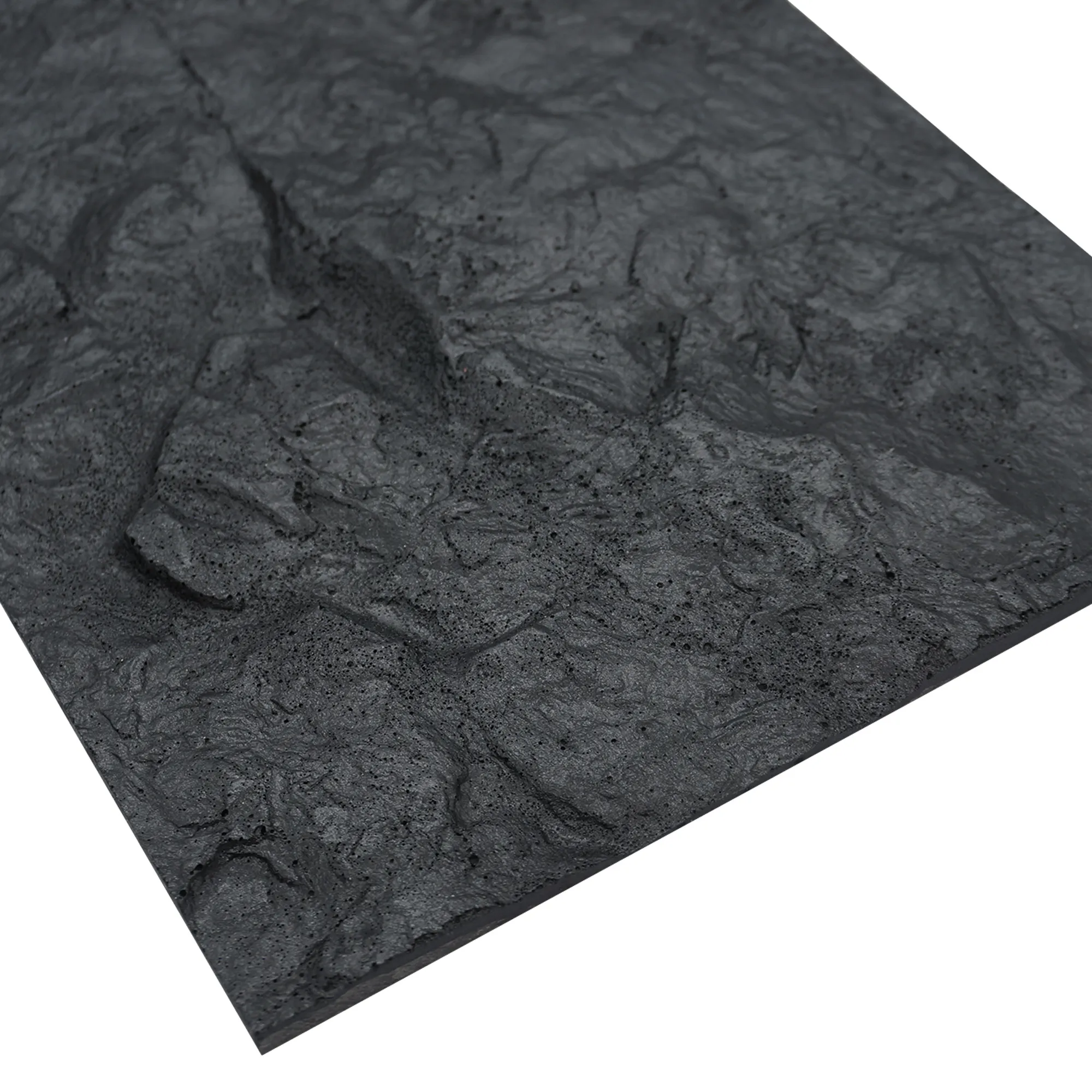
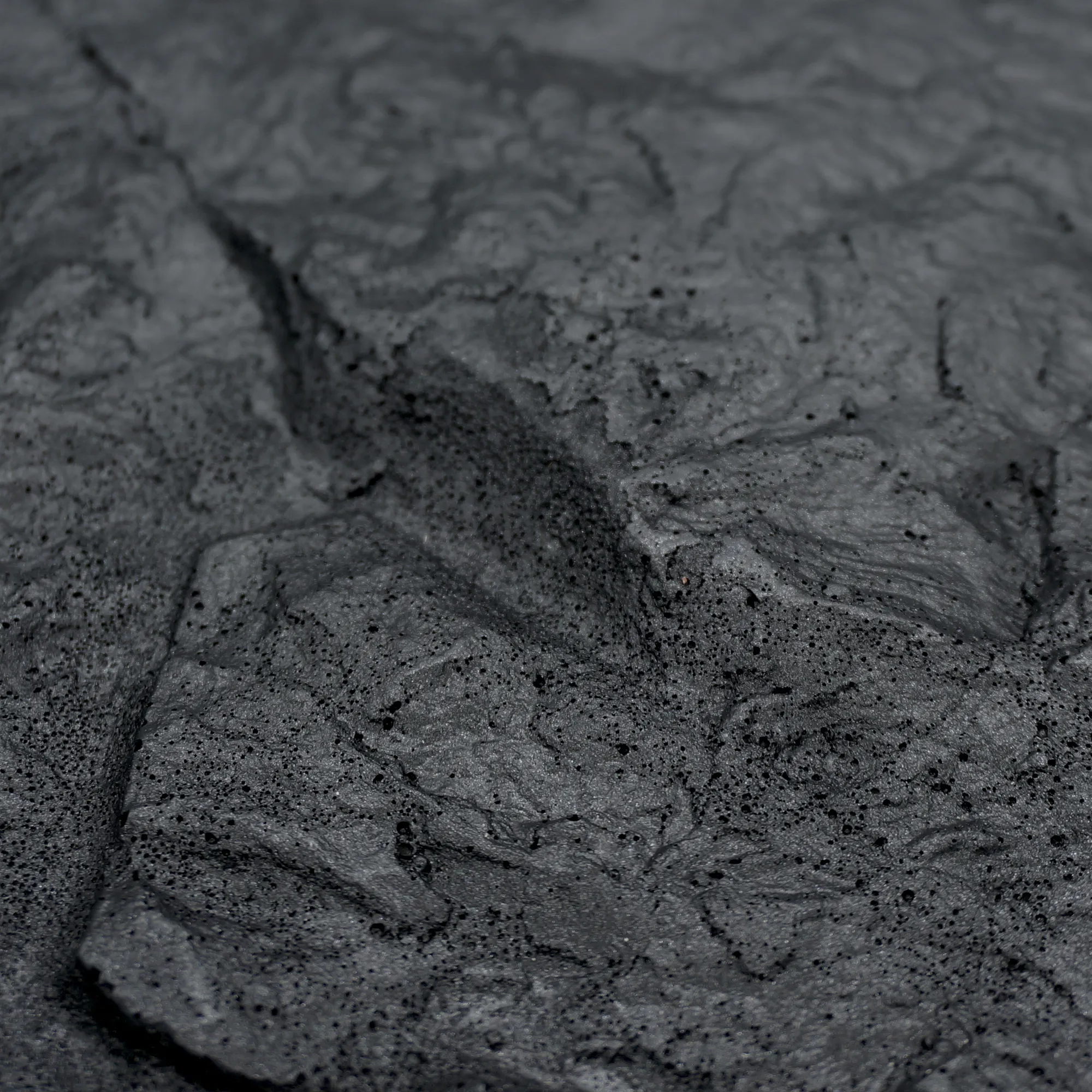
First up: Boulder Slab (Vintage Black). Imagine a slab of stone that looks like it was chiseled from the side of a weathered mountain, then kissed by time to achieve that perfect "vintage" patina. Part of the MCM Big Slab Board Series, this material isn't just a surface—it's a statement. Its deep, inky black base is swirled with subtle hints of charcoal and silver, reminiscent of Lunar Peak Black but with a softer, more lived-in texture. Run your hand across it, and you'll feel the gentle ridges and valleys of its surface—rough enough to feel organic, smooth enough to exude luxury.
What sets Boulder Slab (Vintage Black) apart is its versatility. It's not just for floors or countertops; designers are using it for accent walls, fireplace surrounds, and even furniture. Its density and durability make it a favorite for high-traffic areas, while its color adds drama without overwhelming a space. Think of it as the "little black dress" of building materials—always appropriate, always striking.
On the opposite end of the spectrum, we have wood panels—specifically, the beloved Wood Grain Board . This isn't your grandma's pine paneling (no offense, grandma). Modern Wood Grain Board is engineered to highlight the best of natural timber: rich, swirling grains, warm undertones, and a tactile softness that stone can never replicate. Whether it's oak, walnut, or maple, each board carries the unique fingerprint of the tree it came from—no two are exactly alike.
Wood Grain Board is the ultimate chameleon. Stain it dark for a moody library, keep it light for a Scandinavian-inspired kitchen, or leave it natural to let the wood's true character shine. It's also surprisingly adaptable: use it for ceilings to add height to a room, for wainscoting to frame a hallway, or as a backsplash to warm up a sterile kitchen. Unlike cold stone, wood feels alive—it expands and contracts with humidity, ages gracefully with sunlight, and even smells like the forest on a rainy day.
When it comes to looks, these two materials couldn't be more different—and that's exactly what makes them so compelling.
Boulder Slab (Vintage Black) is the drama queen of the pair. Install it as a feature wall in a minimalist living room, and suddenly the space feels like a gallery—each shadow and light beam accentuating the stone's texture. Pair it with brass fixtures or Foamed Aluminium Alloy Board (Vintage Silver) accents, and you've got a masterclass in industrial elegance. Its vintage black hue isn't flat; it shifts with the light, revealing hidden depth. In a restaurant, it might read as moody and sophisticated; in a home theater, it becomes the perfect backdrop for movie nights, absorbing sound and setting the scene.
Pro tip: Use it sparingly. A little goes a long way—too much vintage black can feel oppressive. Balance it with light-colored textiles (linen sofas, cream rugs) or warm woods to keep the space from feeling like a cave.
Wood Grain Board, by contrast, is all about warmth. It softens harsh lines, adds texture without overwhelming, and makes even the most modern spaces feel like home. Imagine a bedroom with Wood Grain Board ceilings: the natural grain patterns catch the morning light, turning a plain room into a cozy retreat. In a commercial space like a café, it wraps customers in comfort, making them linger longer over their lattes. Unlike Boulder Slab's bold statement, wood whispers—it invites you to touch, to notice the little details, to feel at ease.
Pro tip: Mix wood tones. Pair light oak Wood Grain Board with darker walnut furniture for a layered, collected look. The contrast adds visual interest without clashing.
Looks matter, but let's get real—materials need to stand up to life. Here's how our contenders stack up.
| Feature | Boulder Slab (Vintage Black) | Wood Grain Board |
|---|---|---|
| Scratch Resistance | High—resists dents and scratches from daily use | Medium—prone to scratches; can be sanded and refinished |
| Moisture Resistance | Excellent—ideal for bathrooms, kitchens, and wet areas | Low—requires sealing; warps or rots with prolonged moisture |
| Fire Resistance | Fireproof—doesn't burn or release toxic fumes | Flammable—needs fire-retardant treatment for commercial use |
| Maintenance | Low—wipe with a damp cloth; no sealing required | High—needs annual sealing, refinishing every 5–10 years |
| Weather Resistance | Great for exteriors—resists UV rays and temperature swings | Poor for exteriors—fades, warps, or rots without heavy treatment |
*Bonus comparison: Fair-Faced Concrete , another industrial favorite, offers similar durability to Boulder Slab but lacks its vintage charm and texture. It's a solid third contender, but today's battle is between stone and wood.
In an era of conscious design, sustainability isn't just a buzzword—it's a priority. Let's break down the environmental impact of each material.
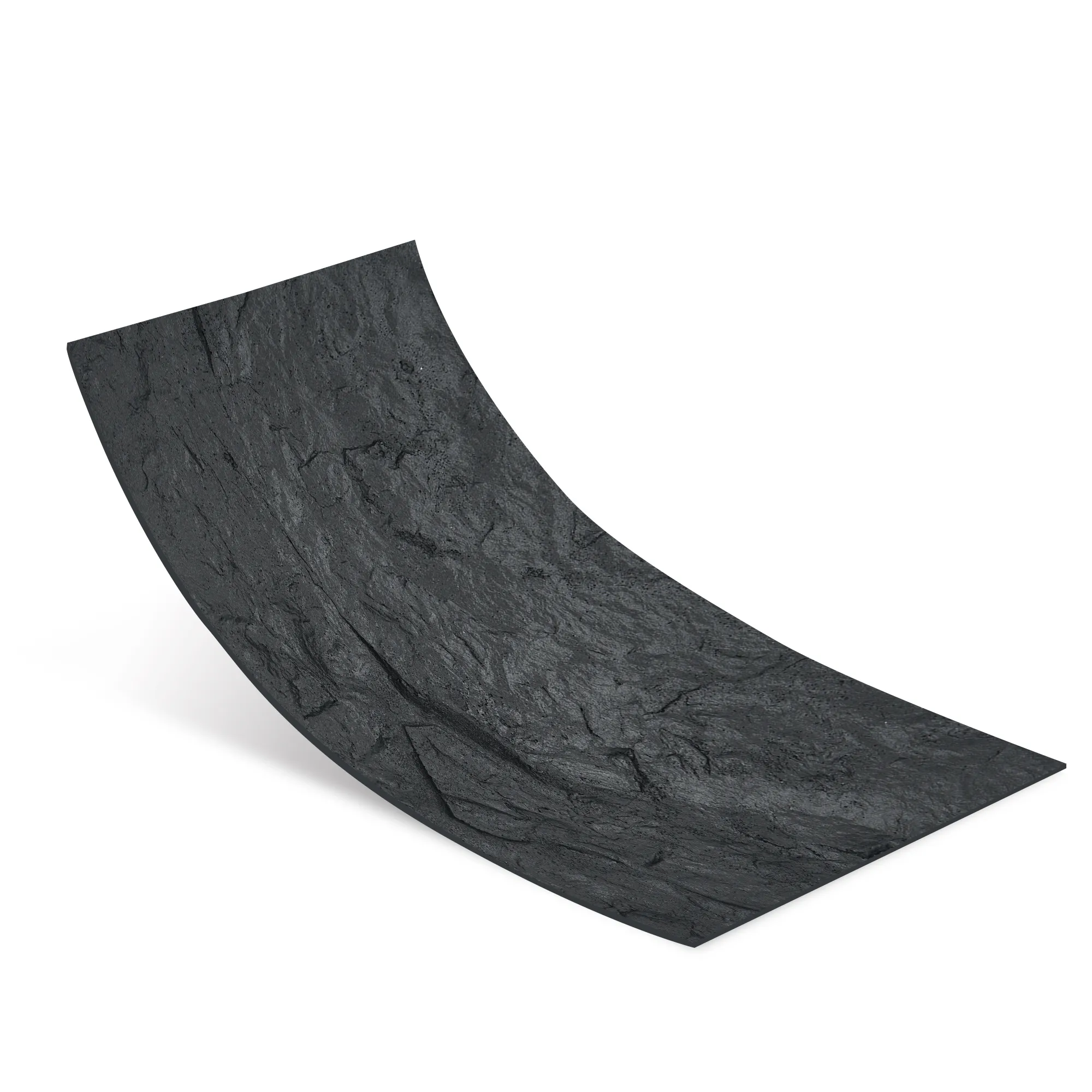
Part of the MCM Flexible Stone line, Boulder Slab (Vintage Black) is surprisingly eco-friendly. Its production process uses recycled stone aggregates, reducing the need for quarrying new materials. It's also lighter than natural stone, which cuts down on transportation emissions. And since it's 100% recyclable at the end of its life, it won't end up in a landfill. Plus, its durability means less frequent replacement—good for the planet and your wallet.
Wood is a renewable resource, which is a big win. But not all Wood Grain Board is created equal. Look for FSC-certified options, which ensure the wood comes from responsibly managed forests (no clear-cutting, no endangered species harm). However, even with certification, wood production can involve harsh chemicals (like formaldehyde in adhesives) and energy-heavy processes. On the flip side, wood sequesters carbon—trees absorb CO2 as they grow, and that carbon stays locked in the wood for its lifetime. It's a trade-off: renewable but resource-intensive.
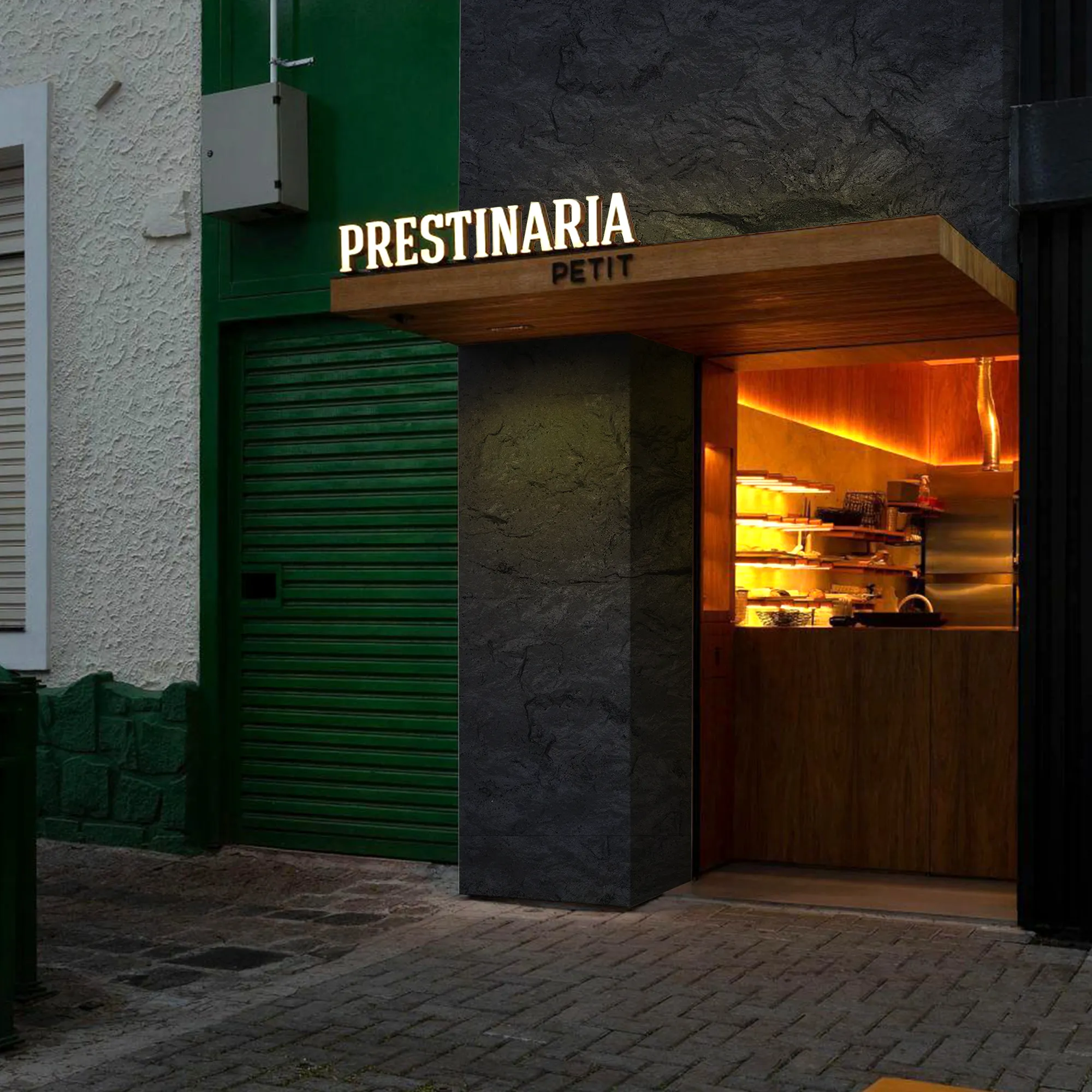
The best way to understand a material is to see it in action. Here are two spaces that showcase our contenders at their best.
In Chicago's West Loop, this trendy eatery uses Boulder Slab (Vintage Black) and Wood Grain Board to create a space that's equal parts industrial and inviting. The bar front is clad in Boulder Slab, its dark surface contrasting sharply with the taps and warm pendant lights. The result? A focal point that draws the eye, even in a crowded room. The dining area, however, softens the mood with Wood Grain Board walls—light oak panels that absorb sound and make the space feel intimate. "We wanted to balance edge with comfort," says designer Lila Torres. "Boulder Slab sets the tone, but Wood Grain Board makes people feel welcome."
For remote worker Raj Patel, his home office needed to be both inspiring and practical. He chose Boulder Slab (Vintage Black) for his desk surface—"It's scratch-proof, so I never worry about my laptop or coffee mugs," he says—and paired it with Wood Grain Board shelves. The contrast is striking: the cool stone desk feels professional, while the warm wood shelves add personality, displaying books and family photos. "It's the best of both worlds," Raj explains. "I feel productive, but never sterile."
So, who wins? The truth is, there's no clear champion—only what's right for your space and your story.
Choose Boulder Slab (Vintage Black) if… you crave drama, durability, and low maintenance. It's perfect for high-traffic areas, wet spaces, or when you want to make a bold statement. Think commercial spaces, modern homes, or anywhere you need a material that can take a beating and still look good.
Choose Wood Grain Board if… warmth, versatility, and organic charm are non-negotiable. It shines in residential spaces, cozy nooks, or when you want to soften a modern design. Just be prepared for a little extra maintenance—and embrace the patina that comes with time.
And here's the secret: they're better together. Pair Boulder Slab floors with Wood Grain Board ceilings, or use Wood Grain Board furniture against a Boulder Slab accent wall. The contrast creates a space that's dynamic, balanced, and truly unforgettable. After all, the best designs aren't about choosing one material over another—they're about letting materials tell a story together.
Recommend Products












