
When you walk into a school, a college, or a university, what do you see? You see halls buzzing with energy, libraries filled with quiet determination, and cafeterias echoing with laughter. These are spaces of growth, learning, and community. But from a design and facility management perspective, they are also some of the most demanding environments imaginable. The sheer volume of daily foot traffic, the constant shuffle of bags and equipment, and the need for a safe, inspiring, and easy-to-maintain space create a unique set of challenges. For decades, architects and designers have juggled the trade-offs between durability, aesthetics, safety, and budget, often having to compromise on one to achieve another.
Traditional materials like paint, vinyl, and even standard ceramic tiles often fall short. They can scuff, chip, stain, or simply wear out under the relentless pressure of a school year. Natural stone, while beautiful and durable, comes with its own set of problems: it's incredibly heavy, prohibitively expensive, and requires specialized, disruptive installation. So, what's the solution? How do we build educational spaces that are not only built to last but also designed to inspire, all while respecting budgetary and environmental responsibilities?
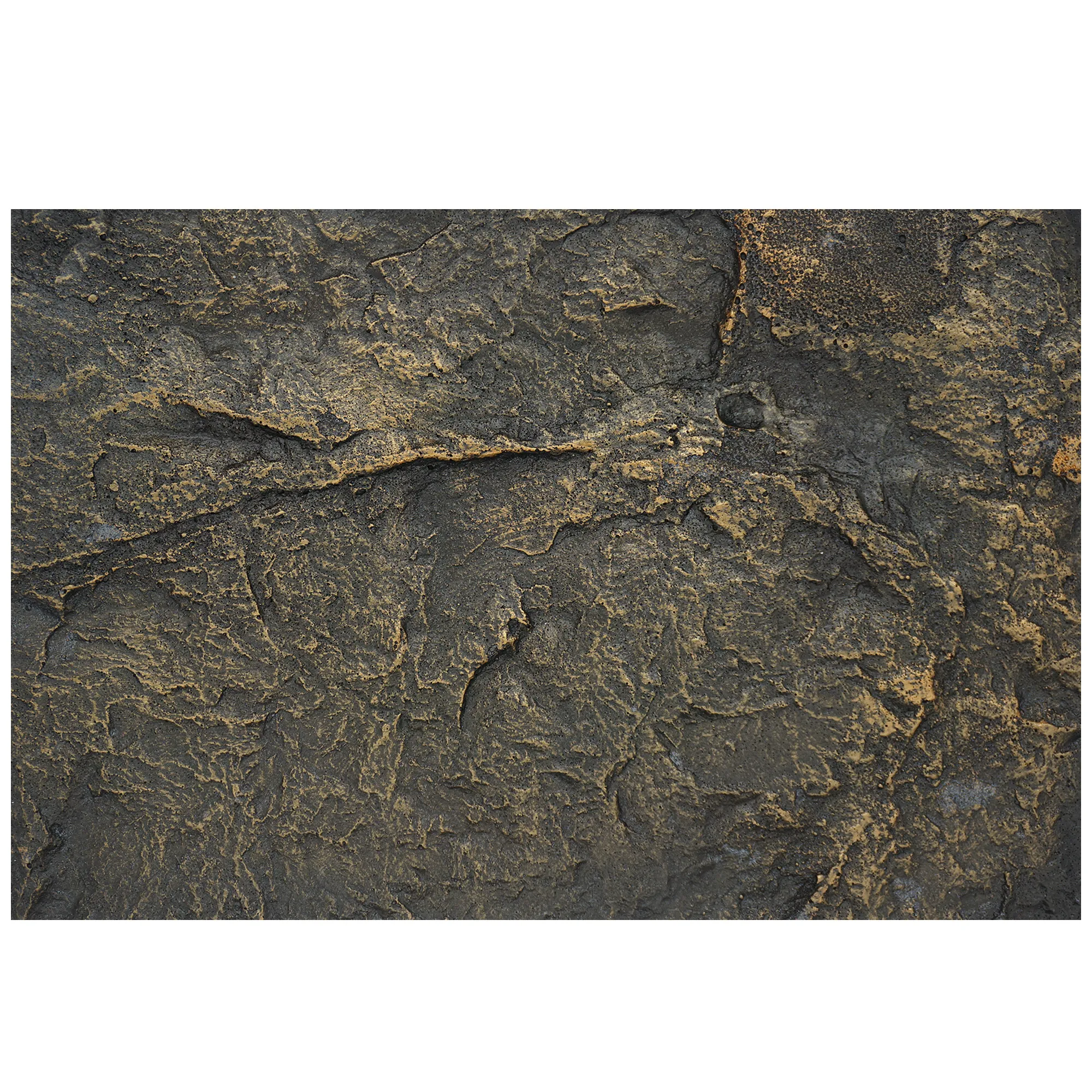
The answer lies in innovation. It lies in materials that are engineered to outperform the old standards. This is where COLORIA GROUP steps in, revolutionizing the way we think about architectural surfaces. This article delves into a specific, game-changing solution: the Boulder Slab in a sophisticated Vintage Gold finish. As a premier product within the company's portfolio, it represents a leap forward in material science, offering a perfect trifecta of stunning design, incredible resilience, and practical long-term value, making it an ideal choice for the high-traffic, high-demand world of educational facilities.
Before we explore the solution, it's crucial to fully appreciate the problem. Designing for education isn't like designing for a quiet office or a private residence. The demands are multifaceted and non-negotiable, blending the functional rigor of a public transit station with the need for an environment that nurtures young minds.
Imagine a single hallway in a high school between classes. Hundreds of students rush through, backpacks swinging, books dropping, shoes scuffing against the walls. Now multiply that by several times a day, five days a week, for an entire school year. This is the reality. The materials used for walls and floors in these areas face a constant barrage of abuse.
Any material chosen for these areas must not just survive this gauntlet but continue to look good while doing so. A worn-out, damaged environment can negatively impact school pride and student morale.
Above all else, a school must be a safe space. This extends directly to the building materials used in its construction and renovation. Fire safety is paramount; materials must meet stringent fire codes, especially in exit corridors and assembly areas. But safety goes beyond just fire resistance. The health and wellness of students and staff are increasingly linked to the indoor environmental quality. Materials that release Volatile Organic Compounds (VOCs) can contribute to poor air quality, potentially leading to headaches, respiratory issues, and a lack of focus. Creating a healthy, non-toxic environment is fundamental to creating a successful learning environment.
For too long, educational institutions have been associated with bland, sterile, and uninspiring design—think beige walls and generic linoleum floors. However, modern educational psychology recognizes the profound impact that physical surroundings have on learning, mood, and creativity. Colors, textures, and patterns can influence focus, reduce stress, and foster a sense of belonging. The warm, earthy tones of the Vintage Gold finish, for instance, can make a large, impersonal space feel more welcoming and sophisticated. Moving away from the institutional look towards a more thoughtfully designed aesthetic is an investment in the student experience itself.
Schools and universities operate on strict budgets, not just for initial construction but for long-term maintenance. A material that is cheap to install but requires constant repainting, repair, or specialized cleaning will ultimately cost more over its lifespan. The ideal solution is a material that combines a reasonable upfront cost with minimal, easy, and inexpensive maintenance. Facility managers dream of surfaces that can be wiped clean with simple soap and water and that will look just as good in ten years as they did on day one. This concept of Total Cost of Ownership (TCO) is a critical factor in making smart material choices for public institutions.
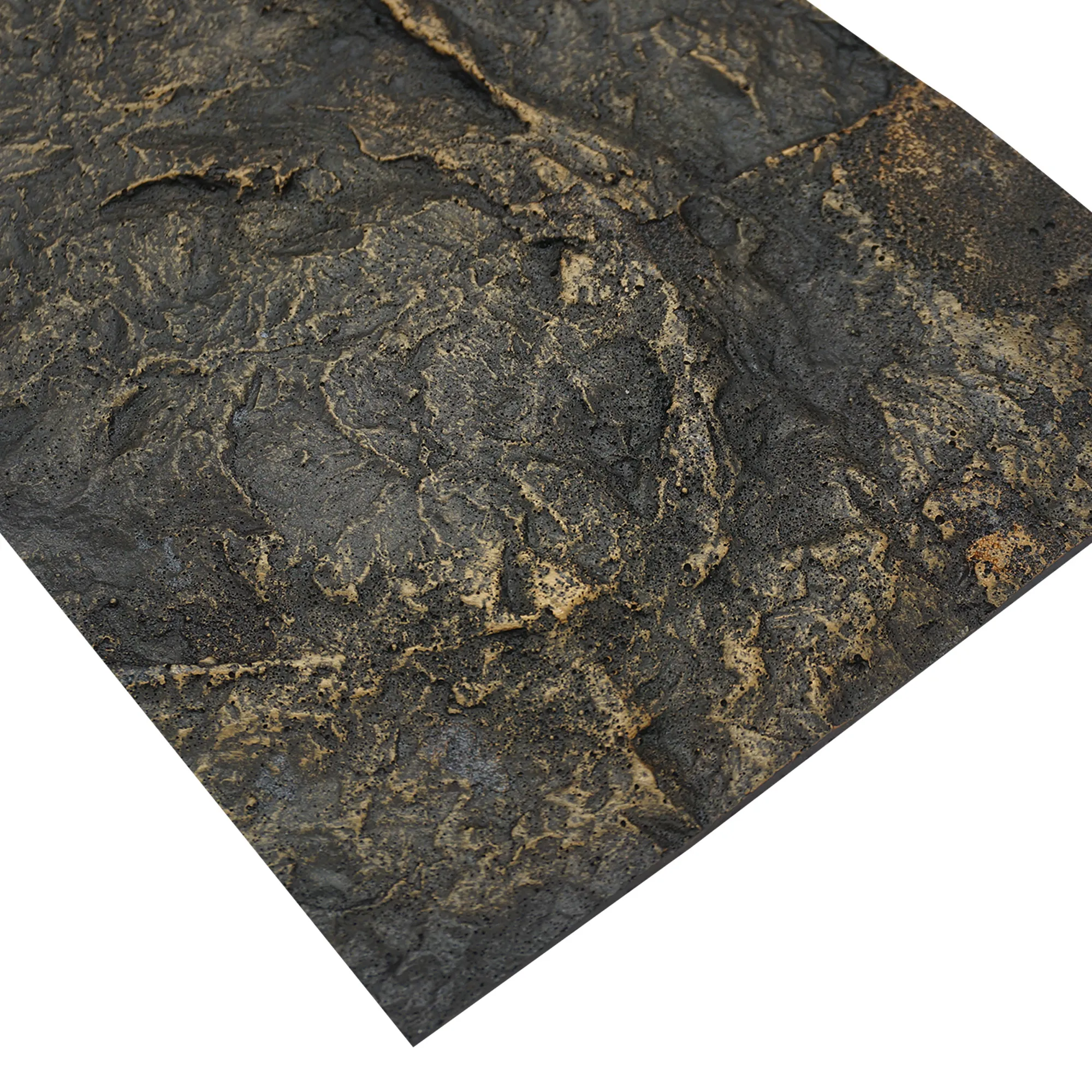
Given the intense demands just outlined, the search for the perfect material can seem daunting. This is where COLORIA GROUP's Boulder Slab, a standout product from their MCM Big Slab Board Series , truly shines. It isn't just another wall covering; it's an engineered system designed to address every one of these challenges head-on.
At its heart, the Boulder Slab is powered by an innovative core technology: Modified Cementitious Material (MCM). This isn't your traditional concrete or cement. Think of it as a next-generation composite material. It's crafted from a base of natural components—like common soil, mineral sands, and stone powder—which are combined with a small quantity of water-based polymers, then shaped and cured through a unique low-temperature process.
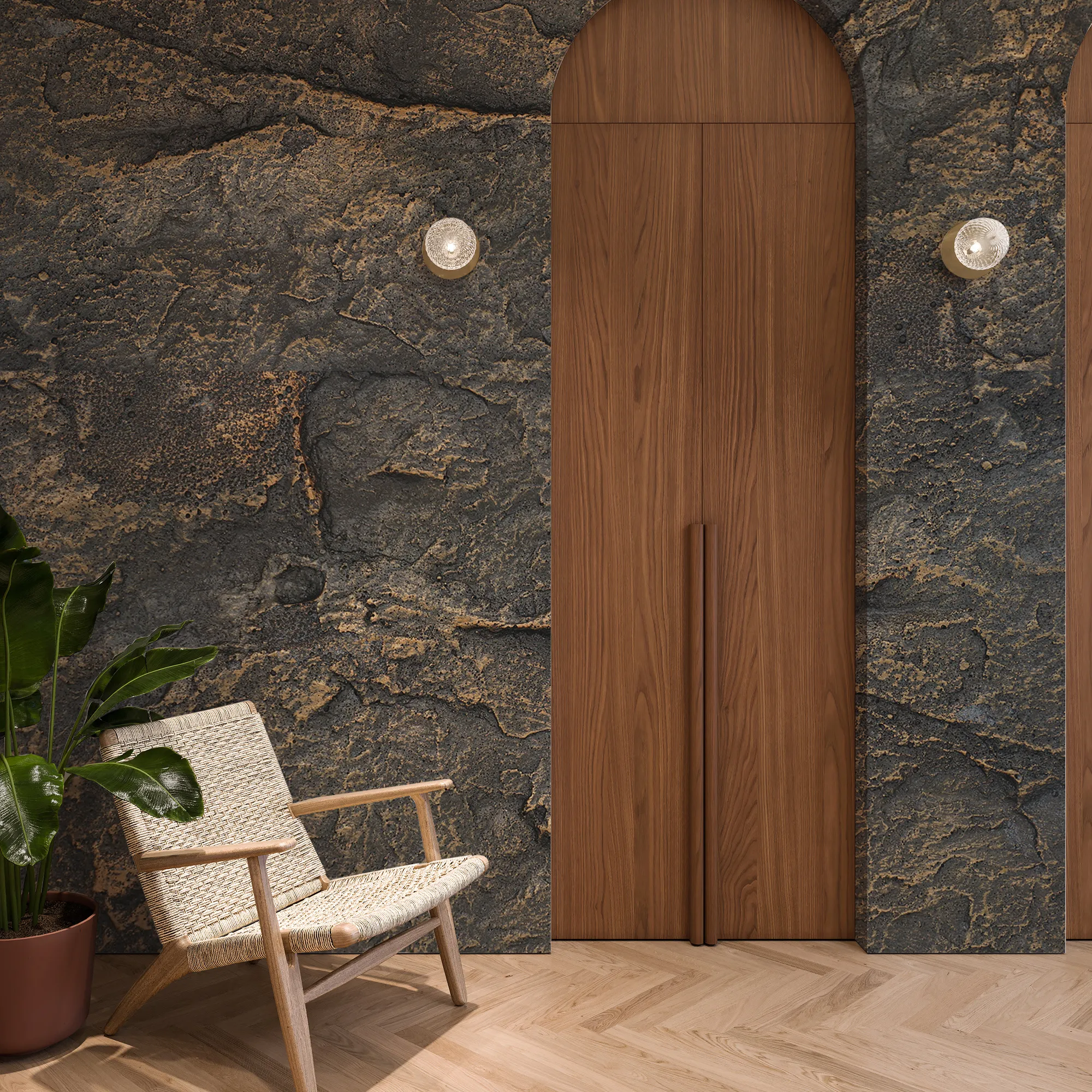
This process is key. Unlike ceramics, which are fired at over 1200°C, or quarried stone, which involves massive energy expenditure, MCM technology is remarkably eco-friendly. The result is a material that has the soul of natural earth and stone but with enhanced, scientifically-calibrated properties. It's flexible, lightweight, and incredibly durable. The Boulder Slab product specifically leverages this technology to create large-format panels that have the majestic, textured appearance of natural-cut boulder rock, but with a refined, consistent, and sophisticated Vintage Gold finish that adds warmth and elegance.
In essence, Modified Cementitious Material technology allows us to capture the timeless beauty of nature and re-engineer it to meet the rigorous performance demands of modern architecture.
To truly grasp the advantage of Boulder Slab, it helps to compare it directly to the materials it's designed to replace.
| Feature | Boulder Slab (MCM) | Natural Stone (Granite/Marble) | Ceramic/Porcelain Tile | Paint on Drywall |
|---|---|---|---|---|
| Durability | Excellent resistance to impact, abrasion, and cracking. Flexible nature absorbs shock. | Very hard, but can be brittle. Prone to chipping or cracking under sharp impact. | Hard surface, but brittle. Can crack easily and show chips. Grout is a weak point. | Very low. Easily scuffed, scratched, dented, and stained. Requires frequent repainting. |
| Weight & Installation | Lightweight (approx. 4-8 kg/m²). Easy to transport and install, reducing labor time and structural load. | Extremely heavy. Requires reinforced structures, heavy machinery for lifting, and specialized, costly installation. | Moderately heavy. Installation is time-consuming due to small formats and grouting. | Lightweight, but installation is a multi-step process (taping, mudding, sanding, priming, painting). |
| Maintenance | Very low. Non-porous surface is easy to clean with water. Resists stains and mold. No grout lines on large slabs. | Requires periodic sealing to prevent staining. Can be difficult to repair seamlessly. | Grout lines are porous and can stain, harbor mold, and require regular scrubbing and resealing. | High. Requires constant touch-ups and complete repainting every few years to look fresh. |
| Safety | Excellent fire resistance (Class A). Zero VOCs, non-toxic. Natural anti-slip texture. | Naturally fireproof. Heavy and can be a hazard during earthquakes if not secured perfectly. | Fireproof. Glazed surfaces can be very slippery when wet. | Fire resistance depends on the underlying drywall. Paint can release VOCs. |
| Aesthetics & Format | Large format slabs for a monolithic look. Realistic textures. Consistent, controlled "Vintage Gold" color. | Beautiful, but with natural variations that can be unpredictable. Heavy veining may look busy. Slab size is limited. | Grid-like appearance due to grout lines. Efforts to mimic stone can look repetitive. | Flat, one-dimensional surface. Lacks texture and depth. |
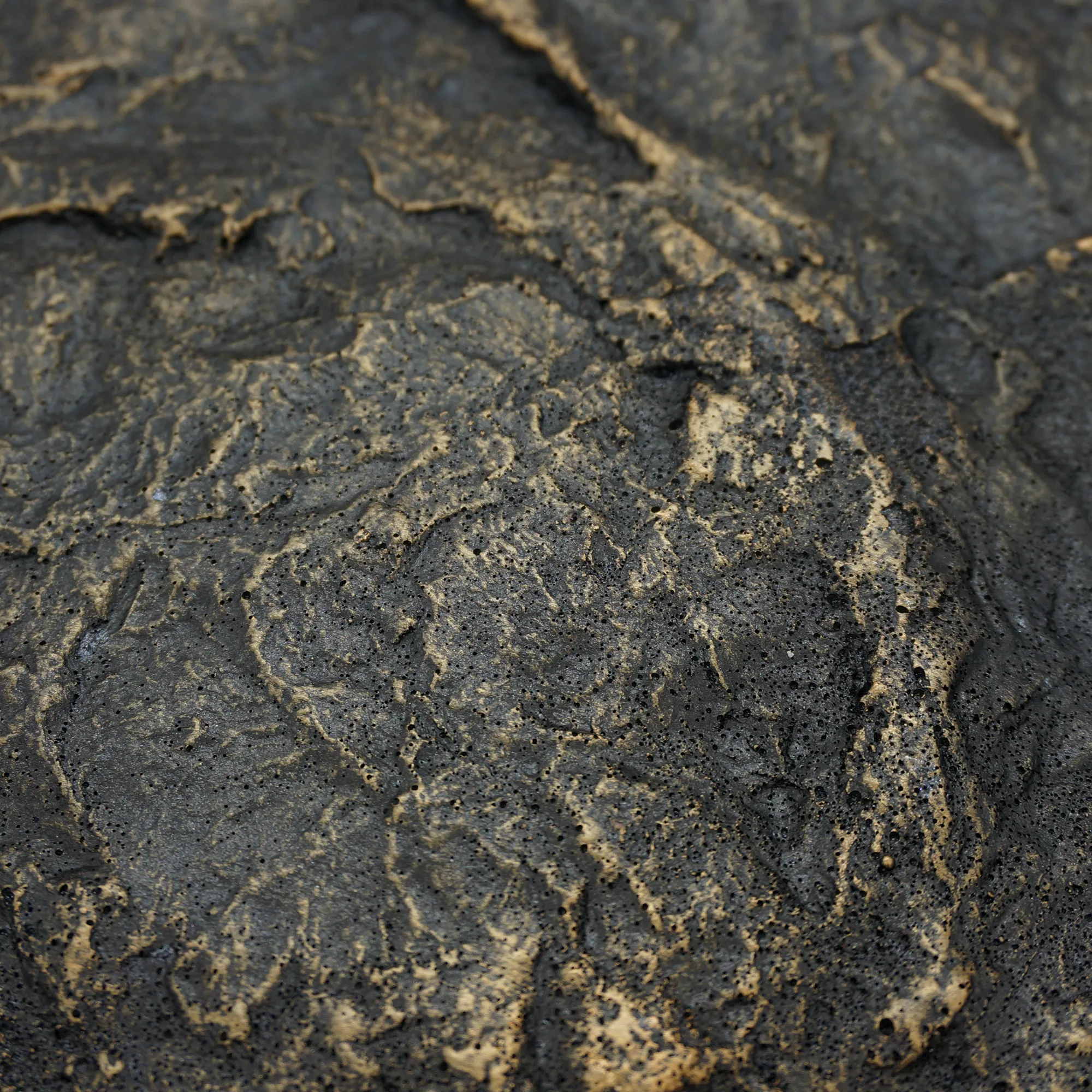
Understanding the technology is one thing; seeing its real-world benefits is another. Let's break down exactly why Boulder Slab in Vintage Gold is such a smart choice for any educational facility.
This is the number one concern for high-traffic areas, and it's where Boulder Slab excels. The inherent flexibility of the Modified Cementitious Material means it can absorb impacts that would shatter a ceramic tile or dent a wall. A student leaning back in a chair and hitting the wall, or a maintenance cart bumping a corner, is no longer a call for a repair job. The surface is highly resistant to abrasion, so the constant friction from backpacks in a narrow corridor won't leave a trail of scuffs and wear marks. This means the walls of a main entrance, library, or cafeteria will maintain their pristine, impressive appearance for years, not just months, reducing the cycle of repair and replacement that plagues so many schools.
Boulder Slab is fundamentally a safe material. With a Class A fire rating, it's one of the safest choices for interior finishes, providing critical extra time and security in the event of an emergency. Furthermore, because it's made from natural mineral components and cured at low temperatures without harsh solvents, it emits virtually zero VOCs. This directly contributes to better indoor air quality, which is proven to improve student concentration and overall health. For an environment where children and young adults spend a significant portion of their day, choosing a non-toxic, breathable material is a responsible and caring decision.
This is where Boulder Slab truly transforms a space. As part of the MCM Big Slab Board Series , it comes in large, sweeping panels. This minimizes or even eliminates the need for grout lines, creating a clean, seamless, and monolithic look that feels both modern and timeless. The "Boulder" texture provides a tactile depth that paint can never achieve, while the "Vintage Gold" color is a masterstroke in design psychology. It's a warm, inviting hue that feels sophisticated and enduring, like the halls of a prestigious institution. It can turn a utilitarian corridor into a grand gallery, and a noisy cafeteria into a more grounded, welcoming dining hall. This aesthetic upgrade is not just cosmetic; it signals a commitment to quality and creates a positive, aspirational atmosphere for learning. Furthermore, for unique architectural challenges like curved walls or columns, the COLORIA GROUP ecosystem offers complementary products. For instance, the MCM Flexible Stone series could be used to wrap a pillar, maintaining the stone aesthetic seamlessly, showcasing the versatility of the one-stop solution.
The financial argument for Boulder Slab is compelling. While the initial material cost might be higher than a can of paint, the total cost of ownership is dramatically lower.
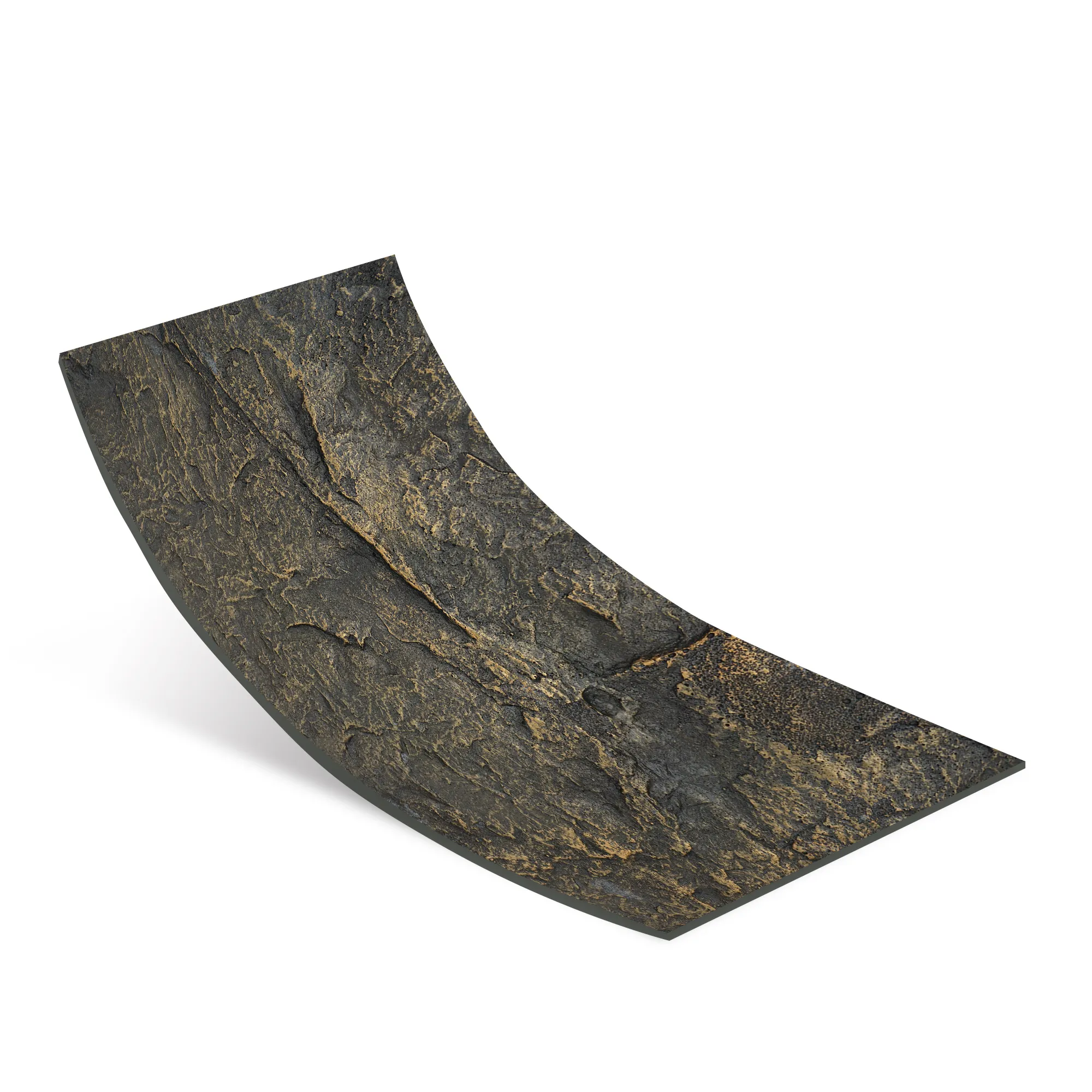
Let's visualize how Boulder Slab (Vintage Gold) can be deployed to solve specific problems within an educational campus.
The Challenge: This is the first impression of the institution. It needs to be grand, impressive, and able to withstand thousands of people passing through daily, including during large events and campus tours.
The Solution: Use the MCM Big Slab Board Series Boulder Slab as a full-height feature wall behind the main reception desk. The large format creates a powerful, unbroken visual statement. The Vintage Gold color adds a touch of prestige and warmth, welcoming prospective students and visitors. Its durability means it will look just as magnificent after a decade of traffic, and its Class A fire rating is essential for such a critical public assembly space.
The Challenge: A chaotic environment prone to food and drink spills, stains, and constant impact from chairs, tables, and students. The space needs to feel clean, bright, and be incredibly easy for janitorial staff to sanitize daily.
The Solution: Clad the lower half of the cafeteria walls (the "wainscoting" area) with Boulder Slab. The non-porous surface means ketchup, juice, and other spills wipe right off without a trace. It is tough enough to handle being bumped by chairs and carts without chipping or denting. The Vintage Gold color can help make the large room feel less institutional and more like a modern dining hall, subtly improving student behavior and experience.
The Challenge: These corridors see heavy traffic and need to reflect the creative and technical nature of the departments they serve. They also need to be exceptionally durable and safe, especially near labs where special equipment might be moved.
The Solution: Line the full length of the corridors with Boulder Slab. This provides a continuous, robust surface that won't be damaged by rolling carts or student traffic. The sophisticated aesthetic provides a perfect, neutral-yet-elegant backdrop for displaying student artwork or scientific posters. Its zero-VOC profile ensures a healthy indoor environment, which is especially important in a building dedicated to learning and research. For any curved walls or reception desks within the wing, the system's versatility can be shown by integrating complementary materials like MCM Flexible Stone to create a cohesive and high-end design.
Choosing a material for an educational facility is about more than just covering a wall. It's about making a long-term investment in the safety, well-being, and inspiration of students and staff. It's about being a wise steward of public or private funds by selecting solutions that offer lasting value.
COLORIA GROUP's Boulder Slab (Vintage Gold), powered by the revolutionary Modified Cementitious Material technology, is not just a product; it's a holistic answer to the complex demands of these unique spaces. It delivers an unparalleled combination of rugged durability to withstand the rigors of high traffic, uncompromising safety through fire resistance and non-toxic composition, and an elevated aesthetic that can transform a sterile institution into an inspiring place of learning.
By moving beyond the limitations of traditional materials, schools and universities can create environments that are easier to maintain, less costly to operate over time, and fundamentally better places to be. In the quest to build the educational facilities of the future, starting with a foundation of intelligent, high-performance materials is the smartest decision one can make.
Recommend Products












