
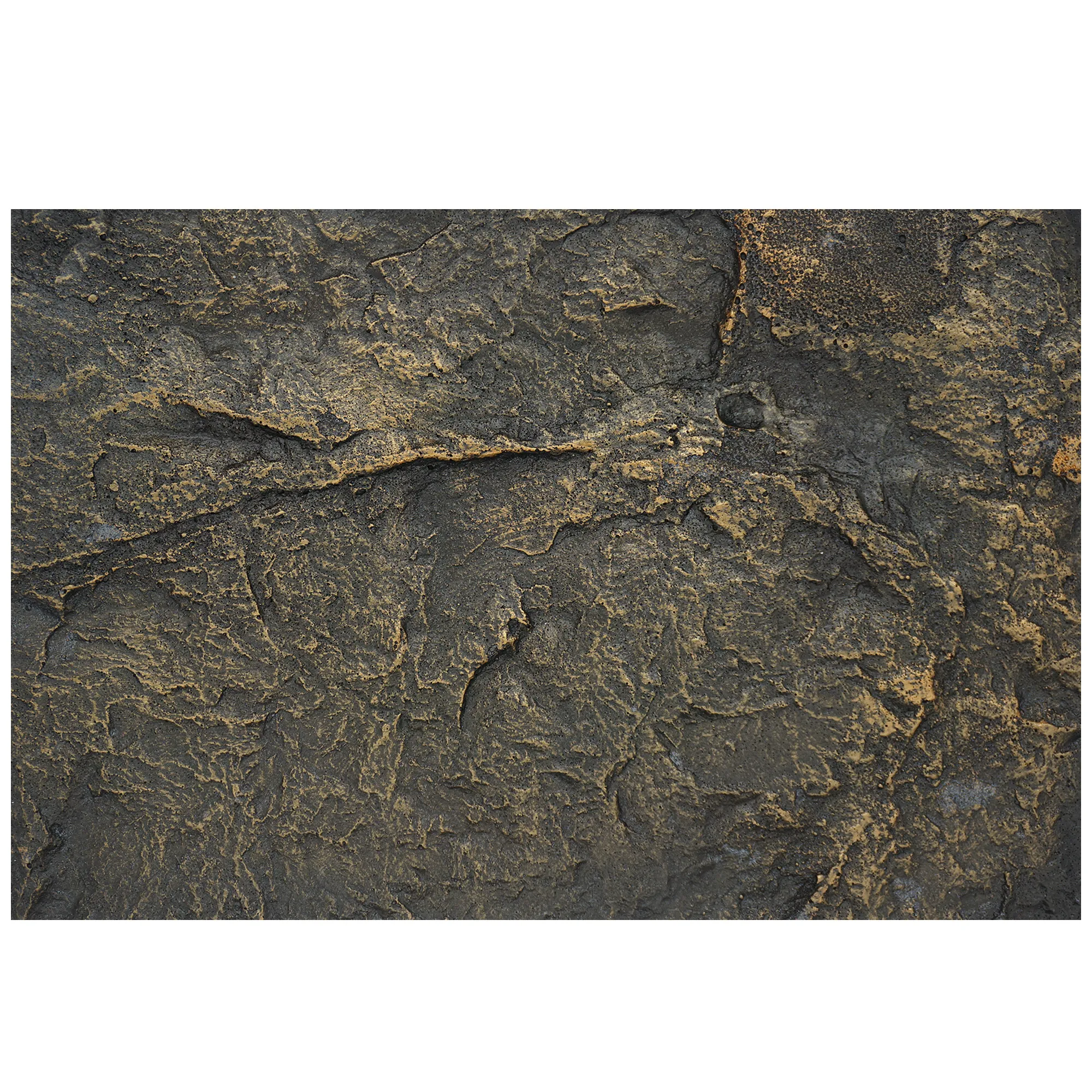
In the vast and ever-evolving world of architectural materials, choosing the right surface for your project, be it residential or commercial, is paramount. It's not just about aesthetics; durability, longevity, and performance under stress are equally critical factors. When it comes to flooring and wall cladding, especially in high-traffic areas or spaces prone to accidental impacts, the material's impact resistance can make or break the long-term success and cost-efficiency of an installation. Today, we're diving deep into a head-to-head comparison: the robust Boulder Slab (Vintage Gold) from COLORIA GROUP versus traditional ceramic tiles, specifically focusing on their ability to withstand impacts. This isn't just a technical discussion; it's about making informed choices that protect your investment and maintain the beauty of your spaces for years to come.
Before we pit our two contenders against each other, let's first clarify what impact resistance truly means in the context of building materials. Simply put, it's a material's capacity to absorb energy from a sudden force or blow without fracturing, cracking, or deforming permanently. Think about a dropped heavy object, a rolling cart, or even furniture being moved around – these are all scenarios where impact resistance comes into play. For floor and wall surfaces, a material with poor impact resistance can lead to costly repairs, frequent replacements, and an overall diminished appearance, impacting both functionality and perceived quality.
Various factors influence a material's impact resistance, including its composition, density, thickness, flexibility, and surface hardness. A material that is too brittle might shatter upon impact, while one that is too soft might dent. The ideal material strikes a balance, possessing enough flexibility to absorb some of the shock and sufficient hardness to resist surface damage. This delicate balance is often achieved through advanced manufacturing processes and innovative material compositions, which is where modern solutions like those offered by COLORIA GROUP truly shine.
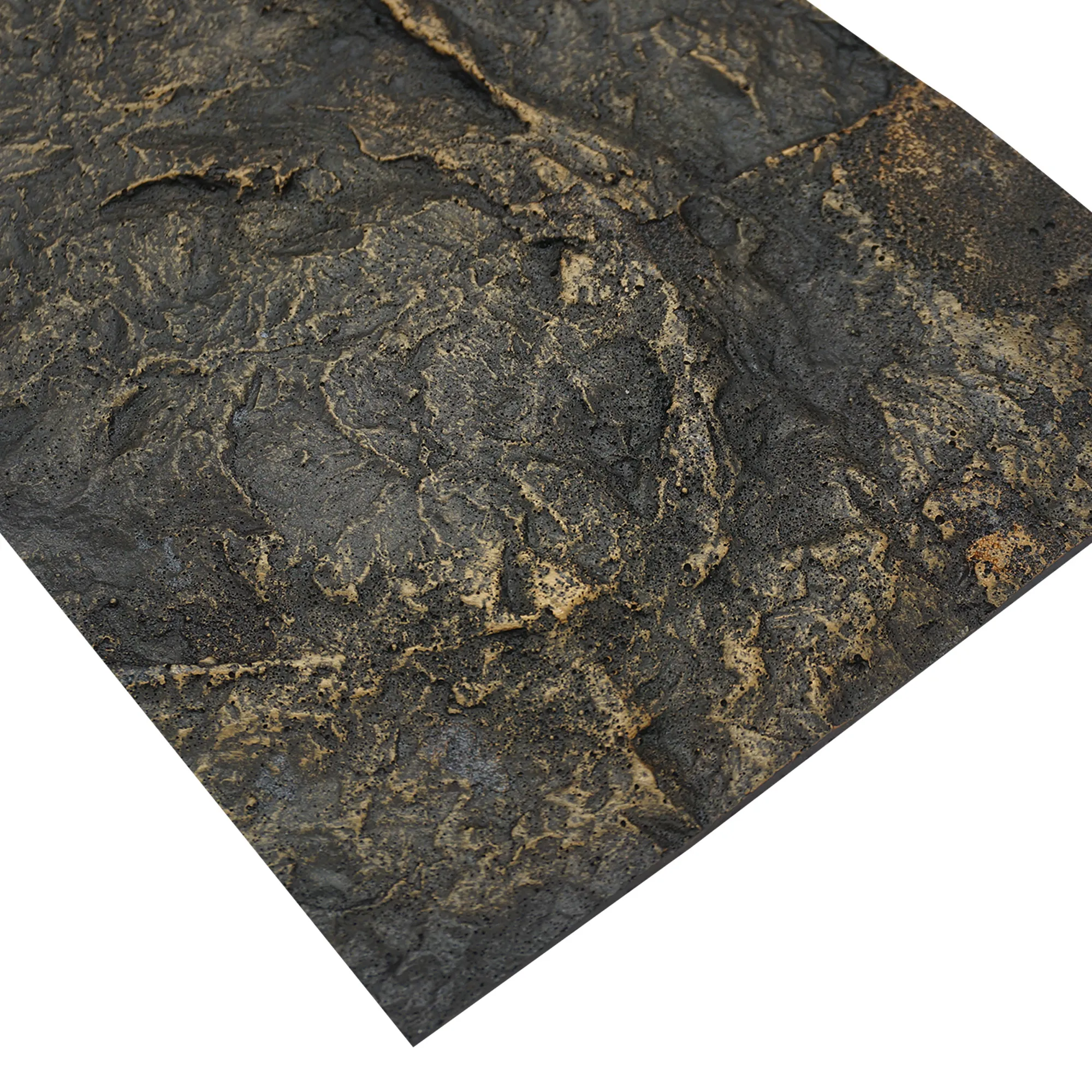
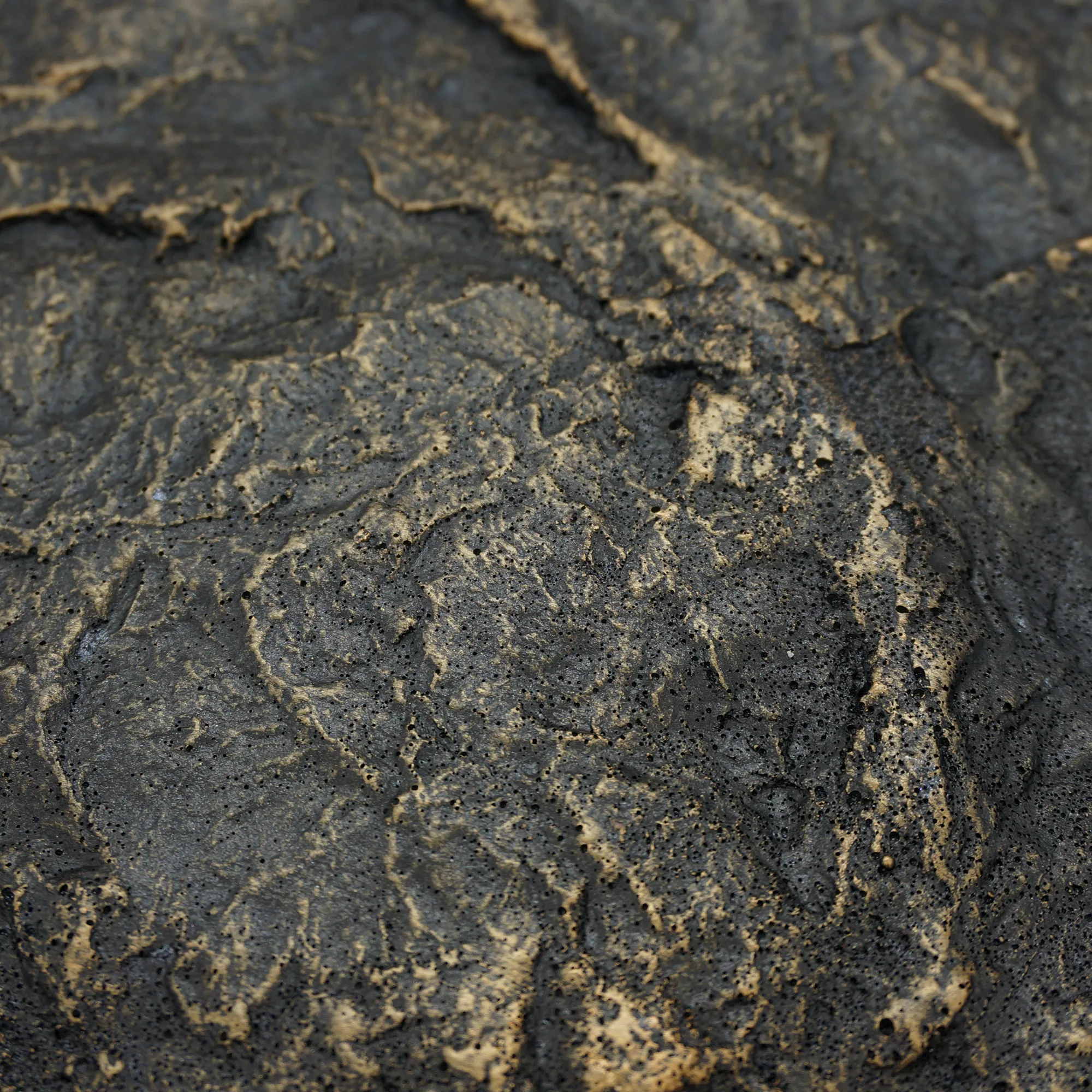
Let's introduce our first heavyweight contender: the Boulder Slab (Vintage Gold). This is not your average tile; it's a premium offering within COLORIA GROUP's MCM Big Slab Board Series . For those unfamiliar, MCM stands for Modified Cementitious Material, a revolutionary class of materials that represent a significant leap forward in construction and design. Our Boulder Slab (Vintage Gold), specifically, embodies the perfect blend of aesthetic appeal and engineering prowess. Its 'Vintage Gold' finish offers a sophisticated, timeless look, capable of elevating any interior or exterior design scheme.
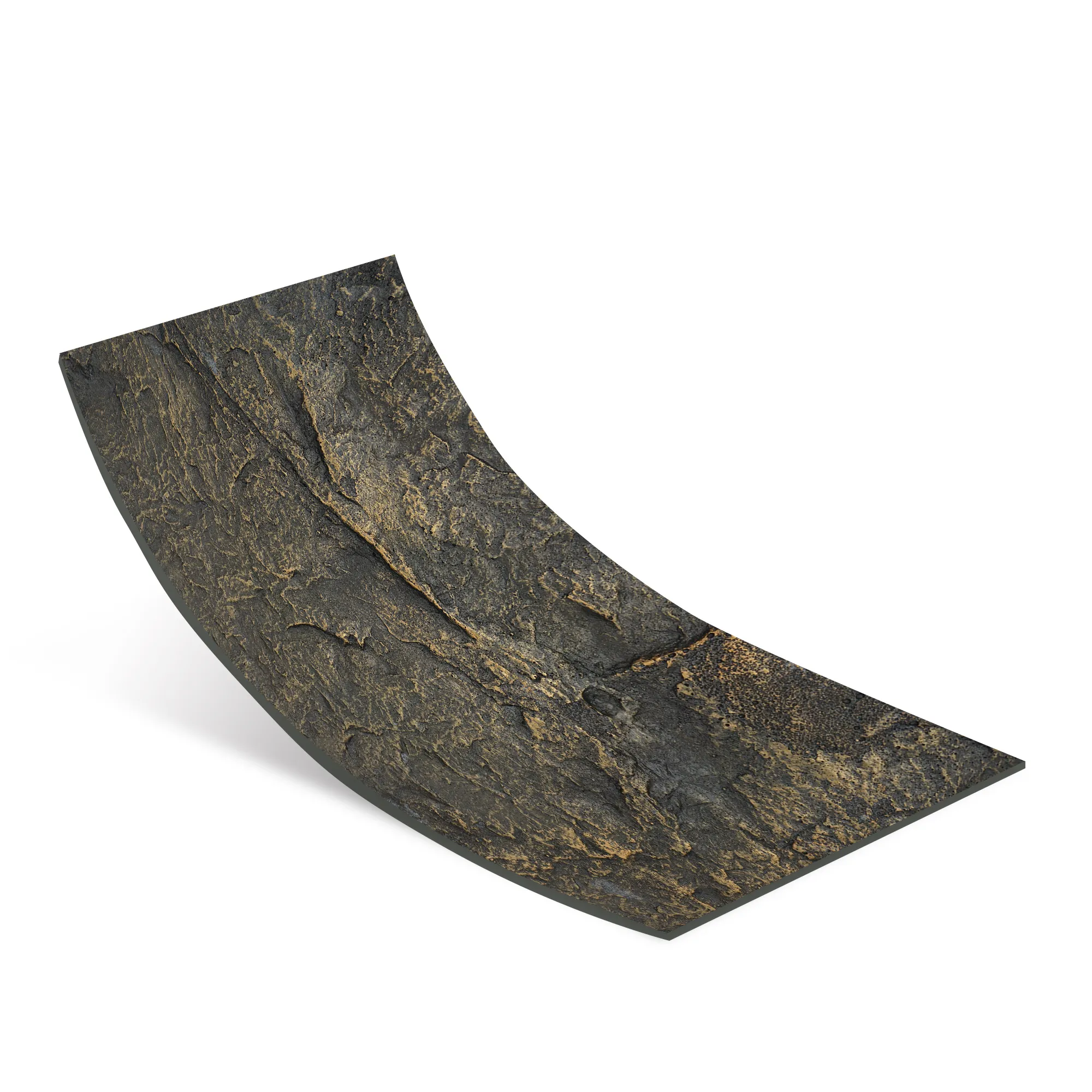
What makes the Boulder Slab (Vintage Gold) stand out, especially in the context of impact resistance? It all comes down to its unique composition and manufacturing process. Unlike traditional materials that rely on firing at extremely high temperatures, MCM products are created using a low-temperature process that binds natural mineral aggregates with polymeric compounds. This results in a material that is not only incredibly durable but also possesses an inherent flexibility that ceramic tiles simply cannot match. This flexibility is key to its superior impact resistance.
When a heavy object strikes a Boulder Slab, the inherent flexibility of the MCM (Modified Cementitious Material) allows it to slightly deform, distributing the force of the impact over a larger area and absorbing a significant portion of the energy. This reduces the likelihood of a concentrated stress point that would otherwise lead to a crack or chip in a more rigid material. Imagine it like a spring versus a rigid block: the spring can absorb and dissipate energy, while the rigid block will likely shatter under sufficient force.
On the other side of the ring, we have ceramic tiles. For centuries, ceramic tiles have been a staple in construction, prized for their beauty, water resistance, and relative durability. Made from clay, feldspar, and other natural minerals, they are fired at extremely high temperatures, resulting in a hard, rigid, and often brittle material. They come in an astonishing array of colors, patterns, and sizes, making them a popular choice for bathrooms, kitchens, and various commercial applications.
Ceramic tiles offer excellent abrasion resistance and are generally very hard, making them resistant to scratches and wear. However, their Achilles' heel often lies in their impact resistance. Because of their inherent rigidity and low flexibility, ceramic tiles tend to be highly susceptible to chipping, cracking, or even shattering when subjected to sharp, heavy impacts.
When a ceramic tile is struck with force, the energy has nowhere to go. It's concentrated at the point of impact, and if that force exceeds the material's tensile strength, a crack or chip is the inevitable result. This is a common issue in both residential settings (think dropped pots or pans in the kitchen) and commercial environments (heavy equipment, falling merchandise, etc.). Replacing a single chipped tile can be a nuisance, but widespread damage can lead to significant renovation costs and downtime.
Now for the main event: a direct comparison of how Boulder Slab (Vintage Gold) and ceramic tiles fare against impacts. To truly understand the difference, let's break down the mechanics and practical implications.
The differences in impact resistance translate directly into the long-term performance and maintenance requirements of your surfaces.
| Feature | Boulder Slab (Vintage Gold) | Ceramic Tiles |
|---|---|---|
| Material Type | Modified Cementitious Material (MCM) – Flexible Stone Series | Clay, feldspar, minerals (fired at high temperatures) |
| Primary Composition | Natural mineral powder, plant fibers, polymeric binders | Vitreous or semi-vitreous body |
| Key Characteristic for Durability | Flexibility, resilience, lightweight, customizable nature | Hardness, rigidity |
| Impact Resistance | Excellent – absorbs and dissipates energy, highly resistant to cracking and chipping. | Fair to Poor – brittle, prone to cracking, chipping, or shattering upon impact. |
| Mechanism of Failure | Rarely fails under impact; may scuff or dent under extreme localized force. | Fractures or shatters due to concentrated stress. |
| Maintenance after Impact | Minimal; usually cleaning or minor touch-up. Low probability of replacement. | Frequent replacement of damaged tiles; matching can be difficult. High probability of recurring costs. |
| Weight | Significantly lighter (e.g., 3-6 kg/m²) | Heavier (e.g., 15-25 kg/m²) |
| Installation Ease | Easier due to lightweight and flexibility, fewer cuts, faster installation. | Requires precise cutting, heavier to handle, more prone to breaking during installation. |
| Sustainability & Green Aspects | Eco-friendly production (low energy, low emissions), often uses recycled content. | High energy consumption during firing, mining of raw materials. |
| Typical Applications (where impact is a concern) | High-traffic commercial spaces, hospitals, schools, retail, residential kitchens, exteriors. | General residential applications, low-traffic areas, wall coverings where impact is less likely. |
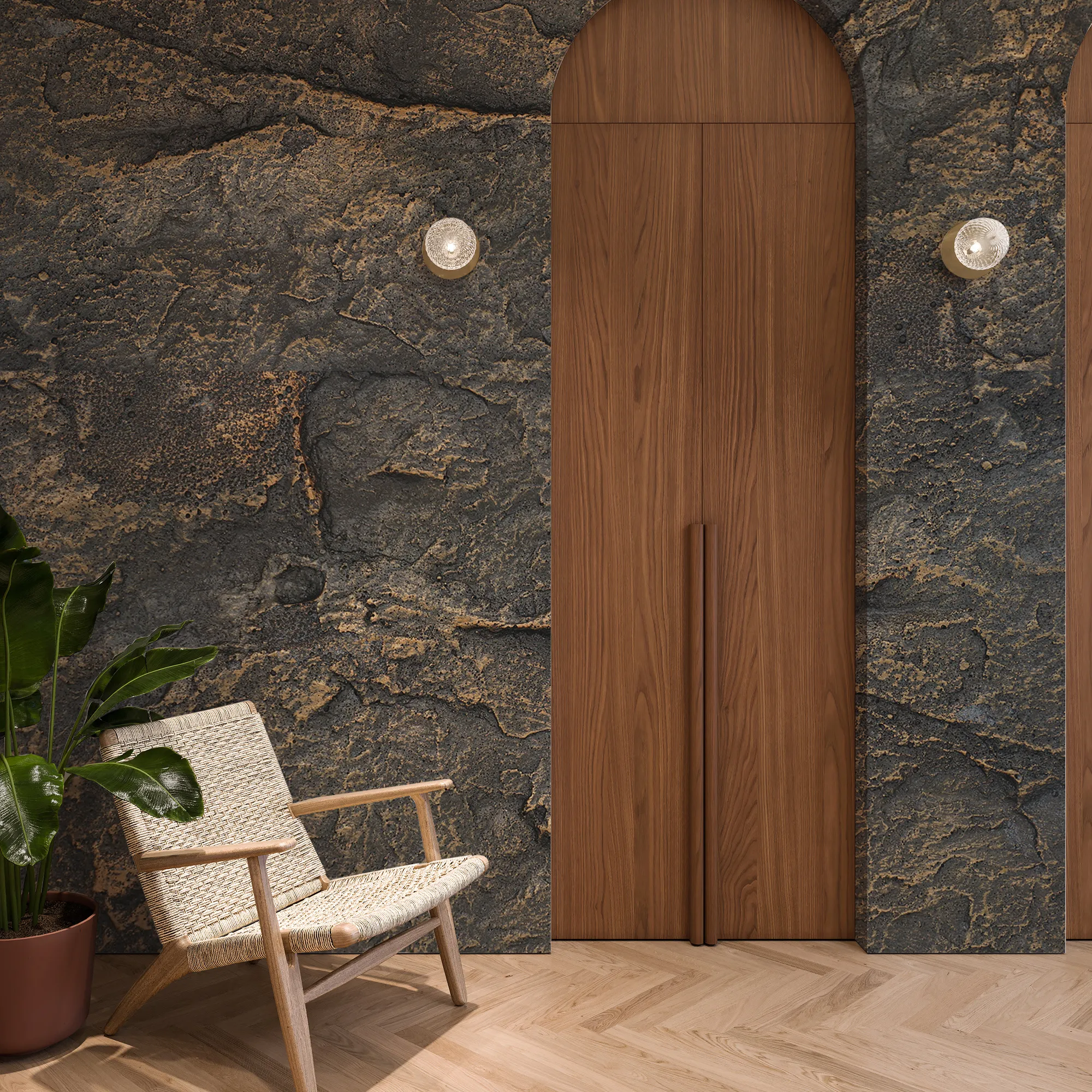
While impact resistance is a critical factor, the Boulder Slab (Vintage Gold) and COLORIA GROUP's broader MCM Big Slab Board Series offer a multitude of other benefits that make them a compelling choice for modern architectural projects.
In an era where environmental consciousness is no longer optional, MCM products stand out. Their manufacturing process consumes significantly less energy and produces fewer emissions compared to traditional ceramic or natural stone production. They often incorporate recycled materials and are themselves recyclable, contributing to a lower carbon footprint for any building project. This commitment to green building aligns perfectly with global efforts to create more sustainable infrastructure, providing not just a beautiful finish but also a responsible one.
The Boulder Slab (Vintage Gold) is just one example of the aesthetic range available. MCM technology allows for incredible design flexibility. Whether you're looking for the appearance of natural stone, wood, brick, or even a completely custom texture, MCM can replicate it with remarkable fidelity. This customization ability means architects and designers are no longer constrained by the limitations of natural materials, allowing for true creative freedom. From bespoke patterns to unique color blends, the possibilities are virtually endless. This flexibility also extends to applications, from facades to interior walls, and even specialized uses like our MCM 3D Printing Series , which pushes the boundaries of texture and form.
The lightweight nature of MCM products like the Boulder Slab translates directly into easier and faster installation. Less weight means less strain on installers, reduced need for heavy-duty lifting equipment, and crucially, a significantly reduced structural load on the building itself. This can lead to cost savings in foundational and structural engineering, especially in high-rise buildings or renovation projects where existing structures need to be considered. Large format MCM slabs can be installed quickly, covering vast areas with fewer seams, contributing to both speed and aesthetics.
Beyond impact, the Boulder Slab (Vintage Gold) exhibits excellent resistance to various weather conditions, including UV radiation, extreme temperatures, and moisture. This makes it an ideal choice for exterior applications, where it can withstand the elements without fading, warping, or deteriorating. Its longevity in harsh environments further solidifies its position as a superior choice for both internal and external architectural design, ensuring that its beauty endures for decades.
"Choosing the right material is an investment in the future of your project. It's about more than just initial cost; it's about durability, sustainability, aesthetic integrity, and peace of mind. With products like our Boulder Slab (Vintage Gold), we're not just offering a surface; we're offering a long-term solution that performs under pressure."
— A COLORIA GROUP Architectural Specialist
Understanding where impact resistance plays the most vital role helps in making an informed material selection.
For COLORIA GROUP, our dedication to providing one-stop solutions means we consider all these factors when developing and offering our product lines. We don't just sell materials; we provide comprehensive answers to the complex challenges of modern construction.
When it comes to the critical performance metric of impact resistance, the Boulder Slab (Vintage Gold) from COLORIA GROUP unequivocally outperforms traditional ceramic tiles. Its innovative MCM composition, characterized by its flexibility and resilience, allows it to absorb and dissipate impact energy effectively, leading to a far greater resistance to chipping, cracking, and shattering. Ceramic tiles, while offering their own set of advantages in other areas, simply cannot match this level of impact durability due to their rigid and brittle nature.
Beyond just impact resistance, the Boulder Slab brings a host of other benefits to the table:
For architects, designers, developers, and homeowners looking for a material that combines exquisite aesthetics with uncompromising performance, particularly in environments where impact is a concern, the Boulder Slab (Vintage Gold) represents a superior choice. It's a testament to how COLORIA GROUP, as a leading one-stop solution provider in architectural materials, is constantly innovating to meet and exceed the demands of the global market, especially with our strong presence and experience, including our agency in Saudi Arabia. Investing in MCM products is not just choosing a material; it's choosing a future-proof, high-performance solution that offers long-term value and peace of mind.
Disclaimer: This article provides general information and comparison based on typical material properties. Actual performance may vary depending on specific product formulations, installation methods, and the nature of the impact. Always consult product specifications and installation guides from COLORIA GROUP for detailed information.
Recommend Products












