
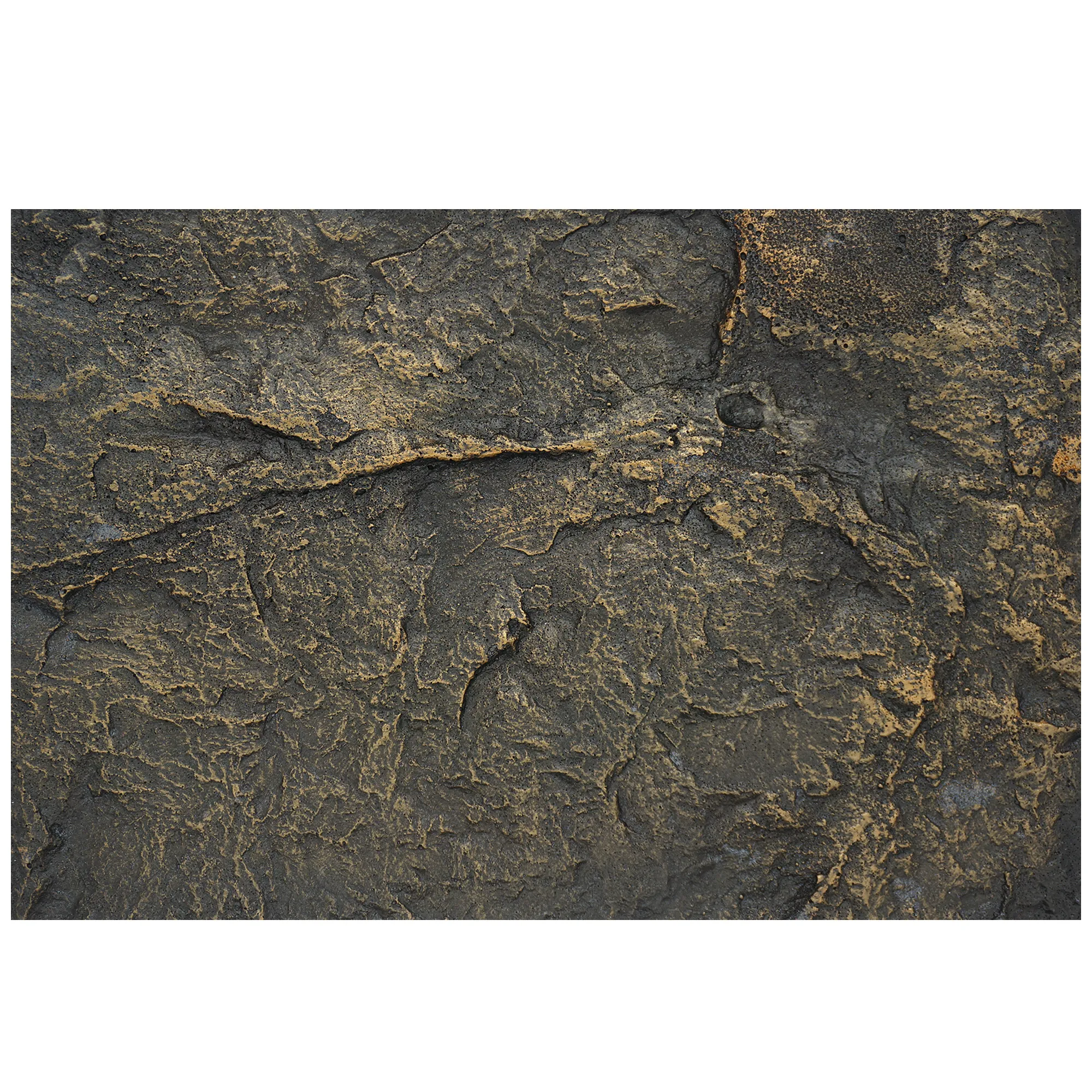
Choosing the right building material is like picking the perfect tool for an artist—get it right, and the vision flows effortlessly; get it wrong, and even the best ideas can get stuck in execution. For architects, designers, and builders, "workability" isn't just a technical term—it's the bridge between a sketch on paper and a finished structure that makes clients gasp. Today, we're diving into two materials that often land on shortlists: the modern, eye-catching Boulder Slab (Vintage Gold) and the timeless classic, Limestone . Which one bends, cuts, installs, and adapts better to the chaos of a construction site? Let's find out.
Before we pit these two against each other, let's clarify what "workability" really means here. It's not just about whether a material is "easy to use"—though that's part of it. Workability wraps up everything from how easy it is to handle on-site (think: lifting, carrying, moving up scaffolding), to how cleanly it cuts without chipping, how well it adapts to curves or intricate designs, and even how much waste it generates during installation. For busy crews and tight deadlines, a material with great workability isn't a luxury—it's a lifesaver.
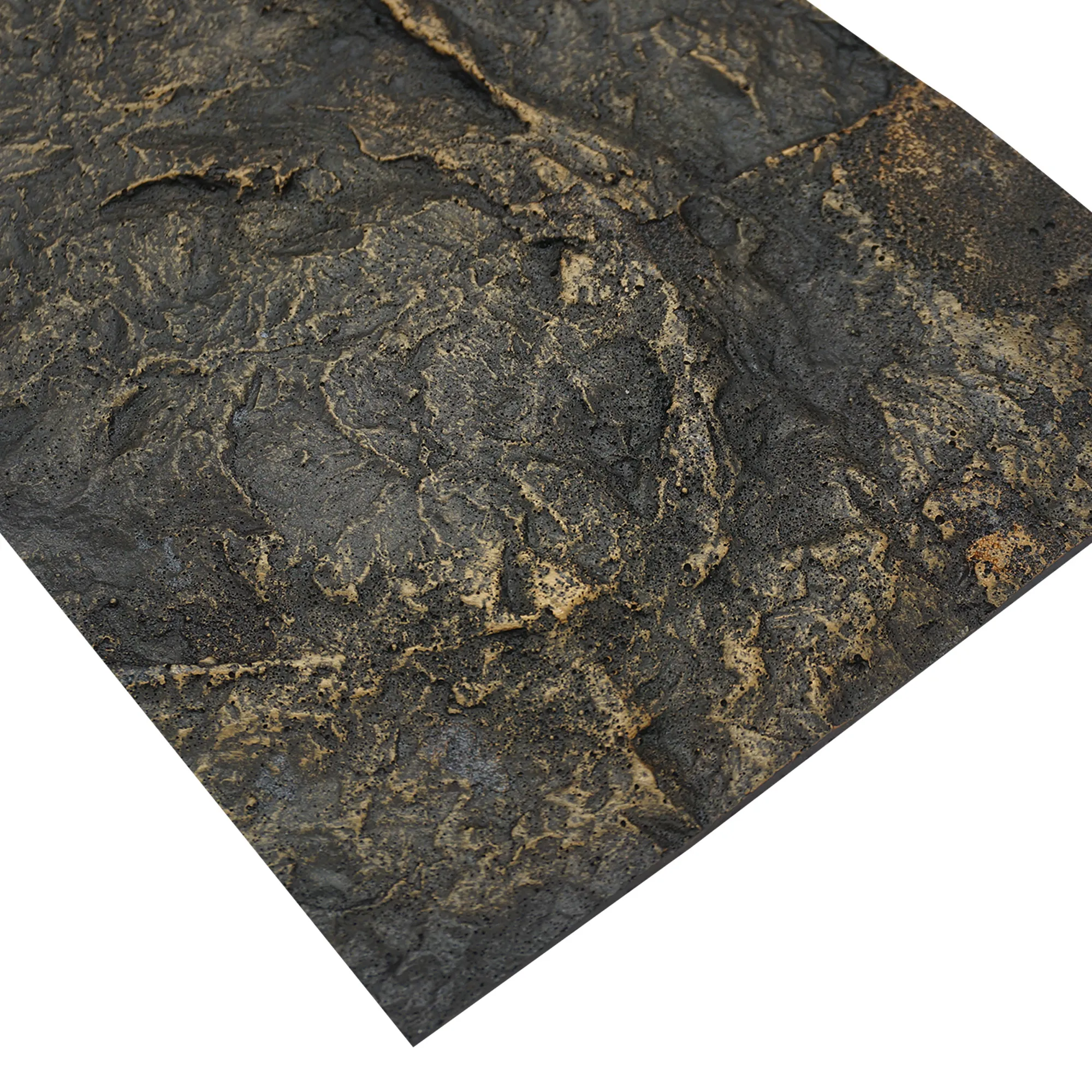
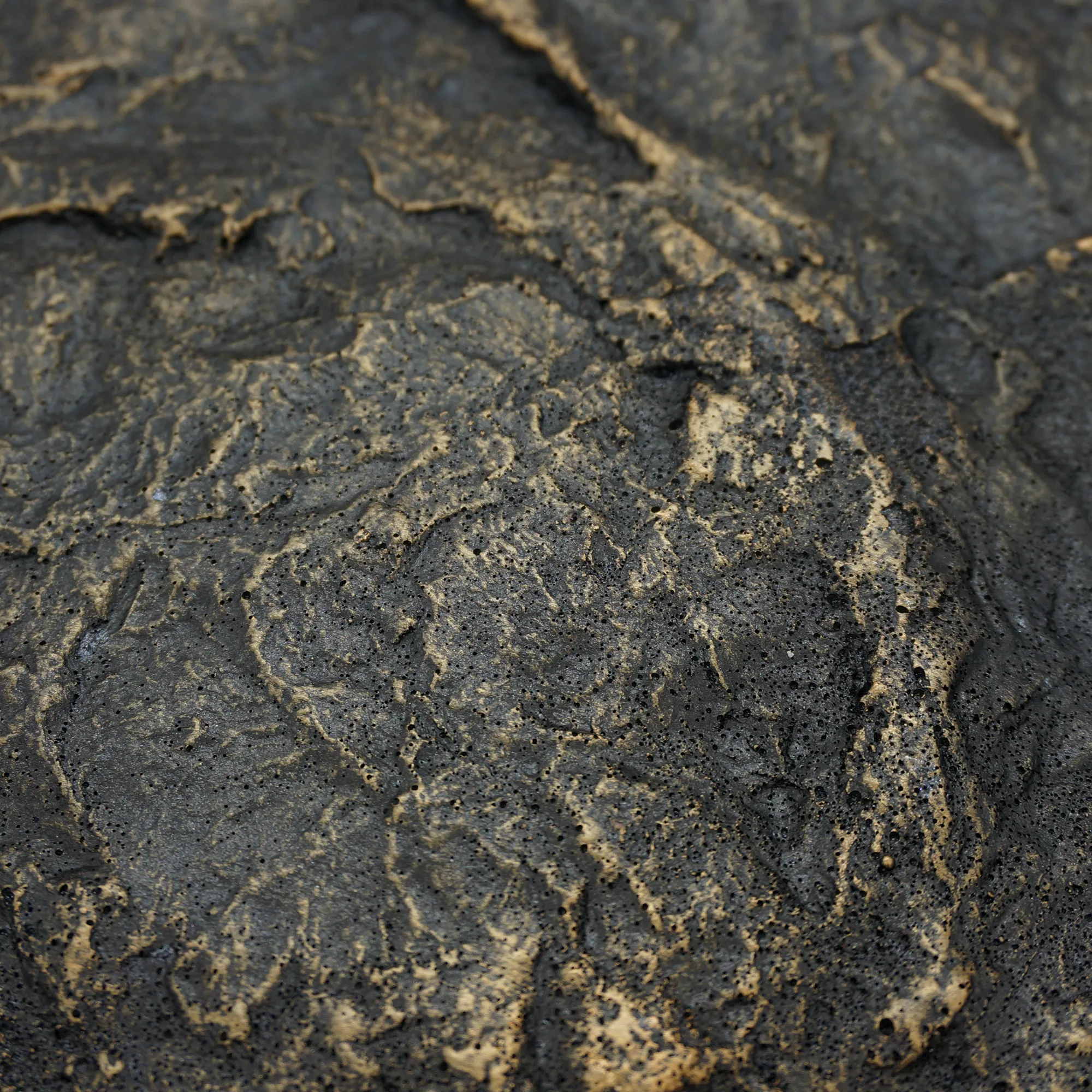
First up: Boulder Slab (Vintage Gold), a standout in the MCM project board series . If you're not familiar with MCM (Modified Composite Material), think of it as the Swiss Army knife of modern construction—engineered to blend the best of natural aesthetics with the practicality of man-made innovation. Boulder Slab (Vintage Gold) leans into this legacy, and when it comes to workability, it's got some serious tricks up its sleeve.
Lightweight, but Not Light on Strength – At just 8–10 kg per square meter, Boulder Slab feels almost feathery compared to traditional stone. That might not sound like a big deal until you're a construction worker hauling panels up to the 15th floor. Lighter materials mean smaller crews, less reliance on heavy lifting equipment, and fewer strained backs—all of which speed up installation. And don't mistake "lightweight" for "flimsy": thanks to its composite core, it holds up to impacts better than you'd expect during installation, reducing the risk of costly breakages.
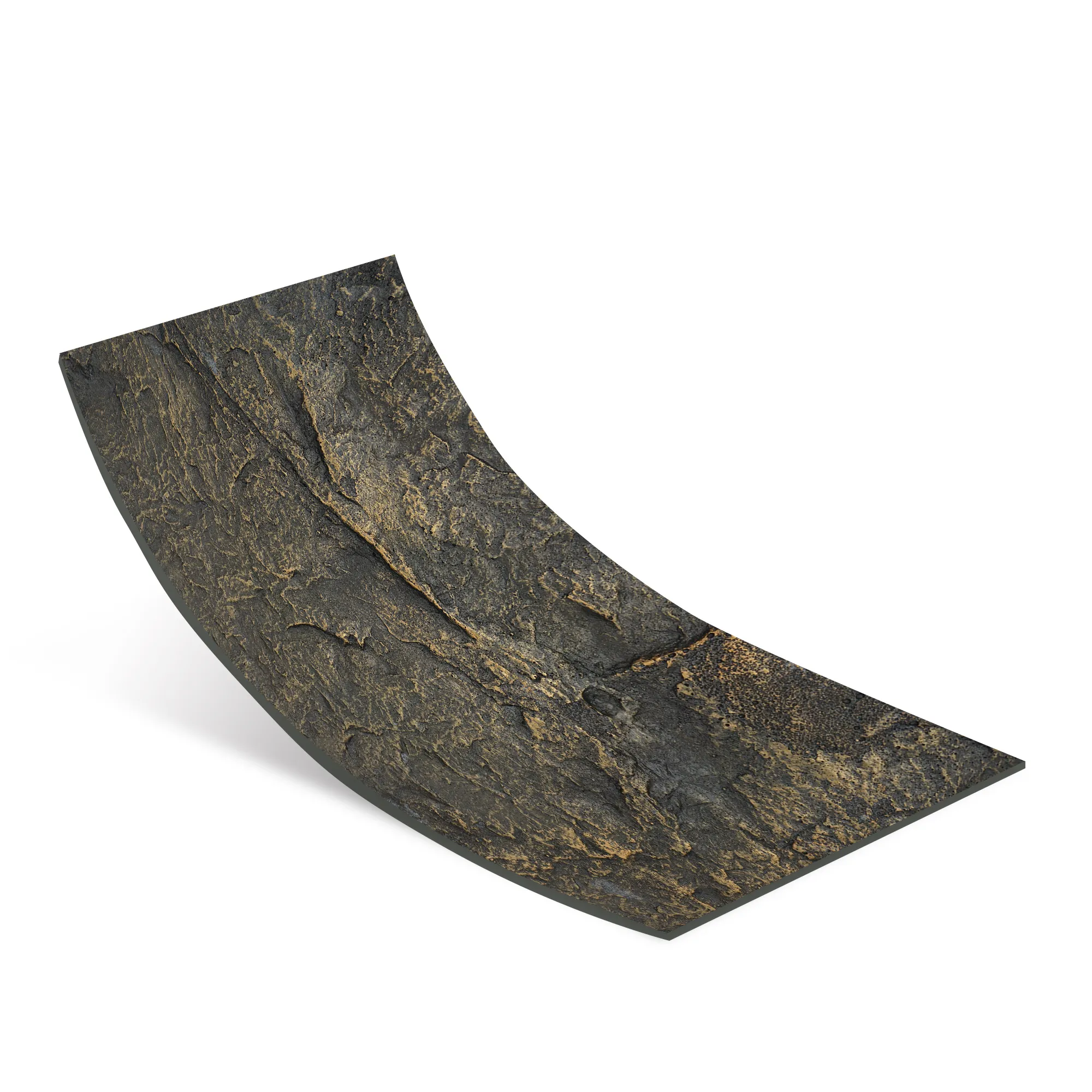
Cutting and Shaping: A Breeze with Basic Tools – Ever tried cutting natural stone with a regular saw? Spoiler: It's messy, slow, and often results in jagged edges. Boulder Slab (Vintage Gold) plays by different rules. Grab a standard circular saw with a carbide-tipped blade, and you'll get clean, precise cuts in minutes. Need a custom curve for a rounded wall? Unlike brittle natural stones, it bends slightly without cracking (up to a 30mm radius, in some cases), making it a dream for designers who hate being boxed into straight lines.
Sticks to Almost Any Surface – Whether you're cladding a concrete wall, a metal frame, or even a wooden substrate, Boulder Slab (Vintage Gold) plays well with others. Its lightweight nature means you don't need ultra-heavy-duty adhesives or complex anchoring systems—standard construction adhesives or mechanical fasteners work just fine. This flexibility (pun intended) cuts down on prep time and opens up possibilities for retrofits or projects where structural weight is a concern.
Now, let's turn to Limestone—the grandparent of building materials. For centuries, it's been the backbone of iconic structures, from the pyramids of Giza to European cathedrals. There's a reason it's endured: that warm, earthy texture and soft, natural veining are hard to replicate. But when it comes to workability, this classic has some old-world quirks that modern materials like Boulder Slab are designed to solve.
Heavyweight Status: A Double-Edged Sword – Limestone clocks in at a solid 20–25 kg per square meter. That heft gives it a sense of permanence, but it also means installation is a team sport. Lifting a single limestone slab often requires two or three people, and securing it to walls demands robust support systems—think steel brackets or reinforced mortar beds. On high-rise projects, this added weight can even affect structural calculations, limiting where it can be used.
Cutting: Slow, Messy, and Unforgiving – Limestone is softer than granite, but that doesn't make it easy to cut. It's prone to chipping along cleavage lines, and getting a perfectly straight edge often requires diamond-tipped blades and water cooling to prevent overheating. Intricate designs? Forget it—anything beyond basic squares or rectangles means extra time, specialized tools, and a higher risk of waste. One wrong move with the saw, and you've got a slab that's suddenly too small for the job.
Installation: Patience is a Virtue – Because limestone is porous and heavy, installers have to move slowly. Mortar needs time to set properly, and each slab must be perfectly aligned to avoid uneven weight distribution (which can lead to cracks down the line). It's not uncommon for a crew to install half as much limestone in a day compared to a lightweight material like Boulder Slab. For tight deadlines, that's a major drawback.
| Workability Factor | Boulder Slab (Vintage Gold) | Limestone |
|---|---|---|
| Weight (per sqm) | 8–10 kg (lightweight; easy for 1–2 people to handle) | 20–25 kg (heavy; requires 2–3 people or lifting equipment) |
| Cutting Tools Needed | Standard circular saw with carbide blade (clean cuts, minimal dust) | Diamond-tipped saw + water cooling (slower, more dust, higher risk of chipping) |
| Flexibility (Bending) | Can bend to 30mm radius (great for curved surfaces) | Brittle; no bending possible (strictly flat or straight edges) |
| Installation Time (per sqm) | ~10–15 minutes (2 workers install ~50 sqm/day) | ~20–30 minutes (2 workers install ~25 sqm/day) |
| Waste Generation | Low (clean cuts, minimal breakage during handling) | Higher (chipping, accidental breakage, offcuts) |
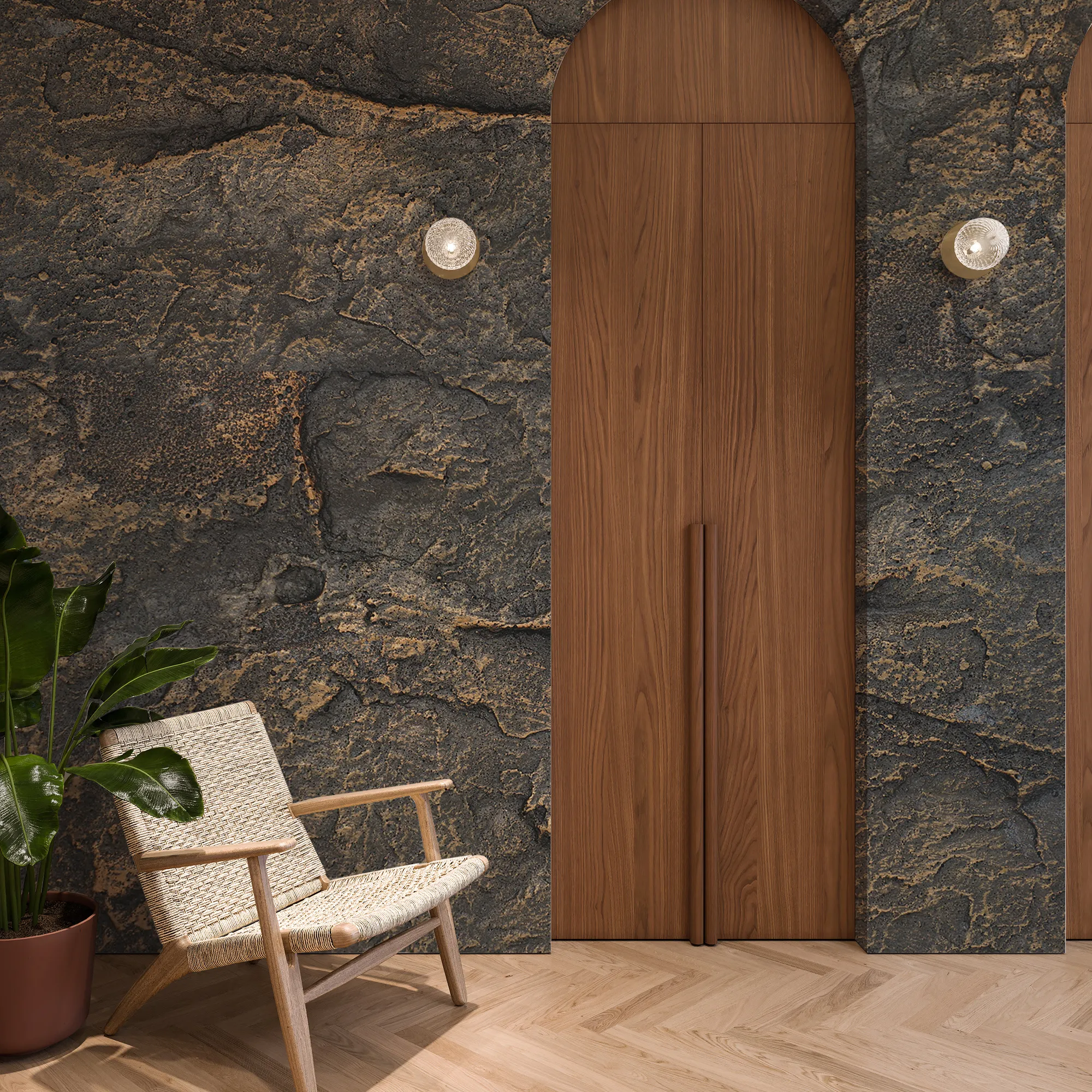
Workability isn't one-size-fits-all—it depends on the project. Let's break down when Boulder Slab (Vintage Gold) shines and when Limestone still holds its ground.
Choose Boulder Slab (Vintage Gold) When… You're working on a modern building with sleek, unconventional designs—think curved facades, statement walls with mixed textures, or high-rise cladding where weight is a concern. It's also ideal for projects with tight deadlines: faster installation means earlier completion, which keeps clients happy and crews moving to the next job. And if sustainability is a priority? Its low waste and lightweight nature reduce carbon footprints from transportation and installation.
Choose Limestone When… The project calls for a timeless, natural look that can't be faked—like a heritage restoration or a boutique hotel aiming for old-world charm. Limestone also works well for load-bearing applications (think flooring or countertops) where its density is an asset. Just be prepared to budget extra time and labor for installation, and work closely with your team to minimize waste.
We talked to a few architects and installers to get their take. "Boulder Slab changed how we approach facades," says Maria, an architect specializing in commercial buildings. "Last year, we designed a retail space with a wavy exterior—using Limestone would've meant custom-cutting every piece and dealing with so much waste. With Boulder Slab, the crew bent the panels on-site, and we finished a week ahead of schedule."
For limestone lovers, though, the trade-off is worth it. "There's a reason we still use limestone for heritage projects," notes James, a restoration specialist. "You can't replicate that depth of color or the way it ages gracefully. But I'd never specify it for a modern high-rise—too heavy, too slow. That's where materials like Boulder Slab make sense."
Workability is critical, but it's not the only factor. Boulder Slab (Vintage Gold) offers modern perks like resistance to moisture and UV fading, while limestone, if sealed properly, can last centuries. Aesthetics matter too: Boulder Slab's vintage gold finish has a uniform, contemporary look, while limestone's natural variations add warmth and character. And let's not forget cost—Boulder Slab often comes with a lower price tag on installation (thanks to faster labor), even if the material itself is comparable in cost to high-quality limestone.
If we're judging purely on workability—ease of handling, cutting, installation speed, and design flexibility— Boulder Slab (Vintage Gold) takes the crown. It's a material built for the demands of modern construction, where time is money and creativity can't be limited by material constraints. But limestone isn't out of the game. For projects where tradition, natural beauty, and long-term durability (with proper care) are non-negotiable, its workability challenges are a small price to pay.
At the end of the day, the best material is the one that turns your vision into reality—without turning the process into a headache. For most modern, forward-thinking projects, Boulder Slab (Vintage Gold) is the clear workability champion. But for those who hear the call of the classics? Limestone will always have a place.
Recommend Products












