In the exciting world of architectural design and building materials, choosing the right finishes for your project is always a pivotal decision. It's a balance between aesthetics, durability, functionality, and, perhaps most importantly, cost-effectiveness. As a
one-stop solution provider
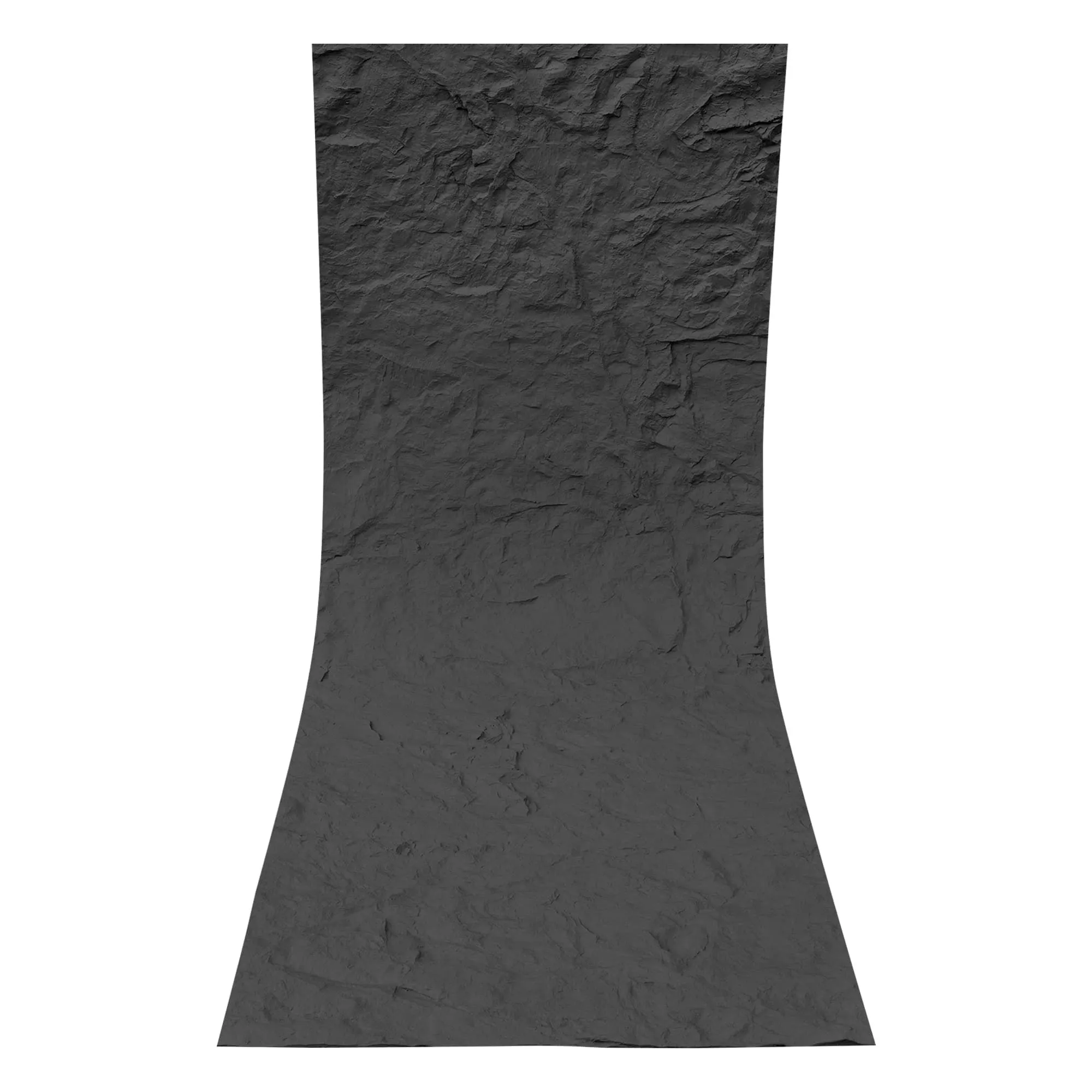
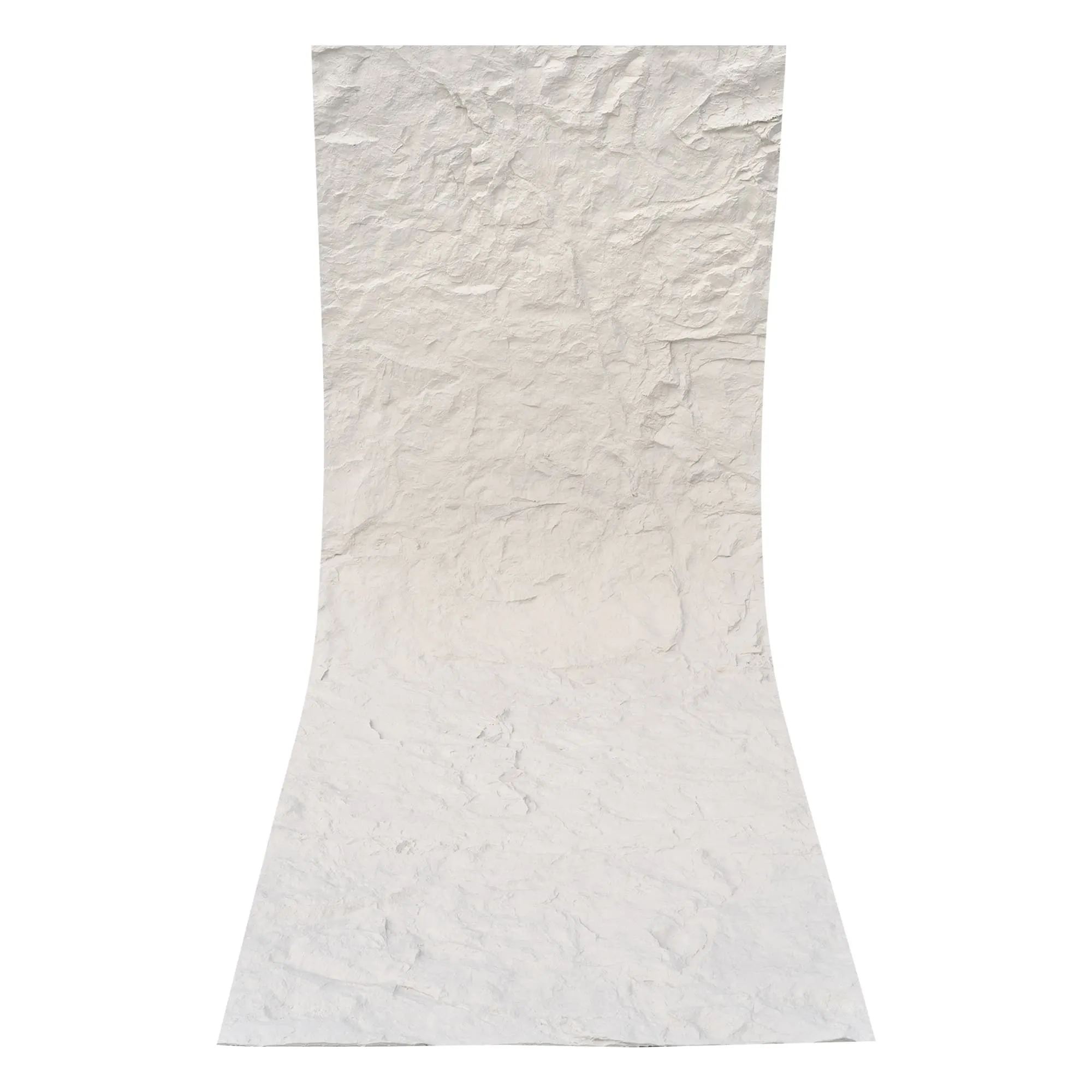
in the building materials sector, COLORIA GROUP understands these intricate challenges better than anyone. We've seen firsthand how projects thrive when material selections are smart, sustainable, and aligned with long-term value. Today, we're diving deep into a fascinating comparison that often perplexes designers, developers, and homeowners alike: Natural Granite versus an innovative material from our portfolio, specifically the Boulder Slab Vintage Silver, which exemplifies our
MCM Big Slab Board
series.
Both materials promise beauty and resilience, but their paths to achieving these qualities, and their ultimate impact on your budget and project timeline, diverge significantly. This article isn't just about initial purchase price; it's about understanding the holistic cost of ownership, installation, maintenance, and even environmental impact. Let's break down which option truly offers more bang for your buck in the grand scheme of things.
The Enduring Appeal of Natural Granite
Natural granite has long been the gold standard for premium architectural surfaces. Its appeal is undeniable – a geological masterpiece formed over millions of years, offering unique patterns, rich colors, and a sense of timeless luxury. From ancient monuments to modern skyscrapers, granite has symbolized strength, permanence, and sophisticated taste.
Pros of Natural Granite:
-
Unparalleled Natural Beauty:
Every slab of granite is unique, featuring natural veining, flecks, and color variations that no manufactured product can perfectly replicate. This individuality is a significant draw for those seeking bespoke aesthetics.
-
Exceptional Durability:
Granite is an igneous rock, incredibly hard and resistant to scratches, heat, and impact. It's a material built to last for generations, often outliving the structures it adorns.
-
Increased Property Value:
The perception of granite as a luxury material often translates into higher property values, especially in residential settings.
-
Natural and Authentic:
For purists, the idea of using a material directly from the earth holds significant value and authenticity.
Cons of Natural Granite (and where costs often escalate):
-
High Material Cost:
Granite's excavation, transportation from quarries often across continents, and processing contribute to its premium price tag. Rare patterns or colors can drive this cost even higher.
-
Complex Fabrication and Installation:
Granite is extremely heavy and requires specialized equipment for cutting, shaping, and hoisting. Skilled stonemasons are essential for proper installation, impacting labor costs. Its rigidity also means less flexibility during installation, requiring precise measurements and potentially leading to wastage if errors occur.
-
Weight and Structural Requirements:
The sheer weight of granite slabs necessitates robust structural support, especially for facades or elevated applications. This can add significant costs to the building's foundation and framework.
-
Maintenance & Porosity:
While durable, granite is naturally porous. It requires regular sealing to prevent staining from liquids, oils, and chemicals. Neglecting sealing can lead to irreversible damage and expensive restoration.
-
Limited Customization:
While unique in pattern, the natural formation of granite limits
customizable wall finishes
in terms of precise color matching or intricate design integration beyond its inherent patterns.
-
Environmental Impact:
Quarrying granite is an energy-intensive process that can lead to habitat disruption and significant carbon emissions from extraction and global transport.
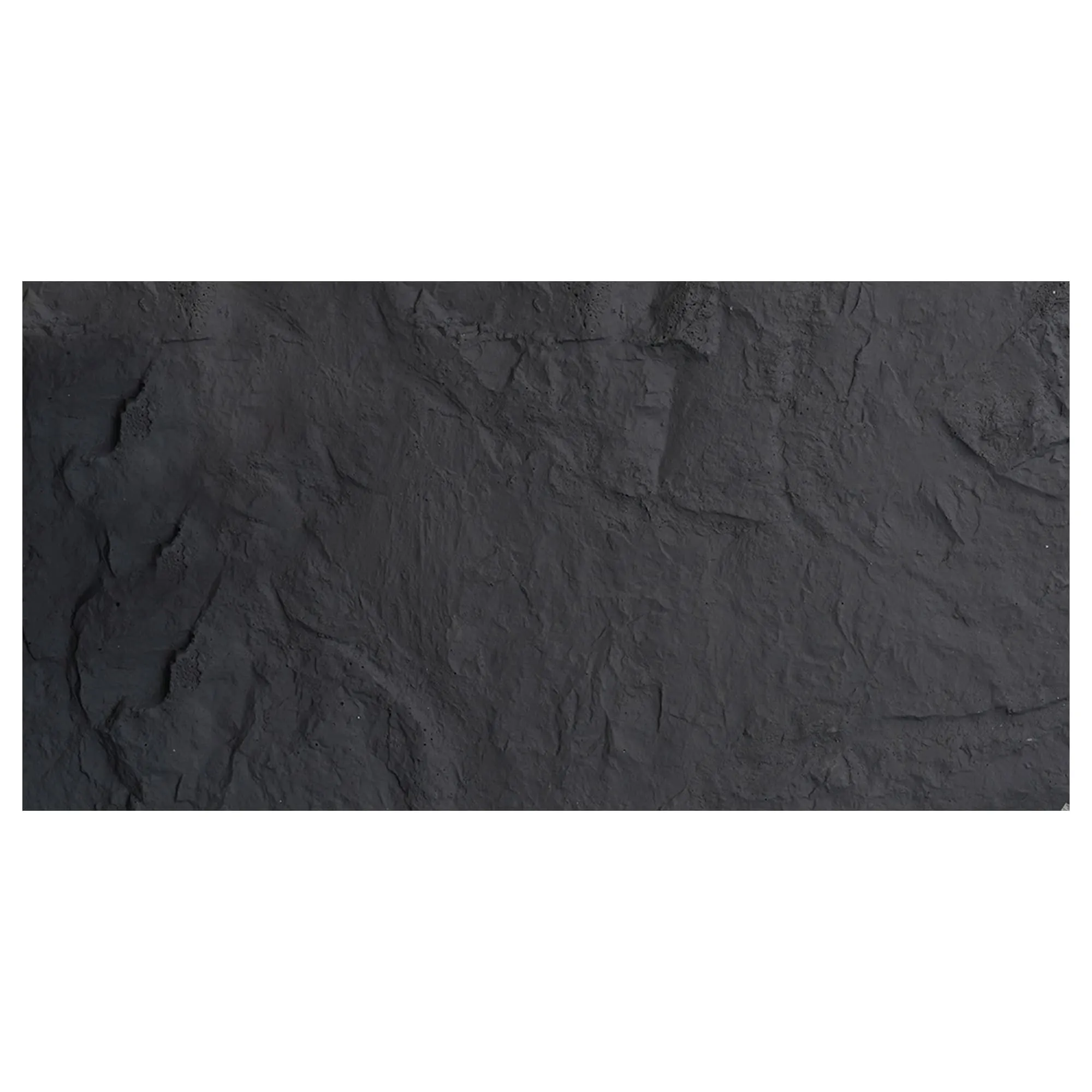
Introducing COLORIA GROUP's Boulder Slab Vintage Silver: The MCM Revolution
At COLORIA GROUP, our mission is to provide high-quality interior and exterior finishing materials that are both innovative and responsible. Our core focus on
MCM (Modified Cementitious Material) series products
represents a paradigm shift in architectural surfacing. The Boulder Slab Vintage Silver, part of our MCM Big Slab Board series, is a prime example of how we combine cutting-edge technology with sustainable practices to offer superior alternatives.
MCM materials are essentially a blend of inorganic raw materials, such as soil, sand, and mineral powders, modified and reconstituted at low temperatures. The result is a flexible, lightweight, and incredibly versatile material that can mimic the texture and appearance of natural stone, wood, brick, leather, and more, all while boasting an impressive ecological footprint.
-
Significantly Lower Material Cost:
The manufacturing process for MCM uses readily available raw materials and requires less energy than quarrying and processing natural stone, leading to a more accessible price point.
-
Lightweight & Easy Installation:
This is a game-changer. MCM materials, including our Boulder Slab Vintage Silver, are dramatically lighter than natural granite. This reduces shipping costs, simplifies handling, and often allows for faster, less labor-intensive installation. It also reduces the structural load on the building, potentially cutting down on foundational costs.
-
Exceptional Flexibility and Customization:
Unlike rigid granite, MCM offers a degree of flexibility, allowing for easier application on curved surfaces or complex architectural details without the need for intricate cutting. Our MCM Big Slab Boards can be customized in terms of size, texture, and even color palette, providing designers with unparalleled creative freedom to achieve unique,
customizable wall finishes
.
-
Durability and Performance:
Despite its flexibility, MCM is highly durable, resistant to UV radiation, freeze-thaw cycles, and general weathering. It maintains its aesthetic integrity over time, making it suitable for both interior and exterior applications.
-
Low Maintenance:
MCM products are generally non-porous or have very low porosity, meaning they don't require sealing like granite. They are easy to clean and maintain, saving time and money on upkeep.
-
Eco-Friendly & Sustainable:
This is where COLORIA GROUP truly shines. Our MCM products are considered
green building materials
. They are made from natural, recyclable components, consume less energy in production, and emit significantly fewer pollutants. This aligns perfectly with modern sustainable design principles and can contribute to green building certifications.
-
Safety:
Being lightweight, MCM reduces risks associated with heavy material handling during construction. Its fire-resistant properties also add an extra layer of safety.
Potential Considerations for MCM (Boulder Slab Vintage Silver):
-
Perception:
While rapidly gaining acceptance, some clients might still hold a traditional view favoring natural stone over engineered alternatives. Education about MCM's advanced properties and sustainability benefits is often key.
-
Range of Finish:
While highly customizable, the 'natural randomness' of granite's patterns can be a specific aesthetic desire that MCM replicates through sophisticated design rather than geological formation.
The True Measure of Cost-Effectiveness: A Deep Dive
When we talk about cost-effectiveness, it's crucial to look beyond the sticker price. A truly cost-effective solution provides maximum value over its entire lifecycle. Let's compare Boulder Slab Vintage Silver (MCM) and Natural Granite across various financial touchpoints.
1. Material Procurement Costs:
Natural granite, especially specific veins or rare colors, can be exceptionally expensive. The cost is driven by geological rarity, quarrying difficulty, and global transport. For example, a premium granite slab could cost anywhere from $50 to $200 per square foot or more, purely for the material. In contrast, our Boulder Slab Vintage Silver, as an
MCM Big Slab Board
, offers a much more accessible price point, often a fraction of granite's cost. This immediate saving is significant for any project, large or small.
2. Transportation and Logistics:
This is an often-overlooked cost factor. Granite's weight translates directly into higher shipping costs. Whether it's coming from a local quarry or halfway across the world (which is often the case for exotic varieties), the fuel, handling, and specialized transport required for massive, heavy stone slabs add up quickly. COLORIA GROUP's MCM products, being lightweight, drastically reduce these logistical expenses. A truck can carry a far greater volume of MCM, leading to fewer trips and lower fuel consumption, especially beneficial for our global operations, including those supported by our agency in Saudi Arabia.
3. Fabrication and Cutting:
Working with granite requires diamond-tipped saws and specialized machinery, along with highly trained technicians. Cuts are slow, intricate, and produce substantial waste, which then needs to be disposed of. Any error during fabrication can render an expensive slab unusable, leading to costly reorders and project delays. Our Boulder Slab Vintage Silver, on the other hand, can be cut with standard tools, much like wood, making the fabrication process faster, more efficient, and with significantly less material waste. The flexibility also allows for less breakage during handling and installation.
4. Installation Costs:
This is perhaps the most striking difference in terms of labor and structural implications.
-
Labor:
Installing heavy granite slabs requires a larger crew, specialized lifting equipment (cranes, hoists), and a longer installation period. This translates directly into higher labor costs. MCM, being lightweight, often requires a smaller team and simpler tools, leading to quicker installation times and reduced labor expenditure.
-
Structural Reinforcement:
For exterior facades or large interior wall applications, the immense weight of granite often necessitates additional structural reinforcement for the building itself. This means heavier beams, stronger foundations, and more complex engineering, all of which add substantial costs to the overall construction budget. MCM materials, due to their minimal weight, rarely require such extensive structural upgrades, offering a significant saving in foundation and framework costs. This makes them ideal for renovations or applications where structural limitations are a concern.
-
Adhesives and Backing:
While both require adhesives, the type and quantity needed for granite can be more specialized and costly due to its weight and rigidity.
5. Maintenance and Longevity:
The long-term costs of ownership are where the true cost-effectiveness of a material becomes apparent.
-
Sealing:
As mentioned, granite requires periodic sealing (typically every 1-5 years depending on traffic and location) to protect its porous surface from stains. This involves material cost for sealant and labor for application, which accrues over the lifetime of the project. Our Boulder Slab Vintage Silver and other MCM products are virtually non-porous and do not require this expensive, recurring maintenance.
-
Cleaning:
While both are easy to clean, granite's textured surfaces can sometimes trap dirt if not properly sealed. MCM's consistent, smooth (or uniformly textured) surface often makes routine cleaning simpler and less time-consuming.
-
Repair and Replacement:
If a granite slab is chipped or cracked, repairs can be difficult, expensive, and sometimes impossible to blend seamlessly. Replacement of a single slab can be a major undertaking. MCM, with its consistency and flexibility, can often be repaired more discreetly or replaced more easily without significant disruption, contributing to
cost-effective architectural solutions
.
-
Fade Resistance:
High-quality MCM, like COLORIA GROUP's products, are engineered to be highly UV-resistant, ensuring color stability over many years, particularly important for exterior applications. While granite is naturally colorfast, its appearance can be affected by acid rain or atmospheric pollutants over long periods if not properly cared for.
6. Environmental Costs and Benefits:
While not always factored into a direct financial spreadsheet, the environmental impact of a material is increasingly a critical component of its "cost."
-
Granite:
Quarrying is environmentally disruptive, consuming vast amounts of water and energy, creating dust pollution, and altering landscapes. The long-distance transportation of heavy stone slabs contributes significantly to carbon emissions.
-
Boulder Slab Vintage Silver (MCM):
As
green building materials
, our MCM products are produced with a significantly lower carbon footprint. They utilize abundant raw materials, require less energy in manufacturing, and their lightweight nature reduces transport emissions. Choosing MCM not only aligns with corporate social responsibility but can also lead to benefits in green building certifications, potentially opening doors to tax incentives or preferred lender rates for sustainable projects. This translates into hidden savings and reputational benefits.
Case Study Application: Exterior Facade
Let's consider a large commercial building project requiring an impressive exterior facade.
Scenario A: Natural Granite Facade
The project specifies high-end granite. The initial material cost is substantial. Shipping requires specialized heavy-duty vehicles and multiple trips. On-site, a large crane is needed for weeks to hoist and position the heavy slabs. The building's structural frame has to be reinforced to bear the immense weight. Installation is slow, requiring highly specialized labor, and there's a risk of material damage during handling. Over time, regular cleaning and sealing schedules are implemented, adding to operational expenses.
Scenario B: COLORIA GROUP's Boulder Slab Vintage Silver (MCM) Facade
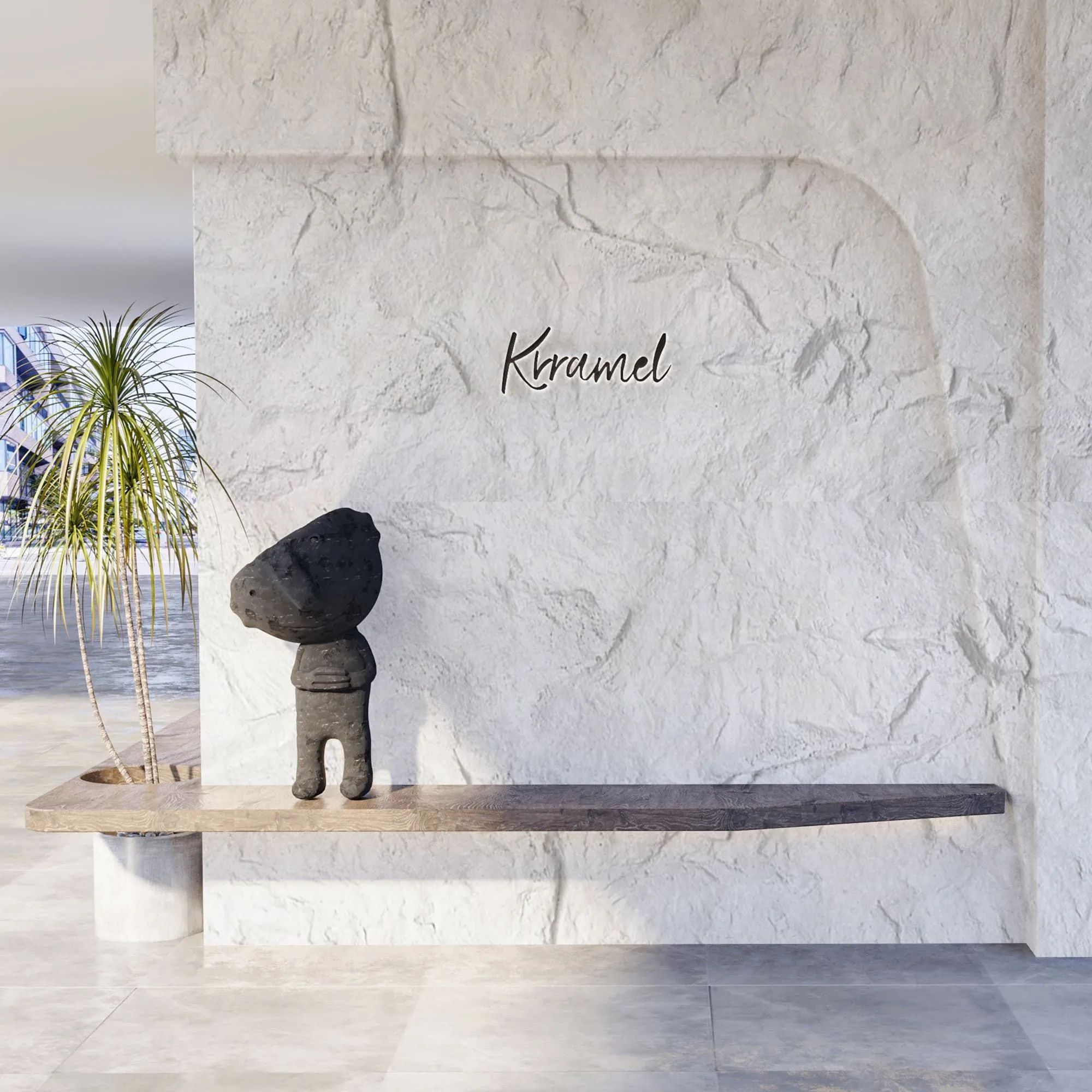
The project uses Boulder Slab Vintage Silver, offering the visual appeal of natural stone with a contemporary twist. Material costs are lower. Transportation is more efficient, with more square footage per truckload. On-site, installation is faster, requiring less heavy machinery and a smaller crew. The building's existing structure is sufficient, avoiding costly reinforcements. The material's flexibility allows for precise fitting even around architectural curves. Maintenance is minimal; routine washing keeps it pristine. The project earns points for sustainable design.
In this comparison, the MCM facade would undoubtedly emerge as the more cost-effective architectural solution, delivering aesthetic excellence without the financial and environmental burdens of traditional granite. This is precisely why COLORIA GROUP is trusted by architects and developers worldwide, from residential homes to large-scale commercial complexes.
Design Versatility and Aesthetic Impact
Cost-effectiveness doesn't mean sacrificing design. In fact, our Boulder Slab Vintage Silver and other MCM products offer enhanced design versatility that can lead to more creative and impactful results.
-
Replication Power:
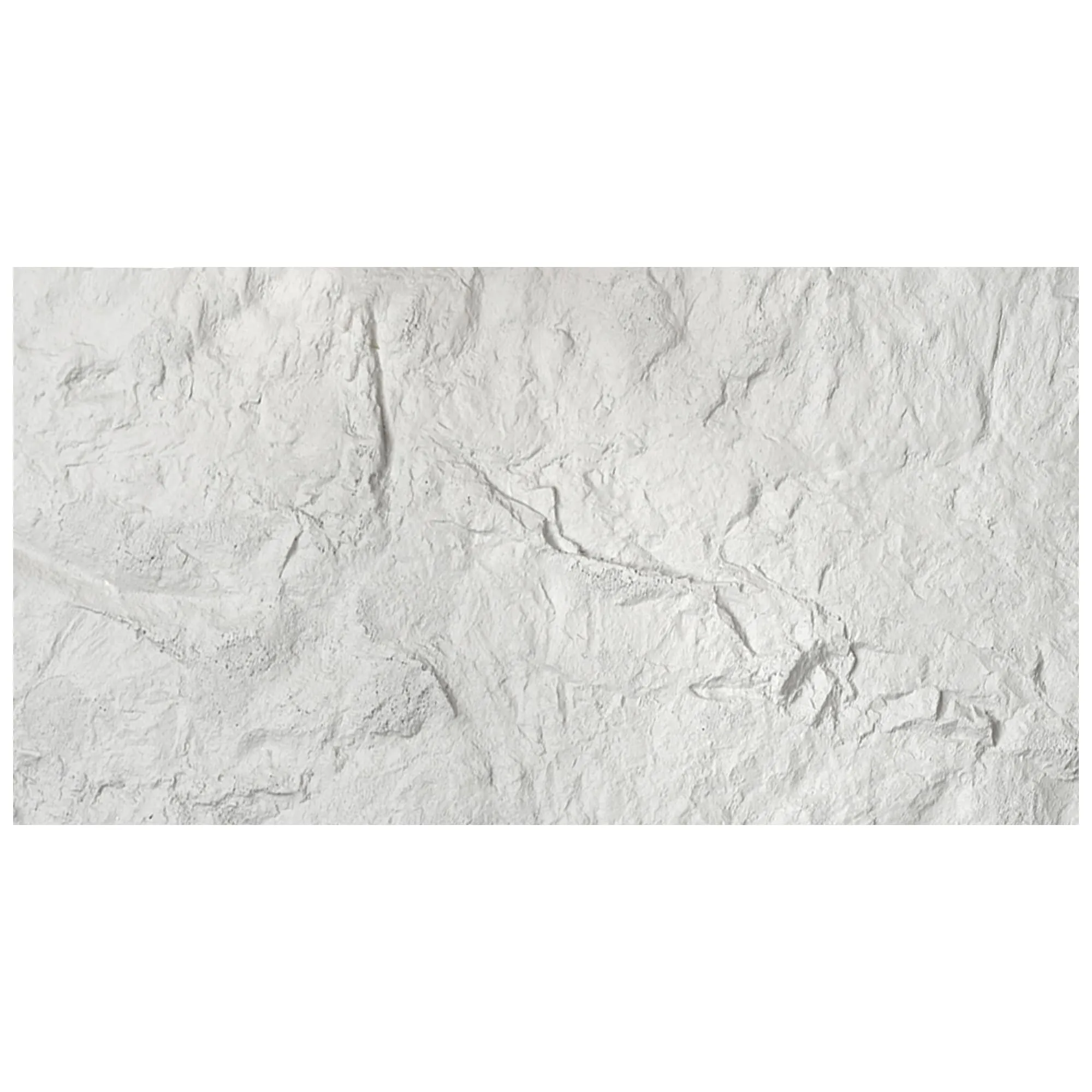
MCM can convincingly replicate the texture, grain, and color variation of various natural stones, including granite, slate, travertine, and even wood, brick, or leather. This means you can achieve the desired aesthetic without being limited by the specific availability or cost of a natural material. The "Vintage Silver" in Boulder Slab is meticulously crafted to evoke a specific granite aesthetic, offering consistent quality across all pieces.
-
Color and Texture Customization:
Unlike natural stone where you are limited to what nature provides, MCM offers extensive opportunities for color matching and bespoke texture development. This allows for truly
customizable wall finishes
that can align perfectly with a brand identity or a specific design vision, a level of control granite simply cannot offer.
-
Seamless Integration:
The large format and flexibility of MCM Big Slab Boards allow for fewer seams and a more continuous, grand appearance. This is particularly effective in modern designs where expansive, uninterrupted surfaces are desired.
-
Indoor and Outdoor Synergy:
Our MCM products are designed for both interior and exterior use, allowing for seamless transitions and a cohesive design language throughout a property. This eliminates the need to source different materials with similar aesthetics for different applications, simplifying procurement and ensuring visual harmony.
Why COLORIA GROUP Stands Out as Your Architectural Partner
Our commitment at COLORIA GROUP goes beyond just supplying materials. As a dedicated
one-stop solution provider
, we leverage decades of industry experience to offer comprehensive support for your projects, from initial concept to final installation. We understand the nuances of global markets, with a strong presence and agency in critical regions like Saudi Arabia, enabling us to deliver tailored solutions efficiently.
-
Expert Consultation:
Our team provides expert advice on material selection, application techniques, and design integration to ensure optimal results and budget adherence.
-
Global Reach, Local Expertise:
With business spanning the globe, we combine international standards of quality with localized understanding, ensuring smooth project execution wherever you are.
-
Sustainable Innovation:
We are constantly investing in research and development to bring forth advanced, eco-friendly materials like our MCM series, helping our clients build for a sustainable future. Our dedication to
green building materials
is unwavering.
-
Diverse Product Portfolio:
While MCM Big Slab Boards are a highlight, we offer a full spectrum of MCM products including Project Board Series, 3D Printing Series, and Flexible Stone, catering to virtually any architectural requirement. This breadth allows us to provide truly integrated
cost-effective architectural solutions
.
A Comparative Summary: Boulder Slab Vintage Silver (MCM) vs. Natural Granite
|
Feature
|
Natural Granite
|
COLORIA GROUP's Boulder Slab Vintage Silver (MCM)
|
|
Material Cost
|
High (Premium due to rarity, quarrying, transport)
|
Lower (Cost-effective production, abundant raw materials)
|
|
Weight
|
Very Heavy (Requires significant structural support)
|
Lightweight (Minimizes structural load, easier handling)
|
|
Transportation
|
Expensive, heavy logistics, fewer units per load
|
Cost-effective, efficient logistics, more units per load
|
|
Fabrication
|
Specialized, slow, high waste, diamond tools needed
|
Easier, faster, less waste, standard tools sufficient
|
|
Installation
|
Labor-intensive, specialized equipment (cranes), long duration, high labor cost
|
Quicker, smaller crew, simpler tools, lower labor cost
|
|
Structural Impact
|
Often requires costly structural reinforcement
|
Minimal structural impact, ideal for renovations
|
|
Maintenance
|
Requires regular sealing against stains, prone to acid etching
|
Low maintenance, non-porous, no sealing required, easy to clean
|
|
Customization
|
Limited to natural patterns and colors
|
High (Custom colors, textures, sizes, shapes for
customizable wall finishes
)
|
|
Flexibility
|
Rigid, brittle, prone to cracking during handling
|
Flexible, resilient, suitable for curved surfaces
|
|
Environmental Footprint
|
High (Quarrying, energy-intensive, high carbon emissions)
|
Low (Made from natural, recyclable materials, less energy, lower emissions –
green building materials
)
|
|
Lifespan/Durability
|
Excellent, but can be affected by improper maintenance
|
Excellent, UV-resistant, weather-resistant, consistent performance
|
|
Overall Cost-Effectiveness
|
High initial and lifecycle costs
|
Superior, offering significant savings across all project phases and ownership
|
Conclusion: The Smart Choice for Modern Architecture
The debate between Natural Granite and innovative engineered materials like COLORIA GROUP's Boulder Slab Vintage Silver (MCM) ultimately boils down to a comprehensive evaluation of value. While natural granite holds an undeniable allure of tradition and inherent uniqueness, its escalating costs across every stage – from procurement and transportation to complex installation and ongoing maintenance – can significantly burden a project budget. Moreover, its environmental impact is a growing concern for responsible builders.
COLORIA GROUP's Boulder Slab Vintage Silver, part of our cutting-edge
MCM Big Slab Board
series, presents a compelling argument as the more
cost-effective architectural solution
. It doesn't just match the aesthetic appeal of natural stone; it surpasses it in terms of practical benefits: lighter weight, easier and faster installation, superior flexibility for
customizable wall finishes
, minimal maintenance, and a profoundly reduced environmental footprint. As a leader in
green building materials
, COLORIA GROUP empowers architects and developers to achieve stunning, durable, and sustainable results without compromising financial viability.
Choosing Boulder Slab Vintage Silver means choosing innovation, sustainability, and a smarter investment for your residential or commercial project. It's about building smarter, not just harder, and ensuring your project stands the test of time, both aesthetically and economically. Experience the future of architectural materials with COLORIA GROUP.