
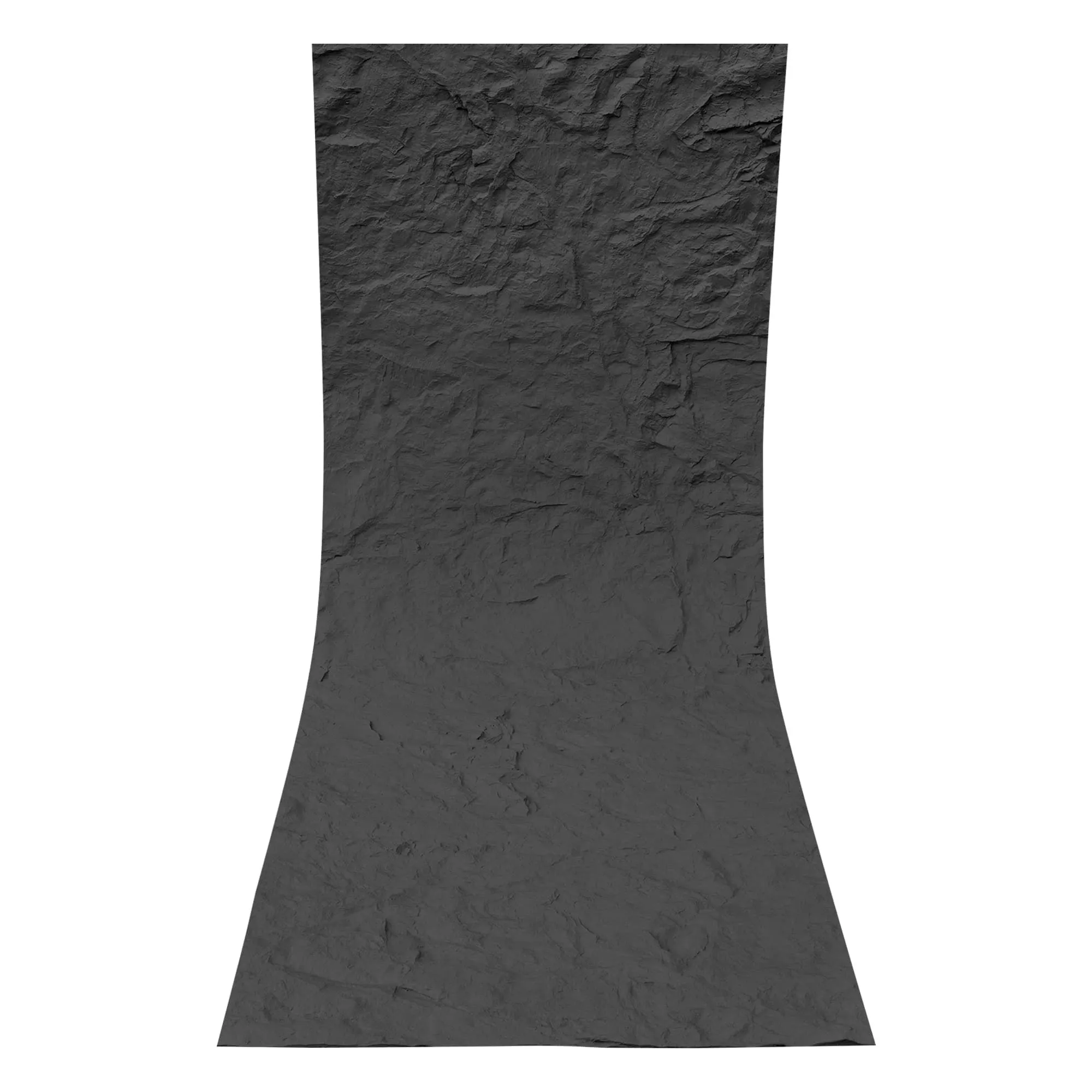
Choosing the right material for your space is like picking a partner for a long journey—it needs to align with your lifestyle, taste, and the stories you want your home or project to tell. Large-format materials, in particular, have a way of setting the tone: they stretch across walls and floors, turning blank canvases into statements. Today, we're diving into two heavyweights of the large-format world: Boulder Slab and Ceramic Tiles. Whether you're renovating a kitchen, designing a commercial lobby, or simply daydreaming about your ideal space, let's unpack which one might just be the perfect fit.
Before we pit them against each other, let's get to know each material up close. Think of this as a first date—no pressure, just getting a feel for their personalities, quirks, and what they bring to the table (or the wall, or the floor).
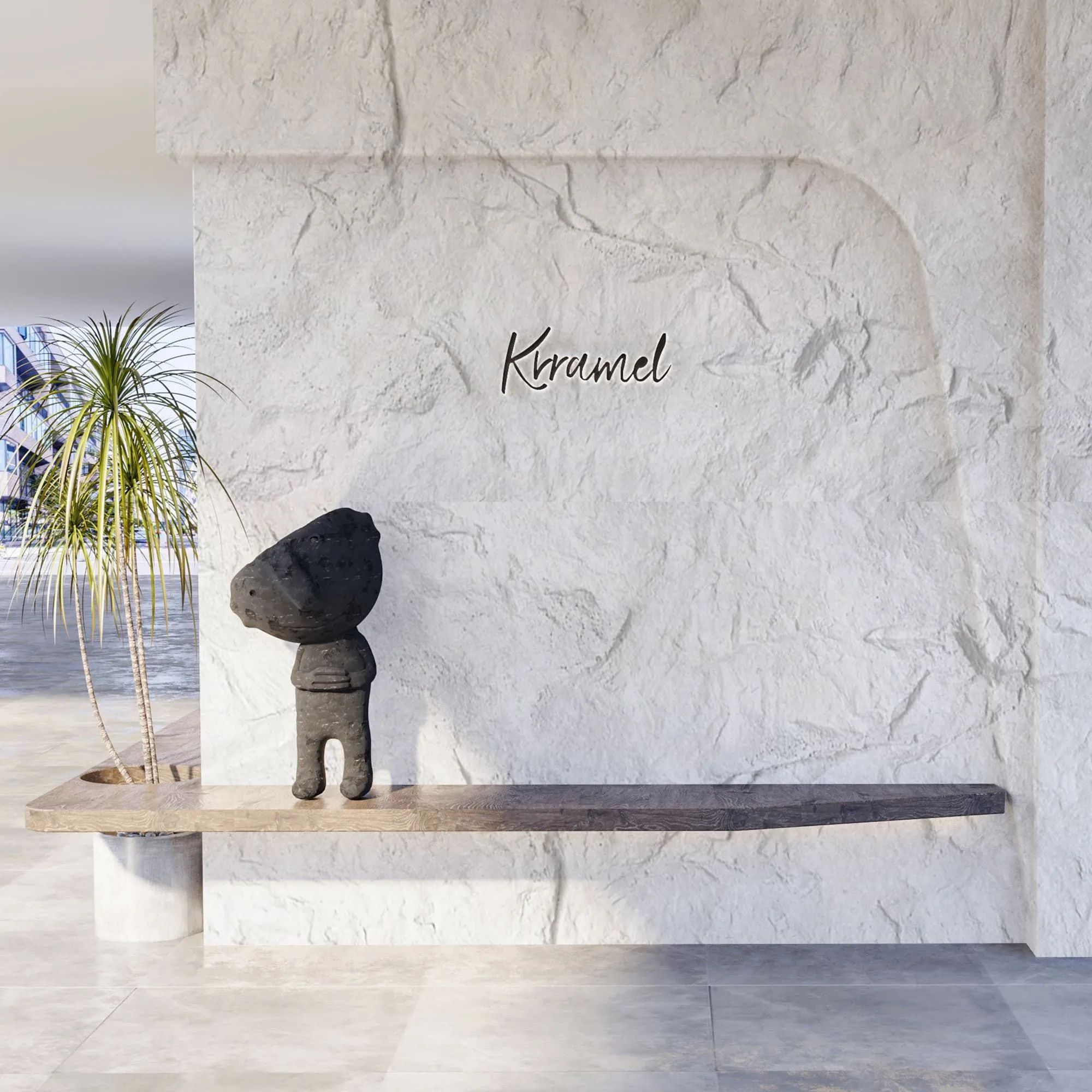
If materials had a vibe, Boulder Slab would be the kind of friend who takes you hiking at dawn, points out the way sunlight filters through pine trees, and tells stories about ancient rock formations. It's not just a surface—it's a piece of nature tamed, but never fully domesticated. Part of the MCM flexible stone family, Boulder Slab is crafted from modified composite materials, blending durability with a texture that feels like it was chiseled from a mountainside by time itself.
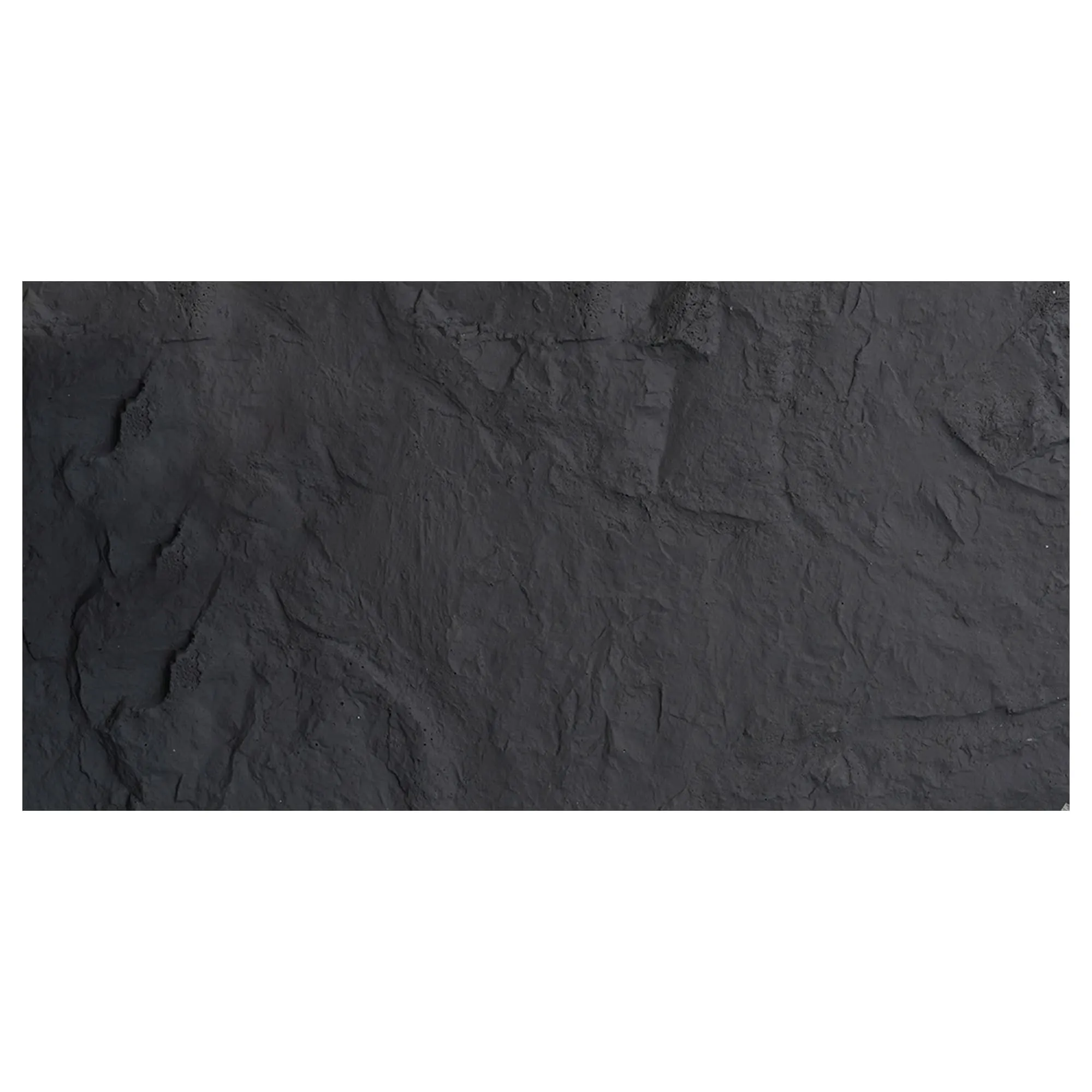
What really sets it apart? Those vintage finishes. Run your hand over Boulder Slab (vintage silver), and you'll catch hints of weathered metal, like an old coin found in a grandmother's jewelry box. The vintage gold variant warms up a room, glowing softly under pendant lights, while vintage black adds depth—think storm clouds meeting the horizon. It's large-format, too, with slabs that can stretch up to 1200x2400mm, meaning fewer grout lines and a seamless, immersive look.
But Boulder Slab isn't just about looks. It's built to last. Unlike natural stone, which can be porous and prone to staining, its composite core resists water, scratches, and the chaos of daily life. I've seen it in a mountain cabin where kids tracked mud in daily—after three years, it still looks like the day it was installed, with that same "lived-in but loved" charm.
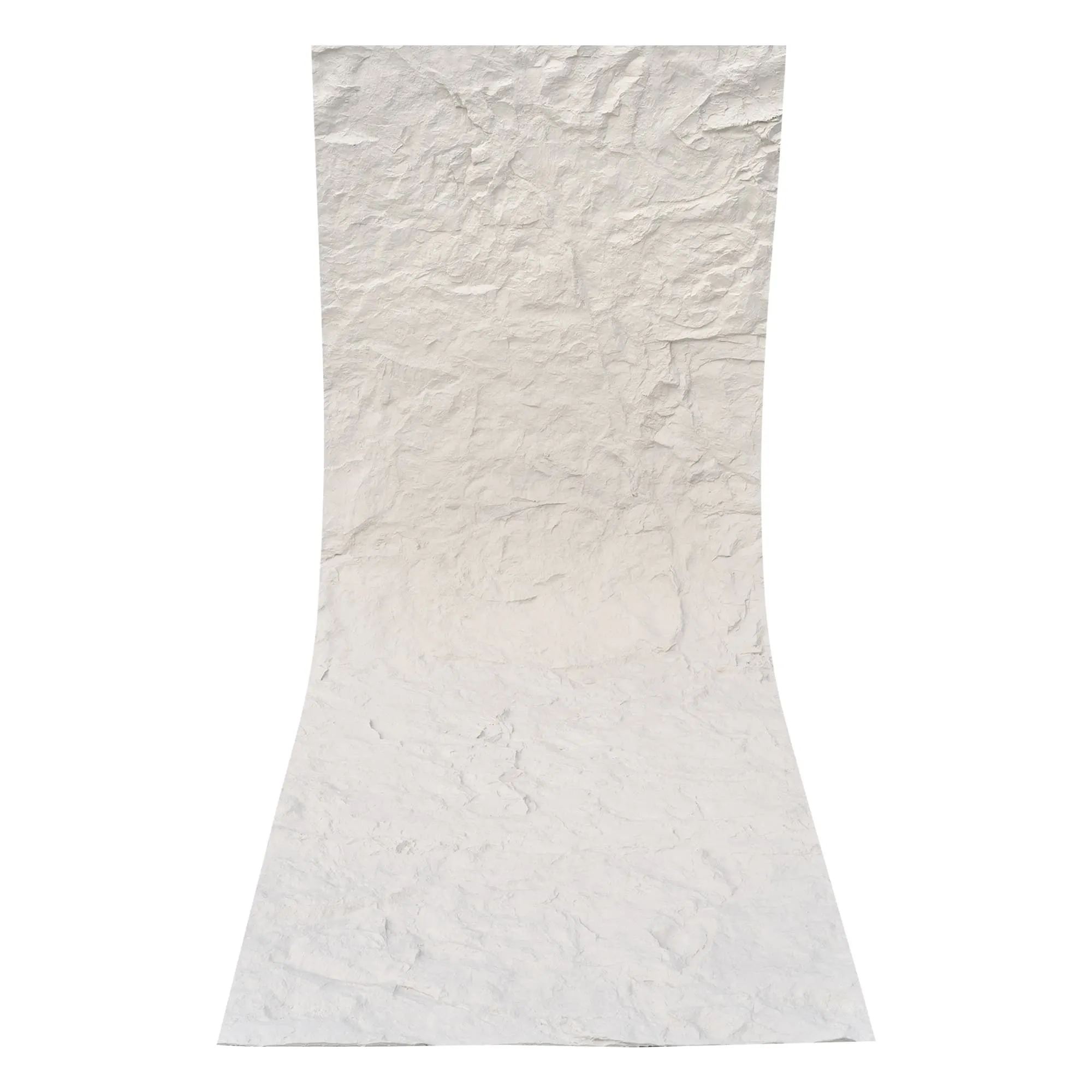
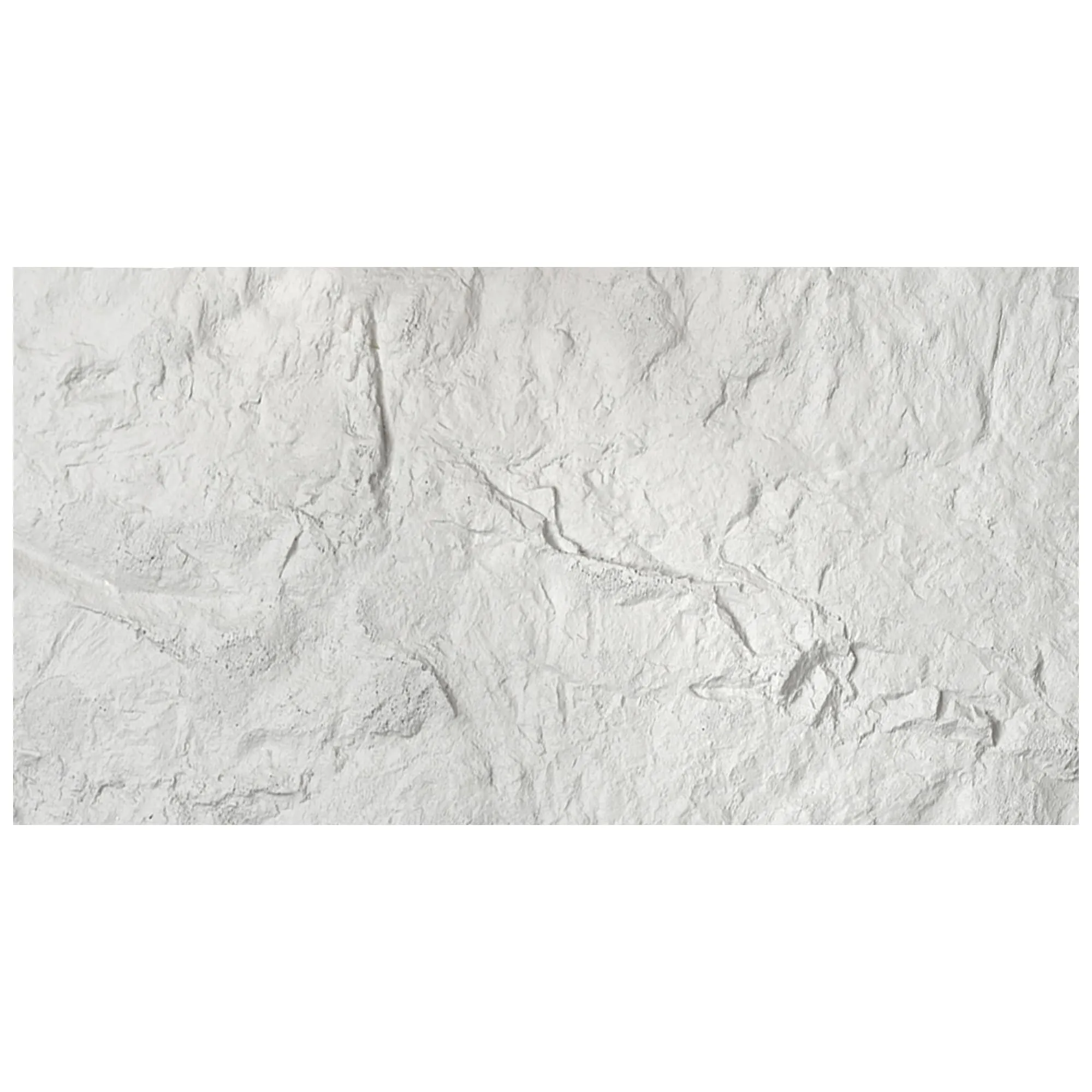
Ceramic tiles, on the other hand, are the ultimate multitaskers. They're the friend who can dress up for a gala or keep it casual for a backyard BBQ—and nail both. Made from clay fired at high temperatures, they've been around for centuries, but modern innovations have turned them into design powerhouses. Today's ceramic tiles come in large formats too (hello, 1000x3000mm!), with finishes that mimic marble, wood, concrete, and even—ironically—natural stone like travertine or granite.
What I love about ceramic tiles is their adaptability. Want a sleek, minimalist bathroom? Go for polished white large-format tiles that make the space feel bigger. Dreaming of a rustic kitchen backsplash? Opt for a wood-grain ceramic that looks like reclaimed barn wood but won't warp when you steam broccoli. They're also a budget-friendly option compared to some natural or composite materials, and let's talk maintenance: a quick wipe with a damp cloth, and they're good as new. No special sealers, no panic if juice spills—ceramic tiles take life in stride.
But they're not without their quirks. While modern ceramic is durable, it can chip if you drop a heavy pot directly on the edge. And that "perfect" pattern? It's consistent, which is great for a uniform look, but some people miss the organic, one-of-a-kind variations you get with materials like Boulder Slab. It's a trade-off between predictability and personality.
Let's get into the nitty-gritty. To help you visualize, here's a side-by-side look at how Boulder Slab and Ceramic Tiles stack up in key areas:
| Factor | Boulder Slab | Ceramic Tiles |
|---|---|---|
| Aesthetics | Organic, textured, with vintage metallic finishes (silver, gold, black) that age gracefully. Mimics natural boulders for a earthy, immersive feel. | Versatile, with endless patterns/finishes (marble, wood, concrete). Consistent look ideal for modern or traditional spaces. |
| Durability | Highly resistant to scratches, water, and stains. Composite core stands up to heavy foot traffic and impact. | Durable but prone to chipping on edges. Glazed variants resist stains; unglazed may need sealing. |
| Installation | Lightweight (thanks to MCM technology) but requires precise cutting. Professional installation recommended for seamless results. | Wider availability of installers. Larger tiles need flat substrates to avoid cracking; more grout lines with smaller formats. |
| Maintenance | Low maintenance: wipe with mild soap and water. No sealing required; texture hides minor dust/dirt. | Easy to clean with water and cleaner. Grout lines may need periodic sealing to prevent discoloration. |
| Cost | Mid-to-high range. Higher upfront cost but long lifespan offsets expense over time. | Budget-friendly to mid-range. Lower upfront cost, but replacement of chipped tiles adds long-term expense. |
| Sustainability | Made from recycled materials in some cases. Low VOC emissions; long lifespan reduces replacement waste. | Clay is abundant, but firing process uses energy. Recyclable at end of life; look for eco-certified options. |
Numbers and tables tell part of the story, but nothing beats real-world examples. Let's walk through a few scenarios where one material shined brighter than the other.
Meet the Parkers: two kids under 10, a golden retriever, and a love for weekend baking marathons. Their kitchen sees flour spills, toy trucks, and the occasional spaghetti sauce splatter. When they renovated, they leaned toward ceramic tiles—and it was the right call. "We went with a large-format wood-grain ceramic," Mrs. Parker told me. "It looks like hardwood, but when the kids track mud in or the dog shakes water everywhere, I just grab a mop. No stress, no stains. And when a bowl slipped and chipped a corner? We replaced that single tile in an hour. Total lifesaver."
Boulder Slab would have added warmth, but the Parkers prioritized easy repairs and daily resilience. Ceramic tiles gave them peace of mind without sacrificing style.
The Azure Hotel in downtown Portland wanted a lobby that felt "luxurious but approachable"—a space where guests would pause, take a photo, and remember the stay. Designer Mia Chen chose Boulder Slab (vintage gold) for the feature wall behind the reception desk. "Ceramic tiles are beautiful, but they can feel… generic in a high-end space," Mia explained. "Boulder Slab's texture changes with the light—warm gold in the morning, deep amber at dusk. It's like having a living, breathing element in the room. Guests always comment on it; one even said it felt 'like checking in to a mountain retreat, even in the city.'"
For high-traffic commercial spaces aiming to make a statement, Boulder Slab's uniqueness can be a game-changer. It's not just a material—it's a conversation starter.
Alex, a graphic designer, lives in a 600 sq ft apartment with a focus on "less but better." They wanted their living area to feel calm, uncluttered, and connected to nature. After debating for weeks, they chose Boulder Slab (vintage silver) for the floor. "Ceramic tiles can look cold if you pick the wrong finish," Alex said. "But the vintage silver Boulder Slab has this soft, matte sheen—it's like walking on polished river stones. It warms up the space without adding visual noise. And since it's one large slab, there are no grout lines breaking up the flow. It feels expansive, which is key in a small apartment."
Sometimes, the "right" choice isn't about practicality alone—it's about how the material makes you feel when you walk through the door.
Still on the fence? Let's narrow it down with a few key questions. Grab a notebook (or just think through them—no pressure) and see which material aligns with your answers.
At the end of the day, there's no "winner" between Boulder Slab and Ceramic Tiles—only what works for your project, your lifestyle, and the story you want your space to tell. Boulder Slab is for the dreamers who want to bring a piece of the outdoors in, who value texture and uniqueness over perfection. Ceramic Tiles are for the realists who need a material that can keep up with life's messes, while still letting them express their style.
I once worked with a client who put it best: "The right material isn't just something you look at—it's something you live with. It's the floor your kid takes their first steps on, the backsplash that watches you grow from burnt toast to gourmet meals, the wall that holds family photos and quiet moments." Whether you choose Boulder Slab's vintage charm or Ceramic Tiles' reliable versatility, make sure it's a material that feels like you .
So go ahead—touch the samples, imagine the light at 7 a.m., picture yourself making memories there. The perfect choice will feel less like a decision, and more like coming home.
Recommend Products












