
Every building tells a story. The walls we pass, the floors we walk on, the surfaces that greet us each morning—they're more than just structures. They're silent narrators, shaping how we feel in a space, how we connect with our surroundings, and even how we remember a place. In the world of architectural design, two materials have risen to the challenge of storytelling with remarkable versatility: boulder slab and concrete panels. One carries the weight of vintage charm, the other the sleekness of industrial minimalism. Let's dive into their world—exploring not just specs and strength, but the soul of what makes each material unforgettable.
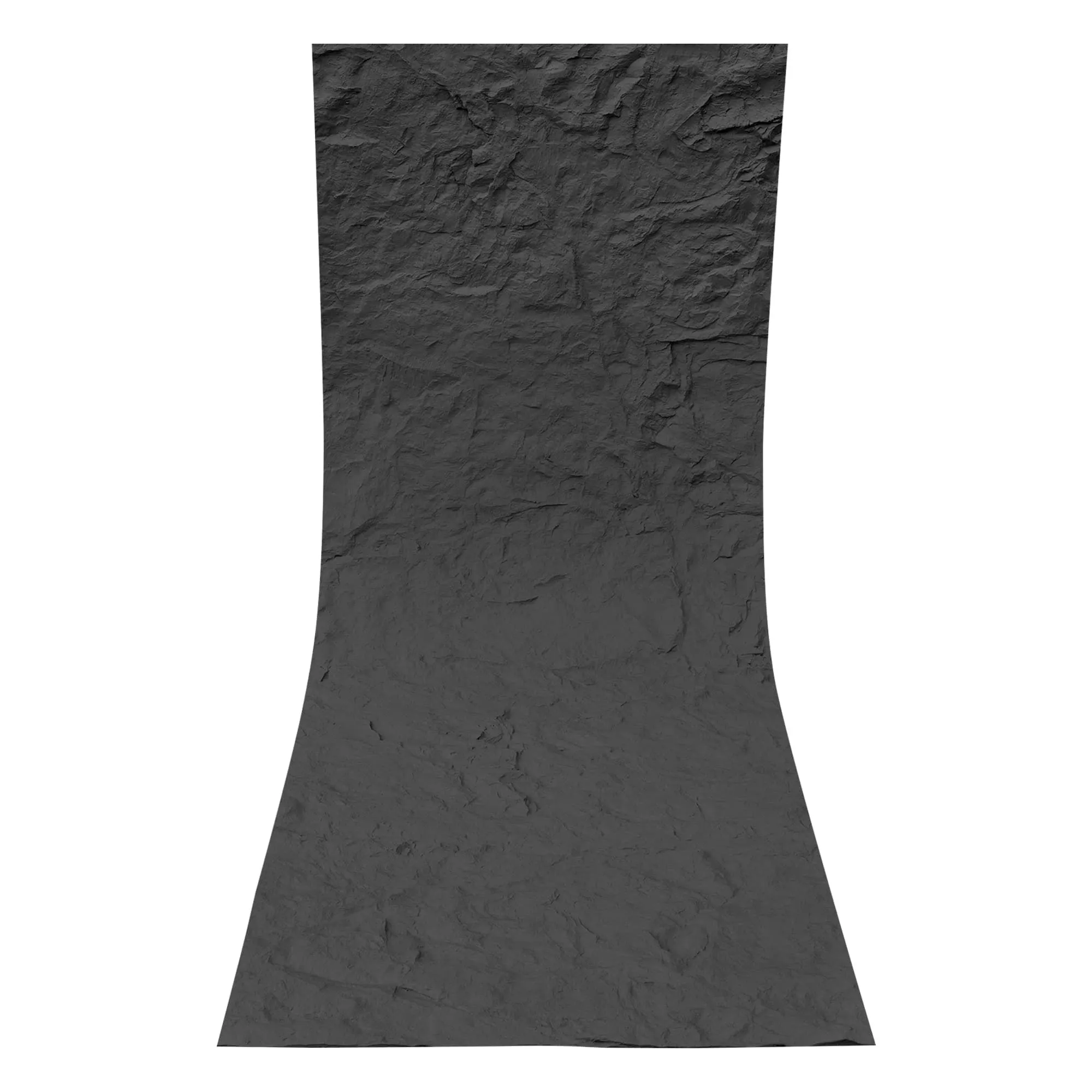
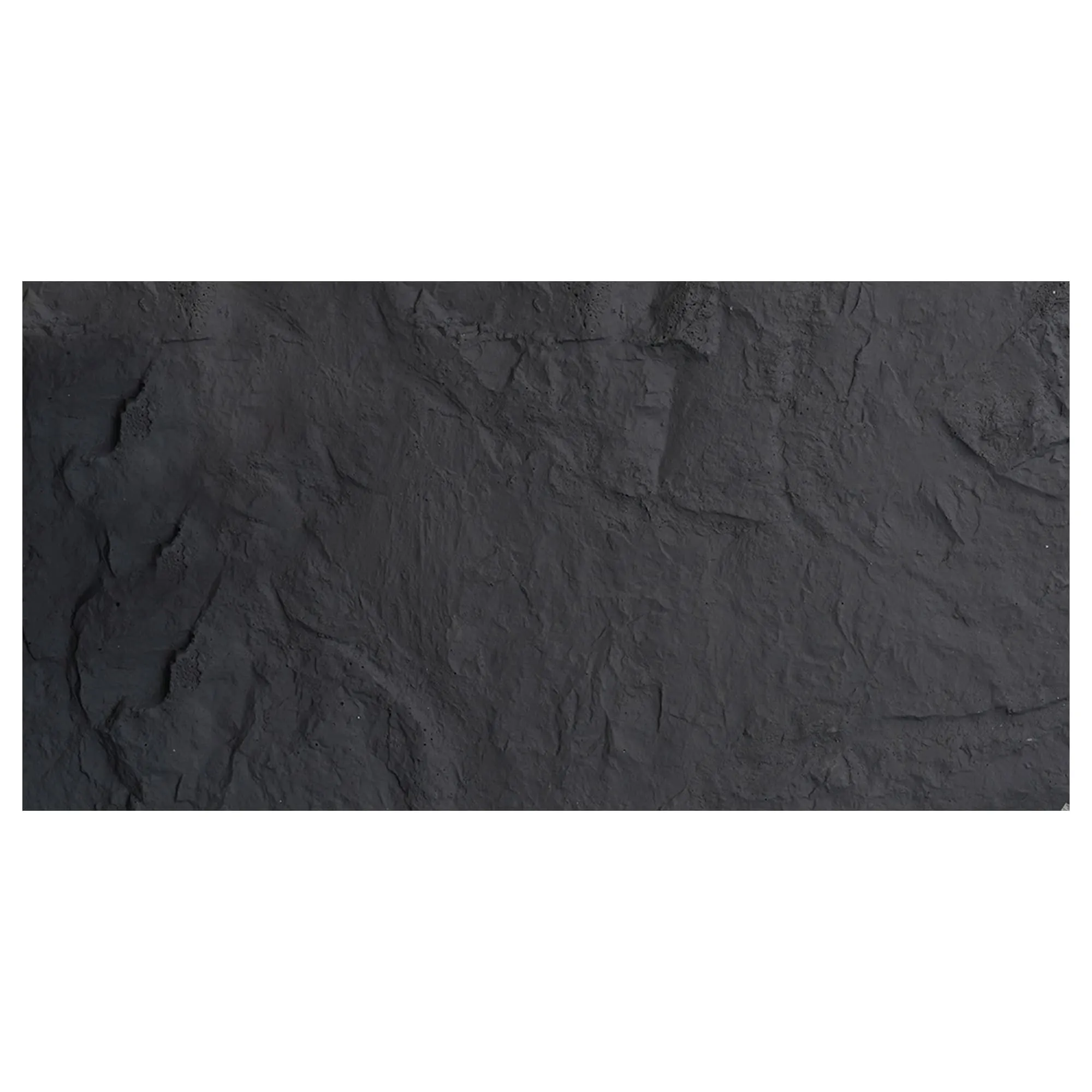
Imagine running your hand over a surface that feels like it's been kissed by decades of weather, yet remains unyielding. That's boulder slab . Crafted to mimic the rugged beauty of ancient stone formations, it's available in finishes that evoke nostalgia: boulder slab (vintage silver) , with its muted metallic sheen; boulder slab (vintage gold) , warm and sunlit; and boulder slab (vintage black) , deep and dramatic. Unlike raw natural stone, boulder slab is engineered for consistency, blending the best of nature's chaos with human precision. It's thick enough to feel substantial, yet designed to be installed with relative ease—a marriage of durability and practicality.
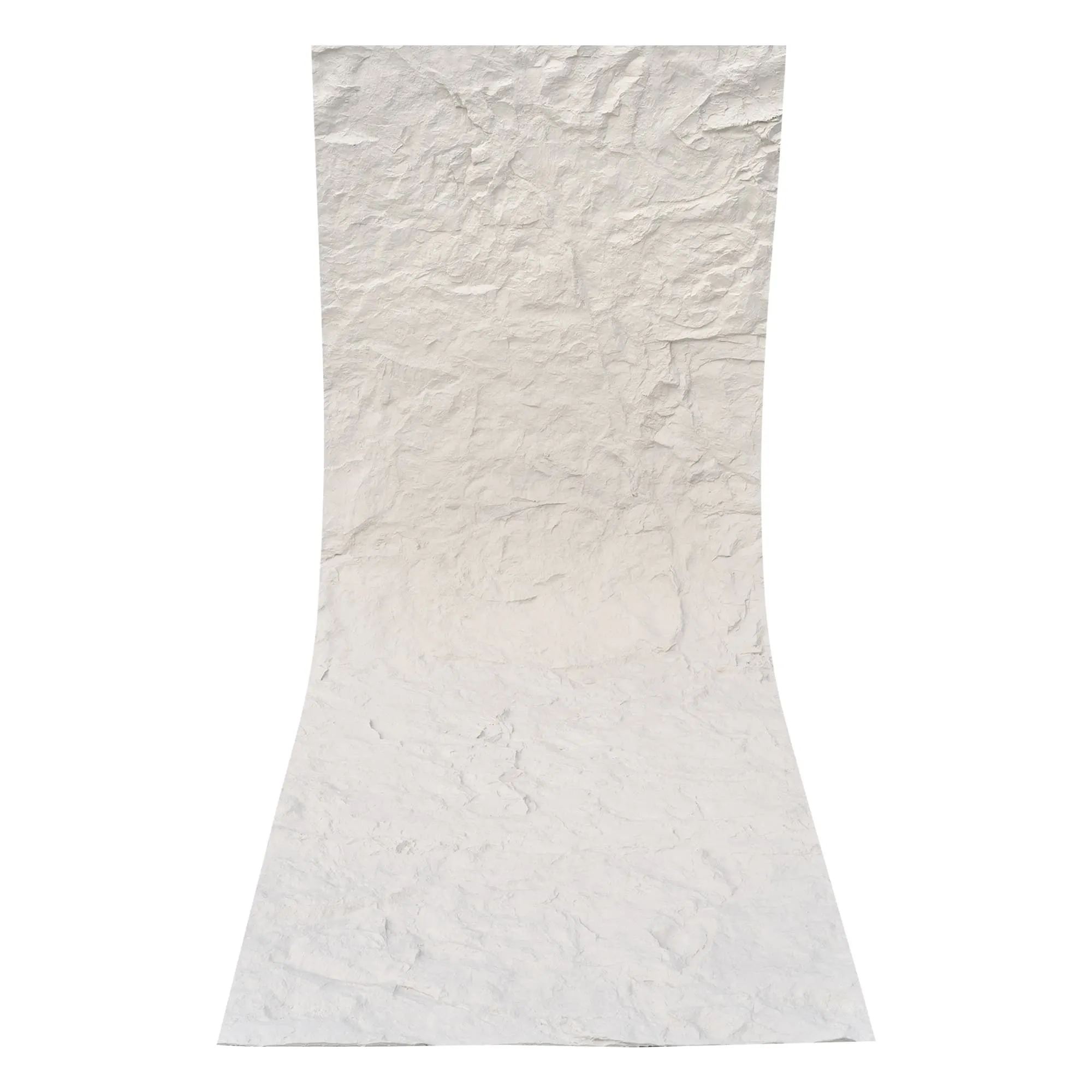
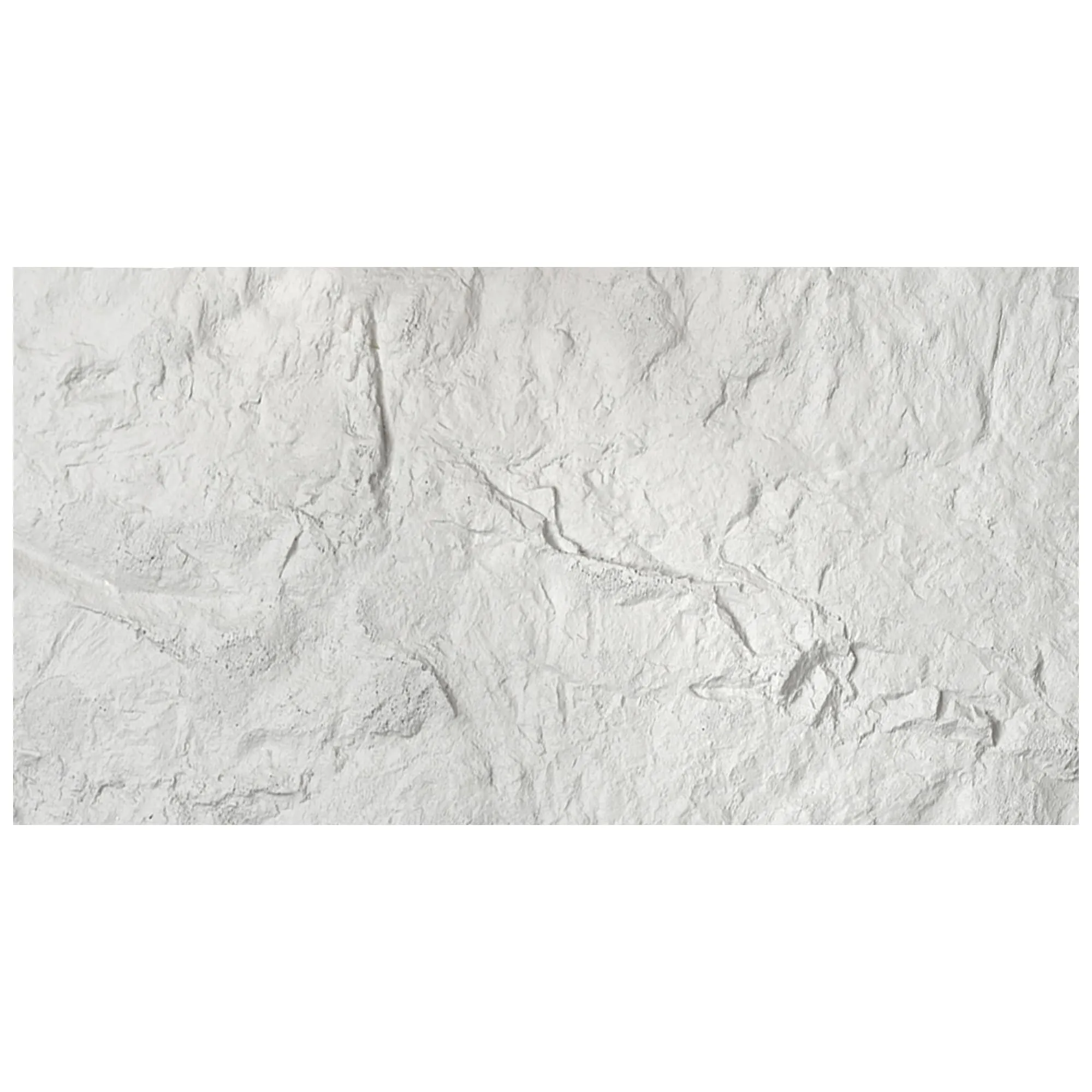
Concrete has long been the workhorse of construction, but fair-faced concrete (as these panels are often called) elevates it to an art form. Stripped of paint or polish, it wears its texture proudly—small air bubbles, subtle color variations, and the faint imprint of the molds that shaped it. This is concrete in its most honest state: industrial, modern, and surprisingly warm. It comes in neutral tones—soft beiges, cool grays, and deep charcoals—acting as a blank canvas that lets light, furniture, and human activity take center stage. Lightweight yet strong, these panels are a favorite for architects aiming to balance form and function.
When choosing a building material, "pretty" only gets you so far. It needs to survive rain, wind, foot traffic, and the occasional coffee spill. Let's break down how boulder slab and concrete panels measure up where it matters most.
| Feature | Boulder Slab | Concrete Panels |
|---|---|---|
| Compressive Strength | High (8,000–10,000 psi), due to its dense engineered composition. | Very high (10,000–12,000 psi), thanks to reinforced fibers and precise curing. |
| Weather Resistance | Excellent—resists fading, cracking, and moisture absorption. Vintage finishes are UV-stable, so no peeling or discoloration. | Good, but porous without sealant. Sealed panels resist water and stains; unsealed may develop a patina over time (some designers love this!). |
| Impact Resistance | Exceptional—thick and dense, it can handle heavy impacts (think stray baseballs or furniture bumps). | Strong, but thinner panels (2–3 inches) may chip if hit hard. Thicker options (4+ inches) rival boulder slab here. |
| Longevity | 50+ years with minimal maintenance—vintage finishes age gracefully, developing a richer patina. | 60+ years if sealed properly. Unsealed panels may weather, but this is often desired for an "lived-in" look. |
| Installation Ease | Moderate—heavier than concrete panels, requiring sturdy support structures. Professional installation recommended. | Easy—lightweight and modular, can be installed with basic tools. Ideal for both new builds and renovations. |
What does this mean for real life? If you're building a backyard patio that'll see kids, dogs, and summer barbecues, boulder slab's impact resistance might be the safer bet. For a high-rise facade where weight matters, concrete panels' lightweight design could save on structural costs. Both are built to last—but their "survival style" differs: boulder slab stands firm, while concrete panels adapt, turning wear into character.
Strength keeps a material standing; beauty makes people care about it. Let's talk about how these two materials shape mood, light, and design.
Run your hand along boulder slab (vintage gold) , and you'll feel a surface that's both rough and refined—tiny ridges and valleys that catch your fingertips, like a well-worn book cover. It's tactile, inviting interaction. This texture adds depth to a space, making walls feel less like barriers and more like storytellers. In contrast, fair-faced concrete is smoother, with a subtle "tooth" from its aggregate. Run your palm over it, and you might notice the faint lines left by the formwork—a reminder of the human hands that crafted it. It's a quieter texture, one that says "modern" without shouting.
Boulder slab's color palette is a love letter to nostalgia. Vintage silver feels like aged metal, perfect for industrial-chic spaces or adding contrast to warm woods. Vintage gold glows in soft light, turning a dining room into a cozy retreat. Vintage black is bold, ideal for statement walls or entryways that demand attention. These colors aren't flat—they shift with the light, from dawn to dusk, keeping spaces dynamic.
Concrete panels, on the other hand, are masters of subtlety. Their hues range from lime stone(beige) (warm and earthy) to deep charcoal (moody and modern). What makes them special is their ability to reflect light: a concrete wall in a sunlit room will glow softly, while one in shadow becomes a quiet backdrop. They're the ultimate team players, letting art, plants, or vibrant furniture steal the spotlight.
Light transforms both materials, but in very different ways. Boulder slab, with its textured surface, casts intricate shadows at midday—tiny patterns that dance on the floor as the sun moves. At night, under warm lighting, vintage gold boulder slab feels like a campfire, radiating heat and comfort. Concrete panels, with their smoother finish, reflect light more evenly. A wall of fair-faced concrete in a room with floor-to-ceiling windows becomes a canvas for sunlight, turning the space into a bright, airy sanctuary. At night, lit from below, it takes on a sculptural quality, highlighting every curve and edge.
Boulder slab shines in spaces that crave character. Think: a mountain home's exterior, where vintage black boulder slab blends with pine trees; a boutique hotel lobby with vintage silver walls and leather couches, evoking old-world glamour. It pairs beautifully with natural materials like wood and stone, as well as modern elements like glass and steel. For a project that needs to feel "rooted," boulder slab is irreplaceable.
Concrete panels, meanwhile, are chameleons. They work in minimalist lofts, where their clean lines complement sleek furniture; in industrial restaurants, paired with exposed brick and metal; even in traditional homes, where a single concrete accent wall adds an unexpected modern twist. They're also a favorite for large-scale projects—think office buildings or museums—where their uniformity creates a sense of calm and cohesion.
To understand these materials, let's look at how they've been used in real projects.
In a recent project in the Colorado Rockies, architect Mia Chen chose boulder slab (vintage gold) for the home's exterior. "The clients wanted something that felt like it had always been there, like it grew out of the mountain," she says. "Vintage gold boulder slab does that—it's warm, rugged, and when the sun hits it at sunrise, it looks like the mountain itself is glowing. Inside, we paired it with mcm flexible stone on the fireplace surround—softer, more textured, but in the same earthy family. The result? A home that feels both grand and intimate."
In downtown Chicago, designer Raj Patel used fair-faced concrete panels for a 1,200-square-foot loft. "The space is all about light and openness," he explains. "Concrete panels on the walls reflect the city lights at night, and during the day, they soften the harsh Chicago sun. We left them unsealed, so over time, they'll develop a patina—small stains, subtle color shifts. That's the beauty of it: the space will age with the owners. We added warmth with reclaimed wood floors and plush textiles, so the concrete never feels cold."
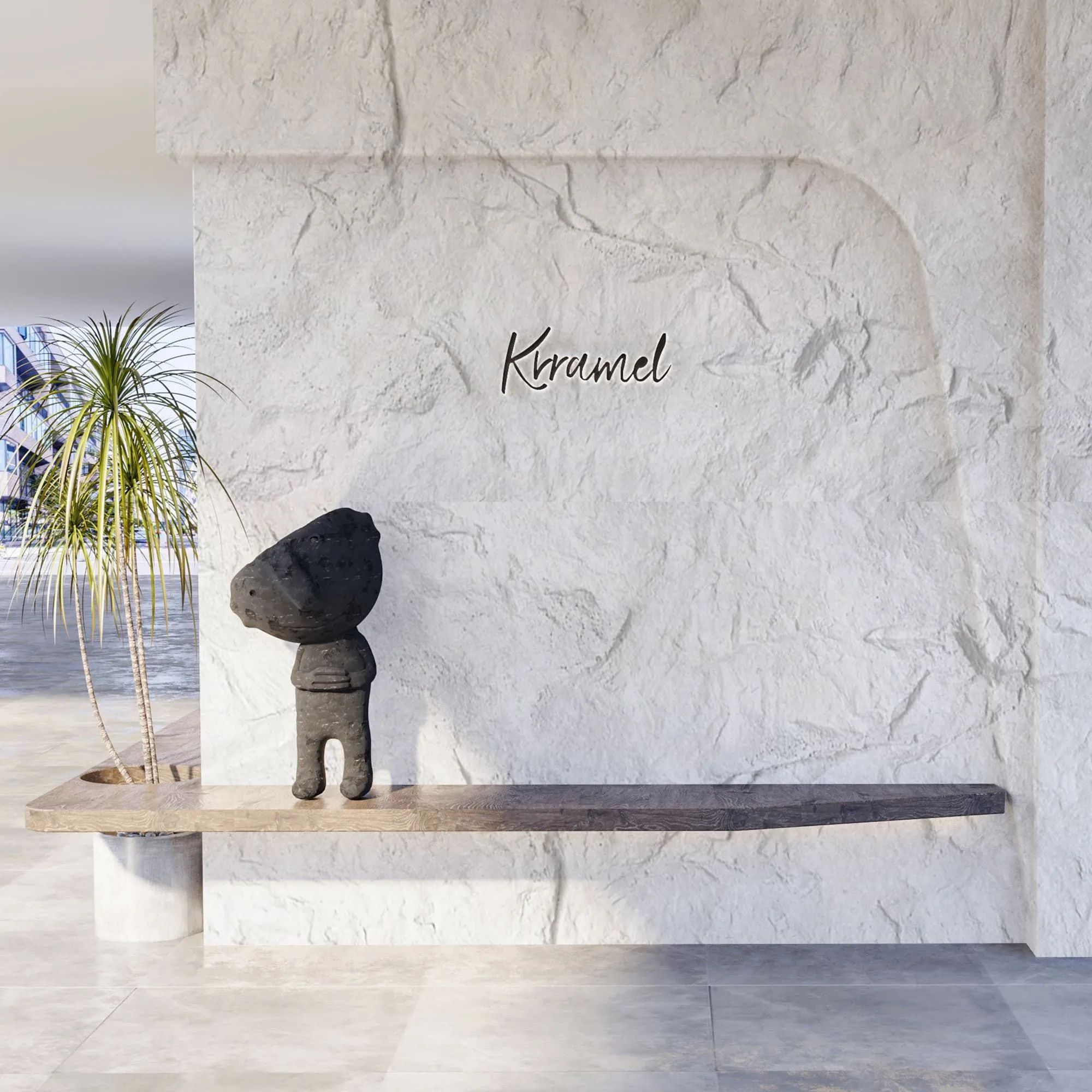
At the trendy new Hotel Everly in Portland, designers mixed boulder slab (vintage black) and concrete panels in the lobby. "We wanted to tell a story of contrasts—old and new, rough and smooth," says lead designer Lila Torres. "The check-in desk is wrapped in vintage black boulder slab, grounding the space with its weight. Behind it, a wall of fair-faced concrete panels rises to the ceiling, light and airy. Together, they create tension in the best way—you can't look away. Guests often comment on how the lobby feels 'alive'—I think that's the texture talking."
In today's design world, sustainability isn't an afterthought—it's a priority. Both boulder slab and concrete panels have their eco-credentials, but they differ in approach.
Boulder slab, being engineered, often uses recycled stone aggregate in its mix, reducing the need for new quarrying. Its durability also means less frequent replacement, lowering long-term waste. However, its weight can increase transportation emissions, so local sourcing is key. Concrete panels, on the other hand, have come a long way in sustainability. Many manufacturers now use recycled materials in their mix, and the panels themselves are lightweight, cutting down on shipping costs. Some even incorporate carbon-capture technology, helping to reduce the material's carbon footprint. Unsealed concrete also has a natural ability to absorb CO2 over time—a process called carbonation—making it a subtle ally in the fight against climate change.
At the end of the day, the choice between boulder slab and concrete panels isn't just about specs—it's about the story you want your space to tell. Do you want to evoke nostalgia, strength, and warmth? Boulder slab , with its vintage finishes and tactile texture, might be your match. Are you drawn to modernity, simplicity, and adaptability? Fair-faced concrete panels could be the answer.
And remember: they don't have to be enemies. As the Hotel Everly shows, blending them can create something even more powerful—a space that honors the past while embracing the future. Whichever you choose, you're not just building walls—you're creating experiences, memories, and a legacy that will outlive the materials themselves.
So go ahead—touch them, live with them, let them tell your story. After all, the best buildings aren't just made of stone or concrete. They're made of feeling.
Recommend Products












