
Walk into any modern building today, and you'll likely notice a silent tug-of-war happening on its walls: the desire to let in light and connect with the outside world, versus the need to create a sense of seclusion and calm. This tension between transparency and privacy isn't just about aesthetics—it shapes how we feel in a space. Too much glass, and you might feel exposed; too many solid walls, and you could end up in a dark, closed-off room. So, how do designers strike that perfect balance? Two materials often find themselves at the center of this debate: the rugged, earthy boulder slab and the sleek, luminous glass facade. Let's dive into what makes each unique, and how they help us craft spaces that feel both open and intimate.
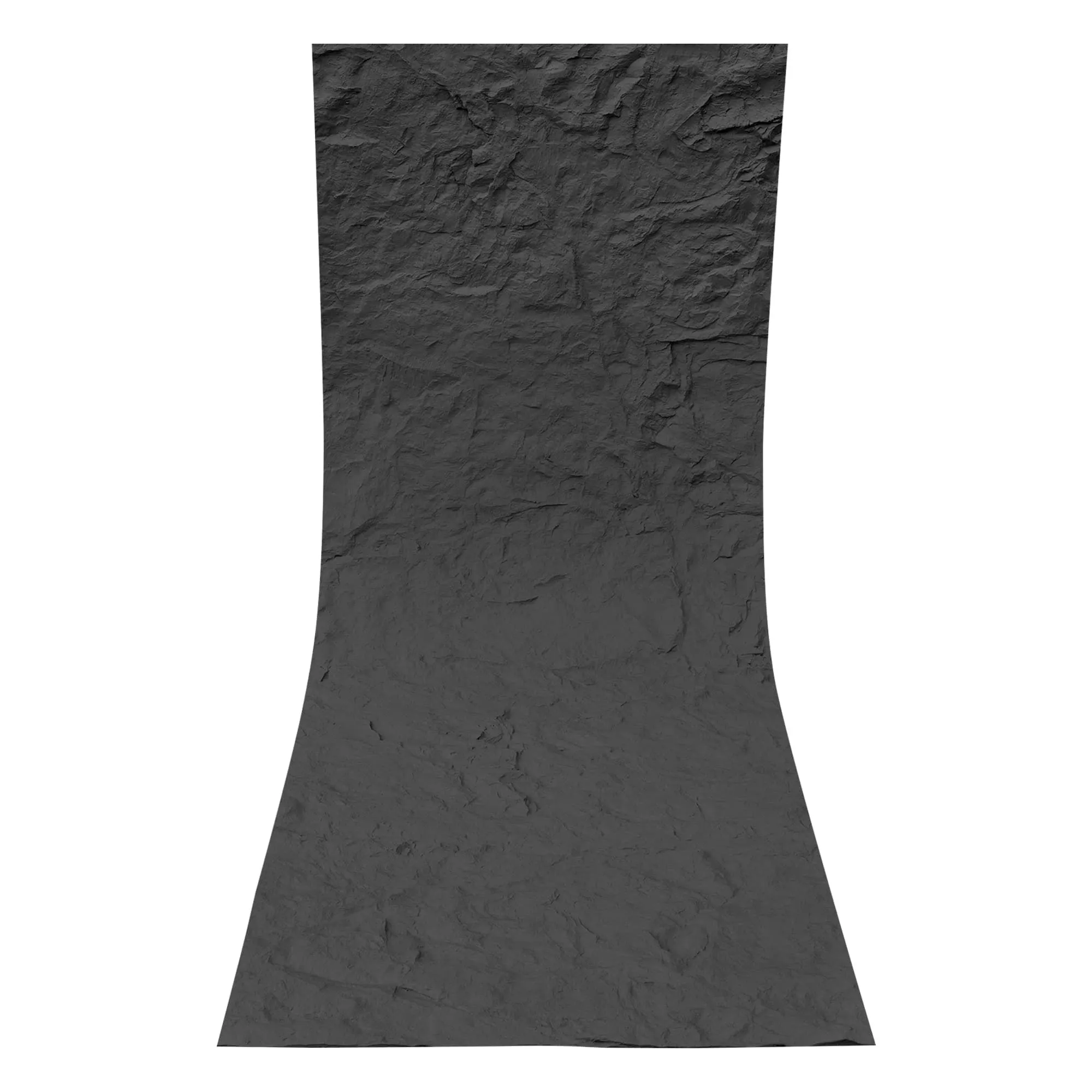
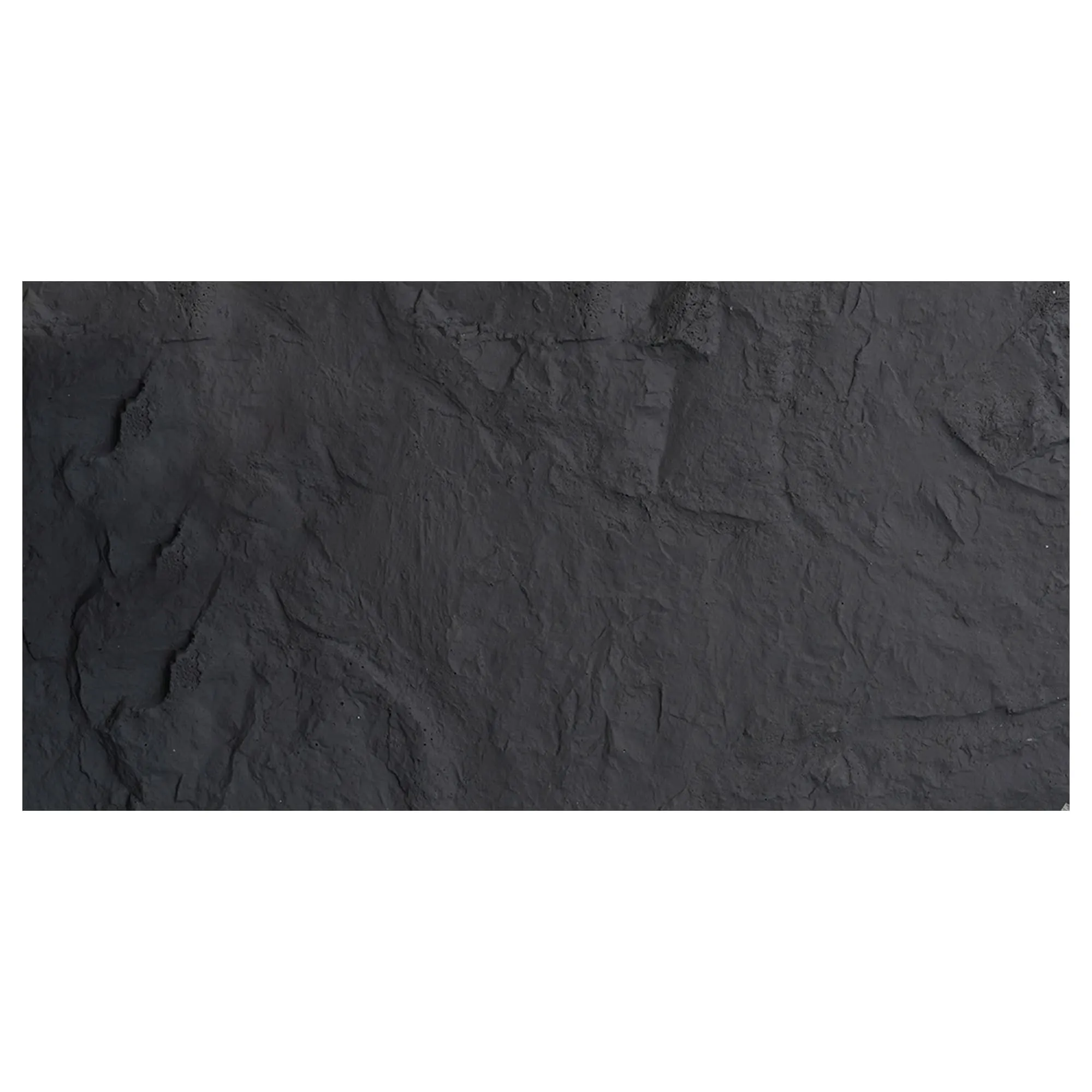
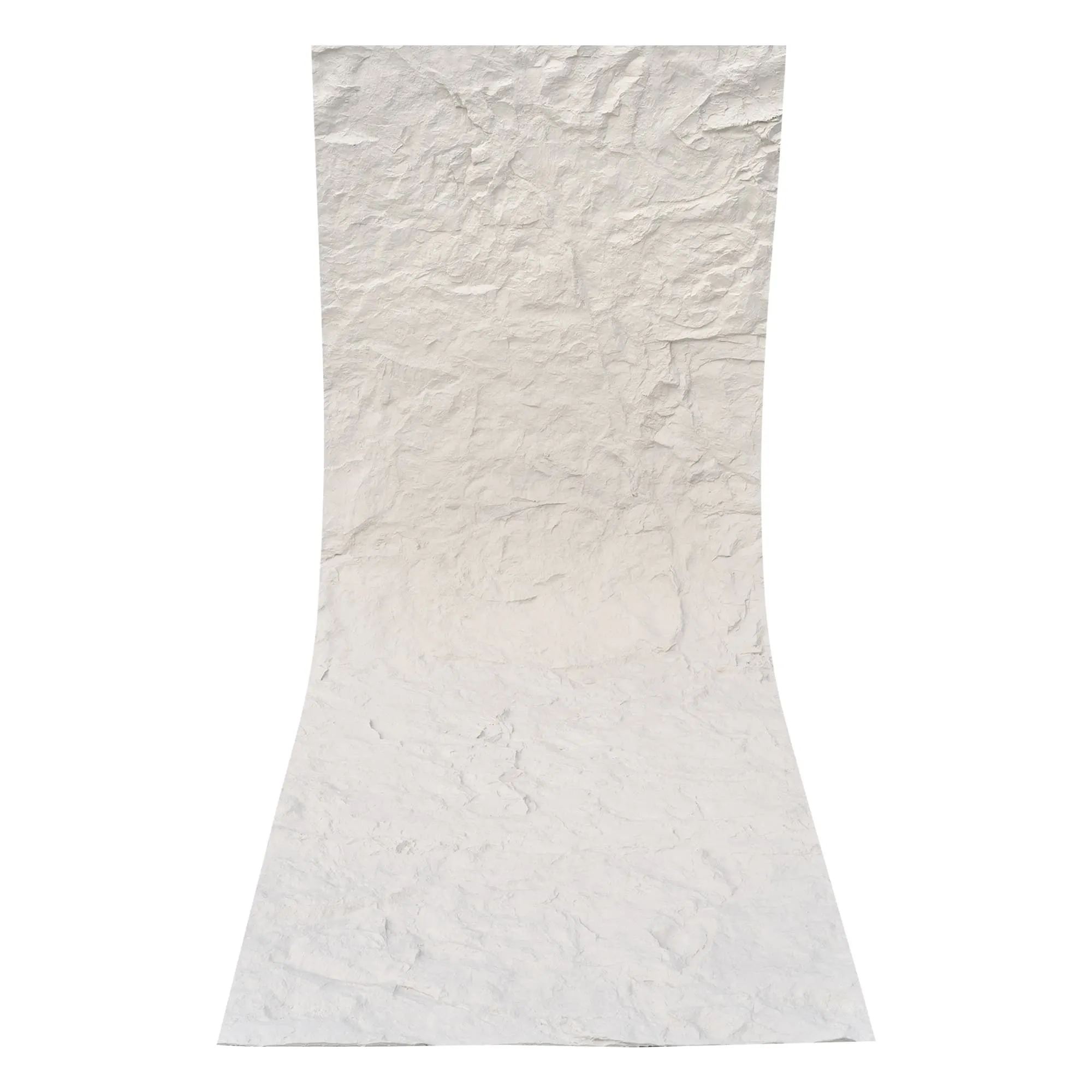
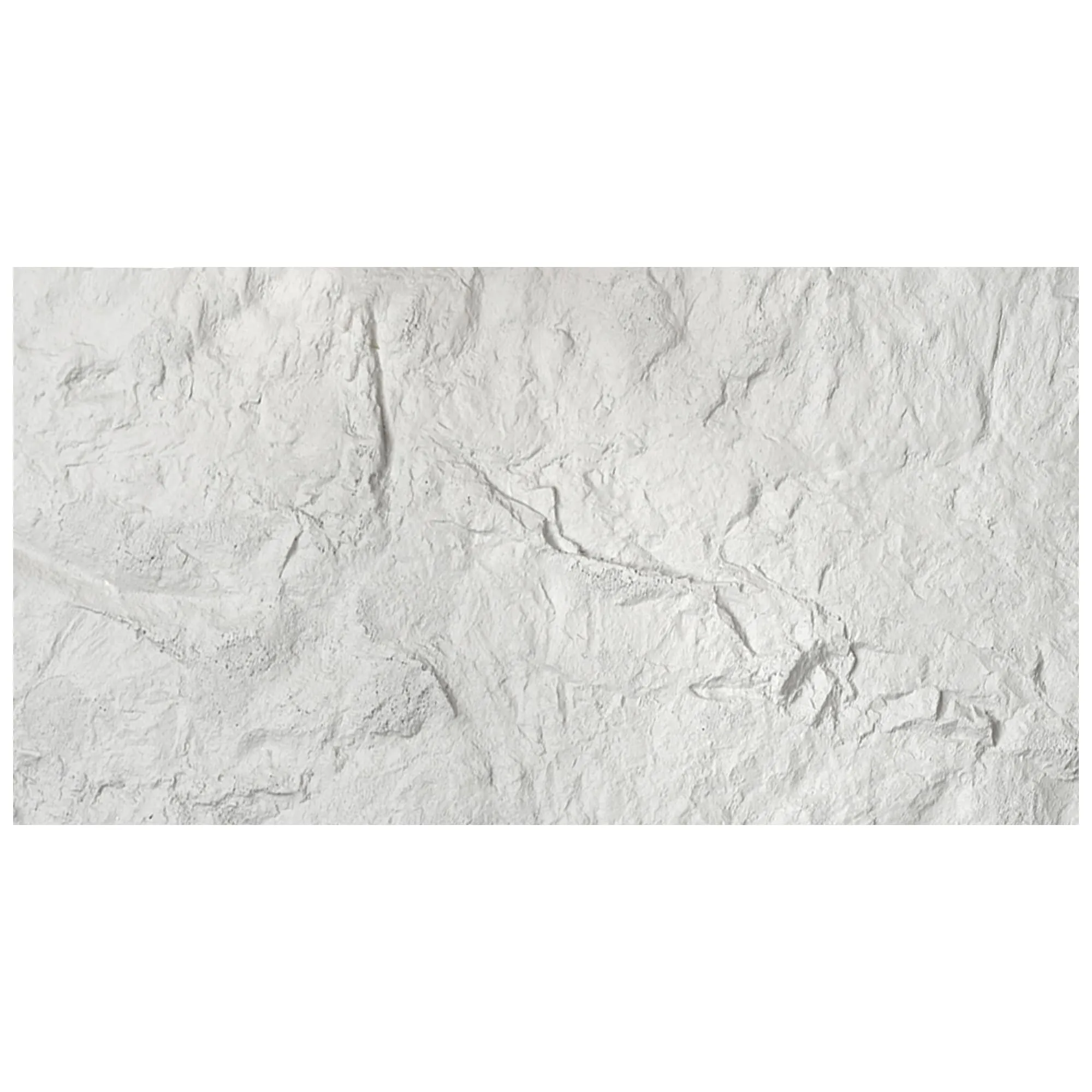
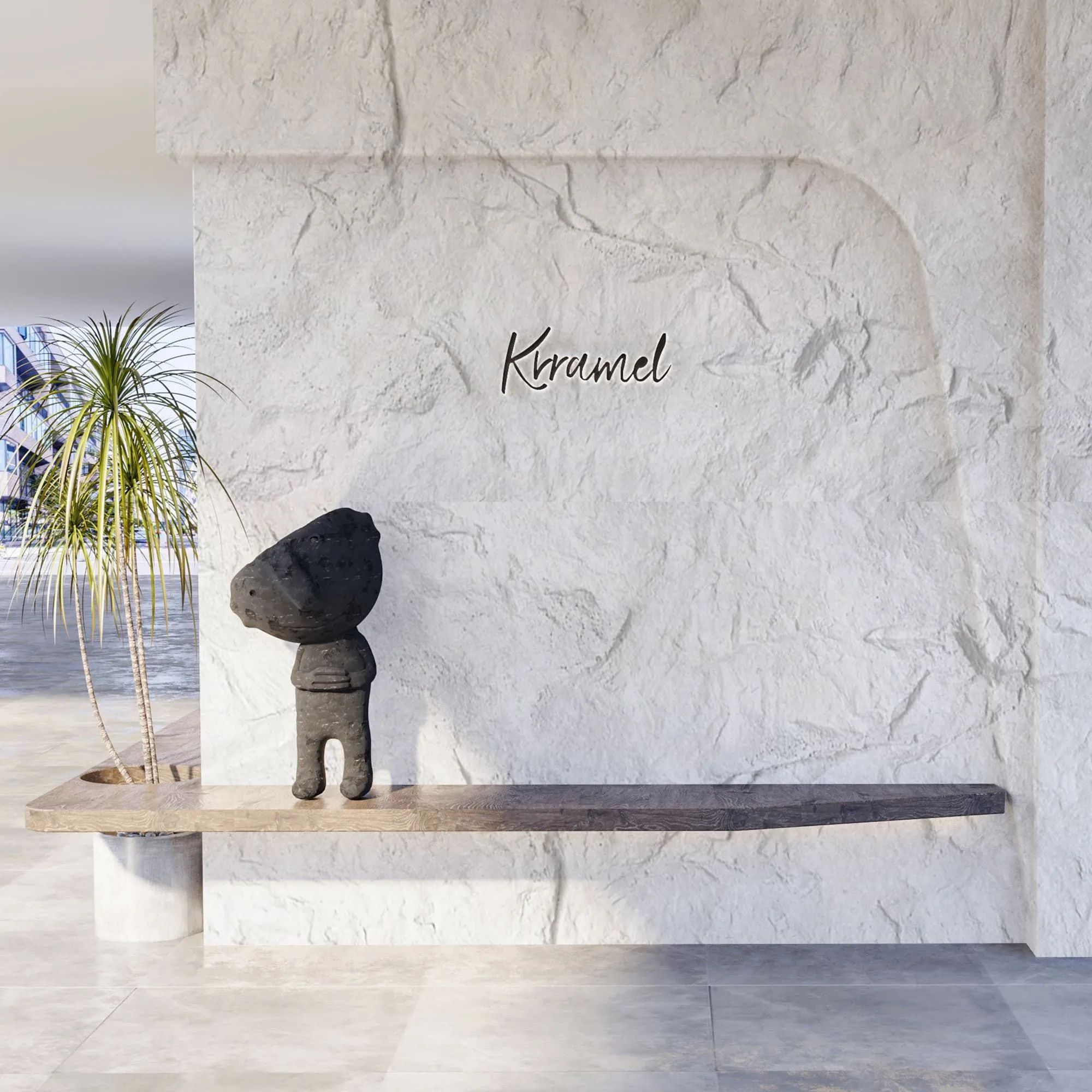
If glass facades are the "cool modernist" of building materials, boulder slab is the "rustic storyteller." Picture a slab of stone that looks like it was plucked straight from a mountain—rough-hewn edges, natural veins, and a texture that feels like running your hand over a riverbed. That's boulder slab, in a nutshell. It's not your average polished marble or smooth granite; this material celebrates imperfection. Quarried from large stone blocks, it's often left with its natural "boulder-like" surface, though you'll also find finished versions with vintage tones: think boulder slab (vintage silver) for a muted metallic sheen, or boulder slab (vintage gold) for a warm, sun-kissed glow. Even boulder slab (vintage black) adds drama with its deep, moody hue.
What makes boulder slab stand out is its ability to bring the outdoors in. Unlike synthetic materials, each slab has unique markings—tiny cracks, mineral deposits, and color variations that make no two pieces identical. It's the kind of material that ages gracefully, too; over time, it develops a patina that only adds to its character. Think of it as the architectural equivalent of a well-loved leather jacket: it gets better with wear.
Take the case of a small cottage in the Pacific Northwest. The owners wanted privacy from the busy road out front but didn't want to block the forest views behind. Their solution? Boulder slab cladding on the street-facing walls. The rough, vintage black stone absorbed sound from the road and kept prying eyes out, while large windows on the rear let in dappled sunlight and framed the trees. It was a win-win: privacy where they needed it, connection where they wanted it.
Now, let's shift to the other end of the spectrum: glass facades. These are the walls of windows you see on skyscrapers, sleek offices, and modern homes—floor-to-ceiling panes that blur the line between inside and out. They're all about light: flooding spaces with natural brightness, making rooms feel larger, and turning city skylines or mountain vistas into living artwork.
But glass facades aren't just about looks. Modern versions are engineering marvels. Double-glazed panels trap heat in winter and keep interiors cool in summer, cutting down on energy bills. Tinted or low-emissivity (low-e) glass reduces glare and blocks harmful UV rays, so your furniture won't fade. And for those worried about privacy? There are options: frosted glass for soft diffusion, switchable glass that turns opaque at the flip of a switch, or even motorized blinds tucked between panes for easy control. Suddenly, that "all-glass" wall doesn't feel so exposing.
The downside? Glass can feel cold if not balanced with warmer materials. Imagine a home with nothing but glass walls: it might look stunning in a magazine, but on a rainy day, it could feel more like a fishbowl than a sanctuary. That's where pairing glass with materials like wood, brick, or—you guessed it—boulder slab comes in. It's all about contrast.
Let's get to the heart of the matter: how do these two materials stack up when it comes to the transparency-privacy balance? It's not as simple as "glass = transparent, stone = private." Both have tricks up their sleeves to adapt to different needs.
For boulder slab: Privacy is its superpower, but that doesn't mean it shuts out light entirely. Lighter finishes, like boulder slab (vintage silver) , reflect sunlight, brightening up a room even with solid stone walls. Textured surfaces also play with light—tiny crevices cast soft shadows, adding depth without making the space feel dark. And if you want to let in a little more light? Designers often pair boulder slab with narrow windows or skylights. The stone acts as a privacy barrier, while the glass adds a touch of openness.
For glass facades: Transparency is their claim to fame, but privacy can be dialed up with smart design. Frosted or etched glass blurs visibility from the outside while still letting light pour in—perfect for bathrooms or ground-floor offices. For homes, layered curtains or roller blinds let you adjust privacy on the fly: wide open for a sunny morning, drawn shut for a cozy movie night. And in commercial spaces, think of glass partitions with subtle patterns—they keep the room feeling open while giving teams a bit of separation.
| Feature | Boulder Slab | Glass Facades |
|---|---|---|
| Transparency Level | Low (solid stone, but light-reflective finishes like vintage silver add brightness) | High (clear glass), adjustable (frosted, tinted, or switchable options) |
| Privacy Control | Fixed (excellent for blocking visibility; pairs well with small windows for light) | Flexible (blinds, frosted glass, or curtains let you tweak privacy as needed) |
| Aesthetic Vibe | Organic, rustic, warm—feels grounded and connected to nature | Modern, sleek, airy—feels open and forward-thinking |
| Durability | Extremely high (resists scratches, weather, and wear; lasts decades) | High (tempered glass is strong, but prone to cracks if hit; needs occasional sealing) |
| Maintenance | Low (wipe with a damp cloth; natural stone may need yearly sealing) | Medium (fingerprints, dust, and water spots require regular cleaning; glass coatings need reapplication over time) |
| Sustainability | Good (natural stone, minimal processing; look for locally quarried options to reduce carbon footprint) | Mixed (energy-efficient glass cuts bills, but production is energy-intensive; recyclable, but recycling is limited) |
Transparency and privacy are just the start. The best materials do more than look good—they work hard, too. Let's talk about how boulder slab and glass facades hold up in the real world.
If you're looking for a material that laughs in the face of harsh weather, boulder slab is your champion. Rain, snow, extreme heat—none of it phases this stone. It's why you'll see it on mountain cabins and coastal homes alike. Even in busy commercial spaces, like restaurants or hotels, it stands up to scuffs, spills, and the occasional wayward chair.
Glass facades, while tough, are more delicate. Tempered glass is shatter-resistant, but it can still crack if hit by a stray baseball or a falling branch. And over time, seals can degrade, leading to leaks. That said, modern glass is miles more durable than it was a decade ago—many manufacturers offer warranties of 10–20 years, so it's not like you're replacing it every five years.
Ever sat in a glass-walled office and felt like everyone could hear your phone calls? You're not imagining it. Glass is notoriously bad at blocking sound. That's where boulder slab shines. Its dense, solid structure absorbs noise, making it ideal for spaces where peace and quiet matter—think bedrooms, home offices, or libraries. Pair it with fair-faced concrete (another material thats raw texture) for a one-two punch of soundproofing and style.
These days, "green" design isn't a trend—it's a must. So how do our two contenders stack up here?
Boulder slab gets points for being a natural material. It's quarried from the earth, requires minimal processing (no harsh chemicals or energy-heavy manufacturing), and if sourced locally, has a low carbon footprint. Plus, it's long-lasting—install it once, and it could outlive the building itself. The downside? Quarrying can disrupt ecosystems if not done responsibly, so look for suppliers with ethical mining practices.
Glass facades are a mixed bag. Producing glass uses a lot of energy (think high temperatures to melt sand), but once installed, energy-efficient glass can drastically reduce heating and cooling costs. Some glass is also recyclable, though recycling rates vary by region. The key here is balance: using glass strategically (like on south-facing walls for passive solar heating) rather than covering every surface.
There's no "better" material here—only the right one for the job. Let's break down scenarios where boulder slab or glass facades steal the show.
Choose Boulder Slab If… You want a space that feels cozy, grounded, or private. Think: a home library where you want to curl up with a book undisturbed, a bedroom that needs to block street noise, or a restaurant patio wall that shields diners from a busy parking lot. It also shines in rustic, industrial, or earthy designs—pair it with wood beams and travertine (beige) floors for a warm, Mediterranean vibe, or with Lunar peak silvery accents for a modern twist on nature.
Choose Glass Facades If… You crave light, views, or a sense of openness. Perfect for: a home with a killer skyline view, an office that wants to foster collaboration (openness = teamwork, right?), or a retail store that wants to showcase its products to passersby. Just remember to soften it with other materials—wood ceilings, fair-faced concrete columns, or even a boulder slab accent wall—to avoid that "cold fishbowl" feel.
Why Not Both? The best designs often mix materials. Imagine a home with a glass facade on the south side (to soak up winter sun) and boulder slab on the north side (to block cold winds and add privacy). Or an office lobby with a glass entrance for grandeur, then boulder slab walls in the elevator area to create a calm transition to the workspaces. It's about using each material's strengths to solve specific problems.
At the end of the day, buildings aren't just structures—they're backdrops for our lives. The choice between boulder slab and glass facades isn't just about looks; it's about how we want to experience a space. Do we want to feel connected to the world outside, or cocooned in our own little haven? Do we need light to boost our mood, or quiet to recharge?
Boulder slab reminds us that privacy doesn't have to mean isolation. Its natural texture and warmth make even solid walls feel inviting. Glass facades teach us that transparency doesn't have to mean exposure—with smart design, we can let the light in without losing ourselves. And when we pair them? We get spaces that feel both expansive and intimate, modern and timeless, bold and gentle.
So the next time you walk into a building, take a look at its walls. Are they whispering stories of mountains (boulder slab) or singing songs of sunlight (glass)? Either way, they're doing more than just holding up the roof—they're helping us live, work, and thrive in a world that needs both transparency and privacy.
Recommend Products












