
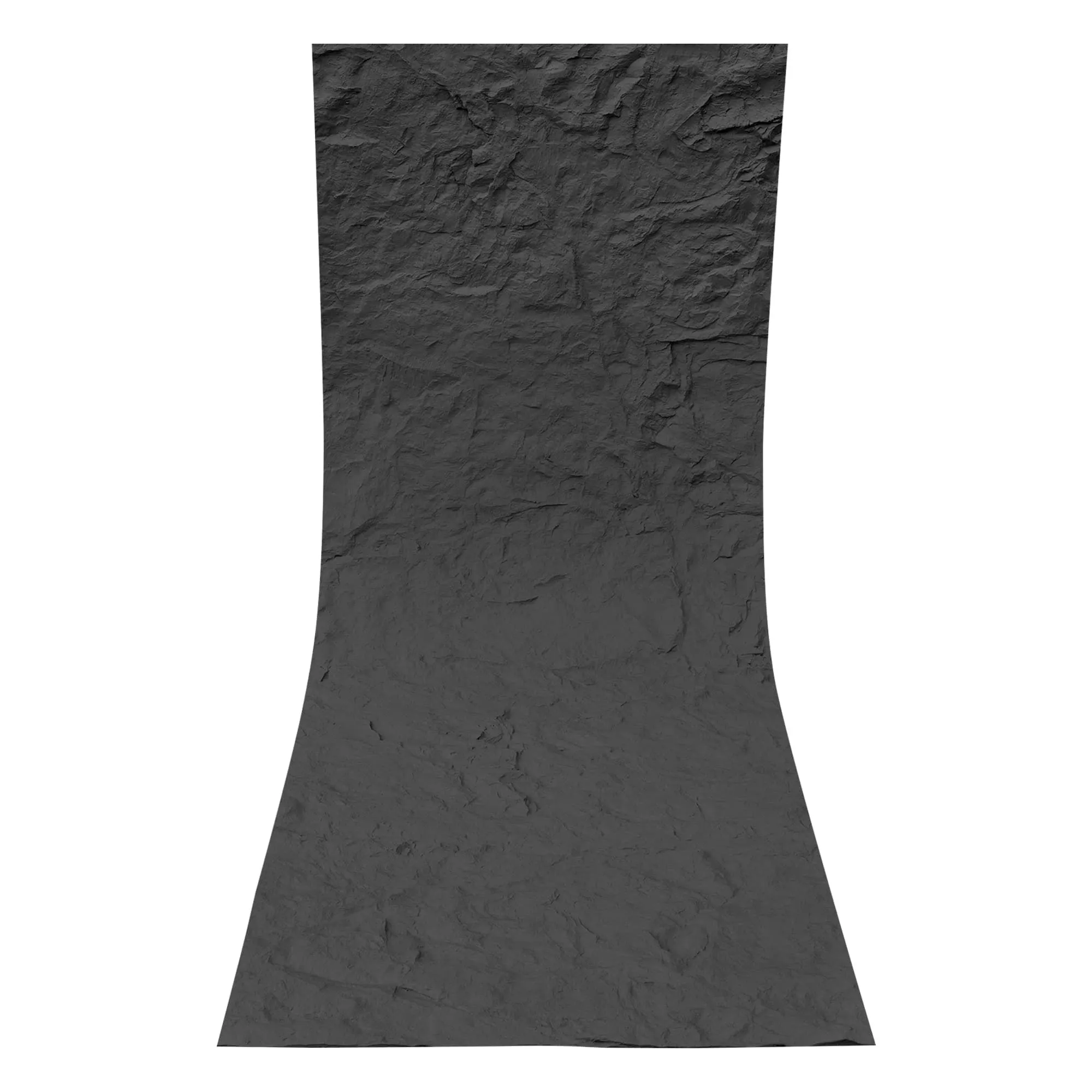
Navigating the balance between durability, style, and practicality in spaces that never stop moving
Walk into any bustling space—a hotel lobby teeming with luggage carts, a retail mall during holiday sales, or a train station at rush hour—and you'll quickly realize: the materials that clothe these high-traffic areas aren't just there to look pretty. They're silent workhorses, absorbing the impact of thousands of footsteps, the scrape of chairs, the spill of coffee, and the weight of daily life, all while maintaining a sense of order and beauty. When it comes to choosing between two heavyweights in this arena— Boulder Slab and Natural Granite —the decision isn't just about aesthetics. It's about finding a partner that can keep up with the chaos, day in and day out.
In this guide, we'll dive into what makes each material unique, how they stack up under pressure, and which one might be the right fit for your high-traffic project. Whether you're designing a commercial corridor, a public plaza, or a busy restaurant floor, let's unpack the resilience, style, and practicality of these two contenders.
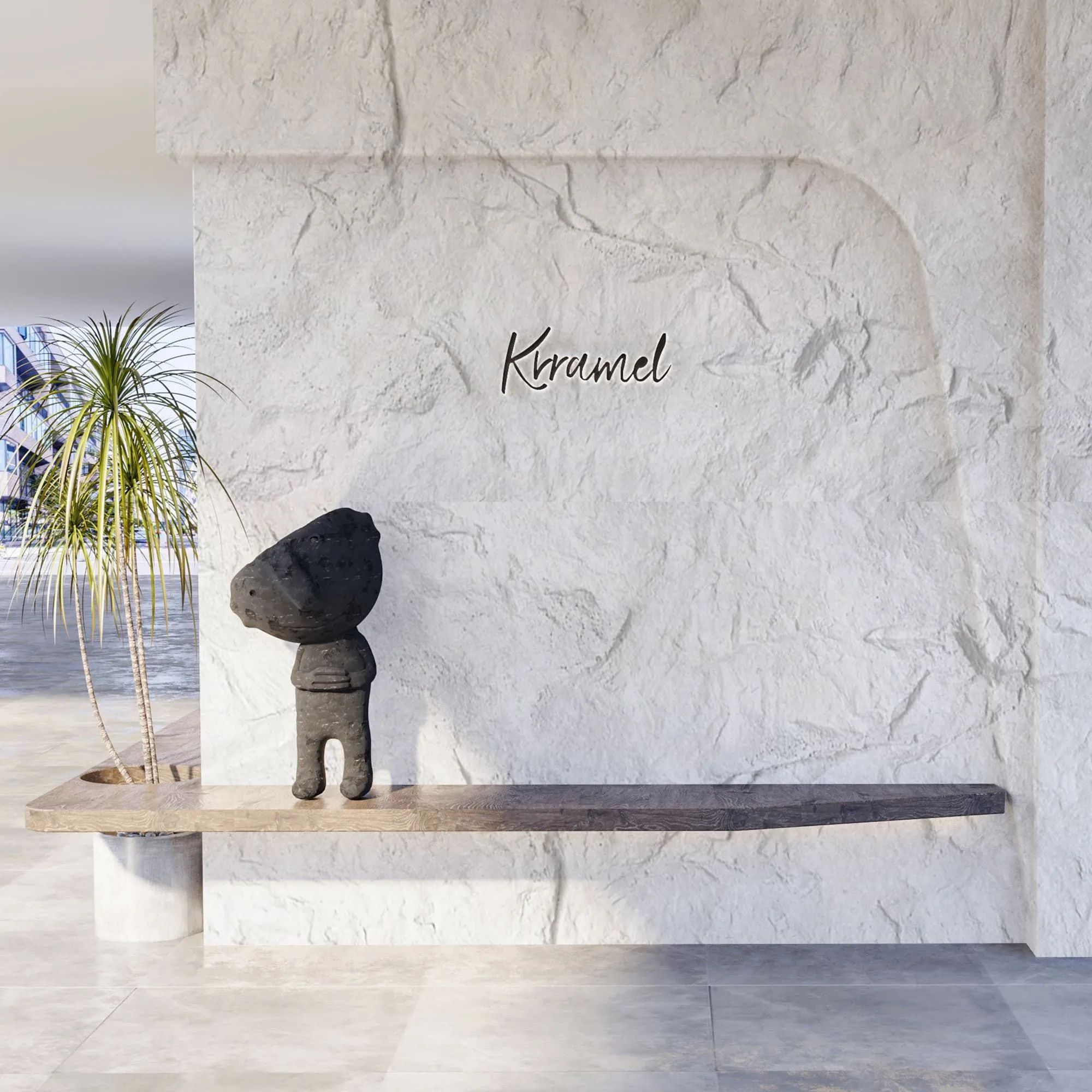
If natural granite is the grandparent of durable materials, Boulder Slab might just be the innovative younger sibling—blending time-tested strength with contemporary flexibility. Part of the broader family of MCM (Modified Composite Material) products , Boulder Slab is engineered to mimic the rugged charm of natural stone while addressing some of its biggest limitations. Let's break down what makes it stand out.
Boulder Slab isn't quarried from the earth like natural stone—it's crafted. Its core is often a mix of mineral aggregates, resins, and fibers, compressed and treated to create a material that's both lightweight and incredibly tough. What really catches the eye, though, are its finishes: think vintage silver , vintage gold , and vintage black (hues that evoke aged metal or weathered stone, adding character without looking dated). Unlike natural stone, which can have unpredictable veining, Boulder Slab offers consistent patterns and colors, making it a favorite for designers seeking uniformity across large spaces.
High-traffic areas demand materials that don't just survive—they thrive. Boulder Slab checks several boxes here: scratch resistance (no more unsightly marks from dragged chairs or dropped keys), stain resistance (spilled soda or wine wipes away with a damp cloth), and water resistance (no warping or discoloration in humid environments like indoor pools or food courts). Its lightweight nature is another win: at a fraction of the weight of natural granite, it's easier to transport, install, and even retrofit onto existing structures without requiring heavy structural reinforcement.
Take, for example, a busy airport terminal. With thousands of passengers rolling suitcases, spilling coffee, and tracking in mud daily, the flooring needs to handle constant abuse. Boulder Slab's vintage silver finish adds a sleek, modern touch, while its durability ensures that even after years of use, it still looks as polished as the day it was installed. No constant sealing, no patching up chips—just a surface that keeps up with the chaos.
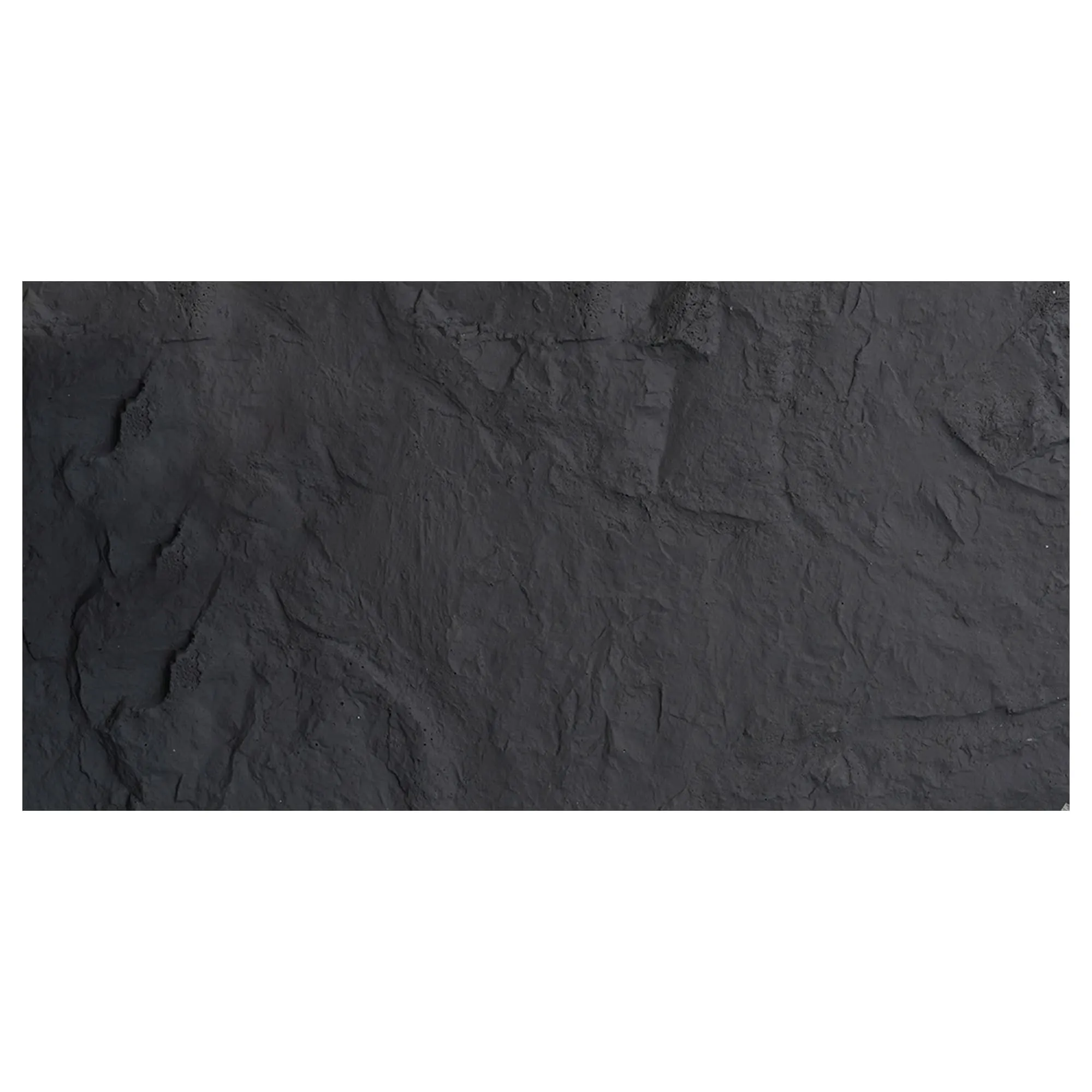
For centuries, natural granite has been the gold standard for spaces that demand permanence. Quarried from mountains and shaped by millions of years of geological pressure, it's a material with a story—and a reputation for toughness. From ancient temples to modern skyscrapers, granite has proven it can outlast trends and stand up to the test of time. But how does it hold up in today's high-traffic environments?
There's something irreplaceable about the look of natural granite. Each slab is one-of-a-kind, with unique veining, speckling, and color variations that tell the story of its formation. From the deep blacks of Granite Nero Margiua to the rich golds of Granite Portoro , it brings a sense of luxury and authenticity that engineered materials often struggle to replicate. In high-end spaces—a five-star hotel lobby, a corporate headquarters, or a historic museum—granite's natural elegance signals prestige and attention to detail.
Here's the catch: natural granite, while strong, isn't invincible. Its porous nature means it can absorb liquids, leading to stains if not sealed regularly. Think about a busy restaurant kitchen—spills of oil, vinegar, or tomato sauce could seep into the stone, leaving permanent marks if not cleaned immediately. Then there's the issue of sealing: most natural granite surfaces need to be resealed every 1–3 years to maintain their stain resistance, adding to long-term maintenance costs. And let's not forget weight: a single slab of granite can weigh hundreds of pounds, making installation labor-intensive and potentially requiring structural modifications to the building itself.
That said, when properly cared for, granite remains a showstopper. A luxury hotel might choose it for their grand lobby floor, where the natural veining of Granite Portoro adds a sense of opulence, and the occasional sealing is just part of maintaining that high-end feel. In lower-traffic but high-visibility areas—like a reception desk or a feature wall—granite's timelessness can be worth the extra effort.
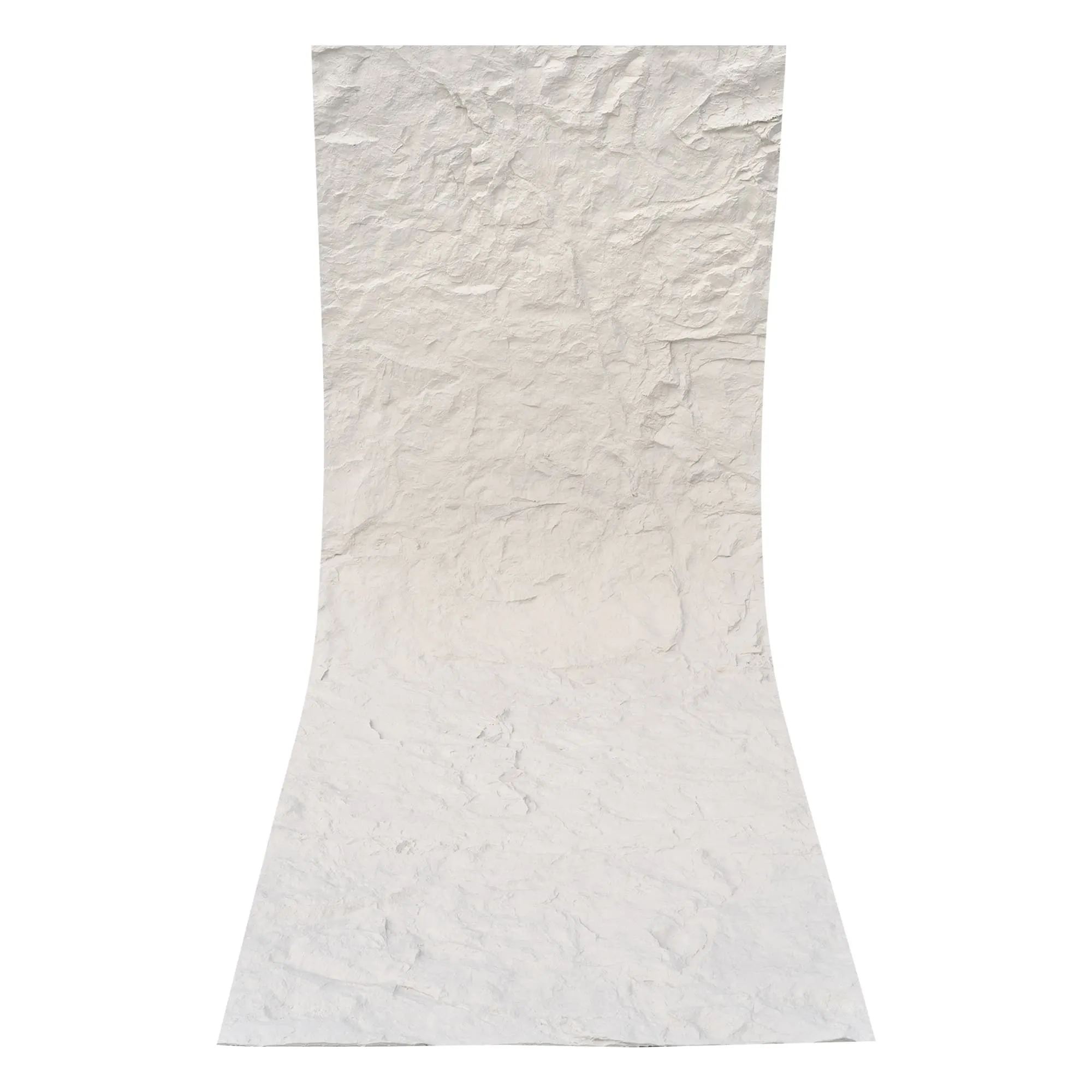
To truly understand which material is right for your high-traffic space, let's compare them side by side. The table below breaks down key criteria—from durability to sustainability—to help you weigh the pros and cons.
| Criteria | Boulder Slab | Natural Granite |
|---|---|---|
| Durability | Engineered for high impact: Resists scratches, chips, and stains. Withstands heavy foot traffic, furniture movement, and moisture without fading or warping. Ideal for spaces with daily wear and tear. | Naturally hard (6–7 on Mohs scale) but porous. Resistant to scratches but prone to staining if not sealed. Can chip if hit with heavy objects; repairs are difficult and often visible. |
| Aesthetics | Offers consistent, controlled patterns with vintage-inspired finishes (vintage silver, gold, black). Mimics natural stone texture but with uniformity, perfect for modern, cohesive designs. | Unique, one-of-a-kind veining and color variations (blacks, whites, golds, grays). Timeless, organic look that adds luxury and character; no two slabs are identical. | s
| Maintenance | Low-maintenance: Wipe clean with mild soap and water. No sealing required. Stains (coffee, wine, oil) are easily removable; no permanent discoloration. | High-maintenance: Requires annual sealing to prevent staining. Acidic substances (lemon, vinegar) can etch the surface if left too long. Deep cleaning may need specialized products. |
| Installation | Lightweight (5–8 lbs/sq ft) and flexible, making transport and installation fast and cost-effective. Can be installed over existing surfaces; minimal structural support needed. | Heavy (15–20 lbs/sq ft) and rigid. Requires specialized labor, structural reinforcement, and longer installation time. Cutting and shaping on-site generate dust and waste. |
| Cost | Mid-range upfront cost ($8–$15/sq ft). Lower long-term costs due to minimal maintenance and no sealing expenses. | Higher upfront cost ($12–$30/sq ft, depending on rarity). Additional costs for sealing, professional cleaning, and potential repairs over time. |
| Sustainability | Eco-friendly: Made with recycled materials in some cases; lightweight design reduces transportation emissions. Part of MCM's focus on green building materials with lower carbon footprints. | Resource-intensive: Quarrying disrupts ecosystems; heavy slabs require more fuel for transport. Limited recycling options for waste generated during installation. |
Numbers and specs tell part of the story, but real-world applications bring it to life. Let's look at two scenarios where Boulder Slab and natural granite each took center stage—and why.
A regional shopping mall in the Midwest was due for a floor renovation. With over 50,000 visitors weekly, the old terrazzo floors were cracked, stained, and required constant patching. The design team wanted something durable but also warm enough to make shoppers feel welcome. They chose Boulder Slab in vintage gold for the main corridors and vintage silver for the food court. Three years later, the floors still look brand-new: no stains from spilled smoothies, no scratches from strollers, and the warm metallic finish has held up against sunlight and foot traffic. "We used to spend $10,000 a year on terrazzo repairs," says the mall manager. "With Boulder Slab, we've spent maybe $500 total on cleaning supplies. It was a game-changer."
A five-star hotel in downtown Chicago wanted its lobby to exude timeless elegance. The design brief called for "something that feels grand, like walking into a historic European palace." Natural granite was the obvious choice—specifically, Granite Portoro with its dramatic black background and gold veining. The lobby sees about 2,000 guests daily, but the hotel prioritized aesthetics over low maintenance. "We have a dedicated team that seals the floors every six months and polishes them weekly," explains the hotel's facilities director. "Yes, it's an investment, but our guests comment on the lobby's beauty all the time. For us, that luxury vibe is worth the upkeep."
At the end of the day, there's no "one-size-fits-all" answer. The choice between Boulder Slab and natural granite depends on the unique needs and story of your space. Here are a few questions to guide you:
And remember: you don't have to choose one or the other. Some designers mix materials—using natural granite for accent walls (where traffic is lower) and Boulder Slab for high-traffic floors (where durability is key). The result? A space that balances tradition and innovation, luxury and practicality.
High-traffic spaces are more than just floors and walls—they're backdrops to daily life, bustling with stories, interactions, and movement. The material you choose should do more than just take up space; it should enhance those moments, standing strong through the chaos while still making people pause and appreciate its beauty.
Natural granite, with its millennia of history and organic grandeur, will always have a place in design. But Boulder Slab—lightweight, durable, and effortlessly stylish—proves that modern engineering can offer a compelling alternative for the spaces that never stop moving. Whichever you choose, here's to materials that don't just survive the rush… they thrive in it.
Recommend Products












