
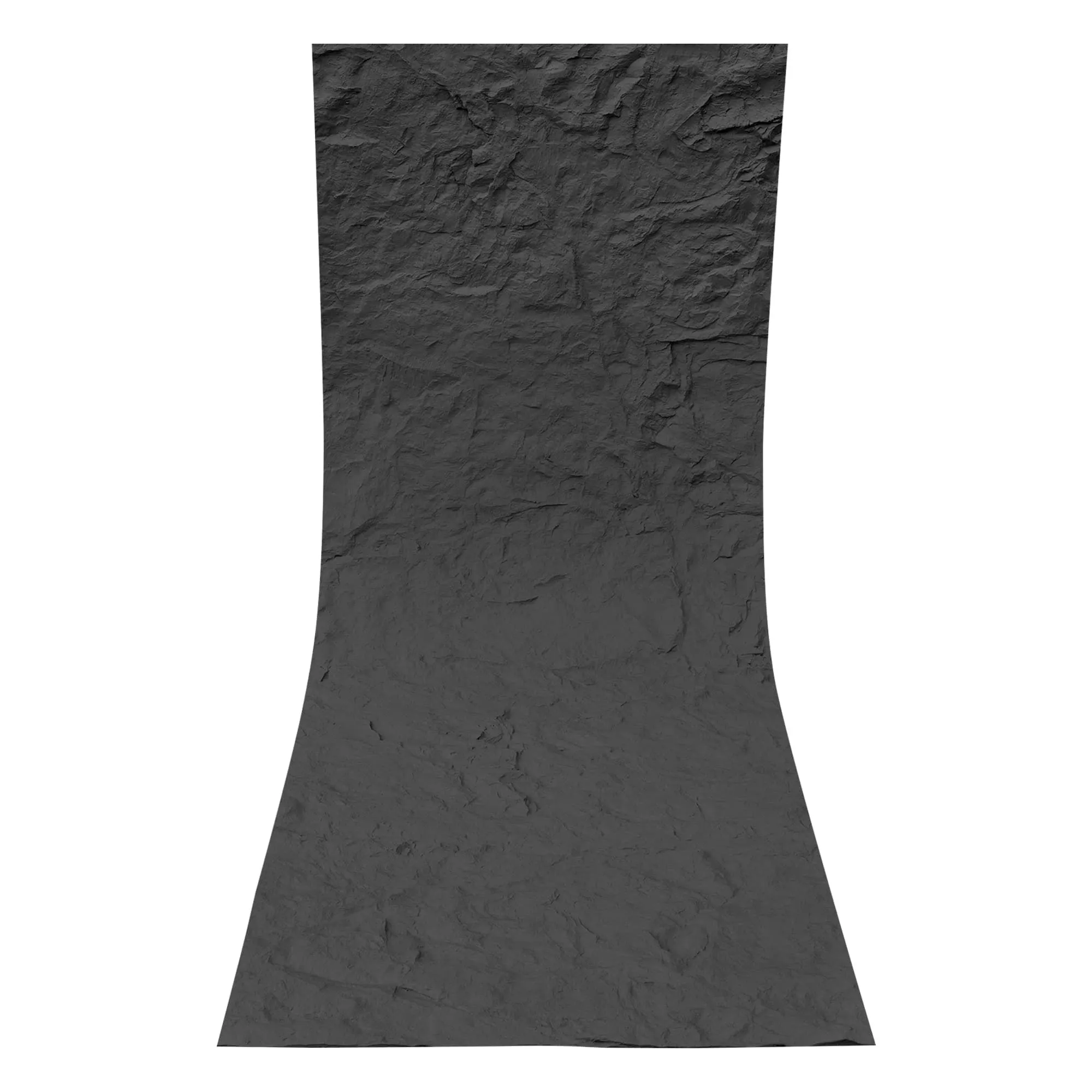
Walk into any modern architectural firm, and you'll likely overhear a debate that's as old as construction itself: which stone slab is right for the project? For architects, builders, and even homeowners, the choice between traditional natural stones and newer composite materials isn't just about aesthetics—it's about two critical factors that can make or break a build: durability and weight. Imagine specifying a material that looks stunning on paper but cracks within five years, or one so heavy it requires reinforcing the entire foundation. That's why today, we're diving deep into a showdown between a rising star in the construction world—Boulder Slab—and the tried-and-true traditional stone slabs we've relied on for centuries, like travertine and fair-faced concrete. By the end, you'll understand why durability and weight matter, and which material might just be the unsung hero of your next project.
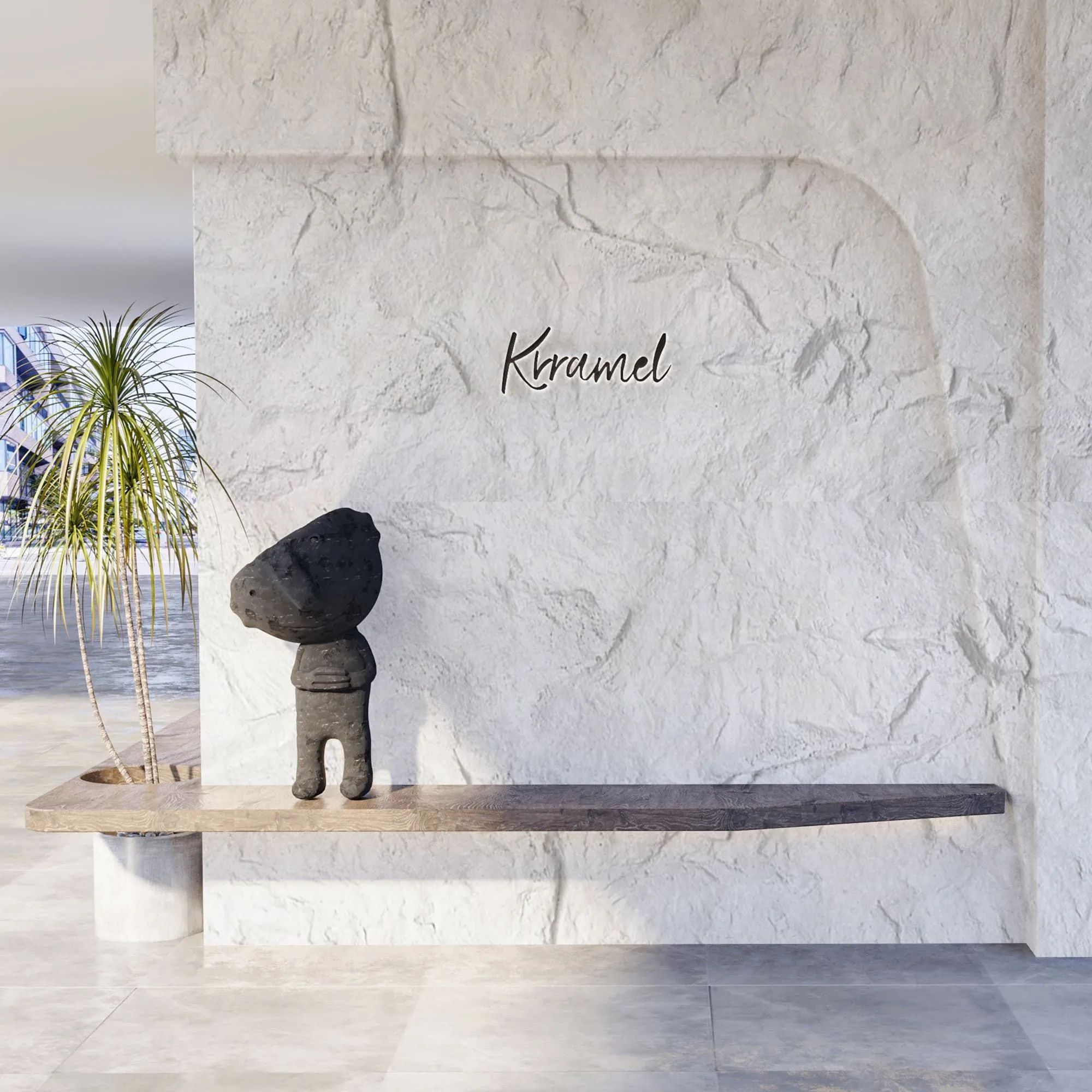
Let's start with the newcomer. If you haven't heard of Boulder Slab yet, you're not alone—but that's changing fast. Part of the innovative MCM (Modified Composite Material) family, Boulder Slab is a modern take on stone cladding that's designed to mimic the raw, earthy beauty of natural stone while solving its biggest headaches. Think of it as natural stone's tech-savvy cousin: it looks just as rugged and authentic, but with a few upgrades under the hood.
Available in finishes like vintage silver, vintage gold, and vintage black (because even stone slabs deserve a little style), Boulder Slab is crafted by blending natural mineral aggregates with advanced polymers. This combo gives it a unique set of superpowers: it's lightweight, flexible, and surprisingly tough. Unlike traditional stone, which is hacked from quarries in massive, unyielding blocks, Boulder Slab is engineered to be workable—you can cut it, bend it (within reason), and install it without needing a team of weightlifters. It's the kind of material that makes contractors nod approvingly and architects start sketching wilder designs.
Fun fact: One of the reasons Boulder Slab has gained traction is its connection to mcm flexible stone technology. This flexibility means it can be applied to curved surfaces—think rounded building facades or spiral staircases—without cracking. Traditional stone? Good luck getting that to bend without shattering.
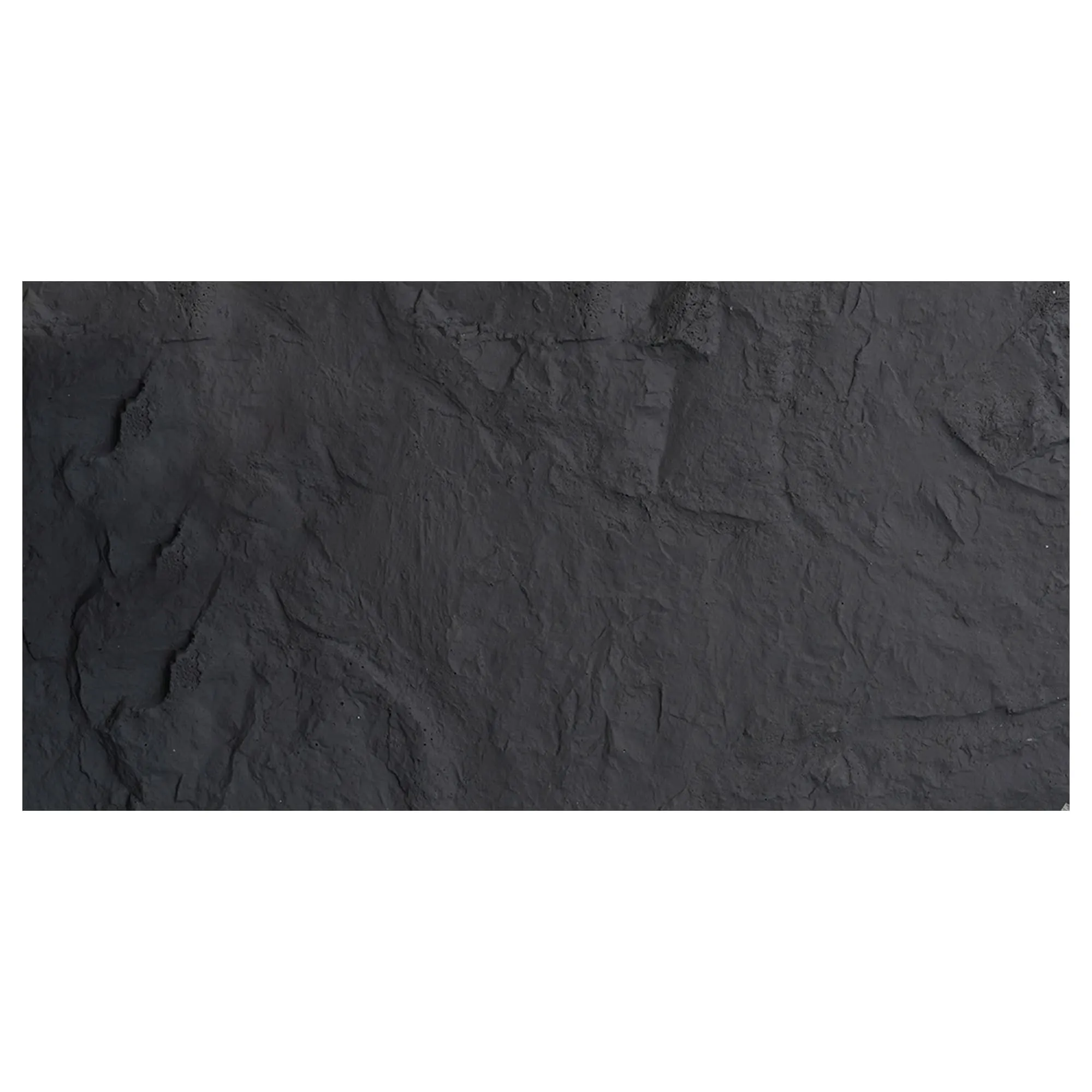
Now, let's turn to the classics. Traditional stone slabs have been the backbone of architecture for millennia, from the Colosseum's travertine arches to the Taj Mahal's marble domes. They're not just materials—they're history. Take travertine , for example: a sedimentary rock formed by mineral-rich hot springs, it's known for its porous, honeycombed surface and warm, earthy tones (ever seen travertine in starry green or vintage gold? It's like bringing a piece of the desert into your home). Then there's fair-faced concrete , the industrial workhorse—raw, unpolished, and beloved for its minimalist, "less is more" vibe.
But here's the thing about traditional stones: they're natural . That means they come with all the quirks of Mother Nature. Travertine, for instance, is porous—great for breathability, terrible for red wine spills. Left unsealed, it soaks up stains like a sponge. And don't even get us started on weight. A standard 2cm-thick travertine slab can weigh upwards of 50kg per square meter. Hauling that up to the 20th floor? You'll need a crane, a crew, and maybe a few prayers. Fair-faced concrete is no lightweight either; its dense, solid composition makes it durable but cumbersome, often requiring beefed-up structural supports.
Then there's maintenance. Traditional stones demand attention: travertine needs regular sealing, marble etches if you look at it wrong, and even fair-faced concrete can develop cracks over time if not properly cured. They're like high-maintenance pets—beautiful, but you'll be spending weekends cleaning up after them.
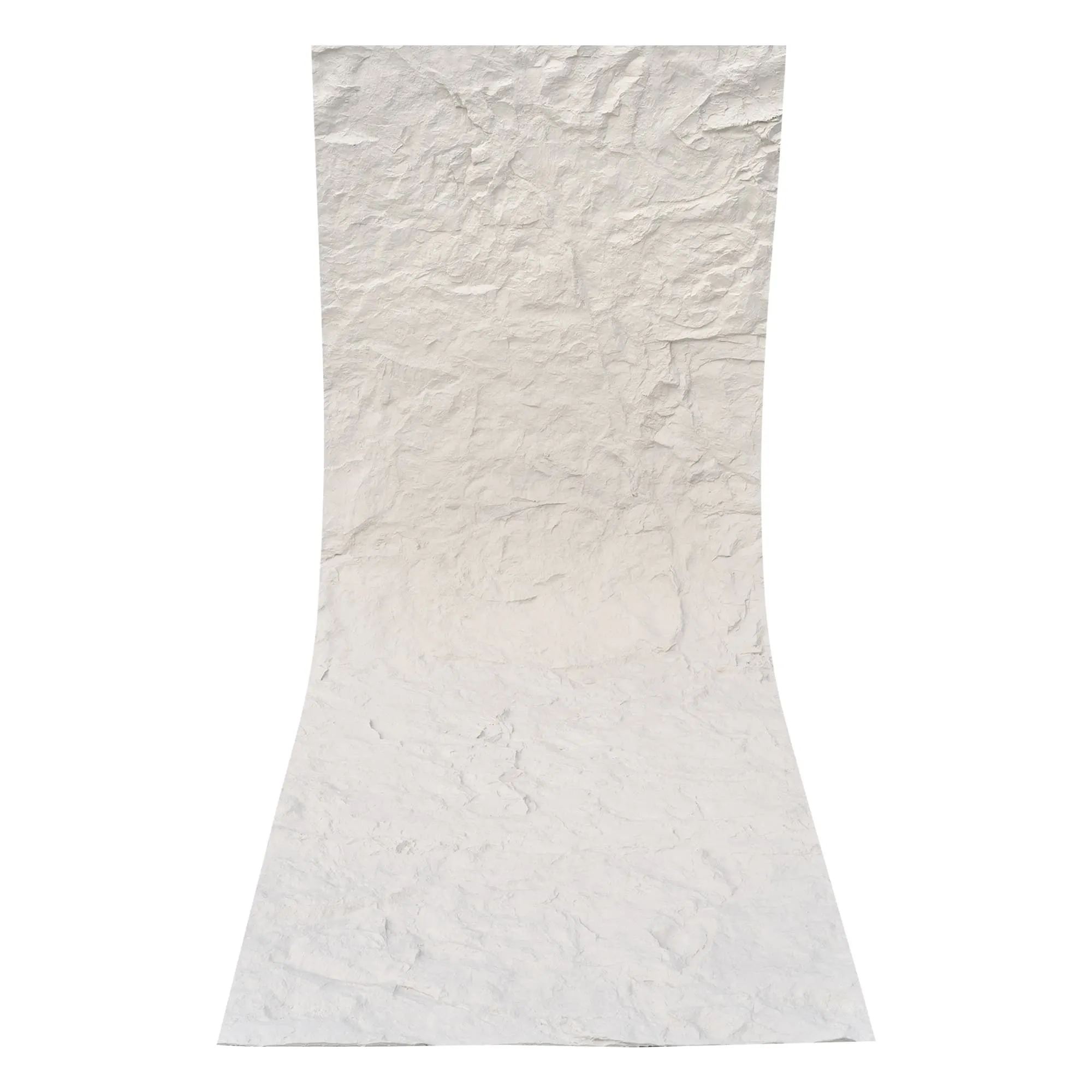
Durability isn't just about "toughness"—it's about how well a material holds up over decades, through rain, snow, sun, and the occasional stray football. Let's break it down.
Boulder Slab's composite makeup gives it a durability edge in several key areas. First, weather resistance. Traditional stone like travertine can degrade over time when exposed to freeze-thaw cycles—water seeps into those pores, freezes, expands, and cracks the stone. Boulder Slab, with its non-porous polymer matrix, laughs in the face of frost. It also resists UV radiation, so that vintage gold finish won't fade to a sad bronze after a few summers in the sun.
Stain resistance is another win. Spill coffee on a travertine floor, and you're looking at a permanent reminder of your morning rush. Spill it on Boulder Slab? Wipe it up with a cloth, and it's like nothing happened. The polymers create a barrier that repels liquids, making it a favorite for high-traffic areas like restaurants or hotel lobbies.
Impact resistance? Surprisingly strong. I once saw a construction worker drop a tool on a Boulder Slab sample (don't tell his boss). The slab? A tiny scratch. The tool? A bent corner. Traditional stone? That same drop might have left a chip the size of a quarter.
To be fair, traditional stones like travertine can last centuries—if they're treated right. The Colosseum's travertine has held up for 2,000 years, after all. But that's in a dry, Mediterranean climate, with armies of slaves (and later, conservators) maintaining it. In the real world, most of us don't have that luxury.
Take freeze-thaw again: in places like Chicago or Stockholm, where winters are harsh, travertine slabs on outdoor patios often start to spall (flake) after 5-10 years. Then there's chemical exposure. Acid rain, pool chemicals, even harsh cleaning products can eat away at natural stone's surface. Travertine, with its soft composition, is especially vulnerable. I once visited a historic home where the travertine fireplace had been etched by years of burning wood—beautiful in a "patina" way, but not exactly what the homeowner paid for.
Fair-faced concrete, while more durable than travertine, isn't immune to issues. It can develop hairline cracks over time due to structural movement, and if water gets into those cracks, it can cause rusting in the steel reinforcement bars hidden inside. Suddenly, that "low-maintenance" concrete facade is costing you thousands in repairs.
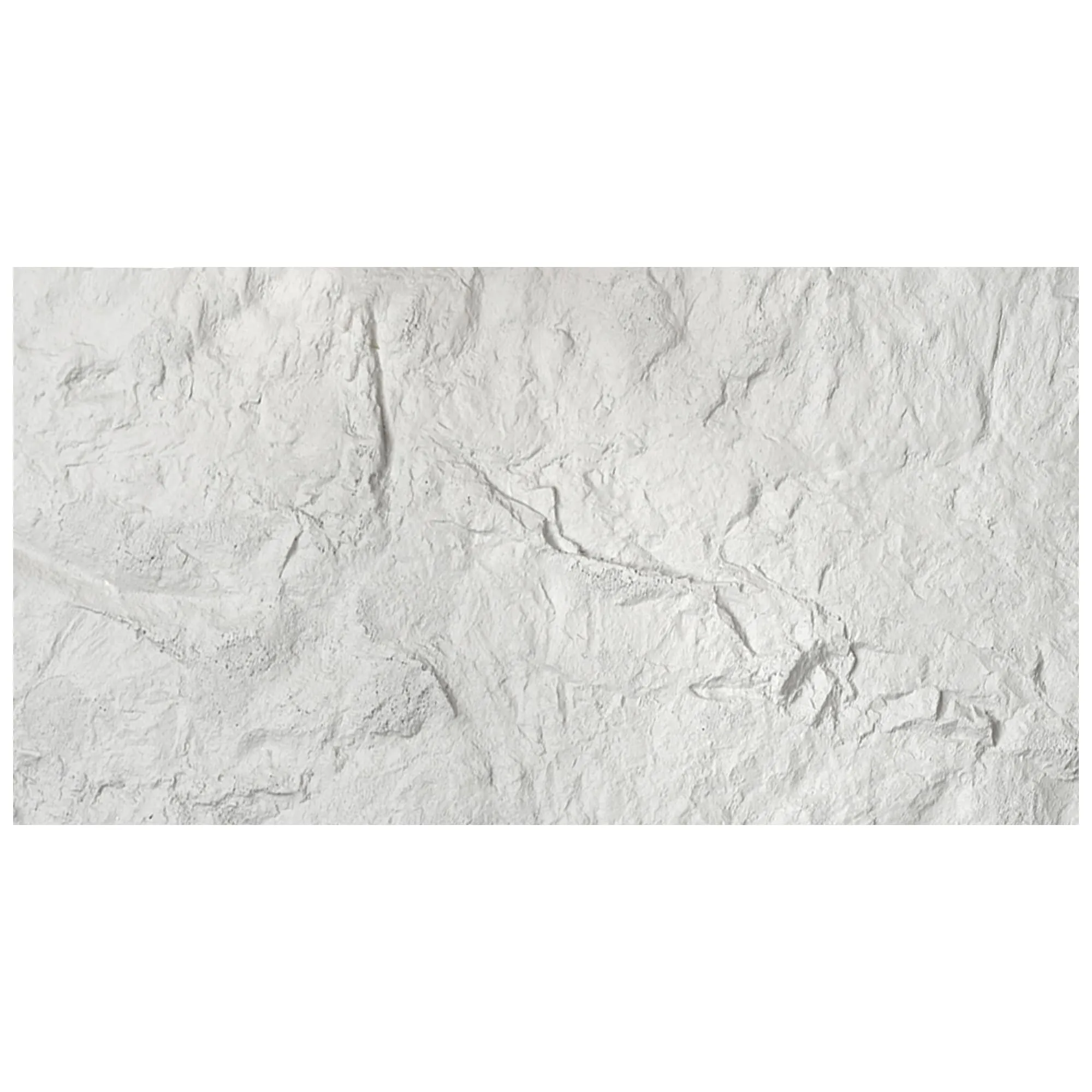
If durability is about longevity, weight is about practicality. A material's weight affects everything from transportation costs to the size of your foundation. Let's crunch the numbers.
Boulder Slab weighs in at around 12-15kg per square meter. To put that in perspective, that's lighter than a bag of dog food. Traditional travertine? Try 45-50kg per square meter—about the weight of a small refrigerator. Fair-faced concrete? Even heavier, at 60-70kg per square meter. That's a huge difference, and it adds up fast.
Imagine building a 10-story apartment complex with a travertine facade. Each floor has 500 square meters of cladding. That's 500 x 50kg = 25,000kg per floor, or 250,000kg for the whole building. That's 250 metric tons of stone. You'll need bigger cranes, stronger steel beams, and a foundation that could probably support a tank. Now swap in Boulder Slab: 500 x 15kg = 7,500kg per floor, 75,000kg total. That's 75 metric tons—less than a third of the weight. Suddenly, your structural engineer is smiling, and your budget isn't crying.
Weight also impacts installation time. A crew can carry Boulder Slab panels by hand, nailing them into place with basic tools. Travertine? You'll need suction cups, rigging equipment, and at least two people per slab to avoid dropping it (and trust me, dropping a travertine slab is a great way to ruin your day). One contractor I spoke to estimated that switching to Boulder Slab cut his installation time by 30% on a recent project. "Less time wrestling with slabs, more time actually building," he said. Fair enough.
| Feature | Boulder Slab | Traditional Travertine | Fair-Faced Concrete |
|---|---|---|---|
| Weight (per sq.m) | 12-15kg | 45-50kg | 60-70kg |
| Durability (Weather Resistance) | Excellent (resists freeze-thaw, UV rays) | Good (but porous; needs sealing) | Good (prone to cracking over time) |
| Stain Resistance | High (non-porous surface) | Low (porous; stains easily) | Medium (can stain if unsealed) |
| Installation Ease | Easy (lightweight, can be cut on-site) | Hard (heavy, requires special equipment) | Moderate (heavy, needs formwork) |
| Maintenance | Low (no sealing needed) | High (seal yearly; clean gently) | Medium (seal occasionally; repair cracks) |
| Best For | High-rises, curved surfaces, outdoor areas | Low-rise buildings, interiors (fireplaces, floors) | Industrial-style buildings, walls (low height) |
Let's be clear: Boulder Slab isn't here to replace traditional stone. It's here to offer an alternative for projects where weight and durability are non-negotiable. If you're restoring a historic villa and need authentic travertine to match the original architecture? Stick with the real thing. The patina, the uniqueness of each slab—those are irreplaceable.
But if you're designing a 50-story skyscraper and want the look of stone without the structural headache? Boulder Slab is your friend. Same if you're building a beach house where saltwater corrosion is a concern, or a commercial space with high foot traffic that can't afford stained floors. It's also a star in outdoor applications: think pool decks, garden walls, or rooftop terraces where lightweight materials reduce the load on the building.
And let's not forget about sustainability. Quarrying traditional stone is resource-intensive, and transporting heavy slabs burns a lot of fuel. Boulder Slab, with its lighter weight and composite composition, has a smaller carbon footprint. It's not 100% green, but it's a step in the right direction for eco-conscious builders.
At the end of the day, choosing between Boulder Slab and traditional stone slabs comes down to balance. Traditional stones like travertine offer timeless beauty and heritage appeal, but they demand patience, money, and muscle. Boulder Slab, on the other hand, is the pragmatic choice—lightweight, durable, and ready to adapt to modern construction's wildest ideas.
I recently visited a new boutique hotel in downtown Denver that used Boulder Slab for its facade. From the street, you'd swear it was natural stone—vintage gold panels catching the sun, texture that looked like it had been carved by wind and time. But the architect confided that the entire facade weighed half what travertine would have, and the building's foundation cost 20% less as a result. "We got the beauty without the baggage," he said. That, in a nutshell, is why Boulder Slab is turning heads.
So, whether you're a homeowner dreaming of a backyard patio or an architect designing the next skyline, remember: durability and weight aren't just specs on a sheet. They're the difference between a project that succeeds and one that becomes a cautionary tale. And if you ask me? Boulder Slab is just getting started.
Recommend Products












