
Humidity is the quiet saboteur of buildings. It creeps in through coastal mists, tropical downpours, and even the subtle moisture of indoor spaces, turning once-stunning facades into pockmarked, mold-ridden eyesores. For architects, builders, and homeowners in humid regions—think Florida's coasts, Southeast Asia's monsoon zones, or Brazil's rainforested cities—choosing materials that can stand up to moisture isn't just a preference; it's a necessity. Traditional options like natural stone, wood, or even fair-faced concrete often fall short, succumbing to water damage, staining, or rot within years. But what if there was a material that laughs in the face of humidity? Enter MCM panels, and in particular, the standout performer: Boulder Slab. Let's dive into why this innovative cladding solution is redefining durability in wet climates.
Walk through any humid city, and you'll spot the casualties of moisture. A once-pristine travertine wall now streaked with dark watermarks. A wooden facade warped and cracked from years of rain and humidity. Even fair-faced concrete, lauded for its industrial chic, can develop efflorescence—those white, powdery deposits that form when water draws salts to the surface—ruining its clean, minimalist look. The issue? Most traditional materials are porous by nature. Natural stone, for example, has tiny pores that act like sponges, soaking up water and creating a breeding ground for mold and mildew. Wood, despite sealants, eventually absorbs moisture, leading to warping or decay. And while concrete is denser, it's not impervious; over time, water seeps into micro-cracks, expanding and weakening the structure.
The cost of this damage isn't just aesthetic. Homeowners shell out thousands on repairs: replacing rotted wood, resurfacing stained concrete, or treating mold-infested walls. For commercial buildings, the stakes are higher—downtime during renovations, lost revenue, and a damaged reputation. It's no wonder the construction industry has been crying out for a material that can handle humidity without sacrificing style.
Enter MCM panels, or Modified Composite Material panels—a category that includes innovations like MCM flexible stone. Unlike traditional cladding, MCM panels aren't mined or quarried; they're engineered. Think of them as the result of combining the best of nature and technology: the look and texture of natural materials, but with a synthetic core that boosts durability, flexibility, and yes—water resistance. MCM flexible stone, for instance, mimics the appearance of real stone but weighs a fraction of the weight and resists moisture like no natural stone can.
At the heart of MCM's success is its layered construction. Most MCM panels consist of a high-strength fiber mesh core, coated with modified mineral compounds and a protective finish. This design creates a barrier that repels water while allowing the material to flex—meaning it won't crack under temperature changes, a common issue in humid climates where days are hot and nights are cool. And within the MCM family, one product stands out for its water-resistant prowess: Boulder Slab.
If MCM panels are the superheroes of humid construction, Boulder Slab is their heavy-hitter. Designed specifically to tackle wet environments, Boulder Slab takes the MCM formula and cranks up the water resistance to 11. Let's break down what makes it so special.
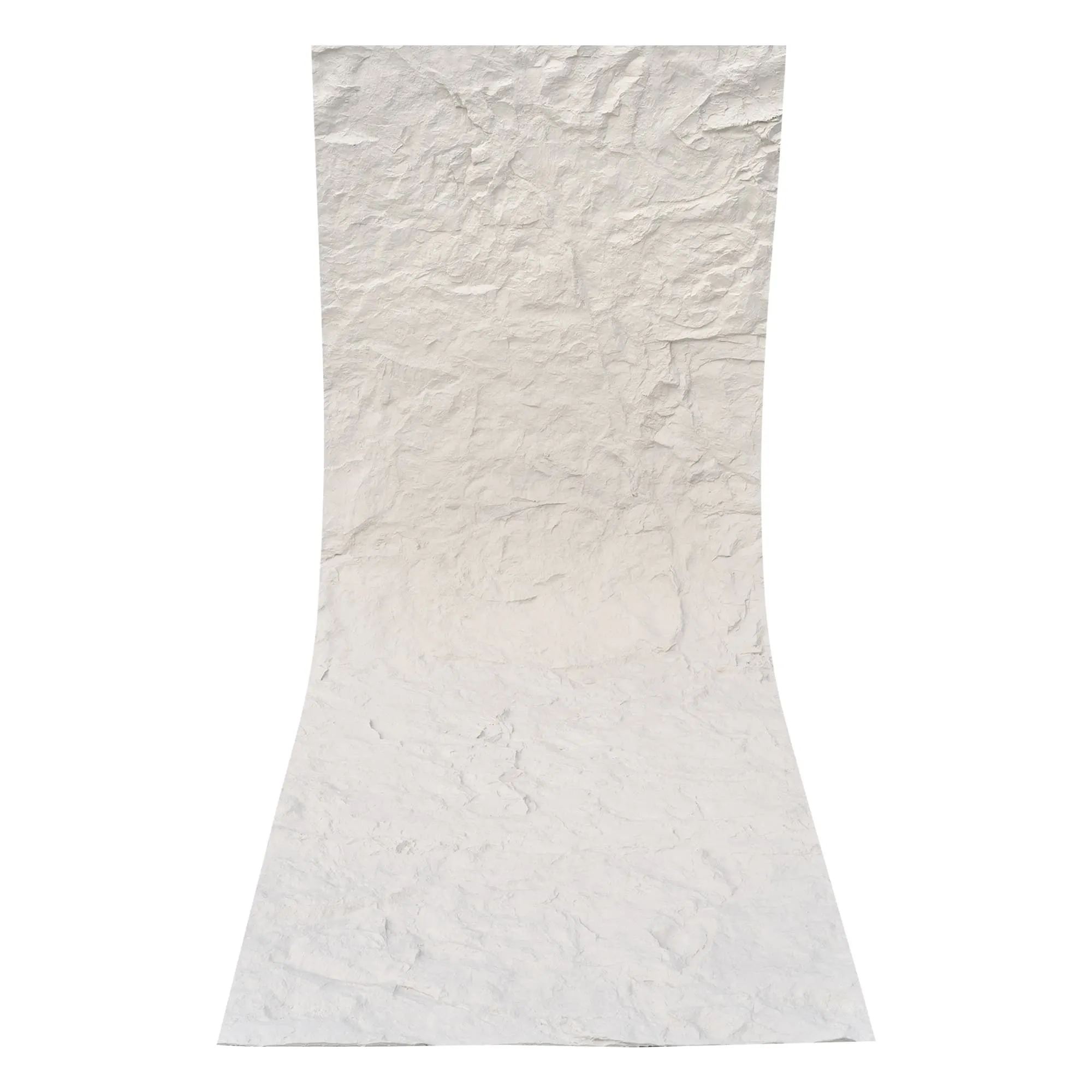
First, the core composition. Boulder Slab starts with a dense, non-porous polymer core reinforced with glass fibers, creating a base that water simply can't penetrate. On top of this core is a thin layer of mineral aggregates—think crushed stone or ceramic particles—that mimic the texture of natural boulders, giving it that rugged, organic look. But here's the kicker: that mineral layer is fused to the core using a high-pressure, heat-activated bonding process, eliminating gaps where moisture could seep in. Finally, a clear, UV-resistant sealant is applied, adding an extra layer of protection against water, stains, and even salt spray—critical for coastal areas.
The result? A panel that's not just water-resistant, but water-repellent. Pour a bucket of water over a Boulder Slab, and it beads up and rolls off, like water on a waxed car. Even in sustained humidity, the panel doesn't absorb moisture, so mold and mildew have nowhere to grow. And because it's lightweight—typically 3-5 kg per square meter, compared to 20-30 kg for natural stone—it's easier to install, reducing labor costs and structural stress on buildings.
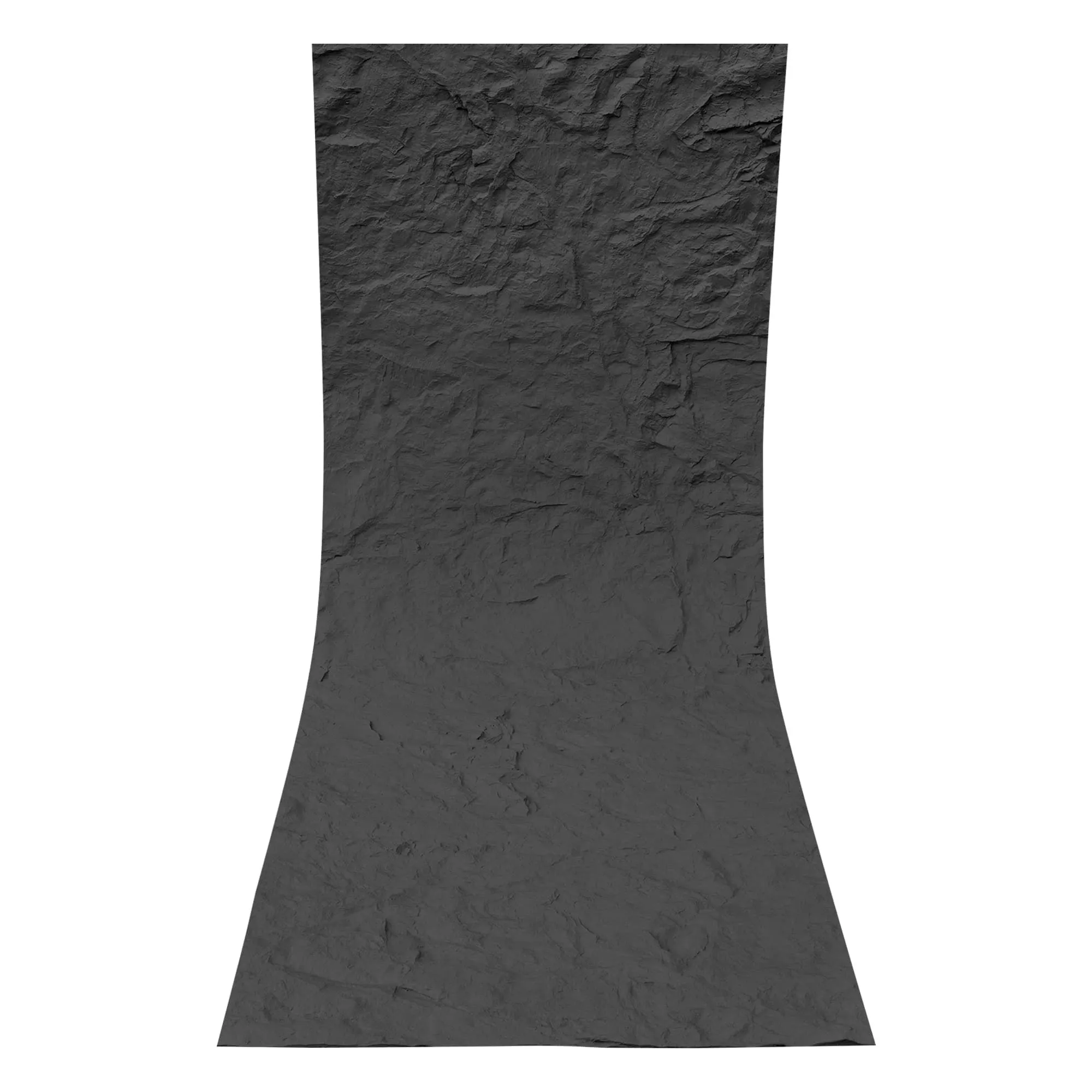
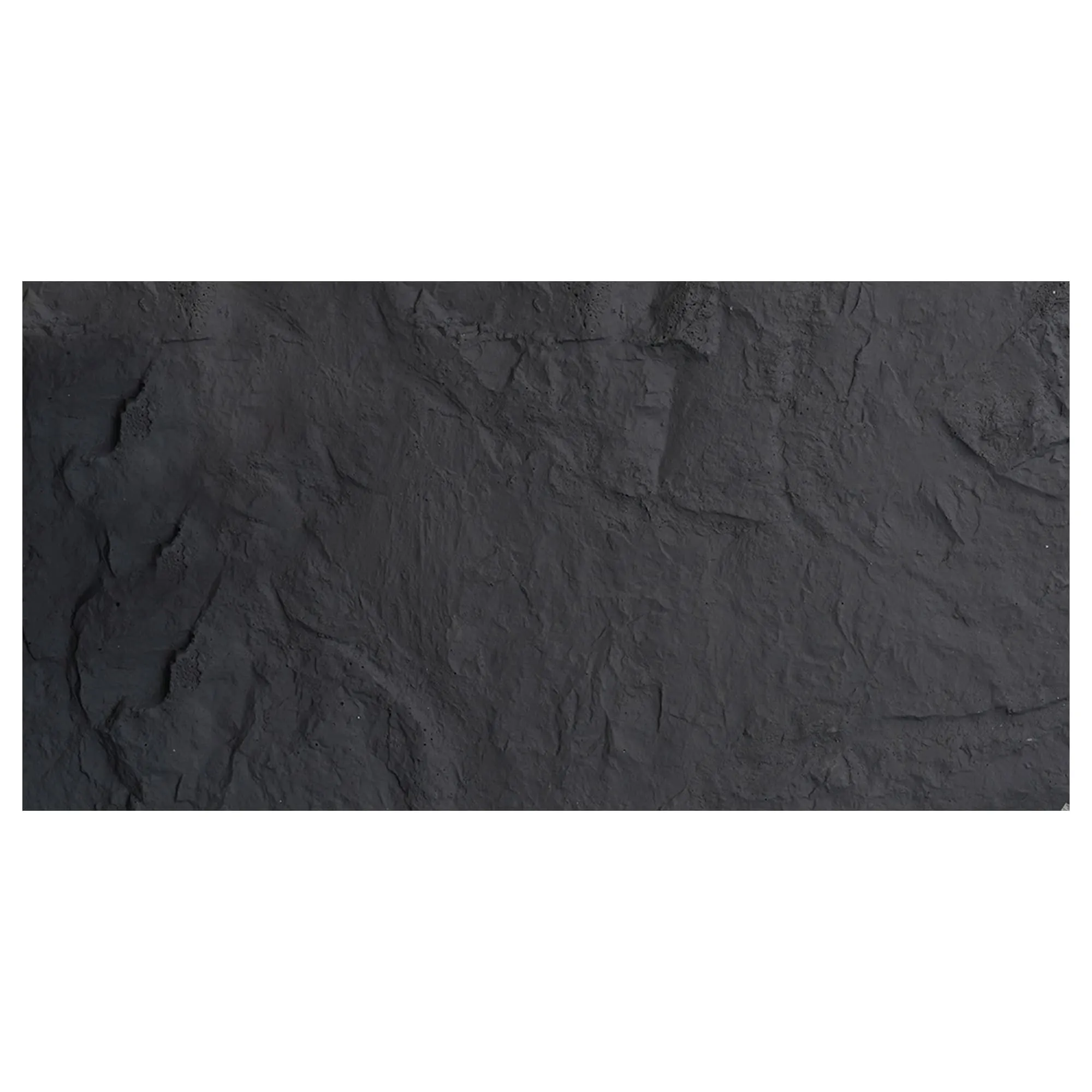
Boulder Slab isn't a one-trick pony, either. It comes in a range of finishes to suit any design vision: vintage silver, with a sleek, metallic sheen; vintage gold, for a warm, luxurious look; and vintage black, perfect for modern, bold facades. Whether you're aiming for industrial chic or rustic charm, there's a Boulder Slab finish that fits—and all of them share that same unbeatable water resistance.
Don't just take our word for it—let's put Boulder Slab head-to-head with traditional materials in the humidity resistance department. The table below compares key metrics like water absorption, mold resistance, and durability in humid climates:
| Material | Water Absorption Rate (%) | Mold Resistance | Expected Lifespan in Humid Climates (Years) | Maintenance Needs |
|---|---|---|---|---|
| Boulder Slab (MCM) | <0.5% | Excellent (no moisture absorption) | 25-30+ | Minimal (occasional cleaning with water) |
| Natural Travertine | 3-5% | Poor (porous structure traps moisture) | 10-15 | High (annual sealing, stain removal) |
| Fair-Faced Concrete | 2-3% | Moderate (prone to efflorescence) | 15-20 | Moderate (resurfacing every 5-7 years) |
| Wood (Teak) | 10-15% | Very Poor (rot and mold risk) | 5-8 | Very High (sealing every 1-2 years, replacement) |
| Lunar Peak Silvery (MCM) | <0.5% | Excellent | 25-30+ | Minimal |
The numbers speak for themselves. Boulder Slab absorbs less than 0.5% of its weight in water—compared to 3-5% for natural travertine and a whopping 10-15% for wood. That translates to zero mold risk, a lifespan three times longer than wood, and maintenance that's as simple as hosing it down. Even compared to other MCM products like Lunar Peak Silvery (which also boasts low water absorption), Boulder Slab stands out for its rugged texture and ability to mimic natural boulders, making it a favorite for outdoor spaces like patios, pool surrounds, and exterior cladding.
To see Boulder Slab in action, look no further than the Azure Breeze Resort in Bali, Indonesia—a tropical paradise where humidity levels hover around 80% year-round, and monsoon rains lash the island for months. When the resort was renovated in 2023, architects needed a cladding material that could withstand daily rain, high humidity, and salt air from the nearby ocean. Traditional options like natural stone were ruled out due to their porosity, and wood was deemed too high-maintenance.
The solution? Boulder Slab in vintage gold. Today, the resort's exterior walls and pool deck are clad in the material, and after 18 months, there's not a single water stain, mold spot, or sign of wear. "We were blown away by how it held up during the monsoon," says resort manager Ketut Gede. "Even after weeks of rain, the walls stayed dry, and the color didn't fade. Our maintenance team barely touches it—just a quick rinse every few months. It's been a game-changer for us."
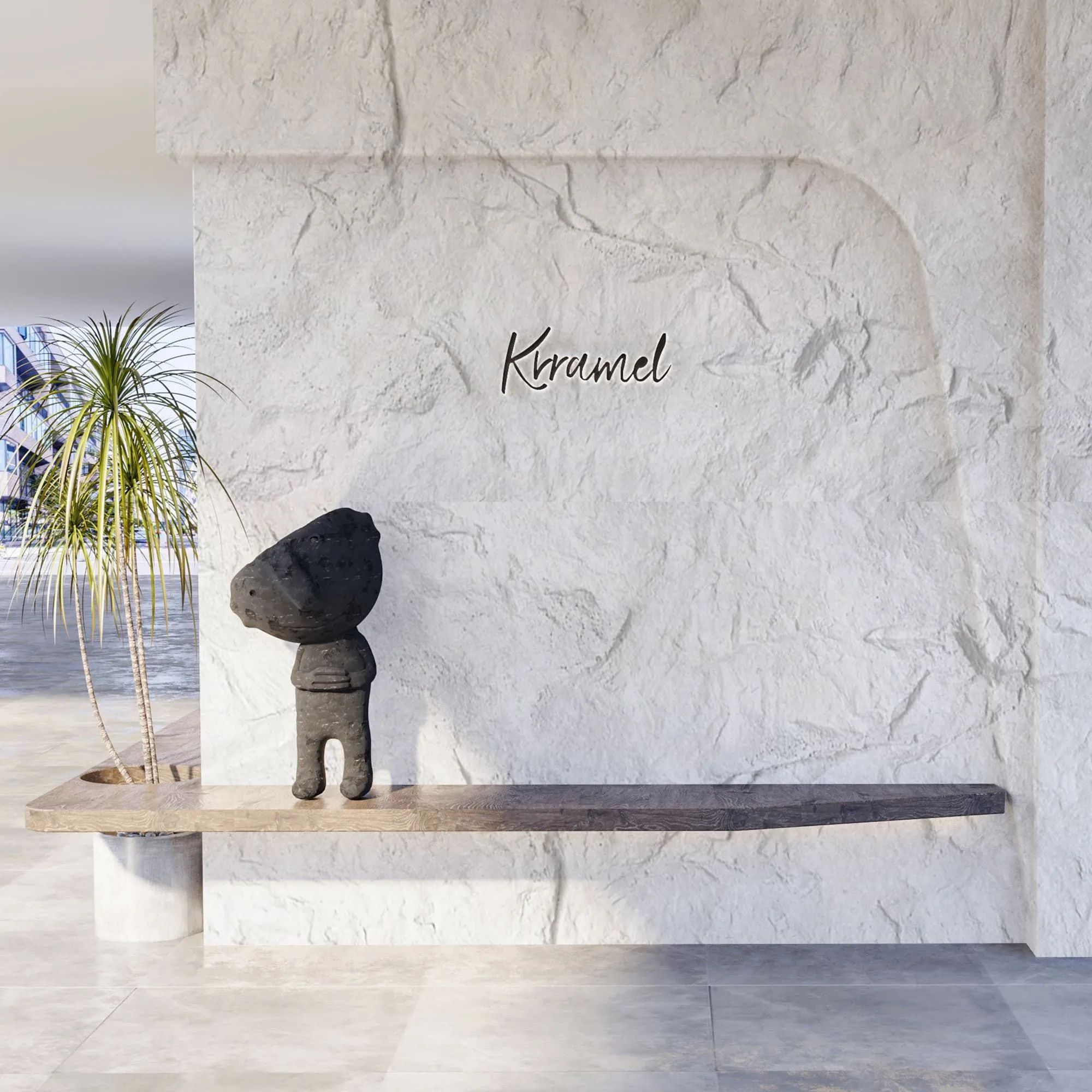
In today's construction world, durability isn't enough—materials also need to be sustainable. That's where Boulder Slab and MCM panels shine as green building materials. Let's break down their eco-credentials:
First, production. Unlike natural stone, which requires mining and quarrying (a process that disrupts ecosystems and consumes massive amounts of energy), MCM panels are made from recycled mineral compounds and synthetic resins. This reduces the need for virgin resources and cuts down on carbon emissions. Boulder Slab, for example, uses up to 30% recycled materials in its core, making it a low-impact alternative to quarried stone.
Then there's transportation. Because Boulder Slab is lightweight, it requires fewer trucks to transport, slashing fuel consumption and emissions. A single truck can carry enough Boulder Slab to clad an entire building, whereas natural stone would require multiple trips. For the Azure Breeze Resort, this translated to a 40% reduction in transportation-related carbon emissions compared to using natural travertine.
Longevity also plays a role in sustainability. A material that lasts 30 years instead of 10 means fewer replacements, less waste, and lower overall resource consumption. Boulder Slab's durability ensures that buildings stay clad for decades, reducing the need for frequent renovations and the environmental impact that comes with them.
Finally, recyclability. At the end of its lifespan, Boulder Slab can be recycled into new MCM panels, closing the loop and minimizing waste. It's a circular approach that aligns with global green building standards like LEED and BREEAM, making it a top choice for eco-conscious projects.
One of the biggest myths about moisture-resistant materials is that they're "ugly" or "industrial." Boulder Slab shatters that stereotype. With its range of finishes—vintage silver, vintage gold, vintage black, and more—it can mimic everything from weathered boulders to sleek metallic surfaces. Architects love it for its versatility: use it for a modern, minimalist facade, or pair it with warm wood accents for a rustic look. The material even comes in custom sizes, allowing for unique patterns and designs.
Take, for example, the recent renovation of a boutique hotel in New Orleans, where designers wanted to evoke the city's historic charm while ensuring the building could withstand the humid Gulf Coast climate. They chose Boulder Slab in vintage black for the exterior, pairing it with warm wooden shutters and wrought-iron details. The result? A building that looks like it's been there for a century, but with the durability of a modern structure. "Boulder Slab let us have our cake and eat it too," says lead architect Maria Gonzalez. "We got the historic aesthetic we wanted, but without worrying about rot, mold, or water damage."
Indoors, Boulder Slab is equally versatile. Use it as a backsplash in a humid kitchen, a feature wall in a bathroom, or even as flooring in a basement prone to dampness. Its resistance to water and mold makes it ideal for spaces where traditional materials would fail, opening up new design possibilities in areas once considered "high-risk."
As climate change brings more extreme weather—heavier rains, higher humidity, and stronger storms—the demand for moisture-resistant materials will only grow. Boulder Slab and MCM panels are leading the charge, proving that durability, sustainability, and style can coexist. But the innovation doesn't stop there. Manufacturers are already experimenting with new finishes and formulations, like self-cleaning coatings that repel dirt and grime, and even panels embedded with sensors that monitor moisture levels in real time.
For architects and builders, the message is clear: when it comes to humid environments, traditional materials are no longer the best option. Boulder Slab offers a smarter, more sustainable, and more stylish alternative—one that stands up to moisture, reduces maintenance costs, and aligns with the future of green building. So the next time you're designing a space in a humid climate, ask yourself: why fight humidity when you can outsmart it?
Humidity may be a silent saboteur, but it's no match for Boulder Slab. This innovative MCM panel combines cutting-edge engineering, stunning design, and unbeatable water resistance to redefine what's possible in humid-climate construction. From coastal resorts to urban high-rises, it's proving that you don't have to sacrifice style for durability—or sustainability.
So whether you're a homeowner tired of scrubbing mold off your walls, an architect designing your next masterpiece, or a builder looking to deliver long-lasting value to clients, consider Boulder Slab. It's not just a cladding material—it's an investment in a building that stays beautiful, strong, and dry for decades to come. In the battle against humidity, Boulder Slab isn't just winning; it's changing the game.
Recommend Products












