
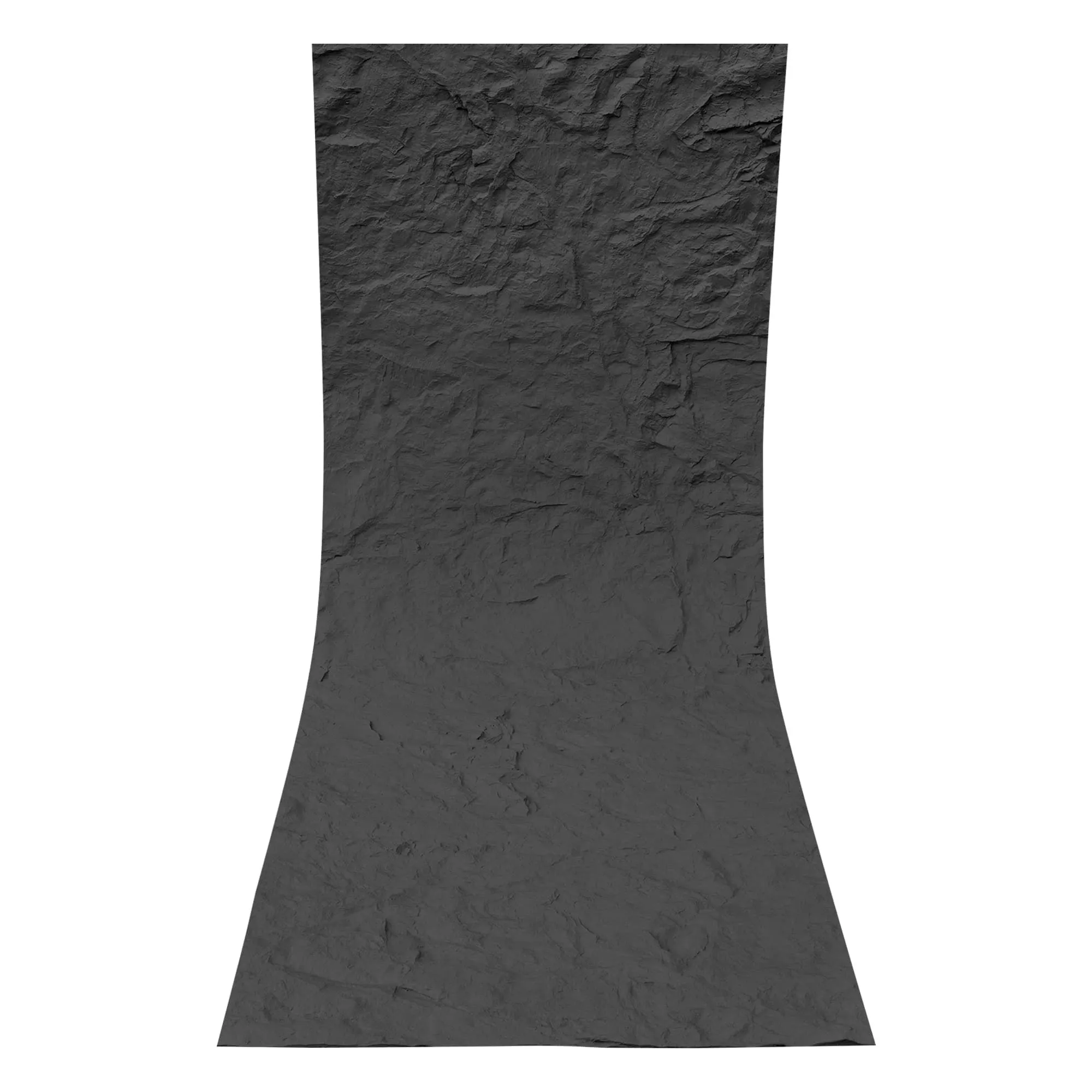
In the race to touch the clouds, modern cities are reaching new heights—literally. Skyscrapers, once symbols of ambition, now dot urban skylines as practical solutions to housing growth, commercial space, and the vertical expansion of cities. But behind every gleaming glass facade and soaring steel frame lies a silent challenge that architects and engineers grapple with daily: structural load. The weight of building materials, from exterior cladding to interior partitions, adds up, placing immense strain on foundations, beams, and columns. For high-rise projects, where every kilogram counts, traditional heavy materials like natural stone, solid concrete, or dense marble can become a liability. Enter boulder slabs—a line of innovative building materials designed to redefine what's possible in lightweight, high-performance construction.
To understand why weight matters, consider this: A typical 50-story high-rise uses thousands of square meters of exterior cladding alone. If that cladding is made of traditional materials—say, natural granite at 25-30 kg per square meter—the total weight becomes staggering. Multiply that by floors, walls, and structural supports, and you're looking at a building that demands thicker columns, reinforced foundations, and more robust structural systems. All of this translates to higher construction costs, longer build times, and even limitations on design flexibility (ever wondered why some high-rises have such uniform exteriors? Heavy materials often restrict creative shapes).
Worse, excessive weight doesn't just affect the bottom line—it compromises safety. Over time, the cumulative stress of heavy materials can lead to fatigue in structural components, increasing maintenance needs and, in extreme cases, reducing a building's lifespan. For architects, this creates a frustrating trade-off: how to achieve the aesthetic appeal of premium materials without sacrificing structural integrity or budget.
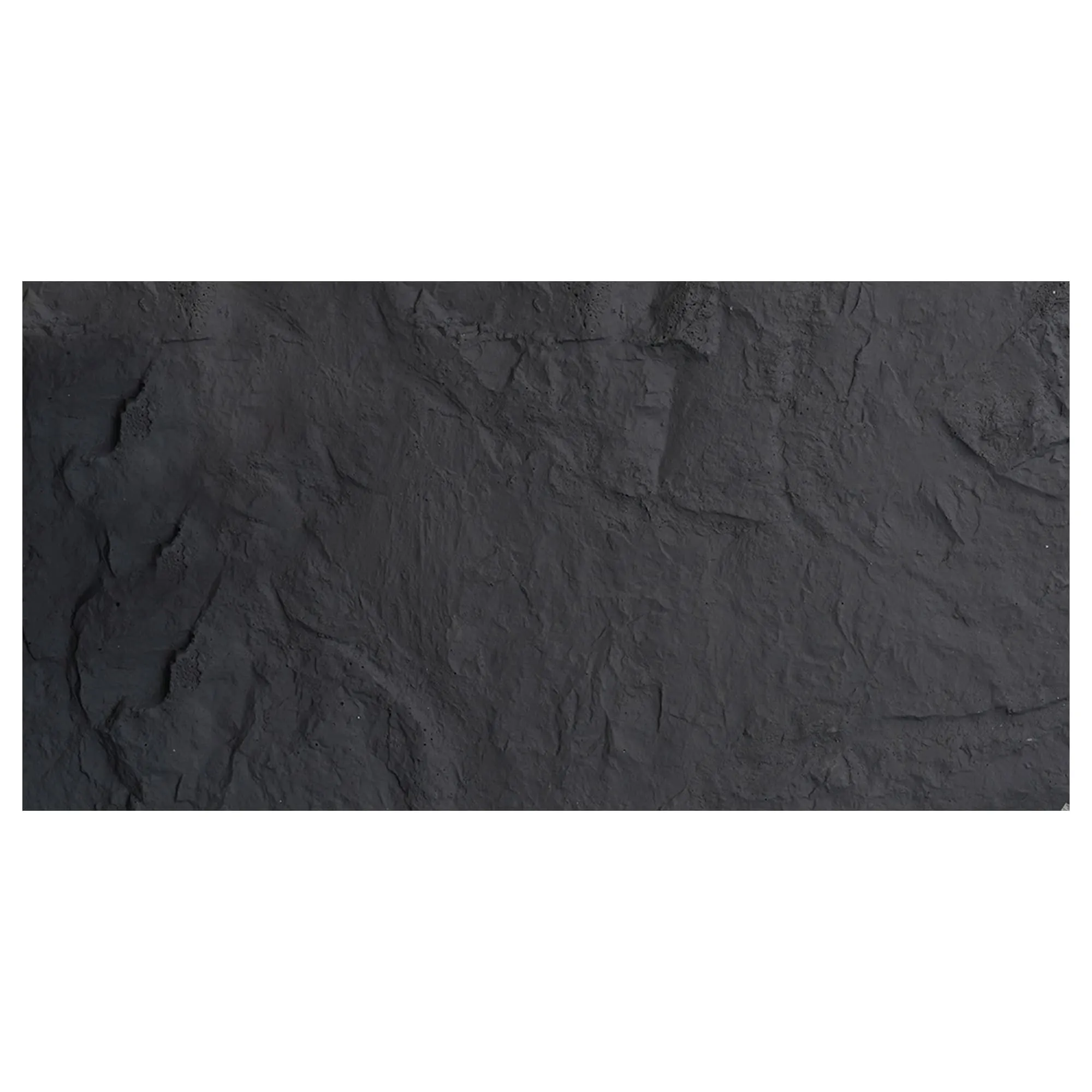
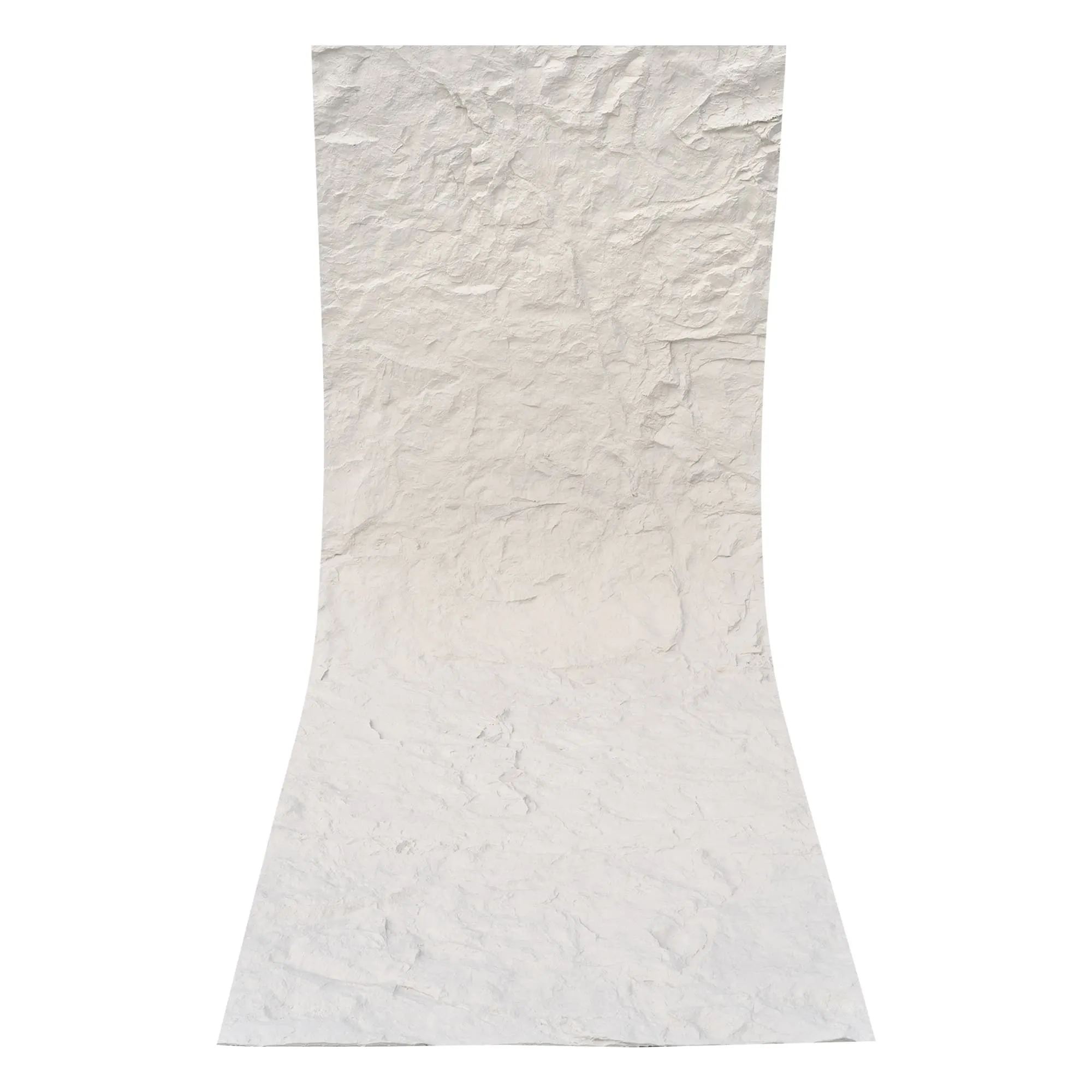
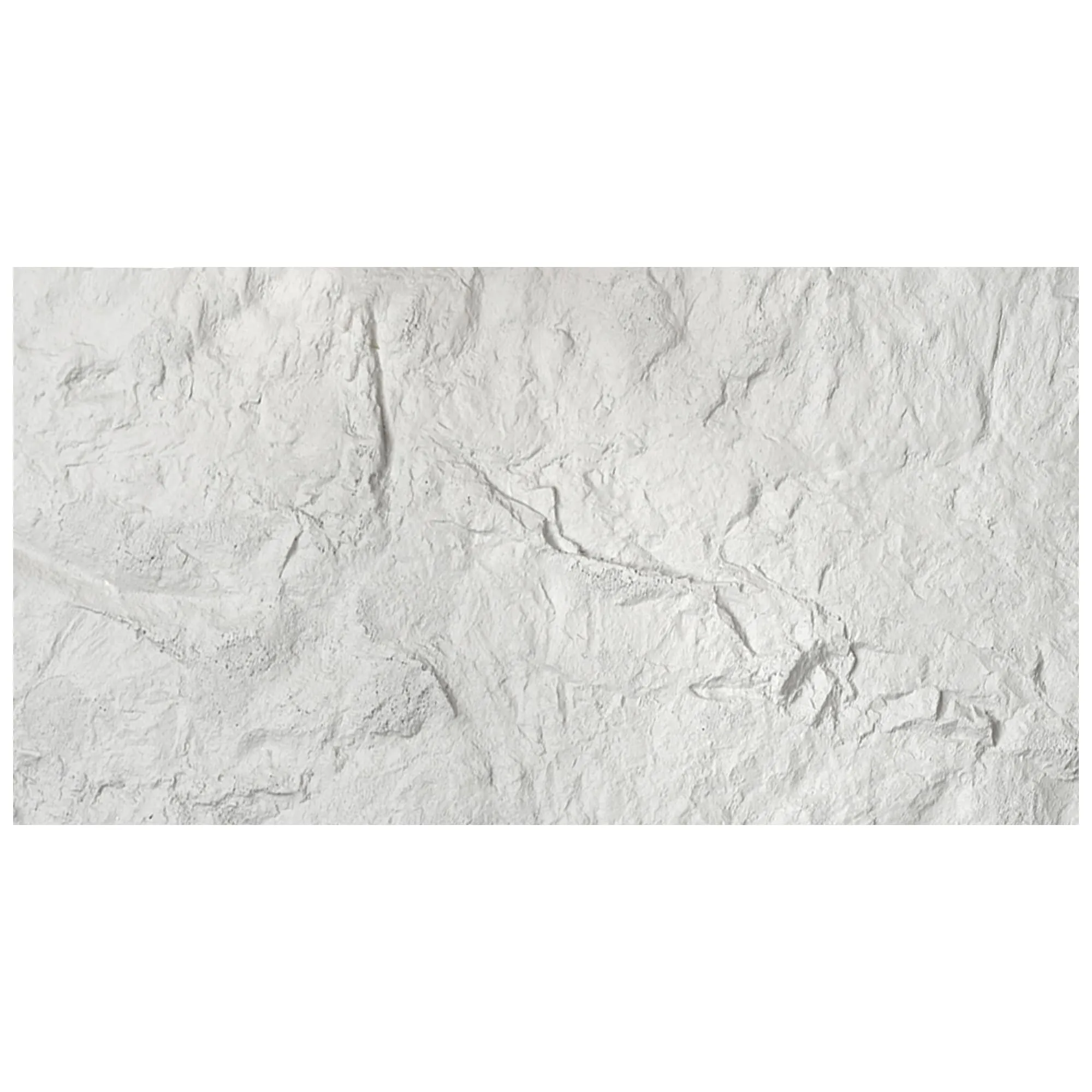
Enter MCM's boulder slab series—a range of composite building materials engineered to flip the script on heavy construction. Part of MCM's broader lineup of innovative products (including the popular MCM flexible stone), boulder slabs are designed to deliver the durability and visual allure of natural stone with a fraction of the weight. Available in three striking vintage finishes—vintage silver, vintage gold, and vintage black—they blend functionality with aesthetic versatility, making them a favorite among architects seeking both performance and style.
But what exactly makes boulder slabs so light? Unlike natural stone, which is quarried and cut from dense geological formations, boulder slabs are crafted using advanced composite technology. A proprietary blend of minerals, polymers, and reinforcing fibers creates a material that's not only lighter but also more resistant to cracking, weathering, and impact. This engineering marvel allows boulder slabs to weigh in at just 8-10 kg per square meter—less than half the weight of traditional granite or marble.
To truly appreciate the weight advantage, let's compare boulder slabs to some common building materials. The table below breaks down the weight per square meter (kg/m²) of boulder slabs (in their vintage finishes) versus traditional options:
| Material Type | Specific Variant | Weight per Square Meter (kg/m²) | Key Use Case |
|---|---|---|---|
| Boulder Slab | Boulder Slab (Vintage Silver) | 8.5 | Exterior cladding, accent walls |
| Boulder Slab (Vintage Gold) | 9.0 | Luxury facades, lobby interiors | |
| Boulder Slab (Vintage Black) | 8.8 | Modern exteriors, commercial spaces | |
| Natural Marble | Standard Polished Marble | 22-28 | High-end interiors, countertops |
| Natural Granite | Commercial-Grade Granite | 25-30 | Exterior cladding, flooring |
| Traditional Concrete | Reinforced Concrete Panel | 20-25 | Structural walls, foundations |
| MCM Flexible Stone | Standard Flexible Stone | 7-9 | Curved surfaces, lightweight cladding |
The difference is clear: boulder slabs weigh roughly 60-70% less than natural marble or granite. Even compared to MCM's own flexible stone (a lightweight alternative), boulder slabs offer a similar weight profile but with enhanced rigidity, making them ideal for larger surface applications like high-rise exteriors.
So, what does a 60% weight reduction actually mean for a high-rise project? Let's break it down into tangible benefits that resonate with everyone from structural engineers to project managers.
Every kilogram saved on cladding or non-structural elements reduces the load on a building's frame. With boulder slabs, engineers can design slimmer columns, lighter beams, and shallower foundations—freeing up valuable square footage. Imagine a 50-story tower where thinner columns add an extra 2-3 square meters per floor; over 50 floors, that's 100-150 extra square meters of usable space, which could translate to additional apartments, offices, or amenities. For developers, that's not just space—it's profit.
Heavy materials don't just cost more to buy—they cost more to build with. Thicker foundations require more concrete and steel reinforcement. Heavier cladding needs stronger anchoring systems and larger cranes for installation. With boulder slabs, these costs plummet. A recent case study of a 35-story residential tower in Singapore found that switching to boulder slab cladding reduced foundation costs by 12% and cut crane rental expenses by 8% (thanks to easier handling of lighter panels). When you factor in faster installation times (more on that next), the savings add up quickly.
Construction schedules are tight, and delays cost money. Boulder slabs, weighing just 8-10 kg per panel, are easier to transport, lift, and install than heavy stone or concrete. A two-person crew can handle boulder slab panels with minimal equipment, whereas traditional stone often requires four people and specialized lifting gear. On a typical high-rise, this can shave weeks off the cladding phase. For example, a 40-story project in Dubai using vintage gold boulder slabs completed exterior cladding 20% faster than the original schedule, allowing the building to open to tenants three months early.
In an era where sustainability is non-negotiable, boulder slabs deliver here, too. Their lightweight design reduces the need for fossil fuels during transportation (fewer truck trips, lower emissions) and minimizes waste during production (composite materials generate less quarrying waste than natural stone). Additionally, because they're so durable, boulder slabs require less maintenance and replacement over time, reducing the building's long-term environmental impact. For developers aiming for LEED or BREEAM certifications, this is a significant advantage.
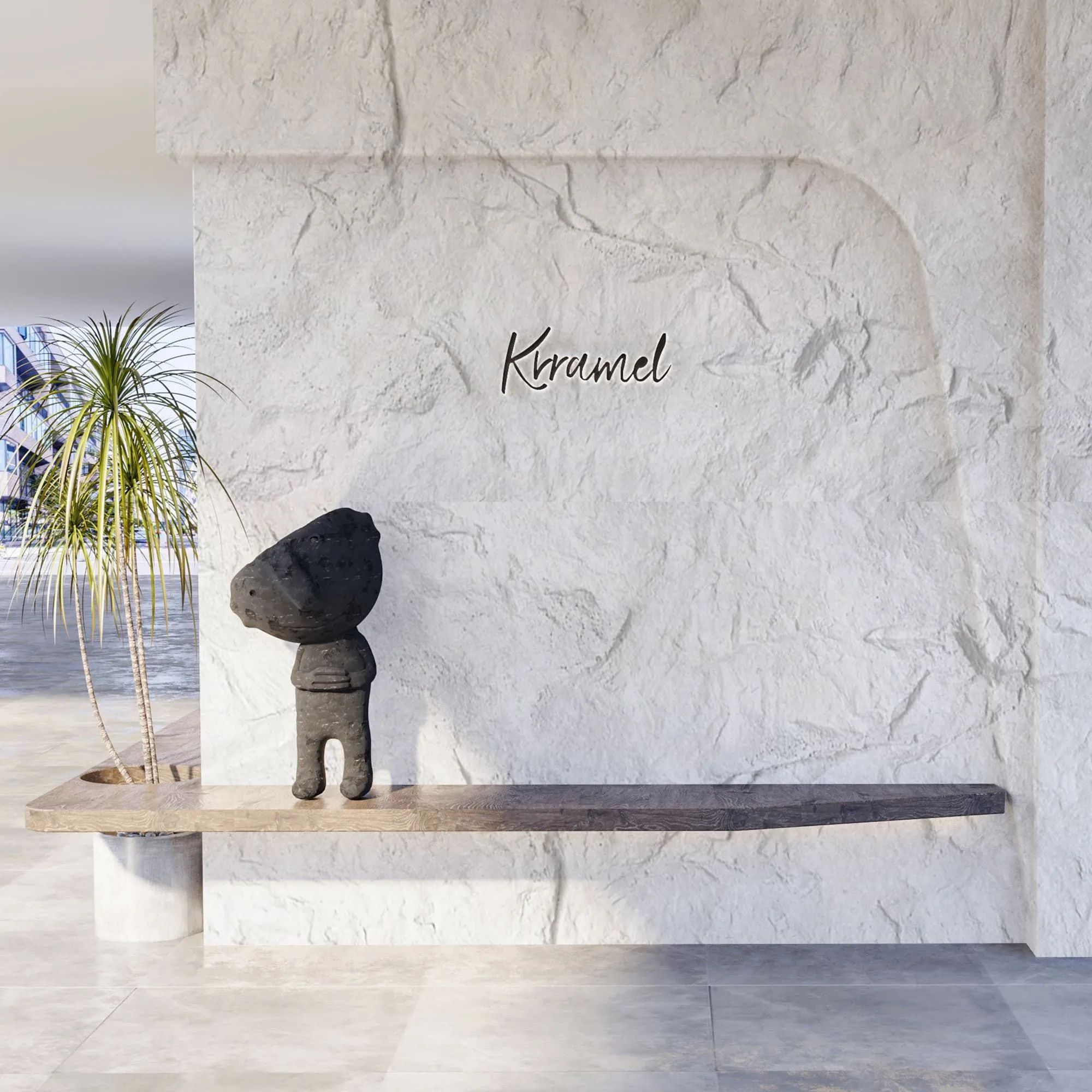
Of course, in high-rise construction, performance alone isn't enough—materials must also inspire. Boulder slabs' vintage finishes—silver, gold, and black—offer a timeless elegance that pairs beautifully with modern architecture. The vintage silver finish, with its subtle metallic sheen, adds a sleek, contemporary edge to glass-and-steel facades. Vintage gold, warm and luxurious, elevates lobbies and accent walls, creating focal points that feel both opulent and approachable. Vintage black, bold and dramatic, makes a statement in commercial towers, adding depth and sophistication to exteriors.
Architects love this versatility. "Boulder slabs let us have it all," says Maria Gonzalez, a senior architect at a leading global firm. "We don't have to choose between a premium look and structural practicality. The vintage finishes mimic the richness of natural stone, but without the weight penalty. It's a game-changer for projects where design and performance need to coexist."
To see boulder slabs' impact firsthand, look no further than the Skyline Tower, a 62-story mixed-use development in downtown Chicago. Completed in 2024, the tower's exterior features over 12,000 square meters of boulder slab (vintage silver) cladding. According to the project's structural engineer, Raj Patel, the decision to use boulder slabs reduced the building's total cladding weight by over 1,200 tons compared to traditional granite. "That's the equivalent of removing 80 full-grown elephants from the structure," Patel notes. "It allowed us to optimize the foundation design, saving $2.4 million in concrete and steel costs alone."
Another example is the Azure Residences, a 45-story luxury apartment building in Miami. Here, developers chose boulder slab (vintage gold) for the lobby walls and exterior accent panels. "We wanted a high-end look that wouldn't weigh down the building," says project manager Lisa Chen. "The vintage gold finish gives the lobby a warm, inviting feel, and because the slabs are so light, we could install them without reinforcing the floor slabs. It was a win-win for aesthetics and budget."
As cities continue to grow upward, the demand for materials that balance performance, aesthetics, and sustainability will only increase. Boulder slabs, with their unbeatable weight advantage, vintage charm, and technical superiority, are poised to lead this charge. They prove that in construction, lighter doesn't mean weaker—it means smarter. Smarter design, smarter costs, and smarter buildings that stand tall without standing heavy.
For architects, developers, and builders, the message is clear: when it comes to high-rise construction, every kilogram matters. And with boulder slabs—whether in vintage silver, gold, or black—you're not just choosing a material; you're choosing a future where buildings reach new heights without being held back by their own weight.
In the end, the story of boulder slabs is about more than just weight. It's about reimagining what's possible in construction—about creating buildings that are as kind to the planet as they are to the eye, as efficient to build as they are durable to live in. In a world where high-rises are becoming the norm, materials like boulder slabs aren't just innovations—they're necessities. They remind us that the best solutions often come from asking: What if we could have it all? With boulder slabs, the answer is clear: we can.
Recommend Products












