
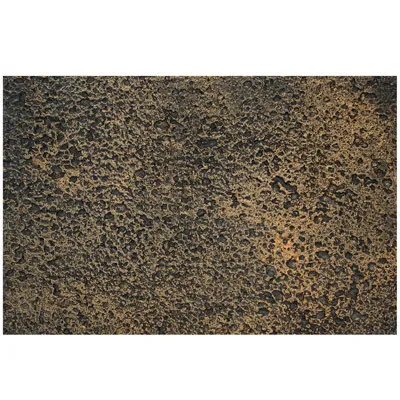
Hey there! Have you ever wondered about the materials that make up our buildings and how they impact our planet? It's a big question, especially as we push for more sustainable living and construction practices. Today, we're diving deep into a really interesting material: the Foamed Aluminium Alloy Board, specifically in a gorgeous Vintage Gold finish. Beyond its aesthetic appeal, a critical question arises: Can it be recycled? And what's its overall environmental footprint? Let's unpack this together.
In the world of modern architecture and interior design, material selection is no longer just about aesthetics or structural integrity. It's increasingly about sustainability, longevity, and a material's end-of-life journey. As a leading provider of comprehensive architectural material solutions, our company is always at the forefront, exploring and advocating for materials that not only perform exceptionally but also align with our collective responsibility towards the environment. This is precisely why understanding the recyclability and environmental impact of innovative products like the Foamed Aluminium Alloy Board is so crucial.
Before we talk about recycling, let's get a handle on what Foamed Aluminium Alloy Board actually is. Imagine aluminium, a material we all know and love for its lightweight yet strong properties, but with a twist. This isn't your average solid aluminium sheet. It's a cutting-edge material created by introducing a foaming agent into molten aluminium, resulting in a unique cellular structure, much like a sponge or foam. This process gives it incredible properties that solid aluminium doesn't possess.
Our company often integrates materials like this into our offerings, alongside our flagship MCM (Modified Cementitious Material) products, to provide truly comprehensive solutions. We understand that diverse projects require diverse materials, each chosen for its optimal performance and aesthetic contribution.
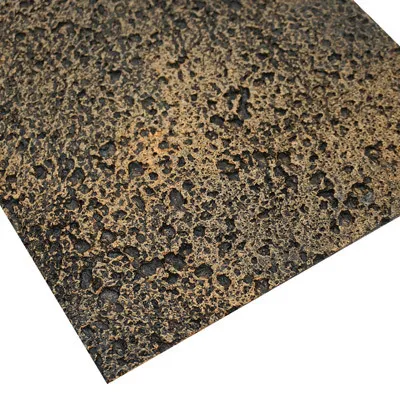
Alright, let's get straight to the point that's on everyone's mind. The good news is, yes, Foamed Aluminium Alloy Board, including the Vintage Gold variant, is absolutely recyclable! This is a massive win for environmental sustainability. Aluminium, in general, is considered one of the most recyclable materials on the planet, and its foamed counterpart largely retains this incredible property.
While the foamed structure might seem tricky, the core material is still aluminium alloy. The recycling process typically involves:
This circular economy approach is something our company strongly advocates for, not just with Foamed Aluminium Alloy Boards but also with other materials like our advanced MCM Project Board Series , which also prioritizes environmental responsibility in its lifecycle.
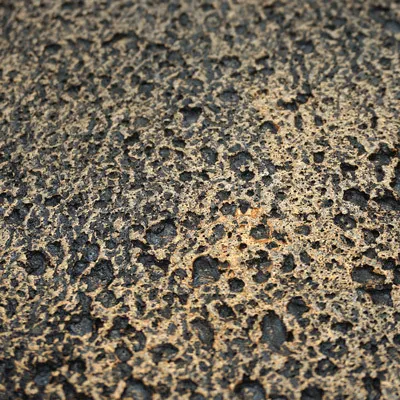
Recyclability is a huge piece of the puzzle, but it's not the only factor when we talk about a material's environmental impact. Let's look at the broader picture for Foamed Aluminium Alloy Board.
A comprehensive lifecycle assessment (LCA) considers a product from "cradle to grave" – or ideally, "cradle to cradle" in a circular economy.
| Lifecycle Stage | Environmental Impact Considerations for Foamed Aluminium |
|---|---|
| Raw Material Extraction |
|
| Manufacturing |
|
| Transportation |
|
| Installation & Use |
|
| End-of-Life |
|
So, when we sum it all up, the Foamed Aluminium Alloy Board brings several compelling environmental benefits to the table:

To truly appreciate the environmental profile of Foamed Aluminium Alloy Board, it's helpful to see how it stacks up against some common alternatives used for similar applications (e.g., cladding, decorative panels).
| Feature | Foamed Aluminium Alloy Board | Solid Aluminium Panels | Fiber Cement Board | Timber/Wood Panels |
|---|---|---|---|---|
| Weight | Very Lightweight | Lightweight | Heavy | Variable (Moderate to Heavy) |
| Recyclability | Excellent (100% infinitely recyclable) | Excellent (100% infinitely recyclable) | Limited (often downcycled or landfilled) | Recyclable/Compostable (if untreated), but often treated or mixed with adhesives |
| Energy Efficiency (Insulation) | Good (due to cellular structure) | Poor (high thermal conductivity) | Moderate | Good (natural insulator) |
| Durability/Lifespan | Very High (corrosion-resistant) | Very High (corrosion-resistant) | High (resistant to rot, pests) | Variable (prone to rot, pests without treatment) |
| Fire Resistance | Excellent (non-combustible) | Excellent (non-combustible) | Good (non-combustible) | Poor (combustible, requires treatment) |
| Maintenance | Low | Low | Low to Moderate | Moderate to High (requires sealing/finishing) |
| Embodied Energy (Initial) | Moderate (if primary aluminium, lower if recycled) | High (if primary aluminium, lower if recycled) | Moderate | Low (if sustainably sourced and minimally processed) |
As you can see, Foamed Aluminium Alloy Board holds its own and often excels in key environmental metrics, particularly in recyclability and its contribution to building energy efficiency. This makes it a smart choice for projects that aim for green building certifications and long-term sustainability.
This is a fantastic and important question. When we talk about specialized finishes like Vintage Gold, sometimes there's concern that they might hinder the recycling process. For most modern, high-quality finishes on aluminium products, the impact on recyclability is minimal.
The Vintage Gold finish is typically applied through processes like anodizing, powder coating, or specialized painting. When the Foamed Aluminium Alloy Board reaches the recycling plant, the high temperatures in the melting furnace are usually sufficient to burn off or separate these organic coatings. The underlying aluminium alloy is then recovered as pure molten metal. Of course, heavily contaminated or composite materials might require more sophisticated pre-treatment, but for a standard decorative finish like Vintage Gold on an aluminium foam board, it's generally not an issue for established aluminium recycling facilities.
This means you can choose that stunning Vintage Gold aesthetic for your project without having to compromise on your sustainability goals, which is exactly the kind of balance our company strives to offer across our product lines, from MCM Big Slab Board Series to bespoke solutions.
At our core, we are a one-stop solution provider for architectural materials, and a significant part of that solution includes a deep commitment to sustainability. We don't just supply materials; we aim to provide materials that contribute positively to both the project and the planet.
Our approach extends beyond just selecting recyclable materials. It's about a holistic commitment:
We meticulously curate our product offerings, prioritizing materials that are not only high-performing and aesthetically pleasing but also environmentally responsible. This includes our innovative MCM products, which are known for their green characteristics, and other advanced materials like Foamed Aluminium Alloy Board.
We work closely with manufacturers who share our vision for sustainability. This often means partnering with those who:
With a global market presence and local agencies, such as in Saudi Arabia, we are uniquely positioned to influence sustainable practices on a broad scale. We ensure that our clients across different regions have access to the best eco-friendly materials and the knowledge to use them effectively. Our decades of industry experience have taught us that sustainability is not a trend, but a fundamental pillar of responsible business.
Think about it: choosing a material like Foamed Aluminium Alloy Board for its aesthetic value (like that gorgeous Vintage Gold) and its performance is already a win. But knowing it can be fully recycled, contributing to a circular economy and significantly reducing energy consumption and waste, elevates that choice to a whole new level of responsibility and innovation. That's the kind of forward-thinking we champion.
So, if you're planning a project and considering materials like Foamed Aluminium Alloy Board, here are some practical tips to ensure you maximize its environmental benefits:
The trajectory for building materials is clearly heading towards greater sustainability, circularity, and performance. Materials like Foamed Aluminium Alloy Board (Vintage Gold) represent a significant step in this direction. They combine cutting-edge engineering with environmental consciousness, offering architects, designers, and builders a powerful tool to create structures that are not only beautiful and functional but also kind to the planet.
As technology advances, we can expect even more innovative materials that push the boundaries of sustainability. Our company is dedicated to staying ahead of these developments, continuously researching and integrating the best and most responsible materials into our offerings. We believe that by providing customized and green environmental protection features , we can empower our clients to build a more sustainable future. This commitment to innovation is what drives our decades of experience and ensures that we remain a reliable partner for projects worldwide, no matter how ambitious or intricate.
The shift towards materials with excellent recyclability, reduced embodied energy, and improved in-use performance is not just a trend; it's an imperative. It's about building smarter, living better, and ensuring that the structures we create today continue to serve future generations without compromising the health of our planet. And with materials like the Foamed Aluminium Alloy Board in a stunning Vintage Gold, we can achieve both elegance and ecological responsibility.
To answer our initial question: Yes, Foamed Aluminium Alloy Board, even with its beautiful Vintage Gold finish, is highly recyclable! This makes it an incredibly attractive option for anyone looking to combine sophisticated aesthetics with strong environmental credentials in their building projects. Its lightweight nature, insulating properties, and infinite recyclability make it a standout choice in the sustainable materials landscape. When you choose such materials, you're not just building a structure; you're building a more sustainable future, piece by piece. And that's something we can all feel good about.
Recommend Products












