

Yes — masonry stone has been used for boundary walls for centuries, and it remains one of the most dependable choices a property owner can make. From the dry-stone dykes of the Scottish countryside to the ashlar boundary walls that line 19th-century English streets, stone has repeatedly proven its worth as a material that defines a property line while standing up to weather, time and wear. The real question today is not whether masonry stone can be used for boundary walls — it clearly can — but which way of building with it best fits your project's budget, timeline and site conditions.
A boundary wall does more than mark where one plot ends and another begins. A well-built stone wall quietly handles several jobs at once:
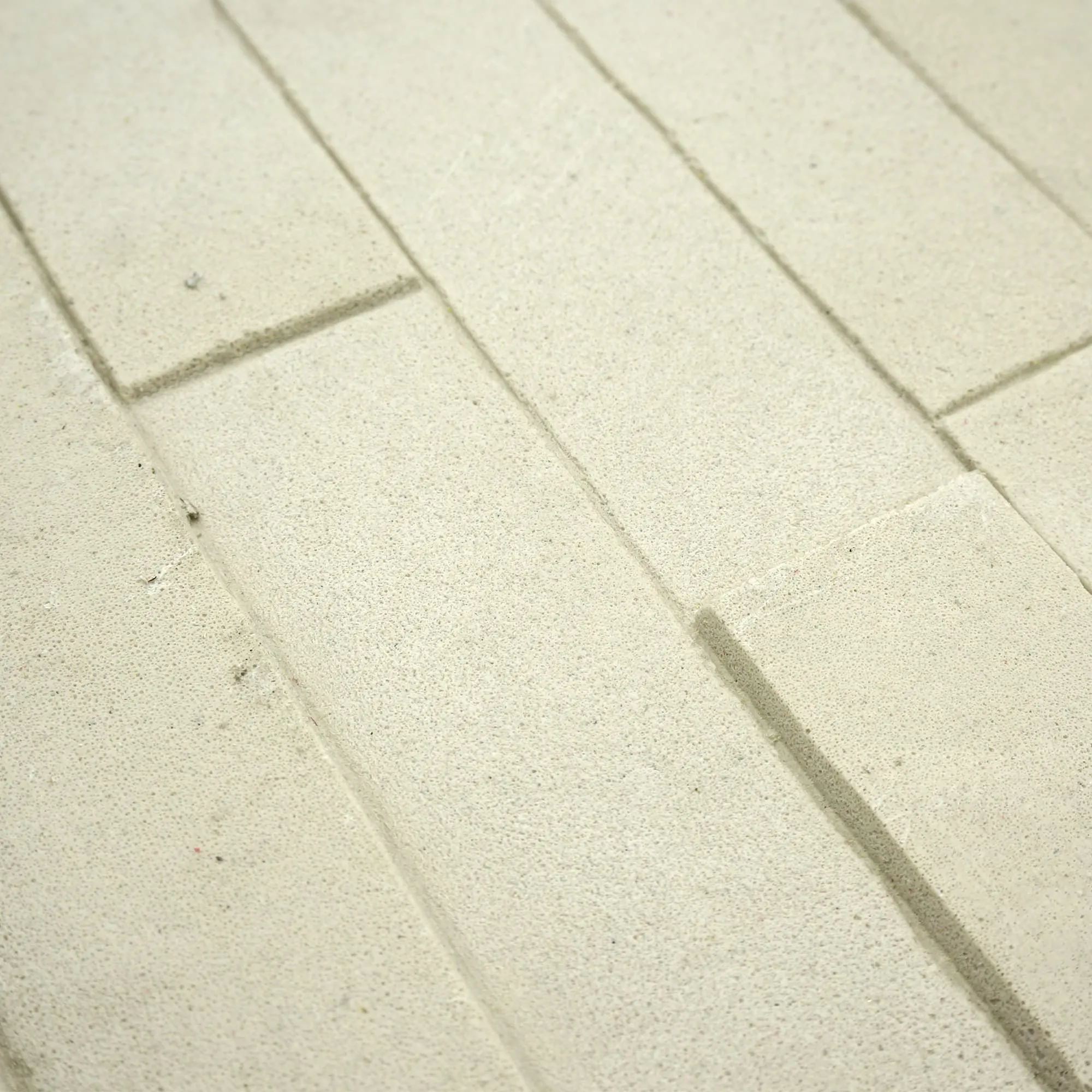
Traditional stone boundary walls are straightforward in principle but demanding in practice. The wall sits on a compacted foundation, usually a trench filled with gravel or crushed stone and topped with a concrete base, so that the weight of the wall is spread evenly and frost heave does not shift it. Stones are then laid in courses and bound with mortar, with longer "through stones" placed at intervals to tie the front and back faces together. A coping course along the top sheds rainwater and protects the wall from moisture damage.
Done well, this method produces a boundary wall of real strength and character. Done badly — poor foundations, weak mortar, badly bonded stones — it produces cracks, bulges and costly repairs. The catch is that traditional masonry is heavy, slow and labour-intensive. Natural stone is expensive to quarry, transport and cut, skilled masons are not always available, and a tall wall demands a deep, well-engineered foundation. For many residential and commercial projects, that combination of cost and lead time is hard to justify.
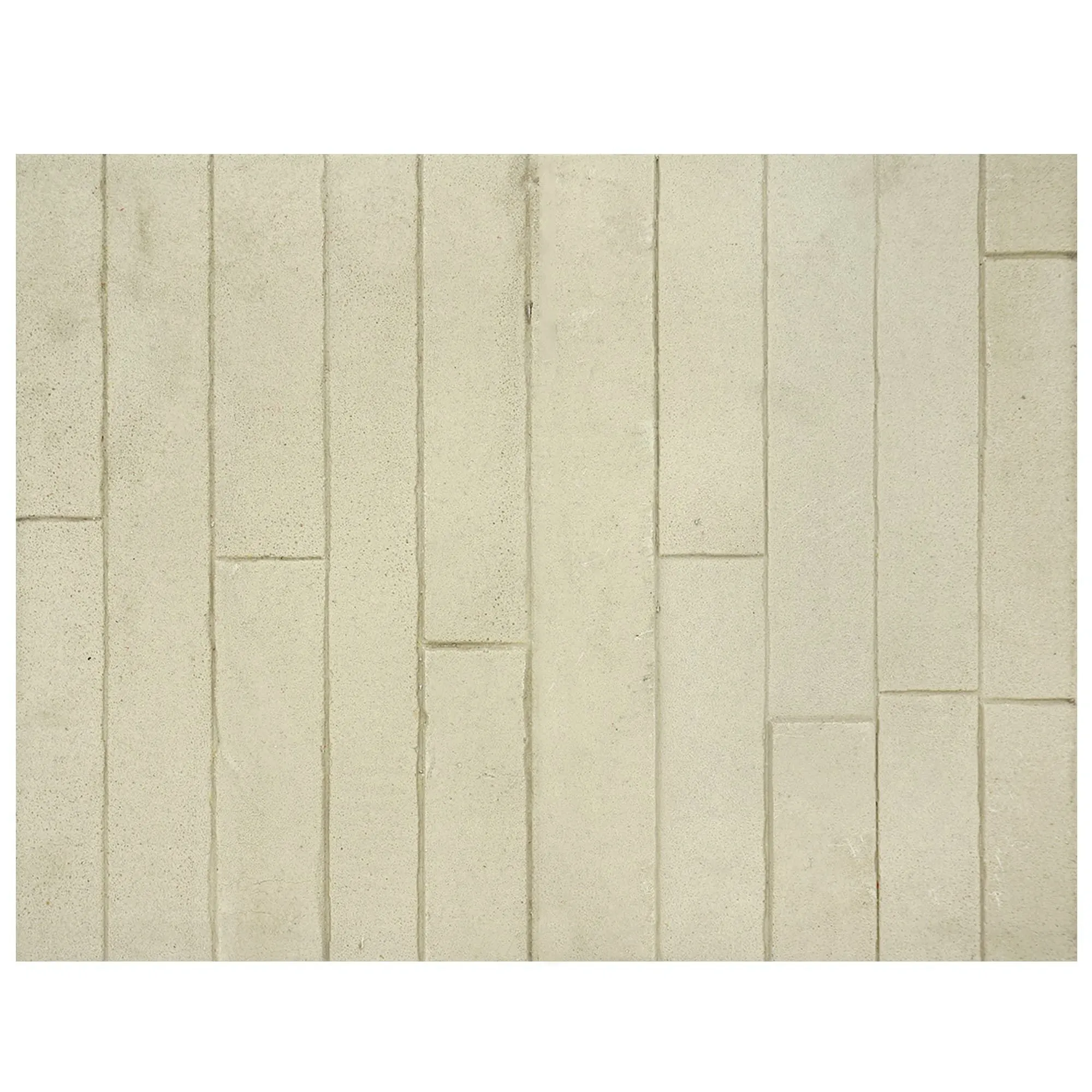
This is where modern building materials have changed the picture. MCM flexible stone — a modified clay material that reproduces the look and texture of natural stone — gives you the appearance of a masonry stone boundary wall without the weight, cost and construction time. The panels are thin, lightweight and slightly flexible, so they can be fixed directly onto an existing boundary wall, a concrete block wall, or a framed structure, and they follow gentle curves and corners that rigid stone cannot.
For a boundary wall, this matters in several practical ways:
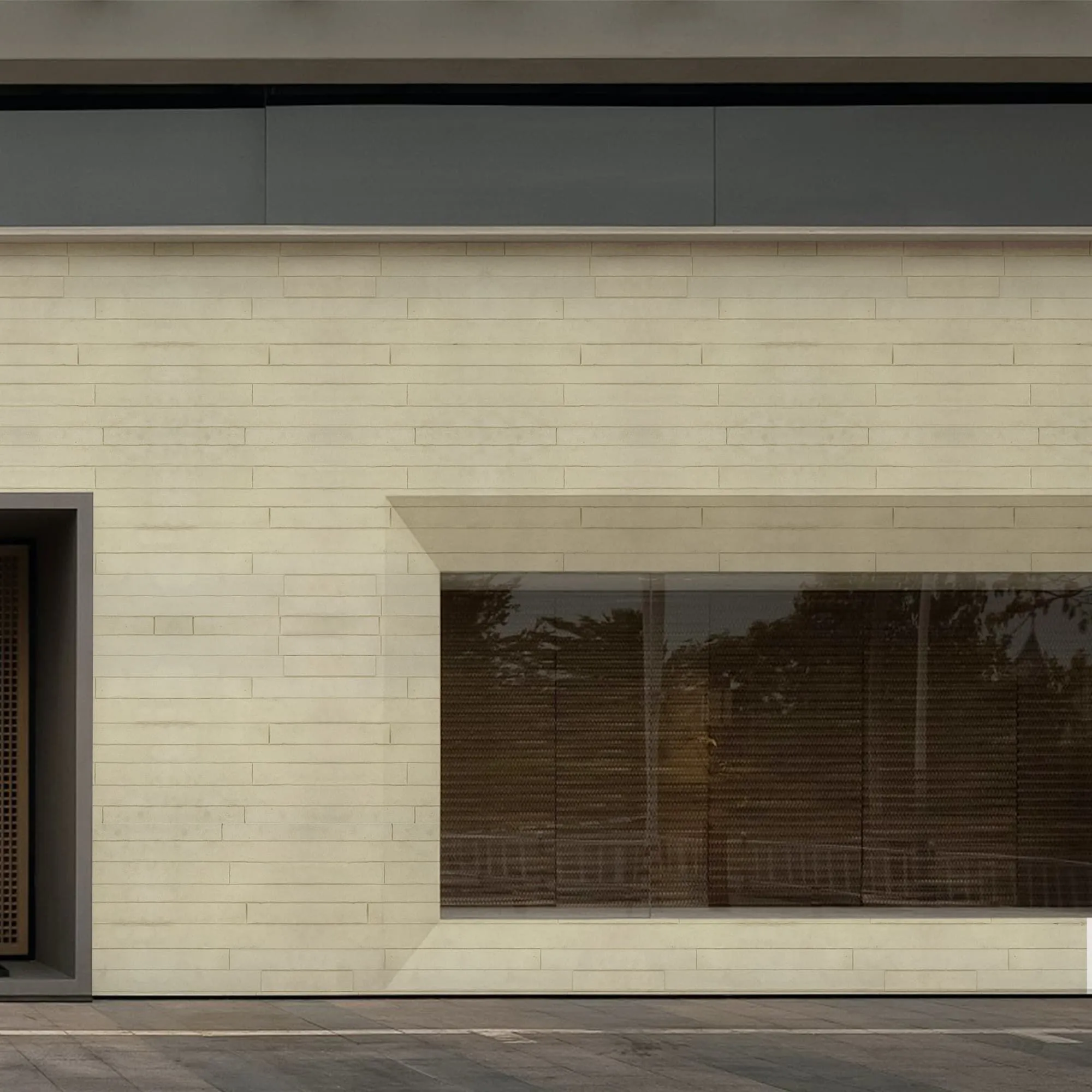
Applying flexible stone to a boundary wall follows a simple sequence. First, make sure the substrate is sound, clean and dry — a concrete block wall or rendered masonry wall is ideal. Apply a suitable adhesive or mortar to the back of the panel, press it into place, and work from the bottom course upward so each row supports the one above. Cut panels with a sharp knife or scissors to fit around gates, corners and openings, and stagger the joints between courses for a natural stone layout. Finally, seal the top edge with a coping or trim so water cannot get behind the panels, and the wall is finished.
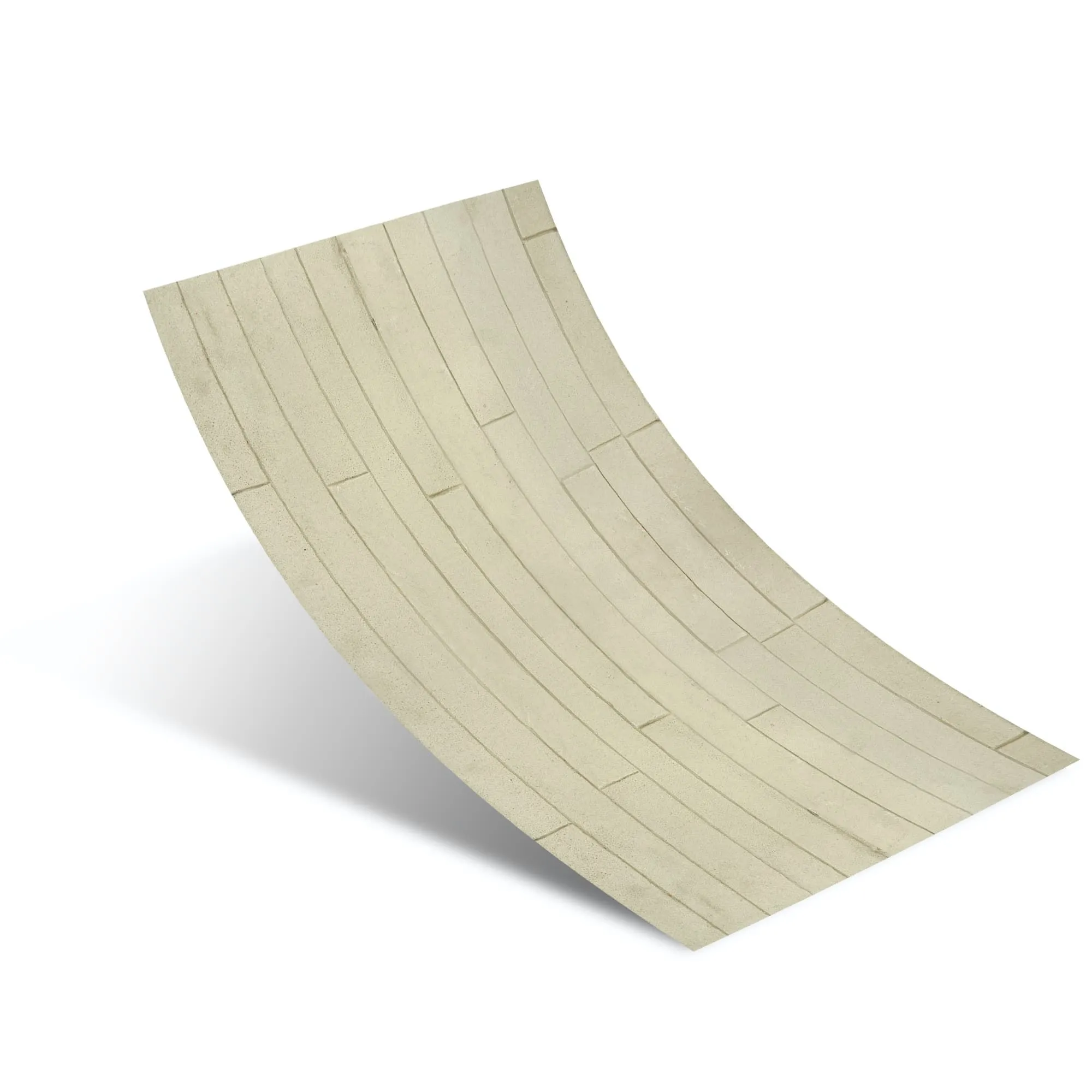
Both approaches produce a genuine stone-look boundary wall, but they suit different situations. Traditional masonry stone is the right call when you want a massive, load-bearing structure — for example a tall wall that also retains earth — and when budget and schedule allow for skilled stonework. Flexible stone cladding is the smarter choice when you are building or upgrading a standard boundary wall and want the natural stone appearance at a fraction of the weight, cost and installation time, or when you are renovating an existing wall and want to give it a fresh stone finish without rebuilding it.
So, can masonry stone be used for boundary walls? Absolutely — and it has been for centuries. The choice is no longer between stone and no stone, but between traditional heavy masonry and modern lightweight flexible stone systems that deliver the same natural look with less weight, less cost and faster installation. Whichever route you take, a well-planned stone boundary wall will define your property beautifully and stand the test of time.
Recommend Products











