
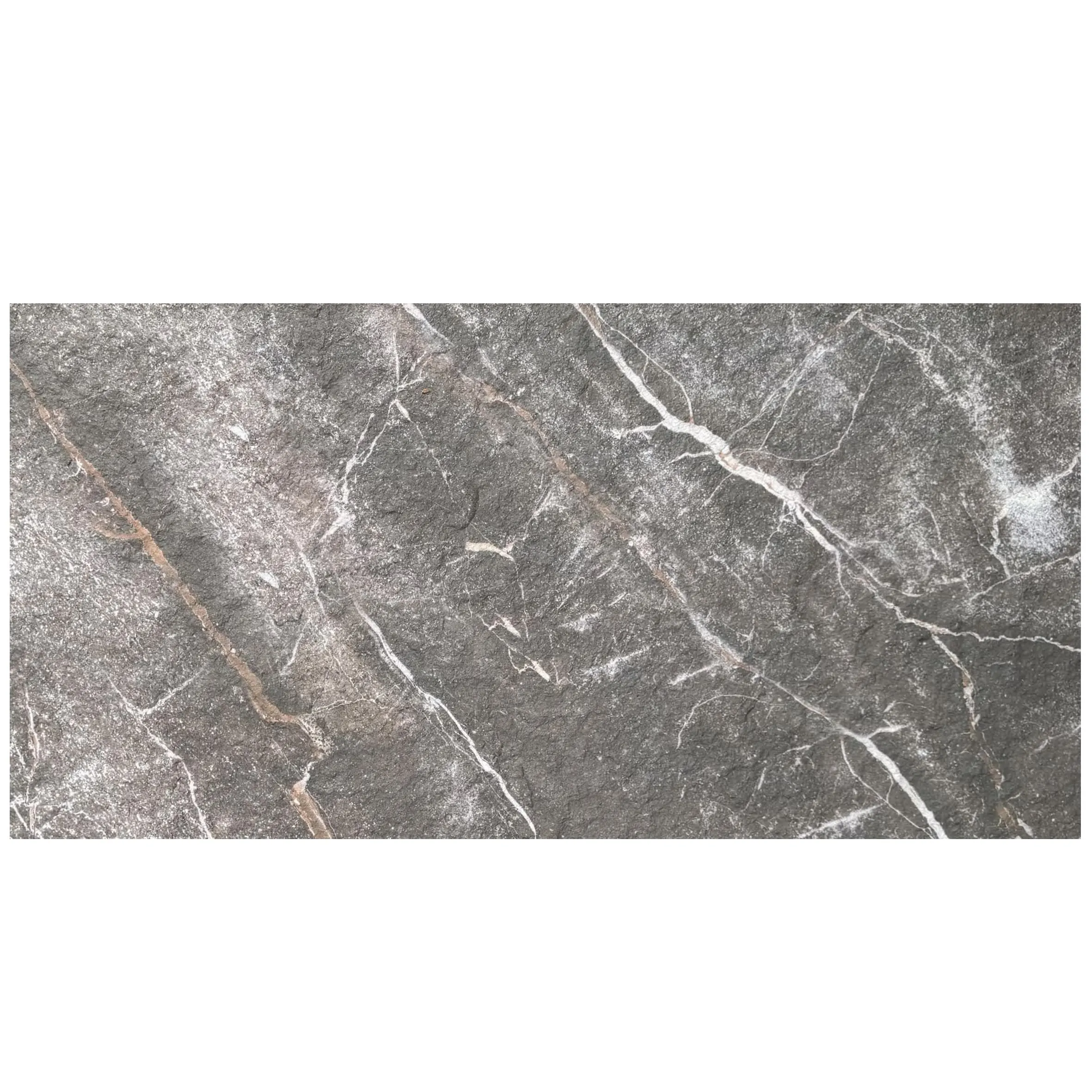
Walk into a space where the walls feel less like construction and more like a conversation with the earth. That's the magic of natural stone—its warmth isn't just visual; it's tactile, emotional, a quiet reminder of the planet's raw beauty. For decades, designers and architects have chased that feeling, turning to stones like Granite Portoro for its deep, velvety blacks swirled with threads of gold, a pattern so rich it feels almost alive. But natural stone comes with trade-offs: weight, cost, and the environmental toll of quarrying. Enter MCM materials—Modified Composite Materials—that promise to bridge the gap. Today, we're diving into whether these innovative composites can truly capture the natural warmth of stones like Granite Portoro, and why that matters for the future of design.
Granite Portoro isn't just a building material; it's a statement. Originating from quarries in Italy, this stone is celebrated for its dramatic contrast: inky black backgrounds streaked with bold, golden veins that seem to flow like liquid sunlight. Run your hand over a slab, and you'll feel the slight roughness of its surface, the coolness that softens as it absorbs the room's warmth. It's why luxury hotels, high-end residences, and iconic public spaces have long favored it—Granite Portoro doesn't just fill a space; it elevates it, adding a layer of timeless elegance that synthetic materials have historically struggled to match.
But here's the catch: a single slab of natural Granite Portoro can weigh over 200 kilograms, making installation a logistical nightmare. Its porosity means it needs regular sealing to avoid stains, and its rarity drives up costs, putting it out of reach for many projects. "Clients would fall in love with Portoro's look, but we'd have to talk them down from using it everywhere," says Elena Rodriguez, a New York-based interior designer with over 15 years of experience. "The weight alone can limit where it's used—you can't put it on a second-story wall without reinforcing the structure, and the maintenance? It's not for the faint of heart."
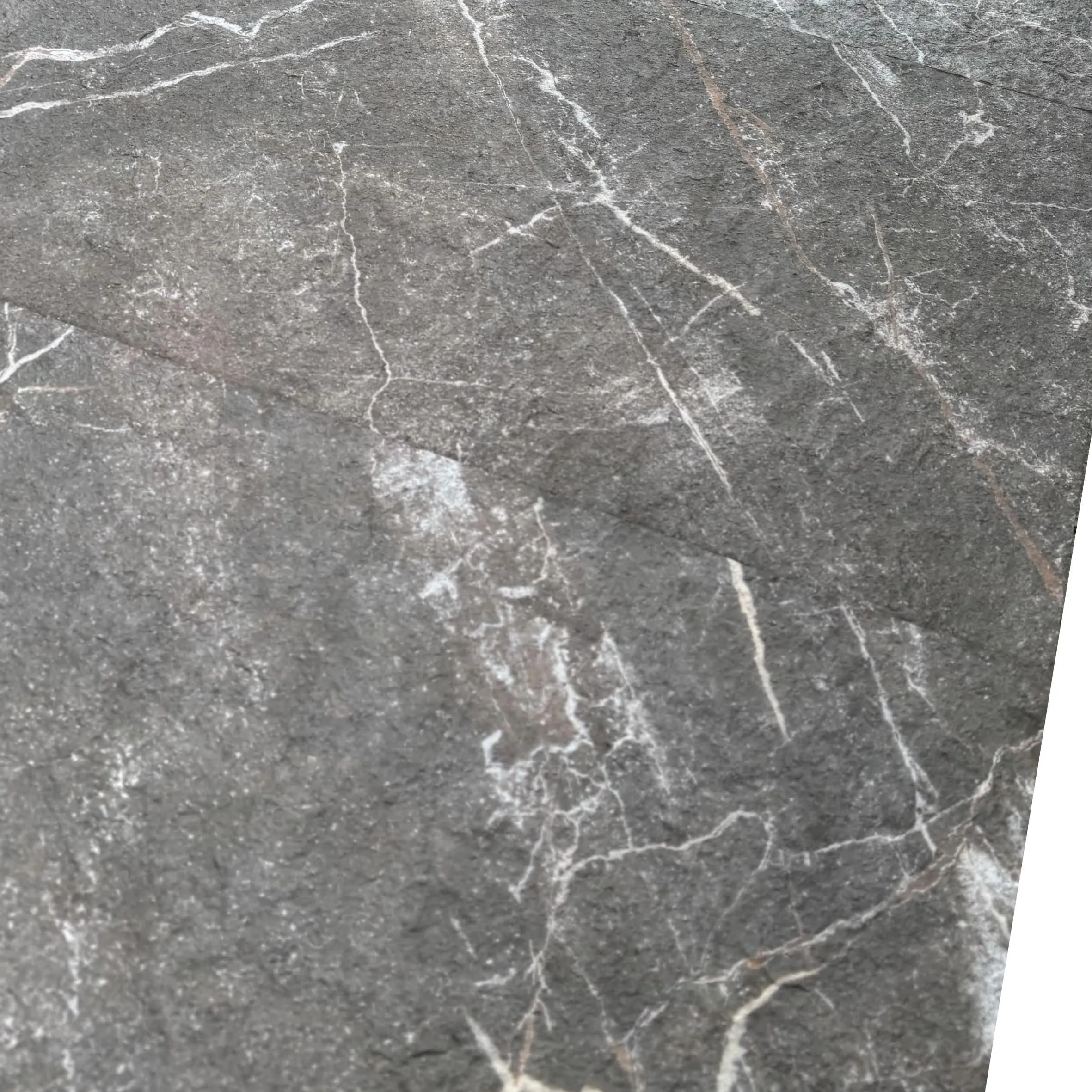
Enter MCM—Modified Composite Materials—a category of engineered products designed to mimic the look and feel of natural stone, wood, and concrete, but with a twist: they're flexible, lightweight, and built for modern demands. At their core, MCMs blend natural minerals (like stone powder) with polymers, creating a material that's thin (often just 3-5mm thick), bendable, and surprisingly durable. Think of it as nature's beauty, reimagined for the 21st century.
Two lines stand out in the MCM world for their focus on natural stone replication: MCM flexible stone and MCM big slab board series . The former is a game-changer for curved surfaces, accent walls, or tight spaces where rigid stone can't go. The latter, as the name suggests, offers large-format panels (up to 1200x2400mm) that minimize seams, creating a seamless look that rivals full slabs of natural stone. "MCM big slab board series was a revelation for us," says Marcus Chen, a construction manager who specializes in commercial projects. "Suddenly, we could get that 'monolithic' stone look without the crane rental or structural overhauls. It cut installation time by 40% on our last hotel project."
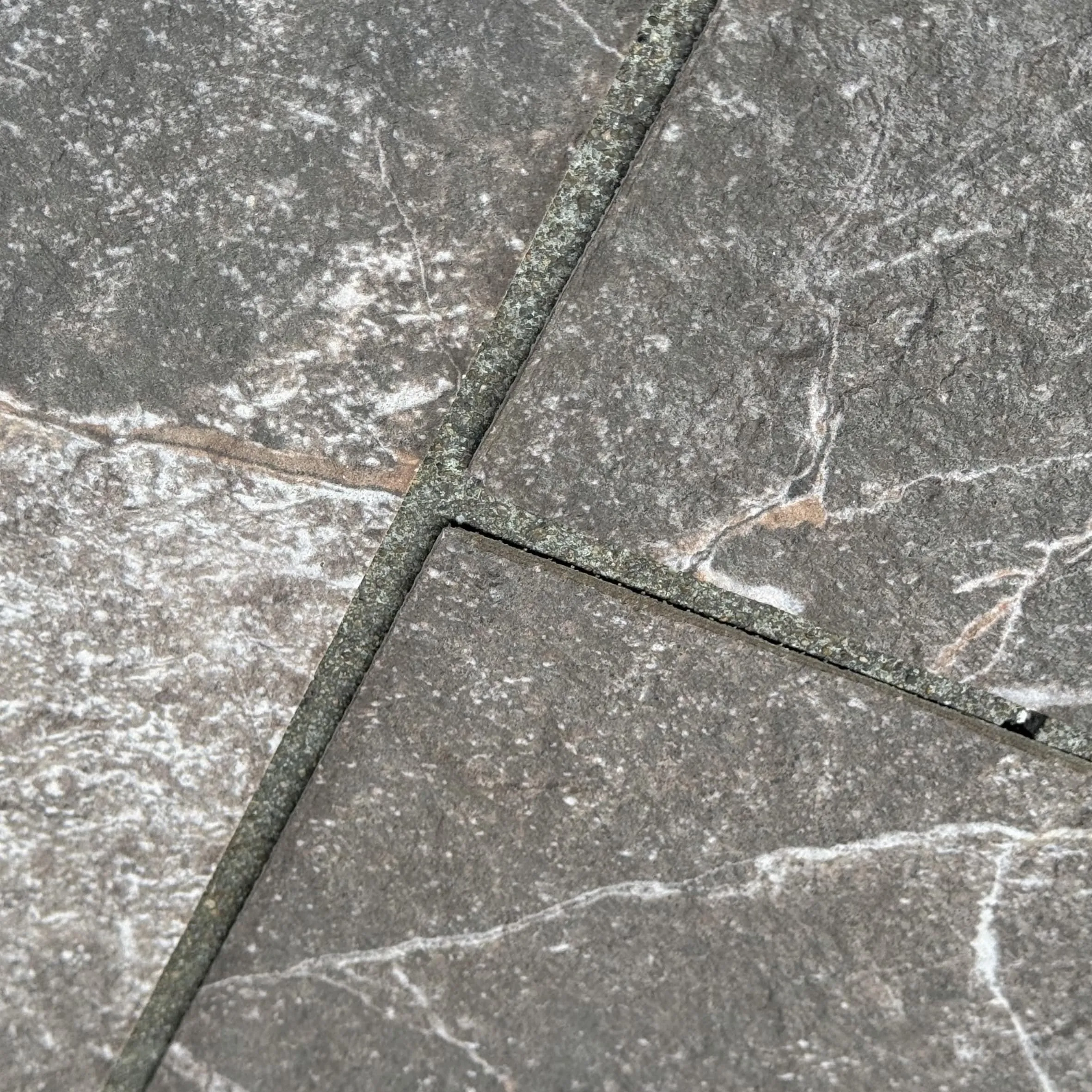
Warmth, in design terms, is a mix of texture, color depth, and that intangible "lived-in" quality. So how does MCM, a man-made material, replicate that? Let's break it down.
Natural stone's texture is its fingerprint—no two slabs are exactly alike. Granite Portoro, for example, has a slightly pitted surface, with tiny indentations that catch light and shadow, creating depth. MCM manufacturers have gotten clever here: using 3D scanning technology, they map the surface of real Granite Portoro slabs, then replicate those micro-textures onto their composite panels. Run your hand over an MCM flexible stone panel designed to mimic Portoro, and you'll feel the same subtle ridges and valleys. "We're not just printing a pattern," explains Dr. Lisa Wong, a materials scientist who consults for MCM producers. "We're recreating the topography of the stone. The goal is to make your fingertips believe they're touching the real thing."
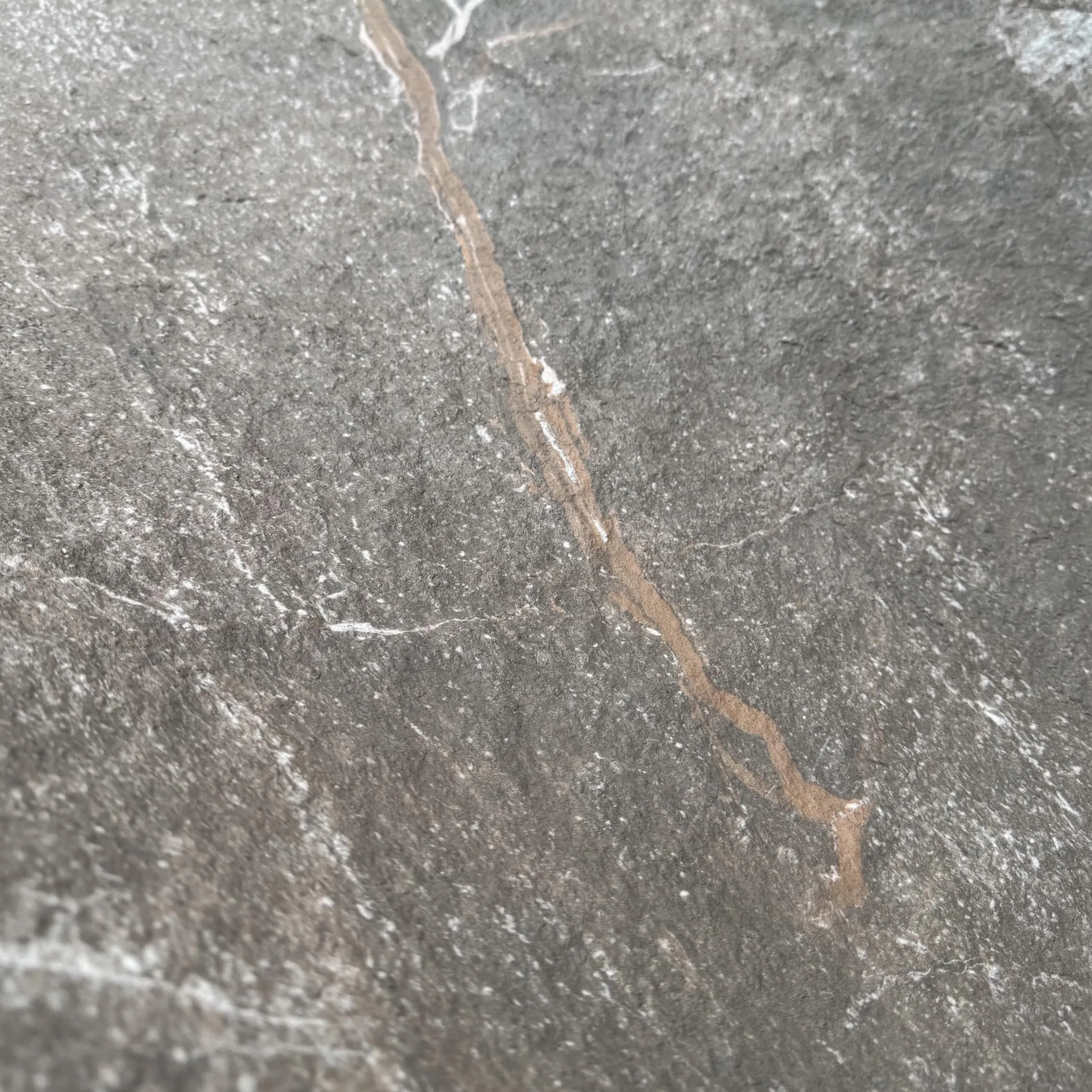
Granite Portoro's allure lies in its color contrast—deep blacks that aren't flat, but rich with undertones, and gold veins that shift from brassy to amber depending on the light. MCMs use advanced pigmentation techniques to mimic this depth. Instead of layering a single color, they blend multiple pigments, adding flecks of graphite or hints of charcoal to the black base, and mixing warm and cool golds for the veins. The result? A panel that doesn't just "look" like Portoro—it reacts like Portoro, changing subtly with the time of day. "I had a client once who swore the MCM panels in their lobby were real stone," laughs Rodriguez. "They kept asking when we'd sealed them. When I told them it was MCM, they couldn't believe it—the color didn't fade under the afternoon sun, and the gold veins still popped at night."
Natural stone often has a finish that walks the line between polished and matte—enough sheen to catch light, but not so much that it feels artificial. MCM big slab board series leans into this balance, offering finishes from "honed" (softly matte) to "semi-polished" (subtle glow), mirroring how natural Portoro is typically treated. "The finish is where MCM really shines," notes Chen. "With natural stone, you're limited by the slab's natural grain—if a section is too porous, you can't polish it as much. MCM lets us dial in the exact finish we want, ensuring consistency across a project. No more 'oops, this slab is shinier than the last one' surprises."
To get the full picture, we talked to three experts across design, construction, and materials science to weigh in on MCM's ability to replicate natural warmth.
"Warmth in design is about connection—to the material, to the space, to history. MCM doesn't just copy the look of stone; it borrows its narrative. When I use MCM flexible stone in a residential project, clients don't just see a wall—they see something that feels grounded, like it has a story. And honestly? For most people, that's more important than whether it's 'real' stone. The fact that it's lighter, cheaper, and easier to work with is just the cherry on top." — Elena Rodriguez, Interior Designer
"From an engineering standpoint, MCM is a no-brainer. We recently used the MCM big slab board series on a museum facade that was supposed to mimic Granite Portoro. The panels weighed 15kg each, compared to 220kg for natural stone. That meant we could install them with a small crew and no special equipment. And durability? We tested samples under UV light for 1,000 hours—no fading. Under pressure washing? No water damage. Natural stone can't compete with that." — Marcus Chen, Construction Manager
"The key difference is intent. Natural stone's warmth is accidental—it's the result of millions of years of geological activity. MCM's warmth is intentional. We study what makes stone feel 'alive'—the way light interacts with its surface, the variation in color, the texture—and we amplify it. Is it exactly the same? No. But it's a curated version of that warmth, tailored to how people actually experience spaces. And in many cases, that makes it more effective." — Dr. Lisa Wong, Materials Scientist
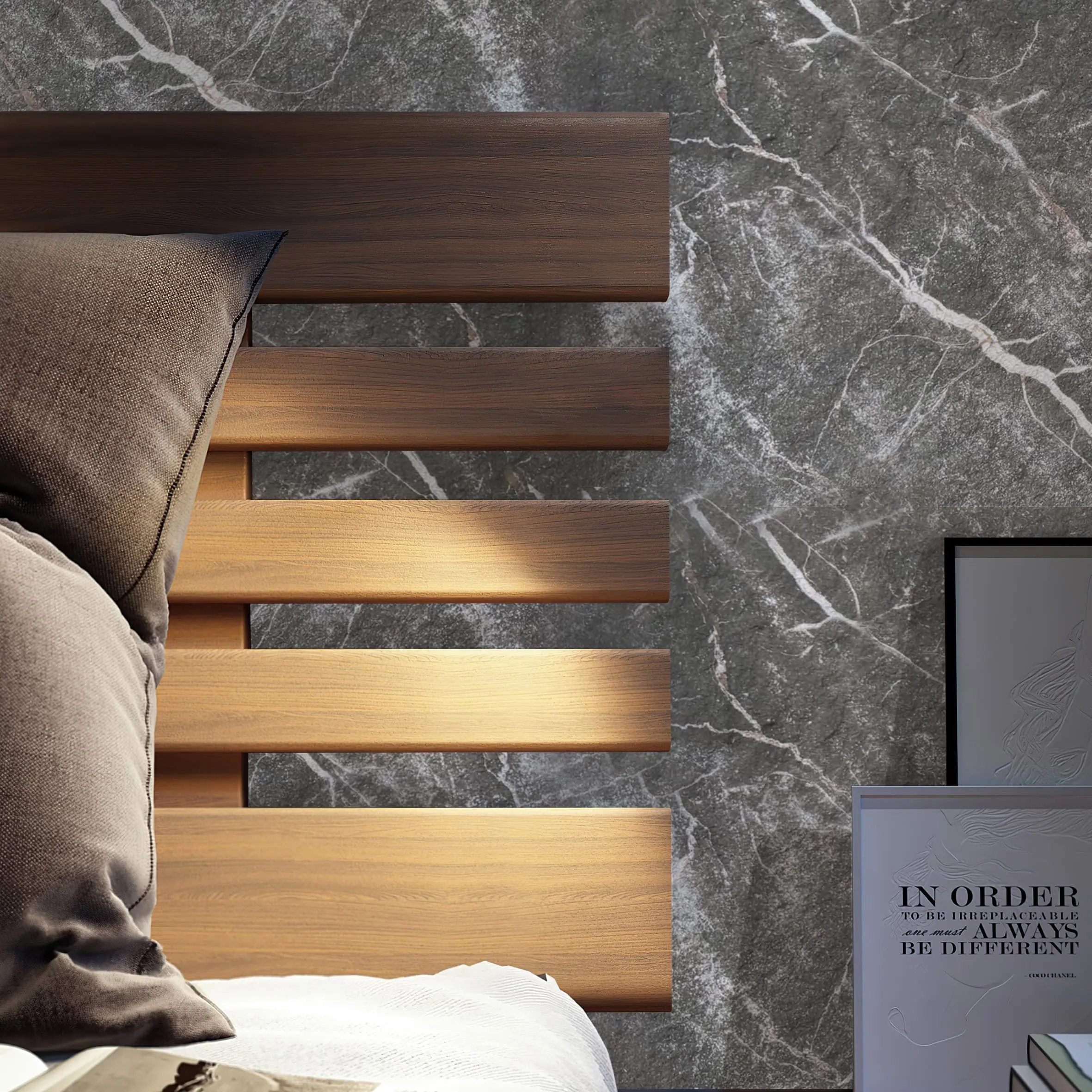
Earlier this year, the Grand Horizon Hotel in Miami wanted to refresh its lobby with a "timeless luxury" vibe. The design called for a feature wall that would serve as the centerpiece—something bold, warm, and reminiscent of classic European elegance. The team initially proposed natural Granite Portoro, but quickly hit roadblocks: the wall spanned two stories, and the structural engineer deemed the stone's weight too risky. Enter the MCM big slab board series.
The design team selected an MCM replica of Granite Portoro from the big slab line, opting for 1200x2400mm panels to minimize seams. Installation took three days instead of the projected two weeks for natural stone, and the total cost was 35% lower. "Guests keep commenting on the 'gorgeous stone wall,'" says the hotel's general manager, Michael Torres. "We've had wedding planners ask if we can use the same stone in their event spaces. When we mention it's MCM, they're shocked—it looks and feels that real."
| Attribute | Natural Granite Portoro | MCM Granite Portoro Replica (Big Slab Board Series) |
|---|---|---|
| Weight per m² | ~200-250 kg | ~15-20 kg |
| Installation Time | 2-3 days per wall (requires heavy machinery) | 1 day per wall (standard tools, small crew) |
| Cost (per m²) | $300-$500+ (quarrying, transportation, fabrication) | $120-$200 (mass production, minimal waste) |
| Durability | High, but porous (needs sealing every 1-2 years) | High, non-porous (no sealing required; UV/moisture resistant) |
| Aesthetic Warmth | Authentic, with unique variations (no two slabs identical) | Highly accurate replication, with controlled variation (consistent look across panels) |
| Environmental Impact | High (quarrying disrupts ecosystems; high carbon footprint from transport) | Low (uses recycled materials; 90% less waste than natural stone) |
Granite Portoro is just the tip of the iceberg. MCM lines like travertine (starry blue) capture the dreamy, cosmic look of travertine with star-like flecks of blue, while fair-faced concrete MCM panels mimic the raw, industrial warmth of exposed concrete without the weight. Even MCM flexible stone is making waves in residential design, used for backsplashes, fireplace surrounds, and accent walls that bend around corners, adding softness to hard edges.
"We're seeing MCMs evolve beyond just 'stone replicas' into something new," says Dr. Wong. "Take the travertine (starry blue) line—natural travertine doesn't have that starry pattern, but MCM lets designers invent new 'natural' looks. It's warmth with a twist, blending the earthy feel of stone with creative expression."
Can MCM materials replicate Granite Portoro's natural warmth? The answer is yes—and in some ways, they enhance it. MCM doesn't just copy the look of natural stone; it distills its essence: the texture that invites touch, the color that shifts with light, the quiet confidence that makes a space feel like home. It's not about replacing natural stone entirely—there will always be projects where the real thing is non-negotiable—but about making that warmth accessible, sustainable, and adaptable for the projects of today and tomorrow.
As Rodriguez puts it: "Warmth isn't in the material—it's in how it makes you feel. If an MCM panel makes someone pause, run their hand over it, and smile, then it's done its job. And honestly? I'm seeing that happen more and more."
So the next time you walk into a space with walls that feel alive, don't be too quick to assume they're natural stone. They might just be MCM—proof that innovation and warmth can go hand in hand.
Recommend Products












