
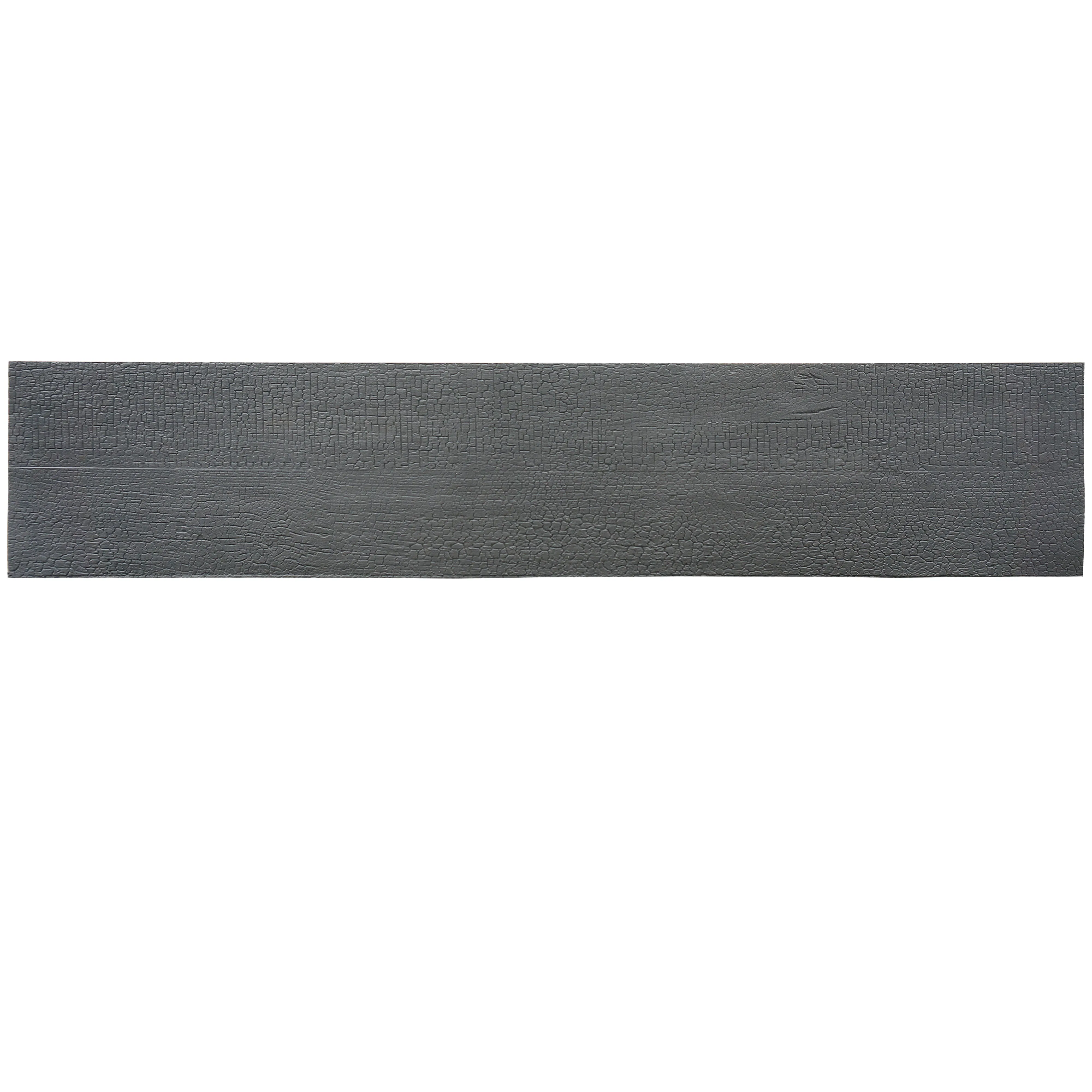
In a world where every design choice carries an environmental footprint, architects and homeowners alike are turning to materials that tell a story—one of sustainability, craftsmanship, and respect for the planet. Among these rising stars is the charcoal burnt wood board, a material that marries the timeless warmth of wood with the rugged beauty of controlled charring. But beyond its striking appearance lies a deeper narrative: how does this material measure up in terms of carbon impact? What secrets does its pH hold for durability? And what does it take to transform raw wood into a surface that feels both ancient and modern? Let's dive in.
If you've ever run your hand over a surface that feels like it's been kissed by fire—rough yet smooth, with deep, smoky hues that shift in the light—you've probably encountered charcoal burnt wood board. Rooted in traditional techniques like Japan's shou sugi ban , this material isn't just about aesthetics; it's a labor of intentionality. The process involves charring wood surfaces at high temperatures, which not only creates that distinctive blackened patina but also seals the wood, making it resistant to rot, pests, and the elements. Think of it as wood with a suit of armor—one that looks as good as it performs.
Today, modern manufacturers have refined this age-old method, balancing tradition with efficiency. The result? A material that's equally at home on a sleek urban loft wall as it is on a rustic cabin exterior. And unlike some synthetic alternatives, every plank carries the unique grain and character of the tree it came from—no two pieces are exactly alike. That's the magic of it: sustainability doesn't have to mean sacrificing personality.
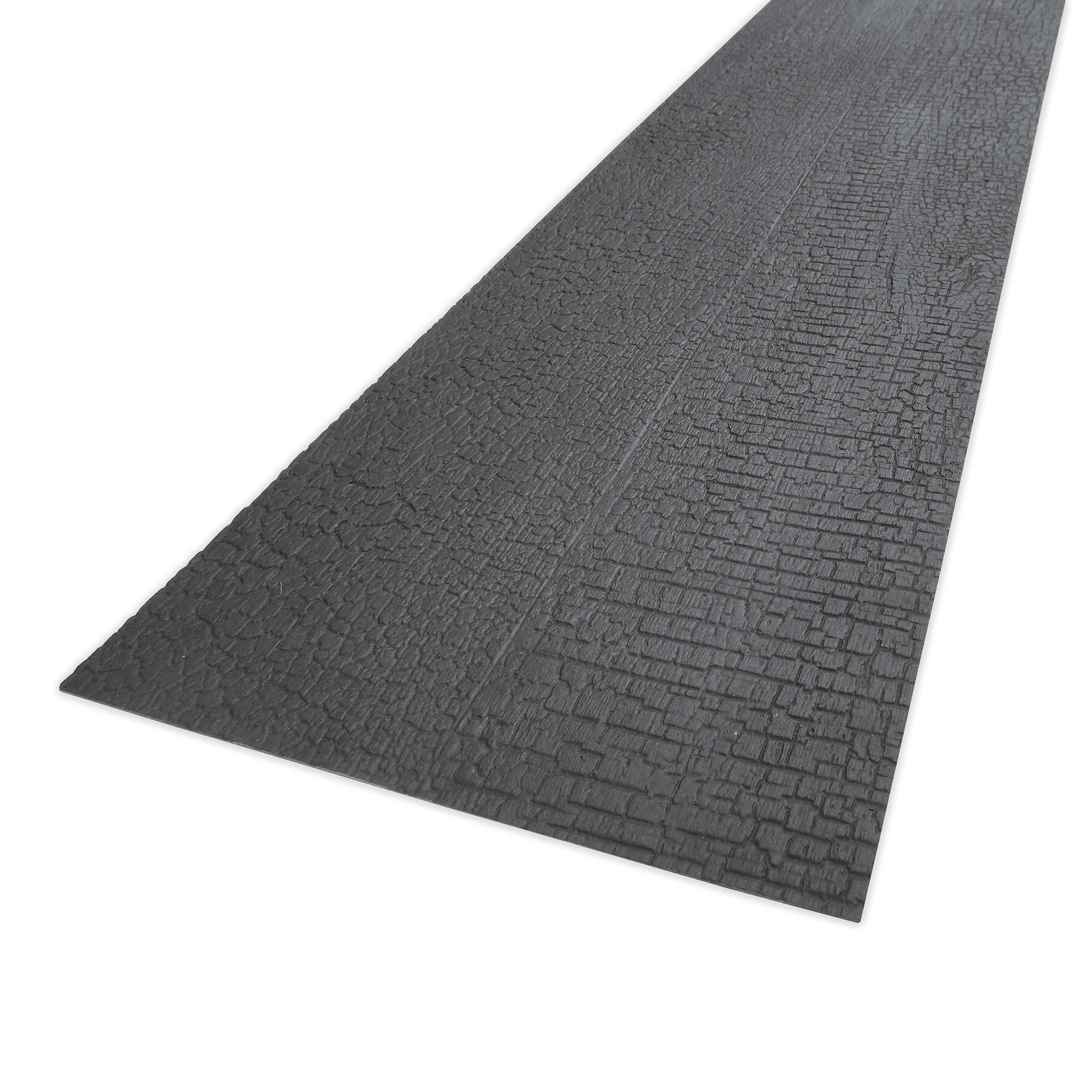
When we talk about a material's carbon footprint, we're tracing its journey from forest to finished product—and beyond. For charcoal burnt wood board, that journey starts with the most critical choice: how the wood is sourced . The best manufacturers partner with FSC-certified forests, where trees are harvested responsibly, ensuring that for every tree cut down, another is planted. This isn't just about "going green"; it's about keeping forests as carbon sinks. A single tree absorbs roughly 22 kg of CO₂ per year, so sustainable sourcing isn't just neutral—it's actively beneficial.
Next comes the manufacturing process itself. Charring wood requires heat, but here's the surprise: compared to energy-heavy materials like fair-faced concrete (which relies on high-temperature kilns for cement production), charcoal burnt wood board's carbon emissions are surprisingly low. Let's break it down: drying the wood (a necessary step to prevent warping) uses solar or biomass energy in eco-conscious facilities, while the charring phase often employs controlled burners that minimize excess fuel use. On average, producing one square meter of charcoal burnt wood board emits around 8–12 kg of CO₂. Compare that to fair-faced concrete, which can clock in at 20–30 kg per square meter, and the difference is clear: this is a material that treads lightly.
Transportation plays a role too. Since wood is lighter than concrete or stone, shipping it from forest to factory to job site uses less fuel. And at the end of its life? Unlike plastic-based alternatives, charcoal burnt wood board is biodegradable. If it ever needs to be replaced, it can be composted or repurposed, avoiding the landfill. That's a full-circle story few building materials can claim.
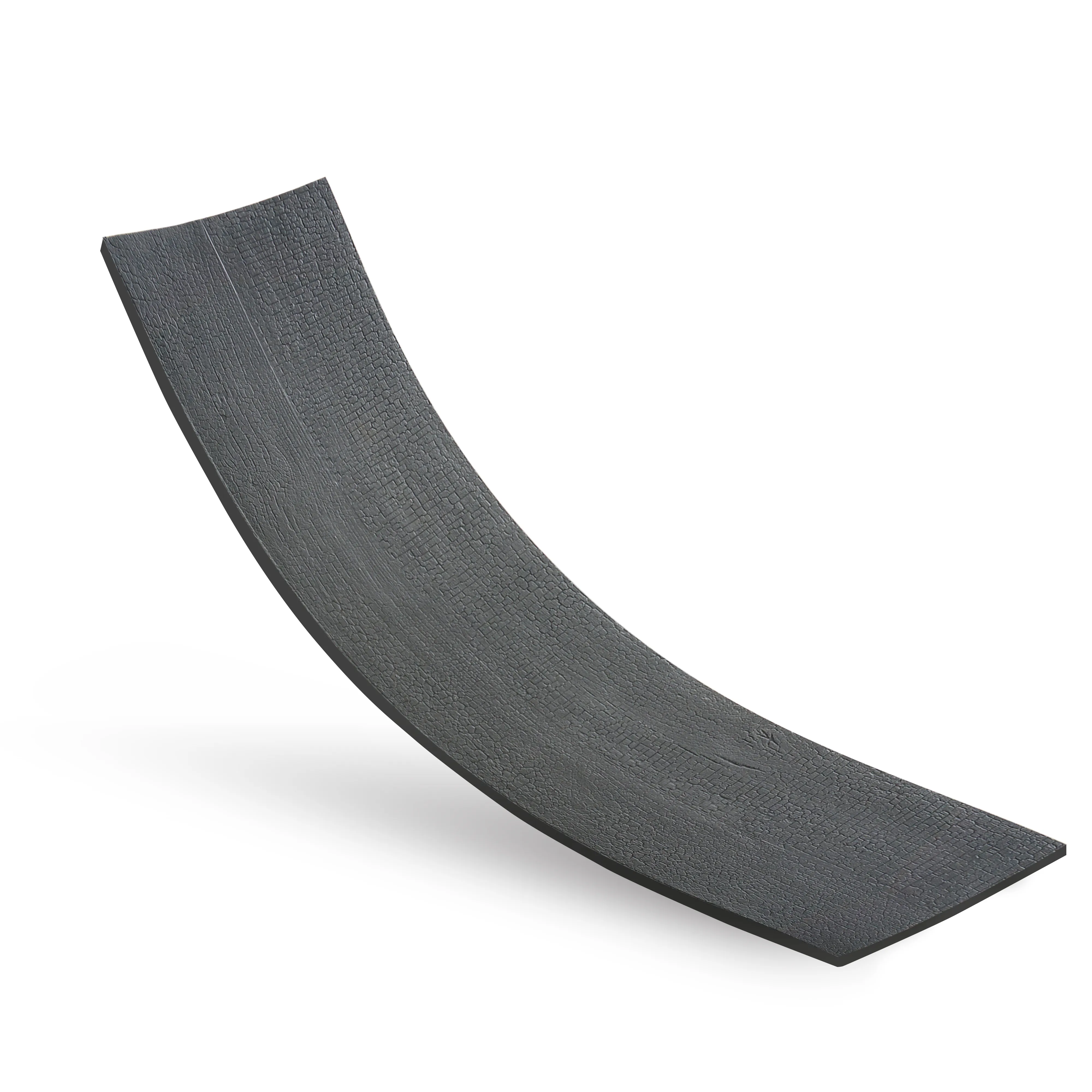
pH might sound like a chemistry class flashback, but for building materials, it's a silent guardian of longevity. Simply put, pH measures how acidic or alkaline a substance is, and that number can make or break a material's resistance to mold, mildew, and decay. So, what's the pH of charcoal burnt wood board, and why does it matter?
Unburnt wood typically has a slightly acidic pH, around 4.5–6.0. But when you char wood, something fascinating happens: the high heat breaks down organic compounds, leaving behind a layer of carbon that's naturally alkaline. Most charcoal burnt wood boards test between 7.5–8.5 on the pH scale—just slightly alkaline, like a mild soap. This shift is crucial. Mold and mildew thrive in acidic environments, so that gentle alkalinity acts as a built-in defense system. It's like the wood is protecting itself, long after the charring process ends.
Contrast this with wood concrete board, a hybrid material made by mixing wood fibers with cement. Wood concrete board tends to have a higher pH, often 10–12, due to the cement component. While that might sound like better mold resistance, extreme alkalinity can actually leach into surrounding materials over time, causing discoloration or weakening adhesives. Charcoal burnt wood board's balanced pH? It's the sweet spot—effective against decay without unintended side effects.
Testing pH isn't just a lab exercise, either. Manufacturers like to say you can "read" a board's pH by its feel: a healthy, properly charred board will have a dry, powdery surface (from that carbon layer) and no hint of mustiness. It's a tactile reminder that sustainability and durability go hand in hand.
Let's walk through how a humble tree becomes a stunning charcoal burnt wood panel. It's a process that blends science, art, and patience—and yes, a little bit of fire.
It all starts in the forest. Manufacturers seek out slow-growing hardwoods like cedar, cypress, or oak—woods with tight grains that char evenly and resist splitting. Logs are selected for straightness and free of knots (though a few knots? They add character, so they're often kept). Once harvested, the logs are transported to the mill, where they're cut into planks. Here's a key detail: the planks are air-dried for 6–12 months before processing. Forced drying (like in industrial ovens) can warp the wood, but air-drying lets the moisture escape naturally, preserving the grain's integrity.
Before the fire comes the fine-tuning. Each plank is trimmed to size, and any rough edges are sanded smooth. This isn't just about looks; a uniform surface ensures the charring will be consistent. Imagine trying to toast a slice of bread with lumps—it would burn unevenly! The same logic applies here. Workers inspect each plank, marking any flaws (like small cracks) that might need extra attention later.
Now for the heart of the process: charring. Planks are fed into a specialized kiln or exposed to a controlled flame—think of it as a wood-fired oven, but for planks instead of pizzas. The temperature hovers between 200–400°C, and the duration depends on how dark the finish needs to be: a quick pass (30–60 seconds) gives a light, honeyed char, while longer exposure (2–3 minutes) results in that deep, ebony black. Skilled operators monitor the process, adjusting the flame intensity to avoid over-burning. It's a dance between heat and time—too much, and the wood becomes brittle; too little, and the protective char layer won't form.
After charring, the planks are brushed with wire brushes to remove loose carbon dust, revealing the texture underneath. This is where the magic happens: the contrast between the blackened surface and the lighter grain peeking through creates that signature "smoky" look. Next, a natural sealant (often linseed oil or beeswax) is applied to lock in the char and add water resistance. No harsh chemicals here—just old-fashioned protection.
Before a board leaves the factory, it undergoes one final check. Inspectors run their hands over the surface, checking for uniformity, testing the sealant's adherence, and even measuring pH levels with a simple test strip. If a plank doesn't meet the standards? It's either reworked or repurposed into smaller pieces (nothing goes to waste). This commitment to quality is why charcoal burnt wood board feels so intentional—every plank has been touched, tested, and approved by human hands.
To truly understand charcoal burnt wood board's place in the sustainable materials landscape, let's compare it to a few common alternatives. The table below breaks down carbon footprint, pH, and typical uses—so you can see how it measures up.
| Material | Carbon Footprint (kg CO₂/m²) | pH Range | Main Applications |
|---|---|---|---|
| Charcoal Burnt Wood Board | 8–12 | 7.5–8.5 (mildly alkaline) | Wall cladding, flooring, furniture, exterior siding |
| Fair-Faced Concrete | 20–30 | 12–13 (highly alkaline) | Structural walls, countertops, industrial design |
| Wood Concrete Board | 15–20 | 10–12 (alkaline) | Ceilings, partitions, low-load flooring |
| Poly Wood Board | 18–25 | 6.0–7.0 (neutral) | Outdoor decking, patio furniture |
The takeaway? Charcoal burnt wood board isn't just "greener" than concrete or poly wood—it's also more versatile in pH, making it compatible with a wider range of materials. And while wood concrete board comes close in carbon footprint, it lacks the natural texture and biodegradability of its charcoal-burnt cousin.
In the end, choosing charcoal burnt wood board is about more than picking a pretty panel. It's about aligning your space with your values. When you install it, you're supporting sustainable forestry, reducing your project's carbon footprint, and investing in a material that will age gracefully—growing more beautiful as the years pass. It's a small choice, but multiplied across homes, offices, and public spaces, it adds up to a big impact.
And let's not forget the emotional resonance. There's something primal about a material that bears the mark of fire—a reminder of humanity's oldest tool, now harnessed for good. It's a conversation starter, a way to tell guests, "This space was built with care—for you, for the planet, for the future."
Charcoal burnt wood board is a story—of trees that grew tall, of craftspeople who honored their legacy, of a process that turns fire from destroyer to creator. Its carbon footprint is low, its pH balanced, its manufacturing rooted in respect for both tradition and the earth. So the next time you see that smoky, textured surface, remember: it's not just wood. It's a choice. And it's a choice that matters.
In a world craving connection—to nature, to meaning, to something real—charcoal burnt wood board doesn't just fill a space. It enriches it. And isn't that what good design is all about?
Recommend Products












