
In the heart of Riyadh's bustling business district, where glass skyscrapers pierce the sky and traditional mud-brick architecture nods to the past, there stood a tower stuck in time. Built in the early 2000s, the 22-story Al-Mansoori Commercial Tower had once been a symbol of modernity, but by 2023, its facade told a different story: faded concrete panels, cracked brickwork, and a color palette that clashed with the vibrant energy of the surrounding development. For the building's owners, the choice was clear: either demolish and rebuild, or embark on a bold transformation. They chose the latter—and in doing so, turned to a mix of innovative materials and timeless design to breathe new life into the structure. This is the story of how Boulder Slab, MCM flexible stone, and a handful of carefully selected accents turned a forgotten tower into a Riyadh landmark.
The Al-Mansoori Tower, located on King Fahd Road, was home to over 30 businesses, from tech startups to law firms. But by 2022, occupancy rates had dropped to 65%—tenants cited the building's outdated appearance, poor natural light, and rising energy costs as key complaints. "We were losing clients to newer towers with sleek designs and better amenities," says Omar Al-Mansoori, the building's co-owner. "Our surveys showed that 80% of potential tenants walked away because the facade felt 'uninviting' and 'stuck in the 2000s.'"
The owners partnered with Jeddah-based architecture firm Studio 3D, led by principal architect Lina Al-Mansoori (no relation to the owners), to reimagine the facade. "The goal wasn't just to 'update' the building—it was to create something that would stand out while honoring Riyadh's blend of tradition and modernity," Lina explains. The design brief called for three core priorities: durability (to withstand Riyadh's extreme heat and sandstorms), sustainability (reducing energy use and embodied carbon), and aesthetic versatility (a look that would appeal to both corporate tenants and passersby).
The team began by auditing the existing structure. The original facade, made of poured concrete and red brick, was not only visually monotonous but also heavy—each concrete panel weighed over 25 kg/m², straining the building's structural integrity. Worse, the brickwork trapped heat, causing interior temperatures to spike in summer and driving up AC costs. "We needed a material that could reduce weight, improve insulation, and still have the texture and warmth of natural stone," Lina notes.
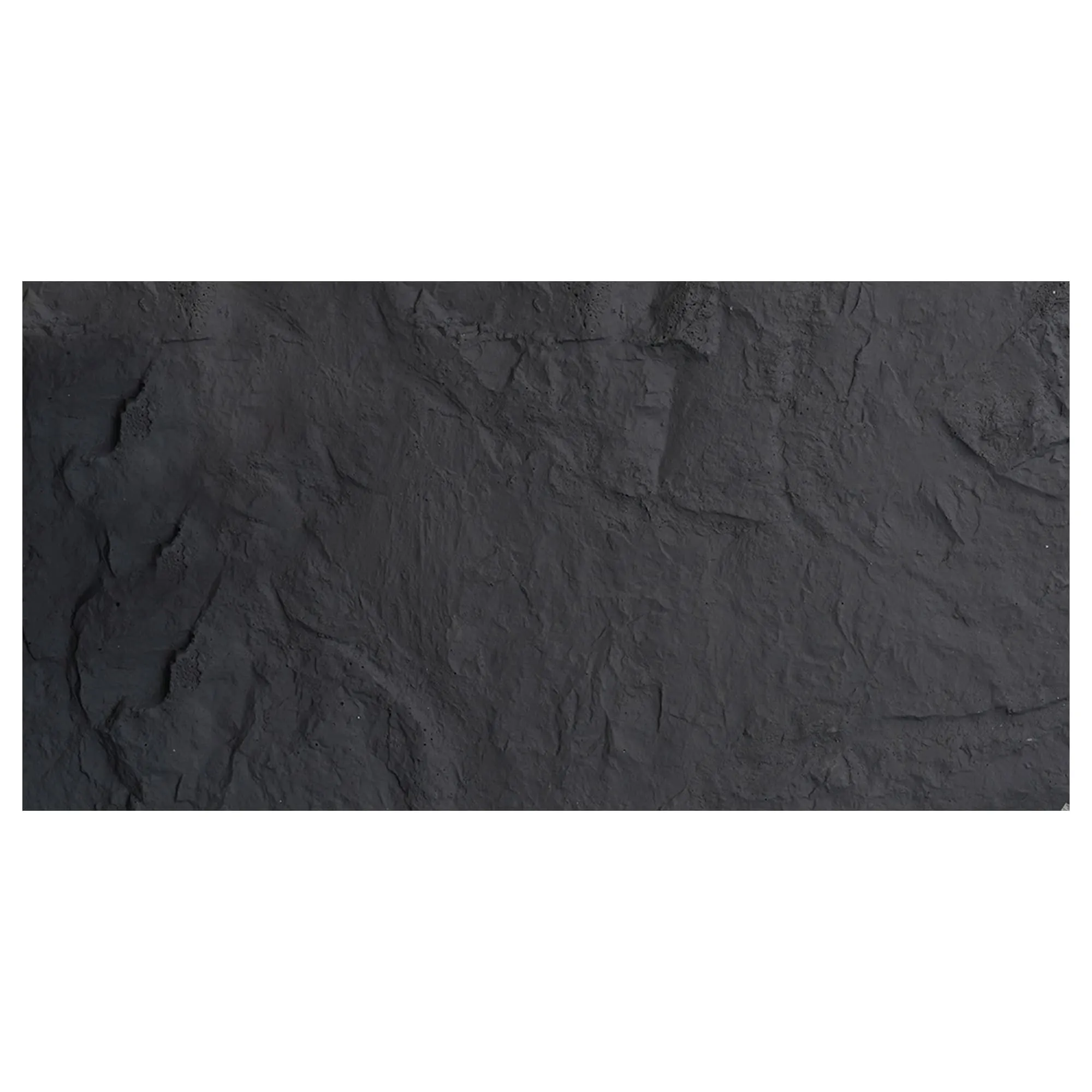
The Studio 3D team spent six months testing samples from suppliers across the Middle East and Europe. Early contenders included traditional limestone (too heavy), fair-faced concrete (lacked character), and even glass (too reflective for Riyadh's bright sun). It wasn't until a trip to Dubai's Big 5 Construction Show that they discovered their star material: Boulder Slab, part of MCM's 3D printing series.
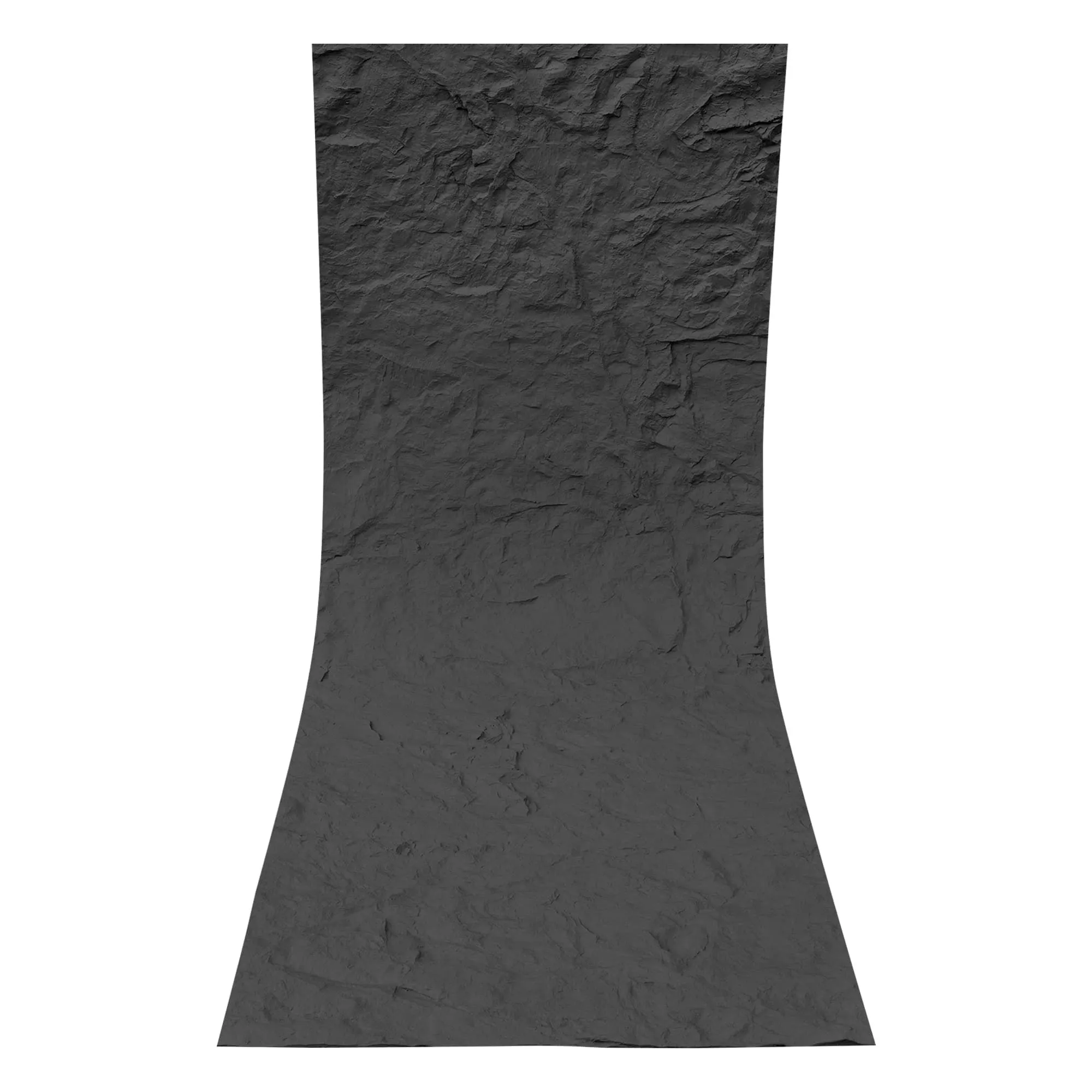
"We were drawn to Boulder Slab's vintage finish first," Lina recalls. "The samples had this beautiful, weathered look—like stone that had been exposed to the elements for decades—but with a uniformity that natural stone can't match." Made from a blend of recycled stone aggregates and polymer resins, Boulder Slab is lightweight (just 8 kg/m², a third of the original concrete), fire-resistant, and customizable. The team particularly liked the Boulder Slab (vintage gold) variant, which had a warm, earthy tone that complemented Riyadh's desert landscape.
But Boulder Slab alone wasn't enough. To add depth and contrast, the team paired it with two other materials: MCM flexible stone for the tower's curved corners and Lunar Peak Golden panels for vertical accents. "MCM flexible stone was a game-changer for the corners," says project engineer Kareem Hassan. "Traditional cladding can't bend around curves without cracking, but MCM's flexibility—thanks to its composite base—meant we could achieve the soft, flowing lines Lina wanted without compromising durability." The Lunar Peak Golden panels, with their metallic sheen, added a touch of modernity, echoing the gold accents common in Riyadh's historic palaces.
For the tower's ground-floor lobby, the team wanted a bold focal point. They settled on Travertine (Starry Blue) , a unique MCM 3D printing series variant with a speckled, galaxy-like pattern. "We wanted the entrance to feel 'welcoming,' not just 'professional,'" Lina says. "The Starry Blue travertine has these tiny, iridescent flecks that catch the light—during the day, it looks like a desert sky; at night, it glows under the lobby lights. Tenants tell us it's the first thing clients mention when they visit."
| Material | Weight (kg/m²) | Durability (Expected Lifespan) | Aesthetic Character | Sustainability |
|---|---|---|---|---|
| Original Concrete/Brick | 25–30 | 20–25 years | Dull, uniform; prone to fading | Low (high embodied carbon; no insulation) |
| Boulder Slab (vintage gold) | 8 | 50+ years | Warm, textured; mimics aged stone | High (recycled aggregates; 30% lower embodied carbon than concrete) |
| MCM Flexible Stone | 3 | 40+ years | Customizable patterns; flexible for curves | High (energy-efficient production; recyclable) |
| Lunar Peak Golden | 10 | 45+ years | Metallic sheen; corrosion-resistant | Medium (recyclable aluminum core) |
| Travertine (Starry Blue) | 12 | 40+ years | Speckled, iridescent; galaxy-like texture | Medium (low water use in production) |
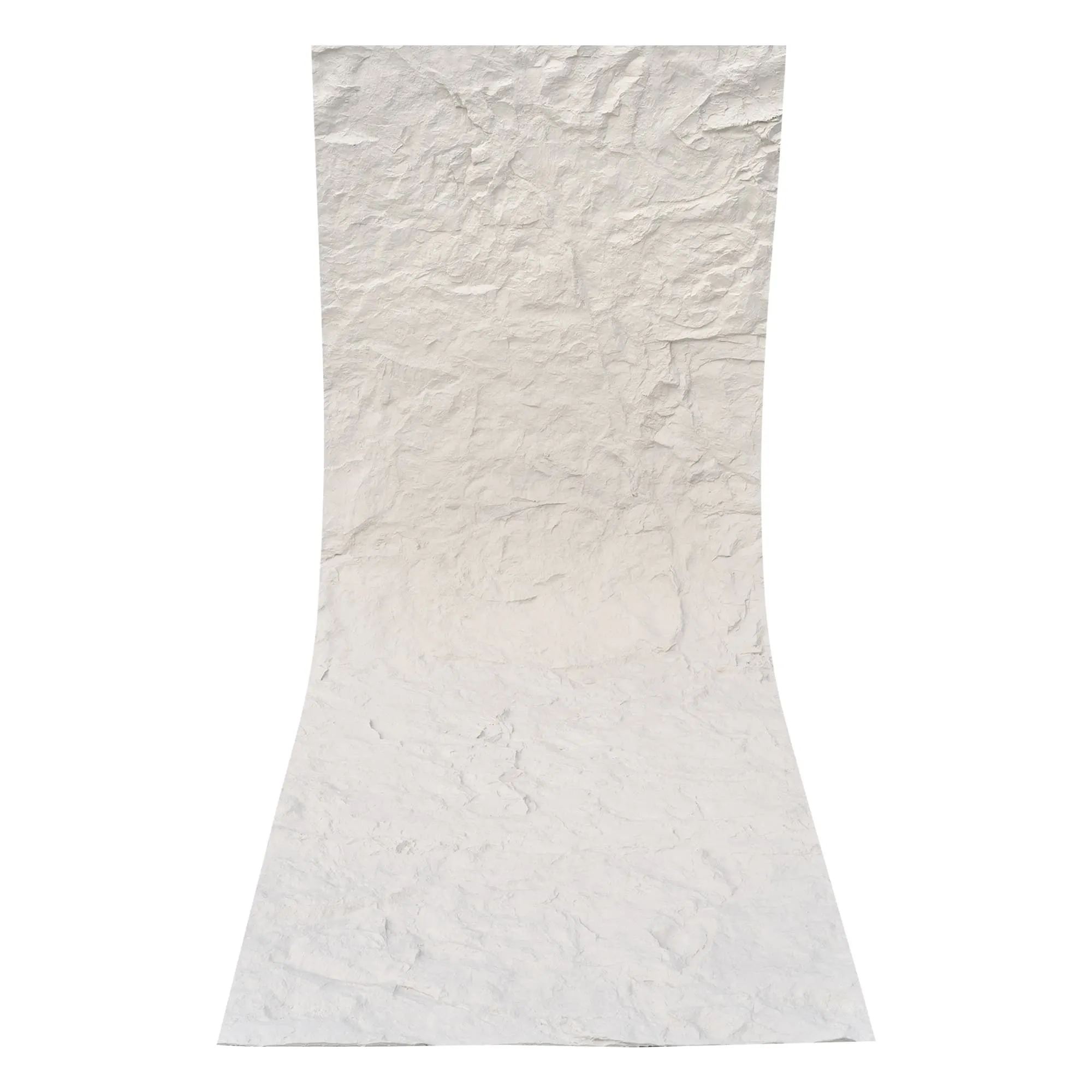
Installing the new facade was no small feat. The tower remained occupied during construction, meaning the team had to work around business hours, restrict noise, and ensure safety for tenants and workers alike. "We started with the upper floors first, using a modular installation system to minimize disruption," Kareem explains. Each Boulder Slab panel was pre-cut to size at MCM's factory in Dubai, then shipped to Riyadh and attached to a lightweight aluminum subframe bolted to the building's original concrete skeleton.
One of the biggest hurdles was matching the Boulder Slab (vintage gold) color to the design renderings. "Riyadh's sunlight is intense—what looks 'golden' in a lab might look 'orange' under direct sun," Lina says. The team worked with MCM's color lab to adjust the pigment ratio, testing 12 different samples on-site before settling on a shade with 10% more umber to tone down the brightness. "The final result is warm but not overwhelming—exactly what we wanted," she adds.
The MCM flexible stone, used on the tower's curved east and west corners, required a different approach. "Flexible stone is installed in sheets, like wallpaper, but with a stronger adhesive," Kareem notes. "We had to train the installation crew to apply it evenly, avoiding air bubbles that could trap moisture. It took a week of practice, but once they got the hang of it, the corners came out perfectly smooth."
The Travertine (Starry Blue) lobby feature wall, measuring 12m x 8m, was the final piece of the puzzle. Installed over three nights (to avoid disrupting tenants), the panels were backlit with LED strips to enhance their iridescent flecks. "The first time we turned on the lights, the entire team gasped," Lina laughs. "It looked like we'd brought a piece of the night sky indoors."
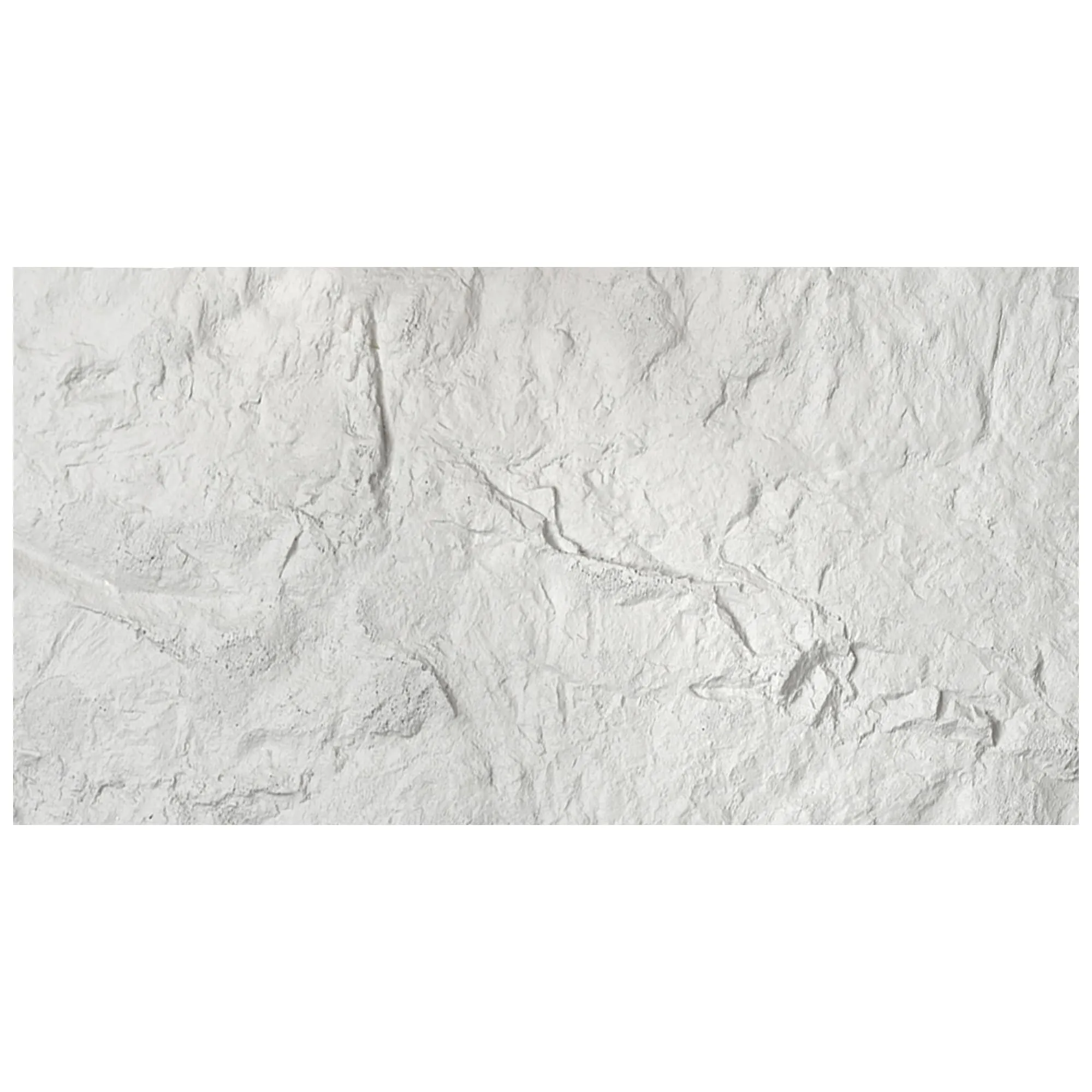
The transformation was completed in 10 months, and the results were immediate. "Within a week of finishing, we had three new tenants sign leases," Omar Al-Mansoori reports. "One startup CEO told us, 'The new facade makes our office feel like a place where innovation happens.'" Occupancy rates jumped to 92% within six months, and energy costs dropped by 28%—thanks to the new cladding's insulating properties, which reduced AC use in summer.
Visually, the change is striking. Where the tower once blended into the background, it now stands out with a textured, golden facade that shifts color with the sun—warm amber at dawn, rich bronze at noon, and soft gold at dusk. The Lunar Peak Golden accents catch the light, creating vertical lines that draw the eye upward, while the Starry Blue lobby wall has become a social media hotspot, with locals stopping to take photos.
"The best part is seeing how the building interacts with the city," Lina reflects. "During sandstorms, the Boulder Slab's rough texture traps dust, but it washes off easily with rain—no permanent staining. In winter, the golden tones contrast beautifully with the rare Riyadh snow. It's not just a facade; it's a living part of the landscape."
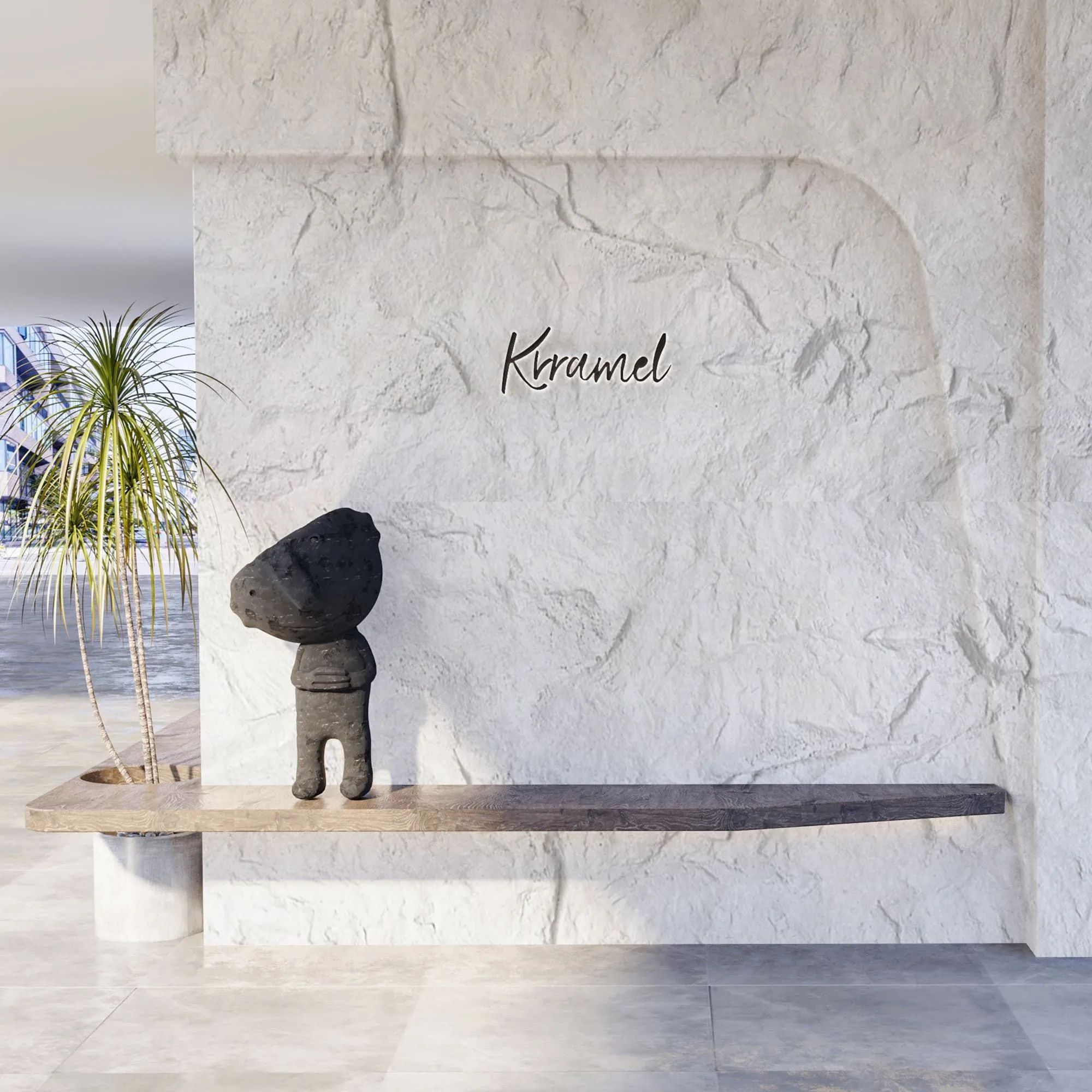
The Al-Mansoori Tower's transformation is more than a success story for one building—it's a blueprint for how older structures can be reimagined using innovative materials. By combining Boulder Slab's durability, MCM flexible stone's versatility, and thoughtful accents like Lunar Peak Golden and Travertine (Starry Blue), the project proves that sustainability and beauty don't have to be mutually exclusive.
For Lina and her team, the project reinforces a simple truth: "Materials matter, but context matters more. We didn't just choose Boulder Slab because it's lightweight or sustainable—we chose it because it speaks to Riyadh's identity: rooted in tradition, but unafraid to innovate." As for the Al-Mansoori Tower? It's no longer just a place to work—it's a symbol of how the past and future can coexist, one golden panel at a time.
Recommend Products












