
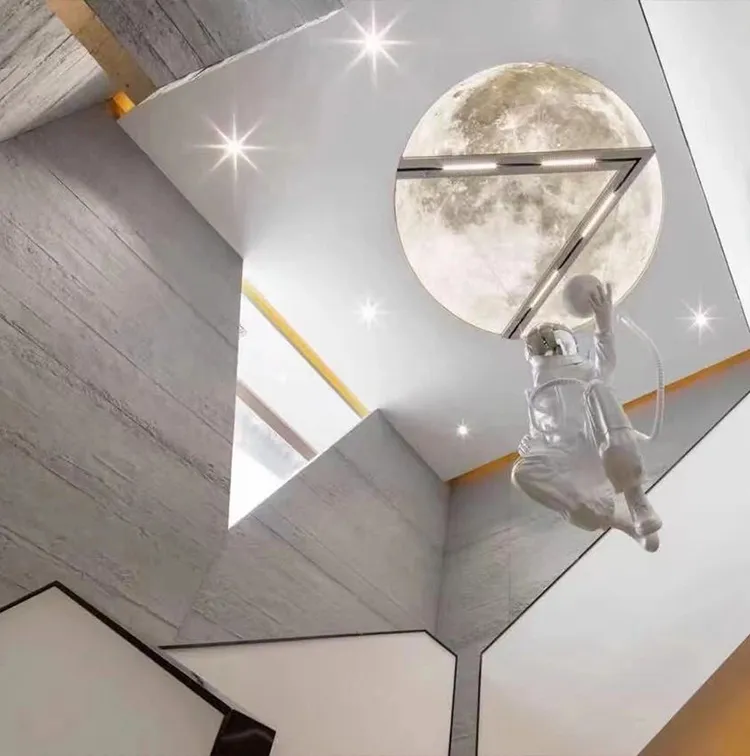
Spaces today are no longer just backdrops for daily life—they're stories. They whisper of the people who inhabit them, blending functionality with feeling, and simplicity with soul. In 2025, the design world is embracing a beautiful contradiction: warm minimalism . It's the art of stripping down to essentials without stripping away heart, and at its core lies a quiet hero: cement board. But not the cold, industrial slabs of yesteryear. Today's cement-inspired materials are rich with texture, color, and personality, proving that "less" can indeed be "more"—when done with intention.
Gone are the days of stark, all-white rooms that feel more like galleries than homes. This year, minimalism is getting a hug: think soft edges, tactile surfaces, and a palette pulled from the earth. Designers are pairing the raw elegance of cement with natural textures, warm tones, and unexpected accents to create spaces that calm the mind and nourish the senses. Let's dive into the trends shaping this movement, and how materials like fair-faced concrete, travertine, and wood grain board are redefining what "minimalist" truly means.
If warm minimalism had a mascot, it might be fair-faced concrete. Once reserved for warehouses and factories, this material has shed its industrial skin to become a darling of residential design. What makes it so compelling? Its honesty. Fair-faced concrete (also called "exposed concrete") is left uncoated, showcasing the natural variations in its surface—small air bubbles, subtle color shifts, and the faint imprint of the formwork that shaped it. It's not perfect, and that's the point.
"Clients used to ask for concrete that looked 'finished,'" says Mia Carter, an interior designer specializing in sustainable homes. "Now they want the opposite: they want to see the 'hand of the maker.' A wall that looks like it was poured yesterday, with all its little quirks, feels more alive than something perfectly polished." In a bedroom, fair-faced concrete walls paired with linen bedding and soft lighting create a cocoon-like atmosphere—industrial edge balanced by cozy layers. In a kitchen, it shines as cabinet fronts: sleek, durable, and surprisingly warm when paired with brass hardware and wooden countertops.
The key to making fair-faced concrete work in home spaces? Balance. Use it sparingly—one accent wall, a fireplace surround, or a kitchen island—to avoid overwhelming the room. And don't shy away from color: while classic gray is timeless, newer formulations come in soft whites, warm beiges, and even muted terracottas, adding depth without straying from minimalism.
Minimalism doesn't have to mean "cold." This year, designers are pairing cement's raw energy with the softness of natural stone—especially travertine (beige). With its creamy base and delicate, feathery veining, travertine (beige) is like a warm hug for concrete's cool exterior. It adds organic texture without clutter, making spaces feel grounded yet airy.
Take the bathroom, for example. A walk-in shower with fair-faced concrete walls feels spa-like, but the floor—travertine (beige) tiles with a slightly tumbled finish—adds grip and warmth underfoot. The contrast is striking: the concrete's sharp lines play off the stone's gentle curves, creating a space that feels both modern and timeless. In a living room, a travertine (beige) coffee table atop a fair-faced concrete floor becomes the focal point, its natural pores and veining drawing the eye without demanding attention.
What's driving this love for travertine? Its versatility. Unlike bold marbles or busy granites, travertine (beige) acts as a neutral, letting other elements—art, furniture, plants—take center stage. It's also surprisingly durable, making it ideal for high-traffic areas like entryways or kitchen backsplashes. "I had a client who was nervous about using stone in her kitchen," says Carter. "We went with travertine (beige) subway tiles paired with fair-faced concrete countertops, and she's obsessed. The stone hides small spills, and the concrete cleans up easily—plus, together they feel so much more inviting than all quartz."
If fair-faced concrete is the "bones" of warm minimalism, wood grain board is the "heart." There's something inherently comforting about wood—its grain, its warmth, its ability to make even the most modern space feel like home. But solid wood can be pricey and high-maintenance. Enter wood grain board: a cement-based material printed or embossed with hyper-realistic wood patterns, offering the best of both worlds—durability and natural beauty.
"Wood grain board is a game-changer for clients who love the look of wood but need something more resilient," explains Raj Patel, a commercial designer focusing on hospitality spaces. "We used it in a café last year—walls clad in light oak-patterned wood grain board, paired with fair-faced concrete tables. The result? A space that feels like a cozy cabin, but with the durability to handle daily coffee spills and scuffs."
In residential settings, wood grain board shines in unexpected places. Imagine a home office with a feature wall in rich walnut-patterned board: it adds warmth to the space, reducing eye strain from screens, without the upkeep of real wood. Or a bedroom accent wall in light pine grain, paired with white linen curtains and a rammed earth board headboard (more on that later)—a retreat that feels both modern and rustic. The best part? Wood grain board comes in a range of tones, from pale ash to deep mahogany, so it's easy to match any palette.
For those craving a deeper connection to nature, rammed earth board is having a moment. Inspired by ancient building techniques, rammed earth is made by compressing layers of soil, clay, and sometimes straw into dense, durable panels. Today's versions are lightweight, easy to install, and come in a spectrum of earthy hues—from soft "matcha green" to warm terracotta—that bring the outdoors in.
Rammed earth board adds texture in the subtlest way: its surface is slightly rough, with visible layers that mimic sedimentary rock. Run your hand over it, and you'll feel the grit of the soil—a tactile experience that grounds a space. In a living room, a rammed earth board fireplace surround becomes a focal point, its warm beige tones complementing fair-faced concrete walls and wood grain board floors. In a bedroom, it works as a headboard wall, creating a cozy, cave-like feel that's perfect for unwinding.
"Clients are drawn to rammed earth because it feels 'alive,'" says Patel. "It changes with the light—warmer in the morning, softer at dusk—and it even regulates humidity, making rooms more comfortable. It's not just a material; it's a partner in creating healthy spaces." For eco-conscious designers, it's a win-win: most rammed earth boards are made from locally sourced materials, reducing carbon footprints, and they're fully biodegradable at the end of their life.
Minimalism thrives on order, and this year, designers are using linear patterns to add structure without clutter. Enter linear travertine (claybank): a travertine variant with long, horizontal veining that creates a sense of movement and direction. Unlike traditional travertine, which has random veining, linear travertine (claybank) feels intentional—like a quiet rhythm running through a space.
In a hallway, linear travertine (claybank) tiles laid horizontally can make the space feel wider, guiding the eye toward natural light at the end. In a dining room, a feature wall clad in large-format linear travertine (claybank) panels adds drama without overwhelming, especially when paired with simple, unadorned furniture. "It's texture with a purpose," says Carter. "The lines draw you in, but they don't compete with other elements. It's like a whisper instead of a shout."
Linear travertine (claybank) also plays well with other materials. Try pairing it with fair-faced concrete in a kitchen: concrete countertops with linear travertine (claybank) backsplash tiles, the horizontal veins echoing the clean lines of the cabinets. Or mix it with wood grain board in a bathroom: linear travertine (claybank) shower walls and wood grain board vanities, creating a balance of hard and soft, structured and organic.
| Material | Key Features | Best For | Texture Level |
|---|---|---|---|
| Fair-Faced Concrete | Raw, uncoated surface with air bubbles and formwork marks; cool gray/white base. | Kitchen countertops, accent walls, fireplaces. | Medium (subtle, industrial texture) |
| Travertine (Beige) | Creamy beige with soft, feathery veining; porous surface. | Floors, backsplashes, shower walls. | Soft (gentle, organic texture) |
| Wood Grain Board | Cement-based with realistic wood grain print; warm tones (oak, walnut, pine). | Accent walls, headboards, cabinet fronts. | Medium (directional, tactile grain) |
| Rammed Earth Board | Layered soil/clay panels; earthy hues (matcha green, terracotta, beige); gritty surface. | Fireplace surrounds, bedroom walls, feature walls. | High (rough, layered texture) |
| Linear Travertine (Claybank) | Horizontal veining; warm clay tones; smooth yet structured. | Hallways, dining feature walls, backsplashes. | Soft-Medium (linear, directional veining) |
The magic of 2025's cement board trends lies in their ability to work together. Take a hypothetical open-concept home: the living area features fair-faced concrete walls, anchored by a wood grain board floor that adds warmth. A rammed earth board fireplace serves as the focal point, its layered texture drawing the eye, while linear travertine (claybank) tiles line the adjacent dining wall, adding subtle direction. The kitchen? Fair-faced concrete countertops, travertine (beige) backsplash, and wood grain board cabinets—each material complementing the others, no single element overpowering the space.
"The goal is harmony," says Carter. "You want each material to have its moment, but also to support the others. Fair-faced concrete provides the foundation, travertine softens it, wood grain adds warmth, rammed earth brings nature, and linear travertine adds structure. Together, they tell a story of balance."
As we move into 2025, it's clear that minimalism isn't going anywhere—but it's growing up. It's no longer about empty spaces; it's about meaningful ones. Spaces that feel raw and refined, industrial and inviting, simple and soulful. And at the heart of it all? Cement-inspired materials that prove texture, warmth, and intention are the new "less is more."
Recommend Products












