
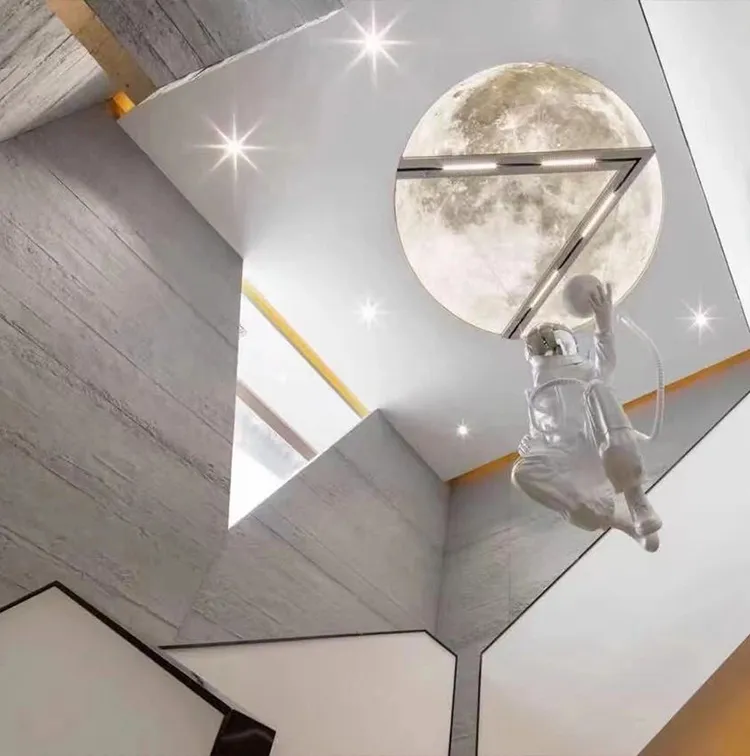
When you step into a café downtown, browse the aisles of a grocery store, or tuck your kids into bed at night, there's an invisible layer of protection surrounding you that rarely gets the credit it deserves. It's in the walls, the ceilings, and the structural bones of the buildings we inhabit daily—and it's quietly standing guard against one of the most fearsome risks in construction: fire. Today, we're shining a light on a material that's become a cornerstone of modern fire safety: cement board. But we won't stop there. We'll also explore how related materials like fair-faced concrete, polish concrete, and even ando cement (light grey) play into this critical equation, ensuring that safety doesn't have to sacrifice style or functionality.
Let's start with the basics. Cement board is exactly what it sounds like: a panel made from a blend of cement, reinforcing fibers (like fiberglass), and additives that boost strength and durability. Unlike drywall, which crumbles under heat, or wood, which fuels flames, cement board is designed to stand firm when temperatures rise. Think of it as the unsung hero of building materials—sturdy, reliable, and ready to take on whatever the elements (including fire) throw its way.
But here's the thing: not all cement boards are created equal. Some are thin and flexible, ideal for backsplashes in kitchens where heat from stoves is a constant concern. Others are thick and rigid, used in commercial buildings or high-rise apartments where fire resistance isn't just a nice-to-have—it's a legal requirement. And then there are specialized variants, like those designed to pair with mcm flexible stone, a line of lightweight, versatile cladding that adds aesthetic appeal while still leaning on cement board's fire-resistant core. It's this adaptability that makes cement board such a staple in construction today.
Fun fact: Cement board's roots stretch back to the early 20th century, but it wasn't until the 1970s that it really took off as a fire safety solution. As building codes tightened and awareness of fire risks grew, architects and builders started swapping traditional materials for options that offered better protection. Today, it's hard to imagine a modern construction site without stacks of cement board waiting to be installed.
To understand why cement board is so effective against fire, let's get a little science-y (but don't worry—we'll keep it simple). Fire needs three things to thrive: fuel, oxygen, and heat. When a fire breaks out, most materials either act as fuel (wood, paper) or fail to block heat, allowing flames to spread. Cement board, however, does neither. Its cement-based composition is non-combustible, meaning it won't catch fire or contribute to the blaze. Even better, it's a poor conductor of heat, so it slows the spread of flames and prevents heat from transferring to adjacent rooms or floors. In short, it buys time—the most precious commodity during a fire.
Compare that to drywall, which is made from gypsum. While gypsum does have some fire resistance (it releases water vapor when heated, which cools the area), it's nowhere near as robust as cement board. Drywall typically begins to degrade at around 140°C (284°F) and can collapse within an hour of sustained heat. Cement board, on the other hand, can withstand temperatures upwards of 1000°C (1832°F) for hours, depending on its thickness and composition. That's the difference between a small contained fire and a catastrophic spread.
You might be thinking, "Okay, but how do we really know cement board is fire-resistant?" Great question. Fire safety isn't guesswork—it's governed by strict testing standards set by organizations around the world. These standards ensure that when a manufacturer claims a product is "fire-resistant," it's backed by data, not just marketing hype. Let's dive into some of the most widely recognized standards and what they measure.
| Standard | Region | Test Method | Key Metrics Measured | Typical Fire Rating* |
|---|---|---|---|---|
| ASTM E119 | North America | Exposes specimens to controlled fire and pressure for set durations (1hr, 2hr, 3hr+) | Temperature rise on unexposed side, structural integrity, flame spread | 1 to 4 hours |
| EN 13501-1 | Europe | Classifies products based on reaction to fire (A1, A2, B, etc.) and fire resistance (EI, REI ratings) | Heat release, smoke production, flaming droplets, structural stability | A1 (non-combustible) + EI 60 (1hr resistance) |
| ISO 834 | International | Similar to ASTM E119, with standardized temperature-time curves | Thermal transmission, structural load-bearing capacity during fire | Up to 4 hours |
| GB/T 9978.1 | China | Fire resistance test for building elements, focusing on temperature control and integrity | Integrity (no flame penetration), insulation (temperature rise <180°C on unexposed side) | 0.5 to 4 hours |
*Fire ratings vary by product thickness and composition. Always check manufacturer specifications for exact values.
Let's unpack what these tests actually do . Take ASTM E119, for example. A cement board panel is mounted in a test furnace, and the temperature inside is ramped up according to a standard curve: 538°C (1000°F) in the first 5 minutes, 927°C (1700°F) by the end of the first hour, and so on. Sensors measure how much heat passes through the panel to the "unexposed side" (the side not facing the fire). If the temperature there rises by more than 139°C (250°F) above ambient, or if flames break through, the panel fails. Structural integrity is also tested—can the panel support its own weight and any attached loads without collapsing?
For a product like cement board, passing these tests isn't easy. But when it does, it earns a "fire rating," which tells builders exactly how long it can resist fire under standard conditions. A 2-hour fire rating, for instance, means the panel can withstand severe heat for 120 minutes—more than enough time for occupants to evacuate and firefighters to arrive.
Fire resistance is the star of the show, but cement board brings more to the table. Let's break down the safety benefits that make it a top choice for builders and homeowners alike:
Cement board doesn't just slow fire—it can stop it in its tracks. In a residential setting, installing cement board behind a wood-burning stove or along kitchen walls near ovens creates a barrier that prevents heat from igniting nearby materials. In commercial spaces, like restaurants with open kitchens or hotels with multiple floors, it limits the spread of fire, containing it to one area and saving lives.
Fire isn't the only enemy in buildings—moisture is, too. Mold growth from water damage can trigger allergies, asthma, and other health issues. Cement board is naturally water-resistant (unlike drywall, which soaks up moisture like a sponge). This makes it ideal for bathrooms, basements, and even outdoor spaces, where dampness is a constant threat. When paired with mcm flexible stone, which also resists moisture, you get a cladding system that's as healthy as it is safe.
Safety isn't a one-time thing—it's a long-term commitment. Cement board is built to last. It doesn't warp, rot, or attract pests (looking at you, termites). This durability means fewer repairs over time, reducing the risk of structural issues that could compromise fire safety down the line. A well-installed cement board wall today will still be protecting your home or business 50 years from now.
Here's the best part: you don't have to choose between safety and style. Cement board can be painted, tiled, or covered with materials like fair-faced concrete or polish concrete for a sleek, modern look. Fair-faced concrete, with its raw, industrial aesthetic, is a favorite in restaurants and offices, proving that "fire-safe" doesn't have to mean "boring." Even ando cement (light grey), a variant inspired by Japanese architectural traditions, offers a soft, minimalist finish while retaining cement's fire-resistant properties. It's a win-win: your building looks great, and you sleep better knowing it's protected.
Okay, sound insulation isn't directly related to fire safety—but hear us out. In an emergency, clear communication is key. Thick cement board panels help muffle noise, reducing distractions and making it easier to hear alarms, announcements, or instructions from first responders. Plus, let's be honest: who doesn't want a quieter home or office? It's a bonus that makes the material even more appealing.
Let's get practical. Where do we actually use cement board (and its cousins like fair-faced concrete and polish concrete) in the real world? The answer is: almost everywhere. Here are a few standout examples:
Residential Kitchens and Bathrooms: If you've ever renovated a kitchen, you've probably heard of cement board as a backsplash underlayment. Its heat and moisture resistance make it perfect behind stoves, ovens, and sinks. Homeowners love it because it prevents water damage and keeps fires from spreading if a cooking accident occurs.
Commercial Buildings: Think about hospitals, schools, and airports—places where large numbers of people gather. These buildings often require 1- or 2-hour fire ratings for walls and ceilings. Cement board is a go-to here, paired with other fire-resistant materials like fair-faced concrete for a cohesive, durable finish. Polish concrete floors, too, are popular in these settings; they're easy to clean, scratch-resistant, and yes—fire-resistant, thanks to their dense, non-combustible composition.
Industrial Spaces: Factories, warehouses, and power plants deal with high heat, chemicals, and heavy machinery. Cement board's toughness makes it ideal for walls and partitions, protecting against both fire and physical damage. Ando cement (light grey) has even found a niche in modern industrial design, adding a touch of sophistication to spaces that were once purely functional.
Outdoor Areas: Patios, fire pits, and exterior cladding all benefit from cement board's weather resistance. When combined with mcm flexible stone, which mimics the look of natural stone without the weight or maintenance, you get an outdoor space that's beautiful, durable, and safe—even near fire pits or outdoor grills.
To truly appreciate cement board, let's compare it to other common building materials. How does it hold up against drywall, wood, or even metal?
Drywall: Drywall is cheap and easy to install, but it's a fire hazard. At temperatures above 150°C (300°F), it starts to break down, releasing toxic fumes and crumbling. Cement board, by contrast, remains stable at over 1000°C (1832°F). For areas with even moderate fire risk, drywall is a risky choice.
Wood: Wood is a natural fuel source. Even treated wood will burn when exposed to enough heat. Cement board doesn't burn, making it infinitely safer for structural applications.
Metal: Metal is non-combustible, but it conducts heat incredibly well. A steel stud without fire-resistant insulation can transfer heat through a wall, igniting materials on the other side. Cement board acts as an insulator, slowing that heat transfer and keeping adjacent spaces safe.
Polish Concrete and Fair-Faced Concrete: These are closer cousins to cement board. Polish concrete is dense and fire-resistant, but it's typically used for floors, not walls. Fair-faced concrete, with its exposed finish, is often used for structural elements and can have similar fire resistance to cement board, but it's heavier and less flexible. Together, these materials create a fire-safe ecosystem in modern buildings—each playing to its strengths.
The world of construction is always evolving, and cement board is no exception. Today, manufacturers are experimenting with new additives to boost fire resistance even further, or to make panels lighter and easier to install. Some are blending cement with recycled materials, making the product more sustainable without sacrificing performance. Ando cement (light grey) is a great example of this innovation—taking a traditional material (cement) and giving it a modern, aesthetic twist that appeals to architects and designers.
Another exciting trend is the integration of smart technology. Imagine cement board embedded with sensors that can detect heat or smoke, alerting building managers to potential fires before they spread. While this is still in the early stages, it's a glimpse into a future where fire safety is proactive, not just reactive.
At the end of the day, building materials are about more than bricks and mortar—they're about protecting the people and places we care about. Cement board, fair-faced concrete, polish concrete, and ando cement (light grey) might not be the most glamorous topics, but they're the foundation of a safer built environment. They're the reason a parent can tuck their child into bed without worrying about fire, or a business owner can sleep soundly knowing their employees and customers are protected.
So the next time you walk into a building, take a moment to appreciate the walls around you. Chances are, there's a layer of cement board (or one of its fire-resistant cousins) working tirelessly to keep you safe. And if you're building or renovating, remember: when it comes to fire safety, cutting corners isn't an option. Invest in materials that have been tested, trusted, and proven to perform. Your peace of mind is worth it.
After all, safety isn't just a feature—it's a promise. And cement board? It's a promise kept.
Recommend Products












