
Choosing the right material for your interior walls is more than just a practical decision—it's about shaping the feel of your space, balancing durability with design, and ensuring your walls stand the test of time (and maybe a few accidental bumps from moving furniture). If you've ever stood in a hardware store staring at stacks of wall materials, you've probably wondered: cement board or drywall? Both have their loyal fans, but which one truly deserves a spot in your home or commercial project? Let's dive in, break down the pros and cons, and help you make a choice that fits your space like a glove.
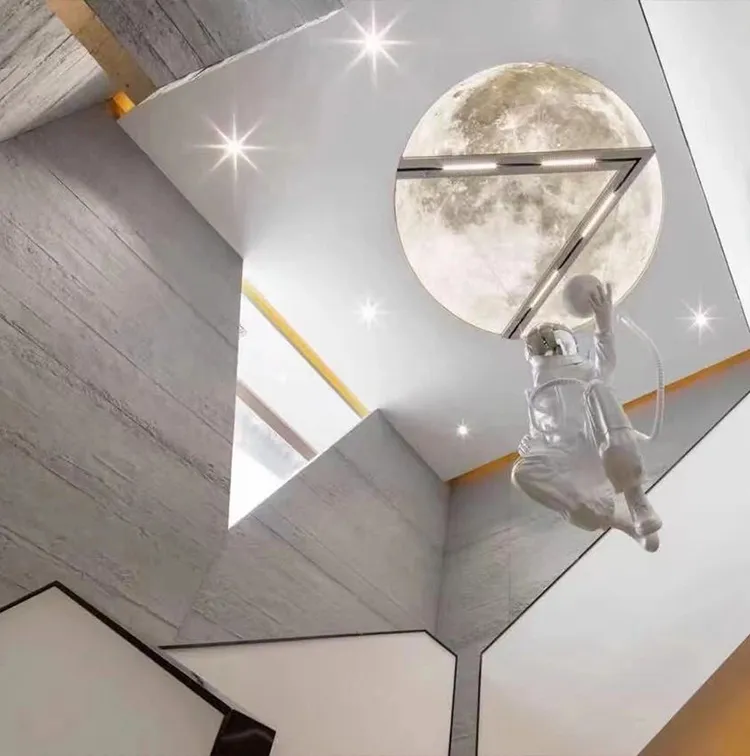
Cement board is the workhorse of wall materials. Picture a panel made from a mix of cement, sand, and reinforcing fibers (like fiberglass), pressed into a rigid sheet. It's dense, heavy, and built to resist just about everything life throws at it. You'll often find it in high-stress areas—think bathrooms, kitchens, or commercial spaces where durability isn't optional. But here's the thing: cement board isn't just about brute strength. Modern variants, like fair-faced concrete , have turned this utilitarian material into a design statement. Fair-faced concrete, with its raw, uncoated finish that highlights the natural texture of the cement, has become a favorite in minimalist and industrial-style interiors, adding a touch of understated elegance without sacrificing toughness.
There are different types of cement board, too. Some are designed for tile backing (thinner, more flexible), while others are meant for structural walls (thicker, stiffer). But at their core, they all share that same "no-nonsense" personality: built to last, not to be coddled.
Drywall, on the other hand, is the friendly neighbor who fits in everywhere. Also called gypsum board or plasterboard, it's made from a gypsum core sandwiched between layers of paper. Lightweight, easy to cut, and affordable, drywall has dominated residential construction for decades. It's the blank canvas of walls—smooth, uniform, and ready to be painted, textured, or covered with just about any finish you can imagine. Want a cozy cottage vibe? Paint it soft white. Craving rustic charm? Add a wood grain board overlay. Dreaming of a warm, earthy feel? Mimic the look of travertine (beige) with a specialized paint technique. Drywall doesn't just let you customize—it practically begs for it.
Most drywall comes in 4x8-foot sheets, making installation a breeze for DIYers and pros alike. It's also the go-to for hiding electrical wiring and plumbing, thanks to its easy-to-cut nature. But don't let its "easygoing" reputation fool you—drywall can be surprisingly versatile. From curved walls to intricate moldings, it's the material that says, "Tell me your vision, and I'll make it happen."
Enough introductions—let's pit these two against each other. We'll compare them on the factors that matter most: durability, moisture resistance, fire safety, cost, aesthetics, and more. Spoiler: There's no "perfect" winner, but there's a "perfect for you " winner.
| Feature | Cement Board | Drywall |
|---|---|---|
| Durability | Exceptional. Resists dents, scratches, and impacts. Can last 50+ years with proper installation. | Moderate. Prone to dents and holes from heavy objects. Typically lasts 20-30 years in residential settings. |
| Moisture Resistance | Outstanding. Doesn't absorb water, making it ideal for bathrooms, basements, and laundry rooms. | Poor to moderate. Standard drywall crumbles with moisture; "green board" (moisture-resistant drywall) works in low-moisture areas but still needs sealing. |
| Fire Resistance | Excellent. Non-combustible and can withstand high temperatures for longer (rated for 1-2 hours of fire resistance). | Fair. Gypsum core resists fire, but paper facing burns quickly. Fire-rated drywall (Type X) offers better protection but is still less robust than cement board. |
| Installation Difficulty | Challenging. Heavy (50-70 lbs per sheet) and requires special tools (circular saw with a masonry blade). Needs a sturdy substrate (like studs spaced closely). | Easy. Lightweight (30-40 lbs per sheet) and cuts with a utility knife. Can be installed by DIYers with basic skills. |
| Cost | Pricey. $10-$20 per sheet (plus labor, which is higher due to weight). Total cost: $3-$7 per square foot installed. | Budget-friendly. $1-$3 per sheet (labor is cheaper). Total cost: $1-$3 per square foot installed. |
| Aesthetics | Raw, industrial, or minimalist. Finishes include fair-faced concrete (smooth, natural texture) or painted surfaces. Limited but bold options. | Endless. Can be painted, wallpapered, tiled, or covered with finishes like wood grain board or even faux rough granite stone (beige) panels for texture. |
| Maintenance | Low. Wipe clean with a damp cloth; resistant to mold and mildew. Cracks are rare but hard to repair. | Moderate. Easy to patch small holes, but water damage or large dents may require replacing entire sheets. Prone to mold in humid areas. |
Cement board isn't for everyone, but in the right spaces, it's irreplaceable. Here are the times when it's worth the extra cost and effort:
If your space sees a lot of water—think shower surrounds, backsplashes, or basement walls—cement board is non-negotiable. Unlike drywall, it won't warp, rot, or grow mold when exposed to steam or splashes. Install it behind tile in your bathroom, and you'll never have to worry about "soggy wall syndrome" again.
Restaurants, retail stores, or even kids' playrooms need walls that can handle chaos. Cement board laughs off scuffs from shopping carts, chair legs, or tiny human feet. It's also a favorite in hotels, where durability and low maintenance are key to keeping up with guest turnover.
Fair-faced concrete isn't just durable—it's beautiful. Its matte finish, subtle color variations, and visible aggregate (tiny stones mixed into the cement) add depth and character to a room. Pair it with metal accents and warm wood floors, and you've got a space that feels both modern and grounded. It's no wonder designers are using it in everything from coffee shops to luxury homes.
In spaces where fire codes are strict (like apartment buildings or commercial kitchens), cement board's fire-resistant properties are a lifesaver. It slows the spread of flames, giving occupants more time to evacuate and firefighters more time to contain the blaze.
Drywall may not be as tough as cement board, but it's still the king of versatility. Here's when it makes the most sense:
Bedrooms, living rooms, and home offices? Drywall is perfect here. These spaces don't see much water or heavy impact, so drywall's moderate durability is more than enough. Plus, its smooth surface is ideal for hanging art, shelves, or that gallery wall you've been planning.
Let's be real: home renovations are expensive. Drywall is significantly cheaper than cement board, both in materials and labor. If you're gutting a room on a tight budget, drywall lets you get the job done without breaking the bank—leaving extra cash for fun stuff, like that wood grain board accent wall you've been eyeing.
Drywall is a blank canvas. Tired of your beige walls? Paint them a bold blue. Want texture? Add a wood grain board paneling or a faux travertine (beige) finish. Even better, if you change your mind in a few years, repainting or retexturing drywall is a weekend project, not a full renovation. Cement board, on the other hand, is pretty much stuck with its look once installed—great if you love it, but limiting if you're a serial decor changer.
Unless you're a pro with a truck and power tools, installing cement board is tough. Drywall, though? Even a beginner can handle it. With a utility knife, a T-square, and a little patience, you can cut sheets to size, screw them into studs, and tape the seams in a day. It's the ultimate "weekend warrior" material.
Let's talk about the elephant in the room: how these materials look . At the end of the day, your walls shape the mood of your space, so aesthetics matter—maybe even more than you think.
Cement board's beauty lies in its honesty. It doesn't try to be something it's not. Fair-faced concrete panels, for example, celebrate the material's natural imperfections: tiny air bubbles, slight color variations, and the subtle pattern of the formwork used to cast them. It's a look that says, "I'm here, I'm strong, and I don't need frills." This makes it perfect for spaces that aim for authenticity—think loft apartments, art studios, or restaurants with a "farm-to-table" vibe.
But don't mistake "raw" for "boring." Cement board can be painted, though it requires a special primer to ensure the paint sticks. Soft grays, warm beiges, or even bold blacks can transform it into something more approachable. Just remember: the texture will still show through, so keep your color choice simple to let the material's natural character shine.
Drywall is like a chameleon—it adapts to whatever style you want. Want a cozy cottage feel? Paint it a warm travertine (beige) and add wainscoting. Craving a modern, textured look? Install wood grain board panels over it for a rustic touch. Even better, you can mimic high-end materials without the high-end price tag: faux stone, brick, or rough granite stone (beige) overlays are all possible with drywall as the base.
One of drywall's biggest perks is its ability to create smooth, seamless walls that make a room feel larger and brighter. It's the default for most homes because it's neutral—letting your furniture, art, and decor take center stage. And if you ever want to go bold? A feature wall painted in a deep green or covered in geometric wallpaper is just a can of paint or a roll of paper away.
Installing wall materials isn't exactly a romantic date night activity, but it's a crucial part of the process. Let's break down what you're in for with each material.
Cement board is heavy—we're talking 50-70 pounds per sheet. That means you'll need a helper (or two) to carry it, and a sturdy workspace to cut it. You'll also need specialized tools: a circular saw with a masonry blade (to avoid dust), a drill with carbide-tipped bits, and corrosion-resistant screws (regular screws will rust in the cement). Oh, and dust—lots of it. Wear a mask, goggles, and old clothes, because cement dust gets everywhere.
Once you've cut the sheets, you'll need to attach them to studs spaced no more than 16 inches apart (closer for ceilings). The boards should be slightly off the floor (about 1/4 inch) to prevent water wicking up, and seams should be taped with fiberglass mesh tape and covered in thinset mortar (not regular drywall mud—cement board needs a stronger bond). It's a labor-intensive process, which is why pros often charge more for cement board installation. But hey, the result is a wall that'll outlive your great-grandkids, so it's worth the sweat (or the contractor's fee).
Drywall is the opposite of cement board: lightweight, easy to cut, and relatively forgiving. All you need is a utility knife, a T-square, a drill, and drywall screws. Measure your space, mark the sheet, score the paper with the knife, snap it along the line, and cut through the back paper—done. Hanging it is just as simple: hold the sheet against the studs, screw it in (screws should be slightly countersunk, but not so deep they tear the paper), and repeat.
The tricky part? Finishing. Taping and mudding seams takes practice to get a smooth, seamless look. You'll need joint compound (mud), paper or mesh tape, and a few trowels. Apply the tape over the seams, cover it with mud, let it dry, sand it smooth, and repeat (usually 2-3 coats). It's messy, but there are plenty of YouTube tutorials to guide you through it. And if you mess up? Drywall is cheap to replace, so you can always start over.
Your walls work hard—they deserve a little TLC. Let's see how cement board and drywall hold up over time, and what you need to do to keep them in top shape.
Cement board is low-maintenance, but it's not "no-maintenance." Here's the drill: Wipe it down with a damp cloth to remove dust or dirt. For tougher stains (like grease in the kitchen), use a mild detergent and a soft brush—avoid abrasive cleaners, which can scratch the surface. If you notice a crack (rare, but possible if the wall shifts), fill it with epoxy or cement-based patching compound, sand it smooth, and repaint if needed.
The biggest thing to watch for? Water getting behind the board. Even though cement board itself is moisture-resistant, the seams and fasteners need to be properly sealed (especially in wet areas) to prevent water from seeping into the studs. A good waterproofing membrane (like RedGard) applied before tiling will go a long way in keeping your cement board walls happy for decades.
Drywall needs a bit more love, but most issues are easy to fix. Small holes (from picture hooks, for example) can be patched with spackle: apply a little, let it dry, sand it, and paint. Larger holes may require a drywall patch kit, which includes a small piece of drywall and adhesive mesh. For water damage, though, you'll need to act fast: if the drywall is soft or moldy, cut out the damaged section and replace it—water and drywall don't mix, and mold can spread quickly.
To prevent issues, avoid hanging heavy objects without wall anchors, and keep humidity in check (use a dehumidifier in basements or bathrooms). If you have kids or pets, consider adding a chair rail or wainscoting to protect the lower portion of the wall from scuffs and scratches. And don't forget to dust! Drywall attracts dust like a magnet, so a quick wipe with a microfiber cloth every few weeks will keep it looking fresh.
Okay, let's cut to the chase. There's no "best" material—only the best material for your needs. Here's a quick cheat sheet to help you decide:
Choose Cement Board if… You're building in a high-moisture area (bathroom, kitchen), need maximum durability (commercial space, kids' room), or love the industrial look of fair-faced concrete . Yes, it's pricier and harder to install, but it's an investment that pays off in longevity and style.
Choose Drywall if… You're on a budget, want easy customization (hello, wood grain board or travertine (beige) paint), or live in a low-moisture, low-traffic space (bedroom, living room). It's versatile, affordable, and perfect for anyone who likes to switch up their decor every few years.
And hey, who says you have to choose just one? Many designers mix the two: cement board in the kitchen backsplash, drywall in the adjacent dining room; fair-faced concrete feature wall in the living room, rough granite stone (beige) drywall finish in the bedroom. The key is to balance function and style, and let your space's unique needs guide you.
At the end of the day, your walls are more than just dividers—they're the backdrop to your life. Whether you choose the tough, honest strength of cement board or the versatile charm of drywall, what matters most is that your walls reflect you . So take your time, weigh the pros and cons, and don't be afraid to get a little creative. After all, the best spaces are the ones that feel like home—no matter what they're made of.
Recommend Products












