
Choosing the right material for your home or commercial space is like picking the perfect frame for a painting—it's not just about function, but about how it makes the whole space feel. When it comes to wall cladding, two options often rise to the top: cement board and natural stone veneer . Maybe you're drawn to the raw, industrial vibe of concrete, or perhaps you crave the timeless warmth of natural stone like travertine . Or maybe you've heard whispers of newer alternatives, like mcm flexible stone , that blend the best of both worlds. Let's dive into the details, breaking down their aesthetics, costs, and everything in between to help you make a choice that feels right for your space.
Before we jump into aesthetics and price tags, let's make sure we're on the same page about what these materials are . It's easy to lump "cement" and "stone" together, but they're as different as a minimalist loft and a rustic cabin.
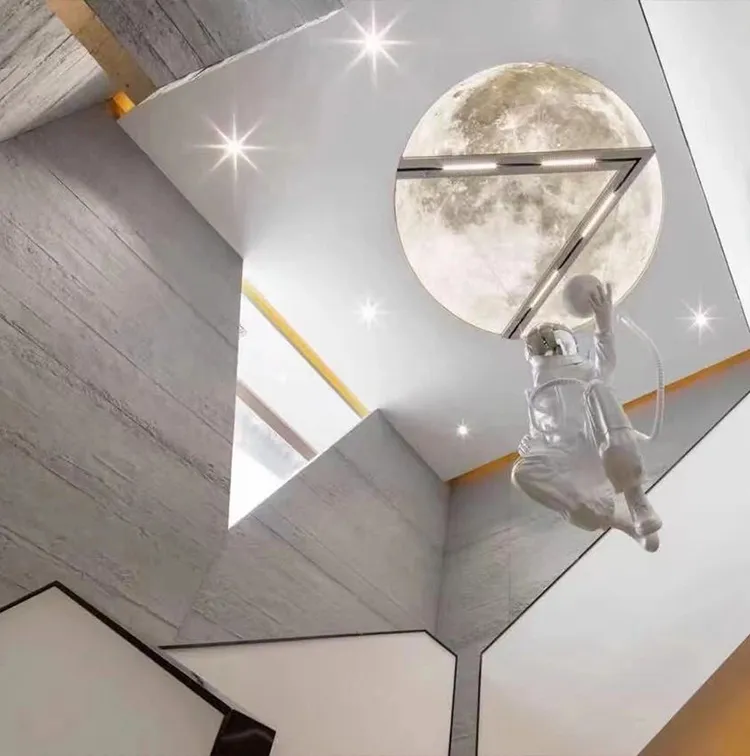
Cement board is exactly what it sounds like: a composite material made from cement, reinforced with fibers (like fiberglass or cellulose), and formed into rigid sheets. Think of it as the practical sibling—strong, versatile, and ready to adapt to whatever you throw at it. One of its most popular iterations is fair-faced concrete , which skips the polished finish for a raw, unapologetically industrial look. You've seen it in modern coffee shops, sleek home exteriors, and even high-end boutiques—those walls that look like they were poured yesterday, with subtle texture and a cool, neutral palette.
But cement board isn't just about minimalism. Manufacturers now offer variations with wood grains, stone-like textures, or even custom colors, making it a chameleon in the design world. It's lightweight compared to natural stone, water-resistant, and fireproof—qualities that make contractors (and homeowners) breathe a little easier.
Natural stone veneer, on the other hand, is nature's handiwork. It's thin slices of real stone—think travertine , marble, or slate—harvested from quarries and cut to a manageable thickness (usually 1-2 inches). Unlike full stone slabs, veneer is lightweight enough to use on walls without requiring massive structural support, but it retains all the beauty of the real thing: unique veining, organic textures, and that irreplaceable "lived-in" warmth.
Take travertine , for example. This porous, sedimentary stone has been used for centuries—think the Colosseum in Rome or ancient Turkish baths. Its creamy beige base, dotted with tiny holes (called "vugs"), and soft, flowing veins give it a sense of history and depth. No two pieces are exactly alike, which means your wall will be one-of-a-kind. Other stones, like granite or slate, offer different vibes: granite is bold and speckled, slate is moody and layered. But they all share that core trait: they're pieces of the earth, with all the character that entails.
At the end of the day, how a material looks might be the deciding factor. Let's break down the aesthetic vibes of each, so you can picture them in your space.
If your style is "less is more," cement board (especially fair-faced concrete ) is your soulmate. Its beauty lies in its simplicity: a uniform, matte finish with subtle variations in texture—think tiny air bubbles, faint trowel marks, or the occasional hairline crack that adds to its industrial charm. Colors skew neutral: whites, grays, and soft beiges, though some manufacturers offer pigments for a pop of color (think deep charcoal or warm terracotta).
What I love about cement board is its versatility. It can play the lead role (a full accent wall in a minimalist living room) or the supporting actor (a backsplash in a kitchen with wooden cabinets, balancing warmth and edge). It pairs beautifully with metal fixtures, large windows, and greenery—adding life to its cool tones. And because it's man-made, you can customize the texture: smooth for a sleek look, or rough for a more tactile, "raw" feel.
Natural stone veneer is for the person who wants their space to feel grounded, like it has a story. Travertine , for instance, brings warmth with its soft beige and gold hues, making a room feel cozy and inviting. Its porous surface catches light in interesting ways—those tiny vugs create shadows that shift throughout the day, adding depth without overwhelming the space. Other stones, like red travertine or slate portoro (a rich black with gold veins), make bold statements, perfect for a focal wall in a dining room or a fireplace surround.
The downside? Because it's natural, you can't control the pattern. A vein might veer left when you wanted it to go right, or a patch of color might be darker than expected. But for many, that's the magic—your wall isn't just a surface; it's a piece of art created by millions of years of geological activity. It's the opposite of "cookie-cutter," and that uniqueness is priceless.
Now, let's talk about the wildcard: mcm flexible stone . This isn't your grandma's stone cladding. MCM (Modified Composite Material) is a modern innovation—thin, lightweight panels made from natural stone particles mixed with polymers, allowing them to bend and flex. Think of it as natural stone's tech-savvy cousin: it mimics the look of travertine, slate, or even wood, but with the flexibility to wrap around curves, create 3D patterns, or even be cut into custom shapes like wave panels or semicircle boards.
Aesthetically, MCM flexible stone bridges the gap between cement board's uniformity and natural stone's organic feel. You get the texture and color variations of stone, but with more control over the design. Want a travertine-look wall with a gradient from light to dark? MCM can do that. Dream of a curved accent wall that looks like it's carved from stone? MCM can bend to the shape. It's ideal for designers who want the beauty of natural stone but need the practicality of a lightweight, customizable material.
Let's get real: beauty costs money, but some options are friendlier to your wallet than others. Here's how cement board, natural stone veneer, and MCM flexible stone stack up in terms of cost—from material to installation to long-term upkeep.
First, the raw materials. Prices vary by brand, quality, and location, but here's a rough guide (per square foot):
Materials are just part of the equation—you also need to pay someone to put them up (unless you're a DIY pro). Here's how installation costs shake out:
Now, let's talk about the "hidden" costs—maintenance and how long each material lasts. A cheaper upfront price might cost more in the long run if it needs frequent repairs!
| Factor | Cement Board (Fair-Faced Concrete) | Natural Stone Veneer (Travertine) | MCM Flexible Stone |
|---|---|---|---|
| Maintenance Cost (Annual) | $0.50–$1/sq ft (occasional cleaning with mild soap) | $2–$5/sq ft (sealing every 3–5 years to prevent staining) | $0.30–$0.80/sq ft (simple wipe-down; no sealing needed) |
| Lifespan | 30–40 years (resistant to moisture, pests, and fire) | 50+ years (durable but prone to chipping if hit hard) | 25–35 years (polymer binders can degrade in extreme UV light) |
| Replacement Cost | Low (easy to replace individual panels) | High (matching new stone to old is nearly impossible) | Moderate (panels can be replaced, but color matching may fade over time) |
So, if you're on a tight budget upfront, cement board wins. If you're willing to invest more now for a material that lasts generations, natural stone is worth it. And MCM flexible stone? It's a solid middle ground—affordable enough for most budgets, with lower maintenance than real stone.
Aesthetics and cost are huge, but let's not forget the nitty-gritty: How easy is it to install? Will it hold up in your climate? Can you clean it without breaking a sweat?
If you're handy with tools, cement board might be a weekend project. It cuts cleanly with a circular saw, screws into place easily, and doesn't require special equipment. Natural stone veneer, though? Leave that to the pros. Its weight means you need to check if your wall can support it (especially for exteriors), and misaligned stones will stick out like a sore thumb. MCM flexible stone is somewhere in between—DIY possible if you're patient, but hiring a pro ensures the adhesive sets properly, especially for curved surfaces.
Cement board is a tank. It laughs at rain, snow, and humidity (hello, bathrooms and exteriors!), and it's fire-resistant to boot. Natural stone is also tough—travertine has survived centuries in Roman ruins—but it's brittle. A heavy object dropped on it could chip or crack. MCM flexible stone is durable but not indestructible; extreme heat or prolonged UV exposure can cause the color to fade over time, so it's best for covered exteriors or interiors.
Cement board is low-maintenance: a quick wipe with a damp cloth, and you're done. Natural stone? Plan to seal it every few years (especially in kitchens or bathrooms, where spills are common) to prevent stains from seeping into those porous vugs. MCM flexible stone sits happily in the middle—no sealing, just occasional cleaning with a mild detergent. Perfect for busy families or anyone who hates home maintenance chores.
Sometimes, seeing is believing. Let's look at how these materials perform in real spaces:
A couple in Portland wanted a home that felt connected to the city's industrial roots but still warm enough for family life. They chose fair-faced concrete for their exterior walls, paired with large black windows and a wooden front door. The result? A sleek, low-maintenance facade that stands up to Oregon's rainy winters, with the concrete's texture softening the modern look. Total cost for 1,200 sq ft of exterior cladding: ~$18,000 (materials + installation).
A family in California dreamed of a villa-like feel in their living room. They went with travertine veneer for the fireplace wall, choosing a honed finish to enhance the stone's natural veins. The warm beige tones complement their leather sofas and olive green decor, creating a space that feels like a vacation at home. They budgeted for sealing every 4 years, but say the timeless beauty is worth the effort. Total cost for 200 sq ft: ~$8,000 (materials + installation).
A trendy restaurant in Chicago wanted a statement wall that looked like stacked stone but could curve around their bar. MCM flexible stone in a "gobi panel" texture (think desert-inspired, rough-hewn look) was the solution. The installer bent the panels to follow the bar's curve, creating a focal point that guests can't stop (taking photos of). Total cost for 300 sq ft: ~$9,000 (materials + custom installation).
At the end of the day, there's no "best" option—only the best option for you . Here's a quick cheat sheet to help you decide:
No matter which you pick, remember: the best walls aren't just about materials—they're about how they make you feel when you walk into the room. Whether it's the cool calm of concrete, the warm embrace of travertine, or the innovative flexibility of MCM, your choice should reflect your style, your budget, and the story you want your space to tell.
Recommend Products












